
Review · FRANCE
Lyon: admission ticket to Brochier Soieries Silk Museum
The most surprising part of this small museum is how far Lyon silk reaches beyond fashion. Inside the Grand Hôtel-Dieu, you follow four generations of the Brochier family from haute couture cloth to fabrics made for aircraft, scientific equipment, health care, and agriculture. The fashion displays and the technical textiles give this visit a useful sense of scale.
I like the direct connection to famous designers, including Hubert de Givenchy, Christian Lacroix, Valentino, Yves Saint Laurent, and Nicolas Fafiotte. I also like the location, just five minutes from Place Bellecour, with the riverside entrance offering a pleasant stop during a walk through central Lyon. The main drawback is size: some people complete the museum in about 20 minutes, so the $9 admission can feel high if you expect a large museum or a working textile demonstration.
Key points at a glance
- 130 years of one Lyon silk house: Follow Brochier Soieries from its founding in 1890 through four generations and nine members of the Brochier family.
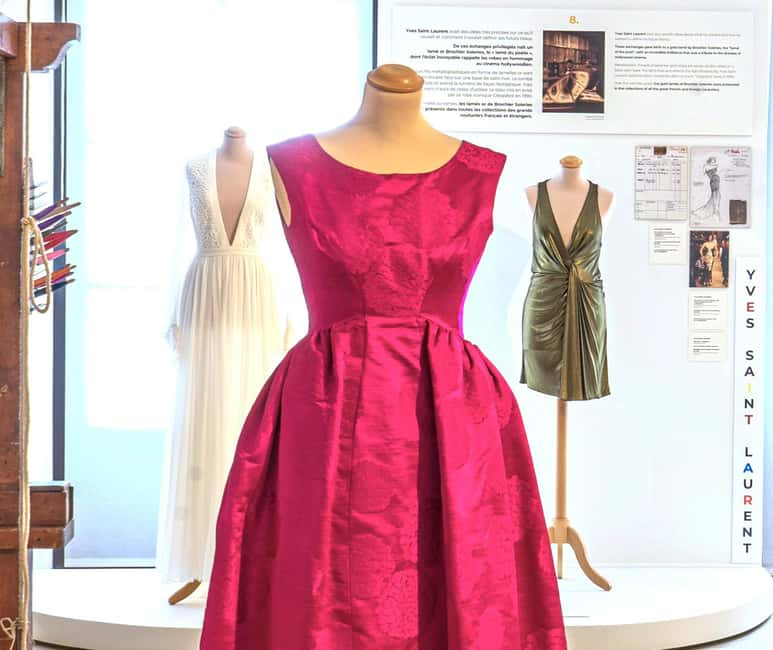
- Haute couture in the fabric itself: See gowns by Givenchy, Lacroix, Valentino, Yves Saint Laurent, and Nicolas Fafiotte.
- Art and textiles meet: View designs linked with artists such as Miró, Calder, and Cocteau.
- Technical silk has serious uses: Learn how adapted Jacquard looms produced materials for Concord nose cones, rainforest canopy rafts, and Venus balloon probes.
- A convenient central stop: The museum sits inside the Grand Hôtel-Dieu, close to Place Bellecour and the Rhône.
- Lyon-made shopping: The shop sells hand-painted 100 percent silk and velvet squares carrying the Fabriqué à Lyon label.
What this small Brochier museum is really about
This is not a broad survey of every silk maker in Lyon. It is the story of one family business and the many directions that business took over 130 years.
The Brochier family entered the silk industry in 1890. Four generations later, the house still works with silk, printed fabrics, and newer textile methods. That long family thread gives the visit its shape. You are not simply looking at attractive cloth. You are seeing how a Lyon company adjusted to changing demands in fashion, art, science, and industry.
The museum is newly opened within the Grand Hôtel-Dieu, a major historic site in the center of Lyon. Its location matters because you can pair it with a walk along the Rhône, a visit to Place Bellecour, or time spent exploring the Grand Hôtel-Dieu itself.
The museum is compact, and that can work in its favor. You can stop in without giving up half a day. If you are already nearby, this is an easy way to add Lyon’s silk story to your schedule without committing to a large formal museum.
A few more museum visits around France worth comparing
- Paris: Louvre Museum Timed-Entrance Ticket
★ 4.6 · 71,977 reviews - Paris: Orsay Museum Entry Ticket
★ 4.7 · 25,647 reviews - Paris: Louvre Museum Entry Ticket With Host and River Cruise
★ 4.6 · 9,926 reviews
Starting at the Rhône entrance
Finding the entrance requires a little care. Access is outside the building, from the Rhône riverside, close to the Wilson Bridge. It is not simply an entrance you should assume you will find from inside the Grand Hôtel-Dieu.
I would check the location map and entrance photographs before setting out. The riverside position is close to the central sights, but a wrong turn around the large complex could cost you time. If you are walking from Place Bellecour, the museum is about five minutes away according to the activity information.
The setting gives you a nice bit of context before you enter. Lyon’s silk trade is tied closely to the city itself, and arriving beside the river before seeing the fabrics makes this more than a quick indoor shopping stop. You are visiting a working Lyon silk name in one of the city’s most prominent historic buildings.
The museum is wheelchair accessible. Food and drinks are not allowed inside, and alcohol and drugs are prohibited.
Following four generations from 1890
The opening section introduces the Brochier family and the company’s development. The story covers four generations, nine members of the Brochier family, and hundreds of thousands of meters of silk woven and printed for fashion and the arts.
I find this family-business angle more useful than a simple date list. It helps explain why the museum includes such different material. A house that began with traditional silk production eventually had to answer the needs of fashion designers, artists, engineers, and researchers.
The displays also show the connection between Lyon’s silk identity and the wider world. The city is famous for silk, but this visit gives you a particular example of how that reputation was built through long-term craft, commercial relationships, and technical change.
Do not expect every step of the manufacturing process to be presented in a large working workshop. The focus is the Brochier story and its finished fabrics, garments, designs, and applications.
Haute couture gowns by major fashion names
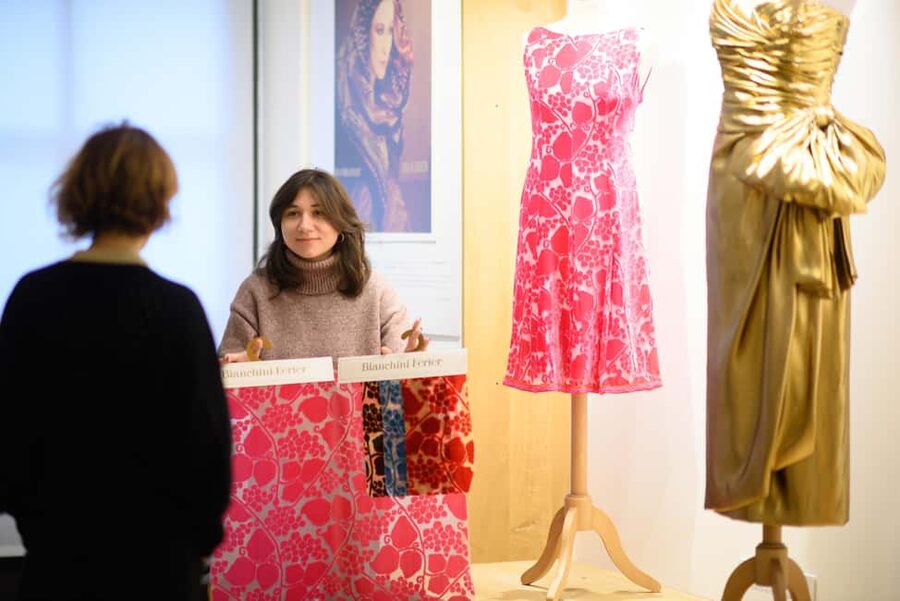
The fashion section is likely to be the main reason many people book. You can see gowns made with Brochier fabrics for Hubert de Givenchy, Christian Lacroix, Valentino, Yves Saint Laurent, and Nicolas Fafiotte.
That list is important, but the clothing is more than a roll call of designers. The gowns let you see how silk behaves when it becomes a finished piece of fashion. You can compare surface, pattern, shine, and movement in a way that fabric samples alone cannot show.
If you care about couture, allow yourself time to look closely at the relationship between cloth and cut. The fabric is not a background detail. It shapes the character of each garment and shows why a fashion house might choose one textile over another.
The displays are also a good choice if you are visiting Lyon with someone who does not usually seek out industrial or textile museums. The gowns provide an immediate visual entry point. You do not need much prior knowledge of weaving to appreciate them.
At the same time, the number of garments is limited. This is not a full fashion museum with room after room of clothing. If you want a large collection of couture, the compact display may leave you wanting more. If you want a focused look at fabrics made for notable designers, it gives you the essentials without a long time commitment.
Same city, a completely different collection:
- Louvre Museum Masterpieces Guided Tour with Access
★ 4.5 · 12,023 reviews - Les Invalides: Napoleon’s Tomb & Army Museum Entry
★ 4.6 · 9,185 reviews - Mona Lisa & Louvre Masterpieces Tour with Reserved Access
★ 4.6 · 6,812 reviews - Paris: Musée de l’Orangerie Reserved Entrance Ticket
★ 4.7 · 6,529 reviews
From Miró and Calder to Cocteau
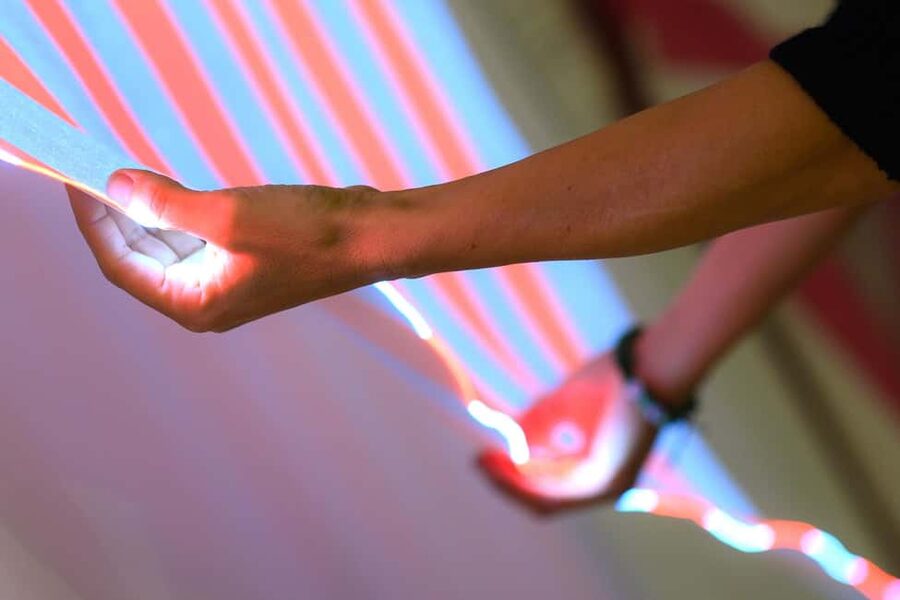
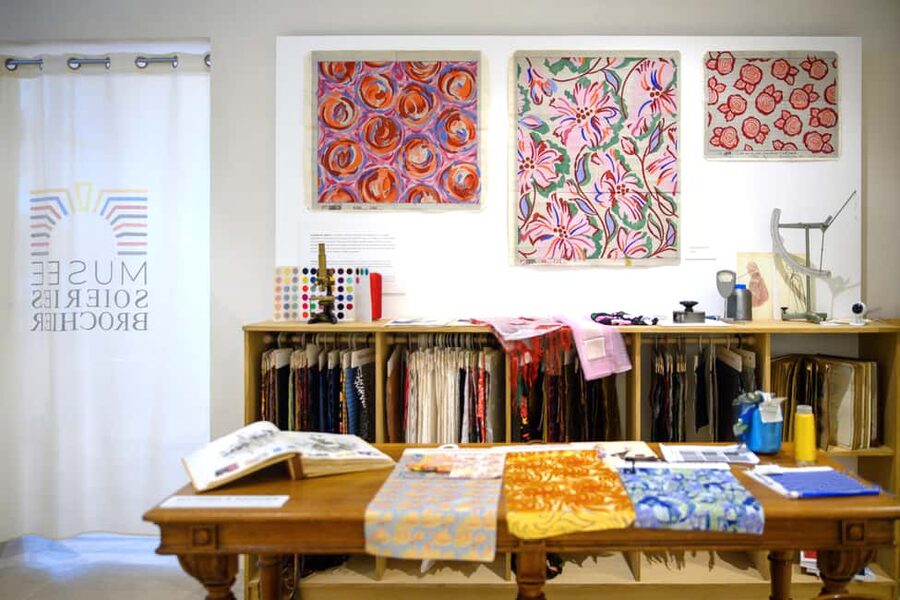
Brochier’s work also reaches into modern art. The museum presents textile designs connected with major 20th-century artists, including Miró, Calder, and Cocteau.
This section changes the way you think about silk. Instead of treating cloth as something used only for clothing or interiors, you see it as a surface for artistic ideas. Patterns that begin as drawings or visual designs must be adapted to weaving or printing, where color, scale, and texture affect the final result.
I especially like this part because it connects the practical work of a silk house with the imagination of artists. The story is not only about preserving an old craft. It is also about finding new forms for that craft.
The art displays may appeal most to you if you enjoy design, illustration, or decorative arts. They also help break up the fashion material and give the visit a broader cultural frame.
The unexpected turn toward technical textiles
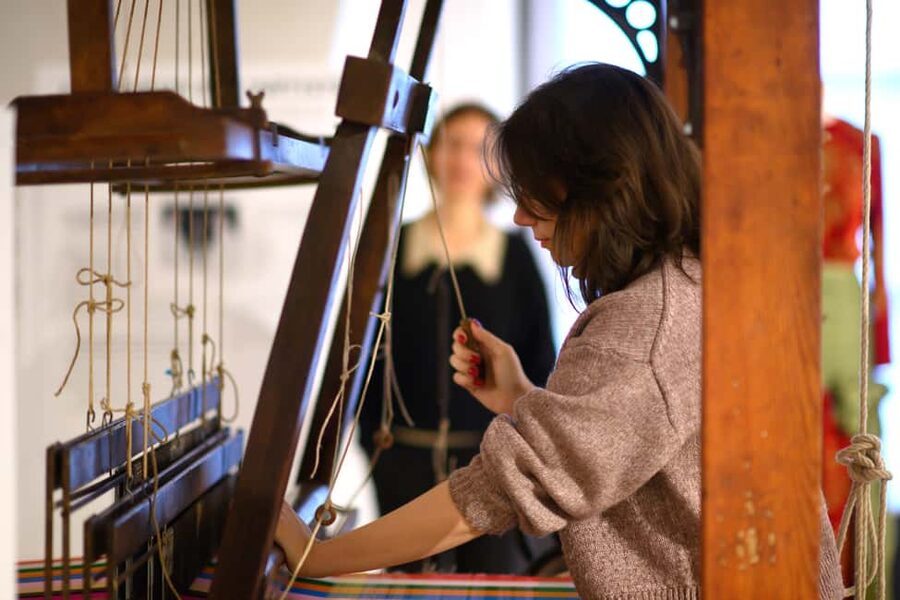
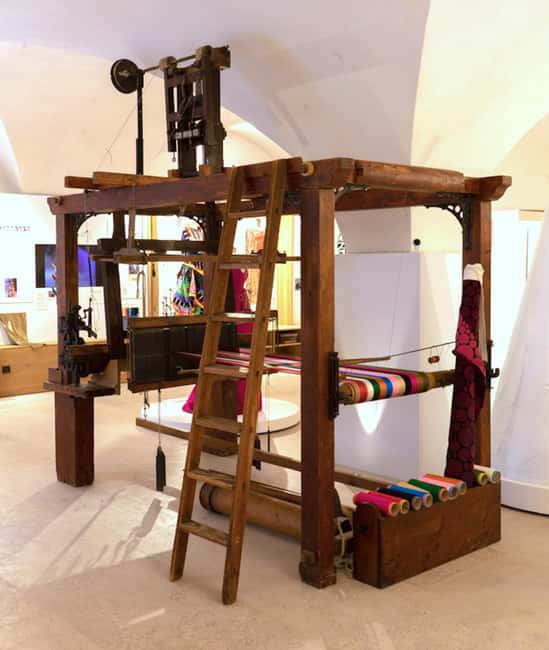
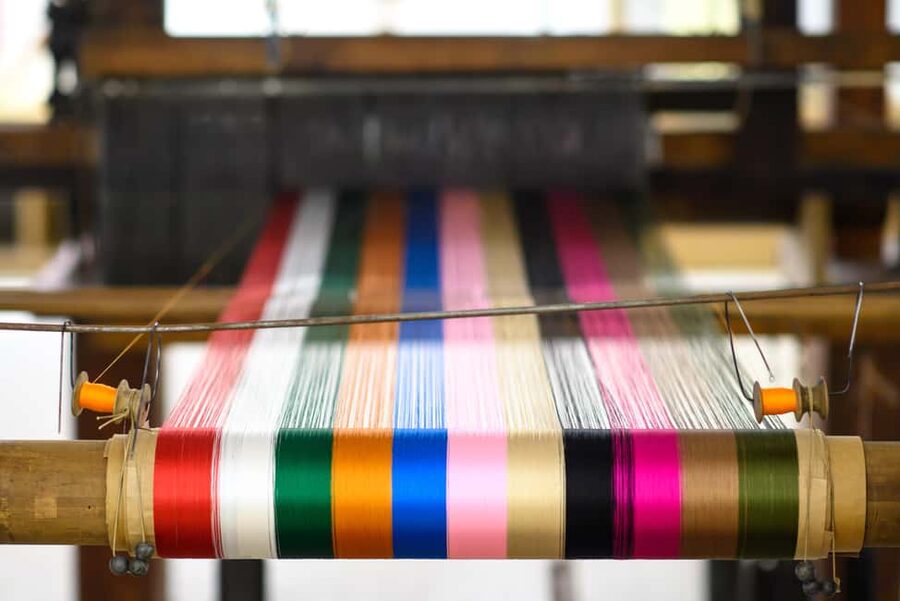
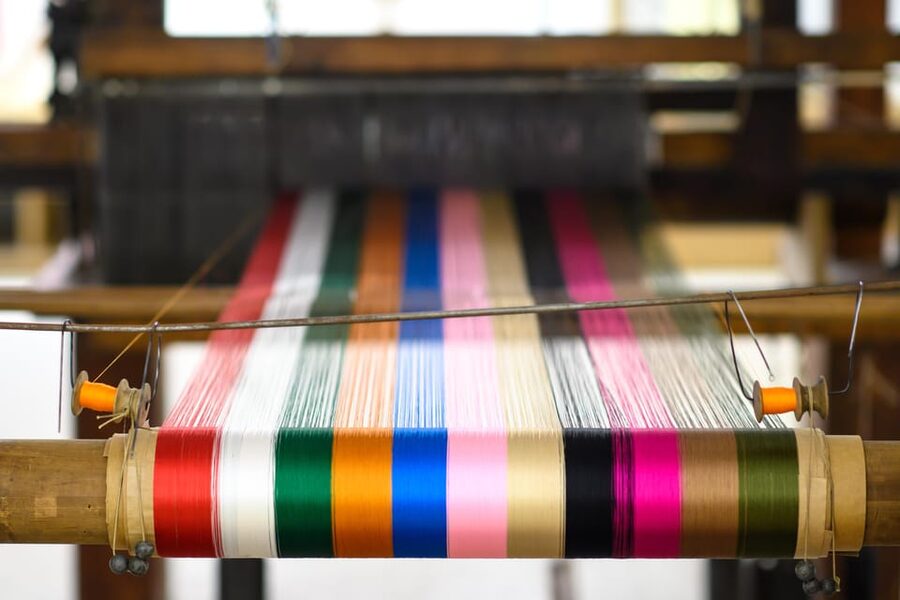
The most unusual part of the museum is the section on technical fabrics. Brochier adapted the Jacquard loom for uses far removed from scarves and gowns.
The examples include materials for Concord nose cones, rainforest canopy rafts, and Venus balloon probes. These applications show how a traditional weaving system could be redirected toward demanding technical work.
You also learn about silk thread woven with optical fibers to create future-facing fabrics. The museum connects textile development with health care, agronomy, and aeronautics, making the visit relevant even if you are more interested in science than fashion.
This section is valuable because it corrects a common assumption: silk is not just a luxury material. Textile engineering can involve strength, structure, communication, protection, and specialized performance. The Brochier story makes that point through concrete examples rather than abstract claims.
One practical caution is worth noting. A displayed loom was not yet working when one visitor saw the museum in November 2025. If you are hoping for a lively demonstration with moving machinery, keep expectations modest. The technical story is interesting, but this is primarily a display museum, not a full production workshop.
How long should you plan for?
The official validity is one day, but that does not mean you need a full day inside. The museum’s compact size means you can see the main exhibits in roughly 20 minutes if you move quickly.
I would plan 30 to 45 minutes if you want to read the family story, study the gowns, consider the art designs, and spend time with the technical textile section. You may spend longer if the shop interests you or if you enjoy examining the fabrics closely.
That short visit is a benefit for many schedules. You can fit it between Place Bellecour, the Rhône riverfront, and the rest of the Grand Hôtel-Dieu. It also works well as a rainy-day stop or as a focused activity before lunch.
The short duration is the central value question. At $9 per person, the admission is reasonable if you want a concise, specialized museum and plan to combine it with nearby sights. It is less convincing if you judge the price strictly by minutes inside or expect a large collection.
The current overall rating is 4.2 from 51 ratings, which fits the experience: strong interest in the history, clothing, and textile development, balanced by concerns about the museum’s small footprint.
The Fabriqué à Lyon shop
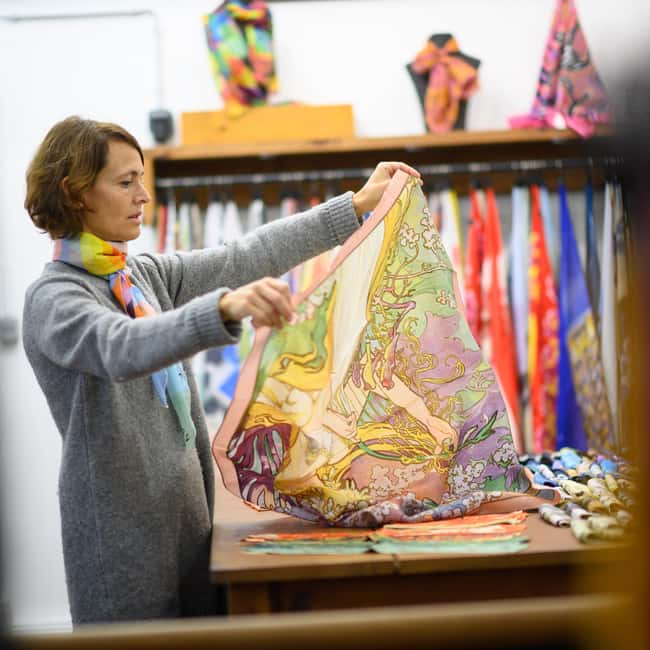
The shop is open to the public and may be the strongest part of the visit for shoppers. It offers hand-painted squares made from 100 percent silk and velvet, produced in Lyon through Brochier weaving mills and printing workshops.
Look for the authentic Fabriqué à Lyon label if local production matters to you. This gives the purchase a clearer connection to the city than a generic souvenir with a French design printed elsewhere.
The shop also provides a chance to see the fabrics at close range. In the exhibition, you view the story and finished examples. In the shop, you can consider color, texture, and use more directly.
Prices for individual products are not provided, so I would treat shopping as an optional addition rather than assume it is included in the admission. The entrance ticket covers the museum only. The shop is open to the public, so you can visit it even if you decide not to pay for the exhibition.
The staff are described as welcoming and competent, which is useful if you want help understanding the textiles or choosing an item. Still, the shop’s appeal will depend on your budget and interest in silk accessories.
Is $9 a fair price?
For central Lyon, $9 is not an unreasonable admission, but the value depends on what kind of outing you want.
You are paying for a focused look at a historic Lyon silk house, designer gowns, artist collaborations, and technical textiles. You are also paying for a central location inside the Grand Hôtel-Dieu, which makes the museum easy to add to a day of sightseeing.
I would call the price fair for visitors who already care about silk, fashion, design, or industrial history. The combination of Givenchy, Lacroix, Valentino, Yves Saint Laurent, Miró, Calder, and technical projects gives the museum more range than its small size might suggest.
I would hesitate if you mainly want a long museum visit or a working demonstration. A compact exhibition can be enjoyable and still feel expensive when you finish in 20 minutes. In that case, make the shop and the surrounding Grand Hôtel-Dieu part of the same stop, rather than treating the museum as your only activity.
Free cancellation up to 24 hours before the visit and the reserve-now, pay-later option make it easier to fit into a changing Lyon schedule. The ticket is valid for one day, with starting times dependent on availability.
Who will enjoy this stop most?
I recommend the museum most strongly to:
- Fashion fans: The couture gowns give you a direct reason to visit.
- Textile and design enthusiasts: You can compare silk, velvet, printing, weaving, and artist-led patterns.
- Science and technology fans: The Jacquard loom’s use in aeronautics, agronomy, health care, and scientific exploration adds an unusual angle.
- Short-visit planners: You can see the exhibition in around 20 to 45 minutes.
- Shoppers seeking local goods: The shop carries Lyon-made silk and velvet accessories.
- Families with mixed interests: Fashion, art, and technical inventions offer several ways into the subject.
I would be less likely to recommend it as a priority if you have very little time in Lyon and no interest in silk, clothing, design, or manufacturing. The location is convenient, but the museum itself is specialized and small.
Practical tips for a smoother visit
Check the riverside entrance before you leave. The museum entrance is outside the Grand Hôtel-Dieu, close to the Wilson Bridge, rather than an obvious interior doorway.
Pair the visit with time at Place Bellecour or along the Rhône. The museum’s short length makes it easy to place between larger activities.
Do not count on a working loom demonstration. The textile technology is explained through the exhibits, but the loom was not yet functioning during one recent visit.
Keep the shop in your plan if you want an authentic local purchase. The Fabriqué à Lyon label and the stated Lyon production make the silk squares more meaningful than ordinary souvenir merchandise.
If you use a wheelchair, the museum is listed as accessible. Food and drinks are not permitted inside, so finish snacks before entering.
Should you book the Brochier Soieries Museum?
Book it if you want a short, central, well-focused look at Lyon’s silk tradition, especially if haute couture, modern art, or technical fabrics interest you. The mix of designer gowns, artist designs, and unusual aerospace and scientific uses gives the museum real substance despite its small size.
Skip it if you expect a large textile museum, a long guided tour, or an active weaving workshop. At $9, the admission works best as part of a larger Grand Hôtel-Dieu and Rhône visit, not as a full-day attraction on its own.
For many people, the deciding factor will be the gowns and the shop. For me, the technical textile story is what makes the museum worth considering. It shows Lyon silk as a living trade with an industrial future, not simply a beautiful souvenir from the past.
FAQ
Where is the Musée des Soieries Brochier located?
The museum is inside Lyon’s Grand Hôtel-Dieu, with access outside the building from the Rhône riverside near the Wilson Bridge.
How far is the museum from Place Bellecour?
The museum is about five minutes from Place Bellecour.
How much does admission cost?
The listed price is $9 per person.
How long is the ticket valid?
The ticket is valid for one day.
What does the admission ticket include?
The ticket includes entrance to the Musée des Soieries Brochier.
Is the museum wheelchair accessible?
Yes, the activity information lists the museum as wheelchair accessible.
Are food and drinks allowed inside?
No. Food and drinks are not allowed inside the museum. Alcohol and drugs are also prohibited.
Can I buy Lyon-made silk products at the museum?
Yes. The public shop sells hand-painted 100 percent silk and velvet squares made in Lyon, including products carrying the Fabriqué à Lyon label.
Just added around France
- Ticket to Musée National du Sport★ 4.4 · 32 reviews
- Rodin Museum Masterpieces – Guided Tour up to 8 guests★ 4.9 · 13 reviews
- Louvre Museum: Skip-the-Line Guided Tour★ 4.6 · 98 reviews
- Invalides Museum – WWI & WWII – Guided Tour up to 8 guests★ 5.0 · 32 reviews
- Skip the Line Guided Tour of Louvre Museum Highlights★ 5.0 · 49 reviews
- Rouen : Museum Immersive Viking Experience★ 4.2 · 47 reviews
- Paris: Louvre Museum Highlights Small-Group Guided Tour★ 4.8 · 157 reviews
- From Paris: Private Trip to Giverny, Monet’s House & Museum★ 4.5 · 13 reviews
Museum Tours in France, compared.
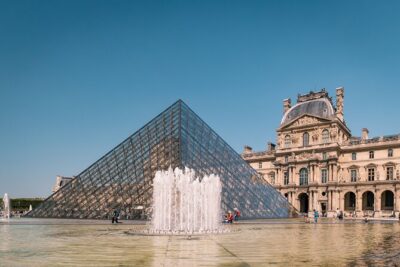
Louvre Museum Masterpieces Guided Tour with Access
Read our review →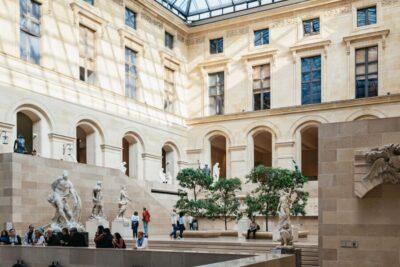
Louvre Museum Entry Ticket With Host and River Cruise
Read our review →
Les Invalides: Napoleon’s Tomb & Army Museum Entry
Read our review →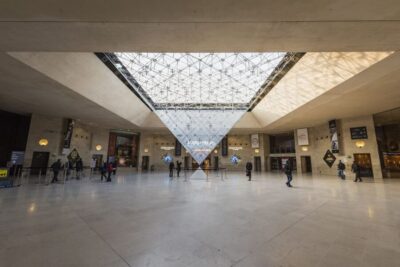
Mona Lisa & Louvre Masterpieces Tour with Reserved Access
Read our review →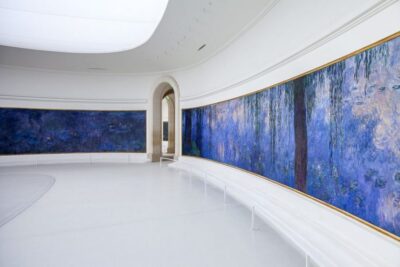
Musée de l’Orangerie Reserved Entrance Ticket
Read our review →
Louvre Museum – Exclusive Guided Tour (Entry Included)
Read our review →Browse the lists this tour appears in