
Review · LONDON
London: Postal Museum Entry Ticket and Underground Rail Ride
London’s most unusual museum ride runs beneath the streets. At the Postal Museum, you board a small train and travel through the old Mail Rail tunnels, the century-old underground railway once used to move post across the capital. It is brief, but the dark tunnels, projected films, and onboard commentary make the story easy to follow.
I like two things right away: the mix of real postal objects, from the Penny Black stamp to flintlock pistols, and the hands-on activities that give children something to do besides read labels. The main drawback is timing. The advertised visit lasts about 1.5 hours, but you may need two or three hours if you want to read the exhibits and try the interactive displays without rushing.
Key points
- Ride a miniature train through the old Mail Rail tunnels on a roughly 15-minute underground journey.
- See the Penny Black, the world’s first postage stamp, alongside postal weapons and working equipment.
- Test a wobbly-floor mail-sorting carriage and try other hands-on activities.
- Learn how post shaped communication, from historic mail services to telephone and post box design.
- Expect a child-friendly museum, though adults will find plenty of unusual facts and objects.
- Allow extra time for the café and galleries, since the listed 1.5 hours can feel short.
Why London’s underground mail railway matters
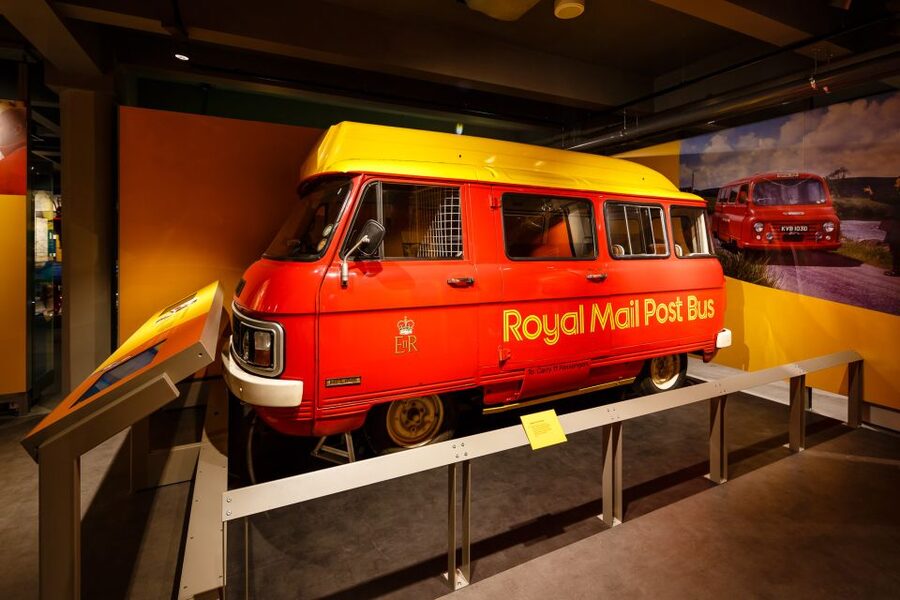
The Postal Museum tells a story that is easy to overlook. London’s postal system was not simply a row of post boxes and delivery vans. It depended on sorting offices, horses, stagecoaches, workers, weapons, telephones, and eventually a private railway beneath the city.
That railway is the museum’s main hook. The Mail Rail system operated for more than 100 years, carrying post through tunnels below London. Today, you ride a compact train through part of that underground world rather than just looking at a model or reading about it.
The ride helps explain why the system existed. London streets could be crowded and slow, while the tunnels offered a direct route between sorting offices. You do not get a long railway journey, but you do get a clear sense of the confined working environment and the clever engineering behind it.
I would treat the attraction as a museum with a ride, not as a railway excursion with a small museum attached. The train lasts about 15 minutes. The galleries provide the larger story.
More Museum Tours in London
- Tower of London and Crown Jewels Exhibition Ticket
★ 4.5 · 6,677 reviews - London: Chelsea Football Club Stadium and Museum Tour
★ 4.8 · 4,576 reviews - Chelsea FC Stadium Tours and Museum
★ 5.0 · 1,908 reviews
The Mail Rail ride takes you below the city

The underground journey is the part most people plan around. You board a miniature train and travel through the former postal railway while commentary and projected film clips explain what happened below ground.
The presentation uses the tunnel walls as part of the show. Historical information appears around you, and the combination of audio, film, and movement makes the old railway easier to picture. It is more effective than a display case filled with diagrams because you are actually passing through the space connected with the story.
Do not expect a long ride. Around 10 to 15 minutes is a realistic guide, and some of that time includes stops for projected material. For children, this is probably the right length. Adults hoping for a major rail experience may find it short, but the content gives the ride more purpose than a simple loop around a dark tunnel.
The train and tunnel sections may not suit everyone. One part of the journey includes a blackout experience, and the cars are compact. If you are claustrophobic or very tall, consider this before booking. You may also be asked to leave bags before boarding. This is handled with separate lockers on the trains, which staff lock and open when you return.
The staff presence is useful here. The ride is organised in a controlled way, and the bag storage arrangement removes one common worry about leaving belongings behind.
What the museum galleries add
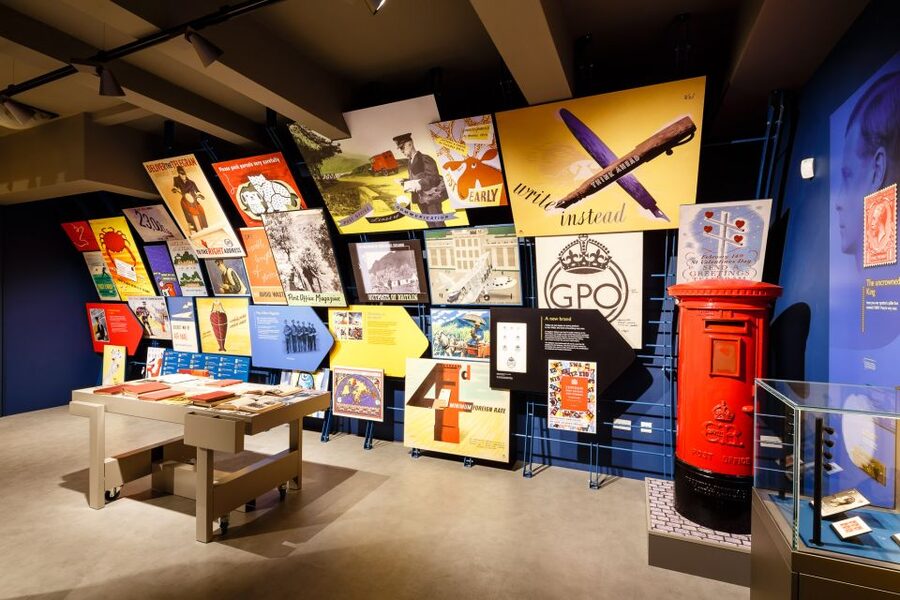
After the ride, you can explore the museum’s galleries and see how postal work changed over five centuries. The displays cover more than stamps. You get a look at the systems, tools, workers, and communication habits that made mail possible.
The Penny Black is an obvious highlight. It was the world’s first postage stamp, and seeing the actual object gives a small but important piece of postal history some weight. The stamp helped change how people paid for letters, making the postal service easier to use than older systems based on complicated charges.
The museum also shows a miniature Victorian rail car that operated on London’s streets. It is a useful reminder that postal transport did not rely on one method. Mail could move by road, street railway, underground railway, and other forms of transport depending on the period and route.
Then there are the flintlock pistols. These were used to defend mail from theft, an unexpected detail that shows how risky postal work could be. The weapons add a sharper edge to a subject that can otherwise sound tidy and bureaucratic.
You may also encounter stories about mail stagecoaches and the dangers faced on the road, including an extraordinary account involving a horse and a lioness. Details like this help turn a timeline into a collection of human stories.
The hands-on exhibits are the museum’s strength

The Postal Museum works best when it lets you try the job. A mock-up train carriage has a wobbly floor, giving you a sense of the challenge faced by workers sorting letters while the train moved.
It is harder than it looks. You need to stay balanced while dealing with the task in front of you, which makes a simple explanation about postal sorting memorable. Children usually respond well to this kind of activity, but adults can enjoy it too, especially when they discover that the job demands more coordination than expected.
Other activities cover communication and postal design. You might see how post boxes and telephone boxes developed, design your own stamp, or handle interactive elements aimed at younger visitors. The museum also uses old films and visual material, giving adults a chance to connect the displays with systems they remember from childhood.
This is not a quiet, label-heavy collection. Some exhibits are designed for children and can be busy on weekends. If you want a calm look at every interactive station, visit at a quieter time if possible. The attraction is at its best when families share the displays rather than compete for them.
A few more museum visits around London worth comparing
- Official tickets: Moco Modern & Contemporary Art Museum
★ 4.5 · 1,157 reviews - London: Jack the Ripper Museum Tickets
★ 4.2 · 894 reviews - London: British Museum Guided Tour with Entrance Tickets
★ 4.9 · 748 reviews - London: British Museum Audio Tour & Priority Entrance Ticket
★ 4.5 · 631 reviews
A useful stop for families with different interests
Family outings often fail when one person wants a serious museum and another wants an activity. This attraction makes a reasonable compromise. Children get the train ride, dressing-up opportunities, sorting games, and interactive displays. Adults get the history of communication, transport, work, and technology.
The content also gives you things to discuss together. You can compare modern messaging with older postal systems, explain how people once dialled telephones, or ask why post needed its own underground railway. Children do not need to know much about postal history before arriving.
The separate Sorted! Postal Play Space is bookable through the Postal Museum website. It is not included automatically with the standard entry ticket, so check the arrangements if that activity is important to your family. The supplied information identifies it as a separate booking for children aged 8, so do not assume it comes with museum admission.
The museum is not only for young children, but the balance does lean toward family entertainment. If you want a large collection of rare stamps or a highly specialised postal archive, you may find the exhibition modest. If you want a practical introduction with things to touch and do, it works much better.
How long should you allow?
The stated duration is 1.5 hours. That is enough for the train ride and a quick look around, especially if you focus on the main highlights.
I would allow two hours at a minimum if your schedule permits. Families who stop at the hands-on stations, read the stories, and take a café break may spend three hours. Several parts of the museum invite you to pause, and rushing straight from the train to the exit would leave much of the collection unseen.
The train ride is normally the fixed centre of the visit, so check available starting times when you book. Build the rest of your museum visit around it rather than assuming you can arrive at any moment and board immediately.
The attraction is located in South East England, with the meeting point at the Postal Museum itself. You do not need to arrange separate transport for the experience. Entry is wheelchair accessible, which makes it a practical choice for visitors who need an accessible museum setting, though the supplied information does not describe every ride-specific restriction.
Is the $24 price good value?

At $24 per person, the ticket is fair value if you use the museum as a two-hour or longer visit. The underground ride provides the memorable centrepiece, while the galleries and activities give you enough material to justify the admission.
The value is weaker if you arrive expecting a long train journey. Fifteen minutes underground is not much for the price on its own. The ticket makes more sense when you count the museum displays, the Penny Black, the Victorian rail car, the flintlock pistols, the sorting activity, and the time spent exploring communication history.
Families may get especially good value because the displays work for different ages. Adults can read and discuss the history while children stay occupied with the practical activities. The café also gives you a place to pause instead of ending the visit as soon as the ride finishes.
There is free cancellation up to 24 hours before the activity, and you can reserve now and pay later. Those terms help if your London schedule is still changing, but the main value question remains simple: are you willing to spend time in the galleries after the train ride?
Practical tips for a smoother visit
Plan your visit around the train time. The railway ride is short, but it is the one part of the experience you cannot casually repeat whenever you like.
Keep your belongings manageable. Bags are stored in lockers for the ride, and staff control access, but travelling light makes the boarding process easier.
If you are tall or uncomfortable in enclosed spaces, think carefully before booking. The train cars and tunnels are compact, and one section becomes completely dark.
Families should allow time for the interactive displays. Children may want to repeat the sorting activity, design a stamp, dress up, or try several stations. A fast adult visit can fit the listed 1.5 hours, but a family visit usually needs longer.
The café serves snacks and refreshments and is described as family-friendly. It is a useful part of the plan, especially if you are spending two or three hours at the museum. Give yourself time to find a clean table and keep an eye out for spills during busy periods.
The shop sells communication-related items, which may appeal if you want a small souvenir connected with the museum rather than a generic London keepsake.
Who should book this experience?
I would recommend it to families, curious adults, museum fans who enjoy working exhibits, and anyone looking for an unusual London attraction away from the usual royal and art collections.
It is particularly good for children old enough to follow a short story and take part in simple challenges. Younger children can enjoy the train and visual material, but the more detailed displays may be less important to them.
It also suits adults with an interest in transport, engineering, communication, or social history. The Mail Rail ride gives you access to a part of London most people never see, and the postal objects add plenty of odd details.
I would be more cautious if you dislike dark, confined spaces, want a long train trip, or prefer a large museum with hundreds of major exhibits. The Postal Museum is focused and family-friendly, not grand or exhaustive.
Should you book the Postal Museum and Mail Rail?
Book it if you want a distinctive London experience that combines a short underground ride with hands-on history. The strongest elements are the Mail Rail presentation, the Penny Black, the wobbly-floor sorting activity, and the way the museum connects postal work with everyday communication.
Go with realistic expectations. The ride is only about 15 minutes, and the galleries lean toward families, but the full visit can fill an afternoon if you take your time. At $24, it is worthwhile when you treat the railway as the opening chapter of a wider museum visit, not the entire attraction.
FAQ
Where does the Postal Museum experience start?
You start at the Postal Museum in South East England, United Kingdom.
How long does the experience last?
The listed duration is 1.5 hours. You may want two or three hours if you plan to explore the galleries, use the interactive displays, and stop at the café.
How long is the underground Mail Rail ride?
The miniature underground train ride lasts about 15 minutes.
What will I see at the museum?
You can see the Penny Black, a Victorian miniature rail car, flintlock pistols used to defend mail, postal displays, and interactive exhibits about communication and sorting.
Is the train ride suitable for people who dislike enclosed spaces?
The train travels through compact underground tunnels, and part of the ride includes a blackout experience. People with claustrophobia should take this into account before booking.
Is the experience wheelchair accessible?
Yes, the activity is described as wheelchair accessible.
Is food available at the Postal Museum?
Yes. The museum has a family-friendly café serving snacks and refreshments.
Is the Sorted! Postal Play Space included?
No. Sorted! Postal Play Space is bookable separately through the Postal Museum website.
Can I cancel for a refund?
Yes. You can cancel up to 24 hours in advance for a full refund.
Can I reserve now and pay later?
Yes. The booking option allows you to reserve your place and pay nothing at the time of booking.
Just added around London
- Westminster and National Gallery 3.5-Hour Tour in Italian★ 4.9 · 28 reviews
- British Museum & Camden Town – Private Tour in Italian★ 4.8 · 26 reviews
- London: British Museum Highlights Guided Small Group Tour★ 4.9 · 113 reviews
- London: Westminster Abbey & Jubilee Galleries Guided Tour★ 4.9 · 56 reviews
- London: Sherlock Holmes Museum & Westminster Walking Tour★ 4.4 · 13 reviews
- London: Royal Museums Greenwich Day Pass★ 4.5 · 309 reviews
- London: Tickets for Moco Modern & Contemporary Art Museum★ 4.7 · 391 reviews
- London: The Courtauld Gallery at Somerset House Entry Ticket★ 4.6 · 126 reviews
Museum Tours in London, compared.

Tower of London and Crown Jewels Exhibition Ticket
Read our review →
Chelsea Football Club Stadium and Museum Tour
Read our review →


Official tickets: Moco Modern & Contemporary Art Museum
Read our review →
British Museum London Guided Tour Semi-Private 8ppl Max
Read our review →
British Museum Guided Tour with Entrance Tickets
Read our review →Browse the lists this tour appears in