
Review · LONDON
London: Freud Museum Entry Ticket
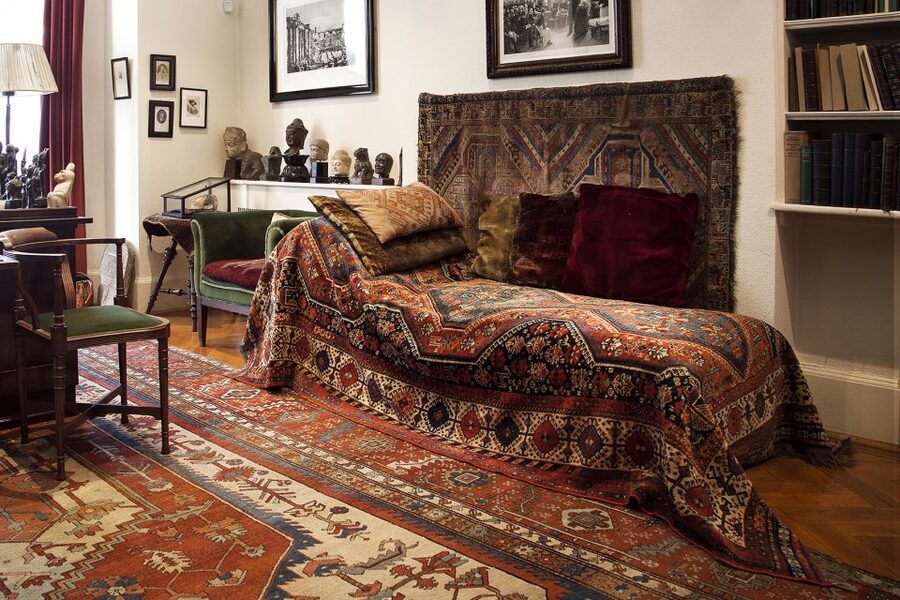
Freud Museum London gives you something rare: a look inside a real home that still feels tied to the person who lived there. Sigmund Freud’s study remains arranged much as he left it, with his famous couch, desk, antiquities, and a strange chair made for his unusual sitting position. The original study is the emotional center of the visit.
I like the link between Freud’s life and Anna Freud’s work. Her room adds a second story, shifting attention from adult psychoanalysis to pioneering work with children. I also like the 20-minute family film, which includes Anna Freud’s voice and a rare recording of Sigmund Freud. The main drawback is scale: this is a focused museum, not a full-day attraction, so some visitors may finish in under two hours.
Key points at a glance
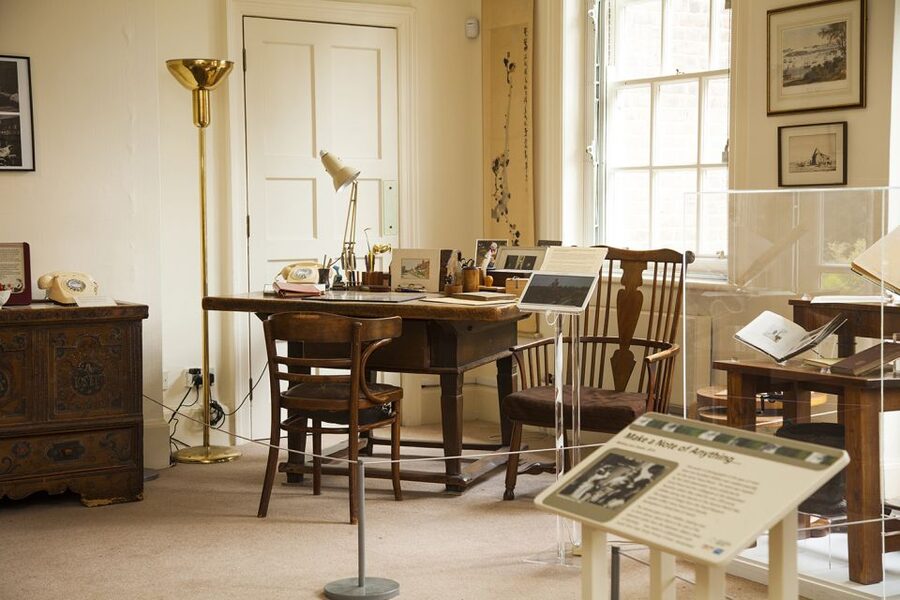
- Freud’s original couch and study: See the room preserved with his desk, antiquities, and personal chair.
- Anna Freud’s child psychoanalysis room: Learn how Freud’s daughter developed her own important area of work.
- A rare family film: Watch a 20-minute presentation with recordings and footage from Vienna and London.
- Salvador Dalí’s portrait: See the surrealist’s portrait of Sigmund Freud and learn about their 1938 meeting.
- A quiet garden: End your visit outdoors in the peaceful garden behind the house.
- Free audio and guided tour options: Bring your own phone and headphones, or visit Thursday through Saturday at 2pm for the free tour.
Why Freud’s final home feels different
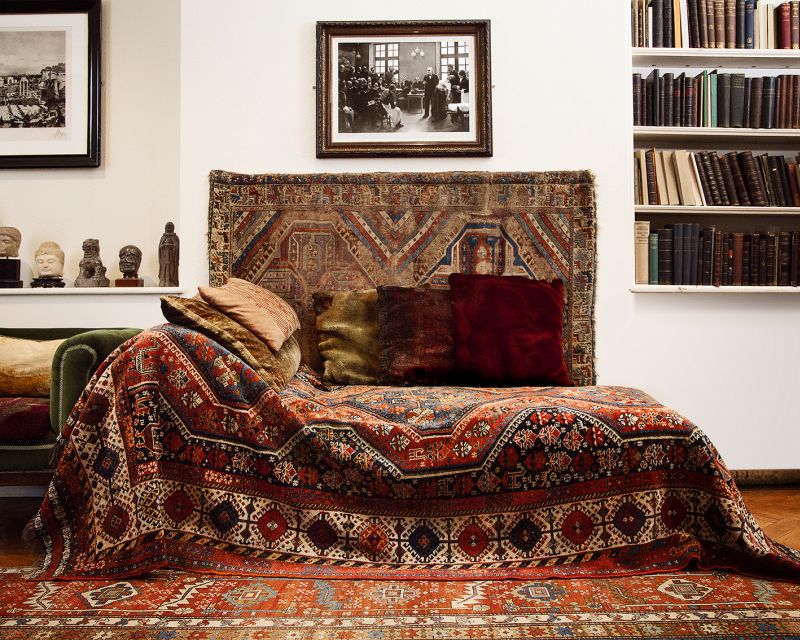
The Freud Museum is not a grand palace or a large collection spread across many rooms. It is a house with a strong personal charge. You enter the final home of Sigmund Freud and his daughter Anna Freud, then move through rooms connected to their daily lives and professional work.
That setting matters. Books, objects, furniture, and working spaces can tell you more about a person than a row of display cases. Here, the connection is especially clear in the study. Freud’s famous psychoanalytic couch is not just an image from a textbook. You see it in the room where his ideas and methods took shape.
I would not visit only to collect a photograph of the couch. The value comes from seeing the couch alongside Freud’s desk, his antiquities, and the rest of the preserved room. Together, these details give you a sense of how he arranged his surroundings and how closely his professional life was tied to his home.
The atmosphere can feel serious and personal. If you have an interest in psychology, modern European history, biography, or the lives of famous thinkers, this small museum offers plenty to consider. If Freud’s ideas do not interest you, the visit still has a strong domestic and artistic side, but you may find the subject matter more specialized.
More Museum Tours in London
- Tower of London and Crown Jewels Exhibition Ticket
★ 4.5 · 6,677 reviews - London: Chelsea Football Club Stadium and Museum Tour
★ 4.8 · 4,576 reviews - Chelsea FC Stadium Tours and Museum
★ 5.0 · 1,908 reviews
Inside Sigmund Freud’s study
The study is the first major reason to come. It has been preserved as Freud left it, creating a direct link with his life in Vienna and his final years in London.
The world-famous couch receives the most attention, and rightly so. Yet the desk may tell you just as much. Freud placed his favorite antiquities there, showing how his interests in ancient objects, culture, and human behavior shared the same setting. You are not only looking at an office. You are looking at a working room shaped by his habits and passions.
One detail is easy to miss if you move too quickly: the unusual anthropomorphic chair designed especially for Freud. He preferred to sit with his legs over one arm of the chair, and this piece was made to suit that posture. It is an oddly human detail in a room connected with a figure often presented as a distant intellectual giant.
Take your time here. The room rewards close looking more than speed. Notice the furniture, the desk, the couch, and the arrangement of objects. The audio guide can help add context, but the room itself does much of the work.
You need to bring your own phone and headphones for the free audio guide. That small preparation matters. Without headphones, you may need to rely on the displays and your own reading rather than the full audio experience.
The dining room and the story of psychoanalysis
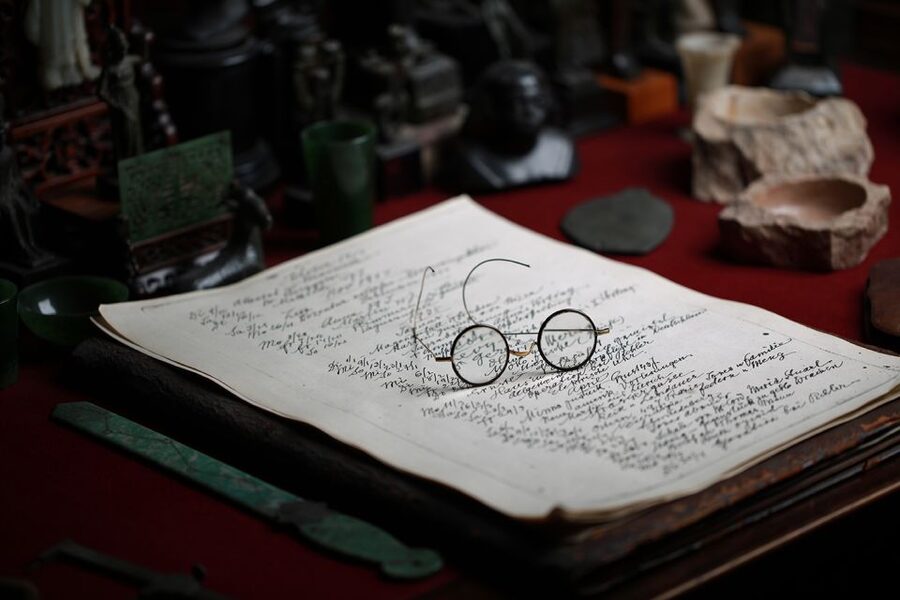
The Dining Room shifts the focus from one man’s study to the broader story of Freud’s family and psychoanalysis. This is where the visit can help you place the objects in context.
You learn about Freud’s family story and the development of psychoanalysis. The room provides a useful pause between the intensely personal study and Anna Freud’s more specialized work. I like this part because it links private life with public influence without requiring the museum to become a large academic exhibition.
Do not expect a long lecture or a dense university course. The museum offers a compact introduction. You can bring your own background to it, then use the displays and audio guide to fill in the main points.
The visit works best if you are willing to think about the relationship between rooms. Freud’s study shows the man at work. The Dining Room gives the family and intellectual setting. Anna’s room then shows how the next generation developed a related field in its own direction.
Anna Freud’s room and child psychoanalysis
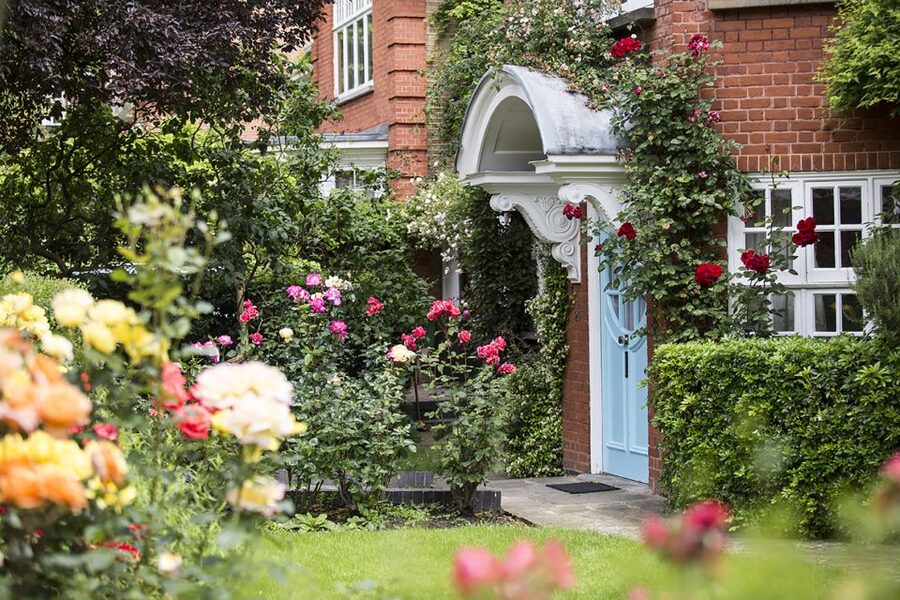
Anna Freud’s Room gives the museum a second center of attention. She was a pioneering child psychoanalyst, and her work deserves more than a brief mention beside her father’s name.
In the room, you can see her couch and collections while learning about her approach to child psychoanalysis. This is one of the strongest parts of the visit for anyone interested in children, education, psychology, or the way ideas change over time.
It also prevents the museum from becoming only a shrine to Sigmund Freud. Anna’s work creates a wider family story and shows that the address was connected to two important careers. I appreciate that balance. You can study Freud’s famous methods, then consider how Anna applied her own thinking to children.
The room is also a useful stop for visitors who arrive mainly because of an interest in Anna Freud. The information is still part of a compact house museum, so you should not expect a large separate exhibition devoted solely to her career. Still, the couch, collections, and personal setting give the subject a clear physical presence.
A few more museum visits around London worth comparing
- Official tickets: Moco Modern & Contemporary Art Museum
★ 4.5 · 1,157 reviews - London: Jack the Ripper Museum Tickets
★ 4.2 · 894 reviews - London: British Museum Guided Tour with Entrance Tickets
★ 4.9 · 748 reviews - London: British Museum Audio Tour & Priority Entrance Ticket
★ 4.5 · 631 reviews
Salvador Dalí’s portrait of Freud
Alongside Anna’s Room, you will see a portrait of Sigmund Freud by Salvador Dalí. The pairing is memorable: Anna’s work on one side, and an image of her father by one of the best-known surrealist artists on the other.
The museum connects the portrait with a meeting between Dalí and Freud in London in 1938. That detail adds a small but fascinating art-world episode to the visit. If you like art as much as biography, this may be one of the most rewarding objects in the house.
The portrait also reminds you that Freud’s influence reached beyond medicine and psychology. Artists and writers found his ideas useful, provocative, or unsettling. You do not need a specialist background in surrealism to appreciate the encounter, but knowing the London date gives the object a stronger sense of place and time.
A visit to the portrait does not take long. Give it a proper look, then use the nearby information to connect Dalí, Freud, and the changing intellectual world of the late 1930s.
The 20-minute film about the Freud family
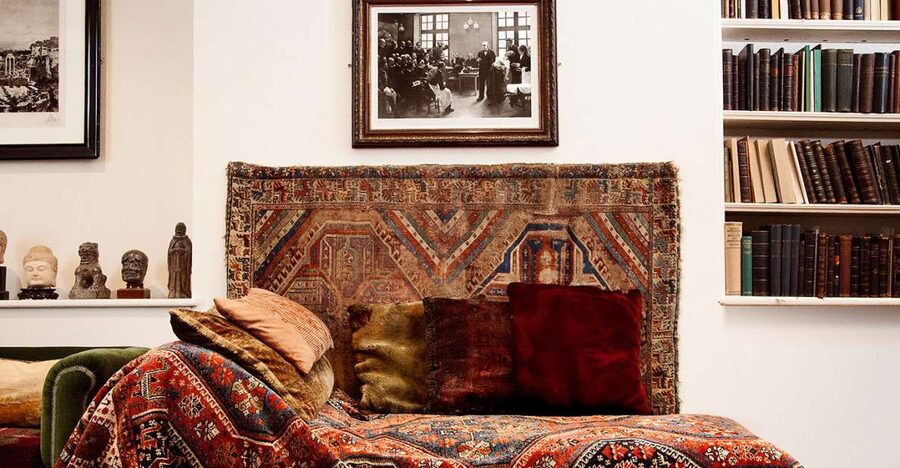
The film is a practical part of the visit because it gathers personal material that would be difficult to present through furniture alone. It runs for about 20 minutes and includes footage from Vienna and London.
You hear voiceovers from Anna Freud and a rare recording from an interview with Sigmund Freud. Those recordings add a human dimension to the rooms. A voice can change your sense of a person, especially when the rest of the visit has focused on objects and preserved spaces.
I recommend fitting the film into your visit rather than treating it as an optional extra. It gives you a clear narrative thread through the Freud family story and helps connect Vienna, London, Sigmund Freud, and Anna Freud.
The timing is also useful. Since the museum itself is relatively focused, a 20-minute film adds substance without taking up a large part of your day. On the other hand, if you prefer to move at your own pace and read quietly, you will need to plan around the screening rather than simply rushing through the rooms.
A quiet ending in the garden
Freud’s garden provides a calmer finish. After the study, family story, Anna Freud’s room, portrait, and film, the garden gives you a place to pause and think about what you have seen.
It is not presented as a major formal attraction, and that is part of its appeal. You can spend time there without needing to follow another display or audio track. The garden adds breathing room to a museum that deals with private lives and serious ideas.
I would save it for the end. The outdoor space works best as a final pause, especially if the study leaves you with a lot to consider. It also helps pace the visit. You can look closely indoors, watch the film, then finish somewhere quieter.
Price, time, and what you receive
Admission costs about $19 per person. That is a fair price if you care about Freud, Anna Freud, psychology, biography, or unusual historic homes. The included audio guide and the free Thursday to Saturday tour at 2pm add value without requiring a second payment.
The price is harder to justify if you expect a large museum with many galleries and several hours of entertainment. This is a concentrated visit. You are paying for access to Freud’s preserved home, original furnishings, personal objects, family history, and a small set of supporting experiences.
The ticket is valid for one day, so you have room to plan around the available starting times. Free cancellation up to 24 hours before the visit and the option to reserve now and pay later can help if your London schedule is still shifting.
For the best value, bring your phone and headphones. The audio guide is included, but headphones are not. If you visit between Thursday and Saturday, the free 2pm tour is another good reason to choose those days.
Who should visit Freud Museum London?
I would recommend this experience to:
- People interested in Sigmund Freud and the history of psychoanalysis
- Visitors curious about Anna Freud and child psychoanalysis
- Anyone who enjoys historic homes with original furniture and personal objects
- Art lovers interested in Salvador Dalí’s portrait and the 1938 meeting
- Students and readers looking for a focused introduction to Freud’s life
- Visitors who prefer quiet museums over large, crowded institutions
It may be less suitable if you want a long, highly interactive attraction or a broad survey of London history. The museum has a specific subject and a limited size. That focus is its strength, but it also sets clear limits.
Families may find Anna Freud’s work more approachable than Sigmund Freud’s theories, though the material is still centered on psychology and family history. Anyone with a serious interest in child development should allow extra time for her room and collections.
Practical advice before you go
Enter at the back of the house through the shop. This is the meeting point, so do not assume the main front entrance is the correct way in.
Bring a charged phone and headphones for the free audio guide. The museum does not provide the headphones, and the audio adds useful context to the rooms and objects.
If you want the free tour, plan for Thursday, Friday, or Saturday at 2pm. The supplied information does not name a guide, so you should check the available details when booking if having a guided visit matters to you.
Allow enough time for the study, Dining Room, Anna Freud’s Room, the film, and the garden. The exact time you need depends on how closely you read and how long you listen, but the full visit is best treated as a thoughtful half-day option rather than an all-day attraction.
Should you book the Freud Museum?
Book it if you want to see Freud’s actual working surroundings rather than only read about him. The original couch, desk, antiquities, unusual chair, and preserved study create a personal connection that a standard museum display cannot match.
I would also book if Anna Freud interests you. Her room and child psychoanalysis work give the visit a wider purpose and keep it from focusing only on her father. Add the Dalí portrait, the family film, and the garden, and the $19 ticket offers a solid, specialized London experience.
Skip it if your London plans are already packed and Freud does not interest you. This is a small, focused museum, and its value comes from attention and curiosity. Bring headphones, choose the 2pm tour if the dates suit you, and give the study time to speak for itself.
FAQ
Where is the Freud Museum London?
The museum is in South East England in the United Kingdom. Enter at the back of the house through the shop.
How much does admission cost?
Admission costs $19 per person.
How long is the ticket valid?
The ticket is valid for one day.
Is an audio guide included?
Yes. Admission includes a free audio guide.
Do I need to bring headphones?
Yes. Bring your own phone and headphones to listen to the free audio guide.
Is a guided tour included?
A free tour is included from Thursday through Saturday at 2pm.
What can I see in Freud’s study?
You can see Sigmund Freud’s original psychoanalytic couch, desk, favorite antiquities, and unusual anthropomorphic chair.
Can I see Anna Freud’s work?
Yes. Anna Freud’s Room includes information about her pioneering work in child psychoanalysis, along with her couch and collections.
Is there a film at the museum?
Yes. You can watch a 20-minute film about the Freud family, with voiceovers from Anna Freud, a rare recording from Sigmund Freud, and footage from Vienna and London.
Just added around London
- Westminster and National Gallery 3.5-Hour Tour in Italian★ 4.9 · 28 reviews
- British Museum & Camden Town – Private Tour in Italian★ 4.8 · 26 reviews
- London: British Museum Highlights Guided Small Group Tour★ 4.9 · 113 reviews
- London: Westminster Abbey & Jubilee Galleries Guided Tour★ 4.9 · 56 reviews
- London: Sherlock Holmes Museum & Westminster Walking Tour★ 4.4 · 13 reviews
- London: Royal Museums Greenwich Day Pass★ 4.5 · 309 reviews
- London: Tickets for Moco Modern & Contemporary Art Museum★ 4.7 · 391 reviews
- London: The Courtauld Gallery at Somerset House Entry Ticket★ 4.6 · 126 reviews
Museum Tours in London, compared.
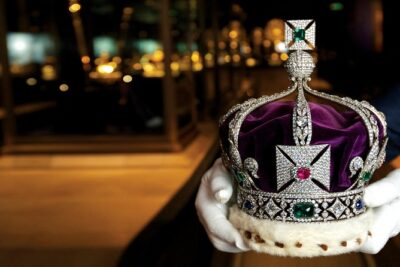
Tower of London and Crown Jewels Exhibition Ticket
Read our review →
Chelsea Football Club Stadium and Museum Tour
Read our review →

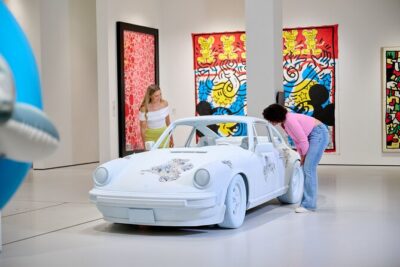
Official tickets: Moco Modern & Contemporary Art Museum
Read our review →
British Museum London Guided Tour Semi-Private 8ppl Max
Read our review →
British Museum Guided Tour with Entrance Tickets
Read our review →Browse the lists this tour appears in