
Review · FRANCE
Limoges: Musee National Adrien Dubouche Ticket
Limoges is famous for porcelain, and the Musée National Adrien Dubouché gives you the full story in one handsome setting. You can see more than 18,000 ceramic pieces, from ancient objects to modern works, while learning how raw materials become fine porcelain.
I like the freedom of a self-guided visit and the clear focus on both art and technique. The museum’s bright rooms, beautiful third-floor displays, and Italian-style facade add plenty of visual interest. The only catch is the split opening hours, plus a second-floor layout that can feel a little confusing.
Key points to know before you go
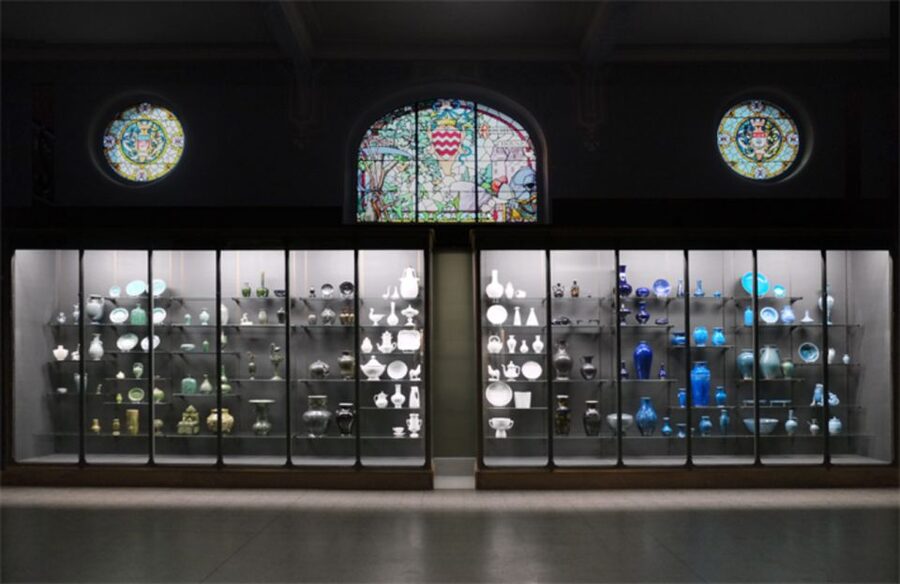
- The world’s largest public Limoges porcelain collection: See the local specialty in its widest setting.
- Four distinct museum areas: Explore old art-school classrooms, Art Nouveau rooms, production techniques, and fine porcelain galleries.
- More than 18,000 pieces: The collection reaches from antiquity to the present day.
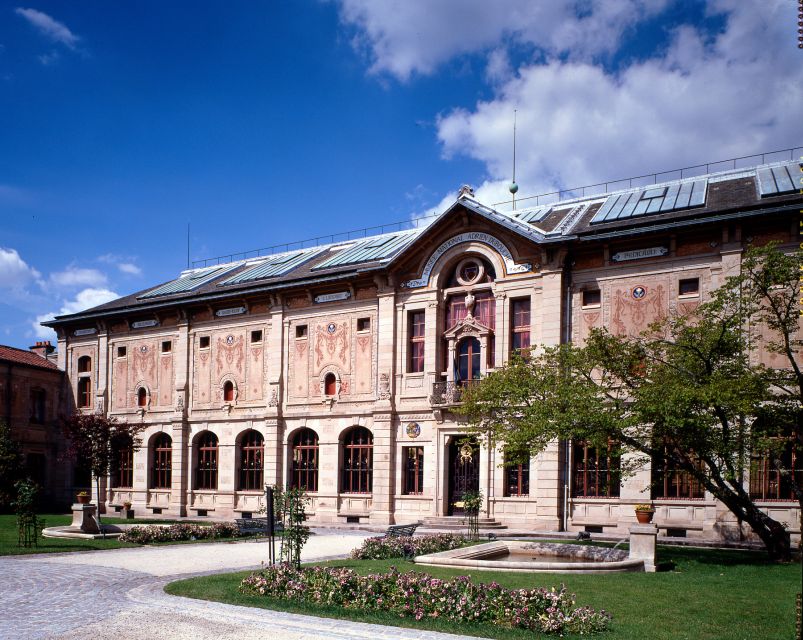
- A bright, historic building: The Italian-style facade and museum architecture are part of the visit.
- Self-guided and flexible: Plan your own pace, from a quick hour to roughly three hours or more.
- Strong value at $8: Admission is especially good for anyone interested in porcelain, design, or decorative arts.
Why this Limoges museum is worth your time
The Musée National Adrien Dubouché is not simply a display of pretty plates. It explains the long story of ceramic art, then brings that story home through Limoges porcelain. You begin with a broad view of ceramics and gradually reach the highly refined works for which this French city is known.
I like museums that explain how objects were made, not just who made them or when. Here, the collection includes displays about the raw materials and production methods used in porcelain-making. That gives the delicate finished pieces some useful context. You can look at a gleaming vase differently once you understand the demanding work behind its smooth surface, thin walls, and decoration.
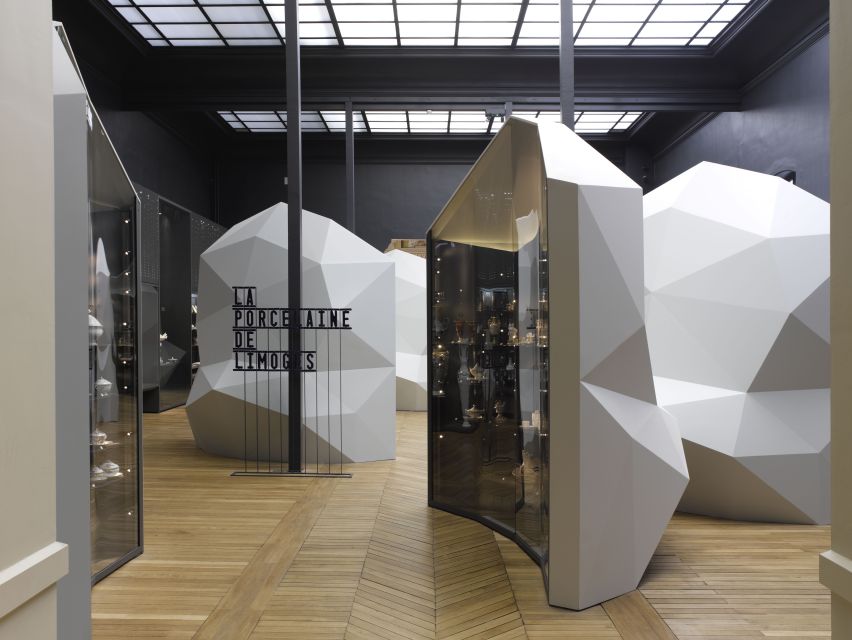
The museum holds the largest public collection of Limoges porcelain in the world. That matters because Limoges is not a minor side note in French decorative arts. Its porcelain became a major local industry and an important part of the city’s identity. The museum lets you see that story at a scale that a small gallery cannot match.
You should allow at least enough time to move through the four main areas without rushing. A quick visit can work if you only want a taste, but anyone interested in ceramics should plan around three hours. One particularly enthusiastic assessment put the ideal visit at three to three and a half hours, which sounds sensible if you read labels and stop often.
A few more museum visits around France worth comparing
- Paris: Louvre Museum Timed-Entrance Ticket
★ 4.6 · 71,977 reviews - Paris: Orsay Museum Entry Ticket
★ 4.7 · 25,647 reviews - Paris: Louvre Museum Entry Ticket With Host and River Cruise
★ 4.6 · 9,926 reviews
Starting in the old École d’arts décoratifs rooms
One of the first areas introduces the old classrooms of the École d’arts décoratifs. These rooms connect the museum to the teaching of design and craft. They are useful for understanding that porcelain was not only factory work. It also involved drawing, planning, decoration, and training the eye.
The old classrooms give the museum a more personal scale. Instead of moving directly into a grand parade of finished objects, you get a sense of the educational setting behind decorative arts. This is a good place to slow down and consider how ideas became practical designs.
The building itself adds to the visit. Its Italian-style facade is one of the museum’s architectural highlights, and the structure was listed as a historical landmark in 1992. That listing does not turn the entrance into a separate attraction, but it tells you to pay attention before you reach the display cases. The museum is an architectural object as well as a collection.
If you arrive with a large suitcase or bulky bag, make other arrangements before coming inside. Luggage and large bags are not allowed, so this is better as a planned stop rather than a last-minute visit between transport connections.
The Art Nouveau rooms and a change in style
The museum’s Art Nouveau halls bring a different mood. Art Nouveau is known for flowing lines, decorative plant forms, and a close relationship between art and everyday objects. In these rooms, porcelain belongs to a wider design movement rather than being treated as isolated tableware.
I would give this section time even if your main goal is Limoges porcelain. It helps show how ceramic objects reflect changing taste. The museum is not limited to one period or one look, and the movement from older pieces to more decorative modern styles keeps the visit from feeling repetitive.
The bright interior is another advantage. One assessment described the museum as clear and full of light, and that is important in a collection built around fine surfaces, color, and small details. Good lighting makes it easier to study painted decoration and the differences between glossy, matte, pale, and richly colored finishes.
Still, do not expect every room to be equally easy to follow. The second floor may feel a little unclear in its arrangement, especially if you prefer a strict chronological route. I suggest checking the overall layout when you enter and using the room themes as your guide rather than trying to force every object into a perfect timeline.
Seeing how ceramic becomes porcelain
The techniques room is one of the most useful stops for first-time visitors. It focuses on ceramic and porcelain-making methods, including the raw materials used in the process. This is where the museum shifts from visual admiration to practical explanation.
Porcelain can look effortless when finished. The techniques section reminds you that it is a material with its own demands. The displays help connect the powder, clay, heat, shaping, and decoration to the final objects shown elsewhere in the museum.
You might find this room especially helpful if you are visiting with children, students, or anyone who wants more than a parade of beautiful things. It gives the collection a working backbone. Instead of asking only if a piece is attractive, you can consider why it has a particular form and finish.
The explanations are designed to be understandable without a private guide. The visit is self-guided, and no guide is named or included in the ticket. You set your own pace and decide how much technical detail you want to absorb. That suits independent museum visitors, though anyone wanting a personal explanation should know that this ticket is entrance only.
Same city, a completely different collection:
- Louvre Museum Masterpieces Guided Tour with Access
★ 4.5 · 12,023 reviews - Les Invalides: Napoleon’s Tomb & Army Museum Entry
★ 4.6 · 9,185 reviews - Mona Lisa & Louvre Masterpieces Tour with Reserved Access
★ 4.6 · 6,812 reviews - Paris: Musée de l’Orangerie Reserved Entrance Ticket
★ 4.7 · 6,529 reviews
Reaching the fine porcelain galleries
The final area is devoted to the finest porcelain artworks. This is likely to be the high point for anyone who came specifically for Limoges. After learning about materials and methods, you can look at the finished pieces with a better eye for skill and detail.
The third floor receives particular praise for its presentation. It is described as especially beautiful, and the light helps the works show well. I would save enough energy for this section rather than treating it as an afterthought. The upper galleries are where the museum’s artistic ambition comes into clearest view.
The collection covers ceramics from antiquity to the present day, so the final displays are part of a much larger story. You will not see only local porcelain. The museum places Limoges within the wider history of ceramic art, giving you a chance to compare different periods and approaches.
Some cases on the ground floor may feel less modern in design. That does not reduce the importance of what they contain, but visitors who care about exhibition design may notice the older presentation. The collection is stronger than the display furniture, and the museum’s content carries the visit even where the cases feel plain.
How long should you plan for?
The ticket is valid for one day, so you have room to build the museum into a relaxed Limoges schedule. The stated opening hours are 10:00 a.m. to 12:30 p.m., then 2:00 p.m. to 5:45 p.m. The museum is closed on Tuesdays, as well as December 25 and January 1.
That midday closure is the main timing issue. You cannot simply wander in during the lunch break, so check the day carefully before setting out. A morning visit can work well, followed by lunch in Limoges, or you can arrive after 2:00 p.m. for a longer afternoon session.
I would not try to squeeze the whole museum into the last half hour before closing. You would miss too much of the explanation and would have little time for the fine pieces. If ceramics are a major interest, plan three to three and a half hours. If you are making a short city stop, one to two hours can still give you a useful introduction.
The one-day validity is helpful because it removes pressure to move at a set pace. You can take a break, but remember that the museum closes between 12:30 and 2:00 p.m. The ticket does not include food or drinks, so lunch is your own arrangement.
Is the $8 admission good value?
At $8 per person, this is an easy museum to recommend on price alone, especially for anyone with a real interest in porcelain, design, or French craft. You are paying for access to 18,000 objects and a collection that covers the full span of ceramic art, not a single small gallery.
The value is even better if you have two or three hours available. A rushed visit still gives you the building and a sample of the collection, but the price feels strongest when you use the museum as a serious cultural stop. You can take your time with the materials section, compare periods, and linger over the best porcelain displays.
There are also important exceptions. Entry is free for people aged 25 and under, teachers leading school or educational groups, job seekers, and RSA beneficiaries. Everyone gets free admission on the first Sunday of each month. If one of those categories applies to you, check the conditions before paying for a ticket.
The ticket includes entrance only. It does not include a guide, food, drinks, hotel pickup, or hotel drop-off. That keeps the cost clear, but you need to plan the rest of your visit yourself.
Practical details at 8 bis place Winston Churchill
The museum is at Musée National Adrien Dubouché, 8 bis place Winston Churchill, 87000 Limoges. You go directly to the museum rather than meeting a tour leader elsewhere. Since there is no transportation included, allow time to reach the address under your own arrangements.
The museum is wheelchair accessible, which makes this a practical choice for visitors who need an accessible cultural stop. Large bags and luggage are not permitted, so leave suitcases at your accommodation or use an appropriate storage option before arriving.
The ticket offers free cancellation up to 24 hours in advance, and you can reserve now and pay later. Those terms help if your Limoges plans are still changing, though they do not alter the museum’s fixed opening hours.
The overall rating of 4.7 from 29 bookings suggests a strong level of satisfaction, but the useful detail is in the pattern of praise. The most valued features are the calm, open feel of the rooms, the clear explanations of materials and production, the amount of detail, and the quality of the displays. One short assessment simply praised the calm and space, which tells you this is not a cramped, noisy attraction.
Who will enjoy this museum most?
I would recommend it first to anyone who already likes ceramics, porcelain, design, or decorative arts. You will have enough material here to support a long, focused visit, and the techniques room gives you more than a purely decorative experience.
It also suits curious visitors who know little about porcelain. The museum’s four sections let you build your understanding as you go. You can start with broad history, learn about production, and finish with the most accomplished works.
Families and school groups may find the material useful because it joins visual objects with practical processes. The free admission for teachers leading educational groups is worth noting. Students and anyone aged 25 or under should also check eligibility for free entry.
You may be less satisfied if you want a fast, tightly directed attraction with a guide and a simple route. The museum is self-guided, and the second-floor presentation may require a little patience. If you dislike spending time with display cases or reading explanations, the scale of the collection could feel like more than you need.
Should you book the Musée National Adrien Dubouché ticket?
Book it if you want to understand why Limoges porcelain matters, not just see a few attractive objects. The combination of 18,000 pieces, production explanations, Art Nouveau rooms, old classrooms, and fine porcelain galleries gives you a solid cultural stop for a modest price.
I would choose an afternoon or a full morning rather than arriving close to closing time. Check the Tuesday closure and midday break, leave your large bags behind, and plan up to three hours if the subject interests you. If you are under 26, a teacher leading a school group, a job seeker, an RSA beneficiary, or visiting on the first Sunday of the month, check for free admission before purchasing.
This museum is not a quick photo stop. It rewards attention. For the right visitor, that is exactly why it earns a place in a Limoges itinerary.
FAQ
Where is the Musée National Adrien Dubouché?
The museum is at 8 bis place Winston Churchill, 87000 Limoges, France.
How much does admission cost?
The listed ticket price is $8 per person. Admission is free for people aged 25 and under, teachers leading school or educational groups, job seekers, and RSA beneficiaries. Entry is also free for everyone on the first Sunday of each month.
What are the museum’s opening hours?
The museum is open from 10:00 a.m. to 12:30 p.m. and from 2:00 p.m. to 5:45 p.m. It is closed on Tuesdays, December 25, and January 1.
How long is the ticket valid?
The ticket is valid for one day. You can visit at your own pace during the museum’s opening hours.
Is the museum wheelchair accessible?
Yes. The museum is wheelchair accessible.
Can I bring luggage or a large bag?
No. Luggage and large bags are not allowed inside the museum.
Just added around France
- Ticket to Musée National du Sport★ 4.4 · 32 reviews
- Rodin Museum Masterpieces – Guided Tour up to 8 guests★ 4.9 · 13 reviews
- Louvre Museum: Skip-the-Line Guided Tour★ 4.6 · 98 reviews
- Invalides Museum – WWI & WWII – Guided Tour up to 8 guests★ 5.0 · 32 reviews
- Skip the Line Guided Tour of Louvre Museum Highlights★ 5.0 · 49 reviews
- Rouen : Museum Immersive Viking Experience★ 4.2 · 47 reviews
- Paris: Louvre Museum Highlights Small-Group Guided Tour★ 4.8 · 157 reviews
- From Paris: Private Trip to Giverny, Monet’s House & Museum★ 4.5 · 13 reviews
Museum Tours in France, compared.
Louvre Museum Masterpieces Guided Tour with Access
Read our review →
Louvre Museum Entry Ticket With Host and River Cruise
Read our review →
Les Invalides: Napoleon’s Tomb & Army Museum Entry
Read our review →
Mona Lisa & Louvre Masterpieces Tour with Reserved Access
Read our review →
Musée de l’Orangerie Reserved Entrance Ticket
Read our review →
Louvre Museum – Exclusive Guided Tour (Entry Included)
Read our review →Browse the lists this tour appears in