
Review · SPAIN
Jerez de la Frontera: Andalusian Horse Dance and Museums
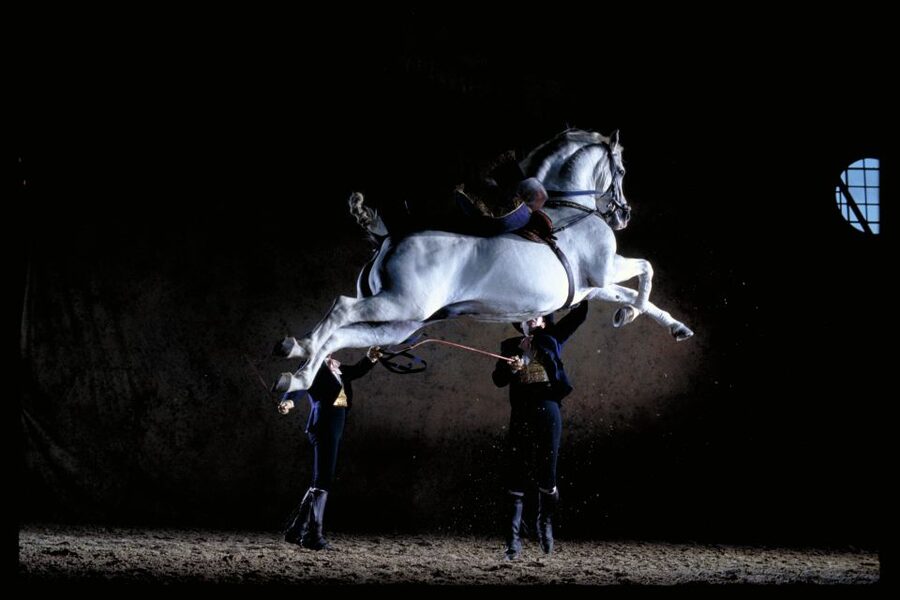
The main event is a 90-minute equestrian ballet at Jerez’s Royal Andalusian School of Equestrian Art. Andalusian horses perform piaffe, passage, pirouettes, Spanish walk, carriage work, and high-school dressage to Spanish music, with riders in 18th-century style costumes.
I like the way the visit pairs the polished show with the working side of the school, where you may see horses being groomed, warmed up, or schooled. I also like the carriage museum and the chance to connect the performance with Andalusian horse culture. The main drawback is timing: some rooms close on Saturdays and public holidays, and the seating can be uncomfortable.
Key points to know before you book
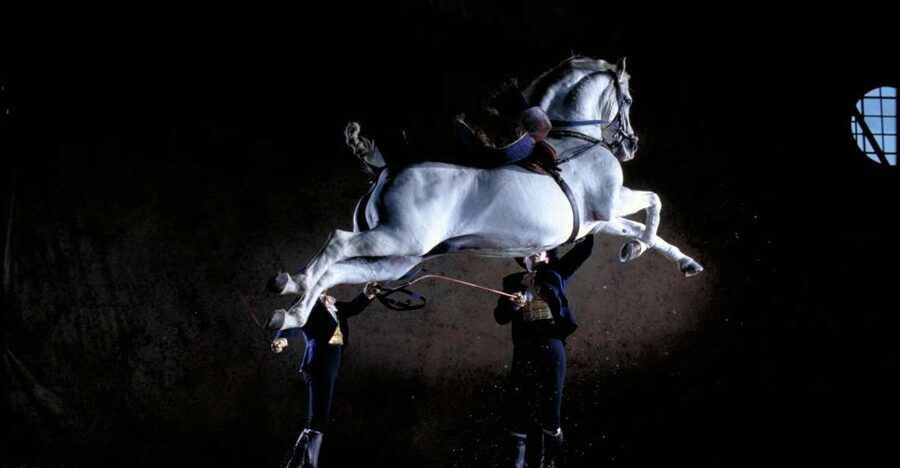
- The 90-minute show is the centerpiece: Expect six to eight choreographies, from young horses in training to advanced airs above the ground.
- Visit before noon when possible: The audio-visual presentation runs until 11:00 AM, while the equestrian museum and carriage museum have their own opening hours.
- The stables add real value: You may see horses preparing for the performance and observe the care behind the polished spectacle.
- The palace grounds are part of the visit: Gardens, 19th-century architecture, and exhibition rooms make this more than a ticket to a horse show.
- Plan around closures: The palace and saddlery are closed Saturdays and public holidays, so check the schedule before relying on those sections.
- Bring identification and pack lightly: You need a passport or ID card, while pets, smoking, glass objects, weapons, and video recording are not allowed.
Why the Jerez horse show is worth your time
Jerez is one of Spain’s great horse towns, and this performance gives you a focused look at the discipline behind the Andalusian horse. The animals are not simply parading around an arena. They are working through precise movements based on classical dressage, Doma Vaquera, and traditional riding tasks.
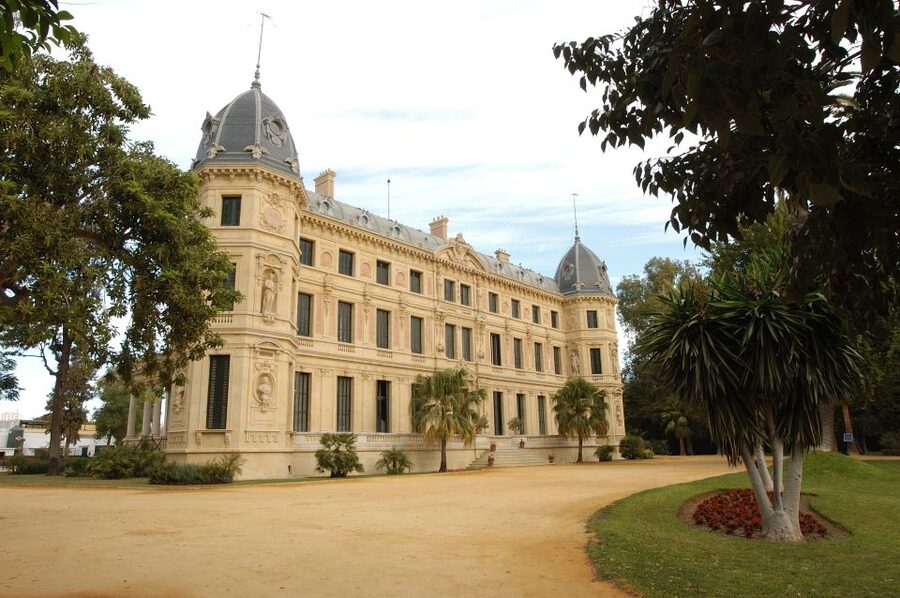
The setting helps. The Royal Andalusian School sits in a handsome 19th-century palace complex with gardens and formal exhibition spaces. You get a sense of ceremony before the horses even enter the arena.
At $38 per person, this is a strong value if you enjoy horses, riding traditions, or carefully staged cultural performances. The ticket combines the show with several museums, so you are not paying for only an hour and a half in the stands. If horses do little for you, the museums may feel secondary, and the price becomes harder to justify.
The overall visit lasts about 3.5 hours, but the actual pace depends on the performance schedule and the sections open on your date. Give yourself enough time to exchange your ticket at the ticket office and find the different areas of the complex.
Other museums people book in Spain on the same trip:
- Madrid: Prado Museum Entry Ticket
★ 4.6 · 20,699 reviews - Barcelona: FC Barcelona Museum “Barça Immersive Tour” Ticket
★ 4.4 · 10,944 reviews - Madrid: Reina Sofía Museum Entrance Ticket
★ 4.5 · 8,788 reviews
Arriving at the Royal Andalusian School
When you arrive, go first to the ticket office to exchange your booking confirmation. Clear signs make the initial arrival fairly simple, though the complex has several separate areas, so do not expect every part of the visit to be in one building.
The school is accessible by taxi from Jerez station. One report described the ride as about 10 minutes, while the walk from the center can be manageable if you are comfortable walking. From the station, the walk takes about 25 minutes according to one visitor account, but luggage and the heat can make a taxi the better choice.
Parking can be awkward. Street parking around the site is limited, and fines are possible on surrounding streets. If you are driving, arrive with extra time rather than assuming you can pull up near the entrance.
The site is wheelchair accessible. Bring a passport or ID card, as identification is listed among the required items.
Start with the film and palace grounds
The Visitor Reception Centre includes a digital cinema with an audio-visual presentation about equestrian art in Andalusia and the history of the school. This presentation is available until 11:00 AM, so it belongs near the start of your visit.
I find this kind of introduction useful because the show moves quickly. Without some context, the names of the movements can blur together into a series of impressive tricks. The film gives you a better sense of the relationship between horse, rider, training, and tradition.
From the reception area, you enter the gardens. The gardens include exotic plants and provide a calm contrast to the focused energy of the arena and training areas. The palace itself is an attractive example of 19th-century architecture and gives the complex a formal setting rather than the feel of a modern sports venue.
If your schedule allows, do not rush through the grounds. The show is the highlight, but the gardens and palace help explain why this school is presented as a cultural institution as well as a working equestrian center.
The Art Equestrian Museum explains the tradition
The Museum of Equestrian Art is in the palace basement and includes 11 rooms. Its displays cover the origins and development of equestrian art in Andalusia, along with the role of the horse in the region.
This section is especially helpful if you are not familiar with dressage terminology. You can look at the equipment, costumes, and historical material before seeing the same traditions performed in the arena.
The displays include English and Spanish text, which makes the museum easier to follow for international visitors. It is factual rather than flashy, but that suits the subject. You are learning how riding styles, harnesses, clothing, and training practices fit together.
Allow enough time here if you want more than a quick walk-through. The museum is open from 10:00 AM to 2:00 PM, so it is best visited before the show or soon afterward. If your performance begins at noon, arrive early enough to avoid trying to squeeze all 11 rooms into a rushed pre-show visit.
A few more museum visits around Spain worth comparing
- Barcelona: Park Güell and Gaudí House Museum Entry Ticket
★ 4.5 · 6,326 reviews - Seville: Puro Flamenco Show with Optional Museum Ticket
★ 4.8 · 6,088 reviews - Barcelona: Picasso Museum Skip-the-Line Guided Tour
★ 4.5 · 3,355 reviews - Moco Museum Barcelona: Modern & Contemporary Art
★ 4.6 · 3,229 reviews
Look for the saddlery and working areas
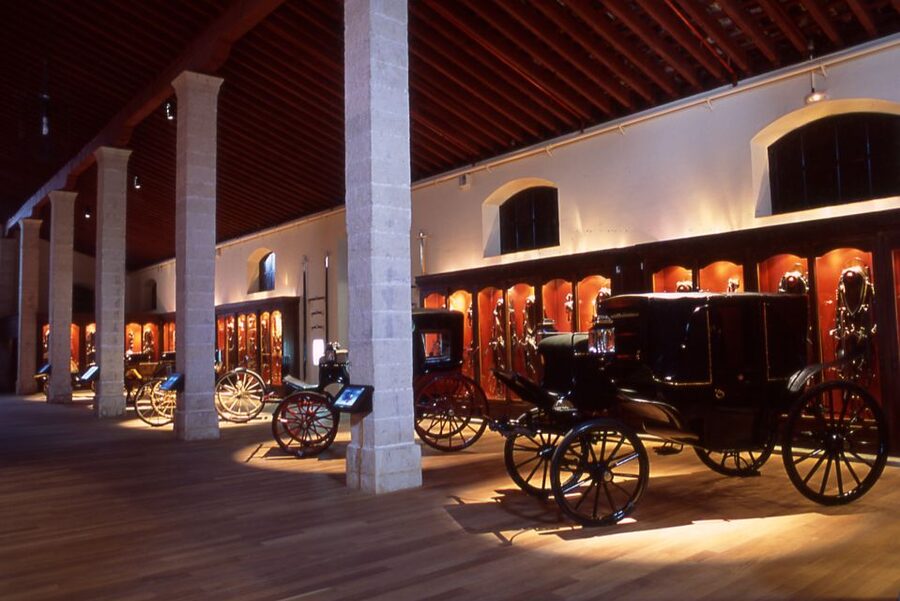
The saddlery shows where harnesses are made and repaired. This is a valuable stop because it reveals the practical craft behind the pageantry. A horse show can make riding look effortless, but the equipment requires skilled hands, careful fitting, and regular maintenance.
The saddlery is closed on Saturdays and public holidays, along with the palace. Check the date carefully if these sections matter to you. The show may still be the main attraction, but you will want to know in advance if part of the complex is unavailable.
The training areas and stables can be just as interesting as the formal exhibits. You might see young equestrians working with horses, animals being groomed, or horses warming up before the performance. Some visitors found the preparation and schooling especially rewarding because it showed the relationship between horse and rider without the full stage production.
Access to every behind-the-scenes area is not guaranteed as part of this basic admission. One additional behind-the-scenes option has been praised for its look at training and preparation, but this ticket should not be assumed to include every extra tour. Ask at the venue if you want a closer look at the training program.
Navigation between the different areas can occasionally be confusing. If staff direct you away from the main entrance toward another museum or stable area, ask for the exact route rather than setting off without a clear idea of where to go.
The 12:00 PM horse ballet
The performance is scheduled from noon to 1:30 PM and forms the heart of the visit. It combines classical music, traditional riding, 18th-century style costumes, and carefully planned choreography.
Each show includes six to eight different sections. The exact order can vary, but the program may include:
- The Colts, showing younger horses and developing skills
- Airs on Horseback
- Pas de Deux, with two horses and riders working together
- Passage and Piaffer
- Domino on Horseback
- Airs Above the Ground
- Fantasy
You will see the horses perform movements such as the Spanish walk, piaffe between pillars, passage, levades, caprioles, courbettes, and other high-school dressage exercises. Some movements show control and balance, while others add explosive power.
The Pas de Deux is a good example of the precision involved. Two horses and riders must maintain distance, rhythm, and direction while moving as a pair. The group finale builds on this idea, with multiple horse and rider combinations performing advanced exercises in unison.
The most striking feature is the contrast between strength and restraint. The horses can produce dramatic leaps and elevated movements, yet the best moments often involve tiny corrections: a shift of weight, a quiet rein, or a step held exactly in place.
The riders’ costumes and the Spanish music give the show a strong theatrical quality. Still, this is not merely a costume performance. The movements come from established riding traditions, including classical dressage and Doma Vaquera, a working style associated with cattle handling in Spain.
Some people may compare the show with the famous Lipizzaner performances in Austria. The comparison is fair in terms of formal training and classical riding, but the Spanish program has its own character, with Andalusian horses, Spanish music, carriage work, and elements linked to traditional Spanish horsemanship.
Carriage work adds variety to the program
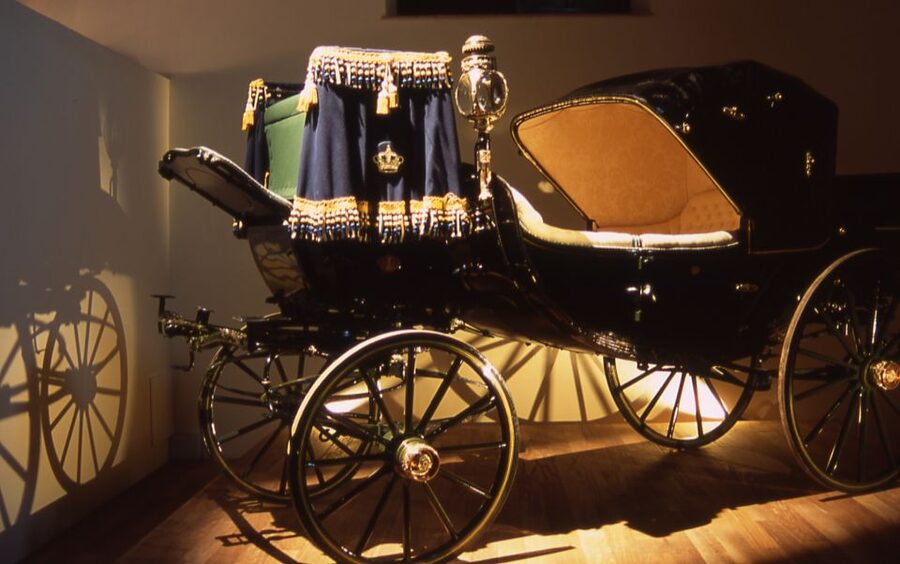
The carriage section changes the pace. You will see horses drawing vehicles that once served as transport and are now used for sport and exhibition. The carriages are paired with classical harnesses, and coachmen show their skill in handling the teams.
This is more than a decorative interlude. Driving several horses and a substantial carriage requires coordination, timing, and control. The harnesses also make more sense after you have visited the saddlery and carriage displays.
The Carriage Museum is open from 10:00 AM to 3:00 PM. It includes historic vehicles, harnesses, and equestrian costumes. The collection is one of the best reasons to allow extra time after the show instead of leaving as soon as the final formation ends.
Photography restrictions can be frustrating here. The official information lists cameras and video recording among the prohibited items, while some on-site accounts indicate that photographs may be allowed during the arena performance without flash. Rules can change by area, so follow the instructions at the entrance and ask staff before taking out a camera.
The no-photography rule has one benefit: you can watch the show without a forest of phones in front of you. Still, if you enjoy documenting carriages and costumes, the restriction is worth knowing before you arrive.
Seating, heat, and practical comfort
The arena offers good views from all seats, based on the available information, and some seating provides generous legroom. Other seating has been described as uncomfortable, so do not count on plush theater chairs.
The performance lasts 90 minutes, and the heat can matter. A September performance was held with outdoor temperatures around 37 degrees Celsius. Bring water if allowed, use the available snack bar afterward, and consider the season when choosing your clothing.
The site has a snack bar, though it is described as minimal rather than a full dining stop. Drinks and snacks are available, and the location is useful after the show, especially on a hot day. The shop sells souvenirs and equestrian-themed goods, but its hours may not match the full opening hours of the complex. If you want to browse, do it before leaving rather than assuming it will still be open later.
The staff are generally described as helpful and multilingual. Ticket exchange is straightforward, but the complex has enough separate buildings that asking questions early can save time.
Getting back to Jerez, Seville, or Cádiz
Jerez is easy to add to an Andalusian itinerary. The school is reachable from central Jerez on foot or by taxi, and the train station provides connections for those staying elsewhere.
If you are coming from Seville, you can travel by train and then take a taxi to the school. Buy your return train tickets in advance if you are visiting on a performance day. Afternoon trains can sell out, and staying longer at the school may leave you with a long wait.
The site is also reachable by taxi from the port of Cádiz in about 30 minutes, according to the available visitor information. That makes the show possible as a shore excursion, but allow a generous buffer for traffic and the return journey.
Taxis may be easy to find when the performance crowd is leaving and harder to find later in the afternoon. If you plan to remain for the museums and stables, arrange your return before the site becomes quiet.
Who will enjoy this most
You do not need to be an expert rider to enjoy the spectacle. The music, costumes, horses, and synchronized movements make the show accessible to families, and even young children may stay engaged because the action changes often.
Horse owners and riders will notice more detail in the training methods, equipment, and body control. If you have seen classical dressage before, you will have a useful frame of reference, but the Spanish riding traditions and carriage work give this performance a different flavor.
The visit also suits anyone interested in Spanish culture beyond the usual churches, palaces, and food tours. You see an active institution with horses in training, equipment being maintained, and riders preparing for a public performance.
It is less suitable if you dislike organized shows or want an informal encounter with horses. The main event is polished and choreographed. The museum sections are worthwhile, but they will not replace the show for someone who has no interest in equestrian life.
Should you book the Andalusian horse experience?
Book it if you want a distinctive half-day in Jerez and appreciate the skill behind trained horses. The $38 price is fair because it includes the 90-minute performance plus access to the equestrian and carriage museums, gardens, palace areas when open, and other public sections of the school.
For the best visit, arrive early enough for the film and museum, confirm which buildings are open, and leave time for the stables or training areas. Check your return train or taxi before settling in for the full program.
I would choose this over a quick photo stop because you get both the spectacle and the working context. Just be prepared for possible heat, uneven comfort in the seating, photography limits, and occasional confusion between the separate museum and stable entrances. If those small inconveniences do not bother you, this is one of the most memorable ways to connect with Andalusian culture in Jerez.
FAQ
How long does the Jerez horse experience last?
The stated duration is 3.5 hours. The horse show itself runs from 12:00 PM to 1:30 PM, with time before or after for the museums, palace areas, gardens, and other facilities.
What does the horse show include?
The performance includes six to eight choreographies based on classical dressage, Doma Vaquera, and traditional equestrian work. You may see piaffe, passage, Spanish walk, pirouettes, levades, caprioles, courbettes, carriage driving, paired routines, and group exercises.
What museums can I visit?
The ticket includes the Museum of Equestrian Art and the Carriage Museum. The equestrian museum has 11 rooms covering horse and riding traditions in Andalusia, while the carriage museum displays vehicles, harnesses, and equestrian costumes.
When is the equestrian museum open?
The Museum of Equestrian Art is listed as open from 10:00 AM to 2:00 PM. Plan your visit around those hours if you want to see the full collection.
Are the palace and saddlery always open?
No. The palace and saddlery are closed on Saturdays and public holidays. Check the schedule for your date before planning your visit around them.
What should I bring?
Bring your passport or ID card. The listed restrictions include pets, smoking, glass objects, weapons, sharp objects, cameras, and video recording.
Is the experience wheelchair accessible?
Yes, the activity is listed as wheelchair accessible. Seating comfort can vary, so you may wish to ask staff for practical assistance when you exchange your ticket.
Just added around Spain
- Girona, Figueres, Dalí Museum and Cadaqués Tour from Barcelona★ 4.5 · 36 reviews
- Football Club Barcelona Museum Immersive Tour Guided Visit★ 3.5 · 52 reviews
- Erotic Museum Admission Ticket with Audioguide★ 5.0 · 527 reviews
- Dali Museum and Costa Brava Small Group Day Trip from Barcelona★ 5.0 · 77 reviews
- Madrid by High-Speed Train with Prado Museum Private Tour★ 4.0 · 33 reviews
- Guitar Legends Hall: Entrance to the Immersive Rock Museum★ 5.0 · 25 reviews
- White Rabbit Museum: The Best Immersive Experience in Catalonia★ 5.0 · 538 reviews
- Private Dali Museum, Besalú & Girona Tour from Barcelona★ 5.0 · 15 reviews
Museum Tours in Spain, compared.
Park Güell and Gaudí House Museum Entry Ticket
Read our review →
Puro Flamenco Show with Optional Museum Ticket
Read our review →
Moco Museum Barcelona: Modern & Contemporary Art
Read our review →
Girona & Dali Museum Small Group Tour with Pick-up from Barcelona
Read our review →
Valencia: Oceanogràfic, Hemisfèric & Science Museum Combo
Read our review →Browse the lists this tour appears in