
Review · SPAIN
Guided Tour of the Factory + Anchovy Museum
Santoña’s anchovy trade comes to life here, first on the factory floor and then in a museum built like the seabed. You can watch artisans at work on weekday mornings, hear the fish market auction, see how anchovies are packed, and taste the finished product.
I like the live production visit and the clever sensory museum, which turns a small food tour into a story about fishing, labor, and preservation. At just $8, the anchovy and wine pintxo plus tasting make this a strong-value stop for food lovers.
The main catch is timing: factory production is available only at 12:30 p.m. from Monday to Friday, and only when the workers are on site. The tour is in Spanish, so visitors who do not understand Spanish may miss much of the explanation.
Key points to know before you go
- Watch real anchovy production: The factory visit can show the work as it happens, but only on weekday mornings tied to the working calendar.
- Follow the fish from sea to jar: The tour explains fishing, auctioning, preparation, and preservation in a clear sequence.
- Taste the finished product: You receive an anchovy and wine pintxo, followed by an anchovy tasting at the museum.
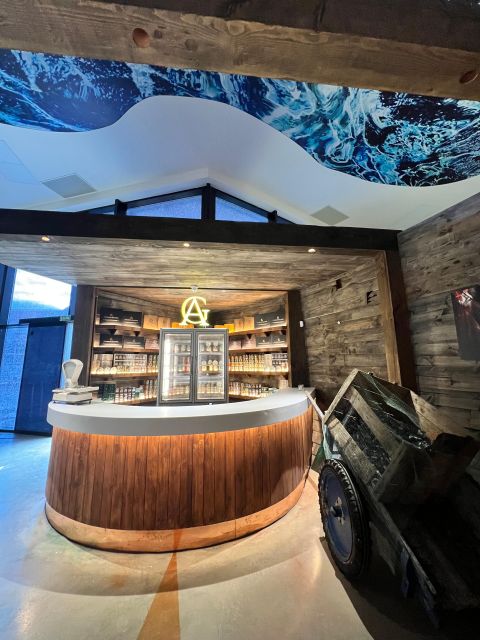
- Explore a playful museum setting: The gallery recreates the seabed and includes old fishing tools, a stranded ship, sounds, film, and hands-on elements.
- Plan around Spanish guidance: The experience is offered in Spanish, with no English option listed.
- Allow for a little timing uncertainty: The booking information gives 45 minutes, while the museum portion is described as lasting about one hour.
Starting at Baldomero Villegas 38
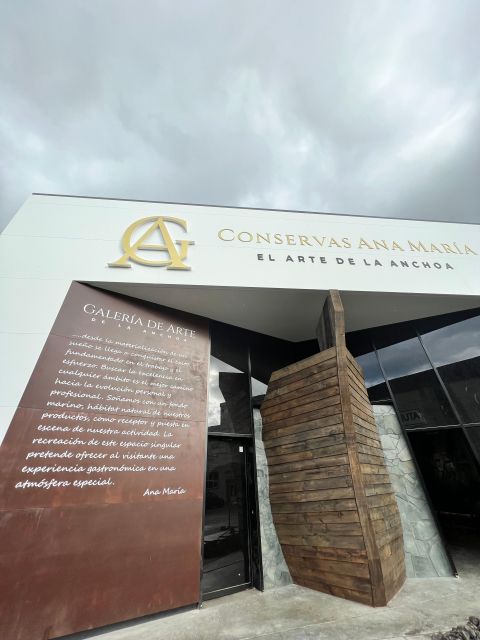
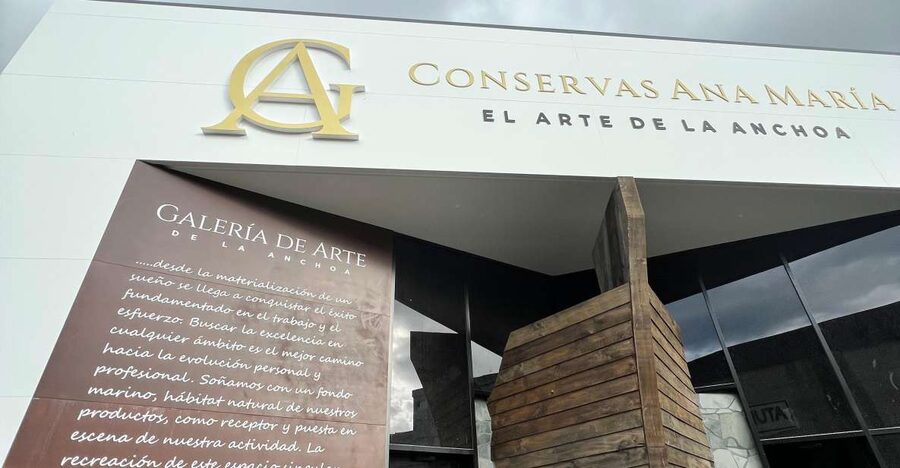
Your visit begins at C. Baldomero Villegas, 38, in Santoña, at the entrance to the Ana María Canned Food Anchovy Art Gallery. This is also known as the Santoña Anchovy Museum.
One small practical point matters here: the street number may not be clearly marked. Victoriano Delgado specifically noted that number 38 should be easier to spot. I would give yourself a few extra minutes and look for the Ana María gallery rather than relying only on the number.
The starting point is useful because the factory and museum are tied together in one visit. You do not need to arrange separate stops or work out how to connect a museum tour with a food producer. You arrive at the gallery, meet the guide, and then follow the correct route for that day.
The order depends on the time of your booking. For the weekday morning visit at 12:30 p.m., the group goes to the factory first. At other available times, the museum experience may be the main part of the visit, since the live factory portion depends on the production schedule.
That distinction is important. If seeing people make anchovies is your main reason for booking, do not treat every departure time as equal. The factory is active only in the morning from Monday to Friday, when the artisans are working.
A few more museum visits around Spain worth comparing
- Barcelona: Picasso Museum Skip-the-Line Guided Tour
★ 4.5 · 3,355 reviews - Madrid: Prado Museum Guided Tour with Skip-the-Line Ticket
★ 4.5 · 2,018 reviews - Madrid: Prado Museum Guided Tour With Fast Access
★ 4.8 · 1,785 reviews
Seeing the cannery while the work is happening
The most unusual part of the experience is the chance to observe anchovy or bonito production in a working cannery. This is not just a display of finished tins. You can see the production process and hear an explanation of how the product moves from fish to preserved food.
The visit gives you a better sense of the labor behind a small jar of anchovies. The process involves more than putting fish into a container. The tour presents the full chain, beginning with the catch and continuing through preparation and preservation.
I especially like this format because canned seafood is easy to take for granted. On a restaurant plate, a Cantabrian anchovy looks simple. In the factory, you get a clearer idea of the handling and care required before it reaches the table.
The factory visit is also the part most dependent on real-world conditions. Production must be taking place, and the working calendar controls what you can see. That is an honest limitation, not a flaw in the idea, but you should know that the live element is not guaranteed at every time of day.
If you visit outside the weekday morning window, you should expect the museum and its explanations rather than assume you will see an active production line. The activity description specifically identifies 12:30 p.m. from Monday to Friday for the live factory visit.
The tour can also include bonito production, according to the included experience details. The focus remains on anchovies, but the reference to bonito gives you a wider look at the kind of seafood preservation carried out by the company.
Hearing Santoña’s fish auction
After the factory portion, the tour moves into the Ana María anchovy art gallery. The visit begins with the sound of an auction and the three sirens from the Santoña fish market. Those sirens signal that fish is about to be sold.
This is a small but effective way to set the scene. Instead of beginning with a wall of dates or technical labels, the museum starts with the sound of the port economy. You hear the event that begins the commercial life of the fish.
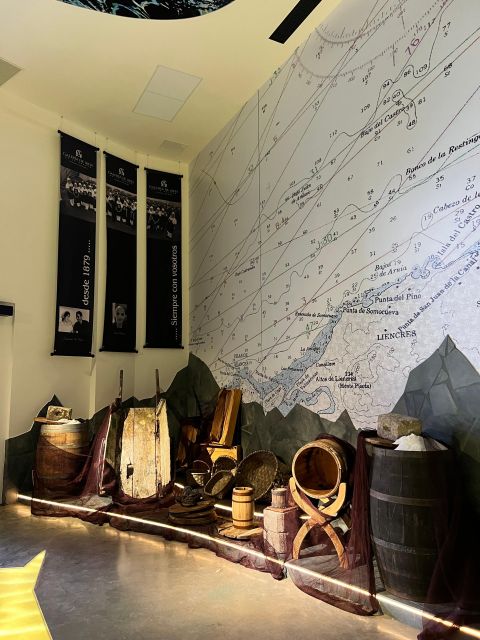
The museum’s design continues that idea. The exhibition is arranged to resemble the seabed, and a stranded ship forms part of the setting. It is more theatrical than a plain industrial museum, which should work well for families and anyone who prefers objects and atmosphere to long written panels.
You can also explore fishing and preservation tools from the last century. These objects help explain the older methods used to catch and prepare anchovies from the Cantabrian Sea.
The setting may feel a little unusual if you expect a traditional food museum. That is part of its appeal, but it also means the experience is designed to be visual and sensory rather than highly technical. You will see the working tools, hear the auction, and move through a themed exhibition instead of reading a detailed industrial archive.
From sea to jar in the projection room
The next section uses a film to explain the anchovy’s journey. It covers the process from fishing at sea to preservation in a jar or can.
For a first-time visitor, this film should help connect the separate parts of the visit. The auction sound explains the fish market, the old tools show earlier methods, and the video lays out the complete production story.
I would pay close attention here if you do not speak Spanish fluently, because the live guide and video are both part of the explanation. The only listed tour language is Spanish. A Dutch-speaking visitor, reviewing the experience in November 2025, found the Spanish difficult because English was not available.
That does not make the tour unsuitable for everyone who lacks Spanish. You can still see the machinery, tools, museum setting, and demonstrations. But the value drops if you cannot follow spoken instructions or the story of the production process.
The tour is best for someone comfortable with Spanish, or for a group where at least one person can translate informally. If you want a fully independent museum visit with substantial English text, this is not the right choice based on the information available.
Same city, a completely different collection:
- Madrid: Prado Museum Entry Ticket
★ 4.6 · 20,699 reviews - Barcelona: FC Barcelona Museum “Barça Immersive Tour” Ticket
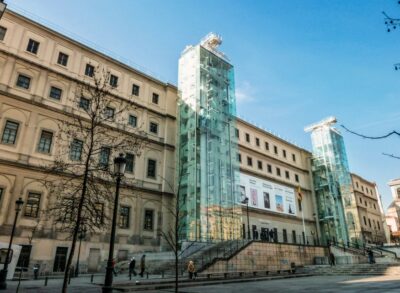
★ 4.4 · 10,944 reviews - Madrid: Reina Sofía Museum Entrance Ticket
★ 4.5 · 8,788 reviews - Barcelona: Park Güell and Gaudí House Museum Entry Ticket
★ 4.5 · 6,326 reviews
Watching an octavillo being made
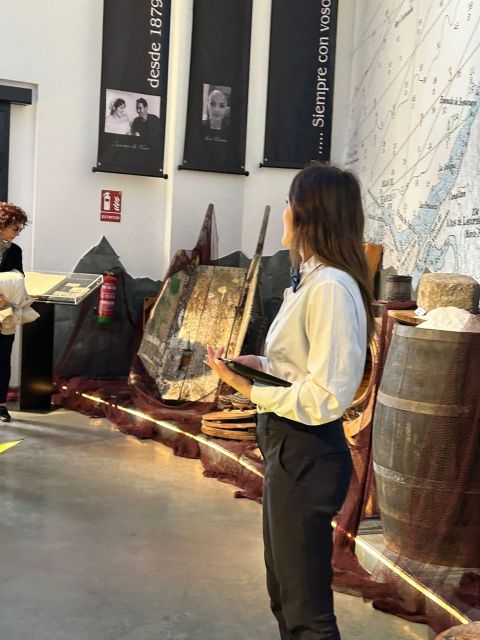
A craftswoman then demonstrates how to make an octavillo, the tin container used to preserve anchovies. This is one of the more specific parts of the program and gives you a close look at the packaging itself.
The octavillo demonstration adds a human skill to the factory story. You see that preservation is not only about the fish. The container is part of the tradition and part of the finished product.
This is also where the tour shifts from broad explanation to a focused craft demonstration. You have already heard about the catch and watched or discussed production. Now you see one small object made by hand.
The museum description presents this as a live demonstration by a craftswoman. It does not provide her name, so you should not expect a named specialist presentation. The point is the method and the connection between traditional packaging and the anchovies sold today.
Ending with anchovies and a wine pintxo
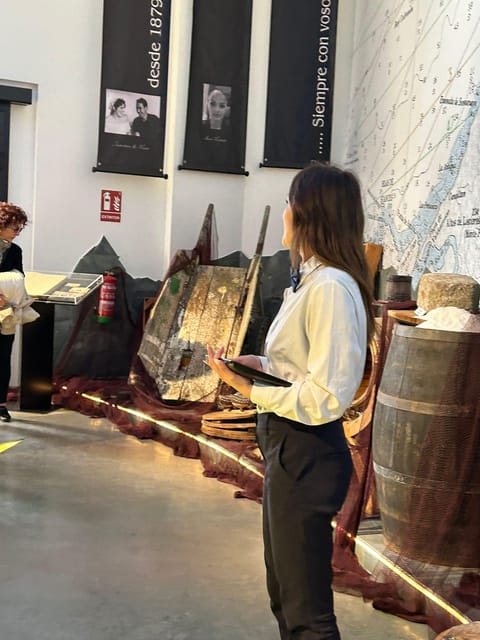
Food is built into the visit in two ways. The included details mention an anchovy and wine pintxo, and the museum tour ends with a tasting of Conservas Ana María anchovies.
That makes the $8 price especially attractive. You are not paying only for access to a small museum. You are also receiving a taste of the product that the tour has just explained.
The tasting is a useful test for your own palate. You can connect what you have seen in the factory with the final flavor in the jar. If you already enjoy Cantabrian anchovies, this gives the experience a satisfying finish. If you are unsure about strong preserved fish, the tasting lets you try before buying a larger quantity.
The brand has received national and international awards for its Cantabrian anchovies in recent years. That does not mean you will prefer the taste, but it does explain why the tasting is central rather than an afterthought.
The wine pintxo is another nice touch. It turns the end of the visit into a small local food break rather than a formal tasting session. I would keep your expectations sensible: this is a sample, not a full meal.
Buying products after the tour
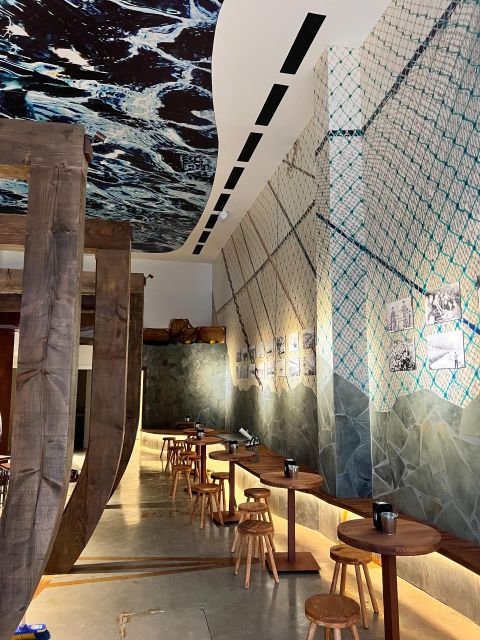
You can purchase products at the establishment after the visit. This is convenient if you find an anchovy preparation you like or want a food gift from Santoña.
Buying directly also makes sense because the tour has shown you how the products are made. You are not simply seeing a brand name in a shop window. You have followed the seafood from the fishing story through production, packaging, and tasting.
Still, do not feel that shopping is required to justify the visit. The factory, museum, demonstration, and tastings form the main experience. The shop is an option at the end, not the purpose of the tour.
If you do buy something, remember that preserved seafood may be heavier or less convenient to carry than a postcard. The supplied information does not specify packaging, luggage storage, or shipping, so ask at the establishment if those details matter to you.
How much time should you set aside?
The advertised duration is 45 minutes. The museum description says the visit itself lasts approximately one hour, creating a small difference that is worth noting when planning your day.
The safest approach is to avoid scheduling another fixed activity immediately afterward. The 45-minute figure may describe the standard booking length, while the full museum route, factory timing, tasting, and questions may take closer to an hour.
This is still a compact activity. You are not giving up half a day, and the central location in Santoña makes it easy to fit around other plans. The shorter format also suits visitors who want a focused food experience rather than a large museum visit.
The 12:30 p.m. factory slot deserves special attention. It is the key departure time for seeing the live production, and it falls near lunch. The anchovy and wine pintxo is a pleasant addition, but it should not replace a proper meal if you are hungry.
Who will get the most from this visit?
I would recommend this tour to food-focused visitors, families, and anyone curious about how a familiar local product is made. The shipwreck setting, sounds, film, tools, and tasting give children several different ways to stay interested.
It also suits people who want a local industry experience rather than a standard sightseeing stop. You are learning about Santoña through fishing and preservation, not just looking at a scenic viewpoint.
The tour is a particularly good match for anyone who enjoys buying regional food. You can taste before shopping, then choose products at the same place.
The less suitable audience is someone who needs English guidance or wants a guaranteed factory visit on a weekend or afternoon. The experience is Spanish-language, and the live production depends on weekday working hours.
Mobility should not be a major concern because the activity is listed as wheelchair accessible. The supplied information does not describe every surface or restroom, so anyone with specific access needs should still confirm details before booking.
Price, cancellation, and booking flexibility
At $8 per person, the value is very good if your schedule allows the 12:30 p.m. factory visit. The price includes guided explanations, the cannery visit, the museum experience, a tasting, and an anchovy and wine pintxo.
Even without the live factory portion, the museum, film, historic tools, octavillo demonstration, and tasting provide a reasonable short outing. The price becomes less compelling only if you cannot understand Spanish and therefore miss much of the spoken content.
You can cancel up to 24 hours in advance for a full refund. The reserve-now, pay-later option also lets you hold a place without paying immediately, which is helpful when your Santoña plans are still moving.
The live tour guide is Spanish-speaking. No English-language option is listed, so treat that as a deciding factor rather than a minor detail.
Should you book the Santoña anchovy tour?
Book it if you want a short, inexpensive look at a real Cantabrian food tradition, especially if you can attend at 12:30 p.m. on a Monday through Friday working day. The combination of live production, an unusual seabed-style museum, octavillo-making, and tasting gives you far more than a simple shop visit.
I would be cautious if you need English, have only an afternoon or weekend available, or require a precisely timed 45-minute appointment. In those cases, the language and factory schedule may limit the experience.
For Spanish-speaking visitors and curious food lovers, this is an easy choice at $8. Just find the entrance at Baldomero Villegas 38, allow about an hour, and confirm that the factory will be operating if live production is important to you.
FAQ
Where does the tour begin?
The meeting point is at C. Baldomero Villegas, 38, in Santoña, at the entrance to the Ana María Canned Food Anchovy Art Gallery, also called the Santoña Anchovy Museum.
When can I see live anchovy production?
The live factory visit is available at 12:30 p.m. from Monday to Friday, subject to the working calendar and the artisans being at work.
Is the tour offered in English?
No. The listed live tour language is Spanish, and no English option is provided.
How long does the experience last?
The advertised duration is 45 minutes. The museum description says the visit lasts approximately one hour, so allow a little extra time.
Is food included?
Yes. The experience includes an anchovy and wine pintxo, and the museum visit ends with a tasting of Conservas Ana María anchovies.
Can I buy anchovy products after the visit?
Yes. You can purchase products at the establishment at the end of the tour.
Just added around Spain
- Girona, Figueres, Dalí Museum and Cadaqués Tour from Barcelona★ 4.5 · 36 reviews
- Football Club Barcelona Museum Immersive Tour Guided Visit★ 3.5 · 52 reviews
- Erotic Museum Admission Ticket with Audioguide★ 5.0 · 527 reviews
- Dali Museum and Costa Brava Small Group Day Trip from Barcelona★ 5.0 · 77 reviews
- Madrid by High-Speed Train with Prado Museum Private Tour★ 4.0 · 33 reviews
- Guitar Legends Hall: Entrance to the Immersive Rock Museum★ 5.0 · 25 reviews
- White Rabbit Museum: The Best Immersive Experience in Catalonia★ 5.0 · 538 reviews
- Private tour: Dali Museum in Figueres and Púbol Tour with Hotel pick-up★ 5.0 · 12 reviews
Museum Tours in Spain, compared.
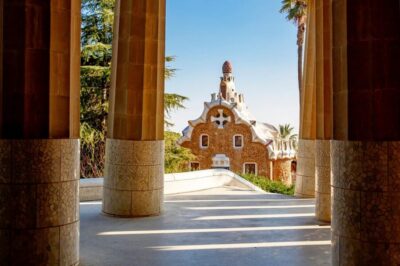
Park Güell and Gaudí House Museum Entry Ticket
Read our review →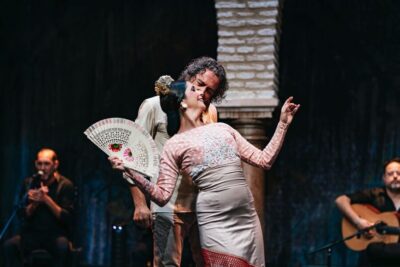
Puro Flamenco Show with Optional Museum Ticket
Read our review →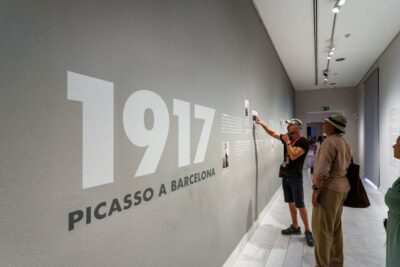
Moco Museum Barcelona: Modern & Contemporary Art
Read our review →
Girona & Dali Museum Small Group Tour with Pick-up from Barcelona
Read our review →
Valencia: Oceanogràfic, Hemisfèric & Science Museum Combo
Read our review →Browse the lists this tour appears in