
Review · FRANCE
Confiserie du Roy René: gourmet guided tour of the calisson museum
Calissons are small, almond-shaped sweets, but this tour shows they carry a surprisingly large piece of Provençal culture. At the Roy René museum, you follow the candy from its legend and royal love story to its modern production, then taste the finished treats.
I like the very low €5 price and the mix of period tools with new technology. I also like the tasting: it turns a museum visit into something you can judge with your own taste buds. The main drawback is clear: the guided tour is only in French, and this is a demonstration tour, not a cooking class.
Key points to know before you go
- A 45-minute French tour explains the origins and manufacture of the calisson.
- Two tasting moments are built into the visit, giving you a chance to try the sweets as you learn.
- The King René and Jeanne love story provides the tour’s central theme.
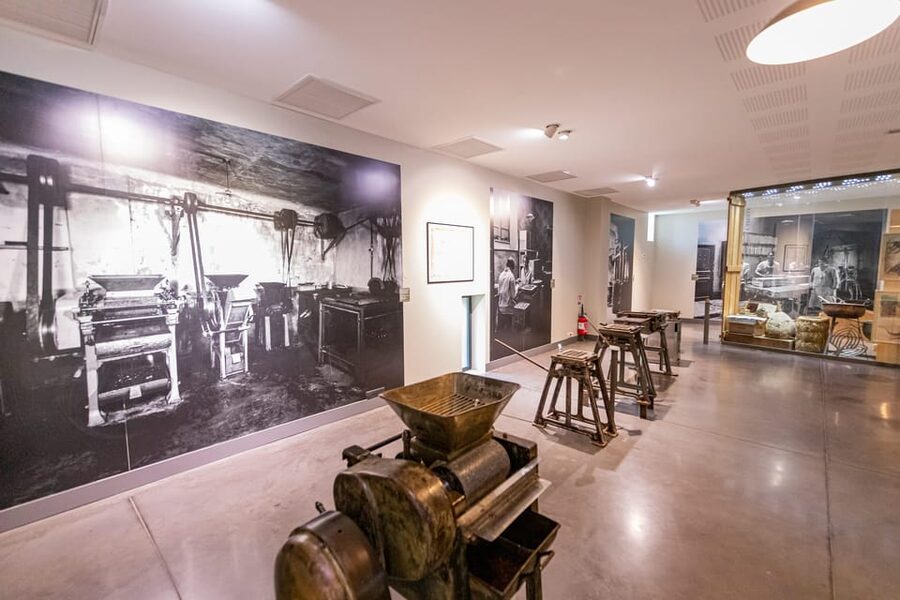
- Old confectionery tools meet modern museum technology in the exhibition space.
- February brings a flavor-guessing tasting of small, pastel-colored calissons.
- The €5 admission is especially good value, though visitors under 18 enter free and unaccompanied minors are not allowed.
Why this small Provençal sweet is worth your time
The calisson is not just another boxed souvenir. It is one of the sweets most closely tied to Provence, and the Roy René museum gives you a way to understand it before you buy a bag for the train ride home.
The tour focuses on both the product and the people connected to it. You hear the legend of the calisson, learn about the craft behind it, and follow a love theme linked to King René and his queen, Jeanne. That approach keeps the visit from becoming a dry factory explanation.
I like that the museum treats confectionery as a form of local culture. You are not only looking at machinery or watching a product being made. You are learning why this particular sweet matters in the region and how its identity has lasted across centuries.
The visit is also easy to fit into a day in southern France. The full appointment is listed as 75 minutes, while the guided explanation itself lasts 45 minutes. Tastings take about five minutes at the beginning and five minutes near the end, leaving enough time for the tour without taking over your schedule.
A few more museum visits around France worth comparing
- Louvre Museum Masterpieces Guided Tour with Access
★ 4.5 · 12,023 reviews - Louvre Museum – Exclusive Guided Tour (Entry Included)
★ 5.0 · 6,296 reviews - Louvre Priority Access with Mona Lisa Escort or Guided Option
★ 4.0 · 4,420 reviews
Entering the Roy René museum on RN7
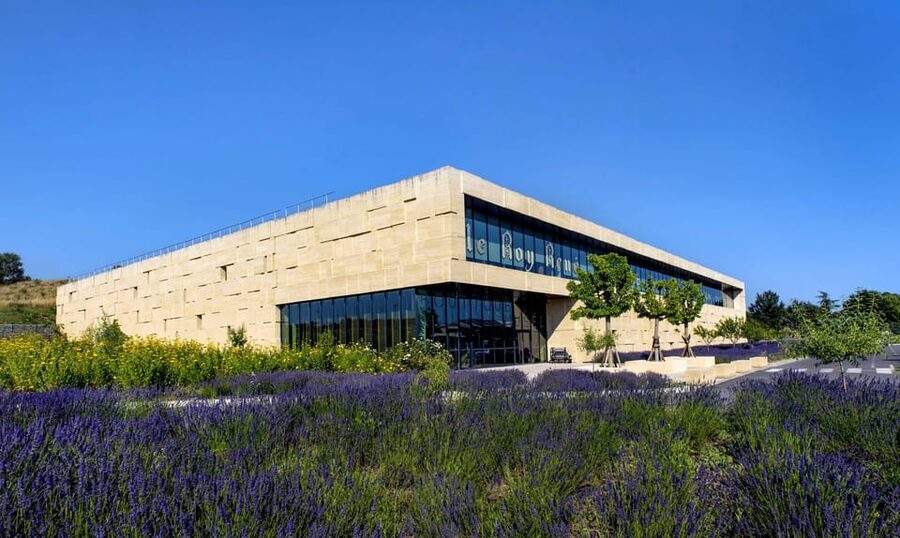
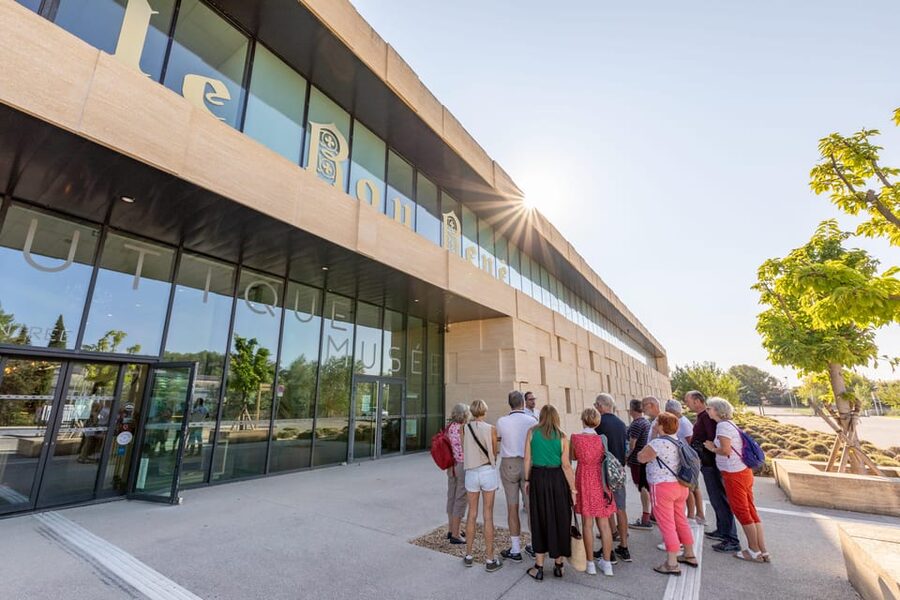
You meet at the Roy René factory on RN7, in the museum hall. This matters because the museum is not described as a city-center attraction. You should plan around reaching the factory rather than assuming it is close to the main sights of Aix-en-Provence.
The starting point is simple once you arrive: go to the museum hall. The experience begins and ends at the same place, so you do not need to manage a separate return point.
The setting gives the visit a useful connection to the company behind the sweets. You are learning inside a working confectionery context rather than in a completely separate cultural institution. The museum’s stated aim also reflects a company that wants to share and preserve its craft, not simply sell packaged candy.
The space is contemporary, with a blend of period tools and new technology. That combination should suit you if you like traditional food presented in a clear, modern way. The old equipment gives the craft a physical feel, while the newer displays help explain the process to people who may know little about calissons.
The first tasting: begin with the sweet itself
The visit includes a short food tasting before the main guided explanation. It lasts about five minutes, so think of it as an introduction rather than a full sampling session.
This opening taste is useful because it gives you a reference point. Once you know what a calisson tastes like, the later explanation about ingredients, technique, and tradition has more meaning. You are not trying to imagine the final product from words alone.
The tasting also keeps the museum visit from being purely visual. You can look at tools and displays, but the calisson is ultimately a food. Its texture and sweetness are part of the story.
The experience description specifically highlights the chance to taste small, pastel-colored calissons in February and guess their flavors. If you visit during that month, pay attention before reaching for an answer. The seasonal tasting adds a small game to the usual museum format and makes the visit more active.
No detailed flavor list is provided, so you should not expect a formal tasting menu with every variety explained in advance. The fun is in tasting, thinking, and making your guess.
The 45-minute guided tour in French
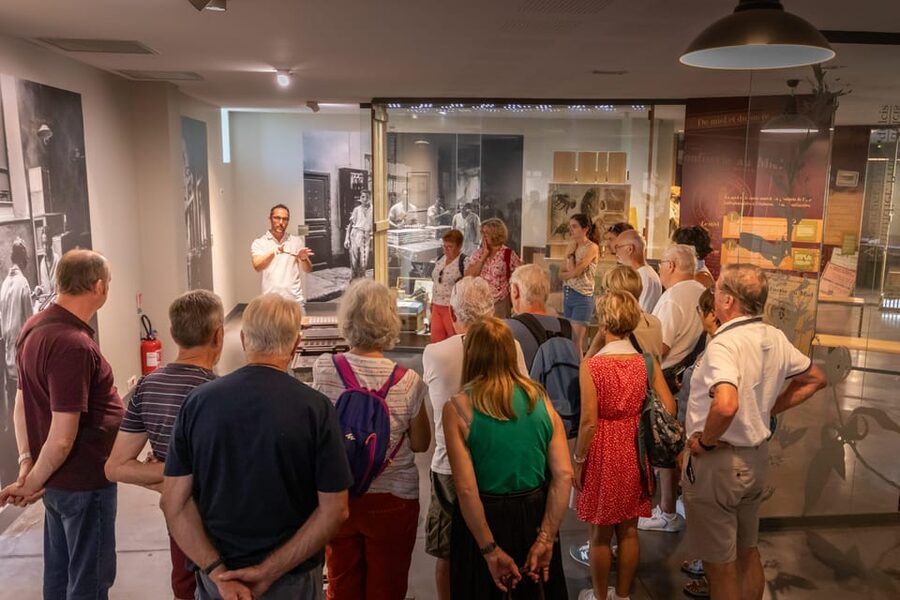
The main tour lasts 45 minutes and is conducted in French. That language point should guide your booking decision more than anything else.
If you understand French, the tour offers a compact way to learn about the calisson’s origins and production. The guide explains the history of the sweet and the craft that goes into making it, using the museum’s tools and technology along the way.
If you do not speak French, you may still enjoy the objects, visual displays, and tastings, but the spoken explanation will be harder to follow. Some content is shown in its original language, and there is no indication of an English-language guide or translation service.
The tour’s love theme gives the explanation a clear thread. The story of King René and Jeanne connects the royal legend to the sweet itself, then leads into a broader look at the affection required to keep a traditional craft alive.
That theme may sound more romantic than technical, but it can help the visit feel connected from beginning to end. Instead of receiving scattered facts about ingredients, machines, and dates, you follow one idea: love as a link between people, food, and skilled work.
The guide is part of the appeal. The available feedback describes the welcome as friendly and the explanations as clear and interesting. No guide names are provided, so I would not book expecting a particular presenter. You can expect a live French-speaking guide rather than an audio tour.
Same city, a completely different collection:
- Paris: Louvre Museum Timed-Entrance Ticket
★ 4.6 · 71,977 reviews - Paris: Orsay Museum Entry Ticket
★ 4.7 · 25,647 reviews - Paris: Louvre Museum Entry Ticket With Host and River Cruise
★ 4.6 · 9,926 reviews - Les Invalides: Napoleon’s Tomb & Army Museum Entry
★ 4.6 · 9,185 reviews
What the museum displays can teach you
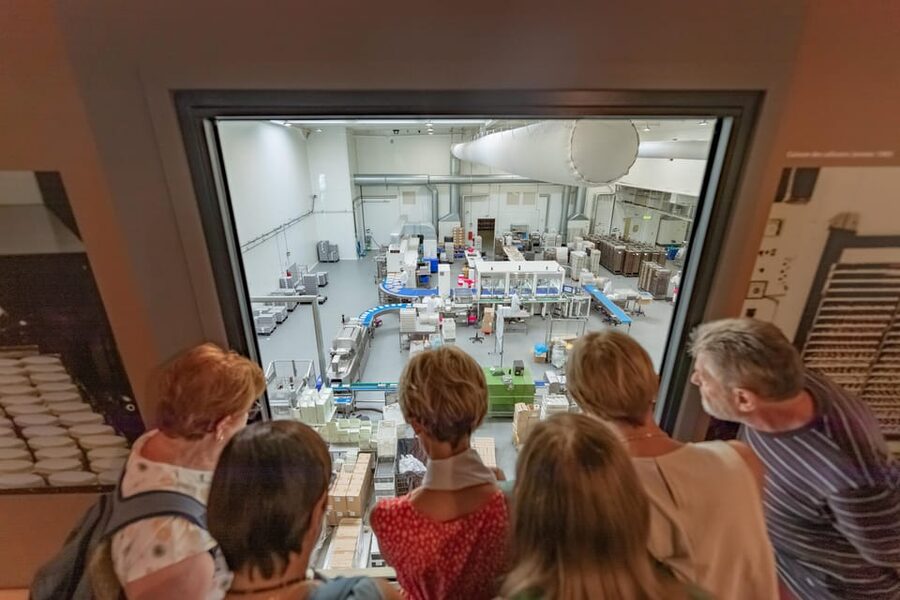
The museum’s old tools are important because they show that calisson-making is a manual craft with a long working tradition. Even if you are not a food historian, tools make the process easier to picture.
The newer technology serves a different purpose. It can present information in a way that a traditional display case cannot, helping you connect the old methods with the company’s present-day work.
The museum therefore has two audiences. If you already know calissons, you get more context for something familiar. If you are trying one for the first time, you receive the basic story before deciding which varieties to take home.
The tour also gives you a better reason to visit the factory than simply stopping at a shop. A shop shows you the finished boxes. The museum explains the product’s background and production, then lets you taste it with that context in mind.
Do not expect a long industrial plant tour based on the information provided. The experience is centered on a contemporary museum, a guided explanation, and tastings. Its strength is the cultural story, not a promise of extensive factory-floor access.
The second tasting and the final flavor test
The schedule includes another short tasting after the guided tour. This gives you a chance to return to the sweet once you know more about it.
That second taste can be more useful than the first. At the start, you are simply trying a Provençal confection. At the end, you have heard about its legend, its manufacture, and the care behind the craft. You can compare your first impression with your more informed one.
In February, the pastel-colored calissons and flavor guessing make this part especially appealing. It is a small feature, but it gives the tour a playful finish without turning the whole visit into a children’s activity.
The tastings are short, so do not treat this as a dessert tasting event. The value lies in pairing a small amount of food with a focused museum visit. You get enough to understand the product, not necessarily enough to replace a meal or sample every item sold by the company.
Price, timing, and the value of the visit
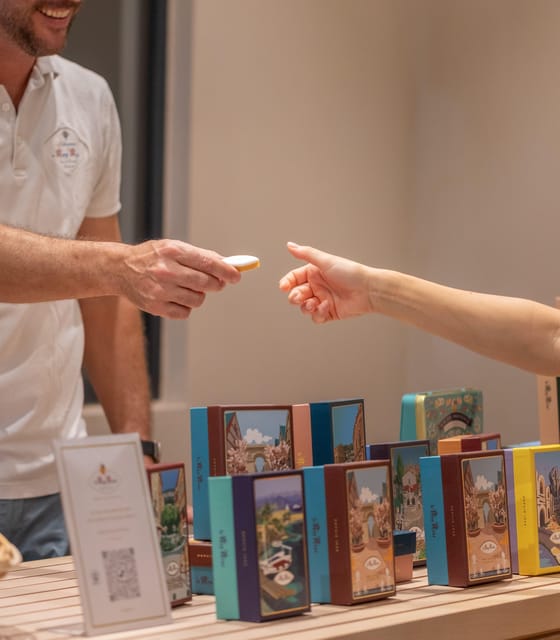
At €5 per person, the tour is priced gently. Visitors under 18 enter free, which makes it a practical stop for families, provided minors are accompanied. At roughly five US dollars, depending on the exchange rate, it costs less than many short museum visits in southern France.
The low price is most useful if you are already near the factory or can include it in a day of sightseeing. If reaching the RN7 requires a major detour, the transport time becomes the real cost. The information does not provide transport details, so check your route before booking.
For 75 minutes overall, you receive a guided museum visit, two tasting periods, and a local food story. That is good value for anyone interested in Provençal traditions, especially when compared with a simple shop stop that would give you far less background.
The tour does not include a cooking workshop. If you want to make calissons yourself, this experience may feel limited. The visit explains and presents the craft, but no hands-on kitchen activity is included.
Booking is flexible: you can cancel up to 24 hours before the visit for a full refund, and the reserve-now, pay-later option lets you hold a place without paying immediately. Starting times vary, so check availability for your date.
Who should book this calisson experience
I would recommend this tour to you if you enjoy local food, small museums, and short cultural stops with a tasting at the end. It suits anyone who wants more than a souvenir purchase but does not want to spend half a day in a large museum.
It is also a good choice for families with accompanied children. The sweets, the old tools, and the flavor guessing can give younger visitors something concrete to focus on. The under-18 admission policy improves the value for a family group.
French speakers will get the most from the visit because every guided explanation is in French. If you speak only English, you can still enjoy the setting and tastings, but you should book only if you are comfortable missing some of the spoken content.
The tour may also suit food-minded visitors who want to understand a regional product before buying it. You learn what makes a calisson distinctive, then decide what you think of the taste yourself.
I would skip it if you need an English guide, want a full factory production tour, or are specifically seeking a hands-on workshop. The visit is short, guided, and museum-based.
Should you book the Roy René calisson museum tour?
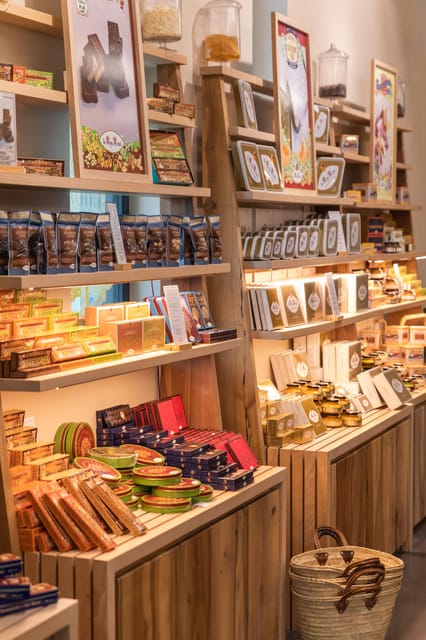
Book it if you are near the Roy René factory on RN7 and can follow French. The €5 price, friendly welcome, clear structure, and tastings make this an easy addition to a Provençal day.
The best reasons to go are the connection between the calisson and the story of King René and Jeanne, the contrast between old tools and modern displays, and the chance to taste the product before deciding what you think. Just keep your expectations precise: this is a 45-minute guided museum tour with tastings, not a full cooking lesson or English-language presentation.
FAQ
Where does the calisson museum tour begin?
The tour begins in the museum hall at the Roy René factory on RN7.
How long does the experience last?
The overall experience lasts 75 minutes. The guided portion lasts 45 minutes, with short tastings included.
What is included in the price?
The price includes the 45-minute guided tour in French and calisson tastings.
How much does the tour cost?
The tour costs €5 per person. Admission is free for people under 18.
Is the tour available in English?
No. The guided tour is conducted only in French. Some content is shown in its original language.
Are children allowed to join?
Children may join when accompanied. Unaccompanied minors are not allowed, and visitors under 18 enter free.
Is the museum wheelchair accessible?
Yes. The activity is listed as wheelchair accessible.
Can I cancel the booking for a refund?
Yes. You can cancel up to 24 hours before the activity for a full refund. You can also reserve now and pay later.
Just added around France
- Ticket to Musée National du Sport★ 4.4 · 32 reviews
- Rodin Museum Masterpieces – Guided Tour up to 8 guests★ 4.9 · 13 reviews
- Louvre Museum: Skip-the-Line Guided Tour★ 4.6 · 98 reviews
- Invalides Museum – WWI & WWII – Guided Tour up to 8 guests★ 5.0 · 32 reviews
- Skip the Line Guided Tour of Louvre Museum Highlights★ 5.0 · 49 reviews
- Rouen : Museum Immersive Viking Experience★ 4.2 · 47 reviews
- Paris: Louvre Museum Highlights Small-Group Guided Tour★ 4.8 · 157 reviews
- From Paris: Private Trip to Giverny, Monet’s House & Museum★ 4.5 · 13 reviews
Museum Tours in France, compared.


Louvre Museum Masterpieces Guided Tour with Access
Read our review →
Louvre Museum Entry Ticket With Host and River Cruise
Read our review →
Les Invalides: Napoleon’s Tomb & Army Museum Entry
Read our review →
Mona Lisa & Louvre Masterpieces Tour with Reserved Access
Read our review →
Musée de l’Orangerie Reserved Entrance Ticket
Read our review →
Louvre Museum – Exclusive Guided Tour (Entry Included)
Read our review →Browse the lists this tour appears in