
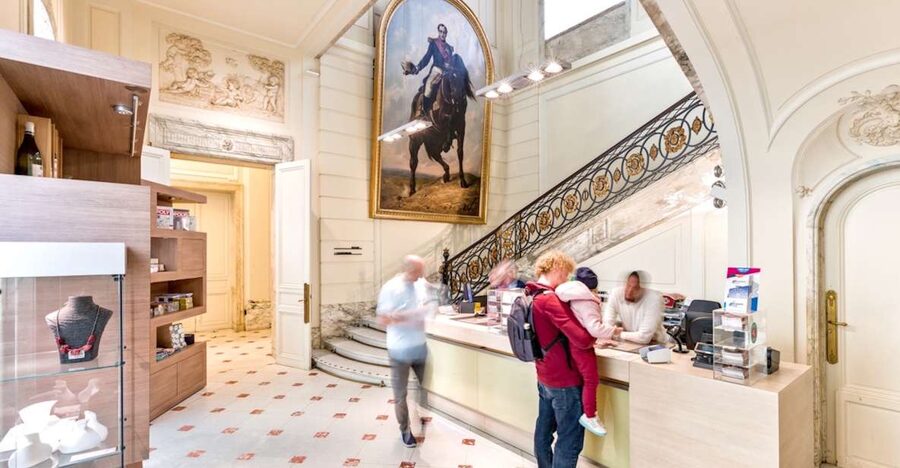
Review · BRUSSELS
Brussels: BELvue Belgium History Museum Entry Ticket
Belgium’s story makes more sense when you see how seven big themes shape daily life: democracy, prosperity, solidarity, pluralism, migration, language, and Europe. BELvue Museum presents each theme in its own room, using news clips, posters, charts, graphs, videos, and personal testimonies rather than relying only on dates and rulers.
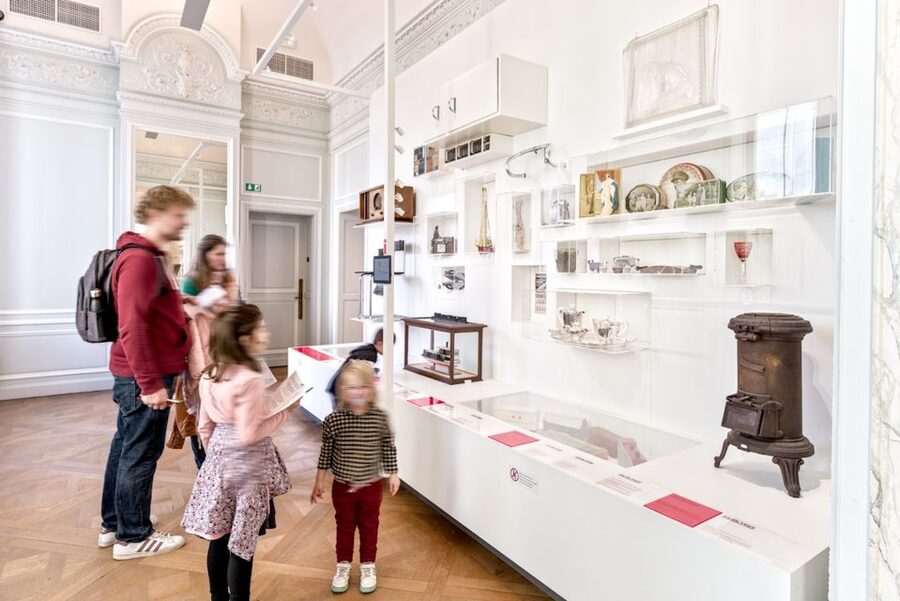
I like the free audio guide on your own phone, since you can set your own pace, and I like the gallery of more than 200 objects, including coffee filters, an electric fryer, Val Saint-Lambert crystal, and a football signed by Belgium’s Red Devils. The main drawback is that the museum can feel visually crowded, with plenty to read and see at once, so visitors who prefer a quiet, simple display may find it tiring.
- Seven rooms, seven themes: Follow Belgium from democratic life and social security to language and Europe.
- A very Belgian object collection: See everyday inventions and cultural items, including crystal, kitchen tools, and football memorabilia.
- Audio guide in five languages: Listen in Dutch, English, French, German, or Italian on your own mobile phone.
- Next to the Royal Palace: The museum is easy to pair with a walk through Brussels’ royal quarter.
- Good for mixed groups: Adults, children, solo visitors, and groups can all choose their own pace.
- Accessible with advance notice: Wheelchair users should contact the museum before visiting so staff can prepare properly.
Belgium Explained Through Seven Rooms
BELvue Museum is not a traditional house museum filled with portraits and grand furniture. Its focus is the country itself, how Belgium works, how it changed, and how people live together.
The visit is arranged around seven themes. That structure matters because Belgium can seem complicated at first glance. The country has several spoken languages, a layered political system, strong regional identities, and a central place in Europe. Instead of treating these as separate facts, the museum shows how they connect.
The first themes deal with democracy, prosperity, and solidarity. These rooms help explain the systems behind public life and social security. Videos and visual displays make the topics easier to follow than a wall of dates would. You will not simply look at old objects. You will see how ideas such as voting, wealth, public support, and shared responsibility affect the country.
The later themes turn toward pluralism, migration, language, and Europe. These are especially useful if you are trying to understand modern Belgium rather than only its past. Language is not treated as a minor cultural detail. It is one of the forces that shapes Belgian society, and the museum gives it a full place in the story.
The final theme, Europe, puts Belgium into its wider setting. This is fitting for Brussels, a city strongly linked with European institutions. The museum does not ask you to memorize political facts. Instead, it gives you a framework for understanding why Belgium has such a visible role beyond its borders.
News Clips, Charts, and Personal Testimonies
The museum’s displays mix several kinds of material. You may watch news clips, study posters, follow charts and graphs, and listen to contemporary testimonies.
That mix keeps the visit from becoming a dry civics lesson. A chart can show a broad social trend, while a personal testimony gives the issue a human scale. News footage helps connect the material to real public debates and everyday life.
I find this approach useful for visitors who know little about Belgium. You do not need a detailed background in Belgian politics before arriving. The rooms are designed to introduce the main ideas as you go.
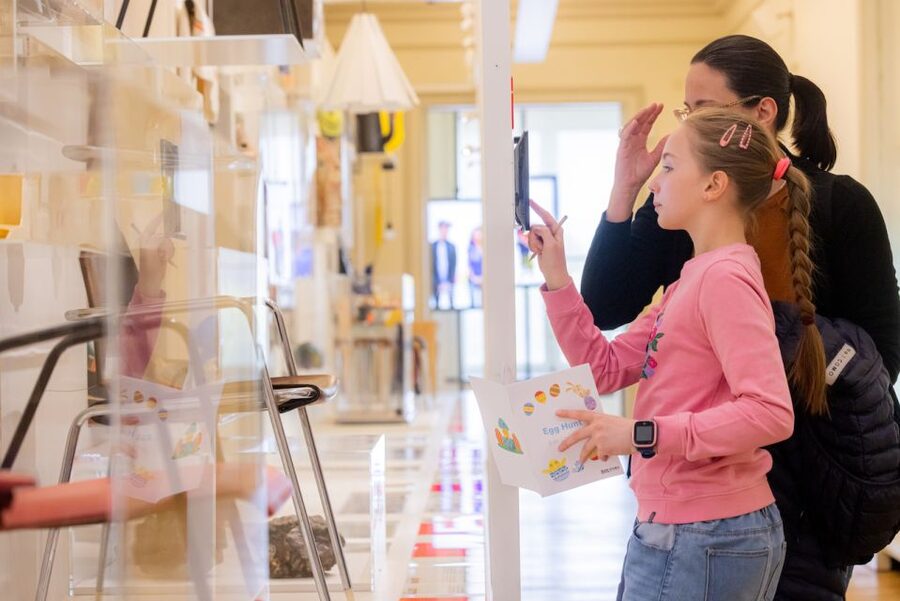
The format also works well for families and groups with different interests. One person can pause over a graph while another watches a short video. The audio guide gives you another layer of explanation without forcing everyone to move at the same speed.
Still, plan to make your own choices. The displays contain many elements, and it is easy to look at everything without fully absorbing anything. Give yourself permission to skip a chart or move past a poster. The museum is more enjoyable when you focus on the themes that interest you most.
More Museum Tours in Brussels
- Brussels: Atomium Entry Ticket with Design Museum Ticket
★ 4.4 · 9,254 reviews - Choco-Story Brussels: Chocolate Museum Entrance with Tasting
★ 4.3 · 4,883 reviews - Brussels: Autoworld Museum Ticket
★ 4.7 · 1,301 reviews
The Gallery of 200 Belgian Objects
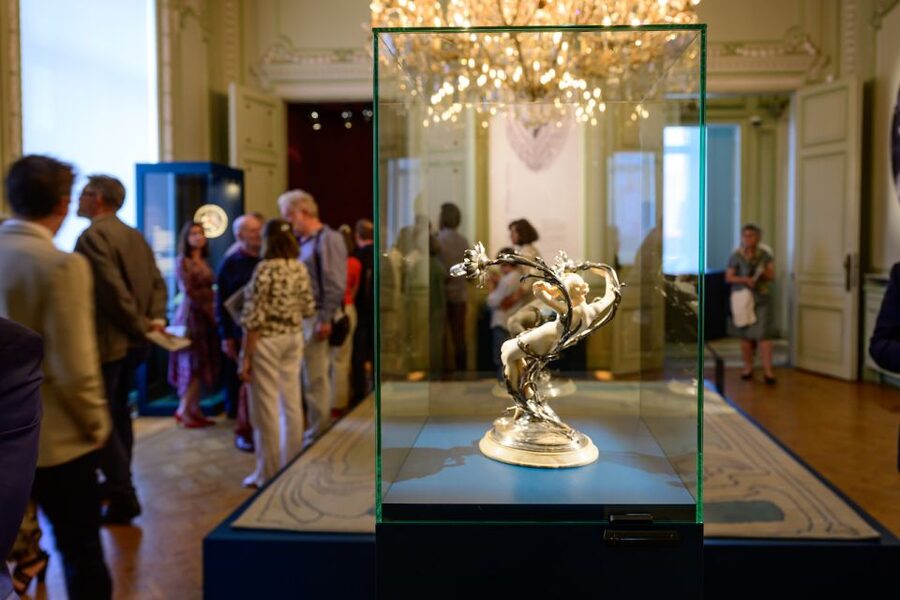
The gallery adds a more tangible side to the visit. It contains more than 200 objects that represent Belgium’s material memory, from ordinary household items to pieces with strong cultural associations.
This is where the museum becomes especially approachable. You might recognize a coffee filter or an electric fryer as a familiar object, then see it presented as part of Belgian life and ingenuity. The point is not that every item is rare or precious. The point is that a country’s identity is also built from the things people use, buy, make, and remember.
Val Saint-Lambert crystal vases bring a more decorative side to the collection. They offer a contrast with practical kitchen objects and show the range of Belgian production and design.
Football supporters get a clear highlight: a ball signed by the Red Devils, Belgium’s national team. It gives the collection a direct link to popular culture. Children may connect with the football item faster than with a political display, while adults may enjoy spotting objects linked to their own homes or memories.
The gallery is worth taking slowly, but it can also serve as a good place to shorten your visit if the themed rooms begin to feel dense. You can spend a long time examining the objects, or make a quick pass and return to the pieces that catch your eye.
Using the Audio Guide on Your Phone
The audio guide is included and available in Dutch, English, French, German, and Italian. You listen on your own mobile phone, which gives you control over the pace and order of the visit.
This is a practical advantage for a museum with several kinds of material. You can stop the audio while looking at a chart, replay a section, or move ahead when a topic feels less relevant. If you are visiting with children, you can also let them explore an object display while you listen.
Bring a charged phone and headphones if you have them. The information provided does not specify whether headphones are supplied, so your own pair is the safer choice.
There is no live guide included. That suits visitors who prefer independence, but it also means you will not have someone in the room to answer follow-up questions. If you enjoy conversation and interpretation from a person, this may feel less personal than a guided tour.
The visitor information booklet is included as well. Use it to get your bearings before choosing which rooms deserve the most attention.
A Visit That Works for Families and Groups
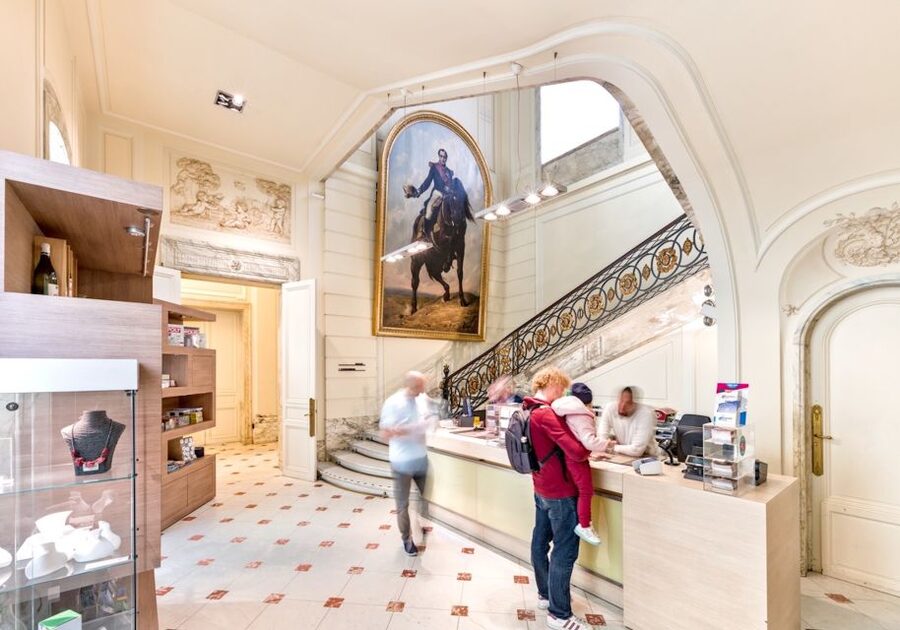
BELvue presents topics that can suit different ages, but not every section will hold a young child’s attention for long. The football and everyday objects are likely to be easy entry points. Videos and visual material can also break up the reading.
For families, I would avoid treating the museum as a test of concentration. Let children choose a few objects, listen to selected audio sections, and move on when their interest fades. The one-day ticket gives you flexibility, but the supplied details do not promise re-entry, so ask museum staff if leaving and returning matters to your plans.
Groups can benefit from the same flexibility. Everyone does not have to study each room in lockstep. Since the audio guide is personal, a group can split up briefly and meet again later.
Solo visitors may get the most control from the format. You can give extra time to migration or language, skip a crowded display, or focus on objects rather than political themes. The museum does not require you to follow a single strict route in spirit, even though the seven-room structure gives you a clear path.
A few more museum visits around Belgium worth comparing
- Brussels: Museum Art & History Entry Ticket
★ 4.5 · 58 reviews - New York City: American Museum of Natural History Ticket
★ 4.5 · 15,447 reviews - Venice: St. Mark Basilica Ticket, Audioguide+History Gallery
★ 3.9 · 4,780 reviews - Berlin: Natural History Museum Entrance Ticket
★ 4.6 · 3,382 reviews
Location Beside the Royal Palace
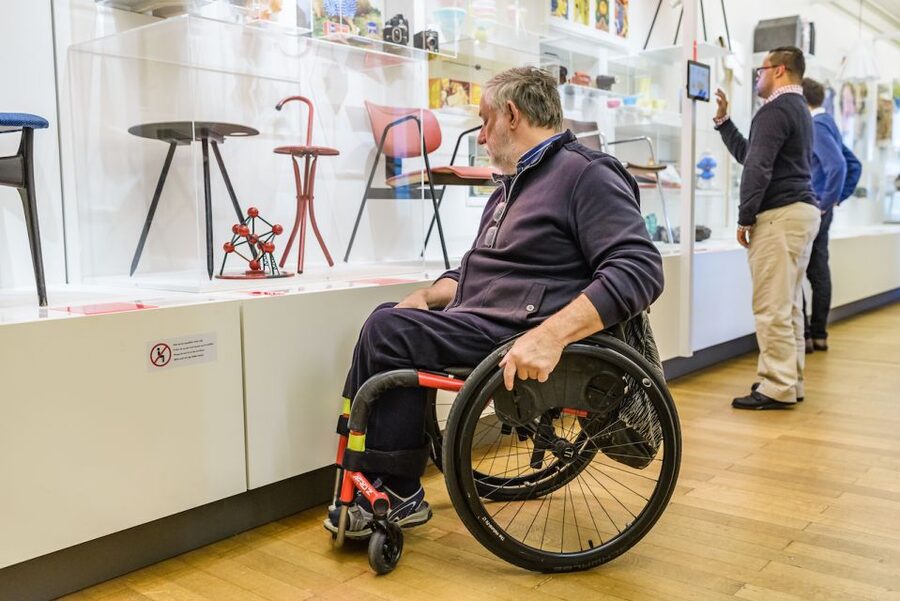
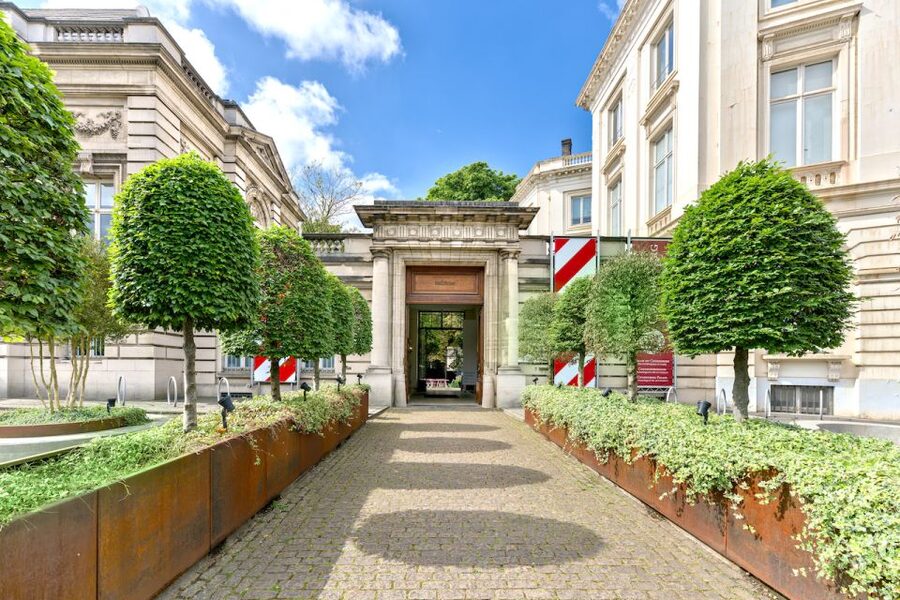
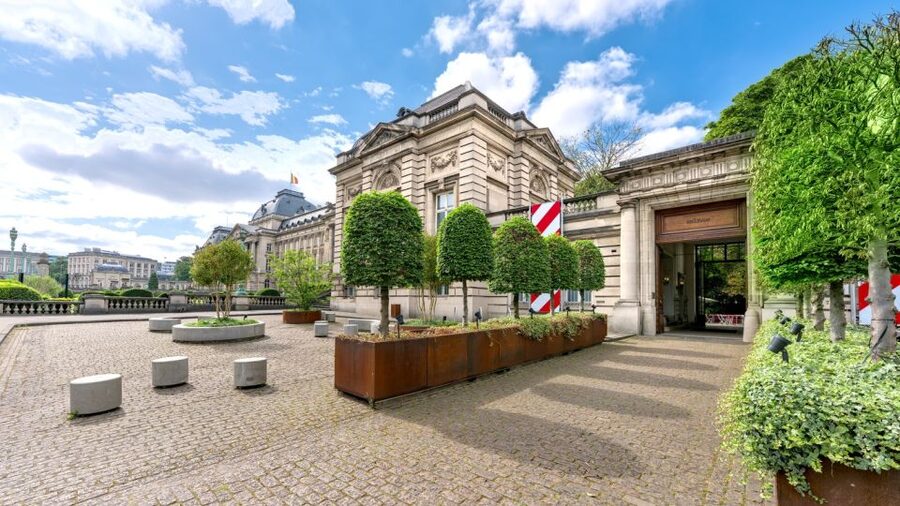
The entrance is next to the Royal Palace, placing BELvue in an easy-to-recognize part of Brussels. This makes the museum simple to combine with other sightseeing in the royal quarter.
The location also adds context. You are learning about Belgium’s public institutions and national identity near one of the country’s most visible symbols of monarchy. That contrast helps frame the museum’s themes of democracy, society, and Europe.
No hotel pickup or drop-off is provided. You make your own way to the museum, so allow enough time to reach the Royal Palace area before your chosen starting time. The ticket is valid for one day, with availability and starting times shown when you book.
At $11 per person, the admission is reasonably priced for a museum that can occupy part of a day without requiring a guided excursion. The value is strongest if you take time with both the seven themed rooms and the object gallery. If you only want a quick look at Belgian art or royal interiors, this is not the right choice, since its main subject is society and national life.
Access, Timing, and Booking Flexibility
BELvue is wheelchair accessible. If you plan to visit with a wheelchair, notify the museum in advance so staff can make the right preparations. That is a useful step rather than something to leave until arrival.
Pets are not allowed, although assistance dogs are permitted.
The experience offers free cancellation up to 24 hours before the visit for a full refund. You can also reserve now and pay later, which helps if you are building a Brussels itinerary around changing plans.
The listed duration is one day, meaning the ticket is valid for that day rather than describing a fixed one-day guided program. Check available starting times before booking.
The overall rating is 4.6 from 27 ratings, and the strongest response centers on the museum’s appeal as a way to understand Belgium. One French visitor who normally does not choose history museums found the presentation attractive but long and visually busy. That is useful advice: allow enough time, but do not feel obliged to absorb every display.
Who Will Get the Most From BELvue
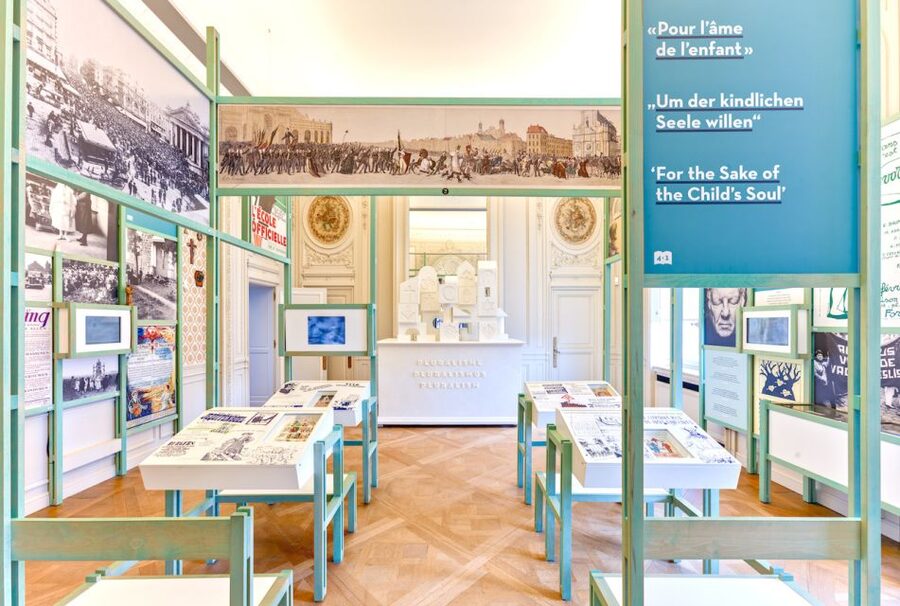
I would recommend BELvue to you if you want context before exploring Brussels. It gives you a useful base for understanding Belgian language divisions, social security, democracy, migration, and the country’s place in Europe.
It is also a good pick for mixed groups. One person can focus on contemporary society, another can browse the object gallery, and children can look for the football and familiar household items.
The museum may be less satisfying if you want a short, purely visual attraction. There are plenty of objects, but the central purpose is explanation. Reading, listening, and watching are part of the visit.
If you are already tired from several museums, choose your priorities. Start with the seven themes, then decide how much energy remains for the gallery. The material is worthwhile, but the number of displays can make it hard to know where to look first.
Should You Book the BELvue Museum Ticket?
Book it if you want a clear introduction to Belgium’s past and present, especially if topics such as language, social security, migration, and European identity interest you. The $11 price is fair, the audio guide is included in five languages, and the location beside the Royal Palace makes it easy to add to a central Brussels day.
Skip it if you want a fast visit with little reading or if your main interest is royal architecture. For everyone else, BELvue offers a useful, affordable way to understand the country behind the chocolate shops, comic art, and grand squares.
FAQ
Where is the BELvue Museum located?
The entrance is next to the Royal Palace in Brussels.
How much does admission cost?
The listed price is $11 per person.
How long is the ticket valid?
The ticket is valid for one day. Check availability for the available starting times.
Is an audio guide included?
Yes. A free downloadable audio guide is included.
Which languages are available for the audio guide?
The audio guide is available in Dutch, English, French, German, and Italian.
Is the museum wheelchair accessible?
Yes, the museum is wheelchair accessible. If you are visiting with a wheelchair, contact the museum in advance so staff can make the right preparations.
Can I cancel my booking?
Yes. You can cancel up to 24 hours in advance for a full refund. You can also reserve now and pay later.
Just added around Belgium
- Ghent: Museum of Fine Arts Entry Ticket★ 4.2 · 75 reviews
- Frietmuseum Brussels: Entry to the fries museum with a tasty treat★ 4.7 · 66 reviews
- Brussels: Musical Instruments Museum Entry Ticket★ 4.6 · 65 reviews
- Brussels: Comic Art Museum Entrance Ticket★ 4.0 · 56 reviews
- Brussels: Museum Art & History Entry Ticket★ 4.5 · 58 reviews
- Brussels: Hop-On Hop-Off Bus Tour& Belgian Beer World Museum★ 4.2 · 24 reviews
- Brussels: 48 Museums, Atomium, and Discounts Card★ 4.2 · 102 reviews
- Bruges: Ticket Museum Sint-Janshospitaal★ 4.4 · 38 reviews
Museum Tours in Brussels, compared.
Atomium Entry Ticket with Design Museum Ticket
Read our review →
Choco-Story Brussels: Chocolate Museum Entrance with Tasting
Read our review →
The World of Banksy Museum Permanent Exhibition
Read our review →
Frietmuseum Brussels: Entry to the fries museum with a tasty treat
Read our review →

Hop-On Hop-Off Bus Tour& Belgian Beer World Museum
Read our review →Browse the lists this tour appears in