
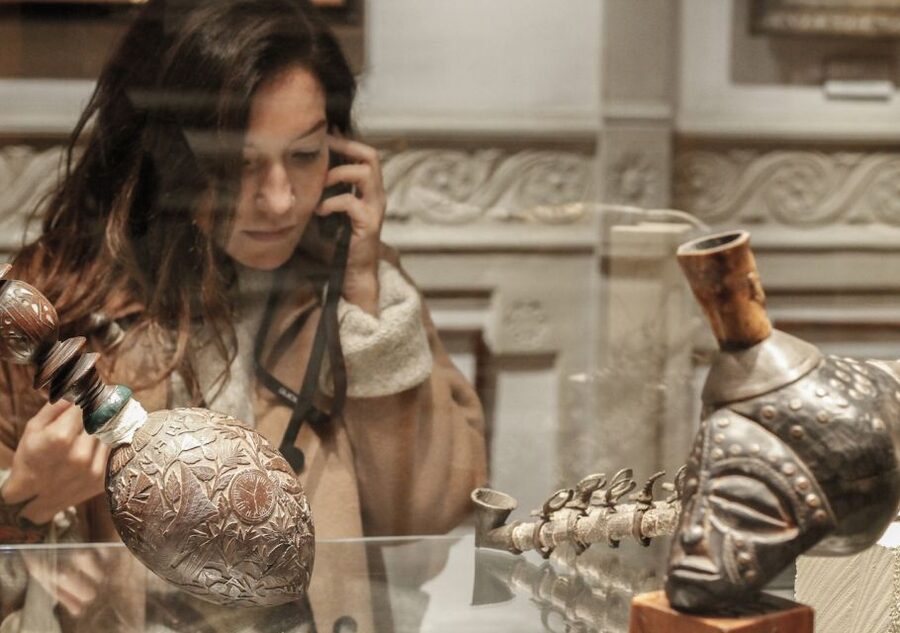
Review · SPAIN
Barcelona: Hash Marihuana & Hemp Museum Entry Ticket
Barcelona’s Hash Marihuana & Hemp Museum puts an unusual subject inside an equally unusual setting: a modernista palace on Carrer Ample. Inside, the displays trace cannabis and hemp from ancient tools to modern medical use, making this more than a quick look at smoking culture.
I like the museum’s broad view of the plant, especially its sections on rope, paper, textiles, food, medicine, and ritual use. I also like the included photo souvenir and the chance to see live hemp plants during the growing season. The main drawback is size. A recent verified rating of 4.7 from 78 reviews is encouraging, but one useful description calls it small, if interesting. Plan for a compact museum, not a half-day institution.
Key points to know before you go
- The setting is part of the experience: You visit a modernista palace at Carrer Ample, 35, in Barcelona.
- The collection reaches beyond recreation: Displays cover industrial, nutritional, medicinal, sacramental, and recreational uses of cannabis.
- Medical history gets serious attention: The museum has a major collection of bottles once used for medicinal cannabis.
- Art and objects share the story: Expect paintings, engravings, hemp-working tools, and historic utensils.
- The visit is self-paced: An audio guide is offered in Catalan, English, Spanish, Italian, German, and French.
- The museum is compact: It suits a short cultural stop, especially if you are curious about plants, medicine, art, or material culture.
Entering the modernista palace on Carrer Ample
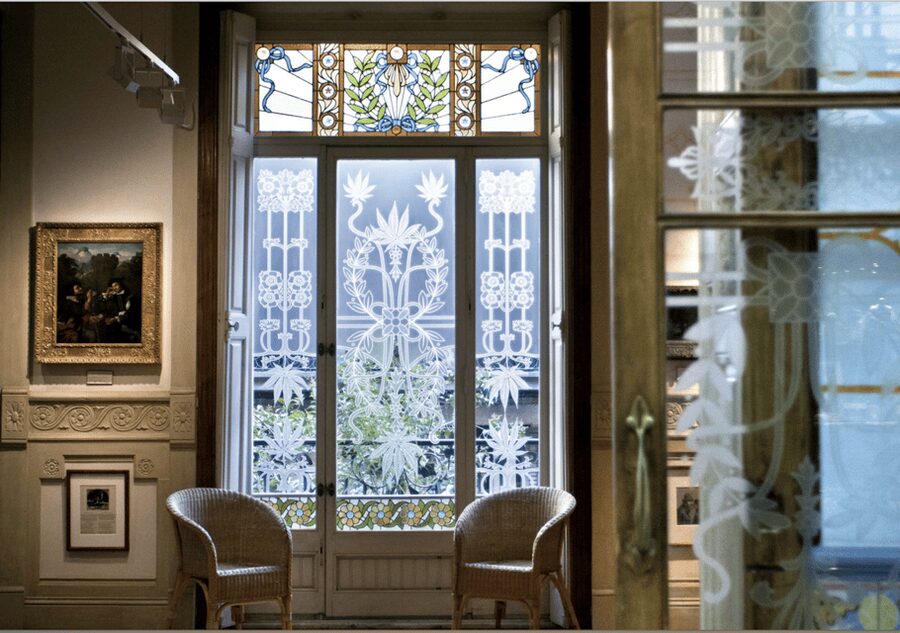
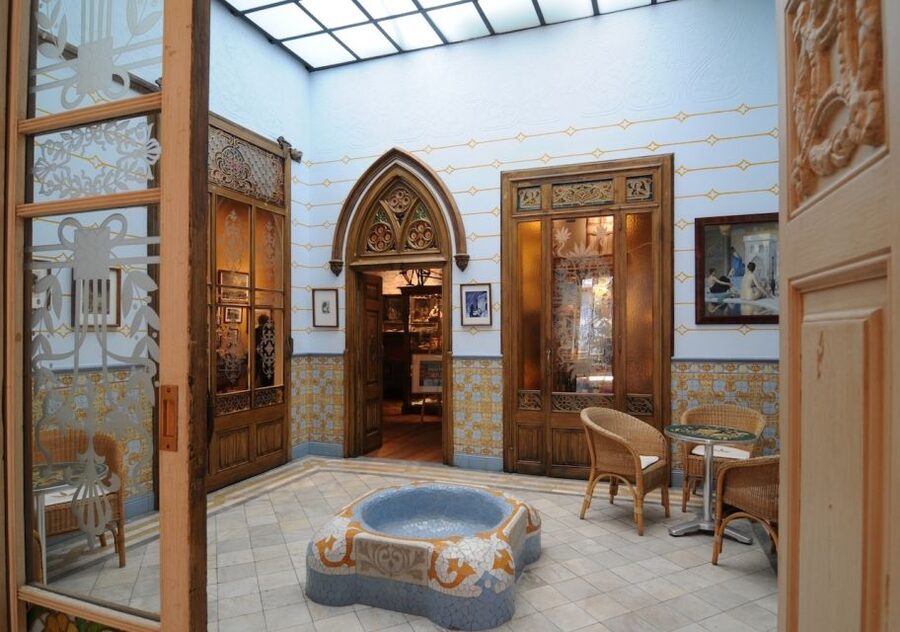
The museum is at Carrer Ample, 35, in Barcelona’s Catalonia district. The address matters because the building gives the visit some of its character. You are not walking into a plain gallery or a purpose-built science center. The cannabis collection is arranged inside a historic modernista palace, creating an entertaining contrast between the refined setting and the subject matter.
The entrance is easy to pair with a day of sightseeing in central Barcelona, though the activity information does not give a precise visit length. Your ticket is valid for one day, so you have flexibility around the starting time. Check the available entry times when booking rather than assuming the museum operates on an open-arrival basis.
I would treat this as a focused stop. The museum’s own description and a recent visitor assessment point toward a small, concentrated experience. That is good news if you want something unusual without giving up a full morning. It is less ideal if you expect a large museum with many rooms, interactive exhibits, or a long guided program.
A few more museum visits around Spain worth comparing
- Madrid: Prado Museum Entry Ticket
★ 4.6 · 20,699 reviews - Barcelona: FC Barcelona Museum “Barça Immersive Tour” Ticket
★ 4.4 · 10,944 reviews - Madrid: Reina Sofía Museum Entrance Ticket
★ 4.5 · 8,788 reviews
Following cannabis from ancient craft to modern use
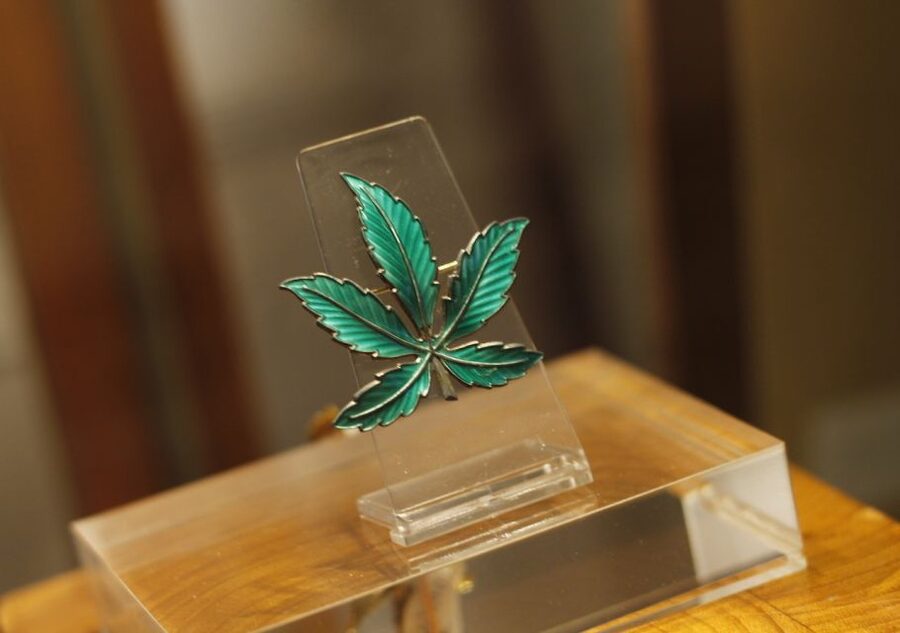
The permanent exhibition starts with the plant’s practical potential. Hemp was not only a subject of social debate. It was also a useful raw material, and the displays show uncommon tools and utensils once used to turn hemp into rope, paper, and textiles.
That section gives you a useful way to read the rest of the museum. Instead of presenting cannabis only through recreational use, it treats the plant as a material that has been worked, eaten, prescribed, painted, and used in religious settings. The result is a wider historical frame, even if you have little interest in cannabis itself.
Look closely at the objects rather than rushing from label to label. A tool used to process plant fiber can explain more about daily work than a general statement about hemp production. You might also find that the collection raises questions about why some plant uses became accepted while others became restricted, though the supplied information does not promise a detailed legal or political section.
The museum covers industrial, nutritional, medicinal, sacramental, and recreational purposes. That range is one of the strongest reasons to visit. It lets you compare the plant’s role as a crop, a remedy, a ritual substance, and a commercial product in one compact setting.
Paintings and engravings that tell the older story
Art gives the collection another entry point. A series of paintings and engravings shows cannabis use across different periods, and the exhibition includes work by leading artists of the 17th century.
The art section should appeal to you if you like museums that connect objects with images. A painting can show how a plant was represented in society, not simply how it was used. It can also reveal which settings artists considered suitable for cannabis imagery, though the information provided does not identify the artists by name.
This is also where the palace setting matters most. Historic art and old architectural details belong together more naturally than a row of modern display cases in a neutral room. You get a cultural visit with a slightly theatrical edge, but the collection remains the main attraction.
Photography is limited by one clear rule: flash photography is not allowed. Food and drinks are also prohibited inside. Bring a phone or camera if you want to record the visit, but keep the flash switched off. The included photo souvenir gives you a ready-made memory without needing to photograph every display.
The medical cannabis bottle collection
The medical section is likely the museum’s most striking stop. It contains one of the world’s largest collections of bottles of medicinal cannabis, showing that cannabis products were used to treat medical complaints from the 19th century onward.
These bottles make an old medical practice feel tangible. A written claim that cannabis was once prescribed is easy to forget. A shelf of labeled containers, however, shows how the plant entered ordinary medical commerce. The collection also helps correct the modern habit of treating medical cannabis as an entirely new idea.
I would give this section extra time. It links the museum’s past and present more clearly than the recreational displays alone. You can think about how medicines were packaged, sold, and understood before current regulations and medical standards took shape.
The museum presents medicinal use as part of a larger story, not as the only serious use of cannabis. That balance is useful. You are shown the plant’s medical potential without being told that every historical remedy had the same evidence or safety standards used today. The supplied information does not describe modern medical advice, so this is best approached as cultural and historical information, not a health consultation.
Same city, a completely different collection:
- Barcelona: Park Güell and Gaudí House Museum Entry Ticket
★ 4.5 · 6,326 reviews - Seville: Puro Flamenco Show with Optional Museum Ticket
★ 4.8 · 6,088 reviews - Barcelona: Picasso Museum Skip-the-Line Guided Tour
★ 4.5 · 3,355 reviews - Moco Museum Barcelona: Modern & Contemporary Art
★ 4.6 · 3,229 reviews
Live hemp plants and the changing display
During the growing season, you can see live hemp plants as part of the exhibition. This is a small detail, but it adds something that glass cases cannot. The plant becomes easier to understand when you see its form rather than only its finished products or historical images.
The plants are seasonal, so do not treat them as guaranteed on every visit. The information specifically says they appear during the growing season. If seeing them is important to you, check current conditions before you go.
This part of the museum also ties together the other sections. Hemp fiber, medicine, food, and other products all begin with a living plant. A display of the plant itself helps you connect the raw material with the tools, bottles, artworks, and finished goods around it.
Audio guides in six languages
You can use an audio guide in Catalan, English, Spanish, Italian, German, or French. That makes the visit easier to follow if you prefer spoken explanation over reading every label.
The wider language support is even broader for the host or greeter. English, Dutch, Spanish, Catalan, French, German, Portuguese, and Italian are listed. The available information does not name individual guides, and this is not presented as a tour led by a single guide. Think of it as a museum visit with language support and an audio option.
I would choose the audio guide if you want context for the objects. The exhibition includes artifacts from several periods and uses, so a little explanation can help you see why a rope-making tool, a medicinal bottle, and a 17th-century painting belong in the same collection.
If you prefer to move quickly, you can keep the visit more visual. Since the museum is described as small, you should not need to commit to a long listening session. Use the audio for the sections that interest you most.
The shop and the included photo souvenir
The museum shop carries a wide range of hemp products. The shop is worth a look because it extends the exhibition into the present. After seeing historic hemp tools, you can compare them with modern products made from or associated with hemp.
The supplied information does not list individual products, so I would not promise a particular item or brand. Still, the shop gives you a practical way to continue the subject beyond the display cases. It may suit you if you prefer a useful souvenir to a standard postcard.
Your admission includes a photo souvenir. That is a modest extra, but it adds value to an $11 ticket and gives the visit a clear keepsake. The information does not specify exactly how the photo is produced, so treat it as an included souvenir rather than assuming a particular photo booth format. The highlights mention a photo booth, so expect a chance to create or collect a playful image during the visit.
Is an $11 ticket good value?
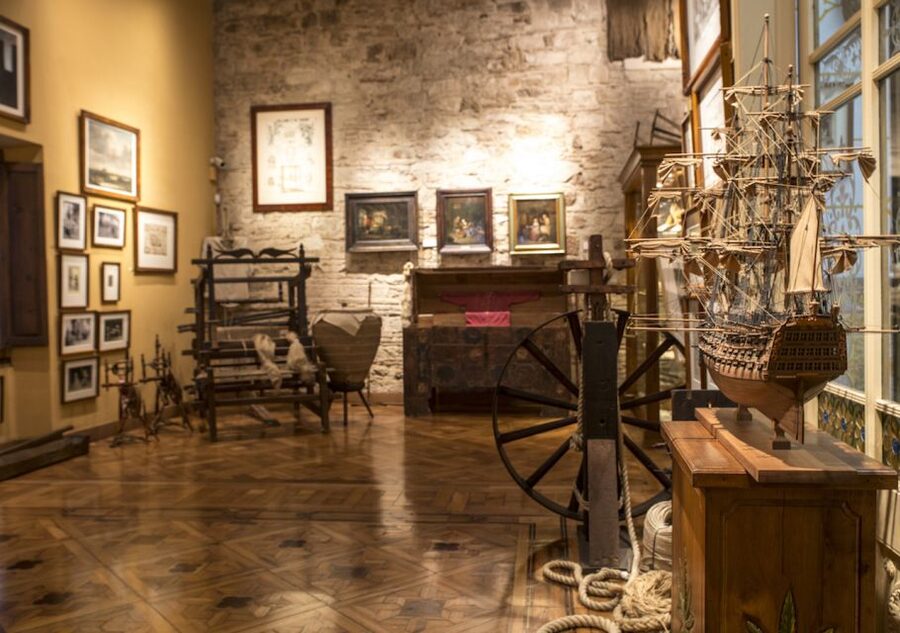
At $11 per person, the museum is priced like a modest specialty attraction rather than a major all-day museum. I think the price works best when you value unusual subject matter, historic objects, and a central cultural stop.
The ticket includes entry to the permanent exhibition, the audio guide, and a photo souvenir. It does not include food or drinks, though those items are not allowed inside anyway. You are paying for the collection and the setting, not for a meal, transport, or a long guided tour.
The main value question is time. If you want an extensive museum with many large galleries, $11 may feel less rewarding because the collection is compact. If you want an offbeat stop that can fit between larger Barcelona sights, the price is easier to justify.
I also like the flexibility. You can reserve now and pay later, and cancellation is free up to 24 hours before the visit for a full refund. That helps if your Barcelona plans are still shifting. The ticket is valid for one day, with starting times depending on availability.
Who will enjoy this museum most?
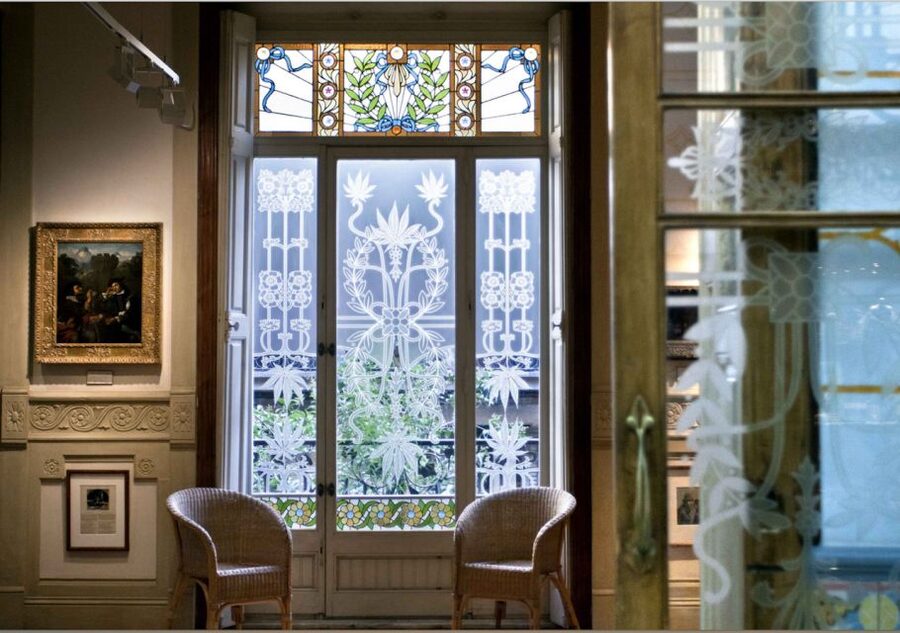
I would recommend it to you if you like social history, unusual collections, medicine, historic craft, botanical subjects, or art with a strong theme. It is also a sensible choice if you have already seen Barcelona’s major architectural sights and want a smaller stop with a different subject.
The museum suits curious adults and older children who can engage with display objects and audio material. The information does not provide a child-focused program, so I would not choose it specifically as a family attraction for young children.
It also suits you if you want to understand cannabis in a broader way. The displays do not limit the plant to recreational use. They connect it with rope, paper, textiles, food, medicine, ritual, and art. That wider view is the museum’s clearest strength.
The experience may be less suitable if you have mobility impairments, since it is specifically listed as not suitable for people with mobility impairments. Contact the provider before booking if access is an important concern.
Practical advice for planning your visit
Book around the time you want to arrive, since starting times depend on availability. You meet at Carrer Ample, 35, 08002 Barcelona, Spain. The activity lasts one day in ticket validity, but no exact on-site duration is stated, so allow enough time for the permanent exhibition without building your entire day around a precise timetable.
Food and drinks are not permitted. Flash photography is also not allowed. The museum shop and photo opportunity are part of the appeal, but the collection itself should be your reason for going.
If English is your preferred language, both the host language list and audio guide list include English. You can also select Catalan, Spanish, Italian, German, or French for the audio guide, while host support additionally lists Dutch and Portuguese.
Should you book the Hash Marihuana & Hemp Museum?
Book it if you want a compact, well-defined museum with an unusual subject and a serious historical range. The 19th-century medicinal bottles, hemp-working tools, old art, live plants in season, and modern shop give you several ways into the story.
Skip it if you need a large museum, a long guided tour, or a fully accessible attraction. The museum is small, and mobility access is listed as a concern.
For $11, I see it as a good short stop in central Barcelona, especially when you value distinctive collections over famous landmarks. Go with realistic expectations, use the audio guide for context, and give the medical and craft sections more attention than a quick pass through the shop.
FAQ
Where is the Hash Marihuana & Hemp Museum in Barcelona?
The museum is at Carrer Ample, 35, 08002 Barcelona, Spain.
How much does admission cost?
The listed price is $11 per person.
How long is the ticket valid?
The ticket is valid for one day. Starting times depend on availability.
Is an audio guide included?
Yes. An audio guide is included in Catalan, English, Spanish, Italian, German, and French.
What languages are available from the host or greeter?
Host or greeter support is listed in English, Dutch, Spanish, Catalan, French, German, Portuguese, and Italian.
What does the ticket include?
The ticket includes museum entry and a photo souvenir.
Are food and drinks included?
No. Food and drinks are not included, and they are not allowed inside the museum.
Can I take photographs?
Photography is addressed by one clear restriction: flash photography is not allowed. The highlights also mention a photo booth.
Can I see live hemp plants?
You can see live hemp plants during the growing season. Their availability is seasonal.
Can I cancel for a refund?
Yes. You can cancel up to 24 hours in advance for a full refund.
Is the museum suitable for people with mobility impairments?
The activity is listed as not suitable for people with mobility impairments.
Just added around Spain
- Girona, Figueres, Dalí Museum and Cadaqués Tour from Barcelona★ 4.5 · 36 reviews
- Football Club Barcelona Museum Immersive Tour Guided Visit★ 3.5 · 52 reviews
- Erotic Museum Admission Ticket with Audioguide★ 5.0 · 527 reviews
- Dali Museum and Costa Brava Small Group Day Trip from Barcelona★ 5.0 · 77 reviews
- Madrid by High-Speed Train with Prado Museum Private Tour★ 4.0 · 33 reviews
- Guitar Legends Hall: Entrance to the Immersive Rock Museum★ 5.0 · 25 reviews
- White Rabbit Museum: The Best Immersive Experience in Catalonia★ 5.0 · 538 reviews
- Private tour: Dali Museum in Figueres and Púbol Tour with Hotel pick-up★ 5.0 · 12 reviews
Museum Tours in Spain, compared.
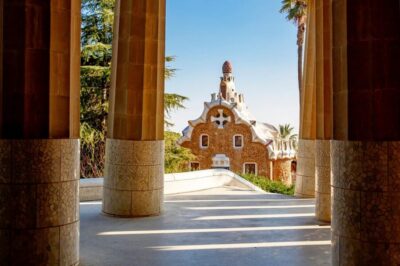
Park Güell and Gaudí House Museum Entry Ticket
Read our review →
Puro Flamenco Show with Optional Museum Ticket
Read our review →
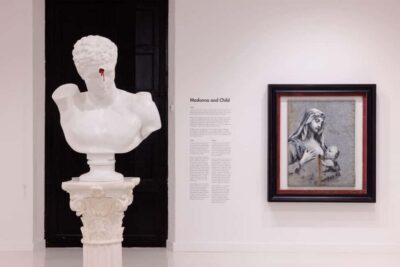
Moco Museum Barcelona: Modern & Contemporary Art
Read our review →
Girona & Dali Museum Small Group Tour with Pick-up from Barcelona
Read our review →
Valencia: Oceanogràfic, Hemisfèric & Science Museum Combo
Read our review →Browse the lists this tour appears in