
Review · CROATIA
Croatia: Museum of Lost Tales
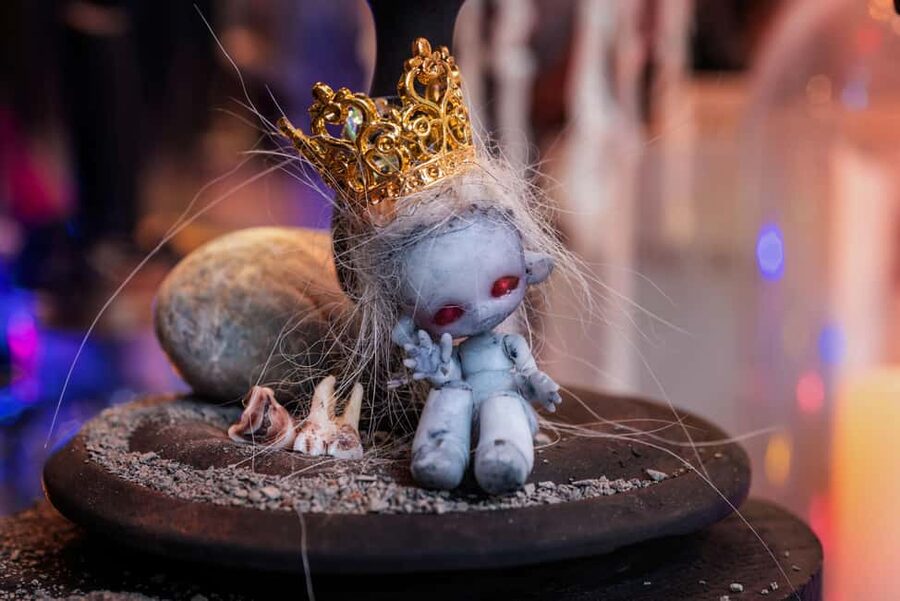
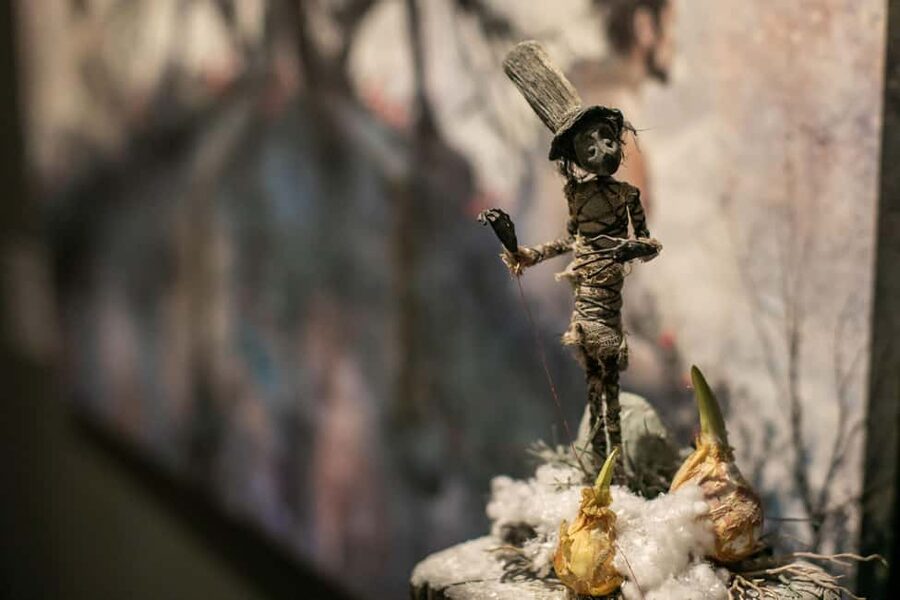
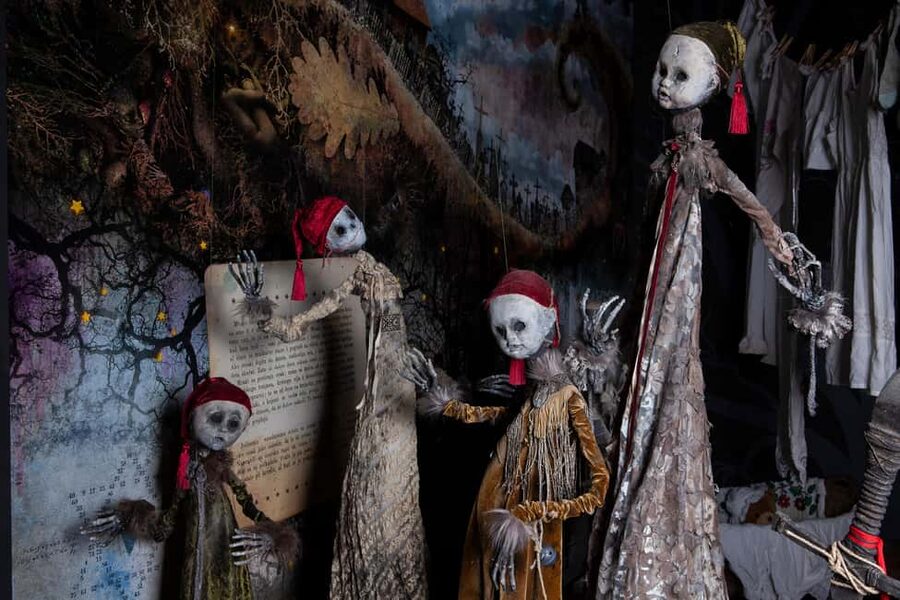
The Museum of Lost Tales turns Croatian folklore into a walk-through world of fairies, witches, dragons, bogarts, water men, and Moguts. Zdenko Bašić’s art fills six rooms with sculpted scenes, puppet miniatures, paintings, and storybook details drawn from old oral traditions.
I like the sheer range of material here, from tiny figures to the stories and objects that support them. I also like that the museum asks you to search for clues, such as fairy traces, dragon scales, and the hiding place of water men. The main drawback is that a guided tour is not included, so visitors who want the folklore explained as they go may need to rely on their own reading and attention.
Key points to know before you go
- Six themed rooms take you through different parts of Croatian folklore rather than presenting one large, uniform display.
- Hundreds of magical beings fill the museum, including fairies, witches, dragons, bogarts, water men, and Moguts.
- Zdenko Bašić’s artwork shapes the museum’s visual style through illustrations, sets, puppets, and miniatures.
- The experience is designed as live art, encouraging you to look, listen, smell, and follow clues through the stories.
- Entry costs $14 per person, with the ticket covering admission but not a guided tour.
- Backpacks and bags are not allowed, and the museum is not suitable for children under three or wheelchair users.
Why this museum is different from a standard folklore display
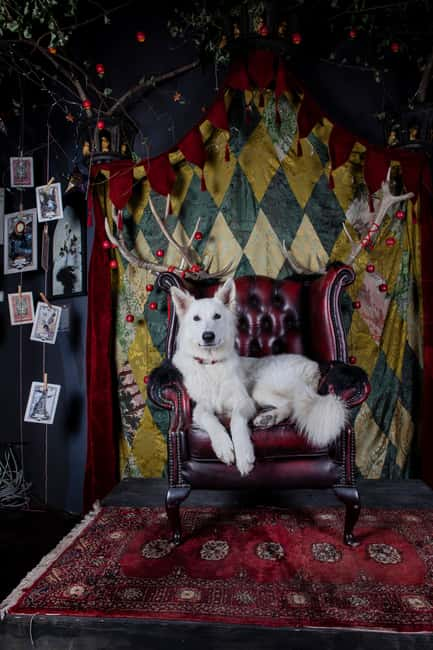
Many folklore museums place old objects behind glass and ask you to read about the past. The Museum of Lost Tales takes another route. It builds a physical story world where the displays are part of the tale, not just evidence of it.
The setting covers more than 200 square metres and is divided into six rooms. Each room has its own theme, so you move through a series of scenes rather than one long gallery. The format suits anyone who likes art installations, miniature worlds, fantasy, or traditional stories given a new visual form.
The subject is Croatian oral storytelling. These were tales passed down by speaking, often recalling a time when people imagined human life sharing the world with elves and other beings. That matters because the museum is not simply presenting generic European fantasy. It draws on local folklore and gives attention to creatures from Croatian tradition.
I find that distinction important. You may already know fairies, witches, and dragons from books or films, but their place in Croatian storytelling gives them a different setting and mood. The museum’s aim is to bring back tales that can easily disappear when oral traditions are no longer passed from one generation to the next.
A few more museum visits around Croatia worth comparing
- Blue Lagoon & Underwater Museum from Split with Lunch & Drinks
★ 4.5 · 1,122 reviews - Zagreb: Skip-the-Ticket-Line Museum of Broken Relationships
★ 4.5 · 847 reviews - Zagreb: Nikola Tesla Technical Museum Ticket
★ 4.5 · 520 reviews
Entering Zdenko Bašić’s House of Wonders
The museum’s creative force is Croatian transmedia artist Zdenko Bašić. His work has long explored Croatian oral lore and mythology, and this project brings those interests together in one physical place.
Bašić’s contribution is not limited to a few illustrations on the wall. His visual language shapes the sets, puppet figures, miniature scenes, and wider design of the exhibition. This gives the museum a consistent look as you move from room to room.
You should expect an art-led interpretation rather than a formal academic presentation. The displays are meant to make you feel part of the story. You are invited to become an explorer of creatures both seen and unseen, looking for signs hidden in the scenes.
That approach has a clear benefit. A figure, footprint, scale, or miniature hiding place can make an old tale easier to remember than a paragraph of text. It also gives children and imaginative adults a reason to slow down and inspect each corner.
The trade-off is that a highly designed setting may leave you wanting more context. Since a guided tour is not included, you may need to take your time with the available information and piece together the meaning of what you see.
The six-room route through Croatian folklore
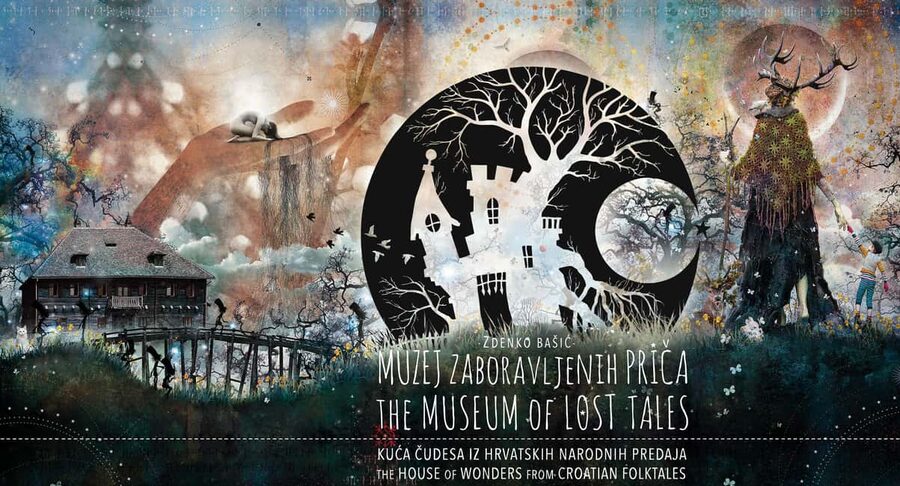
The museum does not provide a detailed room-by-room list of themes, so you should not expect a fixed itinerary with named stops. What is clear is that the six rooms are arranged as separate themed settings, each presenting another part of the old stories.
Your route takes you through sculpted scenes and puppet miniatures. Instead of seeing one object at a time, you see figures and settings arranged together. That makes the museum feel closer to a small stage set or storybook brought into three dimensions.
Look carefully for the details named as part of the experience:
- Traces left by fairies
- Footsteps of witches
- Scales belonging to dragons
- The smells associated with bogarts
- A pit where water men hide
- Places where Moguts fly
These clues give you a useful way to approach the museum. Do not hurry from room to room while checking only the largest figures. The smaller details are part of the activity, and the design encourages you to search.
The collection includes more than hundreds of magical creatures and beings. That large number is one reason the visit can feel full rather than thin. You are not being shown one famous character and a few supporting objects. You are entering a world with many kinds of beings, each connected to the broader folklore tradition.
At the same time, the quantity can feel overwhelming. The scale of the collection means you may need to pause and reset your attention. If you try to absorb every figure, painting, story, and supporting object at once, the museum can become a lot to take in.
My advice is to make two passes when possible. On the first, follow the rooms and get a sense of the overall story world. On the second, return to the details that caught your eye. The ticket is valid for one day, so check the available entry times and plan around the time offered.
The figures, paintings, and objects that build the mood
The museum’s appeal comes from the combination of forms. You are not looking only at paintings, and you are not walking through a room of puppets. The experience brings together figures, illustrations, miniatures, sculpted scenes, stories, and objects that support the themes.
This variety helps the museum reach different kinds of visitors. If you respond to visual art, you can focus on Bašić’s illustrations and the way the sets are designed. If you prefer stories, the folklore gives each room a narrative purpose. If you enjoy model scenes and handmade figures, the miniatures reward close attention.
The sensory aim also matters. The museum invites you to experience the tales through more than sight, including smells connected with bogarts. The available information does not list every sensory feature in each room, so you should treat this as an invitation to notice rather than a promise of a particular effect at every stop.
That sensory approach makes the experience more active. You are not only receiving information. You are looking for marks, imagining what may be nearby, and reading the setting as if it were part of a living tale.
The phrase live art is useful here, but it should not lead you to expect a scheduled performance. The information describes a walk-through art experience, not a stage show or a guided theatrical presentation. The museum’s live quality comes from your role inside the scenes.
Same city, a completely different collection:
- SPLIT-PRIVATE Walking Tour of Diocletian’s Palace & Old Town
★ 5.0 · 467 reviews - Split: Game of Thrones Museum Entrance Ticket
★ 3.8 · 385 reviews - Split: Blue Lagoon Underwater Museum Tour w/Lunch & Drinks
★ 4.7 · 338 reviews - Split: Klis Fortress GOT and Olive Museum Entry Tickets
★ 4.6 · 283 reviews
What the folklore adds to a visit in Zagreb County
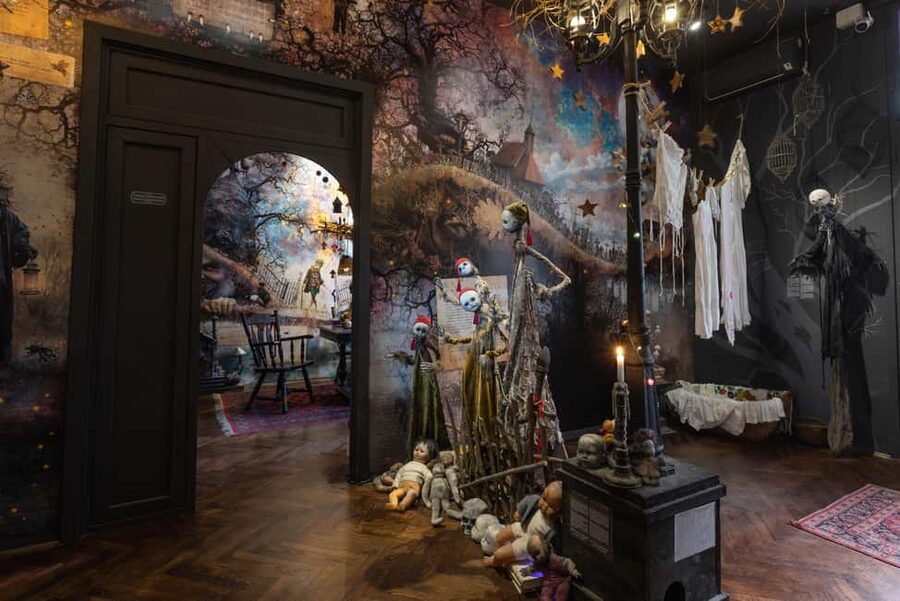
The museum gives you a way to connect with a side of Croatia that is easy to miss if your trip focuses only on architecture, food, or famous historic sights. Oral tradition preserves how earlier communities imagined nature, night, danger, luck, and the unseen world.
The stories also show that folklore is not just a set of cute fantasy characters. Witches, dragons, water men, and other beings often express fears and hopes that are difficult to explain in ordinary terms. The museum presents those ideas through visual scenes, allowing you to consider the emotional side of the tales as well as their characters.
I especially like the sense of recovery behind the project. The museum looks back to warm summer evenings when people shared stories aloud, then gives those stories a new form through contemporary art. You get both an old subject and a modern presentation.
This makes the visit a good choice for anyone who wants more than a standard museum label. You can enjoy the atmosphere first, then think about how spoken stories change when an artist turns them into objects, figures, and rooms.
Is $14 good value?
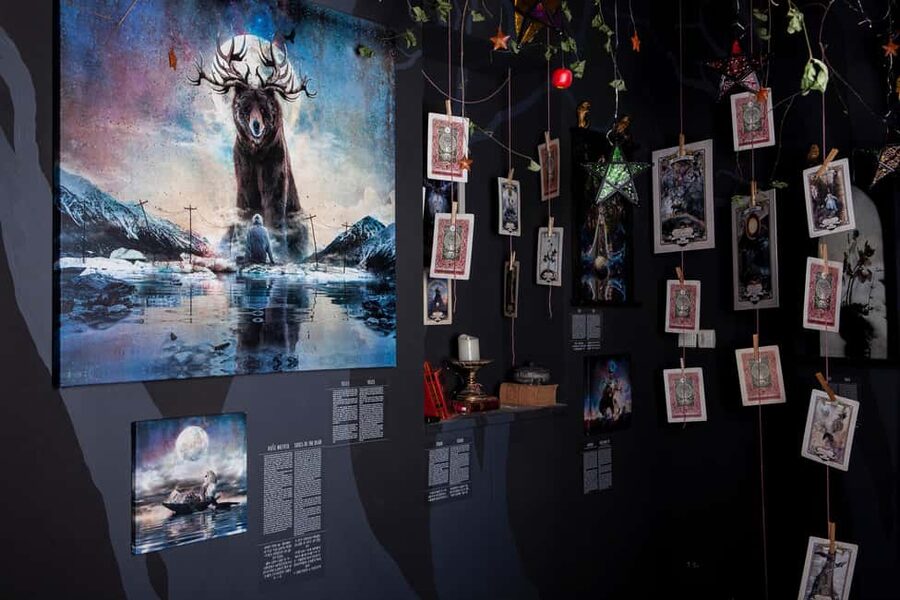
At $14 per person, the museum is reasonably priced if you enjoy art installations, folklore, fantasy, or carefully built miniature scenes. The ticket gives you entry to a 200-square-metre museum with six rooms and a large collection of figures, paintings, stories, and objects.
The value depends on your pace. If you rush through in a short time, the price may feel less convincing. The museum’s strength is its quantity and detail, so you get more from the ticket when you slow down and examine the settings.
There is also no guided tour included. That keeps the admission price straightforward, but it means you are paying for a self-guided visit. If interpretation is central to your enjoyment, factor in the possibility that you will need to read carefully and make your own connections between the rooms.
The free cancellation option up to 24 hours before the visit and the reserve-now, pay-later choice add useful flexibility. You can keep plans open without paying at the time of booking, subject to the stated booking conditions.
Who will enjoy the Museum of Lost Tales most?
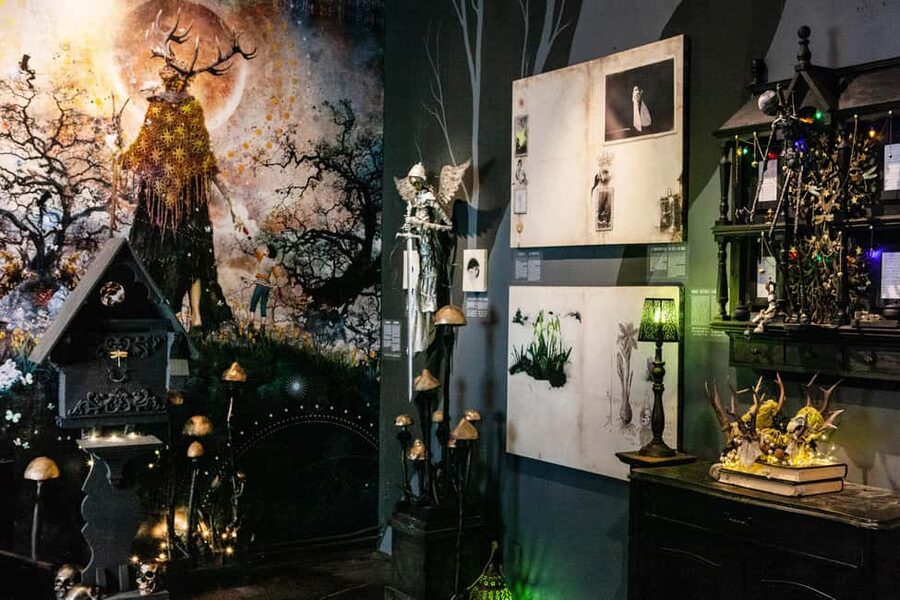
I would recommend this museum to adults and older children who enjoy visual storytelling, fantasy art, miniatures, and traditional legends. It also suits visitors looking for an unusual cultural stop connected to Croatian identity rather than another conventional gallery.
It should appeal to:
- Families with children over three who like searching for hidden details
- Art lovers interested in Zdenko Bašić’s illustrations and set design
- Readers of folklore and mythology
- Visitors who enjoy unusual, atmospheric indoor attractions
- Anyone curious about Croatian oral traditions
The museum may be less suitable if you want a standard historical collection with clear dates, long explanations, and a formal guide. It may also disappoint visitors who expect a live show, since the experience is a self-guided art environment rather than a scheduled performance.
Practical restrictions matter. Pets are not allowed, though assistance dogs are permitted. Backpacks and bags are also not allowed. The museum is not suitable for wheelchair users, and children under three should not be brought into the experience.
How to make the most of your visit
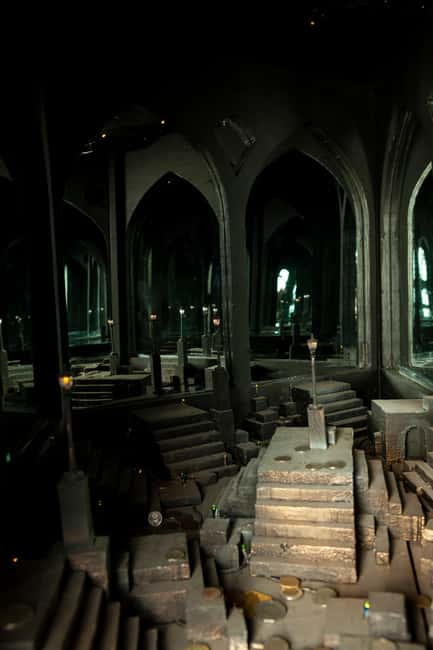
Start by giving yourself time to look around each room instead of treating the museum as a quick photo stop. The displays are built from small details, and the clues can be easy to miss if you focus only on the main figures.
Try to connect the rooms as parts of one old story world. Notice how the creatures relate to their settings, and look for the signs mentioned in the description, including scales, footprints, traces, pits, and flying beings.
If you are visiting with children, turn the route into a quiet search game. Ask them to find a fairy trace or imagine where a water man might be hiding. The museum’s design gives you plenty to discuss without inventing a separate activity.
If you are visiting alone, take time with the paintings and miniature scenes. The large number of objects can make the first impression strong, but the smaller elements may be the ones you remember later.
Because no guide is included, consider reading everything provided in the rooms before moving on. The museum is designed to let you become part of the story, but that also means you control the pace and interpretation.
Should you book the Museum of Lost Tales?
Book it if you want a distinctive art experience grounded in Croatian folklore. The six themed rooms, hundreds of magical beings, and Bašić’s combination of illustrations, puppets, miniatures, and sensory details give the visit a clear identity.
At $14, it offers solid value for visitors willing to take their time. I would be especially keen to visit if I enjoyed handmade displays, old tales, or imaginative museums that ask me to look closely.
Think twice if you need wheelchair access, plan to bring a backpack or bag inside, or strongly prefer a guided explanation. For everyone else, this is a worthwhile Zagreb County stop, especially when you want to see Croatian oral tradition presented as art rather than simply described on a wall.
FAQ
Where is the Museum of Lost Tales located?
The Museum of Lost Tales is located in Zagreb County, Croatia.
How much does admission cost?
Admission costs $14 per person.
How long is the ticket valid?
The ticket is valid for one day. You should check availability for the available starting times.
What does the entry ticket include?
The ticket includes entry to the Museum of Lost Tales.
Is a guided tour included?
No. A guided tour is not included in the admission price.
How many rooms are in the museum?
The museum has six different themed rooms spread across more than 200 square metres.
Are children of all ages allowed?
The museum is not suitable for children under three years old.
Can I bring a pet or backpack?
Pets and backpacks are not allowed. Assistance dogs are allowed, but bags are also not permitted.
Just added around Croatia
- Toast to the Morning After: Zagreb Museum of Hangovers Visit★ 4.0 · 39 reviews
- Split: Blue Lagoon Underwater Museum Tour w/Lunch & Drinks★ 4.7 · 338 reviews
- Split: Olive museum Klis with Olive Oil Tasting★ 4.9 · 51 reviews
- Split: Museum of Illusions Entrance Ticket★ 4.2 · 254 reviews
- Split: Blue Line Sightseeing to Trogir, Klis & Olive Museum★ 4.3 · 197 reviews
- Split: Game of Thrones Museum Entrance Ticket★ 3.8 · 385 reviews
- Split: Underwater Museum, Trogir & Blue Lagoon Half-Day Tour★ 4.2 · 31 reviews
- Dubrovnik: Red History Museum Regular Ticket★ 4.6 · 134 reviews
Museum Tours in Croatia, compared.

Blue Lagoon & Underwater Museum from Split with Lunch & Drinks
Read our review →
Skip-the-Ticket-Line Museum of Broken Relationships
Read our review →
Blue Lagoon Underwater Museum Tour w/Lunch & Drinks
Read our review →
Klis Fortress GOT and Olive Museum Entry Tickets
Read our review →
Browse the lists this tour appears in