
Review · CROATIA
Zagreb: Skip-the-Ticket-Line Museum of Broken Relationships
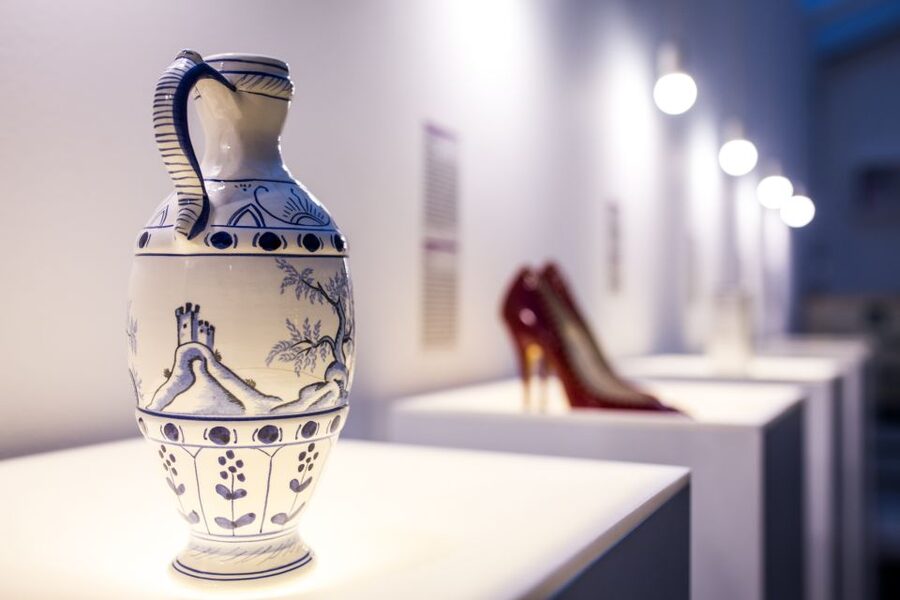
The most unusual thing about this Zagreb museum is its collection: a toy, a letter, a piece of clothing, or some other ordinary object linked to a relationship that ended. Each item comes with a short anonymous account, turning a personal keepsake into a small piece of public art.
I like the mix of sadness and humor, and I like that the stories cover more than romantic breakups. You may read about family, friendship, addiction, identity, and loss. The main drawback is size. You can finish in 30 minutes if you read quickly, but a careful visit may take an hour or more, and the rooms can feel crowded at busy times.
Key Points Before You Go
- Around 100 personal stories: Everyday objects are paired with anonymous accounts from people around the world.
- An emotional range: Expect funny, strange, touching, tragic, and occasionally disturbing stories in the same visit.
- A small city-center museum: Most visits take 30 to 75 minutes, so it fits neatly between Zagreb’s other sights.
- Reading matters here: The objects are simple. The written stories provide the meaning, so allow time for captions.
- Skip-the-line value varies: The $8 ticket is modest, but a fast-entry ticket may not be needed during quiet periods.
- Useful practical setup: Croatian and English captions are provided, with other languages available through QR codes or booklets.
What the Museum of Broken Relationships Really Is
This is not a traditional art museum filled with famous paintings or historic artifacts. It is a collection of objects donated by people who wanted to mark the end of a relationship and, in some cases, gain a sense of closure.
The object itself may look almost meaningless at first. Its importance comes from the story attached to it. A small possession can suddenly represent years of affection, anger, regret, or relief. That gap between the ordinary object and the powerful memory is the museum’s central idea.
The collection reaches beyond romantic love. You can find stories tied to parents, grandparents, friends, family ties, addiction, identity, and other forms of attachment. This makes the museum broader than its name suggests. You do not need to be a hopeless romantic, or even recently heartbroken, to connect with it.
The exhibition asks you to look at loss in a human way. Some accounts are gently funny. Others are intimate, painful, or unsettling. A few may remind you of something in your own life. That personal reaction is part of the experience, but the museum does not force one response. You can laugh at one display, feel sad at the next, and then pause over something that seems strangely familiar.
A few more museum visits around Croatia worth comparing
- Zagreb: Nikola Tesla Technical Museum Ticket
★ 4.5 · 520 reviews - Split: Game of Thrones Museum Entrance Ticket
★ 3.8 · 385 reviews - Split: Klis Fortress GOT and Olive Museum Entry Tickets
★ 4.6 · 283 reviews
Entering the Small Zagreb Exhibition
The museum is in Zagreb’s central area, making it easy to add to a day of walking around the city. You do not need to set aside an entire afternoon. For many people, 45 minutes is enough to see the collection at a comfortable pace. If you read every description, plan closer to an hour or 75 minutes.
The entrance ticket costs $8 per person. That is a fair price for a short museum visit, especially if you take time with the writing. This is not a large institution with several floors of galleries, so you should not buy the ticket expecting a half-day attraction. You are paying for a focused idea and a carefully arranged set of personal stories.
The museum is wheelchair accessible. Food, drinks, luggage, and large bags are not allowed inside, so plan to visit before collecting bulky shopping bags or luggage. The small size is part of the charm, but it also means the rooms can feel tight when several groups arrive at once.
Skip-the-line entry can be useful during a busy period, but it is not always essential. Some people arrived to find no queue, particularly in the evening or during quieter dates. If your schedule is tight, booking ahead gives you more certainty. If you are visiting when the museum is calm, buying at the door may be just as practical.
Reading the Objects, Not Just Looking at Them
The museum rewards patience. The objects are not always visually impressive, and many would be easy to pass in a conventional museum. Here, the label changes everything.
Give yourself time to read each account that catches your attention. Some descriptions are brief. Others ask you to think about what happened before and after the relationship ended. The writing may explain why the object was kept, why it was surrendered, or why donating it helped someone let go.
One useful way to visit is to move slowly through the first section and then adjust your pace. You will quickly learn whether you want to read every label or focus on the pieces that draw you in. If you read every word, the visit can last about 1 to 1.5 hours. If you skim, you may be finished in 30 minutes.
The experience is more literary than visual. One visitor found some labels too small and wished the descriptions had been easier to read. That is worth keeping in mind if you prefer large-print museum displays. The exhibition’s real content is in the stories, so poor viewing conditions or a crowded room can make a difference.
Captions are in Croatian and English. Other languages are available through QR codes or booklets, which is helpful if you are not comfortable reading either main language. Bring enough time to use those options rather than rushing through the displays.
The Emotional Range: Funny, Sad, and Sometimes Uncomfortable
The museum works best because it does not treat heartbreak as one simple emotion. Love and loss can produce anger, relief, embarrassment, revenge, tenderness, or absurdity. The exhibition gives space to all of these.
Some stories are likely to make you laugh. Others are deeply sad. A few may be disturbing or difficult to read. The contrast keeps the visit from becoming one long solemn procession. You may leave one display smiling and the next feeling unexpectedly quiet.
This mixture also makes the museum suitable for different types of visitors. Couples can visit together, though you should be comfortable with an exhibition that discusses failed relationships in direct and personal terms. Families can enjoy it too, and the collection is not limited to romantic material. Teenagers may connect with the humor, the short accounts, or the feeling of seeing private experiences presented in a public place.
Still, this is not a light novelty museum from beginning to end. If you are in the mood for cheerful entertainment, some of the stories may feel heavy. If you have recently experienced a breakup or personal loss, you may want to decide how much emotional energy you have for the visit.
Same city, a completely different collection:
- Blue Lagoon & Underwater Museum from Split with Lunch & Drinks
★ 4.5 · 1,122 reviews - SPLIT-PRIVATE Walking Tour of Diocletian’s Palace & Old Town
★ 5.0 · 467 reviews - Split: Blue Lagoon Underwater Museum Tour w/Lunch & Drinks
★ 4.7 · 338 reviews - Zagreb: Museum of Illusions Entrance Ticket
★ 4.0 · 261 reviews
Why the Ordinary Objects Work So Well
The museum’s strongest point is its lack of glamour. A grand object can tell you about a famous person or an important event. An ordinary object asks you to imagine the person who once gave it meaning.
That approach makes the exhibition easy to understand across cultures. The details of a relationship may be unfamiliar, but the feelings are recognizable. You do not need to share the contributor’s background to understand the pain of losing something important or the relief of finally putting it down.
There is also a quiet question behind the collection: when does an object stop being a memory and start becoming a burden? Donating it offers one possible answer. The museum turns private possessions into a shared record of how people cope with change.
This is why the museum can feel intimate without revealing names. The stories are anonymous, but they are not cold. You are given enough detail to sense the person behind the object while still respecting their privacy.
How Long to Allow and When to Visit
For a quick visit, allow 30 minutes. That is enough to walk through the exhibition and read a selection of labels. For a normal visit, allow 45 to 60 minutes. If you enjoy reading every description, allow up to 75 minutes or a little more.
The activity is sold as valid for one day, with starting times based on availability. The last entrance changes by season:
- From June 1 through September 30, the last entrance is at 7:30 PM.
- From October 1 through May 31, the last entrance is at 8:30 PM.
Check the entry time before you go, especially if you plan to arrive late. You need enough time to read the displays, not just walk through the door before closing.
An evening visit may be quieter, though this is not guaranteed. A quiet room improves the experience because you can stand at a display without feeling rushed. At busy times, the limited floor space can make the museum feel hot and crowded. If you have flexibility, an earlier or later visit may be more comfortable than the busiest middle period.
Is Skip-the-Line Entry Worth the $8?
At $8, the ticket is inexpensive by major European museum standards. The value depends less on the length of the visit and more on how much the stories mean to you.
I consider it good value if you enjoy unusual museums, personal writing, or exhibitions that make you think. It is also a sensible choice when you have a spare hour in central Zagreb and want something different from churches, viewpoints, and standard art collections.
The skip-the-line feature needs a little context. The museum is small, and queues are not always present. Several people found no line when they arrived, including during quieter periods and close to closing. On the other hand, advance entry can save time if a group arrives at once or if you have a fixed sightseeing schedule.
You are not paying for a guided tour, transport, food, or a long program. The included service is entry to the museum. That keeps the price clear and makes this an easy add-on to your Zagreb plans.
Who Will Enjoy This Museum Most
I would recommend it to you if you like museums with a strong human element. You should also enjoy reading, since the labels are the heart of the exhibition.
It suits:
- Couples who want an unusual shared experience
- Solo visitors who enjoy reflective museums
- Families with older children and teenagers
- People interested in psychology, memory, and relationships
- Visitors looking for a short indoor activity in central Zagreb
- Anyone tired of museums built only around famous names and dates
You may want to skip it if you prefer large collections, dramatic architecture, or interactive attractions. The museum is small, and some stories may feel less powerful than others. One account may move you deeply, while another may seem ordinary or underdeveloped.
That unevenness is normal for a donation-based collection. Not every personal story will speak to you. The point is the range of responses, not a perfectly consistent series of exhibits.
Small Details That Improve the Visit
Read more than the object title. The item is only the starting point, and the written account explains why it matters.
Do not rush because the museum looks small from the outside. A quick walk-through misses much of the experience. At the same time, you do not need to force yourself to read every label if the emotional tone becomes tiring.
Avoid bringing large bags or luggage. Food and drinks are also not permitted in the exhibition. These rules matter more here than in a large museum because the rooms have limited space.
The friendly staff can answer questions, and the museum has been described as welcoming. A small café bar has also been noted at the venue, with coffee or cocktails available, and occasional live music. The supplied activity information covers museum entry, so treat any café or music offering as separate and subject to availability.
Booking, Cancellation, and Access
You can cancel up to 24 hours before the scheduled visit for a full refund. The reserve-now, pay-later option lets you hold a place without paying immediately, which is useful if your Zagreb plans are still changing.
The activity is wheelchair accessible. Entry is available for small groups limited to 10 participants, though the exhibition itself remains a compact public museum rather than a private room.
Because language support is provided in Croatian and English, you can read the main labels without translation. QR codes or booklets cover other languages, giving you a way to follow the stories more fully if needed.
Should You Book the Museum of Broken Relationships?
Yes, if you want an affordable, unusual museum that fits easily into a Zagreb sightseeing day. Its best moments come from the contrast between plain objects and powerful stories. You may laugh, feel sad, or recognize a little of your own life in someone else’s account.
Book ahead if you value a set entry time or want to avoid any possible queue. If you are visiting during a quiet period, the skip-the-line feature may not add much, but the $8 admission remains reasonable.
Allow at least 45 minutes if you like to read. Choose another attraction if you want a large, visually grand museum with hours of galleries. For a compact and thoughtful stop that treats heartbreak with humor as well as care, this is one of Zagreb’s more memorable choices.
FAQ
How much does entry to the Museum of Broken Relationships cost?
The listed price is $8 per person.
How long does a visit usually take?
A quick visit can take about 30 minutes. If you read most or all of the descriptions, plan for about 45 minutes to 1 hour and 15 minutes.
Is skip-the-line entry always necessary?
No. Queues vary, and the museum may be quiet at some times. The skip-the-line option can still be useful when you have a fixed schedule or want more certainty.
What languages are used in the museum?
The exhibit captions are in Croatian and English. Other languages are available through QR codes or booklets.
Is the museum wheelchair accessible?
Yes, the activity information states that the museum is wheelchair accessible.
Can I bring food, drinks, luggage, or a large bag?
Food and drinks are not allowed inside. Luggage and large bags are also not permitted.
What are the last entrance times?
From June 1 through September 30, last entrance is at 7:30 PM. From October 1 through May 31, last entrance is at 8:30 PM.
Can I cancel my booking?
Yes. You can cancel up to 24 hours in advance for a full refund.
Just added around Croatia
- Toast to the Morning After: Zagreb Museum of Hangovers Visit★ 4.0 · 39 reviews
- Split: Blue Lagoon Underwater Museum Tour w/Lunch & Drinks★ 4.7 · 338 reviews
- Split: Olive museum Klis with Olive Oil Tasting★ 4.9 · 51 reviews
- Split: Museum of Illusions Entrance Ticket★ 4.2 · 254 reviews
- Split: Underwater Museum, Trogir & Blue Lagoon Half-Day Tour★ 4.2 · 31 reviews
- Split: Blue Line Sightseeing to Trogir, Klis & Olive Museum★ 4.3 · 197 reviews
- Split: Game of Thrones Museum Entrance Ticket★ 3.8 · 385 reviews
- Dubrovnik: Red History Museum Regular Ticket★ 4.6 · 134 reviews
Museum Tours in Croatia, compared.

Blue Lagoon & Underwater Museum from Split with Lunch & Drinks
Read our review →

Blue Lagoon Underwater Museum Tour w/Lunch & Drinks
Read our review →
Klis Fortress GOT and Olive Museum Entry Tickets
Read our review →

Browse the lists this tour appears in