
Review · WAR AND MEMORIAL MUSEUMS
Copenhagen: Danish War Museum Entry Ticket
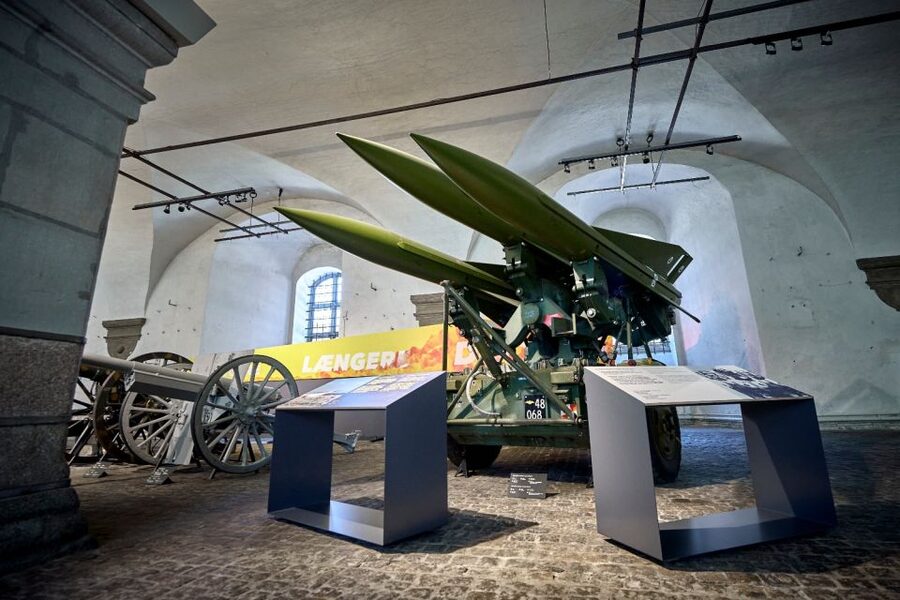
The Danish War Museum puts centuries of warfare under one long roof, inside Copenhagen’s old Tøjhus Arsenal. The main showpiece is the 163-meter first-floor hall, said to be the longest room in the Nordic countries. It gives the museum an impressive sense of scale before you even begin sorting through the armor, weapons, uniforms, vehicles, and personal stories.
I like two things here. First, the collection moves well beyond famous battles and dates, showing how wars affected Denmark from the 1500s through the Cold War and into Afghanistan. Second, the unusual objects make the visit stick: a ship model made from bones, a 150-year-old biscuit, and the only complete American Civil War uniform of its kind. The main drawback is practical: there is currently no elevator to the first-floor exhibitions.
Key points to know
- A 163-meter Arsenal hall gives the museum an extraordinary setting and plenty of room for large displays.
- Denmark’s military story runs from the 1500s to Afghanistan, with attention to Sweden, England, World War II, and the Cold War.
- Rare objects add personality, including a bone ship, an old biscuit, and a complete American Civil War uniform.
- A hammock area offers Danish stories from the seven seas, giving you a pause from weapons and battle accounts.
- A new drone exhibition looks at modern warfare, civilian danger, surveillance, and the future of autonomous weapons.
- The $20 ticket is valid for one day, and you can cancel up to 24 hours ahead for a full refund.
Entering the 1604 Tøjhus Arsenal
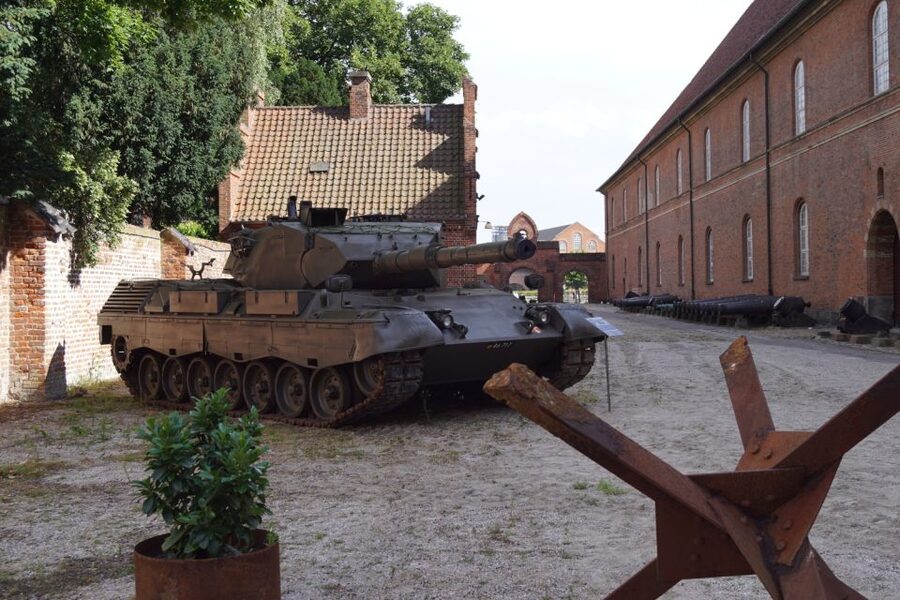
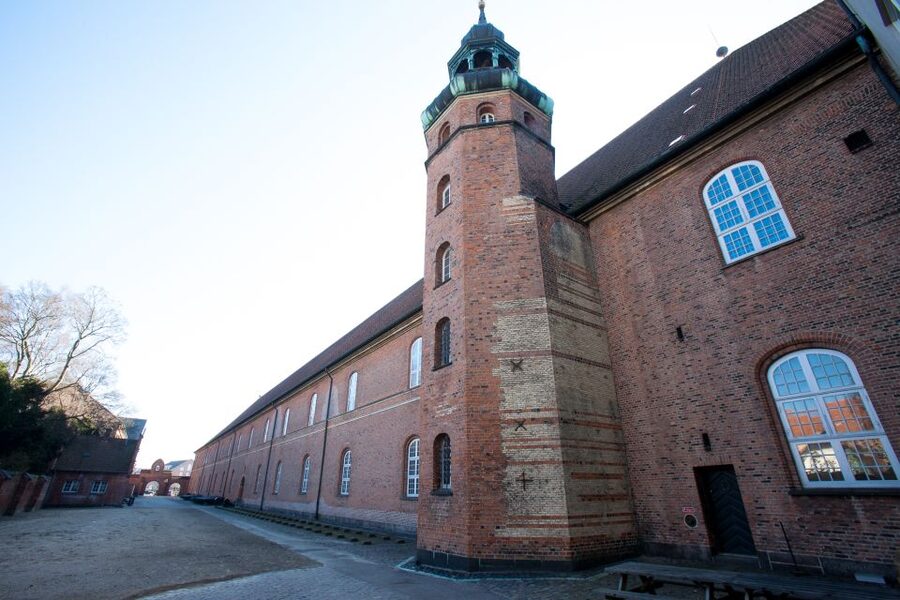
The museum is housed in the Tøjhus, or Arsenal, built by Christian IV in 1604. It originally functioned as an armory, so the building is not just a container for the exhibits. The architecture is part of the visit, and the old military purpose gives the displays a fitting setting.
As you enter, I would first take a moment to understand the layout. The long first-floor hall is the museum’s defining feature. At 163 meters, it gives you a powerful visual sense of how much material Denmark has collected and preserved.
This is not a small room with a few glass cases and a short route around the walls. You can expect a substantial museum visit, especially if you stop to read the background panels and examine the objects closely. The one-day ticket lets you take your time rather than race through the building.
The museum covers Danish military affairs from the 1500s to the present day. That wide time span is useful because it lets you see changes in weapons, uniforms, transport, military planning, and the country’s place in international conflicts.
More war and memorial museums in the world:
- 9/11 Memorial Museum Admission Ticket
★ 4.5 · 6,376 reviews - Caen: Guided D-Day Sites Tour & Caen Memorial Museum Ticket
★ 4.8 · 498 reviews - Amsterdam: National Holocaust Museum Entry Ticket
★ 4.7 · 413 reviews
Knights, weapons, and Denmark’s early wars
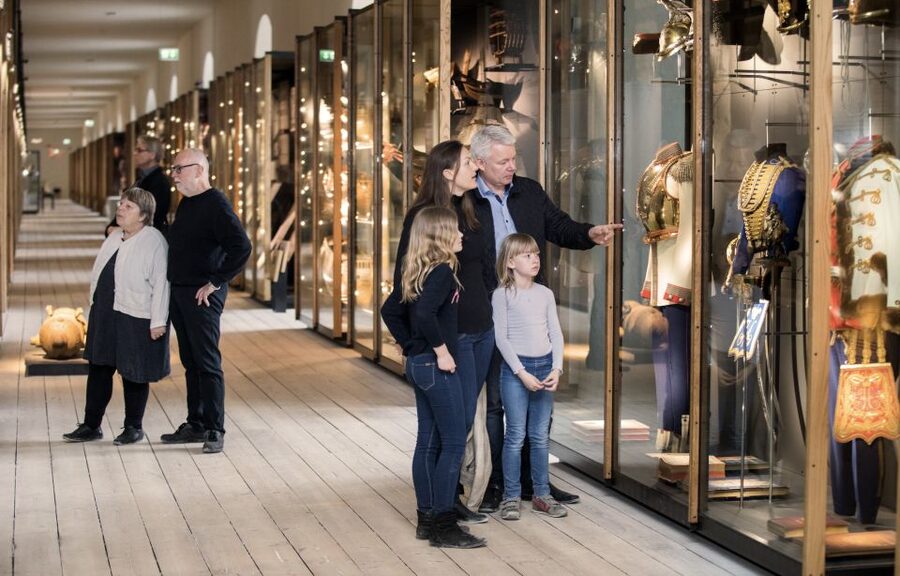
The older displays begin with armor and weapons used by Danish soldiers and knights. The shining armor of the 15th-century Danish knights is one of the clearest visual draws, even for visitors who are not especially interested in military studies.
I like displays like this because armor gives you something physical to examine. You can see how much metal was required, how protection shaped movement, and how warfare depended on close combat before modern firearms changed the rules.
The museum also covers Denmark’s 17th-century war with Sweden. This period is important for understanding Denmark’s regional struggles and the pressure placed on the country by neighboring powers. The collection turns broad political events into something more concrete through weapons, equipment, and military objects.
You will also encounter Denmark’s 19th-century conflict with England. Rather than treating the past as a smooth march toward the present, the museum shows a country repeatedly forced to respond to outside threats and changing forms of warfare.
The displays should appeal to you if you prefer objects to long lectures. Armor, weapons, and uniforms make the story easier to follow, though visitors who want a very quiet, highly structured chronological museum may find the amount of material a little demanding.
The long hall and the value of taking your time
The 163-meter hall is not just a measurement to admire. It affects how you experience the museum. Large objects and long sequences of displays can be arranged without feeling squeezed into a modern gallery.
I would use the hall as a timeline. Begin by noticing how early armor and hand weapons differ from later military equipment. Then watch for the shift toward firearms, organized armies, vehicles, and technology. The museum’s subject becomes clearer when you compare one period with the next.
The length can also work against you if you try to read every label in one go. You do not need to treat the museum like an exam. Choose the periods that interest you most, then allow time for the odd objects and modern displays that break up the formal military story.
The ticket is priced at about $20 per person and is valid for one day. That is reasonable if you spend a few hours here, particularly because the museum covers several centuries and includes large displays rather than a handful of highlights. It is less appealing if you only have time for a quick half-hour stop.
Strange objects that make the collection memorable
Military museums can become a blur of rifles, uniforms, and battle maps. The Danish War Museum avoids that problem with objects that are unusual enough to make you stop.
A ship model made from bones is one of the collection’s memorable curiosities. It reminds you that military history is also filled with handmade objects, patience, boredom, survival, and the need to create something with whatever materials were available.
A 150-year-old biscuit offers a different kind of connection to the past. It is a small object, but it raises practical questions about military food, storage, travel, and daily life. You may remember it more clearly than another display case of standard equipment.
The museum also has the world’s only complete example of a uniform from the American Civil War. That is a particularly useful object for anyone interested in uniforms and military dress. A complete uniform shows more than a jacket or hat alone. It lets you think about how clothing signaled rank, function, identity, and the conditions faced by the person who wore it.
These are the details I would make time for, even if you are mainly visiting to see armor or learn about Denmark’s wars. They give the museum a human scale.
A few more museum visits around the world worth comparing
- Vatican: Museums & Sistine Chapel Entrance Ticket
★ 4.5 · 144,003 reviews - Paris: Louvre Museum Timed-Entrance Ticket
★ 4.6 · 71,977 reviews - Amsterdam: Van Gogh Museum Ticket
★ 4.7 · 52,054 reviews - NYC: 9/11 Memorial & Museum Timed-Entry Ticket
★ 4.8 · 31,428 reviews
World War II, the Cold War, and a changing Denmark
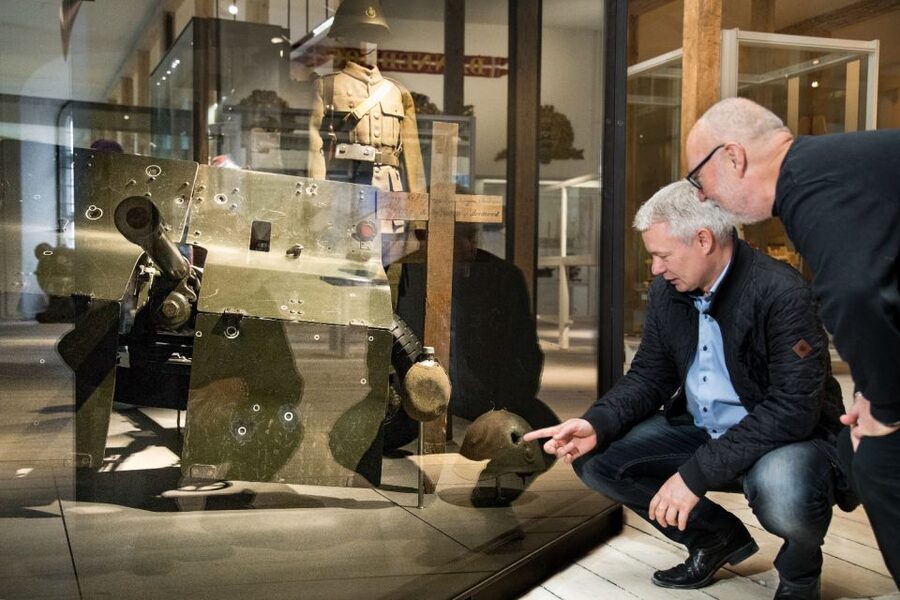
The museum’s story continues into World War II and the Cold War. These sections help connect Denmark’s military past with events that still shape family memories, national debates, and European politics.
The key value here is range. You are not asked to view Danish military history only through medieval armor or naval conflict. The museum shows how the country was affected by the major political and military pressures of the 20th century.
The Cold War section is especially useful as a bridge between older warfare and current events. It helps explain the period when military planning depended not only on armies and ships, but also on alliances, deterrence, surveillance, and the fear of a much larger conflict.
You should allow extra time for these later displays if modern European history interests you. They may feel less visually dramatic than polished armor, but they provide the context needed to understand Denmark’s military role in the present.
Hammocks and stories from the seven seas

One of the museum’s more relaxed features is a hammock area where you can listen to Danish stories from the seven seas. This is a welcome change of pace after a long stretch of weapons, battles, and military equipment.
I like the idea because it broadens the visit beyond formal warfare. The sea has long been tied to Denmark’s identity, trade, travel, naval power, and contact with distant places. Sitting in a hammock gives you a more reflective way to absorb that part of the story.
This is also a practical stop if you are visiting with children or anyone who needs a break. The museum is not only a march from case to case. You can pause, listen, and reset before continuing through the collection.
Do not treat the hammock area as a separate attraction that replaces the exhibitions. Its value is that it adds rhythm to the visit. You get a lighter, more sensory moment in the middle of a serious subject.
Afghanistan and the military car that survived a bomb

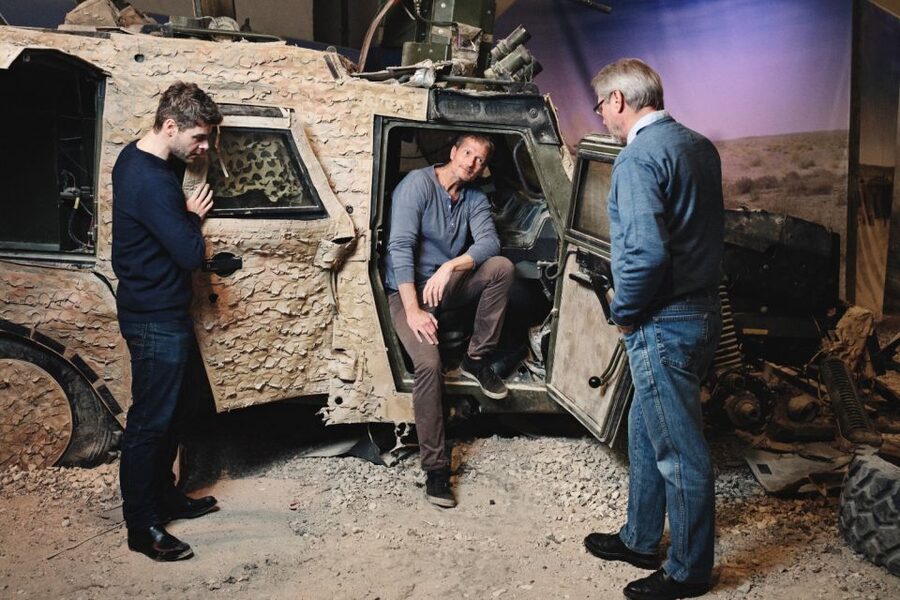
The modern displays bring Denmark’s involvement in 21st-century conflicts into view, including the war in Afghanistan. One especially striking object is a military car that ran over a roadside bomb while everyone inside survived.
That vehicle gives modern warfare a physical presence. A written account of a roadside bomb can feel distant. Seeing the damaged military vehicle makes the danger more immediate and shows how equipment is designed, tested, and used under extreme conditions.
The display also offers a useful reminder that modern military history is not only about aircraft, missiles, and official decisions. It is about vehicles, protection, logistics, fear, and the people who depend on equipment to get home alive.
For me, this section is one of the strongest reasons to visit if you want the museum to connect with current events. It brings Denmark’s military role into the recent past without pretending that modern conflict is simple or finished.
The drone exhibition and the future of war
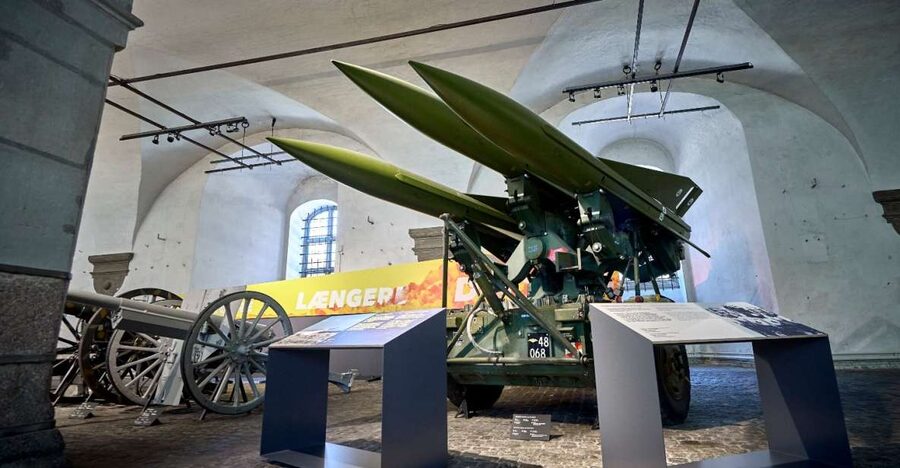
The new exhibition on drones asks a direct question: have drones changed the way we wage war? It looks at what drones mean for current conflicts and how they might affect future battlefields.
The subject is timely because drones appear constantly in news reports and online videos from Ukraine and other war zones. The exhibition focuses not only on dramatic attacks, but also on surveillance. Cameras and sensors can watch people from above, creating fear and uncertainty for soldiers and civilians alike.
The displays also raise difficult questions about the future. Could drones become killing machines that operate on their own? Can present-day Danish defense systems stop a drone attack? These are not easy questions, and the exhibition is valuable because it places them inside a military museum rather than leaving them to headlines and short online clips.
You should not expect the drone section to offer simple answers. Its strength is the chance to consider how technology changes the relationship between distance and danger. A person controlling a weapon from far away may feel removed from the battlefield, while the people being watched or attacked may have no safe place to hide.
This exhibit gives the visit a clear present-day edge. After seeing centuries of armor and weapons, you can consider what warfare looks like when the soldier may not be physically near the weapon at all.
Who will get the most from a $20 ticket
I would recommend this museum to anyone who enjoys military objects, Danish history, unusual collections, or the way old buildings shape a museum visit. You do not need to be an expert. The range of displays gives you several ways into the subject.
It is also a good choice if you want more than a quick list of kings and battles. The museum connects military events with equipment, survival, daily life, national defense, and modern technology.
Families may appreciate the armor, vehicles, odd objects, and hammock area, though the amount of written information may require adults to guide younger children. The drone exhibition can also prompt good conversations about technology and responsibility.
You may want to skip it if you have very limited time in Copenhagen or if long museum visits are not your style. The first-floor hall and broad date range reward patience. There is no elevator to the first-floor exhibitions, so the museum is not fully accessible for visitors who cannot use stairs. You may bring your own wheelchair or baby carriage, but that does not solve the lack of elevator access.
The ticket is valid for one day, and flexible booking helps if your schedule is still changing. You can reserve now and pay later, with free cancellation up to 24 hours before the visit for a full refund.
Should you book the Danish War Museum?
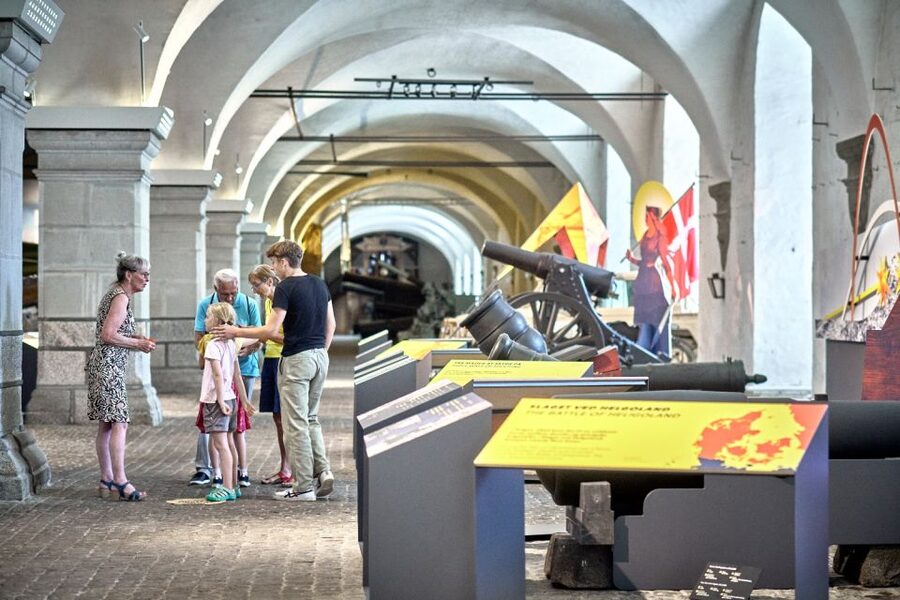
Book it if you want a serious but varied look at Denmark’s military past, especially if you enjoy seeing real objects rather than only reading panels. The 1604 Arsenal, 163-meter hall, rare uniform, bone ship, Afghan vehicle, and drone exhibition give the visit a strong mix of old, strange, personal, and current.
At about $20, the value depends on your available time. Plan to spend enough of the day with the collection to make the broad coverage worthwhile. If you can do that, I think this is a useful Copenhagen stop for anyone curious about how Denmark fought, defended itself, and adapted to new forms of war.
FAQ
What does the Danish War Museum ticket include?
The ticket includes entry to the Danish War Museum.
How long is the ticket valid?
The ticket is valid for one day.
How much does entry cost?
The listed price is $20 per person.
Can I cancel the booking?
Yes. You can cancel up to 24 hours in advance for a full refund.
Can I reserve now and pay later?
Yes. The booking option allows you to reserve your spot and pay nothing at the time of booking.
Is there an elevator to the first-floor exhibitions?
No. There is currently no elevator to help visitors reach the first-floor exhibitions.
Can I bring a wheelchair or baby carriage?
Yes. You can bring your own wheelchair or baby carriage, although the first-floor exhibitions do not currently have elevator access.
Just added around the world
- Girona, Figueres, Dalí Museum and Cadaqués Tour from Barcelona★ 4.5 · 36 reviews
- Football Club Barcelona Museum Immersive Tour Guided Visit★ 3.5 · 52 reviews
- Erotic Museum Admission Ticket with Audioguide★ 5.0 · 527 reviews
- Dali Museum and Costa Brava Small Group Day Trip from Barcelona★ 5.0 · 77 reviews
- Madrid by High-Speed Train with Prado Museum Private Tour★ 4.0 · 33 reviews
- Guitar Legends Hall: Entrance to the Immersive Rock Museum★ 5.0 · 25 reviews
- White Rabbit Museum: The Best Immersive Experience in Catalonia★ 5.0 · 538 reviews
- Private Dali Museum, Besalú & Girona Tour from Barcelona★ 5.0 · 15 reviews
War and Memorial Museums, compared.


Caen: Guided D-Day Sites Tour & Caen Memorial Museum Ticket
Read our review →

Caen: Memorial Museum Entry Ticket & Optional Audio App
Read our review →

Hiroshima; Hiroshima Peace Memorial Museum and Castle Tour
Read our review →
Browse the lists this tour appears in