

Review · ROMANIA
Bucharest: Museum of Communism Ticket with Communist Coffee
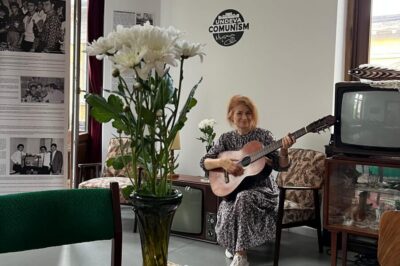
The most memorable part of this Bucharest experience is not a glass case or a long wall of dates. It is the chance to sit on an old couch, hold an original cup, and taste nechezol, the coffee substitute associated with Romania’s final communist years. You can also type on an old machine, handle selected exhibits, read period magazines, and try on old clothes.
I like the museum’s hands-on approach, and I like that an English-speaking guide is available to answer questions rather than leaving you alone with display text. The $10 price is easy to justify if you want a short, focused look at recent Romanian history. The drawback is its small size: plan on about 45 minutes to an hour, and some of the written material may feel simple or repetitive.
Key points to know before you go

- Taste 1980s nechezol: Your ticket includes one cup of the coffee substitute, served in an original old cup.
- Touch the displays: Type on an old typewriter, handle selected objects, read original magazines, and try on period clothing.
- Ask questions in English: A host or greeter is available in the museum to explain the exhibits and discuss Romania’s communist period.
- Expect a short old-town stop: The museum is small, and a careful visit generally takes around 45 minutes to one hour.
- Bring the right expectations: The museum uses interactive touches, but much of the visit still involves reading posters and display text.
- Check access needs first: The experience is not suitable for wheelchair users.
A small museum with a hands-on point of view
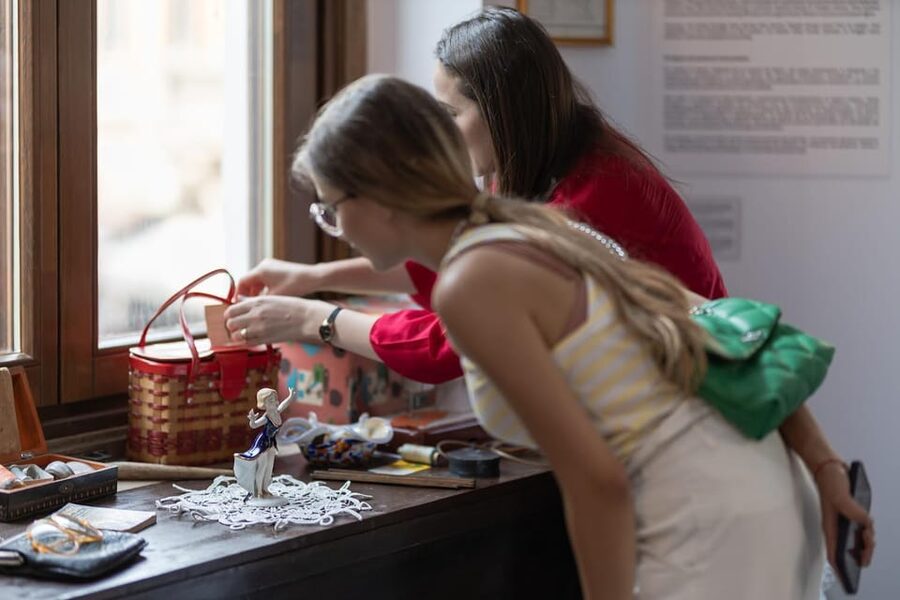
The Museum of Communism in Bucharest looks at Romania’s recent past through everyday objects and domestic life. That choice matters. Instead of presenting communism only through political leaders and official events, the museum lets you see how an ordinary home, school, or living room might have felt during the period.
You can type on an old typewriter, look through original magazines, and try on clothing from the period. Those simple actions help you understand the material world better than a list of dates can. A magazine becomes more than printed evidence when you can turn its pages. A piece of clothing becomes more useful when you can see its cut, texture, and style up close.
The museum also offers photo opportunities, music, and dressing up. That makes the visit easier to share with friends or family. If you are alone, you may move through it quickly, since some of the fun comes from trying objects together and taking pictures.
I would not call every display highly interactive. One visitor found the museum mostly made up of posters and reading material, with very few objects to handle. That criticism is worth keeping in mind. The museum does offer touchable exhibits, but it is not an activity center where every room demands your participation.
A few more museum visits around the world worth comparing
- Dublin: Irish Coffee Masterclass at the Irish Whiskey Museum
★ 4.6 · 279 reviews - 7-Hour Shared Group Santos Tour : Mont Serrat, Coffee Museum and Sightseeing
★ 5.0 · 68 reviews - VIP Layover Bogota City Tour: Monserrate, Candelaria, Coffee, 6hr
★ 5.0 · 45 reviews
What the museum can teach you about communist Bucharest
Romania’s communist period is close enough to the present that it still shapes the way many people understand Bucharest. The museum helps connect large political changes with daily routines. You see the period through household items, printed material, clothing, music, and the kind of coffee people could obtain.
That everyday focus is useful if you already know the basic political story and want to understand how it affected people at home. It is also a gentle introduction if you know little about Romania before 1989. You can pause over the objects and ask the English-speaking host to explain anything that is unclear.
The written material aims to explain the effects of communism on Bucharest and on Romanian life. Some of the wording may feel broad. One detailed assessment found that the museum sometimes presents objects and habits common across the 1950s through the 1990s as if they were all direct evils of communism. You may find the same thing, especially if you have studied the wider history of Eastern Europe.
For that reason, I would treat the museum as an introduction rather than a final authority. It gives you a useful starting point and a physical sense of the period, but it may not provide the depth or careful historical discussion that a specialist museum would offer.
The displays are best when you stop and handle things
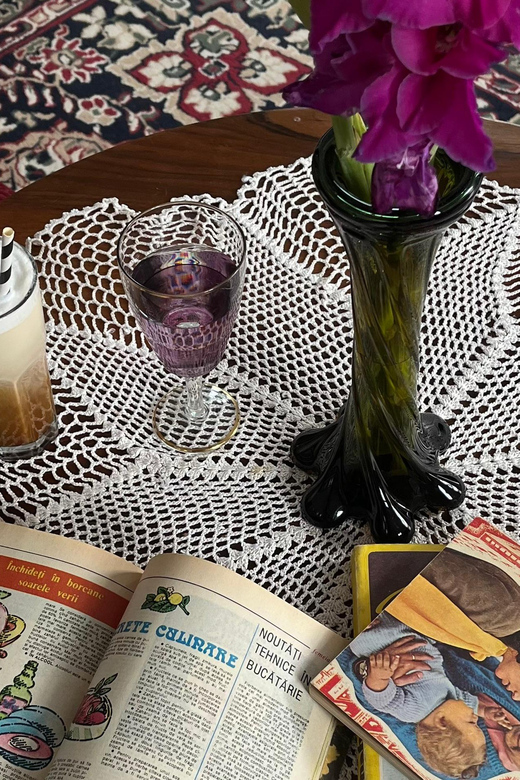
The visit rewards curiosity. If you simply walk from poster to poster, you may finish quickly. If you stop to read the original magazines, try the clothing, use the typewriter, and ask questions, the museum becomes more personal.
The old magazines are especially useful because they show the visual world of the time. You can examine the style of presentation and compare it with modern publishing. The clothes and furniture help turn an abstract political era into a place where people actually lived.
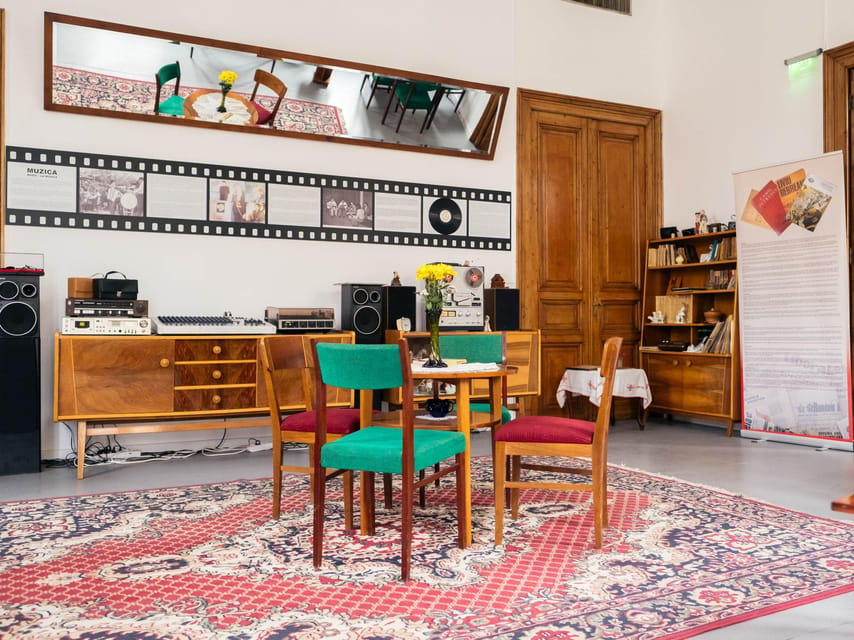
The living-room setting is another strong feature. Sitting on the communist couch gives the final part of the visit a clear sense of place. You are not just told about domestic life. You are placed, briefly, inside a recreated room connected to that daily experience.
The museum’s small bar area and clean toilet facilities are practical bonuses. There is no gift shop, so do not expect to finish with souvenirs or books. That is not a major problem for a short visit, but it is useful to know if you like museum shops or want a printed guide.
Why the nechezol coffee matters
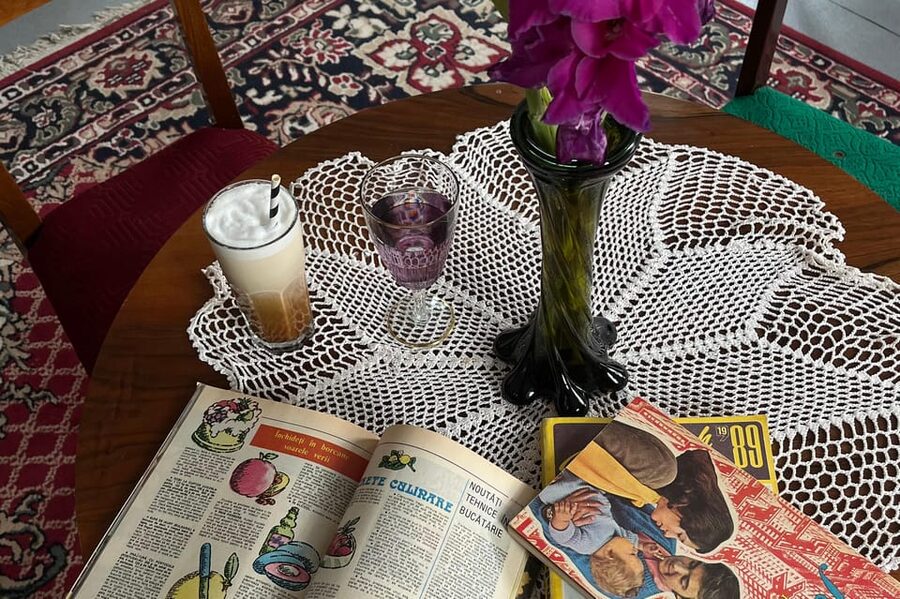
The included coffee is more than a free drink. During Romania’s final communist years, imported coffee arrived in very small amounts. A substitute known as nechezol became part of the period’s story, and this ticket gives you a chance to taste it.
You receive a cup of nechezol in an original old cup and drink it while sitting in the museum’s living room. That small ritual is one of the better ideas here. Food and drink can explain a period quickly, especially when shortages and limited imports affected ordinary routines.
Do not expect a grand coffee tasting. The point is historical context, not expert brewing. One person found the drink pleasant and could not tell it apart from instant coffee. You may feel the same, or you may find the novelty more memorable than the flavor.
I like that the coffee is tied to the room and the objects around it. You can look at the setting, hear the story of why the substitute appeared, and then taste it. At $10, that added element gives the visit a clear identity that a standard poster exhibition might lack.
Same city, a completely different collection:
- Vatican: Museums & Sistine Chapel Entrance Ticket
★ 4.5 · 144,003 reviews - Vatican Museums, Sistine Chapel & St. Peter’s Basilica Tour
★ 4.3 · 73,970 reviews - Paris: Louvre Museum Timed-Entrance Ticket
★ 4.6 · 71,977 reviews - Amsterdam: Van Gogh Museum Ticket
★ 4.7 · 52,054 reviews
How long to allow and how to fit it into Bucharest
Set aside about 45 minutes to one hour for the museum. That timing suits a quick old-town stop, particularly if you have other Bucharest sights planned. A fast reader could finish sooner, while someone who reads most of the text and asks questions should allow the full hour.
The ticket is valid for one day, with starting times shown when you check availability. The supplied information does not give a longer guided itinerary or transportation arrangement, so think of this as an independent museum visit with an English-speaking host available inside.
That distinction affects the value. You are not paying for a full-day tour with transport, multiple sites, or a long formal lecture. You are paying for entry, access to a small collection, help with questions, and the included cup of nechezol.
At $10 per person, I consider it a fair price for a short stop, particularly if you enjoy objects you can handle and want a break from large formal museums. If you expect several hours of detailed historical interpretation, the price may feel less attractive because the museum is small.
The role of the English-speaking host
The museum does not require you to navigate everything alone. An English-speaking host or greeter is available, and you can ask questions about the objects and the period.
That human element can make a real difference. Several assessments gave special credit to the staff in the rooms, describing them as friendly, willing to answer questions, and deeply invested in helping people understand Romania. One especially strong impression focused on the young staff members’ passion and preparation.
No individual guide names are provided, so I cannot tell you to request a particular person. Instead, use the opportunity you have. If a poster seems too general, ask for an example. If you are unsure how an object fits into communist life, ask. The value of the staff comes from conversation, not from a long scripted tour.
The host may also help balance the museum’s simpler explanations. If a display makes a broad claim, a question can give you more context. I would not assume every answer will turn the visit into a university seminar, but the option to ask is important.
Who will enjoy this Bucharest experience

I would recommend the museum to you if you like short cultural stops, social-history displays, and exhibits you can handle. It works well for visitors who want a first look at Romania’s communist period without committing half a day to a large institution.
It is also a good choice for couples, families with older children, and friends who enjoy taking pictures or trying period clothing. The music, dressing up, and interactive objects give you more to do than simply read.
You may enjoy it less if you want a strictly academic treatment of communism. The museum’s tone can feel simplified, and a person who reads quickly may cross the rooms in only a few minutes. If your main interest is political detail, you might prefer a longer historical museum or a specialist book.
Solo visitors can still have a worthwhile stop, especially if they take time with the text and speak with the host. Still, the photo opportunities and dress-up elements are naturally more fun with someone else.
Practical details worth knowing
The activity is offered in English, and the host or greeter is English-speaking. The ticket includes museum entry and one cup of nechezol coffee.
You can cancel up to 24 hours before the visit for a full refund. You can also reserve now and pay later, which is helpful if your Bucharest schedule is still changing.
The activity is not suitable for wheelchair users. If access is important for your visit, check this point carefully before booking.
The museum has clean toilet facilities and a small bar area. There is no gift shop. Those details will not decide the visit for most people, but they help you picture the stop accurately.
The overall rating is 4.6 out of 5 from 52 ratings, though the range of reactions shows why expectations matter. The strongest praise goes to the friendly staff, the chance to ask questions, the unusual coffee, and the hands-on touches. The main concerns are the small size, the amount of poster reading, and the simple treatment of some historical claims.
Is the Museum of Communism worth $10?
I would book it if you want a compact, tactile introduction to Bucharest’s communist period. The nechezol coffee, old living room, clothing, magazines, and typewriter give the visit a personal quality that a basic history display often misses.
I would skip it if you want a long guided tour, a large collection, or detailed academic analysis. You should also avoid booking without checking the access limitation if anyone in your group uses a wheelchair.
For most people, the best way to see this museum is to treat it as a one-hour stop with a conversation built in. Read what interests you, handle the objects you are allowed to touch, ask the host direct questions, and take the coffee seriously as a small lesson in shortage and daily life. At $10, it offers enough personality and context to earn a place in a Bucharest old-town day.
FAQ
Where is the Museum of Communism experience located?
It is located in Bucharest-Ilfov, Romania, in Bucharest’s old town area.
How much does the ticket cost?
The listed price is $10 per person.
How long does the museum visit take?
A visit generally takes about 45 minutes to one hour, depending on how much you read, handle the exhibits, and discuss with the host.
What does the ticket include?
The ticket includes entry to the Museum of Communism and one cup of nechezol coffee.
What is nechezol coffee?
Nechezol is a coffee substitute associated with Romania’s final communist years, when imported coffee was available only in very small amounts.
Can I ask questions during the visit?
Yes. An English-speaking host or greeter is available in the museum to answer questions.
What can I do with the exhibits?
You can type on an old typewriter, read original magazines, and try on old clothes. The museum also includes music, photo opportunities, and a communist-era living-room setting.
Is the activity available in English?
Yes. The listed language is English, and the host or greeter is English-speaking.
Can I cancel the booking?
Yes. You can cancel up to 24 hours in advance for a full refund.
Is the museum suitable for wheelchair users?
No. The activity is listed as unsuitable for wheelchair users.
Just added around the world
- Girona, Figueres, Dalí Museum and Cadaqués Tour from Barcelona★ 4.5 · 36 reviews
- Football Club Barcelona Museum Immersive Tour Guided Visit★ 3.5 · 52 reviews
- Erotic Museum Admission Ticket with Audioguide★ 5.0 · 527 reviews
- Dali Museum and Costa Brava Small Group Day Trip from Barcelona★ 5.0 · 77 reviews
- Madrid by High-Speed Train with Prado Museum Private Tour★ 4.0 · 33 reviews
- Guitar Legends Hall: Entrance to the Immersive Rock Museum★ 5.0 · 25 reviews
- White Rabbit Museum: The Best Immersive Experience in Catalonia★ 5.0 · 538 reviews
- Private tour: Dali Museum in Figueres and Púbol Tour with Hotel pick-up★ 5.0 · 12 reviews
Museum Tours in Romania, compared.

Parliament, Ceausescu House & Village Museum Tour
Read our review →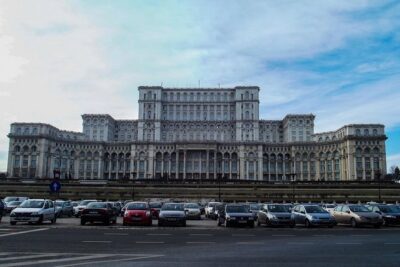
Communism in Bucharest – Landmarks, Museum & Communist Appetizers
Read our review →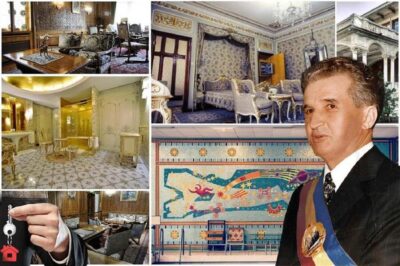
Palace of Parliament, Ceausescu House & Village Museum
Read our review →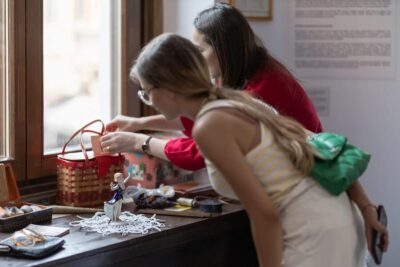
Dinner+Tour at Museum of Communism after closing
Read our review →
Palace of the Parliament, Village Museum & Ceaușescu Mansion
Read our review →
Browse the lists this tour appears in