
Review · ROMANIA
Bucharest: Entry ticket at the Museum of Communism
The Museum of Communism in Bucharest turns a difficult political era into something you can see, handle, and sometimes even taste. You can try on period clothing, leaf through old books, examine everyday objects, and ask the guide about life under Romania’s communist regime. The displays trace the period through the years of Nicolae Ceaușescu, ending with the fall of his rule.
I like the hands-on exhibits, since old objects make the past easier to grasp than a wall of dates. I also like the small café downstairs, where you can buy coffee, soft drinks, or traditional alcoholic drinks, including house beer with a playful period-style label. The main caution is size: this is a compact museum, and you may finish sooner than expected if you want a large collection or a long formal tour.
Key points to know before you go
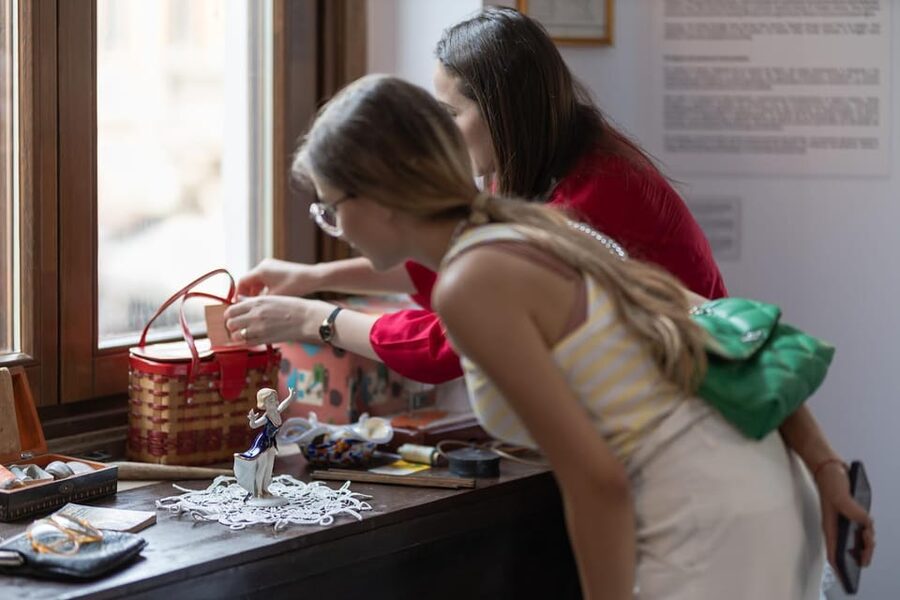
- Try the objects instead of only looking at them: Clothes, books, and other items invite you to interact with the displays.
- The museum covers communist Romania through Ceaușescu’s fall: It links political events with ordinary daily life.
- A guide is available for questions: Your admission does not include a guided tour, but someone is present to explain details.
- The Old Town location makes it easy to add to a walking day: Enter at the bar and show your online ticket.
- The downstairs café adds a social touch: Coffee, soft drinks, and Romanian alcoholic drinks cost extra.
- Expect a small, focused museum: The compact size suits a short visit, but it may disappoint if you expect a large collection.
A hands-on look at communist Romania
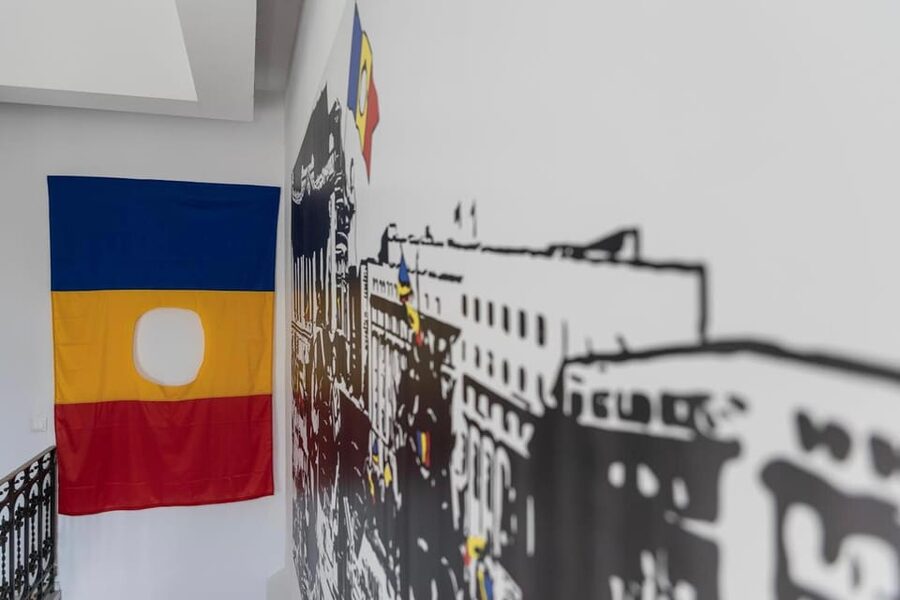
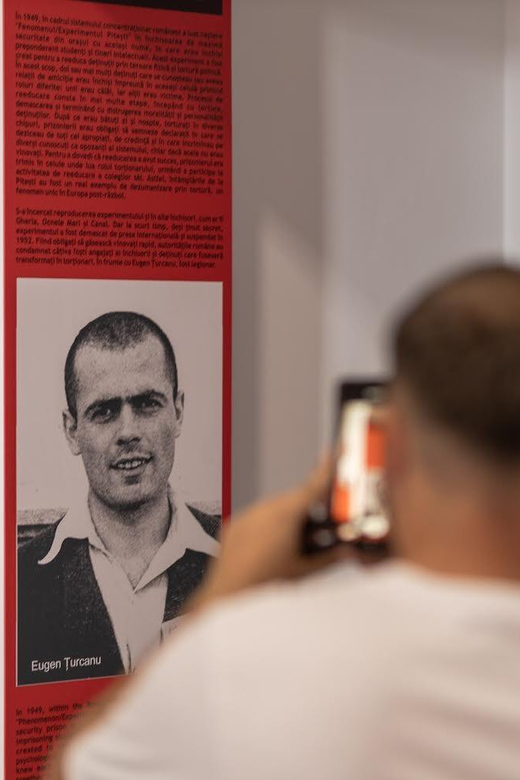
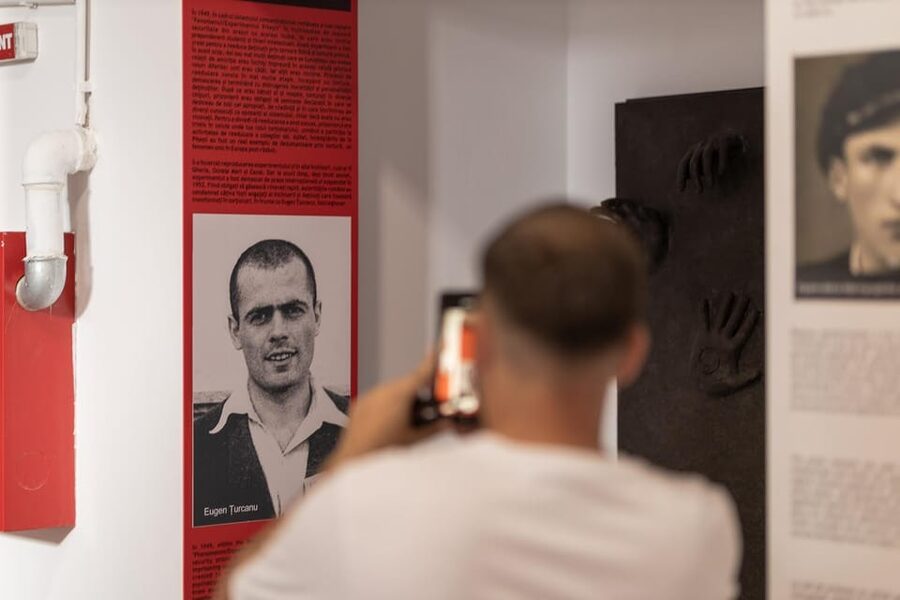
This museum is not built only around dates, speeches, and famous political figures. It tries to show how the system entered ordinary homes and daily routines. You will see objects from the communist period, historical images, and displays linked to important moments in Romania’s recent past.
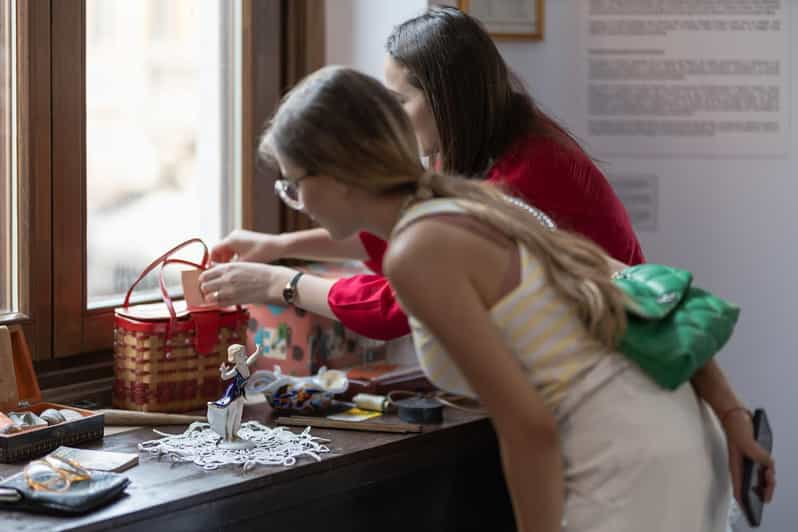
The practical difference is interaction. You can try on clothes, read old books, and handle selected items rather than simply walking past glass cases. That makes the visit useful if you are new to Romanian history, especially if political terms and names have so far felt like a blur.
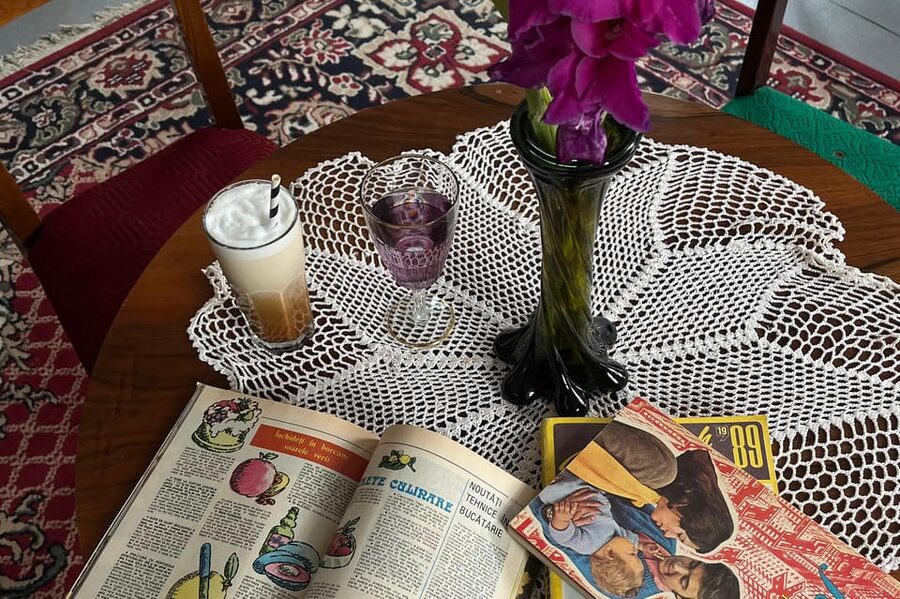
I find this approach helpful because communism is easier to understand through small details. A book, garment, household object, or drink can suggest how people spent their time, what they had access to, and how public ideas reached private life. The displays are meant to help you feel the period as well as learn about it.
The museum also uses photographs and recreated settings to give the rooms a period feel. You may find the decoration more memorable than a standard museum display, particularly if you enjoy taking photographs or comparing modern Bucharest with the city described inside.
A few more museum visits around the world worth comparing
- Vatican: Museums & Sistine Chapel Entrance Ticket
★ 4.5 · 144,003 reviews - Paris: Louvre Museum Timed-Entrance Ticket
★ 4.6 · 71,977 reviews - Amsterdam: Van Gogh Museum Ticket
★ 4.7 · 52,054 reviews
From political landmarks to daily life
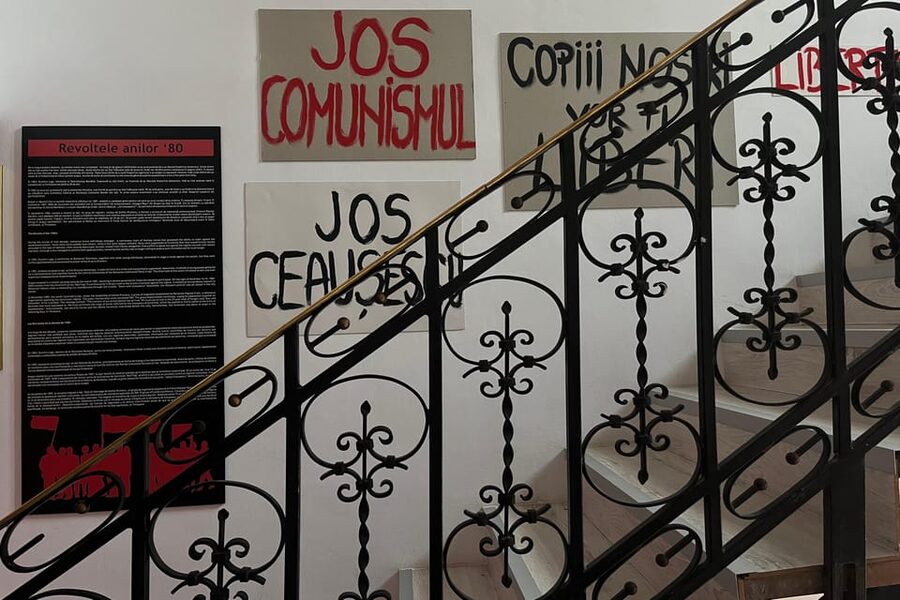
The visit moves through the decades of communist Romania, with attention to major moments and the way the regime shaped life for ordinary people. The material includes the period’s political setting and the final years of Ceaușescu’s rule, taking you through to the end of his leadership.
The appeal here is the mix of large events and personal details. A photograph can show a public ceremony or important landmark, while a book or item of clothing brings the subject back to home life. You get a more useful picture when the two sit side by side.
Do not expect every part of Romania’s communist past to receive equal space. The museum is small, and one of the main limitations is the amount of material on display. A review score of 4.6 from 57 ratings reflects strong overall satisfaction, but the written feedback also points to the compact size and the feeling that the collection could contain more.
That is an important distinction when planning your day. This is a short, focused stop, not a full-day institution with room after room of archival material. If you want a quick introduction before exploring Bucharest, the scale works well. If you have come specifically to study the era in depth, you may want to pair it with other historical sites or books.
Why the interactive displays matter
The chance to touch and try things is the museum’s strongest feature. You can put on clothes, read old books, take photographs, and inspect objects from the period. These choices make the visit more active than a conventional exhibit, especially for families and younger visitors who may not connect with political history through text alone.
I like the freedom to move at your own pace. You are not locked into a fixed tour schedule, and you can pause at anything that catches your attention. If one object raises a question, the guide can help explain its use or place it in the wider story of communist Romania.
The displays also give you permission to be curious. You might want to know what a certain object was used for, how people obtained it, or why a particular image mattered. Ask. The guide is there for questions about both the political regime and everyday life.
Photography is part of the appeal, since the interactive displays and period decoration give you more than plain text panels to remember. Be respectful of the space and follow any instructions on which objects you may handle, but the basic idea is clear: this is a museum designed to let you participate.
The guide is available, but this is not a guided tour
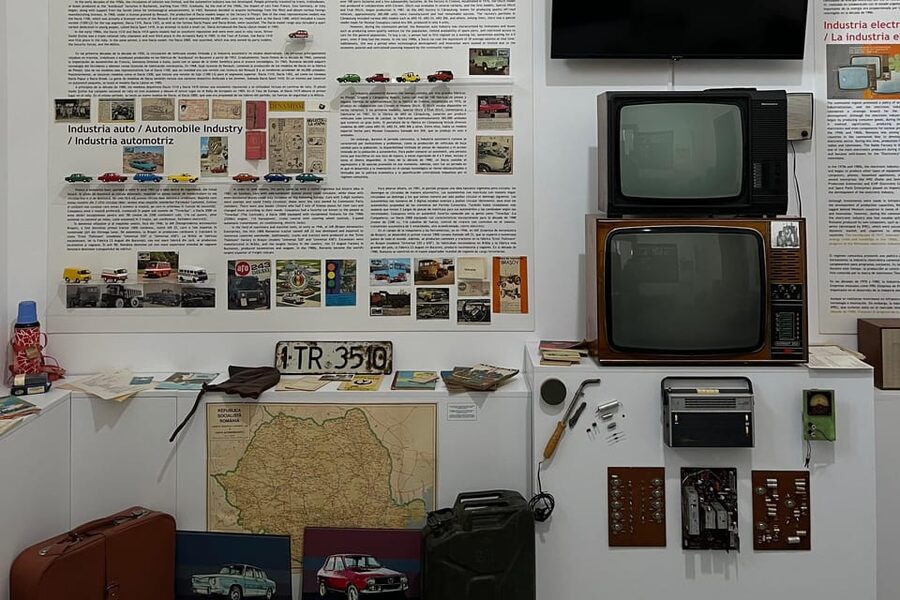
Your entry includes access to the museum and a guide available for questions. It does not include a formal guided tour. That difference matters.
You can explore independently, then ask for help when you need it. This suits you if you prefer to read, look around, and set your own pace. It is less suitable if you want a guide to lead you from room to room with a detailed spoken explanation throughout.
Since no guide names are provided, you should not book this expecting a specific host. The useful point is the access to someone on site who can answer questions and add context. I would use that opportunity early in the visit, especially if you are unfamiliar with Ceaușescu, the period’s political structure, or the events that brought communist rule to an end.
A few well-chosen questions can change the visit. Ask about the difference between public political messages and private daily life, or about an object that seems ordinary but feels out of place today. The museum’s value grows when you connect the displays instead of treating them as isolated curiosities.
Same city, a completely different collection:
- Vatican Museums, Sistine Chapel & St. Peter’s Basilica Tour
★ 4.3 · 73,970 reviews - Vatican Museums, Sistine Chapel & St Peter’s Basilica Guided Tour
★ 4.5 · 39,149 reviews - NYC: 9/11 Memorial & Museum Timed-Entry Ticket
★ 4.8 · 31,428 reviews - London: Tower of London and Crown Jewels Exhibition Ticket
★ 4.6 · 28,769 reviews
The downstairs café and the taste of the period
Downstairs, a small coffee shop serves specialty coffee and soft drinks. You can also buy traditional alcoholic drinks, including the museum’s house beer with an original label. Drinks are not included in the entry price, so plan to pay separately.
This café gives the experience a relaxed ending. After looking at political images and household objects, you can sit with a drink and think about what you have seen. The food and drink element is not a full tasting menu, but it adds a sensory note that most history museums do not offer.
The wording around tasting the period should be taken in the right way. A drink cannot recreate communist Romania, and the café is not a substitute for historical explanation. It is simply another way to connect the museum to everyday habits and products.
I would save the café for the end rather than beginning there. First see the displays, then ask your questions, and finally use the downstairs stop as a break. If you are visiting the Old Town on foot, it can also be a convenient pause between sights.
A compact stop in Bucharest Old Town
The museum is located right in Bucharest’s Old Town, which makes it easy to fit into a walking route. You do not need to arrange separate transport for this activity if you are already spending time in the historic center.
At the entrance, go to the bar and show your online ticket. This is a useful detail because the meeting point is not described as a separate street office or ticket booth. Keep the ticket ready when you arrive.
The activity is listed as valid for one day, with starting availability shown during booking. You have flexibility because cancellation is allowed up to 24 hours in advance for a full refund, and you can reserve now and pay later. Those options help if your Bucharest plans are still shifting.
The price is about $9 per person. I consider that fair for a compact museum with interactive objects and access to a guide for questions, especially if you value a short cultural stop in a central location. The value is weaker if you measure museums by the number of rooms or the size of the collection.
In practical terms, the admission works best as part of a larger Old Town day. You can visit the museum, walk through the surrounding streets, and then continue to other sights without giving up half a day. Do not buy the ticket expecting a full-day occupation. The stated duration is one day for ticket validity, not a promise that you will need an entire day inside.
Who will get the most from this museum
I would recommend this experience to you if you want an approachable introduction to Romania’s communist past. The interactive format helps if you prefer objects and images to long academic panels. It also works well for families, couples, and solo visitors who want to ask questions rather than follow a set lecture.
It is a good choice before visiting other places connected with Bucharest’s twentieth-century story. Once you have seen the objects and images here, you may notice political symbols, architecture, and public spaces differently as you continue through the city.
The museum may also suit you if you have heard about Ceaușescu but know little about the daily experience of his era. The displays connect the leader and the political system with clothes, books, drinks, and household material. That human scale is the main reason to visit.
I would be more cautious if you want a major archive, a large collection, or a long guided explanation. The museum’s small size is the clearest weakness. One review described it as very small, and another praised its detail and interactive design while wishing for more content. Both points can be true at once.
Tips for making the visit worthwhile
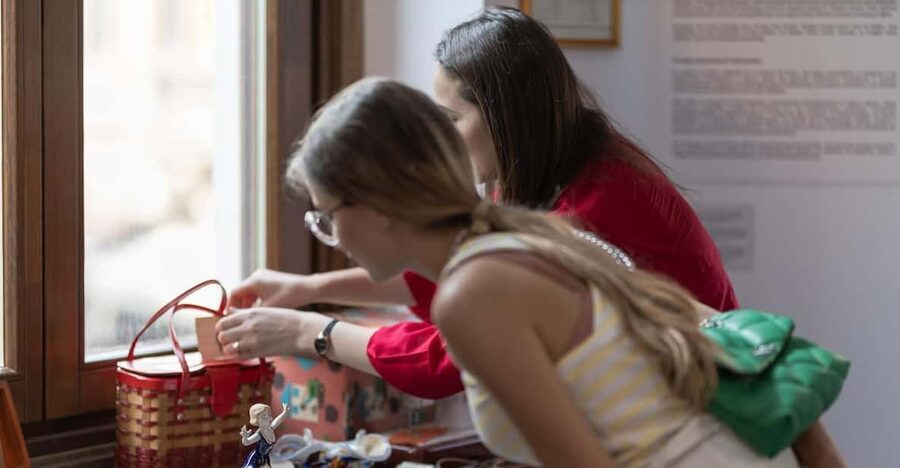
- Give yourself enough time to look closely at the objects rather than rushing through the rooms.
- Try the clothing and other permitted interactive displays, since participation is central to the experience.
- Read some of the old books and examine everyday items for clues about life beyond official politics.
- Ask the guide questions, especially when a display lacks enough context for you.
- Take photographs if permitted, since the period decoration and interactive scenes are part of the appeal.
- Visit the café after the exhibits, not instead of them.
- Keep expectations realistic: $9 buys a compact museum visit, not a large national collection.
- Show your online ticket at the bar when you arrive.
Should you book the Museum of Communism?
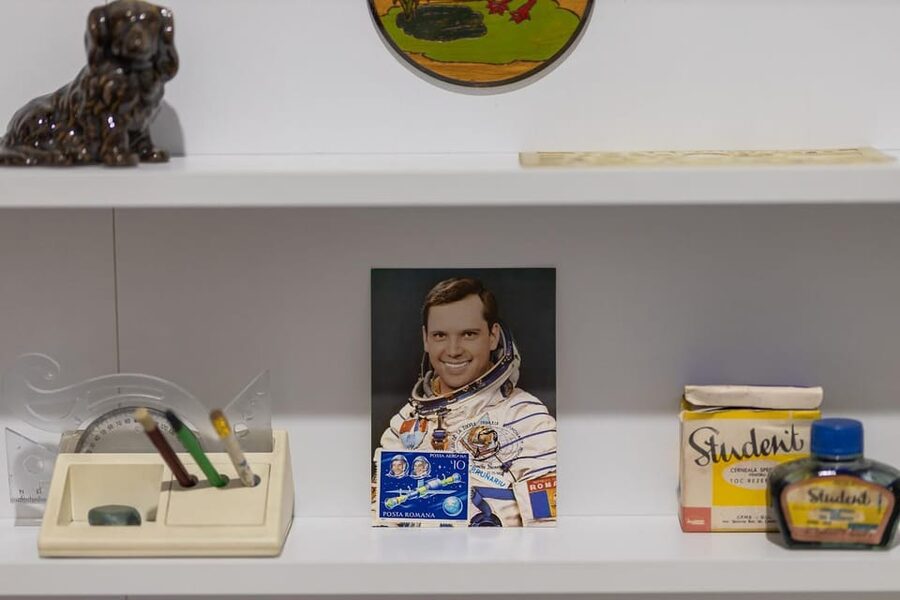
Book it if you want a short, central, hands-on introduction to communist Romania. The combination of period objects, photographs, clothing, books, guide support, and a downstairs café makes the visit more personal than a simple display of political facts.
Skip it if your priority is a large collection or a long formal tour. The museum may feel too small for that purpose, and drinks cost extra. For most people, though, the $9 price is reasonable when the visit is treated as a focused Old Town stop rather than a full-day museum outing.
The strongest reason to go is the chance to handle and experience parts of the display. Ask questions, take your time, and use the café as a final pause. That approach gives you the clearest sense of what this compact museum is trying to do.
FAQ
Where is the Museum of Communism in Bucharest?
It is located in Bucharest’s Old Town, in the Bucharest-Ilfov area of Romania.
How much does admission cost?
Admission costs $9 per person.
What does the entry ticket include?
The ticket includes a visit to the museum. A guide is available for questions, but a formal guided tour is not included.
Can I interact with the exhibits?
Yes. You can try on clothes, read old books, and interact with selected objects. Photography is also mentioned as part of the experience.
Are drinks included in the ticket?
No. Drinks cost extra. The downstairs café sells specialty coffee, soft drinks, traditional alcoholic drinks, and house beer with an original label.
Where do I show my online ticket?
Enter through the bar and show your online ticket there.
Is the museum accessible to wheelchair users?
No. The experience is not suitable for wheelchair users.
Just added around the world
- Girona, Figueres, Dalí Museum and Cadaqués Tour from Barcelona★ 4.5 · 36 reviews
- Football Club Barcelona Museum Immersive Tour Guided Visit★ 3.5 · 52 reviews
- Erotic Museum Admission Ticket with Audioguide★ 5.0 · 527 reviews
- Dali Museum and Costa Brava Small Group Day Trip from Barcelona★ 5.0 · 77 reviews
- Madrid by High-Speed Train with Prado Museum Private Tour★ 4.0 · 33 reviews
- Guitar Legends Hall: Entrance to the Immersive Rock Museum★ 5.0 · 25 reviews
- White Rabbit Museum: The Best Immersive Experience in Catalonia★ 5.0 · 538 reviews
- Private Dali Museum, Besalú & Girona Tour from Barcelona★ 5.0 · 15 reviews
Museum Tours in Romania, compared.

Parliament, Ceausescu House & Village Museum Tour
Read our review →
Communism in Bucharest – Landmarks, Museum & Communist Appetizers
Read our review →
Palace of Parliament, Ceausescu House & Village Museum
Read our review →
Museum of Communism Ticket with Communist Coffee
Read our review →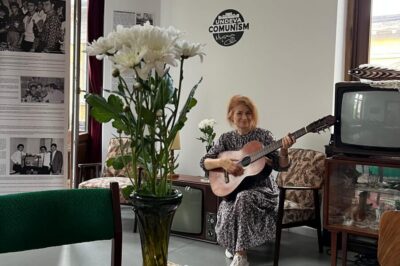
Dinner+Tour at Museum of Communism after closing
Read our review →
Palace of the Parliament, Village Museum & Ceaușescu Mansion
Read our review →
Browse the lists this tour appears in