
Review · BELGIUM
Brussels: Musical Instruments Museum Entry Ticket
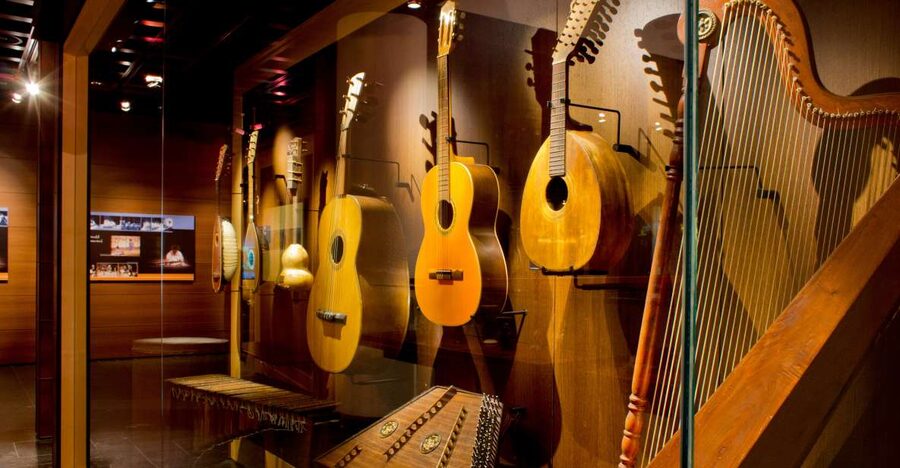
The best part of Brussels’ Musical Instruments Museum is that you do not just look at silent cases. Your ticket includes a multimedia device with nearly 300 sound clips, so you can hear many of the instruments as you move through four floors of displays. I especially like the mix of European keyboards, world instruments, and electronic music, plus the chance to see the oldest preserved saxophone in the world.
I also like the building itself. The museum occupies the Old England building on the Mont des Arts, with intricate Art Nouveau metalwork that gives your visit a fine architectural start. The main drawback is that not every instrument has a sound clip, and the museum’s restaurant is closed during renovation, so plan a meal elsewhere.
Key points to know before you go
- Nearly 300 audio examples: Use the included multimedia device to hear instruments from the collections played.
- Four floors of displays: See European instruments, keyboards, traditional instruments from around the world, and electronic music.
- A famous Art Nouveau home: The Old England building is part of the visit, not just a container for the exhibits.
- A rare saxophone: Look for the oldest preserved saxophone in the world among the museum’s notable objects.
- Concerts cost extra: The neoclassical concert hall may host world-class performances, but a concert ticket is not included.
- Easy one-day visit: The ticket costs $17, includes audio in English, Dutch, or French, and allows free cancellation up to 24 hours ahead.
Starting at the Old England building on Mont des Arts
The Musical Instruments Museum sits at Brussels’ Mont des Arts, one of the city’s best-known cultural areas. You begin with the building before you even reach the displays. The Old England building is an Art Nouveau landmark, filled with the kind of detailed ironwork and decorative design that rewards a slow look upward.
I would not rush through the entrance. The museum’s architecture gives the visit a sense of place, especially if you have already spent time seeing Brussels’ medieval center and grand civic buildings. Here, the mood shifts toward the late nineteenth and early twentieth centuries, when new materials and elaborate decoration changed the look of city buildings.
Your entry ticket is designed for a self-guided visit. There is no named guide attached to the experience, so you set your own pace and choose how much time to give each gallery. The ticket is valid for one day, which makes it easy to fit the museum around other Mont des Arts sights.
A practical tip: have the booking QR code ready at the entrance. You can scan it there rather than going first to the ticket office. This matters because a little confusion at the entrance can send you in the wrong direction, especially if staff mistake your booking for a Brussels Card. A ready-to-scan code keeps things simple.
A few more museum visits around Belgium worth comparing
- Brussels: Atomium Entry Ticket with Design Museum Ticket
★ 4.4 · 9,254 reviews - Brussels: Autoworld Museum Ticket
★ 4.7 · 1,301 reviews - Ghent: Museum of Fine Arts Entry Ticket
★ 4.2 · 75 reviews
Four floors that move from European music to world instruments
The museum is arranged across four floors, and the collections cover a broad span of musical life. That range is the main reason I would choose this museum over a smaller display focused on one period or one family of instruments.
The first major area presents the development of musical instruments in Europe. You can follow how instruments changed in shape, use, and sound over time. Displays like this are useful even if you are not a musician, because they connect music with everyday life, technology, and changing taste.
The collection is not limited to famous concert instruments. You may see objects built for different settings and traditions, from instruments used in formal European music to tools designed for local or community performance. The result is a visit that feels broader than a standard classical music museum.
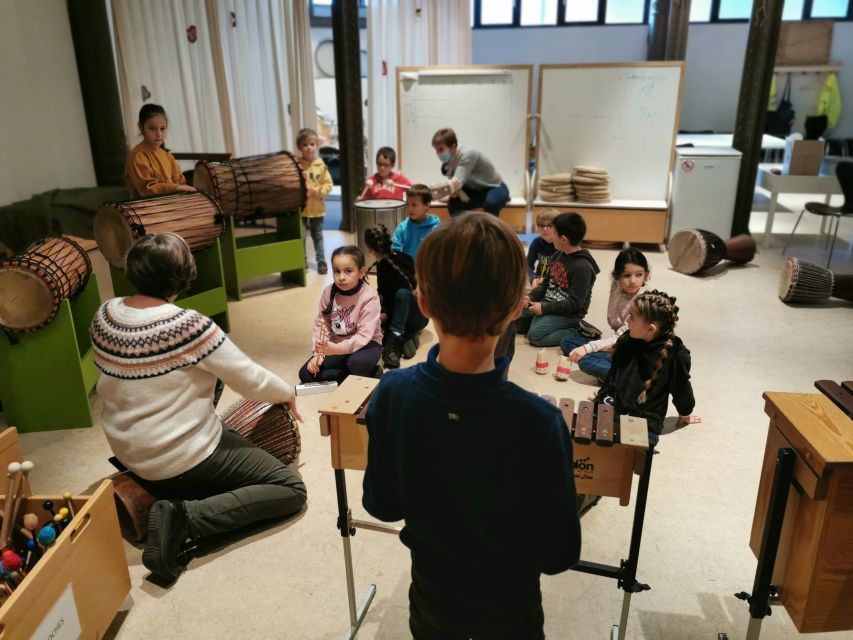
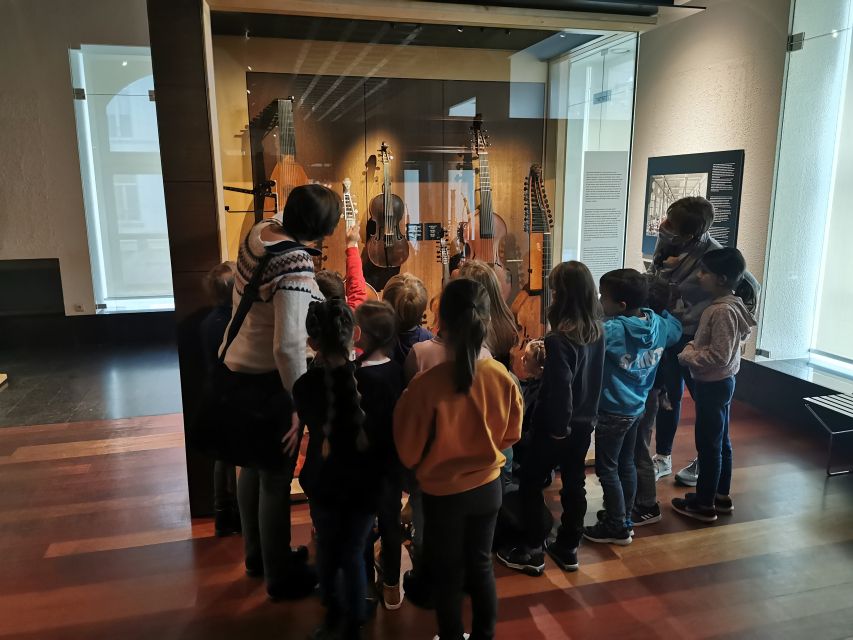
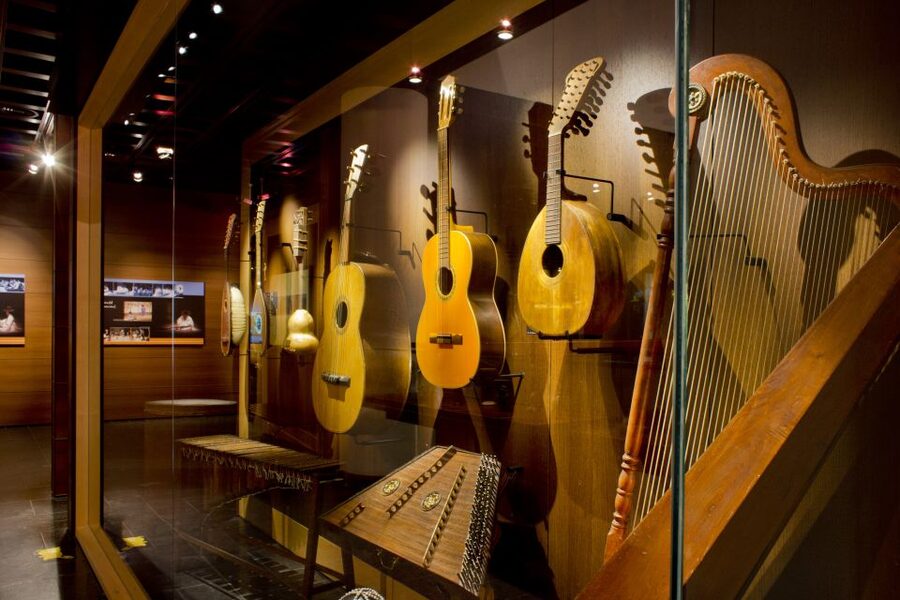
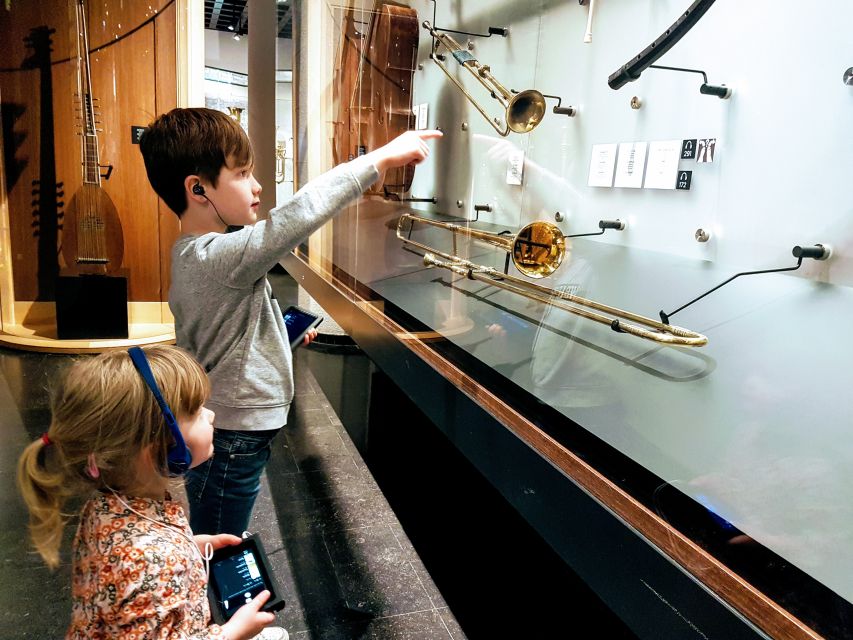
Your multimedia device adds the missing element: sound. A violin, horn, drum, or keyboard can look familiar in a case, but a short recording helps you understand its purpose. I like that the audio turns the visit from a visual survey into a listening experience. It can also help children and casual visitors stay interested because each display gives them something active to do.
The audio is available in English, Dutch, and French. That makes the museum easier to use for international visitors, though you should expect the device to cover selected pieces rather than every object in the building.
The keyboard collection rewards patient listening
The keyboard collection deserves time of its own. Keyboards show how makers solved practical problems such as producing volume, controlling tone, and fitting instruments into homes, churches, halls, or performance spaces.
You can look at the shape and workmanship, then use the audio device to hear selected examples. The contrast between the physical object and its sound is useful. A small instrument may produce a surprisingly full tone, while a large and elaborate case may reflect a very different musical purpose.
This section will suit anyone interested in piano history, early music, instrument design, or the way music moved from private rooms into public concert spaces. It is also one of the easier sections to enjoy without technical knowledge. You do not need to understand every mechanism to notice how different instruments were built and played.
The limitation is worth keeping in mind. Audio coverage is not complete, so you cannot assume that every keyboard in the collection has a corresponding recording. If you want to hear more examples, the museum may leave you wishing for a larger selection.
World instruments bring the collection beyond Europe
Another floor focuses on traditional instruments from around the world. This is where the museum feels most varied, with examples such as African slit drums alongside instruments from other musical traditions.
I like this part because it widens the idea of what an instrument can be. A drum, stringed instrument, wind instrument, or percussion object can carry social meaning as well as produce sound. The displays give you a chance to compare how different communities shaped materials into tools for ceremony, performance, storytelling, or shared entertainment.
The audio device is especially valuable here. Seeing a slit drum or an unfamiliar string instrument tells you only so much. Hearing it gives you a better sense of rhythm, tone, and how it may fit into a larger performance.
Still, keep the audio limits in mind. Some instruments have clips and others do not. If your main reason for visiting is to hear every object, the museum may feel uneven. If you treat the recordings as a strong addition to a visual collection, the experience works better.
Same city, a completely different collection:
- Choco-Story Brussels: Chocolate Museum Entrance with Tasting
★ 4.3 · 4,883 reviews - Bruges: Choco-Story Museum with Audio Guide and Tastings
★ 4.2 · 1,825 reviews - Brussels: Chocolate Museum Visit with Workshop
★ 4.6 · 1,474 reviews - Brussels: The World of Banksy Museum Permanent Exhibition
★ 4.7 · 636 reviews
The oldest preserved saxophone adds a memorable detail
Among the museum’s more unusual objects is the oldest preserved saxophone in the world. It is the kind of detail that gives your visit a clear highlight, even if you do not plan to study every case.
The saxophone also shows how the museum connects invention with musical change. It is a relatively modern instrument compared with many historic examples in the building, and its presence helps you see that music history did not stop with early European instruments or traditional world collections.
I would make a point of finding it rather than simply wandering through the floors. A museum with thousands of objects can blur together, especially after the first hour. Specific targets such as the saxophone, the keyboard displays, and the electronic instruments help you shape a more satisfying route.
The museum presents historical and modern instruments side by side across its collections. That makes the visit useful for anyone interested in how music technology developed, not just in antique craftsmanship.
Electronic instruments show music entering a new age
The electronic instruments exhibit changes the pace of the visit. After traditional drums, wind instruments, and keyboards, electronic music introduces a different set of questions about sound and performance.
This section helps you see that an instrument does not have to work through strings, air, wood, or stretched skin. Electrical systems changed what performers could create and how sound could be shaped. Even if you are more interested in old instruments, this display gives the museum a clear link to modern music.
I would use the multimedia device here as well, since electronic instruments are difficult to understand from appearance alone. A recording can show what an object was built to do much more clearly than a label or photograph.
As with the other galleries, audio coverage varies. The device includes nearly 300 musical pieces, but that does not mean every electronic instrument has its own sample. Plan to listen selectively instead of trying to activate every possible clip.
How long to allow for the museum
The ticket is valid for one day, and you can spend roughly two hours seeing the main collections at a comfortable pace. That timing suits most visitors who want a substantial museum stop without giving up half a day in Brussels.
I would allow longer if you enjoy reading labels, listening to many clips, or taking your time with the Art Nouveau details. Four floors can pass quickly if you only glance at cases, but the audio gives you a reason to pause.
You also have flexibility because there is no fixed tour group moving you from room to room. You can linger over the oldest saxophone, skip a section that does not interest you, or return to a favorite collection before leaving.
The museum works well as part of a larger day in central Brussels. It is not an activity that demands special preparation, and the one-day validity lets you plan around other sights. Just remember that the restaurant is closed for renovation, so do not count on eating inside the museum.
Concerts in the neoclassical hall are a separate choice
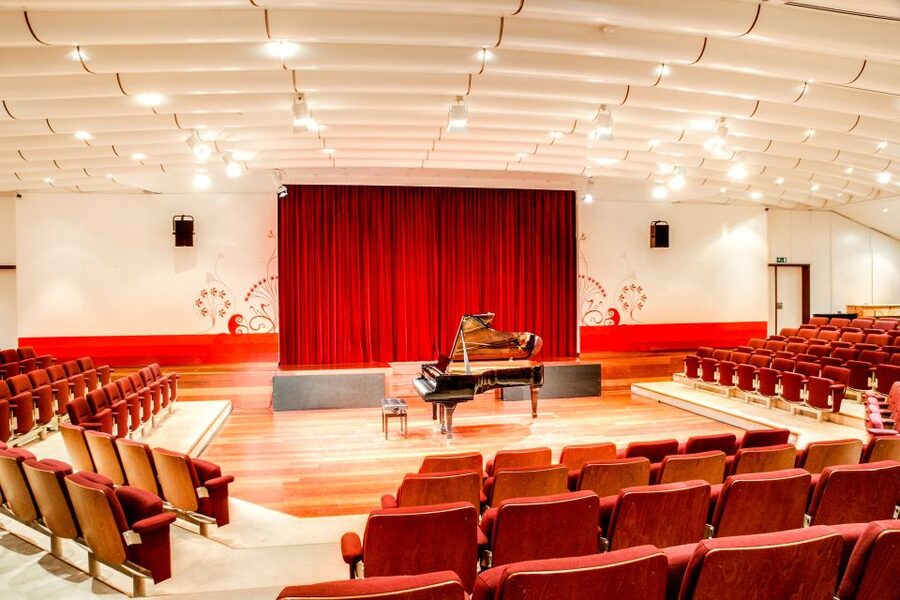
The museum has a neoclassical concert hall where live performances may take place. If the program fits your schedule, a concert could turn the visit into a full evening of music rather than a museum stop followed by another activity.
The setting adds appeal. You have already seen instruments in cases and heard selected recordings, then you can experience music performed live in the building. That connection gives the concert more meaning than treating it as an unrelated event.
The important practical point is that the concert ticket is not included with museum admission. You need to arrange and pay for that separately. The museum entry ticket alone gives you access to the collections, architecture, and included audio device.
I would not buy the museum ticket solely on the hope of attending a concert. Check the concert schedule and availability independently, then consider it an optional addition.
Is the $17 ticket good value?
At $17 per person, this is a fair price for a self-guided museum visit that can occupy around two hours and includes audio in three languages. The value is strongest if you plan to use the multimedia device rather than simply walk through the galleries.
The ticket combines four floors of collections, rare objects, world instruments, European music, electronic displays, and access to an important Art Nouveau building. That is a lot of variety for the price, especially if you have a real interest in instruments.
It is less compelling if you dislike museums that require reading and listening at your own pace. There is no personal guide leading you through the collection, and not every object comes with a sound clip. You are paying for access and a useful audio system, not for a live performance or an expert-led tour.
The flexible booking terms add practical value. You can reserve now and pay later, and cancel up to 24 hours before the visit for a full refund. The museum is wheelchair accessible, which makes the four-floor layout easier to consider for visitors who need that feature. Oversize luggage and flash photography are not allowed.
Who will enjoy this Brussels museum most?
I would recommend the Musical Instruments Museum to several kinds of visitors:
- Music lovers: You can spend serious time with keyboards, saxophones, electronic instruments, and recordings.
- Curious families: The sound clips give children something to hear and do, rather than asking them to study silent displays.
- Architecture fans: The Old England building is a major part of the experience.
- Rainy-day planners: Four indoor floors make this a useful Brussels activity when outdoor sightseeing is uncomfortable.
- Visitors with limited time: A two-hour visit fits neatly into a central Brussels schedule.
- People comparing cultures through music: The world instrument collection broadens the visit beyond European traditions.
I would be more cautious if you want a concert included in your admission, since live performances cost extra. I would also think twice if your luggage is large, because oversize bags are not permitted.
Should you book the Musical Instruments Museum?
Book it if you want a museum that lets you hear what you are seeing. The nearly 300 sound clips, the oldest preserved saxophone, and the mix of European, world, and electronic instruments give the visit more variety than a basic display of objects.
The $17 price is reasonable for about two hours, especially when you value a flexible self-guided visit and the striking Art Nouveau building. Scan your QR code at the entrance, bring no oversize luggage, and plan a meal elsewhere while the museum restaurant is closed.
Skip it if you want a guided tour, a guaranteed live performance, or sound clips for every instrument. For most visitors who enjoy music, design, or unusual museums, this is a smart Brussels stop with enough substance to justify the ticket.
FAQ
How long is the Musical Instruments Museum ticket valid?
The ticket is valid for one day. Check availability for the available starting times.
Does the ticket include an audio guide?
Yes. A multimedia device with nearly 300 sound clips is included, with audio available in English, Dutch, and French.
Is a concert included with museum admission?
No. Concerts in the museum’s neoclassical hall require a separate ticket.
Is the museum wheelchair accessible?
Yes, the Musical Instruments Museum is wheelchair accessible.
Can I cancel the ticket?
Yes. You can cancel up to 24 hours in advance for a full refund.
Is the museum restaurant open?
No. The restaurant is currently closed for renovation.
Just added around Belgium
- Ghent: Museum of Fine Arts Entry Ticket★ 4.2 · 75 reviews
- Frietmuseum Brussels: Entry to the fries museum with a tasty treat★ 4.7 · 66 reviews
- Brussels: Comic Art Museum Entrance Ticket★ 4.0 · 56 reviews
- Brussels: Museum Art & History Entry Ticket★ 4.5 · 58 reviews
- Brussels: BELvue Belgium History Museum Entry Ticket★ 4.6 · 27 reviews
- Brussels: Hop-On Hop-Off Bus Tour& Belgian Beer World Museum★ 4.2 · 24 reviews
- Brussels: 48 Museums, Atomium, and Discounts Card★ 4.2 · 102 reviews
- Bruges: Ticket Museum Sint-Janshospitaal★ 4.4 · 38 reviews
Museum Tours in Belgium, compared.
Atomium Entry Ticket with Design Museum Ticket
Read our review →
Choco-Story Brussels: Chocolate Museum Entrance with Tasting
Read our review →
Choco-Story Museum with Audio Guide and Tastings
Read our review →
The World of Banksy Museum Permanent Exhibition
Read our review →
Chocolate Making Workshop and Chocolate Museum Entry
Read our review →
Browse the lists this tour appears in