

Review · BELGIUM
Brussels: Museum Art & History Entry Ticket
The most surprising thing here is the sheer range under one roof. You can begin with the birth of mankind, meet Egyptian mummies, walk past Asian Buddhas, and finish with early-20th-century art. The museum’s model of ancient Rome is a fine anchor for the visit, especially if you enjoy seeing a whole city reduced to a detailed miniature.
I like the one-day flexibility and the museum’s location in the handsome Cinquantenaire complex. I also like the variety: Belgian archaeology, European decorative arts, Islamic art, India, China, Egypt, Greece, and Rome give you plenty to choose from. The main drawback is simple: this is an entry ticket, not a guided tour, so you need to shape your own route.
Key points to know before you go
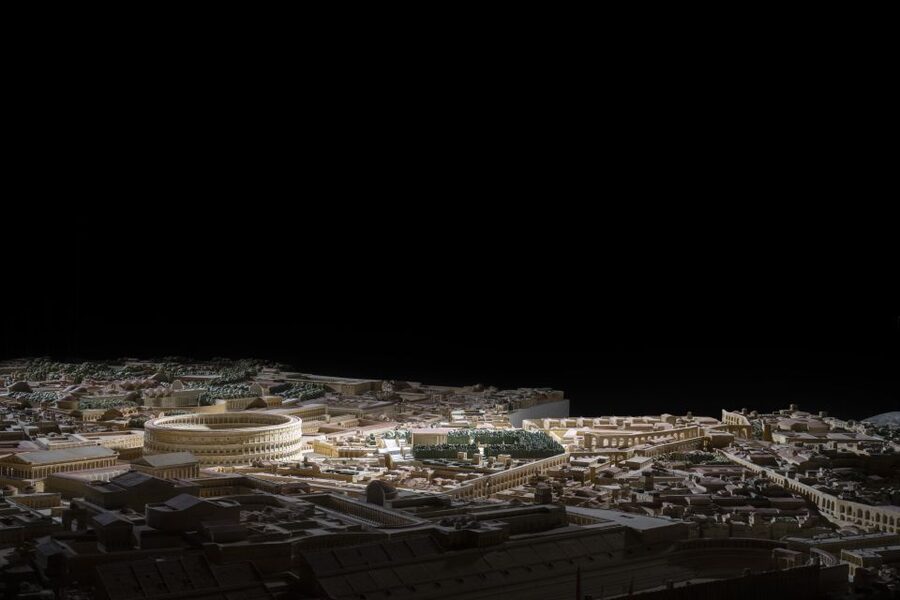
- See ancient Rome in miniature: The model of Roma gives you a clear sense of the ancient city and makes a good early stop.
- Four large collections: The museum covers ancient history, national archaeology, European decorative arts, and non-European civilisations.
- A strong family option: The mummies, Buddhas, and miniature Rome give younger visitors memorable visual highlights.
- Set aside real time: Your ticket is valid for one day, but the collection is broad enough that a quick visit will only skim the surface.
- Use the park as your finale: Cinquantenaire Park is right outside, making an easy place for an impromptu picnic after the museum.
- Check your passes first: A Belgian museum pass may already cover entry, so confirm before paying for a separate ticket.
A museum that crosses continents and centuries
Brussels’ Royal Museum of Art and History is one of Belgium’s largest museums, and its scale shapes the whole visit. This is not a small, tightly edited collection where you see everything in an hour. I would treat it as a flexible day stop, choosing a few sections that match your interests rather than trying to inspect every case.
The museum occupies a classic building at the Parc du Cinquantenaire. That setting matters. You are not walking into an isolated gallery with nothing around it. You can combine the indoor visit with the park, the monumental surroundings, and nearby museums in the same area.
The collections are arranged into four broad groups:
- Ancient history, including Egypt, Greece, and Rome
- National archaeology, including prehistory
- European decorative arts from the 10th through the 20th centuries
- Non-European civilisations, including the Islamic world, India, and China
That spread makes the museum useful for different kinds of visits. I can imagine spending most of my time with archaeology and ancient history, while you may prefer furniture, decorative objects, Asian art, or the early-20th-century rooms.
A few more museum visits around Belgium worth comparing
- Brussels: BELvue Belgium History Museum Entry Ticket
★ 4.6 · 27 reviews - New York City: American Museum of Natural History Ticket
★ 4.5 · 15,447 reviews - Venice: St. Mark Basilica Ticket, Audioguide+History Gallery
★ 3.9 · 4,780 reviews
Start with prehistory and Belgium’s archaeological past
The national archaeology section takes you back to the earliest human societies and traces Belgium’s own past. This is the part to choose if you want local context rather than a parade of famous foreign objects.
You can expect material connected with prehistory and Belgian archaeology. The value here is the long view. Instead of seeing Belgium only as a medieval or modern European country, you get a sense of the people and cultures that came before it.
I like beginning here because it gives the later rooms a useful foundation. Ancient Egypt, Greece, and Rome can feel like self-contained worlds, but archaeology helps you think about how societies develop, trade, make tools, and preserve objects over time.
The possible drawback is that archaeological displays can require more patience than the museum’s large, instantly recognisable highlights. If you have only a short window, you may prefer to start with Egypt or the Roman model, then return to prehistory if time allows.
Meet Egyptian mummies and ancient beliefs
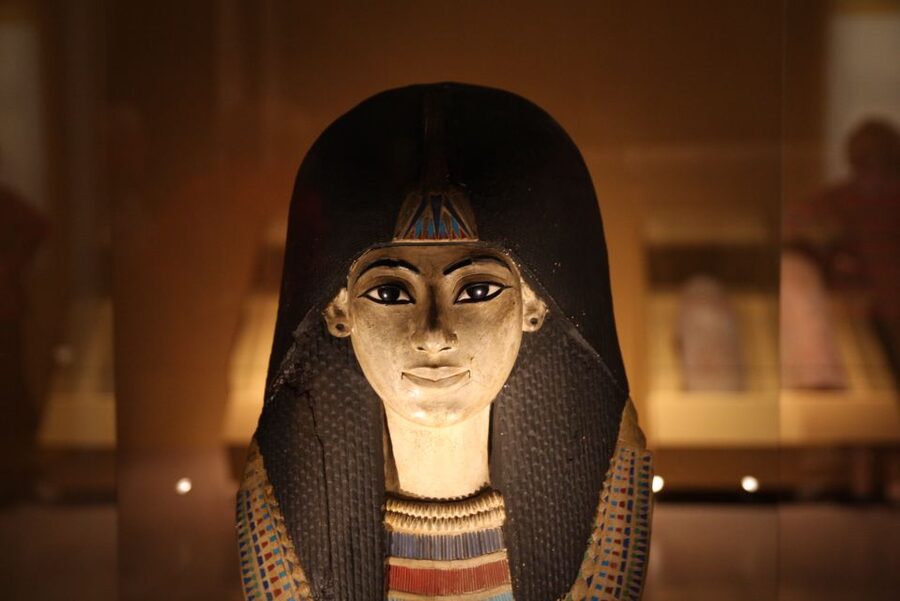
The Egyptian collection supplies one of the museum’s clearest crowd-pullers: mummies. The playful reference to a mummy’s curse points to what makes this section work for many ages. Egypt combines human remains, ritual objects, art, and belief, giving the display an emotional edge that plain pottery cases often lack.
You do not need specialist knowledge to get something from this section. Look for the way Egyptian objects connect daily life with death and the afterlife. The mummies draw you in, but the surrounding material helps explain why they were preserved and why Egyptian art looks so distinctive.
I would allow extra time here if you are visiting with children. The visual impact is immediate, and the subject gives you an easy way to talk about ancient beliefs without turning the visit into a lecture.
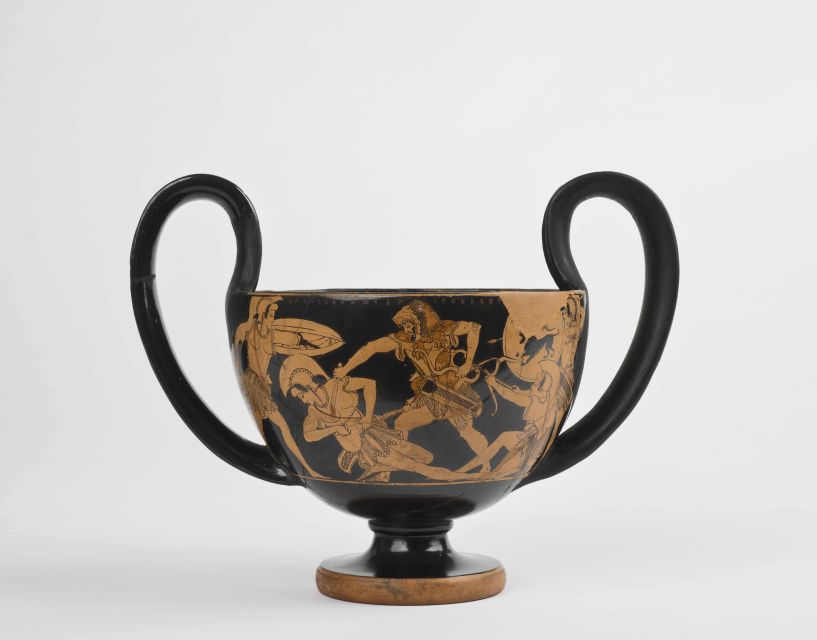
The museum’s Egyptian material is part of a wider ancient-history group that also includes Greece and Rome. That progression makes sense: after Egypt, you can move into the classical Mediterranean and compare how different societies represented people, gods, power, and public life.
Find the model of Roma
The model of ancient Rome is one of the most useful features in the museum because it gives you a city-sized view of the Roman world. Instead of studying one statue or inscription at a time, you can look across a miniature urban setting and picture Rome as a working city.
I find models especially helpful in museums about ancient history. Ruins are often fragmentary, while a model lets you understand scale and layout. Here, Roma becomes easier to imagine as more than a collection of monuments.
Give this stop time even if you are not a Roman-history specialist. It can help children and first-time museum visitors get oriented, and it works as a visual break between smaller objects. If the museum is busy, you may need to wait for a clear view, since a model naturally draws people around it.
The ancient section also includes Greece. Together, Egypt, Greece, and Rome make a solid route for anyone interested in classical art and the societies that shaped later European culture.
Same city, a completely different collection:
- Brussels: Atomium Entry Ticket with Design Museum Ticket
★ 4.4 · 9,254 reviews - Choco-Story Brussels: Chocolate Museum Entrance with Tasting
★ 4.3 · 4,883 reviews - Bruges: Choco-Story Museum with Audio Guide and Tastings
★ 4.2 · 1,825 reviews - Brussels: Chocolate Museum Visit with Workshop
★ 4.6 · 1,474 reviews
Move through European decorative arts
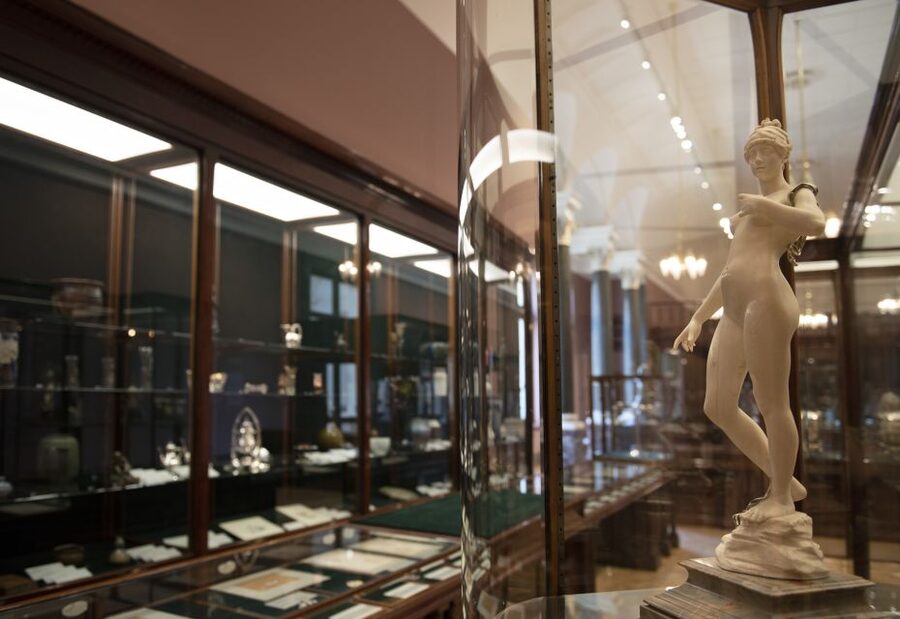
The European decorative-arts collection covers the 10th to the 20th centuries. This is where the museum shifts from ancient archaeology toward objects that show how people lived, decorated interiors, and expressed status and taste.
Decorative art is easy to overlook if you come mainly for mummies or Rome, but I would not dismiss it. Furniture, household objects, ornaments, and design can tell you things that grand paintings do not. They reveal what was useful, fashionable, expensive, or symbolic in different periods.
The long time span is the key benefit. You can follow changes across many centuries instead of seeing one isolated period. The collection also culminates in art nouveau and art deco from the early 20th century, giving the visit a more familiar and modern finish.
This section may be less immediately dramatic than the ancient rooms. If you prefer strong visual landmarks, make it a second-stage stop after the model of Rome and the mummies. If you care about design, craft, interiors, or Belgian artistic identity, it could become the centre of your visit.
Walk into the Islamic, Indian, and Chinese collections
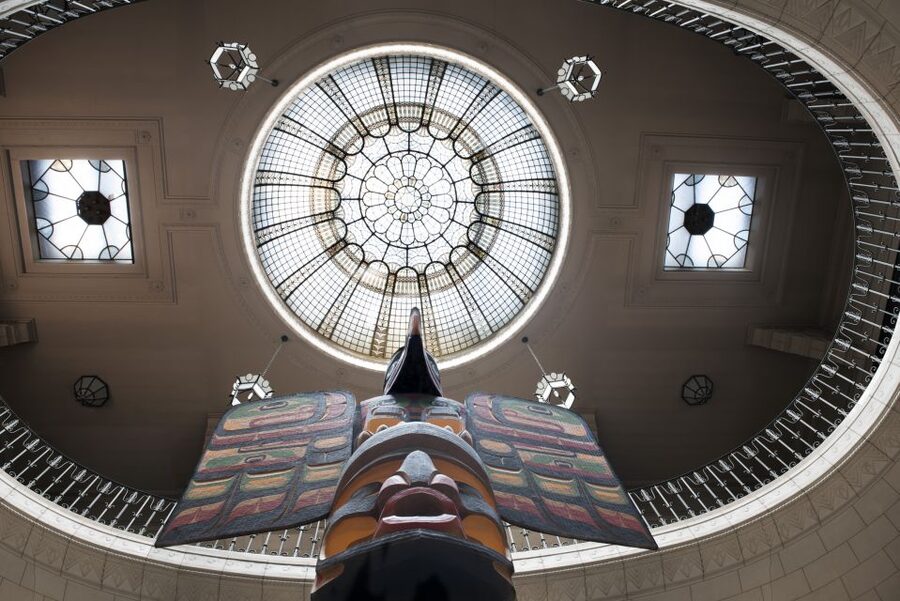
The non-European collections broaden the museum beyond Belgium and classical Europe. You can pass through material connected with the Islamic world, India, and China, including Asian Buddhas.
The Buddha displays offer an easy visual entry point, but try not to treat this section as a quick parade of exotic objects. The real value is the change in artistic language, religious symbolism, materials, and presentation. Even a short visit can show you that art history is not a single European sequence.
I like this part of the museum because it interrupts the familiar route from Egypt to Greece to Rome to modern Europe. It gives the building a genuinely global reach. You can compare how different cultures represent spiritual ideas, authority, the human body, and the sacred.
As with the other broad sections, the museum does not promise a guide to lead you from case to case. You will need to read the displays and decide how much time to give each area. That independence suits visitors who like to wander, but it may frustrate anyone hoping for a carefully narrated tour.
Finish with art nouveau, art deco, and the park

The visit can move toward the art nouveau and art deco collections of the early 20th century. These rooms provide a useful change of pace after archaeology and ancient objects. Instead of asking you to picture a distant civilisation, they show design ideas much closer to the modern world.
I would save these rooms for the end if you want the museum to feel like a journey from early human history toward modern Europe. The route begins with prehistory and ancient civilisations, then passes through medieval and later European art before reaching the design movements of the early 1900s.
Afterward, step outside into Cinquantenaire Park. The ticket does not provide a picnic, but the park gives you a natural place to sit and take a break. An impromptu picnic here is a good way to end a museum visit, especially because the indoor collection can become tiring well before you have seen everything.
The park also helps you avoid the common museum mistake of rushing straight to another indoor sight. Give your eyes and feet a rest. You can discuss the mummy display, the Roman model, or the Asian galleries while sitting outside.
What the $11 ticket is worth
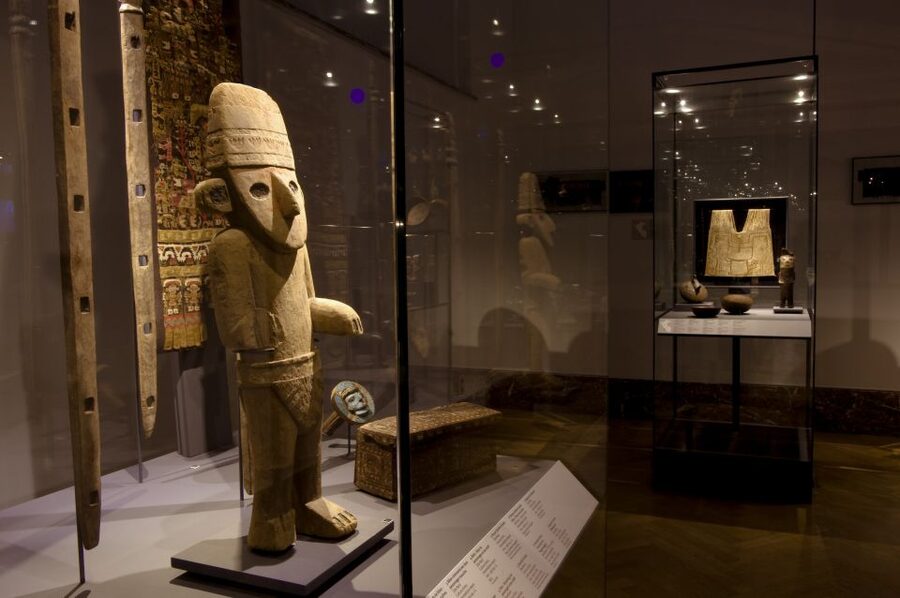
At about $11 per person, the ticket is reasonably priced for a full day of collections. I see the strongest value in the freedom to return to difficult sections, take breaks, and spend more time on the subjects you actually care about.
A short visit still works, but the price makes more sense when you use the ticket as a substantial cultural stop rather than a quick peek. The museum’s size means you can build a two-hour route around the ancient highlights, or spend much longer moving across all four collection groups.
There is one important money-saving check. If you have a Belgian museum pass, verify what it covers before buying this ticket. One booking holder with a museum pass found that a separate payment was unnecessary and had paid 8 euros that could have been avoided.
The booking also offers free cancellation up to 24 hours before the visit and a reserve-now, pay-later option. Those terms are useful if your Brussels plans are still shifting. The ticket is valid for one day, and you should check availability for the available starting times.
Getting to the correct entrance
The museum is in the Parc du Cinquantenaire, but the entrance is not beside Autoworld. This is the practical detail most likely to save you time. Walk around the corner of the building and follow the signs rather than heading toward the Autoworld entrance.
Merode and Schuman are the nearest train stations and are within walking distance. The metro station is Schuman. From Brussels Central Station, you can connect by metro to the Art and History Museum.
Bus routes 22, 27, and 80 stop at Galliërs, while bus 61 stops at Merode. Trams 81 and 82 also stop at Merode.
The location is easy to fit into a Brussels day, but allow a little extra time if you do not know the Cinquantenaire complex. Large monumental buildings can make a museum entrance less obvious than expected.
Who will enjoy this museum most?
I would recommend this ticket to you if you like choosing your own pace and want more than one subject in a single stop. Families have plenty of visual material to work with, especially the mummies and model of Rome. People interested in Belgium can focus on national archaeology and European decorative arts.
It also suits rainy-day planning. You can spend a long indoor stretch here and then use the park when the weather improves. The wheelchair-accessible venue makes it practical for visitors who need step-free access, though the available route through individual displays is not described in detail.
This is less ideal if you want a guide telling one continuous story. No guide or named tour leader is included. You receive admission and make the visit your own.
The museum’s rating is 4.5 from 58 bookings, and the strongest praise is easy to understand: the building houses enough variety to appeal to both adults and children. That broad appeal is real, but it also means you should decide in advance which sections matter most to you.
Should you book the Art and History Museum ticket?
Book it if you want a broad, self-guided museum day with ancient Egypt, Rome, Belgian archaeology, Asian art, and European design in one place. At $11, it offers good value when you give it time and pair it with a break in Cinquantenaire Park.
Before paying, check your Belgian museum pass. If you prefer a guide, a focused museum tour, or a small collection you can finish quickly, this entry ticket may feel too open-ended. For families, history fans, design lovers, and curious visitors who enjoy setting their own route, it is a practical Brussels choice.
FAQ
How long is the ticket valid?
The ticket is valid for one day.
What does the ticket include?
It includes entry to the Royal Museum of Art and History.
Is a guided tour included?
No. This is an entry ticket, so you explore the museum independently.
Can I skip the ticket line?
Yes. Skip-the-ticket-line access is included.
Is the museum wheelchair accessible?
Yes, the activity is listed as wheelchair accessible.
Where is the museum entrance?
The entrance is on the other side of the building from Autoworld. Walk around the corner and follow the signs.
Which public transport stops are closest?
Schuman is the nearest metro station. Merode and Schuman are nearby train stations. Buses 22, 27, and 80 stop at Galliërs, bus 61 stops at Merode, and trams 81 and 82 also stop at Merode.
Can I take photographs?
Photography with flash is not allowed.
Can I cancel the booking?
Yes. You can cancel up to 24 hours in advance for a full refund.
Just added around Belgium
- Ghent: Museum of Fine Arts Entry Ticket★ 4.2 · 75 reviews
- Frietmuseum Brussels: Entry to the fries museum with a tasty treat★ 4.7 · 66 reviews
- Brussels: Musical Instruments Museum Entry Ticket★ 4.6 · 65 reviews
- Brussels: Comic Art Museum Entrance Ticket★ 4.0 · 56 reviews
- Brussels: BELvue Belgium History Museum Entry Ticket★ 4.6 · 27 reviews
- Brussels: Hop-On Hop-Off Bus Tour& Belgian Beer World Museum★ 4.2 · 24 reviews
- Brussels: 48 Museums, Atomium, and Discounts Card★ 4.2 · 102 reviews
- Bruges: Ticket Museum Sint-Janshospitaal★ 4.4 · 38 reviews
Museum Tours in Belgium, compared.

Atomium Entry Ticket with Design Museum Ticket
Read our review →
Choco-Story Brussels: Chocolate Museum Entrance with Tasting
Read our review →
Choco-Story Museum with Audio Guide and Tastings
Read our review →

The World of Banksy Museum Permanent Exhibition
Read our review →
Chocolate Making Workshop and Chocolate Museum Entry
Read our review →
Browse the lists this tour appears in