
Review · KRAKOW
Auschwitz-Birkenau Museum and Memorial Guided Tour from Krakow
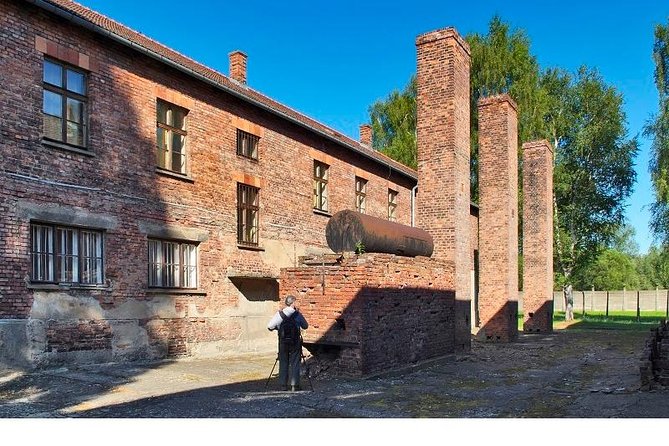
Auschwitz-Birkenau is not a sightseeing stop in the usual sense. It is a place of evidence, memory, and silence, where the gates, prison blocks, barracks, fences, gas chambers, crematoriums, and railway tracks force the history of the Holocaust into physical view. This seven-hour trip from Krakow gives you a structured way to visit both Auschwitz I and Auschwitz II-Birkenau without arranging transport or admission yourself.
I like the clear organization, from Krakow pickup and the documentary on the drive to the guided walk through both camp sites. I also like the use of headsets, which helps you hear the guide in crowded areas. The main drawback is the long day in a sometimes cramped minibus, followed by several hours of walking outdoors with only a short break.
Key points to know before booking
- Auschwitz I and Birkenau are both included: The visit covers the old prison blocks, exhibitions, crematorium areas, fences, watchtowers, railway tracks, and memorials.
- The guide sets the tone: Guides such as Tomas, Mikael, Patrycja, Michael, Magda, and Pawel were singled out for clear, respectful explanations and strong command of the subject.
- Departure time is confirmed late: Your chosen time is tentative, and the operator sends the exact pickup or meeting time by 7 p.m. the day before.
- Expect a physically demanding day: You will walk for hours, with limited shelter at Birkenau. Comfortable shoes, water, sun protection, and weather-ready clothing matter.
- The $83.44 price buys convenience: Transport, museum admission, a live English-speaking guide, and headsets are included, making this useful if you want one organized day from Krakow.
- Treat it as a memorial visit: The atmosphere is serious, and modest clothing plus respectful behavior are appropriate.
Why this Krakow day trip matters
Auschwitz began in the early 1940s as a Nazi camp for Polish political prisoners. When the nearby Birkenau site was added, the complex became a major center of mass murder, especially of European Jews. An estimated 1.1 million people were killed there.
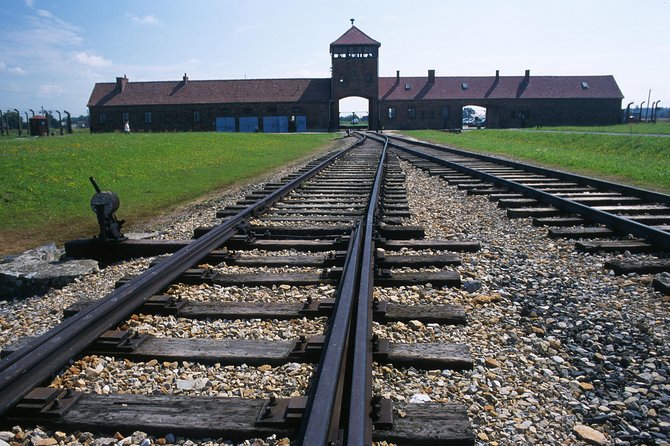
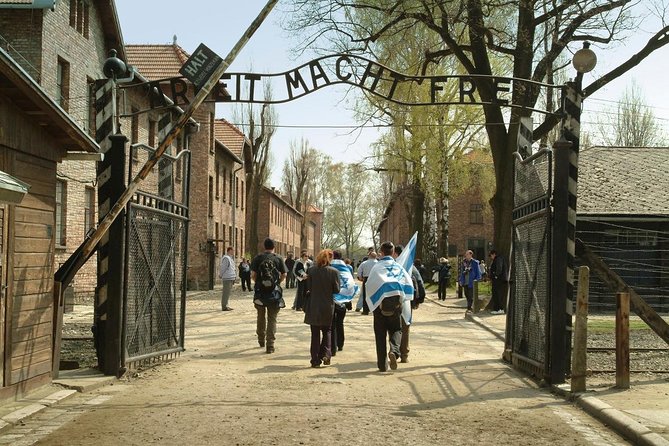
That number can feel distant when read in a book. The power of visiting comes from seeing the machinery and setting of the crime: the gate marked Arbeit Macht Frei, the blocks where prisoners were held, the fences and guard towers, the remains of crematoriums, and the railway line leading into Birkenau.
I value a guided visit here because the site is large, emotionally heavy, and full of details that are easy to miss. A good guide can connect an object or building to the lives of individual prisoners, explain how the camp changed over time, and help you understand the liberation of Auschwitz in 1945.
This is not a cheerful day out, and the tour does not try to make it one. That is exactly right. The strongest guides keep the focus on the victims and on the historical facts rather than turning the camp into a standard attraction.
More Museum Tours in Krakow
- Schindler’s Factory in Krakow: Guided Tour & Skip the Line Ticket
★ 4.5 · 1,714 reviews - Krakow: Rynek Underground Museum Guided Tour
★ 4.6 · 1,122 reviews - Krakow: City Card with Public Transport and Museums
★ 3.9 · 675 reviews
The ride from Krakow to Oswiecim
The journey from Krakow to the town of Oswiecim usually takes about one to one and a half hours. You travel in an air-conditioned vehicle, and a documentary about World War II and the Nazi Holocaust is shown during the drive.
That film gives you useful preparation before you arrive. It also means the time on the road has a purpose, rather than feeling like a simple transfer. Your English-speaking guide may also begin setting the historical context before the walking portion starts.
Pickup is available from selected Krakow hotels, though you must provide your hotel details and confirm the service with the operator at least 24 hours before departure. If hotel pickup is not available, you go to the central meeting point.
The published details identify Parking Kiss&Ride at 2 Wielopole Street, next to the Main Post Office, as the main departure point. Another supplied meeting-point reference gives 7 Powisle Street at the bus park opposite the Sheraton Grand Krakow. Because both locations appear in the information, check your final confirmation carefully rather than assuming one address.
The exact departure time is also not fixed when you book. The available departure window is given as roughly 6 a.m. to 1 p.m. in one set of details and 7 a.m. to 11:30 a.m. in another. The operator sends the final time by 7 p.m. the day before. Some departures are very early, while others may begin around midday.
That uncertainty is worth taking seriously. One early start can put you among the first people entering the camp, while a later departure may leave you with less daylight and a tighter visit. A late change from a booked morning time to a much earlier pickup caused real frustration for one customer, so keep your phone available the evening before.
Auschwitz I: prison blocks and the main exhibits
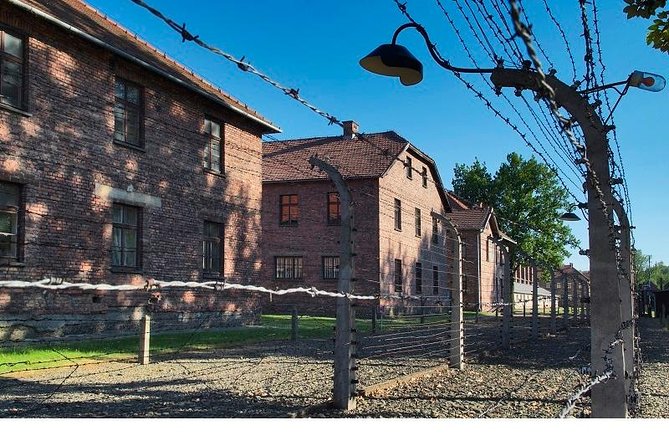
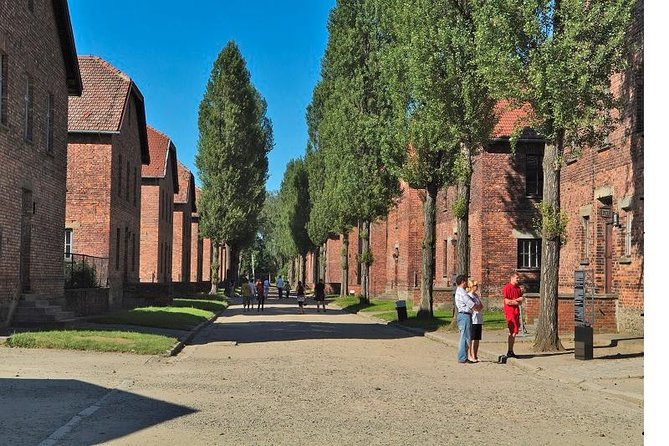
The first site is Auschwitz I, the original camp. You enter through the famous gate and begin walking through the former prison blocks, many of which now contain museum exhibitions.
This part of the visit is more enclosed than Birkenau. The blocks offer some shelter, but you should still expect stairs, standing, and steady walking. The exhibitions provide objects and photographs that show how prisoners were registered, confined, stripped of their identities, and subjected to brutal treatment.
Your guide explains how the camp shifted from imprisonment to systematic mass murder. That change is central to understanding Auschwitz. The site was not created all at once in the form most people recognize today. Its function expanded as Nazi policy became more murderous.
Among the most difficult areas are the displays connected with prisoners’ belongings and the facilities used in the killing process. The crematoriums and gas chamber areas are approached as places of murder, not as dramatic set pieces. A careful guide will give you time to absorb what you are seeing.
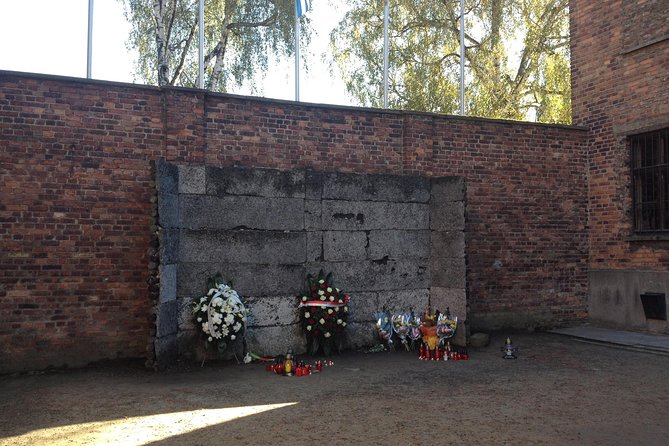
Guides named in the feedback include Michael, Magda, Tomas, Mikael, and Patrycja. Their roles are different, but the qualities repeatedly valued are similar: clear explanations, factual detail, patience with questions, and respect for the victims. Mikael, for example, used a short period of silence near Block 11 to help the group pause and think rather than rush from one item to the next.
The tour may feel too quick for anyone who wants to read every panel or stop at every exhibit. One person felt rushed and found it hard to hear when another guide nearby was speaking loudly. That is a real possibility at a busy museum, where several groups move through the same blocks at once.
Birkenau: fences, barracks, and the railway
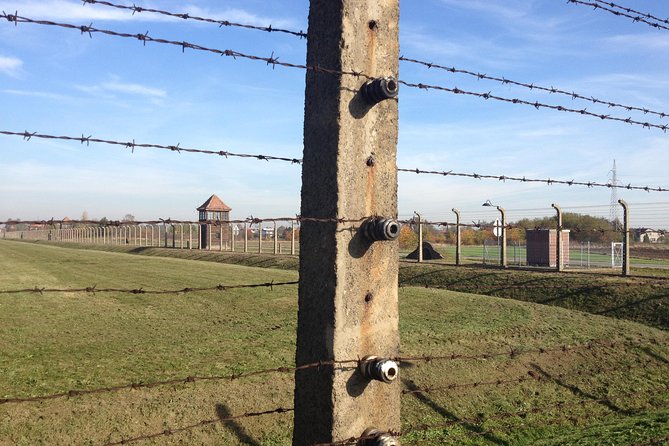
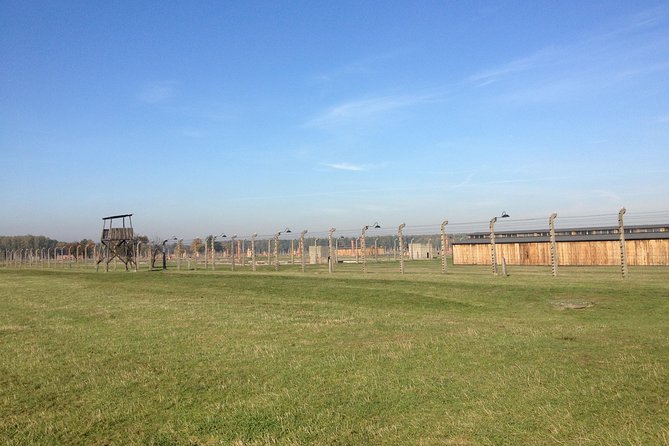
After Auschwitz I, the tour continues to Auschwitz II-Birkenau. The two sites are close but have a different feel. Birkenau is much larger and more open, with long lines of fencing, watchtowers, barracks, the central railway tracks, and the remains of crematorium buildings.
This is where good footwear becomes essential. Much of the visit takes place outside, and the walking can be tiring. In summer, you may have little shade, so carry water and bring a hat, sunglasses, sunscreen, and an umbrella if the forecast calls for heat or rain.
The railway tracks are especially powerful because they show how prisoners were brought into the camp. Walking toward the memorial area along those tracks can become a kind of memorial walk, particularly when the guide allows silence rather than filling every moment with speech.
Birkenau also makes the scale of the camp easier to grasp. At Auschwitz I, the blocks create a contained sense of confinement. At Birkenau, the fences and open ground stretch outward, making the system feel vast and industrial.
The guide discusses the guard towers and the way the camp operated. You also see the ruins and remains connected with the crematoriums. At the end of the visit, the memorial provides a place to pay respects to those who were killed.
The Birkenau portion can be demanding in poor weather. One summer visitor found the heat exhausting and wished for more time to rest. Another visit was affected by fading light, which meant the guide had to skip portions of the site. If you can influence your departure time, earlier is likely to be more comfortable for walking and visibility, though the operator controls the final schedule.
More Auschwitz memorial visits:
- Krakow: Auschwitz Birkenau Museum Guided Tour with Pickup
★ 3.6 · 544 reviews - Krakow: Auschwitz-Birkenau Tour & Museum Expert Guide
★ 5.0 · 498 reviews - Auschwitz Birkenau Guided Tour Small Group with Hotel Pick up
★ 4.5 · 446 reviews - From Krakow: Auschwitz-Birkenau Memorial and Museum Tour
★ 4.6 · 75 reviews
How the seven-hour schedule feels
The complete outing lasts about seven hours, including transport, entry procedures, the guided visit, and the return to Krakow. The museum portion is listed at about three hours, which sounds generous until you consider the two separate sites, security and movement between areas, group pacing, and the amount of material on display.
A break of about 25 to 30 minutes is commonly the only real pause. Food and drinks are not included, and you should not expect to eat on the bus. Bring water and buy food before departure, since food options at the camp are limited and prices near the site may be higher.
You will want to use the break wisely. It is a chance to eat, drink, use facilities, and prepare for the outdoor walking at Birkenau. Do not count on finding a full meal whenever you want one.
The transport is generally described as punctual and comfortable, but the vehicle can make a major difference. One person found the back row extremely cramped, with very little legroom during the long ride in both directions. If you are tall or traveling with older relatives, ask about the vehicle or seating when you confirm the pickup.
The maximum group size is 30 people. That is large enough to affect the pace, but headsets help you follow the guide when the group spreads out or when other groups are nearby.
Guides, headsets, and the human side of the visit
The guide is the most important part of this experience. The physical site is powerful on its own, but the interpretation determines how well you understand what happened and how respectfully the visit unfolds.
The strongest guide reports describe people who were warm without being casual about the subject, precise without sounding mechanical, and willing to answer questions. Tomas was praised for his passion and personal sense of connection. Patrycja was credited with keeping the group informed and on time. Pawel was described as disciplined, helpful, and respectful.
Names and assignments can change, so you should not book expecting a particular person. Still, the range of positive feedback suggests that the operator has several strong guides working across the tour.
Headsets are included. That small feature matters. You can hear explanations while standing at the edge of a group, and the guide does not need to raise their voice over nearby parties. The downside is that you still need to stay close enough to know where the group is going, especially at Birkenau.
The tone should be solemn. Some guides build in silence at key places, which can be more effective than a nonstop stream of facts. I appreciate a tour that lets you think, rather than treating every pause as a problem to fill.
Price and practical value at $83.44
At $83.44 per person, this is not the cheapest possible way to reach Auschwitz-Birkenau. You are paying for transport from Krakow, museum admission, a live English-speaking guide, headsets, and the convenience of having the day organized around the official visit.
I think the price can be fair if you value simplicity. You do not need to arrange your own vehicle, find the museum, coordinate the two sites, or work out how to return to Krakow. A guide also helps you make sense of the exhibits and gives the visit a clear structure.
The value is weaker if you mainly want unlimited time. The schedule is fixed, and you may need to move with the group even when you would prefer to linger. The minibus ride can also be uncomfortable depending on the seat and vehicle.
For families, first-time visitors to Poland, and anyone who wants historical context, the organized format makes sense. Children and teenagers need to be ready for upsetting material. One family brought children aged 11 and 13 and felt the visit gave them an important lesson, but each family should decide what is suitable for its own children.
What to bring and how to behave
Wear comfortable shoes. You will walk through buildings and across outdoor paths, and the second site can be tiring.
Pack water and food for the break. Add sun protection in warm weather and a rain layer when the forecast is uncertain. Bring a picture ID, since one booking message specifically advised this, and keep your phone available for the final departure message.
Dress modestly. This is a memorial and former killing site, not a casual tourist stop. Quiet, respectful behavior matters, especially near the memorial, Block 11, the railway, and the crematorium remains.
Allow yourself some quiet time after returning to Krakow. The tour ends in central Krakow at 2 Wielopole Street, regardless of whether you began with hotel pickup or at the main meeting point. You may not feel like rushing straight into another activity.
Should you book this Auschwitz-Birkenau tour?
I would book it if you want a guided, organized visit from Krakow and accept that the day will be physically tiring and emotionally difficult. The combination of transport, admission, English guidance, headsets, and both camp sites makes it a practical choice at $83.44.
I would hesitate if you need a flexible schedule, dislike group transport, or want long stretches of private reflection. In that case, the fixed pace, short break, possible minibus crowding, and late confirmation of the departure time may frustrate you.
For the best experience, keep the evening before free, check the final message, arrive 15 minutes early, bring water and food, and prepare for a serious day. Auschwitz-Birkenau deserves time, attention, and respect. This tour gives you a well-organized way to make that visit.
FAQ
How long does the Auschwitz-Birkenau tour from Krakow last?
The full experience lasts about seven hours, including transportation between Krakow and Oswiecim and the guided visit at Auschwitz I and Auschwitz II-Birkenau.
What is included in the price?
Transportation in an air-conditioned vehicle, admission to the museum complex, a local live English-speaking guide, and headsets are included. Food and drinks are not included.
Where does the tour depart from?
The main departure information gives Parking Kiss&Ride at 2 Wielopole Street, next to the Main Post Office, as the meeting point. Another supplied meeting-point reference gives 7 Powisle Street at the bus park opposite the Sheraton Grand Krakow. Check your confirmation for the address assigned to your booking.
Is hotel pickup available in Krakow?
Pickup is available from selected Krakow hotels. You should provide your hotel details and contact the supplier at least 24 hours before the tour to confirm pickup availability and timing.
When will I receive the exact departure time?
The booked time is tentative. The operator sends the exact departure time by 7 p.m. on the day before the activity. Pickup may take place between about 30 and 40 minutes before the stated departure time when hotel pickup is arranged.
How large is the group?
The tour can have a maximum of 30 people. Headsets are provided so you can hear the guide more clearly during the walking tour.
Can I cancel for a refund?
You can cancel at least 24 hours before the experience begins for a full refund. Cancellations or changes made less than 24 hours before the start time are not accepted for a refund.
Just added around Krakow
- Schindler’s Factory Skip-the-line Museum Ticket★ 4.9 · 15 reviews
- Schindler’s Factory Museum Guided Tour – Krakow★ 4.5 · 15 reviews
- Krakow: Schindler’s Factory Museum Guided Tour★ 4.1 · 86 reviews
- Schindler’s Factory Museum in Krakow – Guided Tour★ 4.3 · 33 reviews
- Krakow: Rynek Underground Museum Skip-the-line Guided Tour★ 4.7 · 138 reviews
- Krakow: Vodka Factory Museum Entry Ticket and Tasting★ 4.3 · 75 reviews
- Krakow: Rynek Underground Museum Guided Tour & Stories★ 4.8 · 26 reviews
- Krakow: Skip-the-Line Rynek Underground Museum Guided Tour★ 4.7 · 26 reviews
Museum Tours in Krakow, compared.
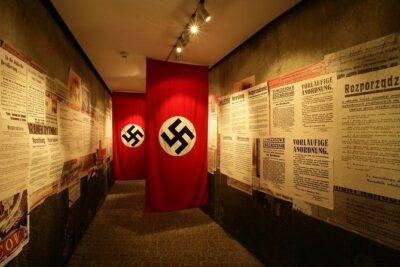
Schindler’s Factory in Krakow: Guided Tour & Skip the Line Ticket
Read our review →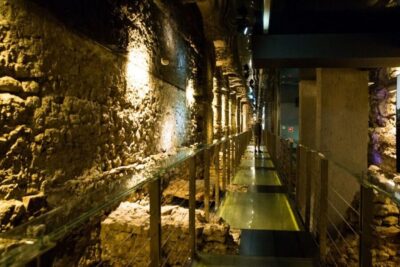
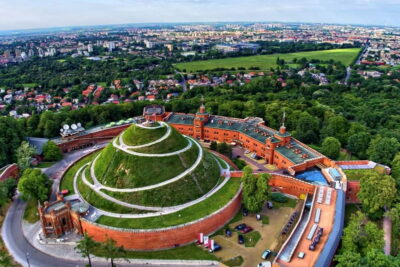
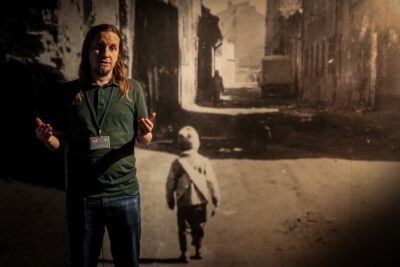
Krakow Schindler’s Factory Museum Guided Tour in English
Read our review →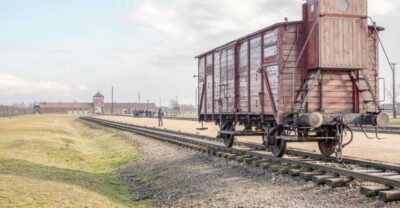
Auschwitz Birkenau Museum Guided Tour with Pickup
Read our review →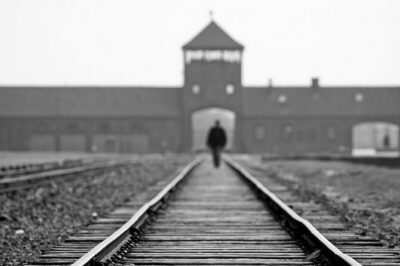
Auschwitz Birkenau Guided Tour Small Group with Hotel Pick up
Read our review →
Browse the lists this tour appears in