
Review · KRAKOW
From Krakow: Auschwitz-Birkenau Memorial and Museum Tour
Auschwitz is not a sightseeing stop in the usual sense. It is a place of evidence, memory, and human suffering, and this seven-hour tour takes you through both Auschwitz I and the vast Birkenau site. I like the two-part itinerary and the way guides such as Sylvie, Jacek, and Joanna have been praised for explaining difficult material with care. I also like having transport from Krakow, since the sites are well outside the city.
The main drawback is the pace. You walk a lot, spend much of the day outdoors, and may find Auschwitz I crowded when several groups are inside. The 15-minute break is short, so bring food and water with you.
Key points at a glance
- Two camp sites in one day: Visit Auschwitz I and Auschwitz II-Birkenau, with transport between the two areas.
- Personal stories alongside historical facts: The guide connects prisoners’ experiences with buildings, exhibitions, and memorials.
- A seven-hour commitment: Departures may be scheduled between 6 AM and 3 PM, with the exact time subject to change.
- Small bags only: Bags must be no larger than 30 x 20 x 10 centimeters, or they must remain on the bus.
- A serious, well-handled subject: Guides are expected to discuss the Holocaust with care, without turning the visit into a rushed checklist.
- Good value for a full day: At $81 per person, the cost covers transport, a guide, museum entry arrangements, and onboard WiFi.
Why Auschwitz requires a full day from Krakow
Auschwitz lies in Lesser Poland, outside Krakow, so the transport is more than a minor convenience. It saves you from arranging your own connection and gives the day a clear structure. The air-conditioned vehicle includes WiFi, and the professional English-speaking driver handles the road while your guide provides context during the journey.
The total duration is seven hours. That includes travel, entry procedures, the two camp sites, and the short break. You should not treat this as a quick morning outing. The timetable can change, and departures from Krakow may fall anywhere between 6 AM and 3 PM, so check your final starting time carefully.
The optional hotel pickup is useful, but you must contact the operator no later than 24 hours before departure if you want to ask about it. Otherwise, your meeting point may be a central location or another designated place, depending on the option booked.
More Museum Tours in Krakow
- Schindler’s Factory in Krakow: Guided Tour & Skip the Line Ticket
★ 4.5 · 1,714 reviews - Auschwitz-Birkenau Museum and Memorial Guided Tour from Krakow
★ 4.5 · 1,510 reviews - Krakow: Rynek Underground Museum Guided Tour
★ 4.6 · 1,122 reviews
Auschwitz I, the first part of the visit
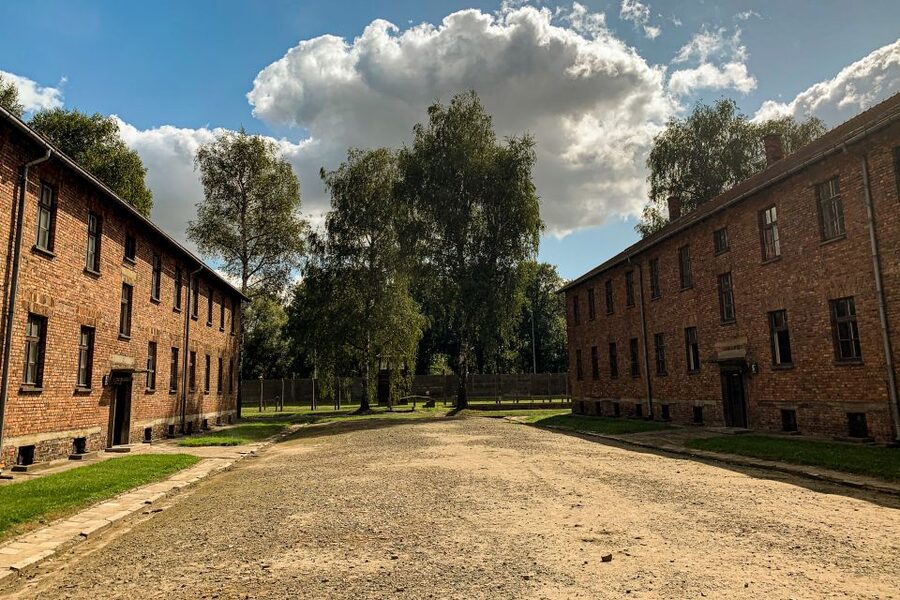
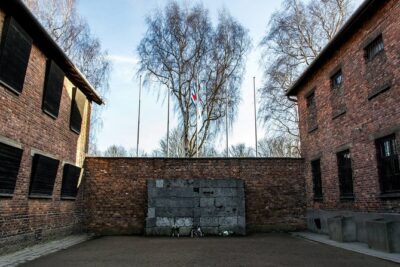
Auschwitz I is the older camp complex and the part most people picture first. You pass through the former camp grounds and see prison buildings, exhibitions, dormitories, and preserved sections connected with the camp’s operation.
The buildings make the history physical. Instead of only hearing dates and figures, you see the spaces where prisoners were confined and the machinery of persecution that the Nazis created here. Exhibitions trace the lives of individual prisoners, helping you focus on people rather than only on the scale of the crime.
The tour also includes former gas chambers and other sites connected with mass murder. This is difficult material, and the tone of the guide matters. Guides including Sylvie, Jacek, and Joanna have been praised for clear explanations and sensitive handling of the subject. You can expect a serious presentation rather than casual commentary or a rushed list of facts.
Auschwitz I can feel crowded, especially when several guided groups move through the same buildings. That may limit how long you can pause for a photograph or stand alone with your thoughts. I would choose this tour for its structure and guidance, not for a quiet, private visit.
Birkenau and the scale of the killing center
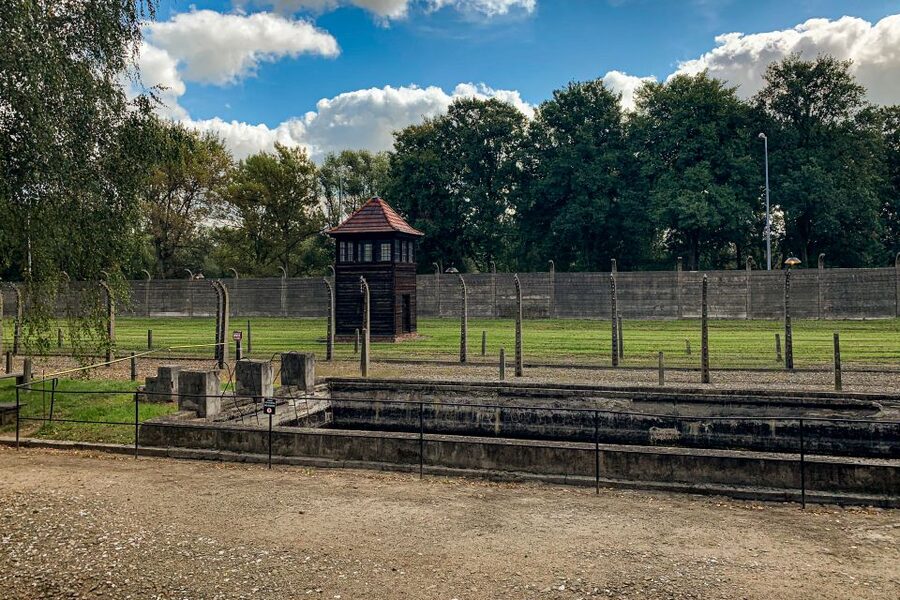
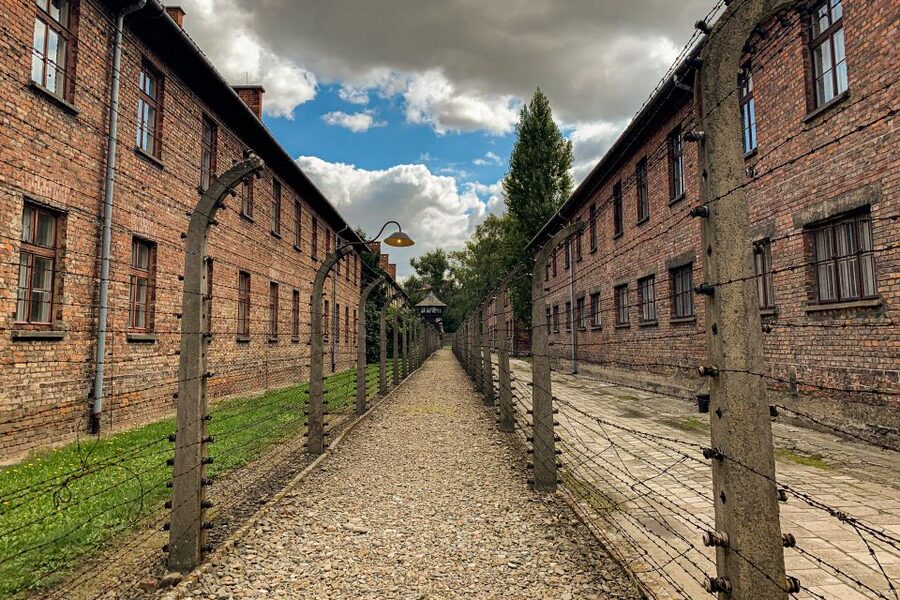
Auschwitz II-Birkenau gives the day a different weight. The site is much larger and more open, with remains of watchtowers, fences, barracks, railway facilities, and gas chambers. The size of Birkenau is hard to grasp from a photograph. Walking through the grounds shows how the camp was designed on a scale intended to process and murder huge numbers of people.
The surviving structures are often incomplete. That absence is part of the site’s meaning, since much was destroyed or damaged as the Nazis attempted to erase evidence. Your guide helps explain what the remaining buildings and ruins represented, and how Birkenau functioned alongside Auschwitz I.
The memorial areas honor people murdered at the camps. These stops are not simply scenic pauses. They give you space to consider the names, communities, and families behind the numbers. The experience is strongest when you allow time for silence rather than trying to record every part of the visit with your camera.
Birkenau is largely outdoors. In cold or wet weather, the fences, open paths, and exposed ground can make the day physically demanding. In warmer weather, sun and walking still take a toll. Wear comfortable shoes and bring clothing suited to the forecast.
The Holocaust context and liberation of 1945
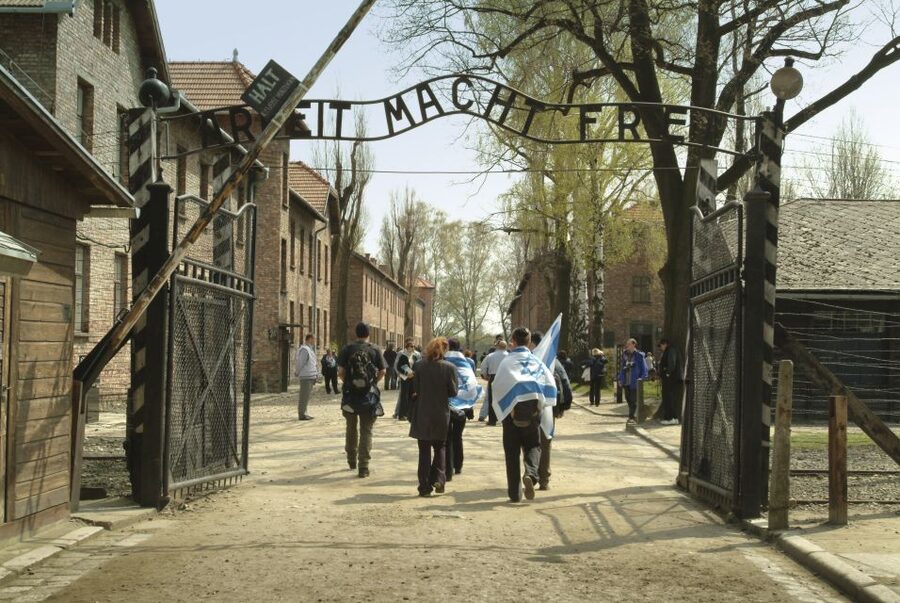
The camp was established by the Nazis in 1940 near the city of Auschwitz, which had been incorporated into the German Reich. From 1942, it became one of the main centers of the Nazi plan to murder Jews from territories under German control.
The site also held prisoners from many groups persecuted by the Nazi regime. The guide’s job is to connect the political history with the human stories presented inside the buildings. That context is important because the camp did not appear suddenly. It grew from Nazi rule, racial persecution, forced imprisonment, deportation, and organized murder.
The visit includes a documentary film about the first moments after the camp was liberated in 1945. It adds a record of what was found when the prisoners were freed and helps place the preserved site in its postwar history.
I value this historical frame because it prevents the visit from becoming a collection of grim rooms. You learn how Auschwitz developed, what it was used for, and why it later became a memorial and museum. The purpose is not only to show what happened, but to help you understand the system that made it possible.
More Auschwitz memorial visits:
- Krakow: Auschwitz Birkenau Museum Guided Tour with Pickup
★ 3.6 · 544 reviews - Krakow: Auschwitz-Birkenau Tour & Museum Expert Guide
★ 5.0 · 498 reviews - Auschwitz Birkenau Guided Tour Small Group with Hotel Pick up
★ 4.5 · 446 reviews - Auschwitz-Birkenau: Museum Entry Ticket with Guided Tour
★ 4.2 · 146 reviews
What the guide adds to the experience
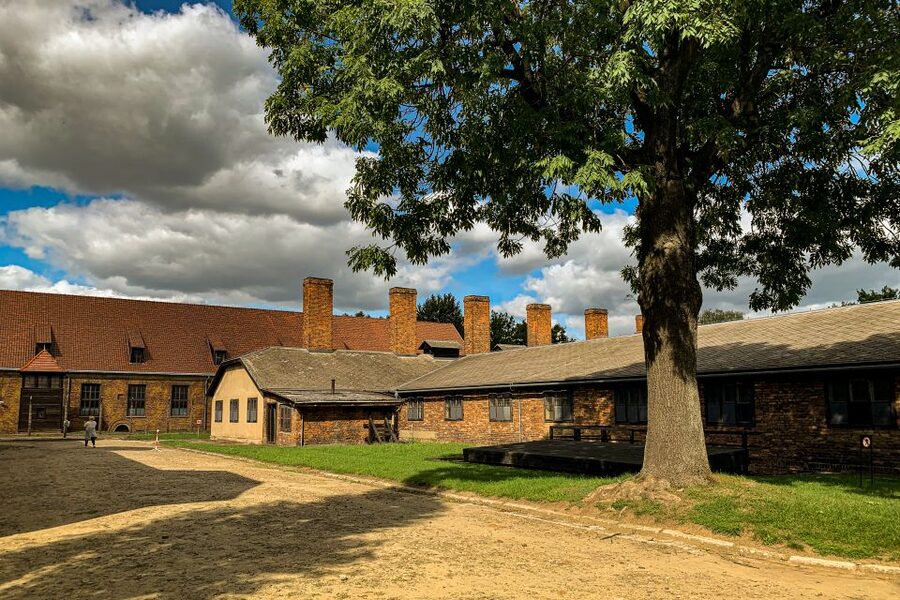
A self-guided visit would give you access to the same buildings, but the guide provides the thread that joins them together. The strongest parts of this tour are likely to be the explanations given as you move from one location to the next, especially when a building has little visible information on its own.
The guide may also speak during the bus journey. Andriani’s experience included historical information on the way to the memorial and reflective comments on the return journey. That makes better use of the travel time and gives you a chance to prepare for the visit before arrival.
Different guides bring different styles. Sylvie has been praised for clear planning and explanations. Jacek was described as thoughtful and well prepared, including help with the return arrangements. Joanna was noted for informative guiding. You should still expect a sober presentation, not entertainment.
The available guide languages are English, French, Spanish, Dutch, and Italian. Confirm your chosen language when booking, since the language affects how easily you can follow the details and ask questions.
Walking, food, bags, and photographs
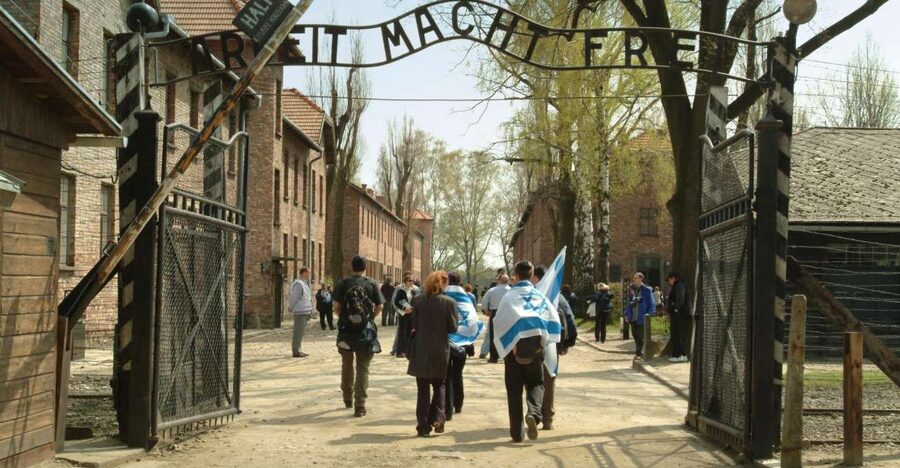
This is a walking tour across two former camp sites. Comfortable shoes matter more than stylish ones. You may spend a lot of time outside, so a jacket or other weather-appropriate clothing is sensible even during a mild season.
Bring a snack and a reusable water bottle. The tour includes only a 15-minute break for eating and drinking, and there is no food or drink included in the price. One practical mistake is assuming you will have plenty of time to buy something during the day. You may not, so pack what you need before departure.
Museum bag rules are strict. A backpack or handbag cannot exceed 30 x 20 x 10 centimeters. Larger bags must stay on the bus. This is worth planning around, especially if you are carrying cameras, extra clothing, medication, or supplies for a long day.
Photography is restricted in selected areas, and flash photography is forbidden inside the buildings. Follow the guide and museum instructions. This is a memorial, not a place for casual photo collecting, and some rooms are intended to be approached with particular respect.
Bring your passport or ID card. Every participant must provide a full name and contact details during booking, and the name must match the identification document used at entry. A mismatch can result in refused admission.
Is $81 a fair price?
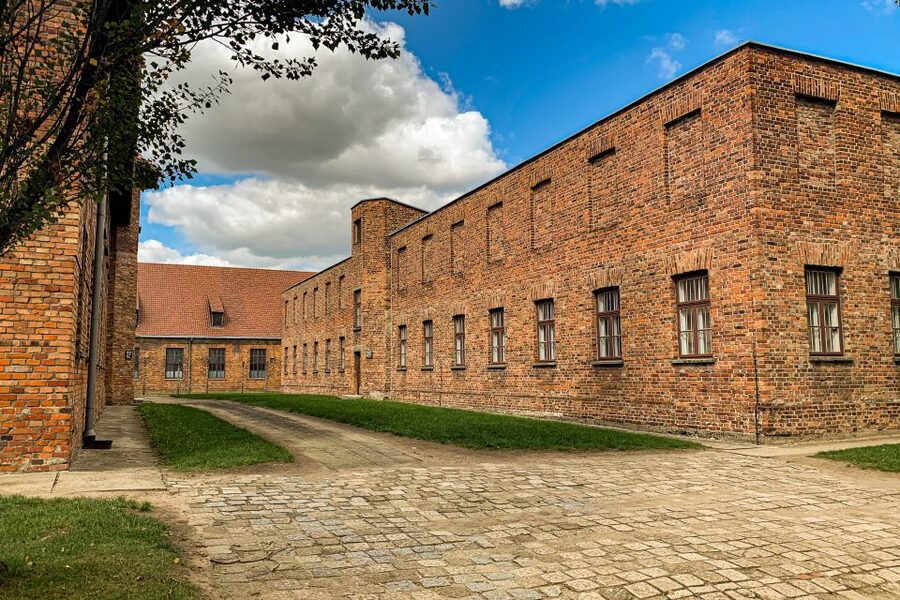
At $81 per person, this is not the cheapest way to reach Auschwitz. The price makes more sense when you count what is included: air-conditioned transport from Krakow, a professional driver, a live guide, museum entry arrangements, and WiFi on board.
The value is greatest if you want a prepared day with no need to manage transport between Krakow, Auschwitz I, and Birkenau yourself. It also suits you if historical interpretation matters. The guide gives the buildings and memorials a clear sequence, which can be especially helpful when the subject is too serious and complex to absorb casually.
The price is less attractive if you already have reliable transport and prefer to spend the entire day at your own pace. Auschwitz I may feel crowded, and the schedule does not offer much spare time. You are paying for organization and guidance as much as for the ride.
The non-refundable policy also matters. Museum tickets are tied to the participant’s identity details, and cancellation is not allowed under the stated terms. Check names, dates, meeting instructions, and pickup needs before paying.
Who should choose this tour?
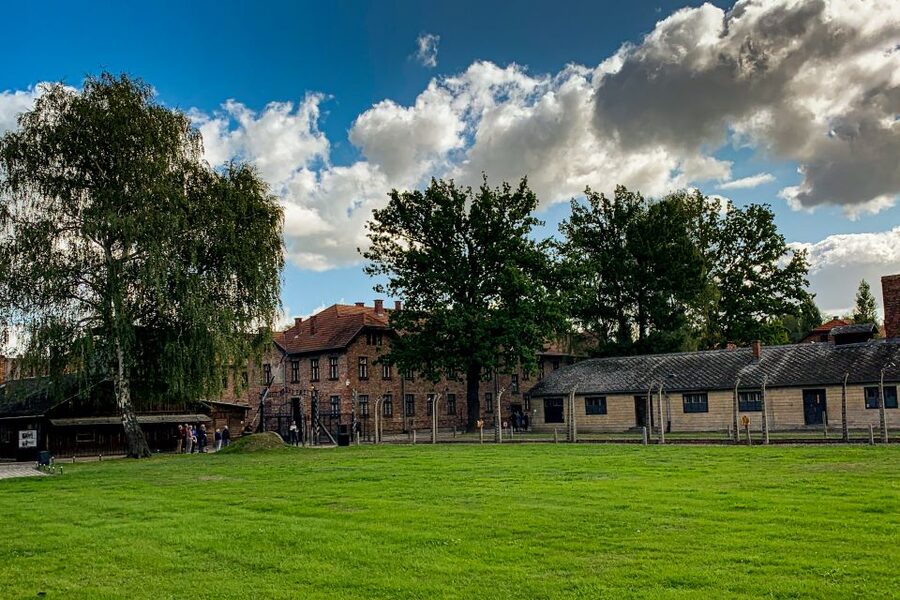
This experience suits adults and older teenagers who want a structured visit to both camp sites. It is not suitable for children under 15, and it is not designed for wheelchair users.
Choose it if you want:
- Both Auschwitz I and Auschwitz II-Birkenau in one organized day
- A guide to explain the Holocaust, individual prisoners, and the 1945 liberation
- Transport from Krakow instead of arranging the journey yourself
- A serious visit with a clear schedule
- The option of a multilingual guide
Think twice if you need a slow pace, frequent meal breaks, or extensive time for independent photography. The day is emotionally heavy as well as physically tiring. I would avoid scheduling another major activity that evening, especially if your departure is later in the afternoon.
How to prepare for a respectful visit
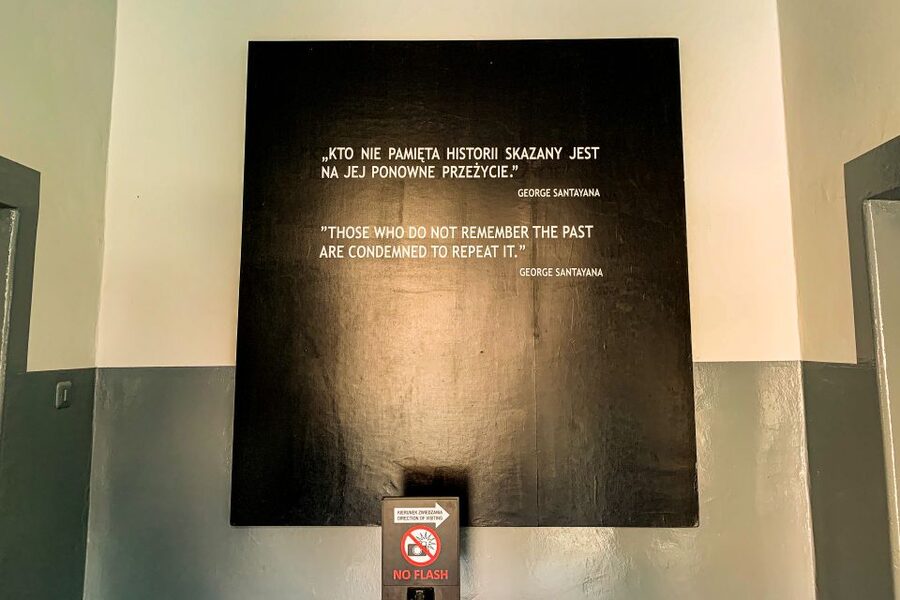
Read a short overview of the Holocaust before you go. You do not need to memorize dates, but basic context will help you understand the guide and exhibitions. Arrive ready to listen, follow museum rules, and give other people space.
Pack light. A small bag, water, a snack, identification, and weather-appropriate clothing are enough. Leave larger luggage elsewhere, since it cannot enter the museum buildings.
Expect silence, difficult images, and moments when the guide’s words may feel hard to process. You do not need to force yourself to photograph every site or keep moving at the same emotional speed as the group. Pay attention, ask respectful questions, and use the short break to eat and reset.
Should you book it?
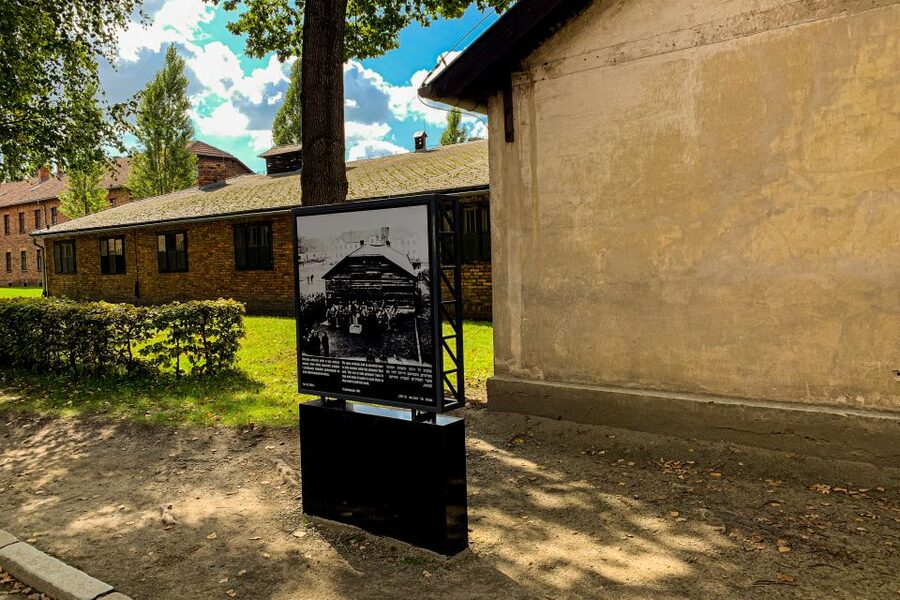
I would book this tour if you are staying in Krakow and want the simplest way to visit both Auschwitz sites with a guide. Its strongest features are the complete route, the practical transport, and the careful guiding associated with people such as Sylvie, Jacek, and Joanna.
I would not choose it if you need a flexible schedule or a quiet, unhurried visit. The day can be crowded, the break is brief, and the physical setting demands proper shoes and clothing.
For most visitors who want a serious, organized introduction to Auschwitz, $81 is a reasonable price. Prepare properly, bring food and water, and treat the day as a memorial visit rather than an ordinary excursion.
FAQ
How long does the Auschwitz tour from Krakow last?
The activity lasts seven hours, including transportation, the guided visit, and the time spent at Auschwitz I and Auschwitz II-Birkenau.
What sites are included?
The tour includes both parts of the former camp, Auschwitz I and Auschwitz II-Birkenau. It also includes museum exhibitions, former prison buildings, barracks, watchtowers, fences, gas chamber remains, memorials, and a documentary film about the liberation of Auschwitz in 1945.
What languages are available for the live guide?
Live guiding is available in English, French, Spanish, Dutch, and Italian.
Can I bring a large backpack?
No. Backpacks and handbags brought into the museum cannot exceed 30 x 20 x 10 centimeters. Larger bags must be left on the bus.
Should I bring food and water?
Yes. Food and drinks are not included, and the tour has only a 15-minute break for a snack and drink. A reusable water bottle and snack are specifically recommended.
Is the tour suitable for children or wheelchair users?
The activity is not suitable for children under 15 or wheelchair users. Infants must sit on an adult’s lap.
Just added around Krakow
- Schindler’s Factory Skip-the-line Museum Ticket★ 4.9 · 15 reviews
- Schindler’s Factory Museum Guided Tour – Krakow★ 4.5 · 15 reviews
- Krakow: Schindler’s Factory Museum Guided Tour★ 4.1 · 86 reviews
- Schindler’s Factory Museum in Krakow – Guided Tour★ 4.3 · 33 reviews
- Krakow: Rynek Underground Museum Skip-the-line Guided Tour★ 4.7 · 138 reviews
- Krakow: Vodka Factory Museum Entry Ticket and Tasting★ 4.3 · 75 reviews
- Krakow: Rynek Underground Museum Guided Tour & Stories★ 4.8 · 26 reviews
- Krakow: Skip-the-Line Rynek Underground Museum Guided Tour★ 4.7 · 26 reviews
Museum Tours in Krakow, compared.
Schindler’s Factory in Krakow: Guided Tour & Skip the Line Ticket
Read our review →
Auschwitz-Birkenau Museum and Memorial Guided Tour from Krakow
Read our review →
Krakow Schindler’s Factory Museum Guided Tour in English
Read our review →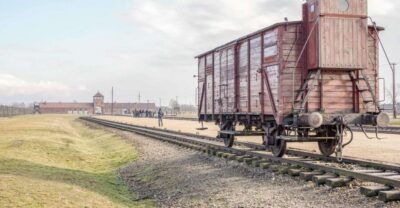
Auschwitz Birkenau Museum Guided Tour with Pickup
Read our review →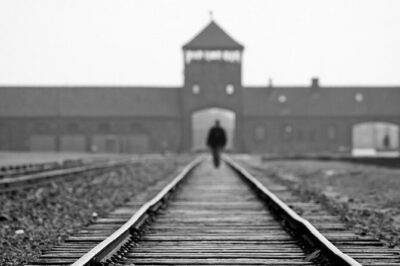
Auschwitz Birkenau Guided Tour Small Group with Hotel Pick up
Read our review →Browse the lists this tour appears in