
Review · KRAKOW
Krakow: Auschwitz Birkenau Museum Guided Tour with Pickup
Auschwitz Birkenau is not a sightseeing stop in the usual sense. It is a place of evidence, remembrance, and painful human stories. You will see barracks, watchtowers, railway ramps, crematorium remains, and personal belongings connected to the Nazi Holocaust.
I like the door-to-door transport, which removes the need to work out buses or trains from Krakow. I also like the small-group option and headset system, since a clear guide matters when you are moving through crowded museum rooms. The main drawback is timing: pickup hours can change sharply, and some departures begin around 4 or 6 in the morning.
Key points to know before booking
- Auschwitz I and Birkenau are both included, giving you the indoor museum displays and the wide, exposed camp grounds.
- The drive takes about 1.5 hours each way, so this is a full seven-hour commitment from Krakow.
- Guides such as Anna, Sofia, and Susannah have led departures, with English explanations and audio headsets used during the museum visit.
- Expect a lot of walking, uneven ground, steps, and weather exposure, especially at Birkenau.
- Your booking name must match your passport or ID, and the museum ticket cannot be refunded.
- The displayed price is $8 per person, but availability and departure prices can vary, so check the date carefully before paying.
Why this visit matters
Auschwitz was created by Nazi Germany during World War II as a concentration and extermination camp complex. The first prisoners arrived by train in 1941. Over the next four years, the site expanded into Auschwitz I, Auschwitz II Birkenau, and Auschwitz III, a forced-labor camp.
The camp was liberated in 1945, after thousands of prisoners had suffered physical and psychological abuse. The SS destroyed much of the evidence before leaving, but what remains is still overwhelming: buildings, photographs, documents, objects, railway facilities, and the layout of the camps themselves.
I find the value of this visit in the physical evidence. You are not simply hearing a lecture about the Holocaust. You are walking through the places where prisoners were held, transported, worked, starved, and murdered. That direct connection makes the visit difficult, but it also explains why Auschwitz remains an important memorial site.
This is not a fun day out, and it should not be treated like one. The guide’s job is to explain the facts with care and respect. Previous departures have included guides named Anna, Sofia, and Susannah, all described as clear and compassionate. The exact guide depends on the date and group.
More Museum Tours in Krakow
- Schindler’s Factory in Krakow: Guided Tour & Skip the Line Ticket
★ 4.5 · 1,714 reviews - Auschwitz-Birkenau Museum and Memorial Guided Tour from Krakow
★ 4.5 · 1,510 reviews - Krakow: Rynek Underground Museum Guided Tour
★ 4.6 · 1,122 reviews
The 1.5-hour journey from Krakow
The tour begins with pickup in Krakow. The stated meeting point is Straszewskiego 14, though the service also offers hotel pickup and drop-off. Confirm your exact pickup instructions before the day, since the time can change after booking.
The drive to Auschwitz is around 65 kilometers and takes approximately 90 minutes. A minivan or air-conditioned car handles the transport, usually with a small group. That format is easier than a large coach when the day involves several meeting points and timed museum entry.
The early start is worth considering. Some departures have been moved from a planned 10 a.m. pickup to around 6:15 a.m., while other groups have left as early as 4 a.m. The reason is practical: the museum opens early, and arriving for an earlier entry can reduce some waiting and leave part of your afternoon free in Krakow.
Still, do not book this tour assuming the displayed start time is final. Check your messages the day before and be ready for a change. The pickup operation has generally been described as reliable, but there have also been occasional timing mix-ups and confusion at the meeting point.
Your driver is more than a person behind the wheel. Drivers have helped groups find the right entrance, explained the day’s schedule, and dealt with delays or staffing problems. One driver even took an early-arriving group to a nearby McDonald’s for breakfast rather than leaving everyone sitting in the vehicle.
Auschwitz I, the first camp
Auschwitz I is the smaller and more built-up part of the memorial complex. This is where you will spend about 2.5 hours on a guided visit, including indoor exhibitions and the original camp structures.
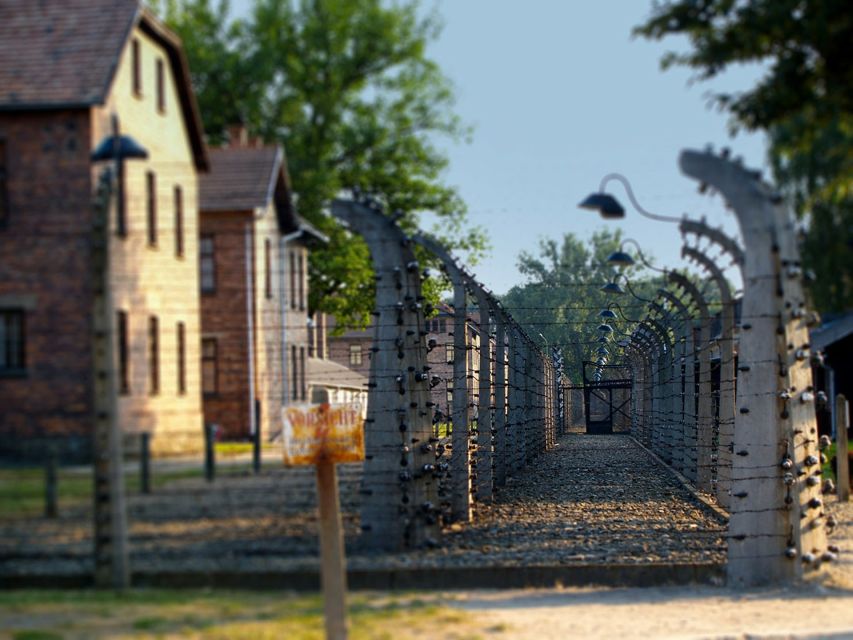
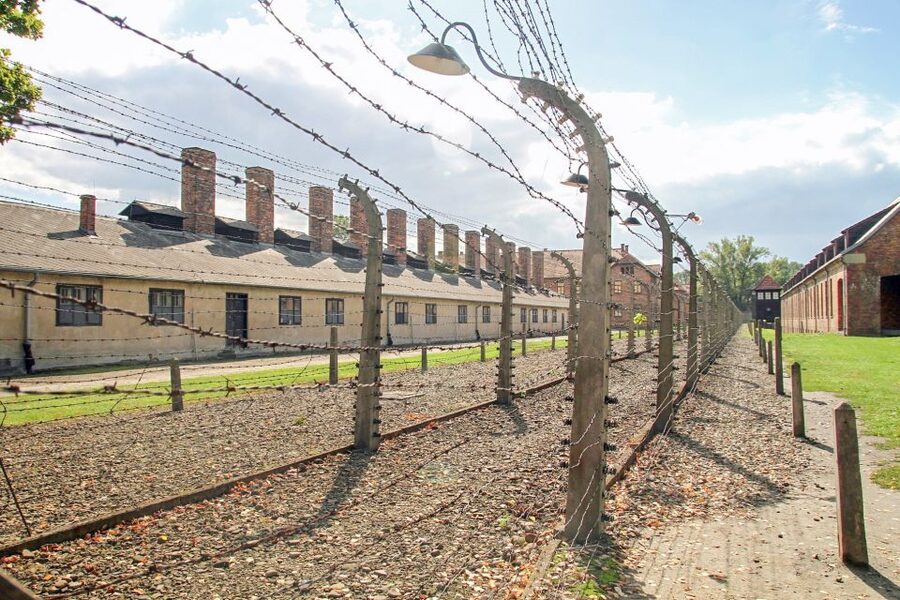
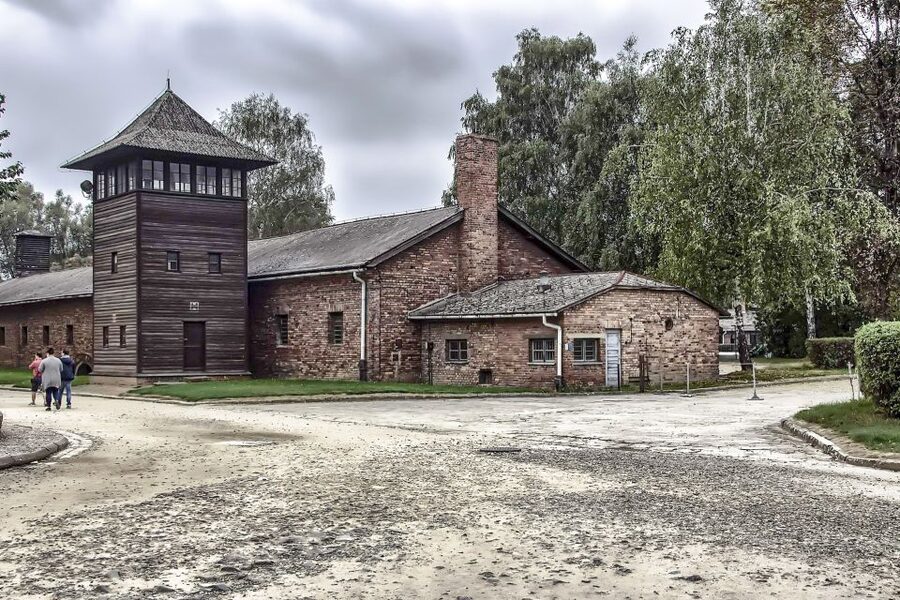
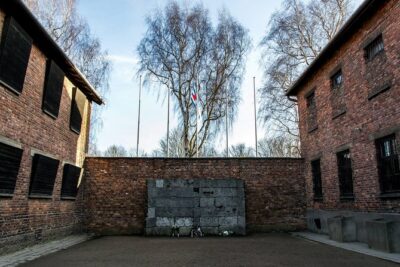
The brick barracks and rows of buildings make the camp feel controlled and institutional. Watchtowers, fences, gates, and signs show how prisoners were confined. The setting is orderly in a way that makes the crimes even harder to process.
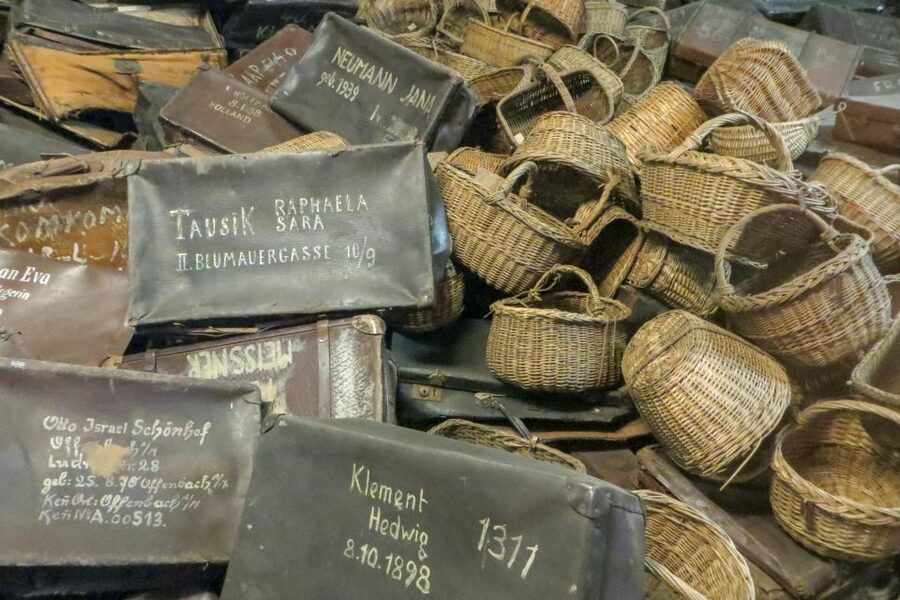
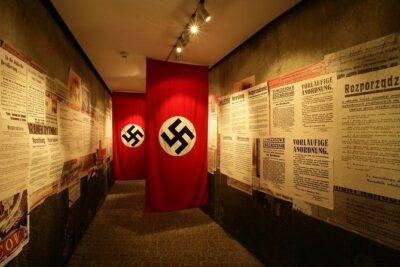
Inside, the exhibitions contain authentic evidence of what happened. You might see photographs, documents, clothing, luggage, shoes, and other personal items taken from prisoners. The objects are not presented as abstract museum pieces. They show the scale of the deportations and the fact that each person who arrived had a life, a family, and belongings.
Your guide explains the daily existence of prisoners: overcrowding, forced labor, hunger, punishment, disease, and the constant threat of death. This is where a strong guide makes a real difference. The facts are grim, and a good guide provides context without turning the visit into a rushed list of dates.
Headsets are used during the museum tour, making it easier to hear in crowded rooms. That matters because the buildings can be busy, and the guide may need to keep the group moving. At least one guide was described as moving quickly, so ask questions when you have the chance if you need more time with a display.
There is usually some waiting around the entrance and security areas. The museum draws a large number of people, and crowd control can feel less tidy than the tour itself. Your driver and guide help you get through the process, but you should allow patience for queues and timed access.
Birkenau and the railway ramp
After Auschwitz I, you travel a short distance to Auschwitz II Birkenau. The tour here lasts about one hour according to the stated itinerary, although the amount of time can vary by group and entry schedule. This is the part of the visit where the scale of the camp becomes most apparent.
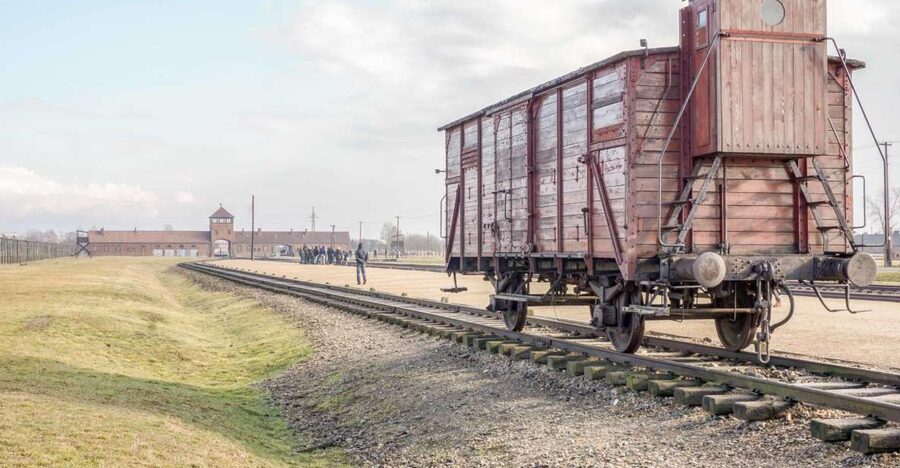
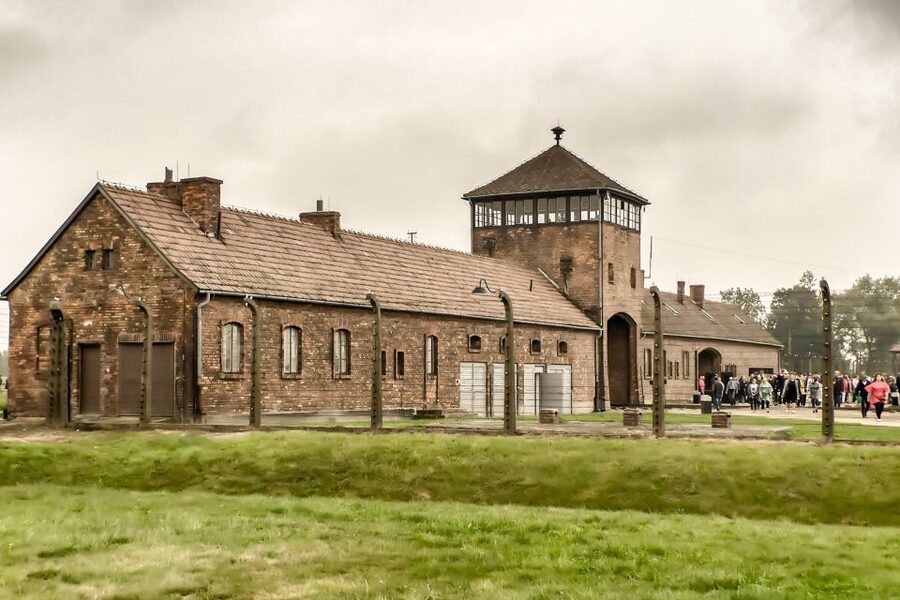
Birkenau is much wider and more open than Auschwitz I. The railway ramp cuts into the camp grounds, showing how prisoners were brought directly into the complex. This is the place associated with selections, when arriving people were divided according to Nazi racial policy and the demands of forced labor.
You will see barracks, watchtowers, fences, and the remains of gas chambers and crematoriums. Much of the site was destroyed, but the ruins are still powerful. The empty space is part of the message: an enormous camp once operated here, and the physical remains occupy only part of what existed.
Birkenau is exposed to the weather. In cold months, bring a hat, scarf, and warm layers. In wet conditions, the ground can become unpleasant, and the site includes uneven surfaces. Thick-soled, comfortable shoes are a smart choice. Thin soles can make the rocky paths uncomfortable, especially during a long day of walking.
The openness of Birkenau can also make the visit feel less structured. There are long distances between buildings, and you may spend time outside listening to the guide. Bring water with you, since access to drinks is limited once the tour is underway. A café and facilities are available at the Auschwitz I area, but you should not count on buying refreshments at the exact moment you want them.
More Auschwitz memorial visits:
- Krakow: Auschwitz-Birkenau Tour & Museum Expert Guide
★ 5.0 · 498 reviews - Auschwitz Birkenau Guided Tour Small Group with Hotel Pick up
★ 4.5 · 446 reviews - From Krakow: Auschwitz-Birkenau Memorial and Museum Tour
★ 4.6 · 75 reviews - Auschwitz-Birkenau: Museum Entry Ticket with Guided Tour
★ 4.2 · 146 reviews
A serious tour with a human guide
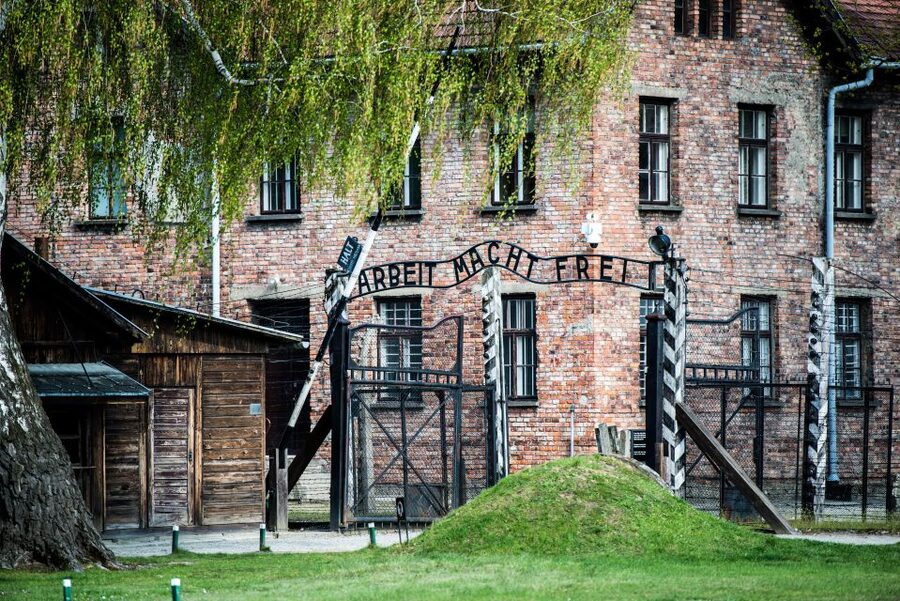
The guide is the heart of this experience. An audio guide is included, but you are not left to wander alone with a recording. An English-speaking guide leads the visit and explains the sites, the prisoner experience, and the evidence on display.
Guides named Anna, Sofia, and Susannah have received especially warm praise for clear English, strong subject knowledge, and a respectful tone. Susannah was described as emotional while explaining the atrocities, which some people may find human and appropriate, while others may prefer a more detached delivery.
The best guides tell the story from beginning to end. They connect the railway arrival, registration, camp life, forced labor, mass murder, and liberation rather than treating each building as a separate stop. That structure helps you understand how the camp worked.
Do not expect a leisurely pace. The museum is crowded, entry times are fixed, and the group has to stay together. The guide may move on before you feel finished with a display. If you want to ask something, do it promptly. This tour is designed to cover both camps in one day, not to provide unlimited time in each room.
The subject also demands a certain level of emotional preparation. You may find some displays upsetting, particularly the rooms containing personal possessions and the sections describing the gas chambers. Give yourself quiet time after the tour rather than scheduling another demanding activity immediately afterward.
Transport, group size, and the value of the price
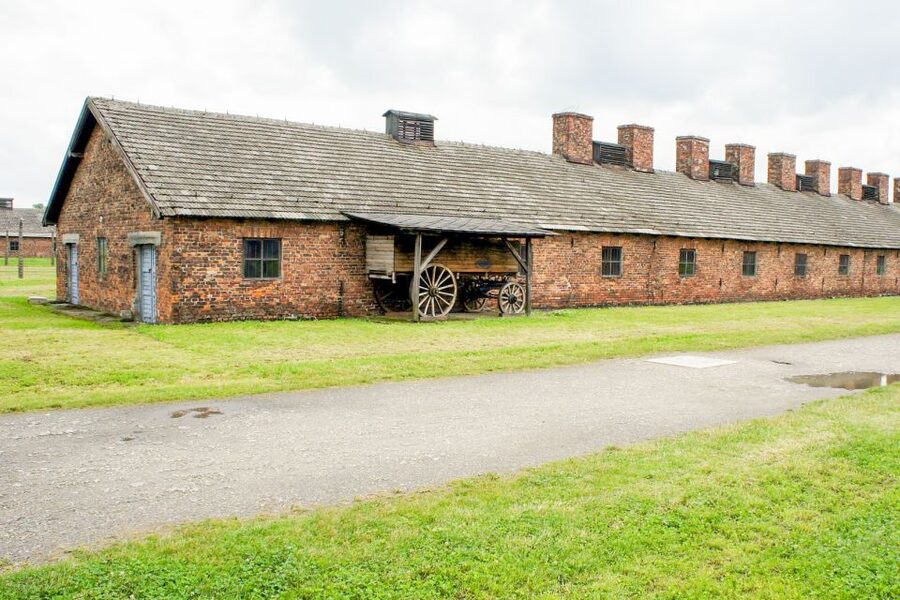
The listed price is $8 per person, which would be extremely low for a seven-hour day including transport, museum entry, and a guide. Prices can change based on demand, date, and how close you book, so treat that figure as a starting point rather than a guaranteed final cost.
The real value comes from convenience. You receive transport from Krakow, a driver who manages the route, museum admission, and a guided visit to both camps. Organizing all of that alone can be cheaper in some cases, but it requires more planning and leaves you responsible for timed entry, transfers, and getting back to Krakow.
A small group is another useful feature. You are less likely to feel lost than in a large coach party, and the driver can deal with practical problems more directly. The tradeoff is that small-group departures can still be affected by museum crowds. This is a high-volume site, and no tour operator can remove every queue.
The seven-hour length includes the two long road journeys. At the memorial itself, you should expect around 3.5 hours of guided touring, divided between Auschwitz I and Birkenau. That makes this a focused introduction rather than an all-day study visit.
What to bring and what to leave behind
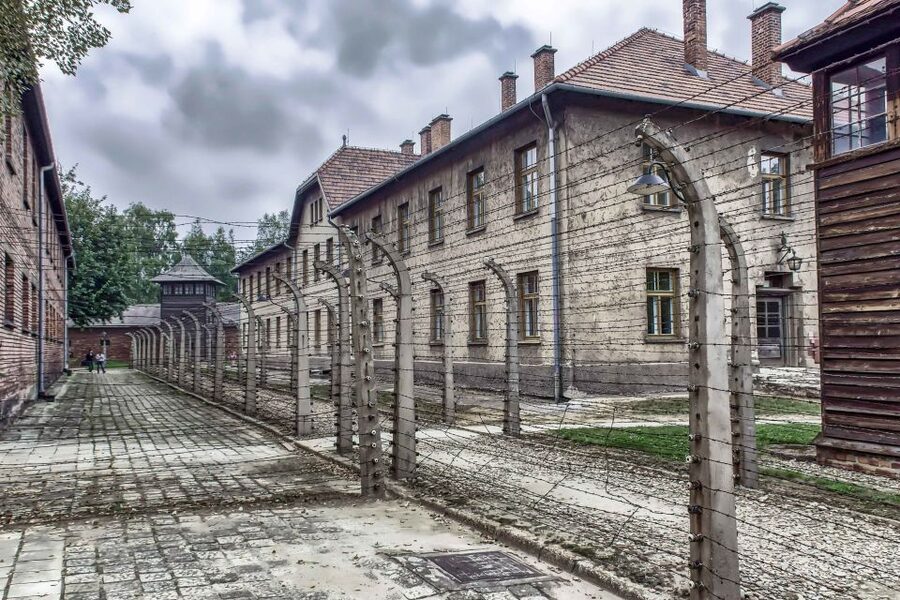
Bring a valid passport or ID card. The museum requires the full name and contact details of every participant, and entry can be refused if the name on the booking does not match the identification document.
Wear comfortable shoes with decent soles. This is not a quick walk between a few indoor rooms. You will walk across paved areas, rougher ground, steps, and open camp grounds. Weather-appropriate clothing matters just as much. Birkenau is exposed, and cold or wet weather can make the visit much harder.
A small bag is the safest choice. Large bags and luggage are not allowed, and one visitor had to pay to store a standard-sized backpack. Bring water, but do not plan on carrying a suitcase or large daypack.
Alcohol, drugs, and pets are not permitted. Student identification can qualify you for a youth discount, so bring valid proof if you intend to use one.
Who should choose this Auschwitz tour?
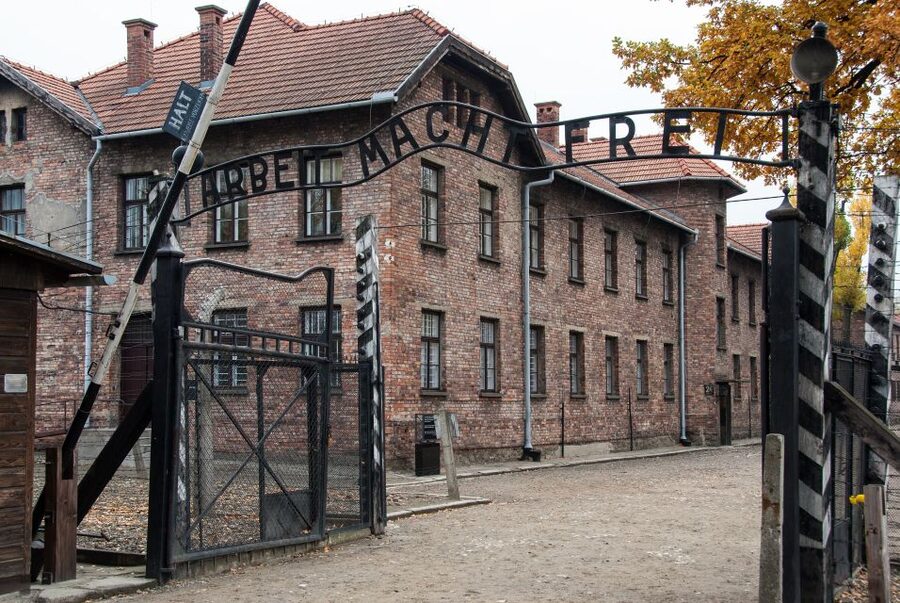
I would choose this tour if you are staying in Krakow and want the simplest way to visit both Auschwitz sites without arranging transport yourself. It suits first-time visitors who want an English guide, a structured explanation, and a driver handling the long return journey.
It also works well if you prefer an early start. An early entry can get you back in Krakow around early afternoon, leaving time for other plans. Just be prepared for a very early alarm and a possible change in pickup time.
This may not suit you if you want to spend a full day at the memorial or move at your own pace. The schedule is fixed, the guide may keep walking, and the combined visit can feel compressed. It may also be difficult for anyone who cannot manage extensive walking or outdoor exposure.
Do not combine it casually with another major excursion. Auschwitz and the Wieliczka Salt Mine, for example, are better treated as separate days. This visit is long, mentally heavy, and physically tiring enough on its own.
Should you book it?
Book this Auschwitz Birkenau tour if you value door-to-door service, an English-speaking guide, and a small-group vehicle more than complete freedom to set your own pace. The strongest parts are the coverage of both camps, the practical transport, and the guides who explain the evidence with care.
Before paying, confirm the pickup time, enter your name exactly as it appears on your ID, and accept that the ticket is non-refundable. Bring water, thick-soled shoes, and warm layers. If you can handle an early start and a serious subject, this is a direct and practical way to visit one of Europe’s most important memorial sites.
FAQ
How long does the Auschwitz Birkenau tour take?
The full activity lasts about seven hours, including roughly 1.5 hours of travel each way between Krakow and Auschwitz.
How far is Auschwitz from Krakow?
The distance is approximately 65 kilometers, and the drive usually takes around 1.5 hours each way.
Are both Auschwitz I and Auschwitz II Birkenau included?
Yes. The tour visits both Auschwitz I and Auschwitz II Birkenau, with guided touring at each site.
Is hotel pickup included?
Yes. Free hotel pickup and hotel drop-off are included. The stated meeting point is Straszewskiego 14 in Krakow, but you should confirm the exact pickup instructions.
What language is the tour conducted in?
The live tour guide speaks English, and an English audio guide is also included.
Do I need to bring identification?
Yes. Every participant must provide a full name and contact details during booking and bring a passport or ID card. The name on the booking must match the identification document.
Can I bring a large bag or luggage?
No. Large bags and luggage are not allowed. Bring only a small bag and leave larger items elsewhere.
Can I cancel the booking or get a refund?
No. The activity is non-refundable, and the museum requires non-refundable tickets. Check the date, pickup details, and participant names carefully before purchasing.
Just added around Krakow
- Schindler’s Factory Skip-the-line Museum Ticket★ 4.9 · 15 reviews
- Schindler’s Factory Museum Guided Tour – Krakow★ 4.5 · 15 reviews
- Krakow: Schindler’s Factory Museum Guided Tour★ 4.1 · 86 reviews
- Schindler’s Factory Museum in Krakow – Guided Tour★ 4.3 · 33 reviews
- Krakow: Rynek Underground Museum Skip-the-line Guided Tour★ 4.7 · 138 reviews
- Krakow: Vodka Factory Museum Entry Ticket and Tasting★ 4.3 · 75 reviews
- Krakow: Rynek Underground Museum Guided Tour & Stories★ 4.8 · 26 reviews
- Krakow: Skip-the-Line Rynek Underground Museum Guided Tour★ 4.7 · 26 reviews
Museum Tours in Krakow, compared.
Schindler’s Factory in Krakow: Guided Tour & Skip the Line Ticket
Read our review →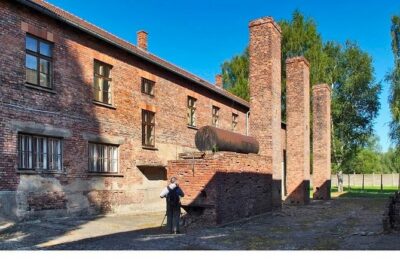
Auschwitz-Birkenau Museum and Memorial Guided Tour from Krakow
Read our review →
Krakow Schindler’s Factory Museum Guided Tour in English
Read our review →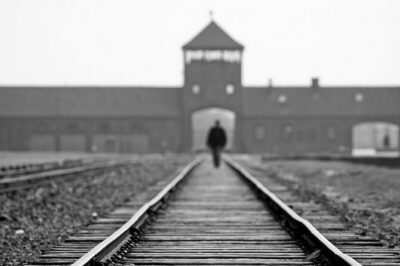
Auschwitz Birkenau Guided Tour Small Group with Hotel Pick up
Read our review →
Browse the lists this tour appears in