
Review · SPAIN
Jose Saramago House and Library Museum Tickets
José Saramago’s former home gives you something most literary sights cannot: the setting where a Nobel Prize winner actually lived and worked. At Casa José Saramago, you move from his personal office to the library where he wrote his final two novels, then out into a garden shaped by Lanzarote’s volcanic character.
I like the family memories and Nobel Prize photographs, which make Saramago feel like a real person rather than a name on a book jacket. I also like the chance to see his library and admire works by artists such as Joan Miquel Ramírez. The main drawback is the short weekday schedule, with visits ending at 13:30, so you need to plan your morning carefully.
Key points to know before you go
- Saramago’s working home: See the office where he lived among family photographs and portraits of writers he admired.
- The final two novels: Visit the library built in 2006, where he wrote The Elephant’s Journey and Cain.
- A volcanic garden: The outdoor space adds Lanzarote’s stark natural character to the literary visit.
- Guided or auto-guided: You can choose a more explained visit or explore at your own pace.
- A small, focused experience: Plan on about one hour, with a maximum group size of 15 people.
- Morning-only access: The house is open for this visit from Monday to Friday, and visiting hours finish at 13:30.
Why Saramago’s house feels different from a standard museum
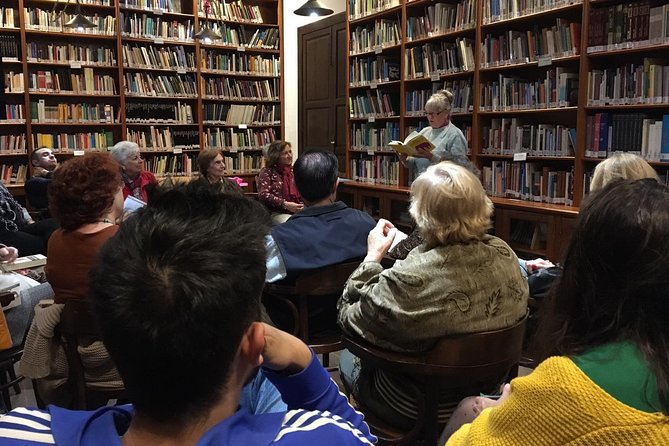
Casa José Saramago is not simply a display of books, awards, and framed photographs. It is a house museum built around the writer’s daily life in Lanzarote, where he spent the last 18 years of his life.
That difference matters. You are not only learning when Saramago won the Nobel Prize in Literature in 1998. You are seeing the rooms and objects connected with his writing life, including his office, his family memories, and the people whose work he admired.
I find literary homes most useful when they show routine rather than just achievement. Here, the office and library help you picture the writer at work. The visit also has enough art and outdoor space to keep it from feeling like a narrow book display.
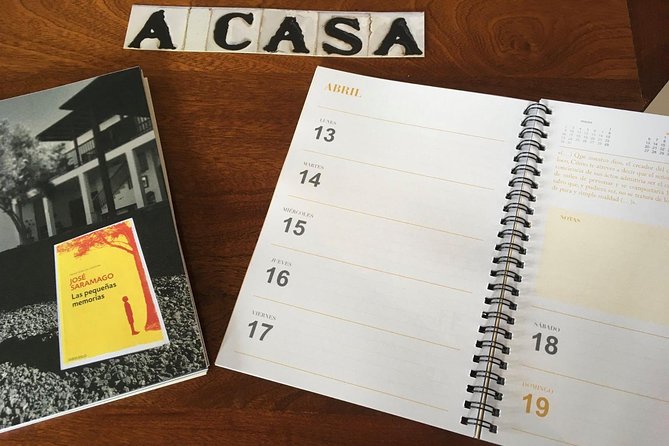
The museum is known as A Casa, and its character is tied closely to anecdotes, culture, and literature. You should come expecting a quiet, concentrated cultural stop rather than a large museum with many separate galleries.
A few more museum visits around Spain worth comparing
- Madrid: Prado Museum Entry Ticket
★ 4.6 · 20,699 reviews - Barcelona: FC Barcelona Museum “Barça Immersive Tour” Ticket
★ 4.4 · 10,944 reviews - Madrid: Reina Sofía Museum Entrance Ticket
★ 4.5 · 8,788 reviews
The office: family memories, admired writers, and the Nobel years
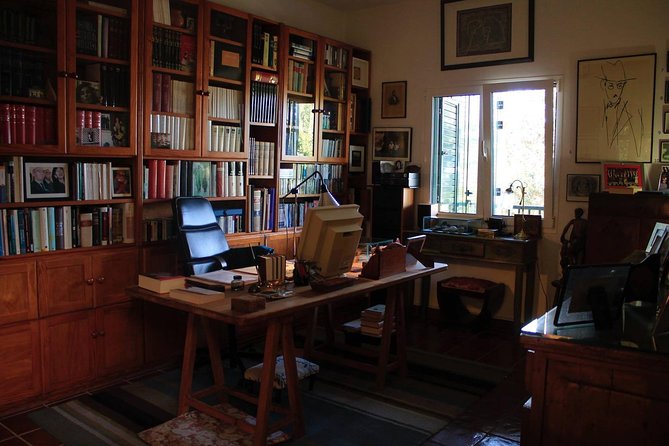
The office is the most personal part of the visit. It contains family memories, portraits of writers Saramago admired, and photographs from the period when he received the Nobel Prize in 1998.
The portraits of Kafka, Proust, and Tolstoy are especially telling. They give you a small window into the literary company Saramago kept in his imagination. These are not random decorations. They help place his own work within a wider European and international reading life.
The family photographs add a different tone. Awards can make a writer seem remote, but personal images bring the visit back to ordinary life. You can look at the office as both a working room and a family space, which gives the museum more warmth than a formal literary memorial.
If you have read Saramago, this room will likely carry extra weight. You can connect the setting with the voice and ideas in his books. If you have not read him, the displays still offer a clear introduction to the person behind the Nobel Prize.
The museum allows photography and video, provided no underage person appears in the images. That is useful if you want to remember particular objects or views, but it is worth keeping your camera use considerate inside a private-feeling home.
The 2006 library and the final two novels
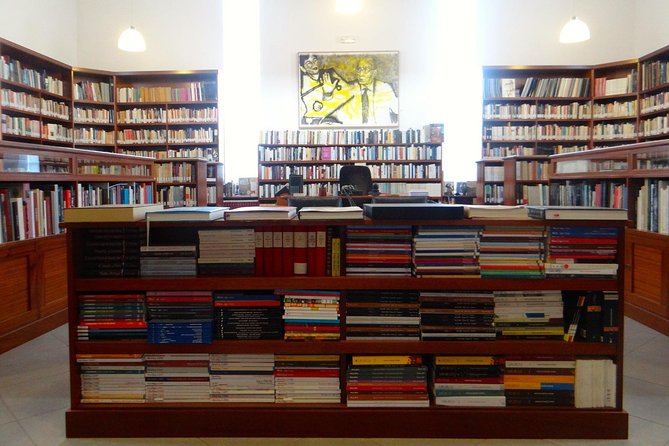
The library is the intellectual center of the house. Built in 2006, it is where Saramago wrote The Elephant’s Journey and Cain, two of his final novels.
That detail gives the room a clear purpose. You are not looking at a library assembled only for display. You are seeing the place connected with the last stage of his writing career.
For readers, the library may be the most important stop. It brings together the physical setting of the books, the writer’s later life, and the question of how a novelist continues working into old age. Even a short visit can make the writing process feel more immediate.
The room also helps explain why the experience works well for people who enjoy literature but do not want a long museum program. There is a direct line from the house to the books. You can spend time with the setting, think about Saramago’s career, and leave with a sharper sense of place.
A meeting room contains an engraving by Xingjian. The supplied information identifies the artist as Goa Xingjian, though the name is also commonly written Gao Xingjian. Either way, the engraving adds an artistic element beyond Saramago’s own books and papers.
Artworks by Joan Miquel Ramírez and others
The house is not devoted only to writing. You can also see artworks by painters such as Joan Miquel Ramírez.
This matters because the museum presents Saramago’s home as a cultural space, not just a preserved office. Art gives the rooms another layer and offers something for visitors who may know little about the novels.
You should not expect a major art collection or a full gallery visit. The attraction is the relationship between the art, the house, and the writer’s surroundings. The pieces help create the atmosphere of a lived-in intellectual home.
I like this balance. A literary museum can become repetitive if every object is a manuscript or photograph. The artworks break up that pattern and give your eyes another way to read the space.
Same city, a completely different collection:
- Barcelona: Park Güell and Gaudí House Museum Entry Ticket
★ 4.5 · 6,326 reviews - Seville: Puro Flamenco Show with Optional Museum Ticket
★ 4.8 · 6,088 reviews - Barcelona: Picasso Museum Skip-the-Line Guided Tour
★ 4.5 · 3,355 reviews - Moco Museum Barcelona: Modern & Contemporary Art
★ 4.6 · 3,229 reviews
The garden and Lanzarote’s volcanic setting
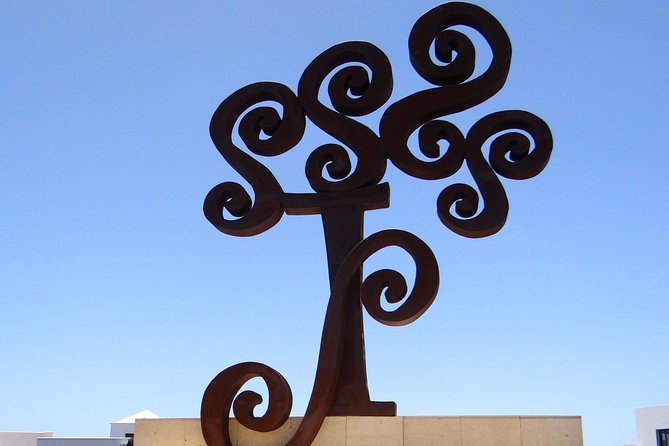
After the indoor rooms, the garden gives you a change of pace. It also brings Lanzarote into the experience.
The garden offers views of volcanic scenery, a strong contrast to the intimate rooms of the house. Lanzarote’s dark, spare volcanic setting is not just a backdrop here. It helps explain the sense of place around Saramago’s later life.
You can use the garden to slow down after the office and library. The indoor displays ask you to focus on photographs, portraits, books, and art. Outside, the volcanic setting gives you room to look outward.
The information provided does not promise a large garden tour or extensive botanical displays, so I would treat the garden as part of the atmosphere rather than as a separate major attraction. Its value comes from the view and the connection between home, writer, and island.
Guided or auto-guided, which works best for you?
The visit can be guided or auto-guided. That gives you some flexibility, but the exact format may affect how much context you receive during your hour.
A guided visit suits you if you want anecdotes, explanations of the rooms, and help understanding the importance of the office and library. The strongest part of the experience is not simply seeing objects. It is understanding why they matter, especially the Nobel photographs, the writers’ portraits, and the library tied to the final novels.
An auto-guided visit suits you if you prefer to set your own pace. You can spend longer with the office, move more quickly through the art, or give extra time to the garden. It may also work well if you are visiting with people who have different levels of interest in literature.
The available information does not name the guide, so you should not plan around a particular host. One written account praised the warm welcome and the passion used to explain the visit, which suggests that the human side of a guided format can add real value. Still, the booking information does not guarantee a named guide or a specific language beyond English being offered.
How much time to allow and when to arrive
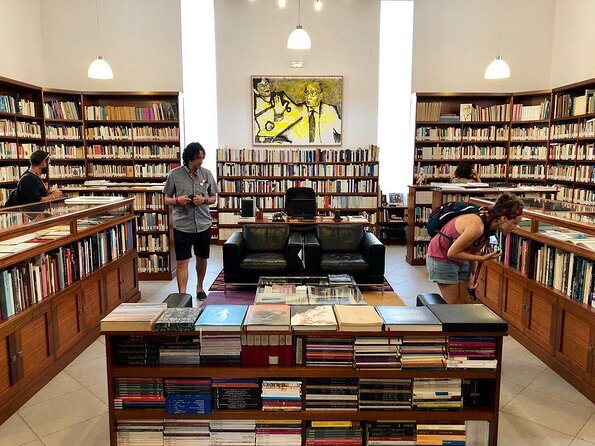
The visit lasts about one hour. That is enough time for the main rooms, library, meeting room, garden, and shop, but you should not treat it as an all-day museum outing.
The hours are the most important practical point. Visits run Monday to Friday from 10:00 to 13:30, and the visiting period finishes at 13:30. If you arrive in Lanzarote expecting an afternoon stop, this attraction may not fit your plan.
I would aim for a morning arrival rather than cutting it close to the closing time. That gives you room to see the house without rushing and leaves time for the shop. It also protects you from losing the visit if your bus or other plans run late.
The experience is offered in English, and the small group limit is 15 people. A group of that size should feel more manageable than a large coach visit, particularly inside a private home. The actual pace can still depend on whether your visit is guided or auto-guided.
Getting there by public transport
Transportation is not included, so you need to arrange your own way to the house.
The listed nearby bus services are lines 05, 19, and 60, with Tías Centro given as one stop and the 34 Tías soccer field stop also noted. The location is listed as Arrecife, while the transport information refers to Tías, so check the exact route and stop before setting out.
This is one area where a little planning pays off. The morning-only schedule means a missed connection can matter more than it would for an attraction open all afternoon. Give yourself enough time to find the house after getting off the bus, since the supplied information does not specify the walking distance from each stop.
The experience is described as suitable for most people, and it is near public transportation. No transportation pickup is included, so do not expect a hotel transfer or a ride bundled into the ticket.
Is $14.45 good value?
At $14.45 per person, this is a reasonable price for a one-hour cultural visit, especially if you have an interest in Saramago, modern literature, or writers’ homes.
The value depends on what you want from a museum. If you are looking for a large collection, many hours of exhibits, or a full-day attraction, the price may feel less compelling because the visit is short. If you value personal settings and a focused cultural stop, the cost is easier to justify.
You are paying for access to the house, office, library, garden, meeting room, and artworks, not for transportation. The shop is available for books and souvenirs, but purchases there are extra.
Children under 16 enter free, which makes the attraction more appealing for families who already have an interest in literature. Keep in mind that younger children may not connect with the subject as strongly as older children or adults, though the garden and short duration can make the stop easier than a long museum tour.
The reported rating is 4.5 from 12 ratings, with 92 percent recommending the experience. That is a positive signal, but the number of ratings is small. I would use it as support for the overall quality, not as a reason to ignore the practical limits of the schedule and duration.
Who will enjoy Casa José Saramago most?
This visit suits you best if you fit one or more of these descriptions:
- You have read Saramago and want to connect his books with the place where he lived and wrote.
- You enjoy writers’ homes, personal archives, and literary memorials.
- You like cultural sights that take about an hour rather than filling an entire day.
- You want a quiet stop with indoor rooms, art, and outdoor volcanic views.
- You are interested in the Nobel Prize and the people and books that shaped Saramago’s imagination.
You may want to skip it if your main goal is a long guided tour, a major art collection, or an attraction open late in the day. The experience is focused and time-specific. Its appeal comes from its personal scale.
A few practical tips for a better visit
Book ahead if the morning timing is important to your plans. The experience is booked on average seven days in advance, which suggests that leaving it until the last minute may not be wise during a busy period.
Read or revisit at least a little Saramago before you go if you have time. You do not need to know his complete work, but familiarity with The Elephant’s Journey or Cain will make the library more meaningful.
Bring a camera if you want to record the rooms or garden, but remember the rule about not showing underage people in photographs or videos. The shop is also worth allowing a few minutes for if you want a book or a small souvenir.
Finally, confirm your transport plan and the morning hours together. The attraction is small enough that the visit itself is simple. Getting there at the right time is the part that needs attention.
Should you book this experience?
I would book Casa José Saramago if you want a personal, literary stop in Lanzarote and can reach it during the weekday morning hours. The office, Nobel photographs, writers’ portraits, 2006 library, final novels, art, and volcanic garden give you several distinct reasons to visit within a compact hour.
The strongest case is for readers and culture-minded visitors who prefer real places connected with a person’s life. The main caution is practical: there is no transportation included, the visit ends at 13:30, and the experience is not designed to occupy a full day.
At $14.45, it offers good value when you treat it as a focused cultural visit rather than a major museum. Children under 16 enter free, English is offered, and cancellation is free up to 24 hours before the start time. If those conditions fit your schedule, this is a thoughtful addition to a Lanzarote day.
FAQ
Where is the José Saramago House and Library Museum?
The experience is listed in Arrecife, Spain. Nearby public transport information refers to Tías Centro and the 34 Tías soccer field stop, served by bus lines 05, 19, and 60.
How long does the visit take?
The visit lasts approximately one hour.
What are the opening hours?
Visits are available Monday to Friday from 10:00 to 13:30. Visiting hours finish at 13:30.
Is the experience guided?
You can take part in a guided or auto-guided visit. English is offered.
What does the ticket include?
The ticket includes entry to Casa José Saramago, including the house, library, garden, and museum areas.
Is transportation included?
No. Transportation is not included, but the house is near public transportation.
Can I cancel for a full refund?
Yes. You can cancel for a full refund if you cancel at least 24 hours before the experience start time. Cancellations or changes made less than 24 hours before the start time are not accepted for a refund.
Just added around Spain
- Girona, Figueres, Dalí Museum and Cadaqués Tour from Barcelona★ 4.5 · 36 reviews
- Football Club Barcelona Museum Immersive Tour Guided Visit★ 3.5 · 52 reviews
- Erotic Museum Admission Ticket with Audioguide★ 5.0 · 527 reviews
- Dali Museum and Costa Brava Small Group Day Trip from Barcelona★ 5.0 · 77 reviews
- Madrid by High-Speed Train with Prado Museum Private Tour★ 4.0 · 33 reviews
- Guitar Legends Hall: Entrance to the Immersive Rock Museum★ 5.0 · 25 reviews
- White Rabbit Museum: The Best Immersive Experience in Catalonia★ 5.0 · 538 reviews
- Private tour: Dali Museum in Figueres and Púbol Tour with Hotel pick-up★ 5.0 · 12 reviews
Museum Tours in Spain, compared.
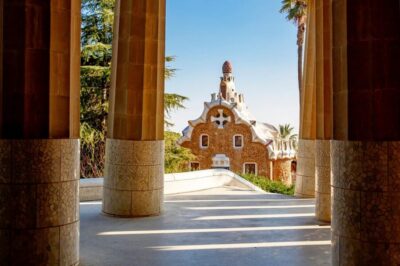
Park Güell and Gaudí House Museum Entry Ticket
Read our review →
Puro Flamenco Show with Optional Museum Ticket
Read our review →
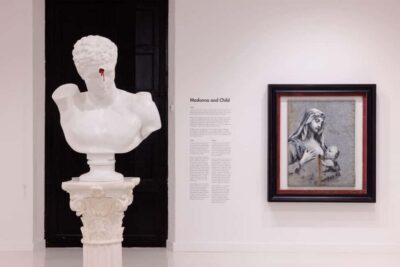
Moco Museum Barcelona: Modern & Contemporary Art
Read our review →
Girona & Dali Museum Small Group Tour with Pick-up from Barcelona
Read our review →
Valencia: Oceanogràfic, Hemisfèric & Science Museum Combo
Read our review →Browse the lists this tour appears in