
Review · AMSTERDAM
Amsterdam National Holocaust Museum and Memorial Entry Ticket
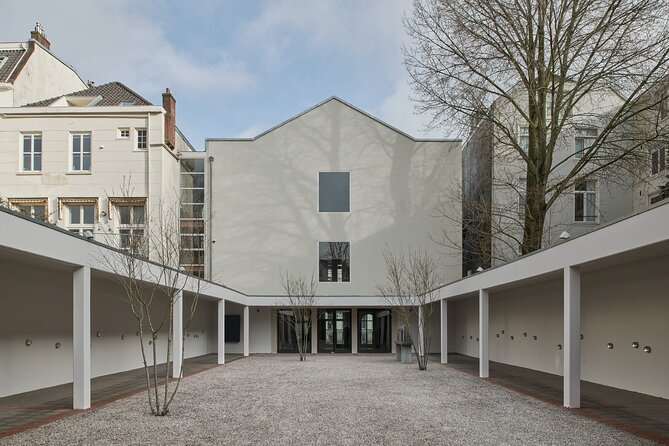
The most powerful part of this Amsterdam experience is its setting. The National Holocaust Museum occupies a former teacher training school that helped rescue Jewish children from the crèche next door. You then walk to the Hollandsche Schouwburg, where Jews were assembled before deportation. I like the personal stories and letters and the way the museum explains rescuers, collaborators, and the step-by-step course of the Holocaust. I also like having a timed ticket and audio guide, which let you take in difficult material at your own pace.
The main thing to consider is the English-only format. The audio guide adds useful context, but it will not help if you do not understand English, and it may not always point neatly to the object or display in front of you. Allow at least 1 hour 45 minutes for both locations, and give yourself quiet time afterward.
Key points to know before you book
- The former school tells a rescue story: Jewish children were smuggled from the neighboring crèche to safer places with help from the resistance.
- Two sites create a fuller picture: The museum explains the Holocaust in the Netherlands, while the Hollandsche Schouwburg remembers those deported.
- Your ticket is timed: You choose a prebooked entry slot for the National Holocaust Museum.
- The audio guide is in English: It supplies personal and historical context, but there is no live guide.
- The visit takes about 75 to 105 minutes: Plan roughly 1 hour 15 minutes in the museum and 30 minutes at the memorial.
- The experience is serious and emotional: It suits visitors ready to spend quiet, thoughtful time with painful material.
Why this Amsterdam Holocaust visit matters
Amsterdam’s Jewish history is often reduced to one famous address, but this experience gives you two different places connected to the persecution of Dutch Jews. That matters because the Holocaust was not one event seen from a single angle. It involved registration, confinement, deportation, resistance, collaboration, survival, and remembrance.
The National Holocaust Museum focuses on the story through changing exhibitions, personal accounts, art, photographs, letters, and other media. The Hollandsche Schouwburg brings you to a former theatre used as an assembly and detention point. Together, the locations move from explanation to commemoration.
I find that combination useful for a first visit. The museum gives you information to process, while the memorial gives you a quieter place to reflect on the human cost. This is not a quick photo stop. It asks you to slow down and pay attention.
More Museum Tours in Amsterdam
- Amsterdam: The Upside Down Museum Entrance Ticket
★ 4.4 · 9,506 reviews - Amsterdam: Red Light Secrets Museum Entry Ticket
★ 4.2 · 5,722 reviews - Amsterdam’s Weirdest Museum: Ripley’s Believe It or Not!
★ 4.5 · 4,920 reviews
Inside the National Holocaust Museum
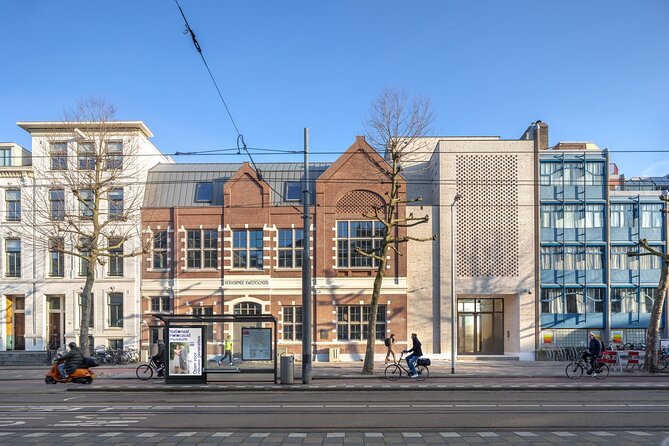
Your visit begins at the National Holocaust Museum in the former teacher training school. The building carries a painful connection to the nearby crèche, where Jewish children were held. With help from resistance workers, hundreds of children were smuggled out to places considered safer during the Second World War.
That rescue story gives the building a distinct character. You are not entering a neutral exhibition hall. The site itself is part of the story, and the museum uses that setting to examine both danger and acts of courage.
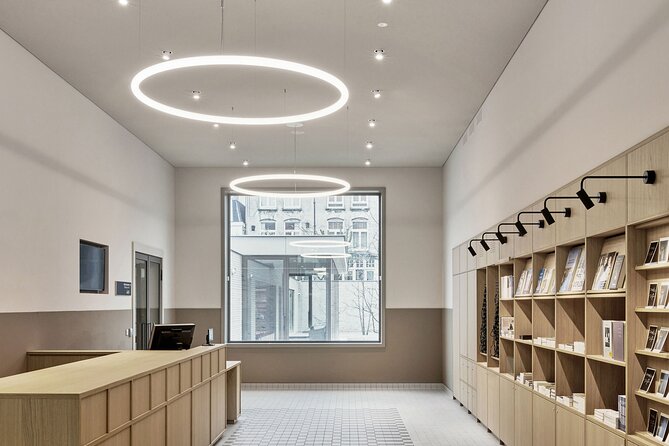
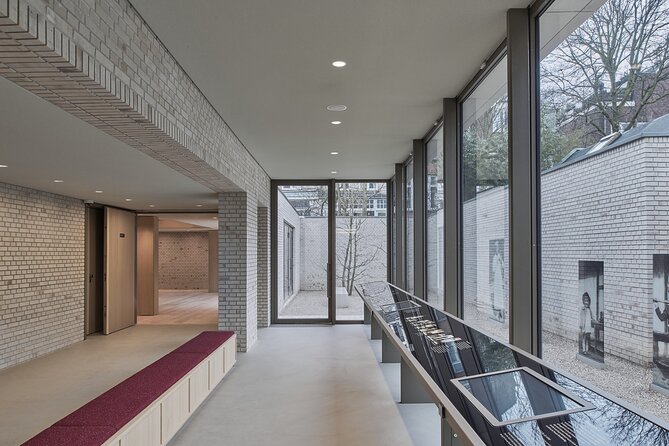
The museum presents the Holocaust in an artistic form, using personal accounts alongside historical material. You might encounter photographs, letters, artwork, and other media rather than a display made only of documents and numbers. Several visitors found the placement of the artifacts and the nearby explanations useful, while one pointed out that the ground-floor signs can feel numerous. If you try to read every panel, your visit may take longer than the estimated 75 minutes.
I suggest choosing your pace before you begin. You can listen closely to the audio guide and focus on the most important objects, or read more broadly and accept that you will not absorb every word. The subject is demanding, and rushing through the galleries simply to finish every label can make the experience less meaningful.
How the audio guide shapes the visit
The audio tour is included in the ticket, and it is one of the most useful parts of the experience. It adds background to the displays and gives personal stories more room to breathe. One especially positive response described the handheld audio system as a way to make the messages come alive.
The guide is offered in English. If you do not speak English, you should plan around that limitation, since the supplied information does not indicate other audio languages. A visitor traveling with a Spanish-speaking mother found that the lack of Spanish made the guide difficult to use.
The audio does not appear to be perfectly matched to every item or location. One visitor found that the narration sometimes failed to connect clearly with the object in front of them. That is a manageable flaw, but it means you should look around, check the display labels, and not assume every recording corresponds exactly to the nearest object.
There is no live guide included. That gives you privacy and control, which can be helpful with emotional material, but you will need to manage the sequence yourself. The small group limit of 15 people should help keep the setting calm, though the ticket itself is primarily timed museum entry rather than a guided group tour.
The personal side of the exhibition
The museum’s strongest feature is its use of individual lives to explain a vast crime. Letters, photographs, and first-person accounts can show what broad statistics cannot: a family being separated, a child being hidden, or a person trying to understand a danger that kept growing around them.
The focus is not limited to photographs of atrocities. It also traces the chronological progression of the Shoah in the Netherlands and considers rescuers and collaborators. That gives you a wider frame for understanding how persecution worked and how ordinary choices affected Jewish lives.
This approach may feel different from another Holocaust museum you have visited. If you expect a display centered mainly on graphic evidence, you may find this presentation more restrained. That is not a weakness, but it is worth knowing. The museum emphasizes stories, chronology, art, and context, and it treats the material with a quiet seriousness.
The emotional effect can be strong. Visitors with Jewish family connections may find the museum especially personal, but you do not need a family link to understand its importance. Give yourself space to listen and pause. The experience is not designed as light sightseeing between canals and cafés.
More war and memorial museums in Amsterdam:
- Amsterdam: National Holocaust Museum Entry Ticket
★ 4.7 · 413 reviews - 9/11 Memorial Museum Admission Ticket
★ 4.5 · 6,376 reviews - Caen: Guided D-Day Sites Tour & Caen Memorial Museum Ticket
★ 4.8 · 498 reviews - Auckland War Memorial Museum Entry Ticket
★ 4.5 · 293 reviews
Walking to the Hollandsche Schouwburg
The second stop is the Hollandsche Schouwburg, a former theatre that the occupying forces used as an assembly point for Jews during the Second World War. Tens of thousands of people were held there before deportation to concentration and extermination camps.
The location changes the mood of the visit. At the museum, you are studying events through exhibitions and accounts. At the Schouwburg, you are confronting a place where people were gathered while facing an unknown fate. The building’s former public purpose makes the wartime use even more disturbing.
The visit here takes about 30 minutes. That is enough time to see the memorial and its exhibition without turning it into a long second museum session. The main focus is the wall of names commemorating Jewish victims. Reading names can be slower and more affecting than scanning a general panel, so do not treat the half hour as a strict limit.
Admission to the Hollandsche Schouwburg is included and listed as free within this experience. You do not need to buy a separate ticket for the memorial as part of this visit.
The wall of names and the value of a second site
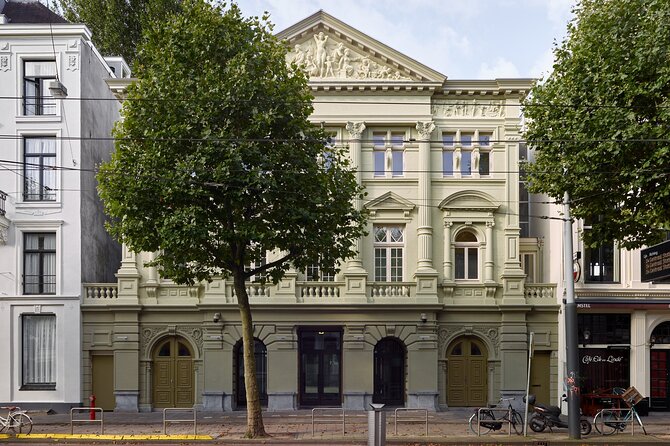
The wall of names is the emotional center of the Schouwburg. It brings the subject back to individual people after the museum has explained systems, dates, and events. A name is small on the page, but thousands of names together make the scale of loss difficult to ignore.
I recommend saving enough energy for this stop. Some people spend their attention on the museum and then hurry through the memorial, but the two sites work best as one visit. The first location helps you understand. The second asks you to remember.
This pairing also gives you a more complete view of the Holocaust in the Netherlands. The National Holocaust Museum includes stories of rescue and resistance. The Hollandsche Schouwburg shows the machinery of assembly and deportation. Neither site alone offers the same balance.
Price, time, and what your ticket covers
The listed price is $24.03 per person. For that amount, you receive entry to the National Holocaust Museum, entry to the Hollandsche Schouwburg memorial, and the English audio tour. You are paying for two connected sites rather than one standard museum admission.
The value depends on how much time you give it. At only 30 minutes, the price may feel high for the amount you see. At the full estimated duration of 1 hour 15 minutes to 1 hour 45 minutes, the ticket becomes more reasonable, especially since it includes both locations and the audio guide.
The timed entry is useful if you are building a busy Amsterdam day. This experience is commonly booked about 21 days ahead, so popular times may not remain open at the last minute. Confirmation arrives when you book, and the ticket is mobile, which keeps the process simple.
The ticket does not include a guided tour, the Jewish Museum, or the Portuguese Synagogue. Those are separate attractions, so check your plans carefully if you want to visit all four sites. The museum and memorial are near public transportation, and service animals are allowed. Most people can participate, but the subject matter itself is the more important consideration than physical difficulty.
How to plan a respectful visit
Choose a time when you are not racing toward another appointment. The museum estimate is 75 minutes, followed by about 30 minutes at the Schouwburg, but the emotional pace can be slower than the clock suggests.
Wear something comfortable and keep your phone use to a minimum once you enter. The mobile ticket is practical at the door, but the visit itself rewards attention away from screens. You may want to schedule a quiet café stop or an open block afterward rather than placing a loud group activity immediately after it.
You can combine this visit with Anne Frank House on another part of your Amsterdam itinerary, but do not assume the two experiences are interchangeable. Anne Frank House centers on one hiding place and one family story. This visit looks more broadly at the Holocaust in the Netherlands, including deportation, rescue, collaboration, and remembrance.
If you have children or teenagers with you, use your judgment based on age and readiness. The material is serious, and the museum does not turn it into an easy educational game. Older students who can engage with primary accounts may find it meaningful, but younger children may need preparation and support.
Who will get the most from this experience
This is a good choice for you if you want a focused Holocaust museum visit with clear historical context and a memorial site in the same booking. It also suits independent visitors who prefer an audio guide to a live group tour.
It is especially worthwhile if you want to understand more than the story of Anne Frank. The focus on chronology, rescuers, collaborators, and Dutch Jewish victims gives you a wider view of what happened in the Netherlands.
You may want to choose a different option if you need a guide in a language other than English, if you prefer a highly interactive museum, or if you have very little time. The exhibition can also feel poorly organized in places, and the audio guide may not always match the display directly in front of you.
The 97 percent recommendation rate and 4.8 rating suggest that the experience works well for most people, but the lower rating about organization is worth taking seriously. The subject matter is handled with care, yet the presentation may require patience and a little self-direction.
Should you book the National Holocaust Museum and Memorial?
Book it if you want a serious, compact visit that combines a museum with a place of remembrance. The former school, the rescue of children from the neighboring crèche, the personal accounts, and the wall of names at the Hollandsche Schouwburg give the experience real weight.
I would choose this ticket for a first Amsterdam visit focused on Jewish history, especially if you can reserve a suitable time and understand English well. Allow the full 1 hour 45 minutes, do not rush the memorial, and treat the audio guide as helpful support rather than a perfect route through every display.
Skip it only if your schedule is too tight for a thoughtful visit or if the English-only audio guide will prevent you from understanding the material. For most other visitors, the $24.03 cost is fair for two connected sites and a carefully presented account of one of Europe’s darkest chapters.
FAQ
How long does the Amsterdam National Holocaust Museum and Memorial visit take?
The National Holocaust Museum takes about 1 hour 15 minutes, and the Hollandsche Schouwburg takes about 30 minutes. The full experience lasts approximately 1 hour 15 minutes to 1 hour 45 minutes, depending on your pace.
What does the ticket include?
The ticket includes entry to the National Holocaust Museum, entry to the Hollandsche Schouwburg National Holocaust Memorial, and an audio tour.
Is a live guide included?
No. A live guided tour is not included. The experience provides an audio guide instead.
What language is the audio guide offered in?
The audio guide is offered in English. The supplied information does not list Spanish or other language options.
Does the ticket include the Jewish Museum and Portuguese Synagogue?
No. Access to the Jewish Museum and Portuguese Synagogue is not included.
Can I use a mobile ticket?
Yes. The experience provides a mobile ticket, and confirmation is received at the time of booking.
Is the experience accessible by public transportation?
The sites are near public transportation.
What is the cancellation policy?
You can cancel up to 24 hours before the experience start time for a full refund. Cancellations or changes made less than 24 hours before the start time are not accepted for a refund.
Just added around Amsterdam
- Van Gogh Museum Tour excluding Entrance Tickets★ 5.0 · 16 reviews
- Van Gogh Museum Entry Ticket and Guided Tour★ 4.5 · 48 reviews
- Van Gogh Museum with Audio Guide★ 3.5 · 80 reviews
- Amsterdam: Explore the Van Gogh Museum & His Masterpieces★ 3.5 · 64 reviews
- Van Gogh Museum Skip the Queue with Audio Guide★ 4.0 · 261 reviews
- Amsterdam Van Gogh Museum with Audio or Guided Tour★ 4.0 · 266 reviews
- Van Gogh Museum, Rijks Museum & Walking Tour – Private Day Tour★ 5.0 · 17 reviews
- Van Gogh Museum Ticket with Audio Guide and Unlimited Access Time★ 5.0 · 25 reviews
Museum Tours in Amsterdam, compared.

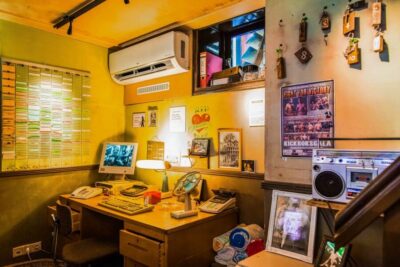

Amsterdam’s Weirdest Museum: Ripley’s Believe It or Not!
Read our review →
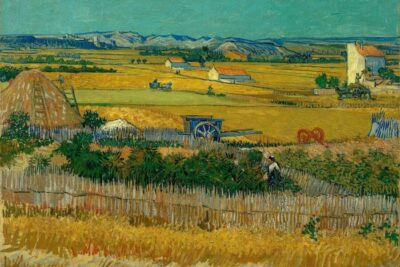
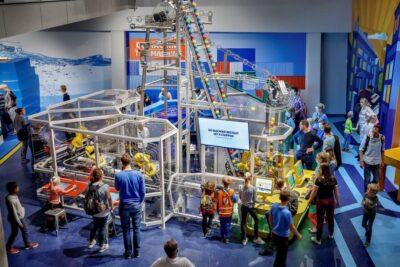
Van Gogh Museum Amsterdam Exclusive Tour w/ Reserved Entry
Read our review →
Moco Museum Amsterdam Admission Ticket with Banksy and more
Read our review →Browse the lists this tour appears in