
Review · STOCKHOLM
Stockholm: Skansen Open-Air Museum Admission Ticket
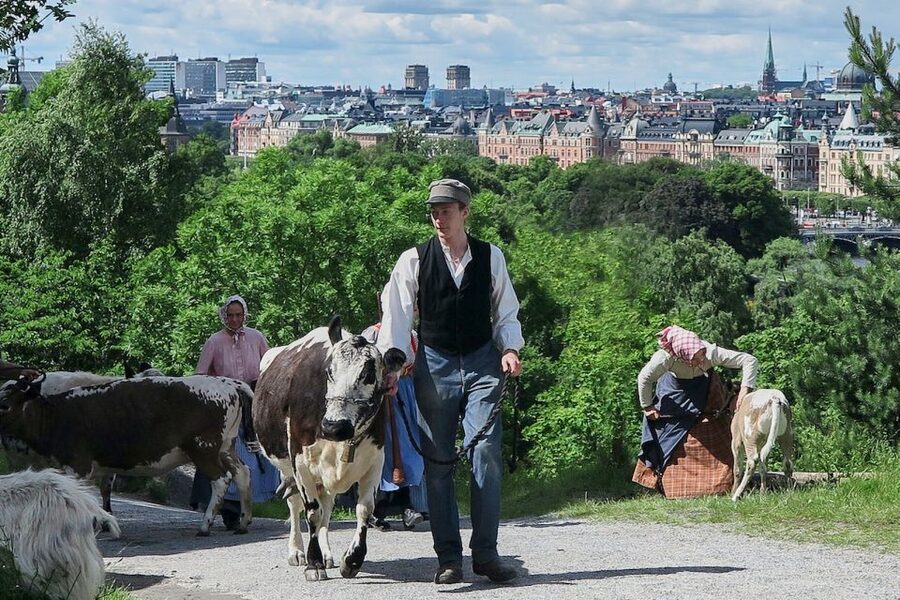
Skansen is part history lesson, part zoo, and part pleasant country walk, all set on Djurgården with views across Stockholm. You can move from a 19th-century farmstead to a brown bear enclosure, then watch a traditional craft demonstration before lunch. The mix is what makes Skansen unusual.
I especially like the original buildings brought together from across Sweden and the chance to see how people worked, cooked, worshipped, and lived through the seasons. I also like the Nordic animals, particularly moose, lynx, reindeer, bears, and wolverines. The main drawback is size: two hours is not enough for most people, and the grounds include some steep or hilly paths.
Key points before you go

- Up to 150 historic buildings: Explore homes, workshops, farmsteads, and neighborhoods from different parts of Sweden.
- A working museum: Staff in period dress and craft demonstrations can make old trades feel practical rather than frozen behind glass.
- Nordic wildlife: Look for moose, brown bears, lynx, reindeer, wolverines, seals, and domestic breeds.
- Plan for half a day or more: Several people spend five hours or a full day here and still leave things unseen.
- Seasonal atmosphere: Midsummer events, snow-covered paths, and the traditional Christmas market change the mood of the visit.
- Hilly walking: Comfortable shoes matter, and a tram or funicular ride up the first large hill costs extra.
Skansen puts Sweden’s past under the open sky

Founded as the world’s first open-air museum, Skansen presents Swedish life from the 16th century through the first half of the 20th century. Instead of moving from case to case in a standard museum, you walk through homes, farms, shops, workshops, and public buildings.
The buildings came from different parts of Sweden. That matters because Swedish life was not the same everywhere. Rural farm life, town trades, domestic work, and the habits of different social groups appear in separate settings.
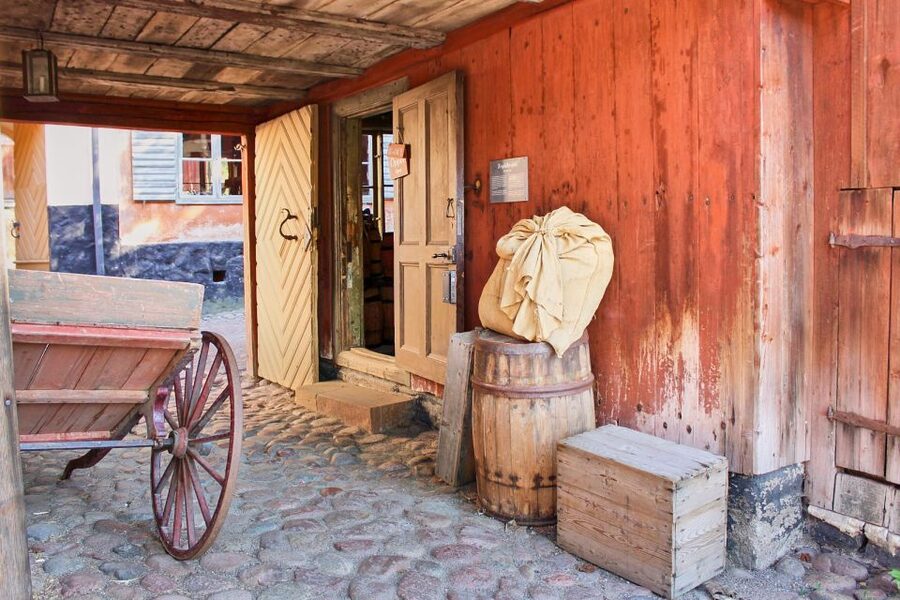
You will see the buildings from outside, but the interiors are where the visit gains force. Furnishings, tools, ovens, workspaces, and household objects show how much labor went into ordinary life. A simple bakery or workshop can explain more about daily routines than a long wall of text.
The displays also follow the year. Work, food, celebrations, and customs change with the seasons, so Skansen does not feel like a single frozen date in Swedish history. On some days, staff present old trades or act out period roles. That living element is one of the best reasons to allow plenty of time.
More Museum Tours in Stockholm
- Stockholm: ABBA The Museum Entrance Ticket
★ 4.7 · 11,280 reviews - Stockholm: Paradox Museum Entry Ticket
★ 4.2 · 3,031 reviews - Stockholm Pass: Save up to 50% – Includes Vasa Museum Ticket
★ 4.1 · 2,392 reviews
Begin with the historic homes and farmsteads
Give the historic area your attention before rushing toward the animals. The farmsteads and older homes are the heart of the experience, especially if you want to understand how Swedish people lived rather than simply see attractive old buildings.
As you walk, look for the contrast between work and home. Some buildings show domestic routines, while others explain trades such as printing, baking, glassblowing, or toolmaking. Demonstrations can turn a quiet room into a working shop. One particularly memorable activity mentioned by visitors is making a bookmark at the printers.
You might also find baked goods, glassware, tools, and traditional handicrafts connected with the old shops. These details help you picture the buildings as workplaces, not just preserved shells.
Staff inside the houses can add useful context, but opening times vary. One practical point is that the historical interpreters may finish earlier than the rest of the park. A visit later in the day can still include animals, paths, and other attractions, but you may miss the people who explain the buildings.
Sunday and winter schedules can also mean fewer demonstrations or closed interiors. If the living-history side is your main reason for coming, check the day’s program and arrive earlier rather than assuming every building will be active.
Follow the paths to Nordic animals
The animal areas add real value, especially for families and anyone who has never seen northern European wildlife up close. Skansen has around 75 animal species, including wild animals, rare domestic breeds, and household animals.
The larger Nordic animals are the big draw. You might see moose, brown bears, lynx, reindeer, wolverines, and grey seals. Moose receive repeated praise for good reason: they are an instantly memorable sight and give the animal section a strong Swedish identity.
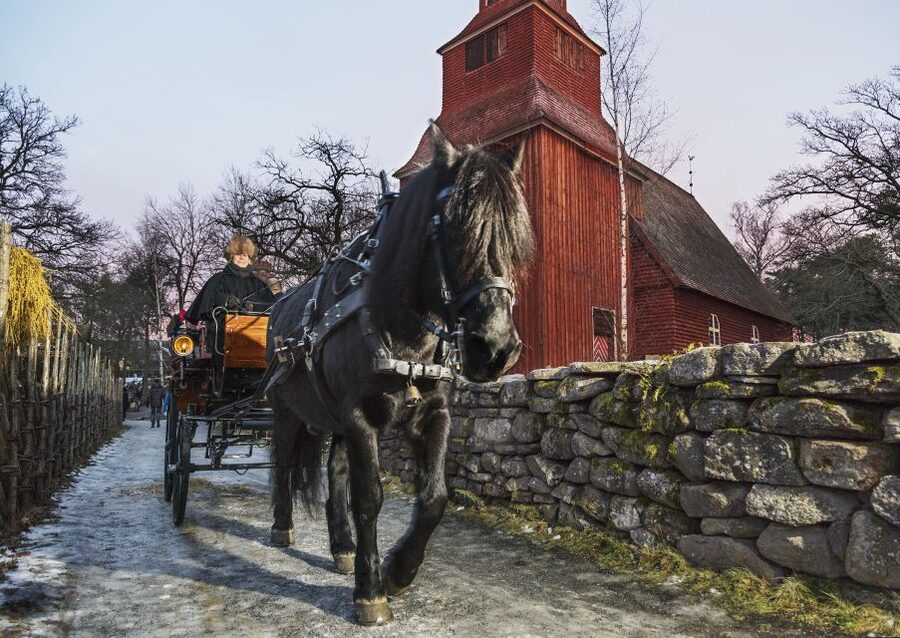
The enclosures are not a quick side attraction. Allow time to walk between them, wait for animals to appear, and read the signs. In winter, snow can make the setting especially atmospheric, though cold weather can also make a long visit tiring.
Conditions change. An enclosure may be closed, and certain animals may not be visible on a particular day. Reindeer and wolf areas have not always been available, so do not buy the ticket expecting every species to be on view.
The smaller domestic-animal area works well with children. Cats, rabbits, and guinea pigs offer an easier introduction for young visitors than the larger wildlife enclosures. Peacocks may also wander through the grounds, adding a little surprise to an ordinary walk.
Add the aquarium only after checking the ticket
The Baltic Sea Science Center Aquarium is often singled out as a worthwhile addition. It offers an informative look at Baltic Sea life and, according to visitor experience, includes a walk-through lemur area where the animals move around you.
There is some uncertainty about whether aquarium access is included with every admission arrangement. Several accounts describe it as requiring an extra charge, while another says it was included. Treat it as a possible add-on and confirm at the entrance before planning your budget around it.
If the aquarium is open and the extra cost suits you, it can round out the day nicely. The outdoor museum explains Sweden’s people, land-based animals, and customs. The aquarium adds a water-focused science stop, which gives children and adults a change of pace.
A few more museum visits around Stockholm worth comparing
- Stockholm: Nobel Prize Museum and Exhibition Entry Ticket
★ 4.3 · 994 reviews - Stockholm: Fotografiska Museum Entrance Ticket
★ 4.5 · 702 reviews - Stockholm: Vasa Museum Tour with Entry Ticket & Guide
★ 5.0 · 537 reviews - Stockholm: Entry Ticket to Junibacken Children’s Museum
★ 4.5 · 275 reviews
Take in the views and plan your lunch

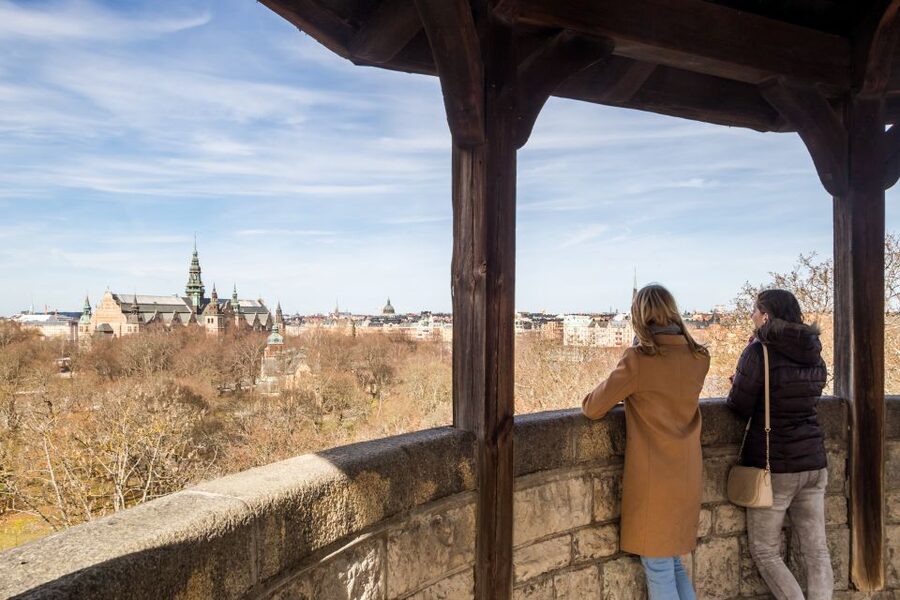
Skansen is not only a series of exhibits. It also gives you long walking routes, trees, viewpoints, and open areas above Stockholm. The views are a good reason not to race from building to building.
Restaurants on the grounds offer meals and, in at least one setting, views toward Stockholm. Food and drinks are not part of the admission ticket, so allow for that extra cost. A proper lunch can also make the day easier, since the site is large and returning to the city halfway through would break the rhythm.
Early arrivals should not count on every café being ready at opening time. Some food and drink stands may open gradually, with more options available from around 11 a.m. If you arrive first thing, bring patience and check what is open before setting off.
The museum shop is worth a stop near the end. It carries traditional handicrafts and Swedish-designed items, making it more useful than a shop filled only with generic souvenirs.
Seasonal events change the whole visit
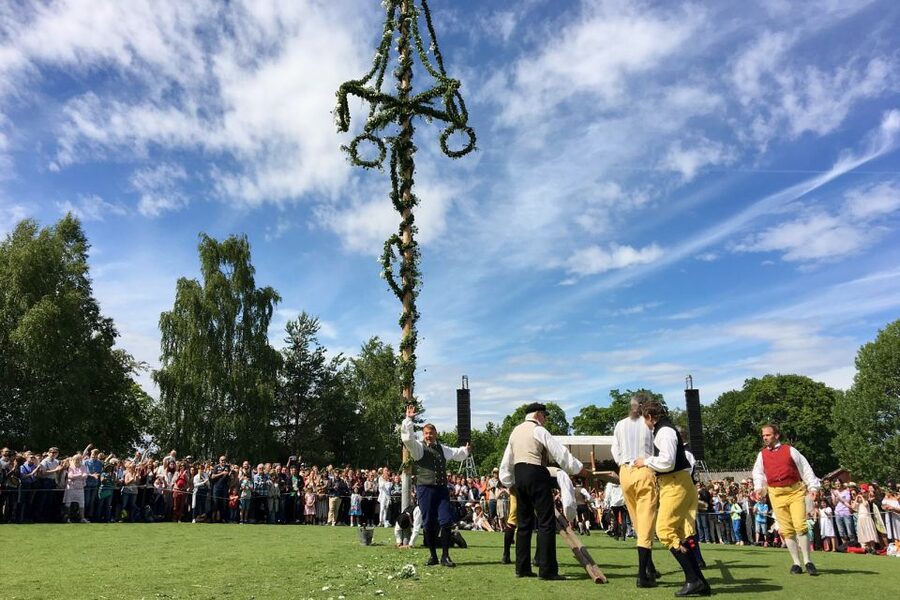
Skansen’s decorations and programs change through the year. This is one reason the same museum can feel different in summer, winter, and around Christmas.
Midsummer celebrations can add music, customs, and a stronger sense of Swedish seasonal culture. If you visit during a major event, expect the day to include more than the permanent buildings and animal enclosures.
The Christmas market has a particularly long tradition, dating back to 1903. The listed market period runs from Friday through Sunday, from November 26 to December 19, with handicrafts, sweets, homemade candles, and Christmas gifts. Check the current dates before booking, since seasonal schedules can change.
Winter visits have a clear trade-off. Snow can make the old buildings and paths feel wonderfully atmospheric, but some interiors, demonstrations, and animal areas may be closed. You will get a quieter experience, but not necessarily the fullest program.
New Year’s celebrations can also bring evening activity and dining near the stage. If you are visiting at that time, confirm the event schedule and restaurant arrangements rather than assuming the daytime ticket covers every special program.
How much time should you allow?

Treat the one-day ticket as permission to take your time, not as a prediction that you must spend every waking hour inside. A rushed two-hour visit can cover a few buildings and animal areas, but it will leave out much of what makes Skansen worthwhile.
I would allow at least four or five hours for a solid first visit. That gives you time for a selection of historic buildings, several animal enclosures, a meal or coffee, and a few viewpoints.
A full day makes sense if you want the complete range: historic homes, working demonstrations, the animal areas, aquarium, lunch, shop, and seasonal events. Families may need even longer because children set the pace, and the paths invite frequent stops.
The grounds are more hilly than some people expect. The first large hill can be tiring, and a tram or funicular ride may be available for an additional fee. That extra charge may be worthwhile if someone in your group has limited energy or you want to save your legs for the museum itself.
The site is wheelchair accessible, but accessible does not always mean effortless. Hills, long distances, weather, and uneven outdoor routes can still affect the day. Plan breaks and avoid trying to see every corner at speed.
Getting there and using the ticket
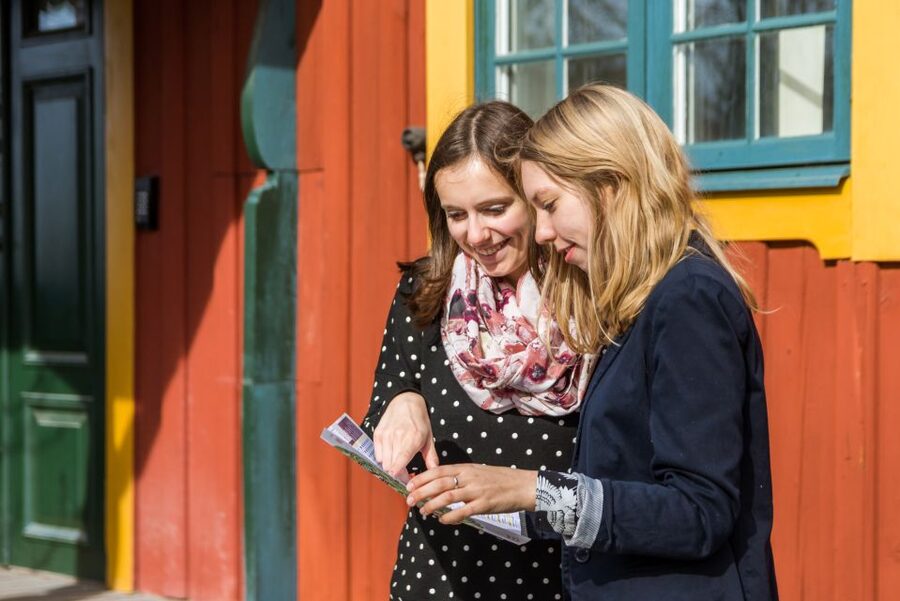
The meeting address is Djurgårdsslätten 49 to 51 in Stockholm. One useful option is walking from central Stockholm along the water, which can take about 25 minutes according to the experience described by visitors.
The selected entry time is only a reference. You can arrive at any point during opening hours, which is helpful if your Stockholm schedule changes or you want to combine Skansen with another Djurgården attraction.
The admission costs about $27 per person. I consider that fair if you use the ticket for a half day or longer. You are paying for several kinds of experiences in one place: historic structures, interpreters, demonstrations, wildlife, domestic animals, gardens and paths, views, and seasonal programming.
The value drops if you arrive late, see only a few buildings, and leave after an hour or two. It can also rise if you use the day well and include the aquarium or a meal, though those may involve additional costs. Free cancellation up to 24 hours in advance and reserve-now, pay-later booking make it easier to fit the visit into a changeable schedule.
Who will enjoy Skansen most?
Families have plenty to do, from rabbits and guinea pigs to moose and bears. Children who lose interest in historic rooms may regain it at the animal enclosures, while older children can connect the buildings with real work, food, and tools.
Adults interested in architecture, folk customs, crafts, and social history will find more here than a simple outdoor stroll. The museum also suits photographers, especially in snow, during seasonal decorations, or around the old farmsteads.
If you prefer compact city museums with short distances between exhibits, Skansen may feel too spread out. The site is also less rewarding if you dislike outdoor walking or plan to visit only during a short opening window.
For a first trip to Stockholm, I would not call it an automatic choice for every person. But if you want Swedish culture presented through real buildings, working demonstrations, animals, and a long walk with city views, it earns its place on the schedule.
Should you book Skansen?
Book it if you can spare at least half a day and want more than indoor displays. The historic buildings, Nordic animals, seasonal events, and open paths give you a broad picture of Sweden, with enough variety to keep a mixed-age group interested.
Choose another attraction if your schedule is tight, the weather is poor, or you mainly want a short, focused history museum. Before booking, check animal-area closures, seasonal programs, aquarium pricing, and the day’s opening hours for the houses.
For most people, the best plan is simple: arrive early, wear comfortable shoes, begin with the historic buildings, leave time for moose and bears, and finish with food or the shop. At about $27, that is a good use of a Stockholm day when you want culture with room to breathe.
FAQ
How long is the Skansen ticket valid?
The admission ticket is valid for one day from first activation.
Can I arrive at a different time than the selected timeslot?
Yes. The selected timeslot is only a reference, and you can arrive at any time during opening hours.
Is food included in the admission price?
No. Food and drinks are not included, but restaurants are available inside the museum.
Is Skansen wheelchair accessible?
Yes, the activity is listed as wheelchair accessible. The grounds are hilly, so the outdoor routes may still require extra planning.
What animals can I see at Skansen?
The museum is home to around 75 species, including moose, lynx, brown bears, reindeer, wolverines, grey seals, rare domestic breeds, cats, rabbits, and guinea pigs. Animal areas can sometimes be closed.
Is the aquarium included with admission?
The available information is not consistent. Some visitors describe an extra charge, while another account says it was included. Check the current ticket terms at the entrance.
Does Skansen have a Christmas market?
Yes. The traditional Christmas market dates back to 1903 and has included handicrafts, sweets, homemade candles, and gifts. The listed market period runs from Friday to Sunday between November 26 and December 19.
Just added around Stockholm
- Stockholm: The Viking Museum Exhibition and Viking Ride★ 4.5 · 667 reviews
- Stockholm: Old Town Walking Tour w/ Vasa Museum & Boat Ride★ 4.7 · 37 reviews
- Stockholm: Vasa Museum Tour with Entry Ticket & Guide★ 5.0 · 537 reviews
- Stockholm Must See: City Hall, Gamla Stan and Vasa Museum★ 4.9 · 73 reviews
- Stockholm Royal Palace Museums Gamla Stan Skip-the-line Tour★ 4.8 · 18 reviews
- Stockholm: Old Town & Vasa Museum Skip-the-Line Private Tour★ 4.9 · 279 reviews
- Stockholm: Private Guided Car Tour and Vasa Museum Entry★ 5.0 · 26 reviews
- Stockholm: Entry Ticket to Junibacken Children’s Museum★ 4.5 · 275 reviews
Museum Tours in Stockholm, compared.



Stockholm Pass: Save up to 50% – Includes Vasa Museum Ticket
Read our review →
Vasa Museum and Vrak Museum of Wrecks Combo Entry
Read our review →


Browse the lists this tour appears in