
Review · STOCKHOLM
Stockholm: Paradox Museum Entry Ticket
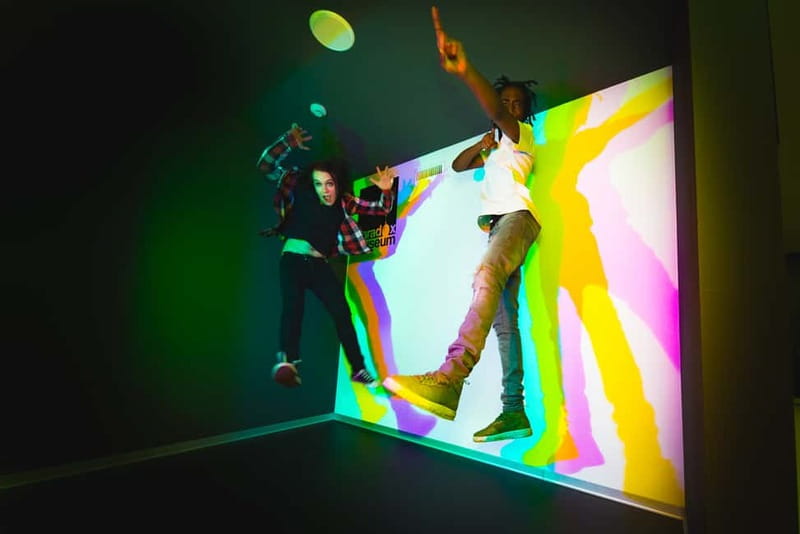
Stockholm’s Paradox Museum turns optical tricks into a hands-on photo adventure. You follow a one-way route through more than 70 interactive exhibits, stepping into upside-down rooms, rotating illusions, and scenes that make your eyes argue with your brain. I like the clear photo points and the staff’s willingness to help with cameras.
I also like that the museum works for families, couples, teenagers, and curious adults. You can learn why each illusion works instead of simply posing and moving on. The catch is that the advertised 80 minutes may shrink to 30 or 60 minutes when the museum is quiet, while busy periods can make popular exhibits hard to photograph.
Quick points before you book
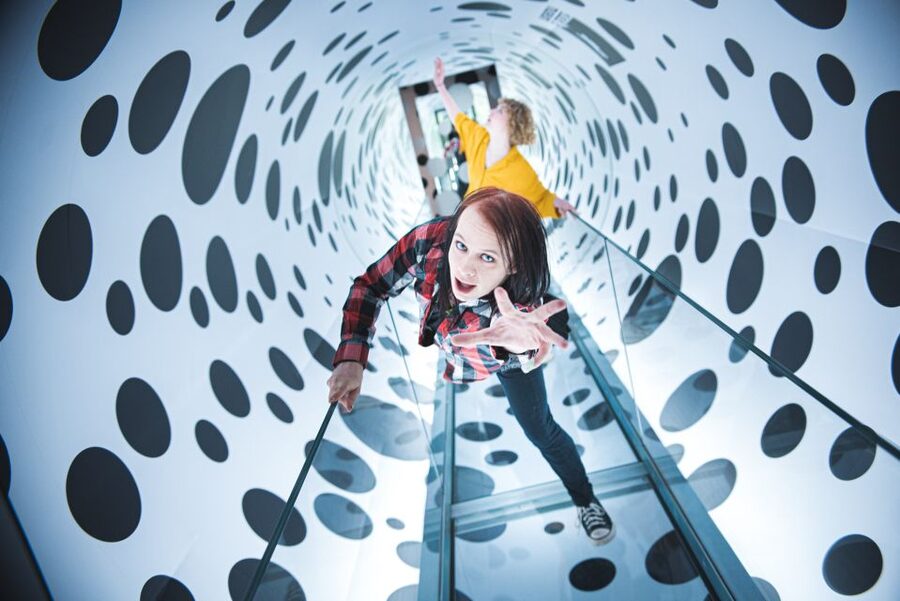
- The best photo exhibits need company: Several displays work best with two or three people, though staff can help solo visitors set up a phone timer.
- The route is one-way: Follow the signs from exhibit to exhibit rather than wandering freely between rooms.
- Staff make a real difference: Employees help explain the illusions, suggest camera angles, and sometimes take group photos.
- Zero Gravity costs extra: The add-on is 20 SEK and is not included in the standard entry ticket.
- Plan for roughly an hour: The stated duration is 80 minutes, but your pace and crowd levels can make the visit shorter or longer.
- Hötorget makes it easy to reach: The entrance is at street level on Sergelgatan 20, beside Hötorget subway station.
What happens inside the Paradox Museum
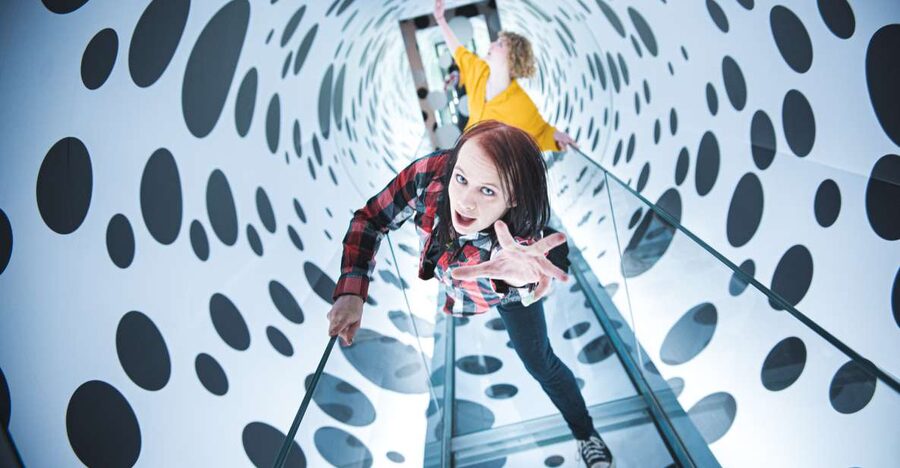
This is not a quiet museum of glass cases and long labels. It is a chain of small experiments, each asking you to look, touch, pose, or stand in the right place. You move through the rooms in a set direction, which keeps the experience simple but also means you cannot easily skip backward to a favorite exhibit.
At each station, signs explain what to do and give a short account of what is happening. Marked photo spots show the best angle, a useful touch because many illusions only work from one precise position. QR codes offer extra information, so you can keep the visit light and playful or spend more time thinking about the science.
The appeal is less about learning a large body of facts and more about catching your own perception making a mistake. You may know that a room is built to create an effect, yet your eyes still insist that something is wrong. That small moment of confusion is the museum’s main pleasure.
More Museum Tours in Stockholm
- Stockholm: ABBA The Museum Entrance Ticket
★ 4.7 · 11,280 reviews - Stockholm: Skansen Open-Air Museum Admission Ticket
★ 4.5 · 3,427 reviews - Stockholm Pass: Save up to 50% – Includes Vasa Museum Ticket
★ 4.1 · 2,392 reviews
The opening illusions set the tone
Some of the strongest exhibits appear early in the route. A rotating cylinder is one of the displays that can quickly unsettle your sense of balance and perspective. It gives you a taste of the museum’s basic trick: your brain makes fast guesses, and the room supplies evidence that those guesses are not reliable.
The first section is a good place to slow down and take test photos. The marked spots are not just decorative signs. They help you line up the camera with the exhibit so that the finished image makes sense. If you stand too far to one side, the illusion can lose its effect.
This is also where staff can save you time. They know how the exhibits are meant to be used and can explain the setup without turning the visit into a lecture. Staff members named Izzy and Georgina received special thanks for their help on one visit, and several people singled out the wider team for friendly assistance with photographs and explanations.
Rooms that make you look twice
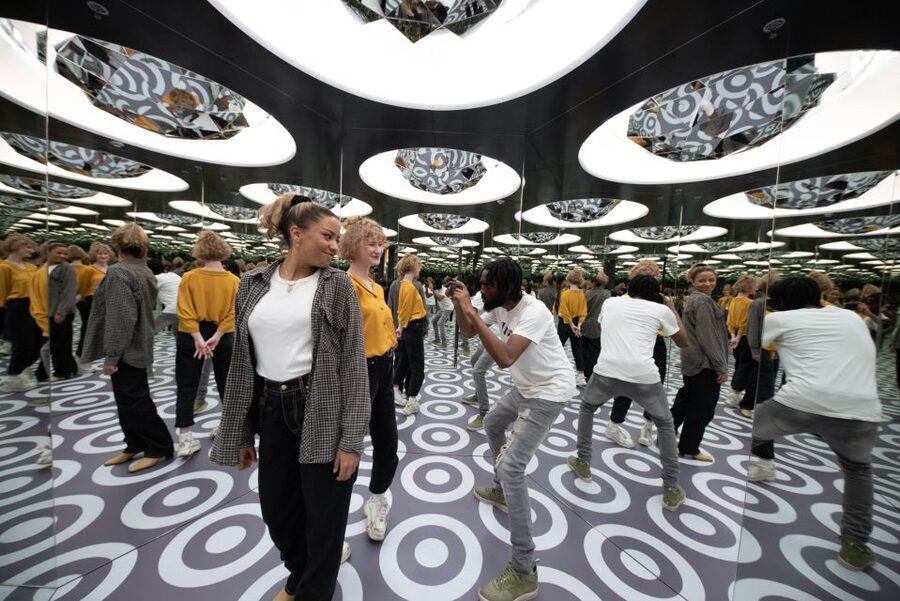
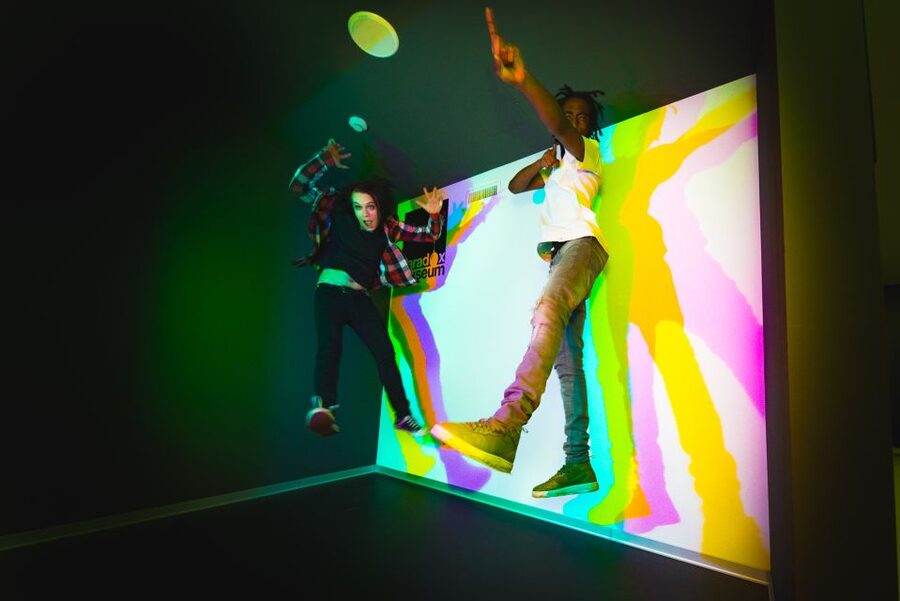
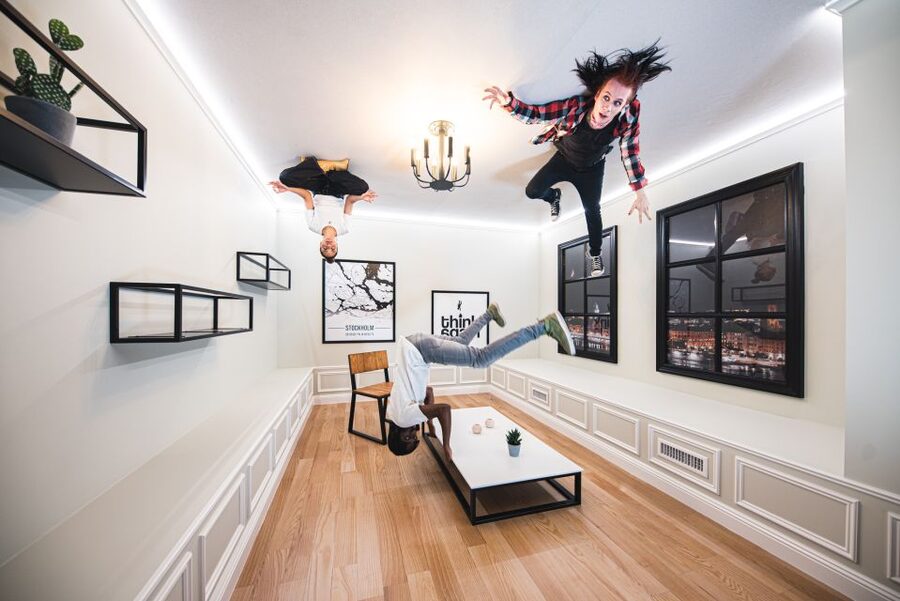
The tall versus small room and the upside-down room are among the museum’s most memorable set pieces. In the first, the design makes people appear to change size depending on where they stand. The upside-down room gives you an easy comic photograph, but the fun comes from arranging your body and camera so the image reads correctly.
These rooms work best with a partner or family group. One person poses while another takes the photo, and the finished picture often looks far stranger than the real room feels. Some stations call for three people to create the full effect, so a group of friends or a family has an advantage over a solo visitor.
If you are alone, you are not shut out. Staff can set up a phone stand for a timer, and you can ask another person nearby to take a picture. That takes a little patience, and you may not get every photo you want, but the museum has made some effort to support solo visits.
Why the photo points matter
The museum is built for pictures, but it is not simply a room full of backdrops. The camera is part of the experiment. A picture can show the paradox more clearly than your eyes do while you are standing inside it.
I recommend taking one quick picture first, then checking the result before moving on. If the proportions look ordinary, you are probably not at the correct angle. The floor markings and arrows are there for a reason. Follow them closely, especially in the more complicated rooms.
The staff are often the best source of practical help. They may show you where to stand, explain how to frame the shot, or take a group photo. Still, do not assume someone will be available at every popular exhibit. During busy periods, you may need to ask another person to take the picture, and queues can form around the most popular rooms.
Good lighting is another factor. One visitor found the light weak in some areas, which can affect phone photos. You can still get strong images, but check your screen and be ready to retake a picture rather than rushing through the room.
A few more museum visits around Stockholm worth comparing
- Stockholm: Nobel Prize Museum and Exhibition Entry Ticket
★ 4.3 · 994 reviews - Stockholm: Fotografiska Museum Entrance Ticket
★ 4.5 · 702 reviews - Stockholm: Vasa Museum Tour with Entry Ticket & Guide
★ 5.0 · 537 reviews - Stockholm: Entry Ticket to Junibacken Children’s Museum
★ 4.5 · 275 reviews
A family outing that also suits adults
Children usually have a natural advantage here because the museum asks them to play. They can stand in strange rooms, test visual effects, and laugh at pictures that make a parent appear tiny or upside down. The hands-on format also helps keep teenagers interested, rather than asking them to read long explanations.
Adults get more from it than a series of silly photographs. The exhibits raise simple questions about perspective, scale, light, and the limits of the senses. You do not need a science background, and the explanations are short enough to keep the pace moving.
Couples can have a good time here, especially if both people are willing to pose. Friends may get even more from the larger set pieces because some photographs need two or three bodies in the frame. The museum is also a practical choice for a rainy Stockholm afternoon, when an indoor activity with a fixed time slot is welcome.
The main limitation is variety. Several displays depend on mirrors, light, or visual perspective. If you are hoping for a broad collection of sound, touch, and scientific demonstrations, the museum may feel narrower than expected. A few more exhibits based on hearing or sound would add welcome range.
Crowds, timing, and the length of your visit
The ticket lists an 80-minute duration, which is a fair planning figure if you want time for photos, explanations, and a relaxed pace. You can finish in under an hour, particularly when the museum is quiet or you move quickly. Some people have completed the route in about 30 minutes, which makes the $28 price feel less attractive if you are visiting without children and do not stop for many pictures.
At the other extreme, crowds can slow everything down. The one-way system keeps traffic moving, but it does not guarantee an uninterrupted visit. At busy times, you may queue for popular exhibits and then have only a short window to pose before the next group arrives.
I would choose an early opening slot if your schedule allows. A quieter start gives you more space at each station and makes it easier to take clean photographs. It also lets you read the exhibit notes without feeling hurried. If your only option is a busy afternoon, expect a more social experience and allow extra patience for the photo stops.
The museum is timed, so arrive for the slot on your ticket. This matters more here than at a standard gallery because the route and visitor flow are planned around scheduled entry.
Is $28 good value?
At $28 per person, the ticket is not a bargain basement museum admission. Its value depends on how you use the experience. If you race through in 30 minutes, take only a few pictures, and already know most of the illusion types, you may feel the price is high.
The calculation looks better for a family or group that spends time at every exhibit. You are paying for a shared activity, a set of unusual photographs, and the chance to try the displays rather than simply look at them. The staff help also adds value, particularly when you want a group picture or cannot work out the correct position.
The price does not include the Zero Gravity experience, which costs an additional 20 SEK. That extra charge has surprised some people, so decide before you arrive if you want the add-on. The standard ticket already provides plenty to do, but the separate pricing is worth noting when you compare the total cost.
The Paradox Boutique sits at the end of the route. It sells games, clothing, souvenirs, memorabilia, and gadgets. This is a useful stop if you want to take the idea home as a small gift, but you do not need to buy anything for the visit to feel complete.
Getting there and practical restrictions
The museum is in central Stockholm, right by Hötorget. The subway station is close by, and the entrance is at street level on Sergelgatan 20. If you have trouble spotting the building, ask for the Paradox Museum or Hötorget rather than relying only on a general map search.
The experience is wheelchair accessible. Pets are not allowed, except for assistance dogs. Food and drinks are also not allowed inside, so finish snacks before entering.
Wear something you can move in comfortably. The displays require posing, turning, and standing in specific places, even though this is not a strenuous activity. Keep your phone ready, since many of the exhibits are designed around taking a picture at the marked point.
Who should book it?

I would book this for families with children, couples who enjoy playful photos, groups of friends, and teenagers who need an indoor break from sightseeing. It is also a good rainy-day option and a relaxed way to add something unusual to a central Stockholm itinerary.
Solo visitors can enjoy the visual effects, but you will need to work harder for the best photographs. Ask staff about the phone stand or request help from another person. If taking pictures is your main reason for coming, a companion makes the experience easier.
You may want to skip it if you prefer traditional art, long historical explanations, or a quiet gallery visit. It is also less appealing if you dislike waiting for photo opportunities or paying extra for an optional feature. The museum is about participation first, and the educational material supports the fun rather than leading it.
Should you book the Paradox Museum?
Book it if you want a short, playful indoor activity with unusual photos and exhibits that work across age groups. Pick an early time slot, go with at least one other person if possible, and budget for the fact that the Zero Gravity experience costs extra.
I would not treat the 80 minutes as guaranteed entertainment. A quiet visit may take only half an hour, while a crowded one can feel slower because of queues. At its best, though, the museum gives you a string of easy laughs, clever visual puzzles, and photographs that are far stranger than anything you could stage at home.
FAQ
How long does the Paradox Museum visit take?
The planned duration is 80 minutes. You might finish in under an hour, and some visits can take about 30 minutes when the museum is quiet and you move quickly.
Where is the Paradox Museum in Stockholm?
It is at street level on Sergelgatan 20, right by Hötorget in central Stockholm. Hötorget subway station is nearby.
Is the Zero Gravity experience included?
No. The Zero Gravity experience is an optional add-on costing 20 SEK.
Is the museum suitable for children?
Yes. The activity is family-friendly, interactive, and built around visual and tactile challenges. Children and adults can take part together.
Can I visit alone?
Yes, but some exhibits work best with two or three people for the photographs. Staff can set up a phone stand for a timer, and you can also ask another person to take pictures.
Is the Paradox Museum wheelchair accessible?
Yes, the museum is wheelchair accessible. Pets are not allowed, though assistance dogs are permitted, and food and drinks are not allowed inside.
Just added around Stockholm
- Stockholm: The Viking Museum Exhibition and Viking Ride★ 4.5 · 667 reviews
- Stockholm: Old Town Walking Tour w/ Vasa Museum & Boat Ride★ 4.7 · 37 reviews
- Stockholm: Vasa Museum Tour with Entry Ticket & Guide★ 5.0 · 537 reviews
- Stockholm: Old Town & Vasa Museum Skip-the-Line Private Tour★ 4.9 · 279 reviews
- Stockholm Must See: City Hall, Gamla Stan and Vasa Museum★ 4.9 · 73 reviews
- Stockholm Royal Palace Museums Gamla Stan Skip-the-line Tour★ 4.8 · 18 reviews
- Stockholm: Private Guided Car Tour and Vasa Museum Entry★ 5.0 · 26 reviews
- Stockholm: Entry Ticket to Junibacken Children’s Museum★ 4.5 · 275 reviews
Museum Tours in Stockholm, compared.


Stockholm Pass: Save up to 50% – Includes Vasa Museum Ticket
Read our review →
Vasa Museum and Vrak Museum of Wrecks Combo Entry
Read our review →

Browse the lists this tour appears in