
Review · STOCKHOLM
Stockholm: Vasa Museum Tour with Entry Ticket & Guide
The Vasa is one of those museum sights that makes you stop talking. You enter a darkened hall and come face to face with a huge warship built in the early 1600s, its carved details still visible after centuries underwater. The story gets even better: the ship sank on its first voyage, within sight of the shipyard, then spent years waiting to be found and raised.
I like the skip-the-line entry and the way the guide gives the ship a clear story rather than leaving you to piece together labels. I also like the human touch: guides such as Gaia, Katherine, Aggie, Sophie, and Carlota have been praised for mixing facts with humor and for making younger children part of the discussion. The main consideration is time. Two hours is enough for a proper guided visit, but one person found the full tour a little long, especially if you prefer to wander at your own pace.
Key points to know before booking
- See the Vasa from several levels: The museum lets you study the ship up close while your guide points out details you could easily miss.
- Hear the complete story: The tour covers Swedish power, the ship’s rushed design, its failed maiden voyage, its discovery, and the difficult salvage work.
- Enter with your guide: Meet outside the museum’s groups entrance and look for the rainbow umbrella.
- Expect an engaging guide: Gaia, Katherine, Aggie, Sophie, Carlota, and other Rainbow Tours guides are praised for warmth, humor, and clear storytelling.
- Plan on two focused hours: You return to the Vasa Museum entrance after the tour, with time to continue exploring if your schedule allows.
- Useful for mixed-age groups: Children have been included in demonstrations, and the tour is suited to people with limited mobility.
Why the Vasa Museum deserves a prime place in your Stockholm plans

Stockholm has plenty of grand buildings, waterfront views, and polished museums. The Vasa Museum gives you something different: a single object with an almost absurd story.
The ship was commissioned during Sweden’s imperial period and built for war. It was meant to project power, yet it barely made it out of the harbor. On its maiden voyage, the Vasa sailed only a short distance before sinking. The failure was not hidden away in a textbook. You can look at the actual ship that went down, preserved on a remarkable scale.
That makes the museum easy to appreciate even if you know little about ships. You do not need to be a naval expert. The guide explains the political setting, the construction choices, the warnings about stability, and the decisions that led to disaster.
I especially like that the tour does not treat the Vasa as a static object. You learn about the people who built it, the sailors who went aboard, the officials who ignored concerns, and the later teams who searched for and raised the wreck. The ship is the star, but the surrounding story gives it meaning.
More Museum Tours in Stockholm
- Stockholm: ABBA The Museum Entrance Ticket
★ 4.7 · 11,280 reviews - Stockholm: Skansen Open-Air Museum Admission Ticket
★ 4.5 · 3,427 reviews - Stockholm: Paradox Museum Entry Ticket
★ 4.2 · 3,031 reviews
Meeting at the groups entrance
Your meeting point is outside the Vasa Museum, at the entrance marked for groups. Look for a guide carrying a rainbow umbrella.
This detail matters. The museum can be busy, and a clear meeting signal saves you from circling the building or joining the wrong queue. You need to enter with the guide, so arrive with enough time to find the meeting point. The guide is expected to contact you before the activity, which gives you a chance to confirm the details and communicate if plans change.
The tour includes museum admission and a skip-the-line ticket. That is useful because you do not have to sort out entry separately or wait in the regular ticket line before the tour begins. If you are visiting Stockholm on a tight schedule, this is more than a minor convenience.
One practical point: keep your phone number accurate when booking. The guide may need to reach you before the tour. One person who was running late said the guide met them at the front and helped them get inside, but you should not treat that as permission to arrive late. The safest plan is still to be early.
Your first view of the warship
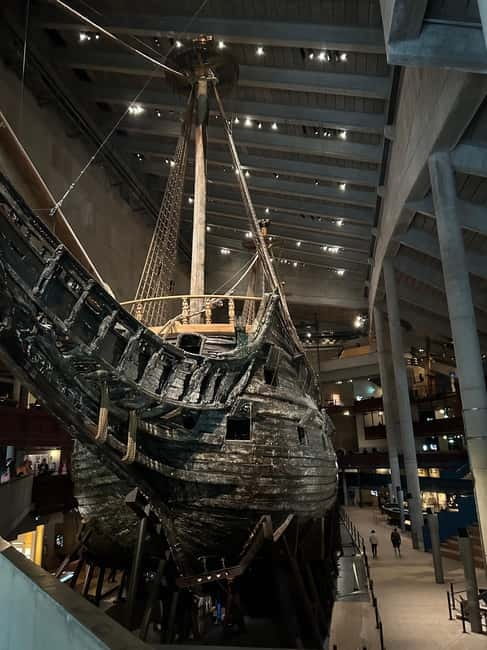
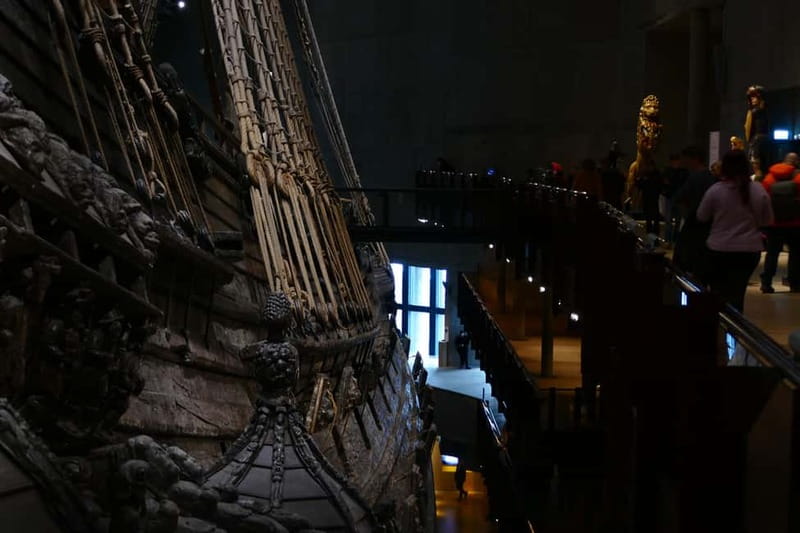
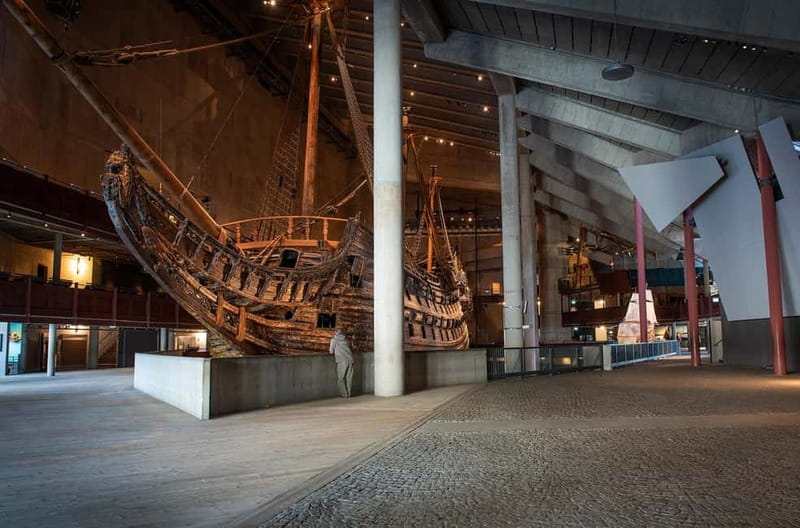
The first sight of the Vasa is the strongest part of the visit. The ship is enormous, dark, detailed, and surprisingly close to you. Several people describe the moment as breathtaking, and that reaction makes sense. Seeing photographs cannot prepare you for the scale of the real hull.
The guide helps you take in the ship in stages. One suggested approach from a guide was to keep your eyes on the floor until the right moment, then look up for the full first view. That kind of presentation shows why a guided visit can be more memorable than walking in alone.
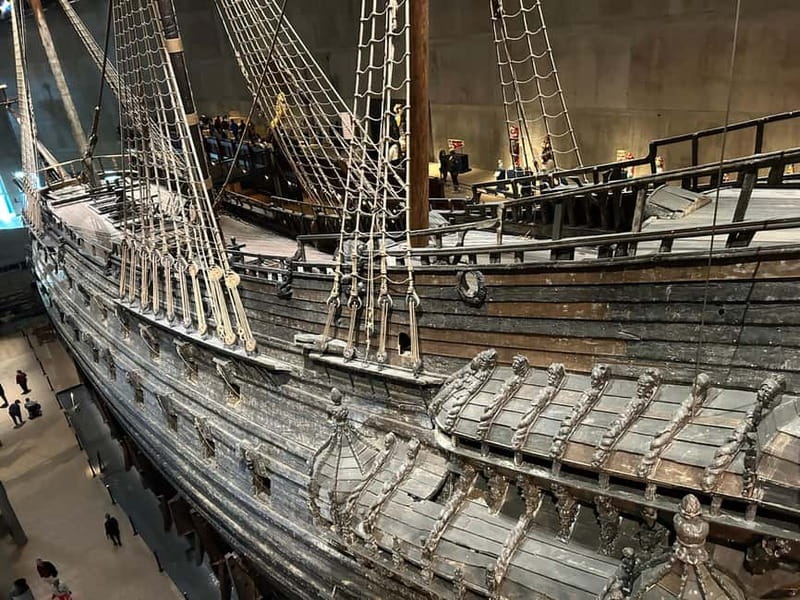
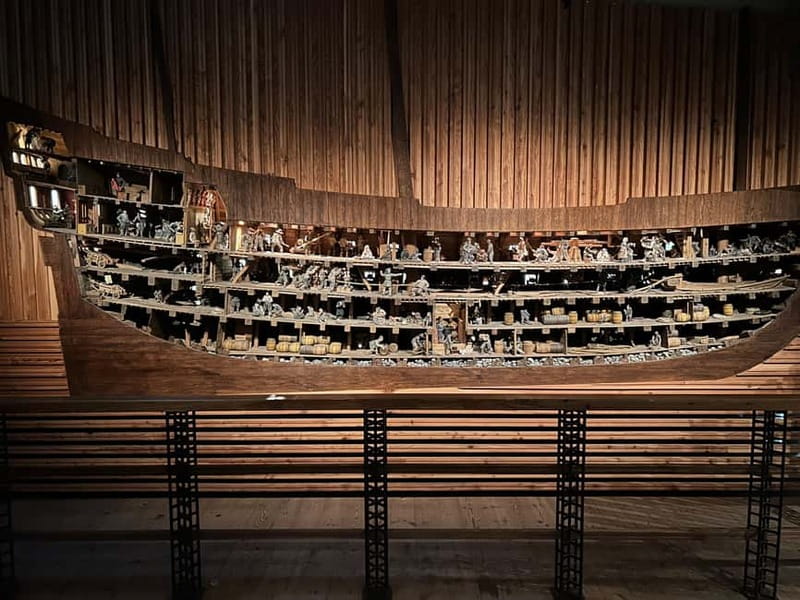
From the museum platforms, you can examine the ship from different heights. Your guide points out the carved decoration, the structure of the hull, and sections that reveal how the vessel was made. You also get time to take photographs and look closely instead of being hurried from one stop to the next.
Photography is part of the appeal, but do not spend the whole visit behind your phone. The ship has an odd combination of grandeur and failure. It was designed to impress, yet its short life makes it feel almost fragile. That tension is what gives the museum its emotional pull.
Sweden, war, and a ship built to impress
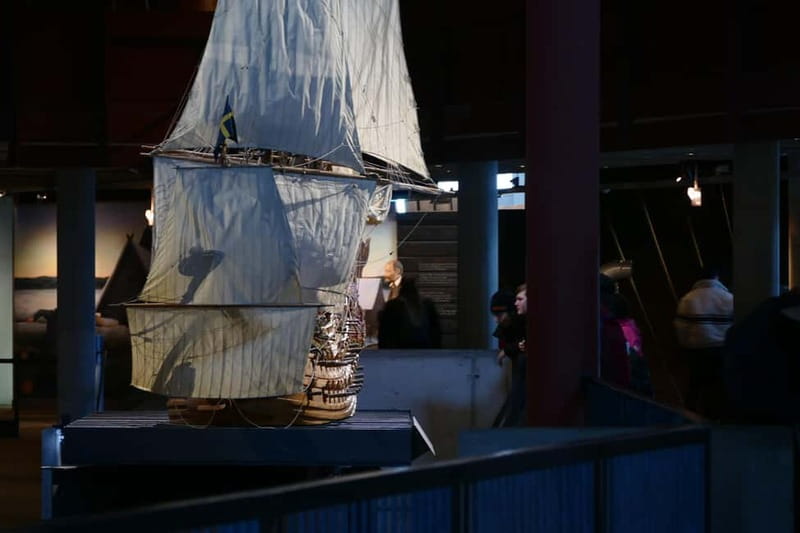
The tour begins with the wider setting. You learn about Sweden’s power and the war during which the Vasa was commissioned. This background explains why the ship was built with such ambition and why its appearance mattered.
The Vasa was not simply a transport vessel. It was intended to carry weapons and represent royal strength. The desire for a grand, heavily decorated warship created pressure during construction. The guide connects the political goals with the practical problems, so the failure feels less like a random accident and more like the result of competing demands.
This part is especially helpful if you are visiting with children or with someone who does not normally choose maritime museums. The story has recognizable themes: authority, deadlines, pride, technical limits, and warnings that went unheeded. The guide turns those ideas into a narrative rather than a list of dates.
Several guides are praised for their delivery. Gaia is described as energetic and clear. Katherine is repeatedly singled out for humor, warmth, and an ability to keep both adults and children involved. Aggie is praised for making the subject fun while still explaining the details. Sophie has been noted for bringing what could be a dry topic to life.
Guide quality can vary on any tour, but Rainbow Tours has a strong pattern of lively presentations. The company offers tours in English, Spanish, and German. You should select the language that best suits your group when checking availability.
A few more museum visits around Stockholm worth comparing
- Stockholm Pass: Save up to 50% – Includes Vasa Museum Ticket
★ 4.1 · 2,392 reviews - Stockholm: Nobel Prize Museum and Exhibition Entry Ticket
★ 4.3 · 994 reviews - Stockholm: Fotografiska Museum Entrance Ticket
★ 4.5 · 702 reviews - Stockholm: Entry Ticket to Junibacken Children’s Museum
★ 4.5 · 275 reviews
The maiden voyage and the failure everyone remembers
The central scene comes when the guide explains what happened on the Vasa’s maiden voyage. The ship sank within sight of the shipyard where it was built, turning a proud public event into a national embarrassment.
The guide explains the warnings about the ship’s seaworthiness and how those concerns were ignored. This is where the tour earns its price. On your own, you might see a magnificent wooden ship and read that it sank soon after launch. With a guide, you understand the chain of choices that led to the disaster.
The story is tragic, but it is also strangely human and sometimes funny. Several guides use humor without making light of the people involved. That balance helps the tour keep moving. You are not stuck listening to a solemn lecture for two hours.
If you are visiting with an eight or eleven-year-old, this section can work well. One guide used demonstrations to include an eight-year-old, and another family said an eleven-year-old remained enthusiastic about the experience. The combination of a visible ship, a dramatic failure, and interactive explanation gives children something concrete to remember.
Finding the wreck on old maps
The story does not end when the ship disappears beneath the water. The later search is one of the museum’s most fascinating parts.
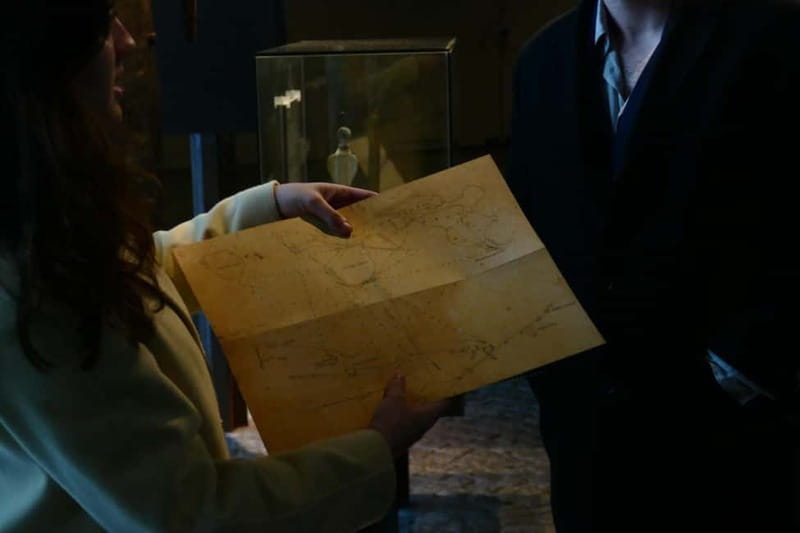
Your guide shows the 19th-century maps used to locate the wreck and explains how people pieced together clues about its position. This gives the visit a detective-story quality. The Vasa was not simply waiting in an obvious spot with a sign pointing toward it. Finding the ship required research, persistence, and a good deal of practical problem-solving.
You then hear about the engineering involved in raising the wreck. Salvaging a large wooden ship from the seabed was a major task. The guide explains the methods used to bring it up and the continuing work needed to protect it.
This is a strong reason to take the tour even if you have already read about the sinking. The salvage and preservation story shows that recovering the ship was only the beginning. The museum exists because people continue to study, support, and protect the vessel.
Preservation is part of what you are seeing
The Vasa is not presented as a finished relic that can simply be left alone. Preservation is an ongoing concern, and the museum helps you understand the care required to keep the ship stable for future generations.
The tour connects the physical ship with the work behind it. You see an ancient vessel, but you also learn about the scientific and engineering effort that allows you to see it today. That makes the visit feel more substantial than a quick look at a famous object.
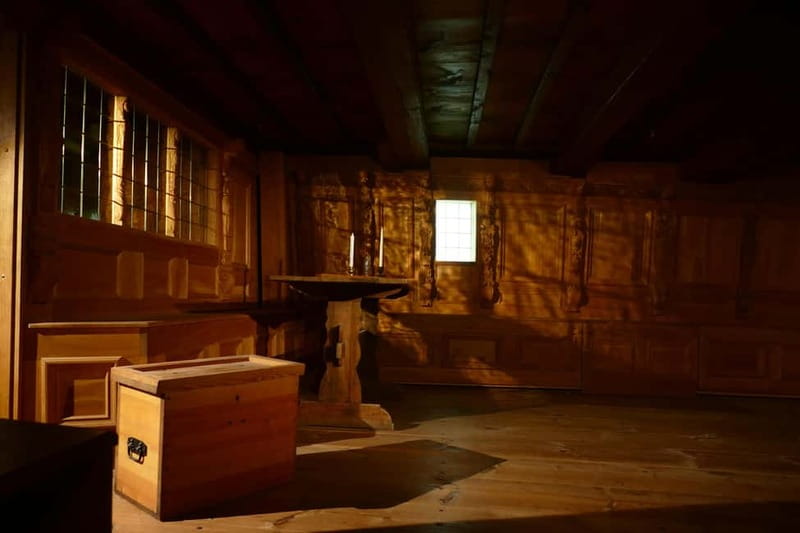
The surrounding exhibition also includes artifacts and displays that help explain life connected to the ship. One guide made a point of showing parts of the exhibition that many people might otherwise miss. You should ask questions as you go, especially if you want more detail about the objects, construction, or preservation process.
The guide usually leaves room for photographs and personal looking. That balance is important. A museum tour can become tiring if the guide talks without pause, but several descriptions of this experience highlight a pace that allows you to stop, look, and ask questions.
Is two hours the right length?
Two hours gives the guide enough time to tell the whole story. You are not limited to the sinking. You get the political context, construction, design problems, maiden voyage, discovery, salvage, and preservation.
For most people, that is the right amount of time for a first visit. The ship has many details, and a shorter tour could leave out the very parts that make the museum memorable. The experience is also structured enough to keep you moving through the museum instead of spending too long in one place.
Still, two hours may feel long if you prefer independent museum visits or already know the Vasa story well. One person felt the tour went on a little longer than necessary. After the guided portion, you return to the museum entrance, so you can continue exploring if you have the energy and time.
I would allow some breathing room around the two-hour tour. Do not schedule another important activity immediately afterward. The museum can leave you wanting a slower look at the ship, the artifacts, or the preservation displays.
The $66 price and what you receive
At $66 per person, this is not the cheapest way to enter a museum. The price includes the Vasa Museum admission, skip-the-line entry, and a live guide for two hours.
The value depends on how much explanation you want. If you are happy reading signs and building your own story, regular admission may suit you better. If you want the museum organized into a clear narrative, the guided option is easier to justify.
I think the price works best for a first visit, a short Stockholm stay, or a family group. You are paying for more than access to the ship. You are paying to avoid the ticket line, get the major details in the right order, ask questions, and hear the smaller stories that can be missed when you wander alone.
The value also depends on the guide’s presentation. The strongest guides, including Katherine, Gaia, Aggie, Sophie, Carlota, and others praised for their energy and clarity, appear to make the time feel active rather than formal. Still, no tour can guarantee a particular guide, so book this for the structure and access first, not solely for a named person.
Who should take this tour?
I would recommend it to first-time visitors who want one of Stockholm’s most memorable museums explained in plain language. It is also a good fit if you have only one day in the city and want to make sure you understand what you are seeing.
Families should consider it seriously. The ship gives children an immediate visual hook, while the story has enough drama to hold attention. Guides have included young visitors in demonstrations and answered questions patiently.
The tour also suits people with limited mobility. The activity is listed as wheelchair accessible and specifically described as suitable for people with limited mobility. If you have particular access needs, it is still sensible to confirm details before booking.
You may prefer a self-guided visit if you dislike fixed pacing, want to read every display, or plan to spend several hours studying the museum. The guided tour gives you a strong framework, but it cannot pause for every object or personal interest.
Useful booking details
The tour lasts two hours and begins and ends at the Vasa Museum. Live guiding is available in English, Spanish, and German.
You can cancel up to 24 hours in advance for a full refund, and the reserve-now, pay-later option lets you keep your plans flexible. Those terms are useful if your Stockholm schedule depends on a cruise arrival or changing transport plans.
The main practical rule is simple: meet outside the groups entrance, find the rainbow umbrella, and enter with the guide. Since the guide may contact you before the activity, make sure your phone details are correct.
Should you book the Vasa Museum tour?
Book it if you want the Vasa to become more than a spectacular wooden ship in a dark hall. The guide connects Sweden’s military ambitions, the ship’s design failure, the disastrous maiden voyage, the map-based search, and the difficult salvage work into one easy-to-follow story.
I would choose this tour for a first visit, families, short stays, and anyone who enjoys asking questions. If you prefer complete independence or want to spend a long time reading every display, buy admission separately and set your own pace.
For $66, you receive entry, line-saving convenience, and two hours of focused interpretation. The Vasa is worth seeing on its own. A strong guide such as Gaia, Katherine, Aggie, Sophie, or Carlota can make you remember why it mattered long after you leave Stockholm.
FAQ
Where does the Vasa Museum tour meet?
Meet your guide outside the groups entrance to the Vasa Museum. Look for someone carrying a rainbow umbrella.
Is museum admission included?
Yes. The Vasa Museum entry fee is included in the tour price.
Does the tour skip the ticket line?
Yes. The experience includes a skip-the-line ticket, and you enter the museum with your guide.
How long does the guided tour last?
The guided tour lasts two hours and returns to the Vasa Museum.
What languages are available?
Live guiding is available in English, Spanish, and German.
Is the tour wheelchair accessible?
Yes. The activity is listed as wheelchair accessible and suitable for people with limited mobility.
Can I cancel for a full refund?
Yes. You can cancel up to 24 hours in advance for a full refund.
Do I have to pay when I book?
No. The reserve-now, pay-later option lets you book your place without paying immediately.
Just added around Stockholm
- Stockholm: The Viking Museum Exhibition and Viking Ride★ 4.5 · 667 reviews
- Stockholm: Old Town Walking Tour w/ Vasa Museum & Boat Ride★ 4.7 · 37 reviews
- Stockholm: Old Town & Vasa Museum Skip-the-Line Private Tour★ 4.9 · 279 reviews
- Stockholm Must See: City Hall, Gamla Stan and Vasa Museum★ 4.9 · 73 reviews
- Stockholm Royal Palace Museums Gamla Stan Skip-the-line Tour★ 4.8 · 18 reviews
- Stockholm: Private Guided Car Tour and Vasa Museum Entry★ 5.0 · 26 reviews
- Stockholm: Entry Ticket to Junibacken Children’s Museum★ 4.5 · 275 reviews
- Millesgården Museum: sculpture park and art galllery★ 4.8 · 20 reviews
Museum Tours in Stockholm, compared.




Stockholm Pass: Save up to 50% – Includes Vasa Museum Ticket
Read our review →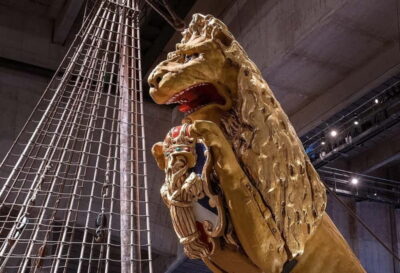
Vasa Museum and Vrak Museum of Wrecks Combo Entry
Read our review →


Browse the lists this tour appears in