
Review · JOHANNESBURG
Private Soweto,Mandela House,Apartheid Museum,Constitution
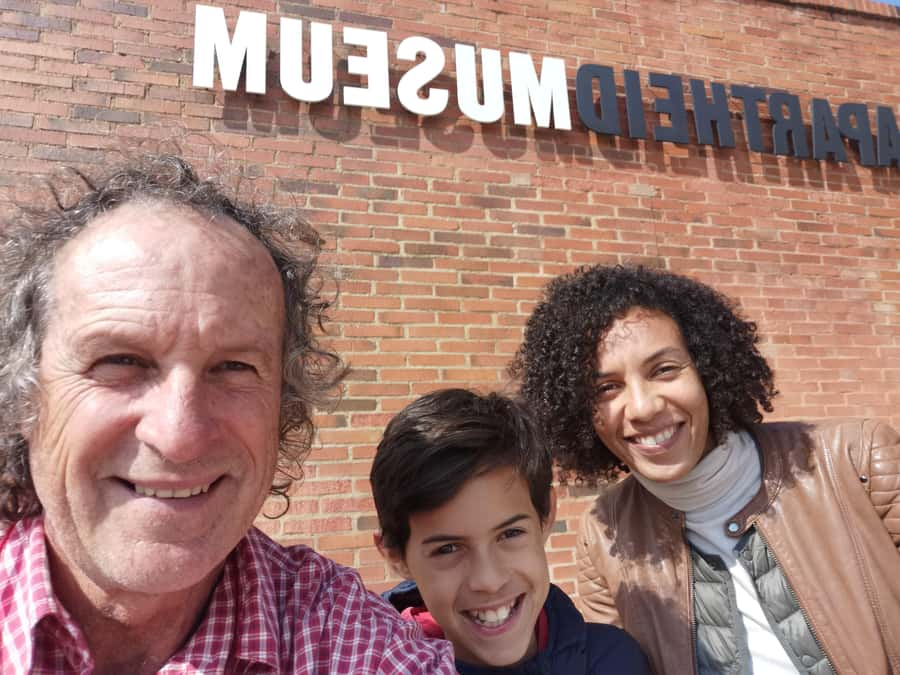
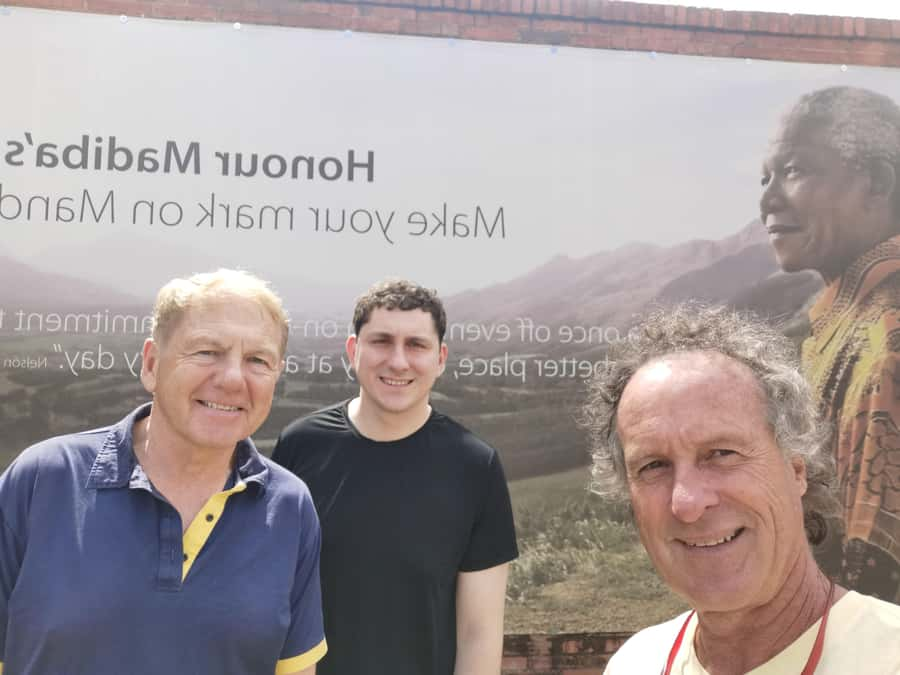
Johannesburg’s past comes into sharp focus on this six-hour route, which links Soweto and Mandela House with the Apartheid Museum and Constitution Hill. I like the morning visit to Soweto, when traffic is lighter, and the chance to hear South African stories from Shane, a third-generation South African who grew up in a mining village and wrote White Boy, a biography of a white child growing up under apartheid.
I also like the sensible pacing at the Apartheid Museum. You are given two to three hours, rather than being hurried through one of South Africa’s most important museums. The main caution is that the experience costs $99 before admissions, and one booking reported that another couple joined the vehicle and caused a major delay, so confirm the private-group arrangement before you set off.
Key points to know before booking
- Soweto comes first: The morning timing helps reduce traffic and gives you more useful time in the township.
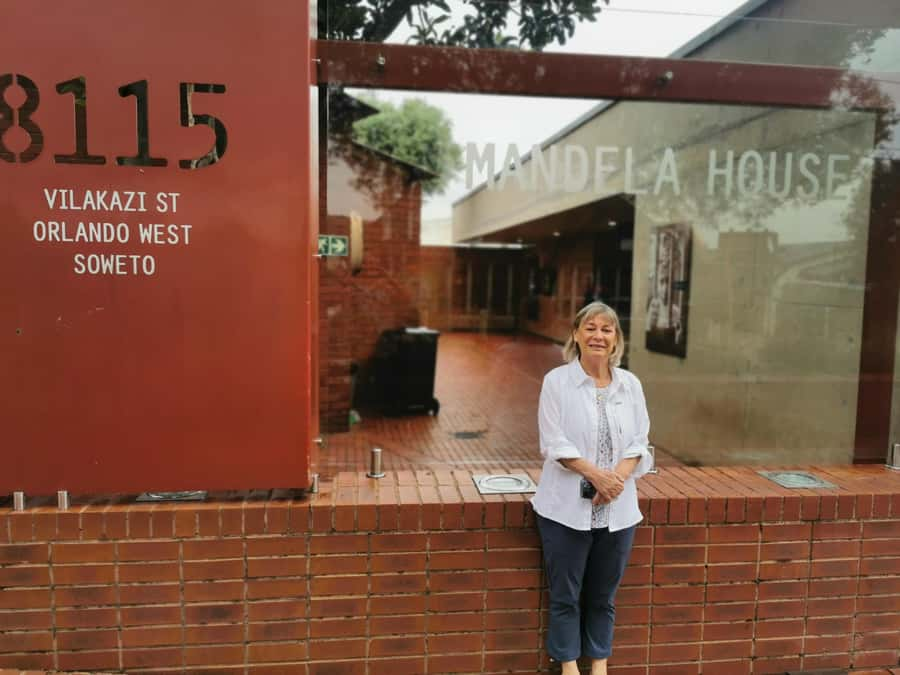
- Mandela’s Vilakazi Street home: You visit the small house museum and pass Desmond Tutu’s former home nearby.
- Hector Pieterson Memorial: This stop connects Soweto’s streets with the 1976 student protests.
- The Apartheid Museum needs time: Plan on two to three hours if you want more than a quick look.
- Shane brings personal context: Your English-speaking guide is a third-generation South African and author of White Boy.
- Admissions are extra: Mandela House costs R70, the Apartheid Museum R150, and the prison R100.
Why this Johannesburg route matters
Johannesburg can be difficult to understand from a car window. Its distances are large, its neighborhoods have very different stories, and the city’s past is tied closely to the mining industry, segregation, protest, and the long fight for democracy.
This tour gives you a clear frame for that story. Soweto shows you where political resistance became part of daily life. Mandela House gives the struggle a personal setting. The Apartheid Museum supplies the national story, while Constitution Hill connects the old justice system with South Africa’s present constitutional order.
I like this combination because the stops do different jobs. You are not simply visiting four museums with similar displays. You move from a township street to a former family home, then to a large museum and finally to a former prison and court complex.
The guide adds another layer. Shane’s background as a third-generation South African, his childhood in a mining village, and his book about growing up during apartheid give him a personal route into a difficult subject. He can explain events and places in plain language, while also giving you the local setting that a museum label cannot provide.
More Museum Tours in Johannesburg
- Soweto /Johannesburg and Apartheid Museum Guided Full Day Tour
★ 5.0 · 932 reviews - Jo’berg in 1 Day: Soweto, Apartheid Museum & City Tour
★ 4.8 · 524 reviews - Johannesburg: Full-Day Tour with Soweto and Apartheid Museum
★ 4.8 · 478 reviews
Starting in Soweto before the roads fill
Pickup is included from your location in Johannesburg. The drive to Soweto takes about 30 minutes, though traffic can affect the timing. Starting there in the morning is a practical choice, since Johannesburg roads can consume a surprising amount of a six-hour tour.
Soweto is not one single attraction. It is a large township with many areas and many different experiences. Here, the tour gives you a short drive through the township, along with stops at some of its most important political sites.
That brief drive matters. You get a sense of how Soweto has changed, rather than seeing only one carefully presented building. The experience is still a compact introduction, not a full township tour, so you should not expect to explore every district or spend a long time meeting local residents.
The route focuses on Vilakazi Street, one of the best-known addresses in South African political history.
Vilakazi Street and Mandela House

Nelson Mandela’s former home is now the Mandela House museum. The building is modest, and that modest scale is part of its impact. You are looking at a real family home rather than a grand official residence.
The house helps turn Mandela from a distant national figure into a person connected to an ordinary domestic setting. The visit is relatively focused, so it works well alongside the Apartheid Museum rather than trying to explain the entire anti-apartheid movement on its own.
Mandela House entry is not included in the tour price. The stated admission is R70, paid separately. Since museum prices can change, check the current amount when booking or shortly before your visit.
Vilakazi Street is also associated with Archbishop Desmond Tutu. His former home is now a private residence, so you only drive past it. That makes this a quick point of interest, not a second house museum, but it helps show how closely important figures in South African history were connected to the same neighborhood.
I would treat the street as a place for context rather than a long independent stop. The value comes from seeing the location with Shane’s explanation, then moving on to the larger historical displays later in the day.
Remembering the 1976 student protests
The Hector Pieterson Memorial marks the student protests of 1976. Young people in Soweto protested against the forced use of Afrikaans in schools, and the state response turned the events into a major moment in the anti-apartheid struggle.
This is one of the most important stops on the route because it places the story in Soweto itself. The Apartheid Museum explains the national system and its effects, but the memorial brings you back to the students, families, and streets at the center of one decisive confrontation.
Give yourself time to listen and look closely here. The stop is not designed as entertainment, and it should not be treated as a quick photo opportunity. Shane’s stories can help connect the memorial to the wider events of 1976 and to the way South Africa changed in the decades that followed.
The tour does not promise an extended walking program through Soweto. If you want a very detailed township visit, with long neighborhood walks or more community-based stops, you should compare this route with a tour built around Soweto alone. If you want Soweto as one part of a wider Johannesburg history day, this balance makes sense.
More apartheid history tours:
- Full-Day Soweto, Apartheid Museum and Lunch Tour
★ 5.0 · 410 reviews - Soweto: Hop-On Hop-Off Bus, City Tour and Apartheid Museum
★ 4.5 · 250 reviews - Johannesburg: Soweto & Apartheid Museum Half-Day Tour
★ 4.9 · 99 reviews - From Johannesburg: Pretoria, Soweto & Apartheid Museum Tour
★ 4.8 · 48 reviews
The FNB Stadium and the 2010 World Cup
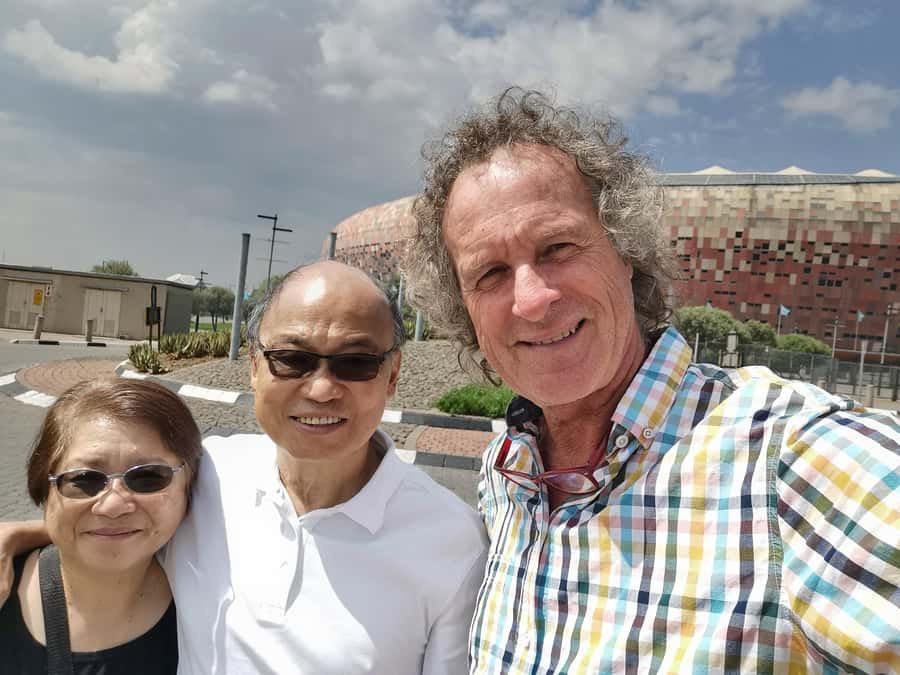
On the way from Soweto to the Apartheid Museum, the route includes a view of the World Cup soccer stadium, where the 2010 final was played. This is a short stop or pass-by rather than the main focus of the tour.
For football fans, it adds a useful modern chapter to the day. The stadium represents a different South Africa from the one described at the memorials and museums: a country presenting itself to the world through sport after the end of apartheid.
The amount of time spent there is not specified, so keep your expectations modest. You are not booking a stadium tour with extensive interior access. It is a convenient extra that fits naturally between Soweto and the Apartheid Museum.
Two to three hours inside the Apartheid Museum

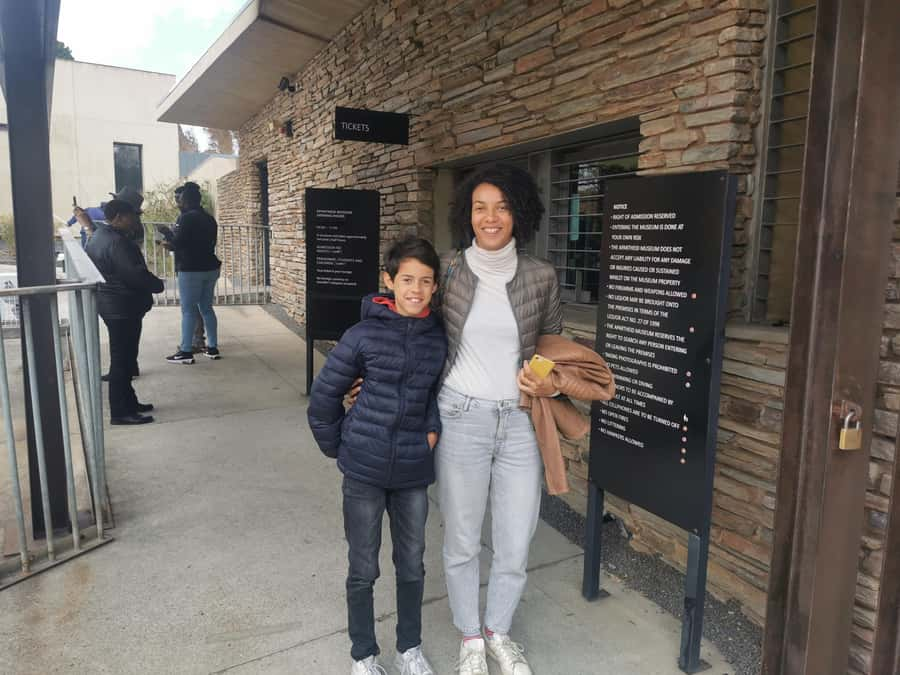
The Apartheid Museum is the central stop for many people on this route. You need two to three hours here, and the schedule allows for that kind of visit rather than squeezing it into a short guided walk.
The museum deals with apartheid as a political and social system. It helps explain how racial classification, segregation, state power, protest, and the road to democracy shaped everyday life in South Africa.
I like that the tour leaves you to experience the museum at your own pace. Some people will want to read every panel and spend time with the exhibits. Others will need a shorter visit after a demanding morning in Soweto. A flexible museum stop lets you decide where your attention belongs.
The downside is simple: two to three hours inside one museum can feel heavy, particularly if you have already spent a full morning on difficult historical subjects. You should not plan a busy evening immediately afterward. This is a serious visit, and the value comes from giving it enough time.
Admission is separate from the $99 tour price. The listed amount is R150. At $99, the tour is not an inexpensive sightseeing ride once the three museum admissions are added, but the price includes private transport, pickup, a live English-speaking guide, Wi-Fi in the car, and a full six-hour route. The value is strongest if you want historical explanation and door-to-door transport rather than simply buying entry tickets.
Constitution Hill and the former prison
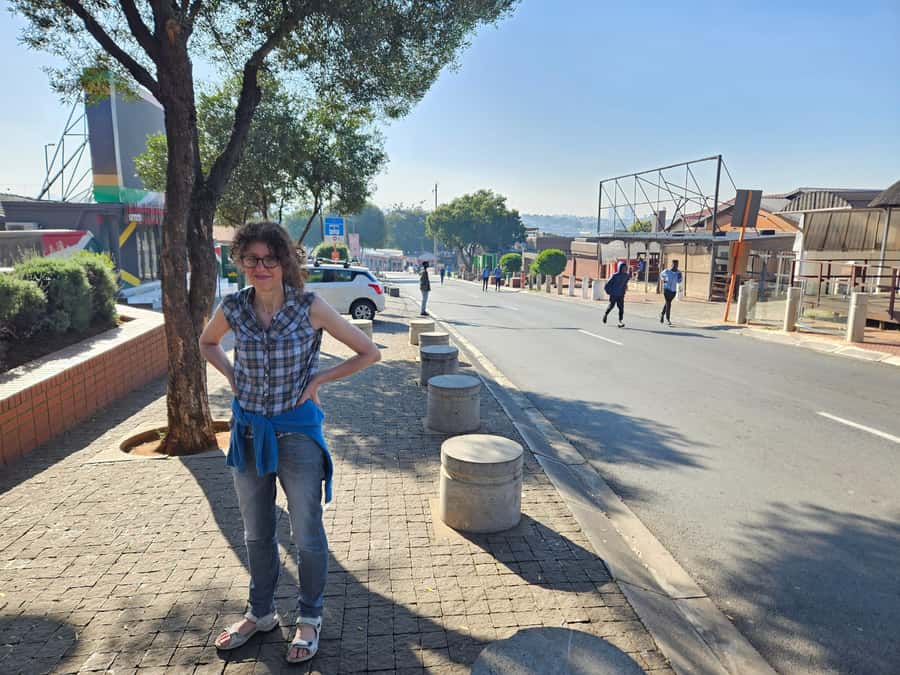
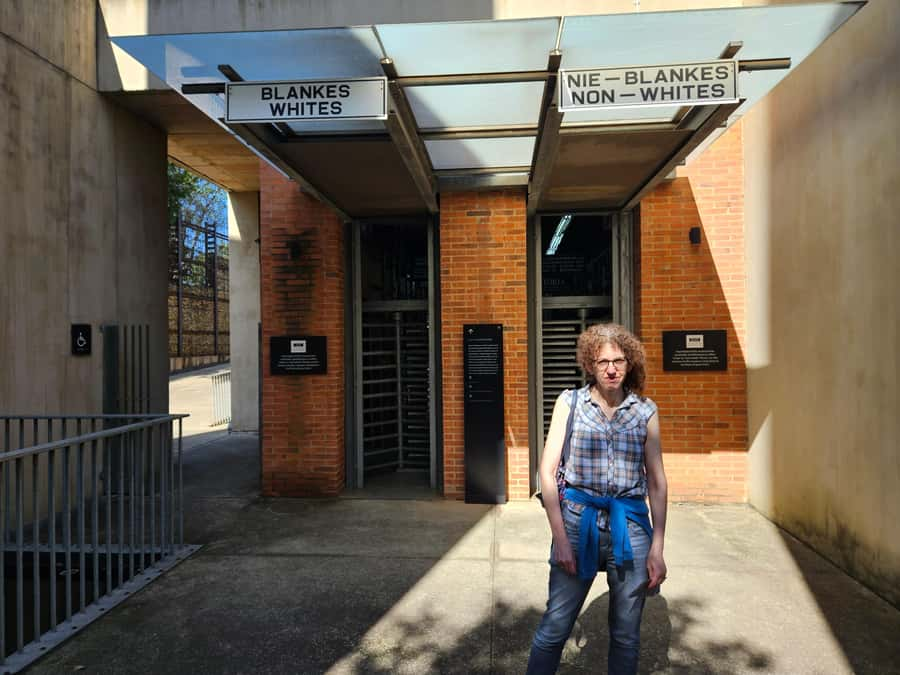
The final major stop is the new Constitutional Court and the prison where Mandela and Gandhi spent time. The site links South Africa’s old system of imprisonment with its modern legal ideals.
That contrast gives the final part of the day a useful shape. Earlier stops show protest and political repression. Constitution Hill points toward the legal framework created after apartheid. The prison adds a direct physical reminder of what state power meant for people who opposed the system.
The prison entry is listed at R100 and is not included. The exact balance between the court, prison, and other parts of the complex can depend on the day’s timing, so ask Shane how much time is planned at each section if one area matters especially to you.
This stop also helps prevent the day from becoming only a Mandela tour. Mandela is central to the route, but the story here is larger. It includes Gandhi, student protesters, Archbishop Tutu, ordinary families, political prisoners, and the institutions that shaped modern South Africa.
What the vehicle and guide add
The tour uses a comfortable car with free Wi-Fi, and pickup is included from your location. That matters in Johannesburg, where moving between Soweto, the museum, and Constitution Hill by taxi or public transport would require more planning and could reduce your time at the sites.
You also avoid the burden of driving yourself through an unfamiliar city. Shane can use the road time for stories about South Africa and the areas you are passing, turning transfers into part of the experience rather than dead time.
The tour is advertised as a private group with a live English-speaking guide. That setup should give you room to ask questions and adjust the pace. One booking, however, reported that another couple was added and that the delay took almost two hours from a six-hour tour. I would confirm two points before paying: that your booking is private and how pickup timing is handled.
That caution does not erase the value of the private format, but it is important. A six-hour schedule has little spare time. A late start or an unplanned pickup can shorten the Apartheid Museum visit, which is the stop that needs the most time.
What the $99 price really covers
The advertised price is $99 per person. It covers the guide, pickup, transport, the World Cup stadium stop, the drive through Soweto, and the guide’s stories about South African history.
You pay museum admissions separately:
- Mandela House: R70
- Apartheid Museum: R150
- Prison: R100
That is R320 in listed admissions, before food or drinks. The tour does not include meals or refreshments, so plan for those separately. No specific meal stop is promised, though Shane has provided restaurant recommendations to people who asked.
The total cost makes the most sense for a first visit to Johannesburg when you value convenience and explanation. If you are comfortable arranging your own transport and visiting the sites independently, the tour may feel expensive. If you have only one day for Johannesburg, hotel pickup and a guide who can connect the stops may justify the extra cost.
The cancellation terms are flexible: you can cancel up to 24 hours before the activity for a full refund, and you can reserve now and pay later. Starting times vary, so check availability for your date.
Who should book this experience
I would recommend this tour to a first-time Johannesburg visitor who wants a serious introduction to the city’s past without spending several days organizing separate visits.
It suits you especially well if:
- You want hotel or location pickup.
- You prefer a private car to managing city transport.
- You want a guide who can explain events during the drives.
- You want both Soweto and the Apartheid Museum in one day.
- You are comfortable with a demanding six-hour schedule.
- You want to choose your own pace inside the Apartheid Museum.
It may be less suitable if you want a relaxed day with long meals, extensive shopping, or a leisurely neighborhood walk. The route covers a lot, and the museum alone can take half the allotted time.
It also may not suit you if you want a tour conducted in a language other than English. The stated guiding language is English, and no alternative is offered.
Should you book the Soweto and history tour?
Book it if you want the main historical sights connected efficiently, with Shane’s personal South African background helping you understand what you see. The strongest parts are the morning timing in Soweto, the thoughtful two to three hours at the Apartheid Museum, and the mix of public history with places tied to Mandela, Tutu, Gandhi, and the 1976 student protests.
Before booking, confirm that the group will remain private and ask how much time is planned at each museum. Once that point is clear, the tour offers a useful and focused first look at Johannesburg, especially for anyone who wants the city’s difficult past explained rather than simply photographed.
FAQ
How long does the tour last?
The tour lasts six hours. Starting times depend on availability for your chosen date.
What places are included?
The route includes Soweto, Mandela House, the Hector Pieterson Memorial, the Apartheid Museum, Constitution Hill and the prison. The World Cup soccer stadium is also a stop or pass-by point.
Is hotel pickup included?
Yes. Pickup from your location is included. You should wait at the stated pickup location.
Is the tour private?
The experience is described as a private group tour. Because one booking reported that another couple was added, confirm the private arrangement with the provider before your tour.
Are museum tickets included in the $99 price?
No. Mandela House, the Apartheid Museum, and the prison require separate admission payments. The listed prices are R70, R150, and R100 respectively.
How much time should I allow for the Apartheid Museum?
The visit requires about two to three hours. The tour allows you to explore it at your own pace.
What language is the tour conducted in?
The live tour guide speaks English. English is the only language stated for the experience.
Can I cancel the tour?
Yes. You can cancel up to 24 hours in advance for a full refund. You can also reserve now and pay later.
Just added around Johannesburg
- Soweto & Johannesburg and Apartheid Museum★ 4.7 · 41 reviews
- Johannesburg: Soweto & Apartheid Museum Half-Day Tour★ 4.9 · 99 reviews
- Soweto and Apartheid Museum Tour★ 4.4 · 38 reviews
- Soweto: Hop-On Hop-Off Bus, City Tour and Apartheid Museum★ 4.5 · 250 reviews
- Private Rhino and Lion Park, Cradle Caves or Maropeng Museum★ 4.6 · 25 reviews
- Half Day Private Soweto and Apartheid Museum tour★ 4.6 · 14 reviews
- From Johannesburg: Pretoria, Soweto & Apartheid Museum Tour★ 4.8 · 48 reviews
- Apartheid Museum & Soweto Tour with Hotel Pickup★ 4.8 · 17 reviews
Museum Tours in Johannesburg, compared.
Soweto /Johannesburg and Apartheid Museum Guided Full Day Tour
Read our review →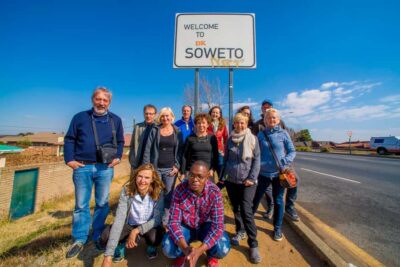
Jo’berg in 1 Day: Soweto, Apartheid Museum & City Tour
Read our review →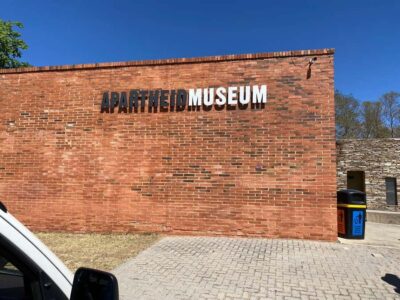
Full-Day Tour with Soweto and Apartheid Museum
Read our review →
Full-Day Soweto, Apartheid Museum and Lunch Tour
Read our review →
Soweto: Hop-On Hop-Off Bus, City Tour and Apartheid Museum
Read our review →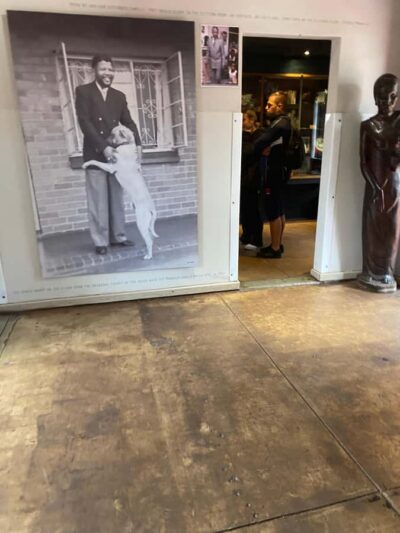
Browse the lists this tour appears in