
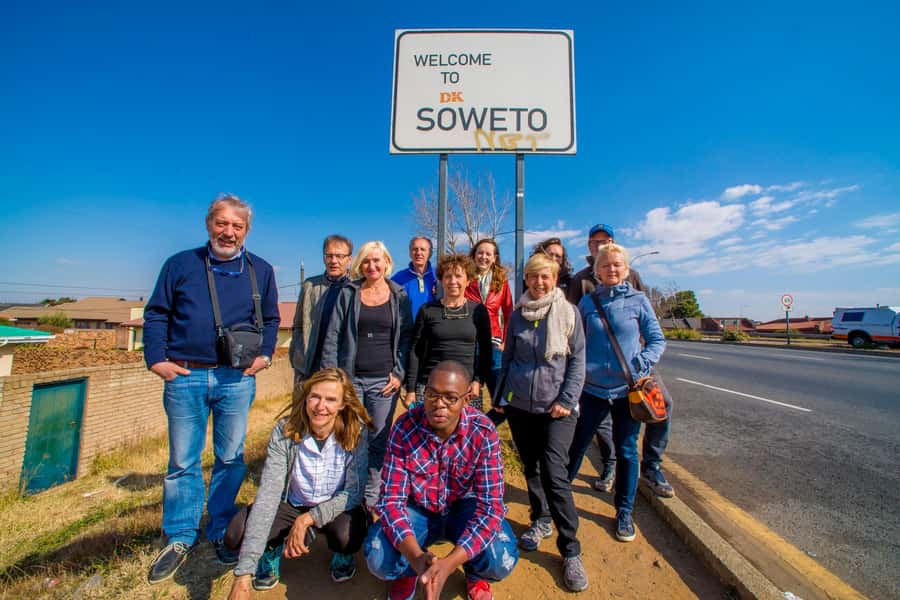
Review · JOHANNESBURG
Jo’berg in 1 Day: Soweto, Apartheid Museum & City Tour
Johannesburg’s story comes into sharp focus on this full-day trip through Soweto, the Apartheid Museum, and Constitution Hill. You move from World Cup landmarks and informal settlements to former prisons, protest sites, and the streets where Nelson Mandela and Desmond Tutu once lived. I like the way the day connects places instead of treating them as isolated sights.
I also like the practical setup: hotel pickup, entrance fees, a clean vehicle, and free onboard WiFi are covered. Guides such as Khutso, Thapelo, Sello, Tinyiko, and Clement have earned strong praise for clear explanations, humor, and careful driving. The main drawback is time. The schedule is packed, and two hours at the Apartheid Museum may feel short if you want to read every panel.
Key points to know before booking
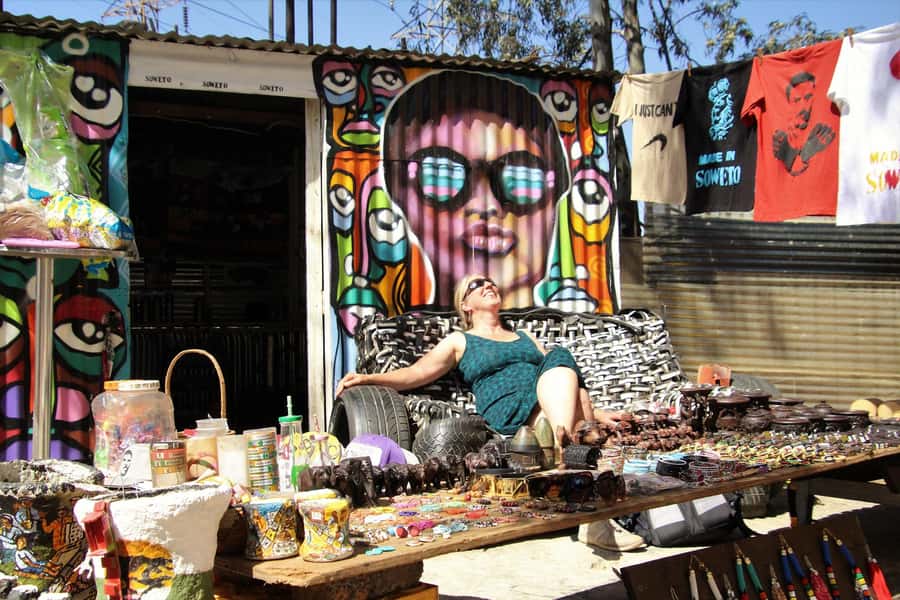
- Soweto is the emotional center: Walk through Orlando West, see Vilakazi Street, and learn about the 1976 uprising at the Hector Pieterson Museum.
- Three major history stops fit into one day: Constitution Hill is guided, while the Apartheid Museum gives you time to explore on your own.
- You see several sides of Johannesburg: The route includes Soweto’s established neighborhoods, informal housing, central Johannesburg, and major civic landmarks.
- Small groups make a difference: Groups of around eight have been reported, giving you room to ask questions and hear the guide.
- The $142 price includes the important extras: Hotel pickup and drop-off, admission fees, transport, and WiFi are included. Lunch and drinks are not.
- Plan for serious subject matter: The museums and prison sites tell painful stories, so this is an educational tour rather than a light sightseeing outing.
Why this is a strong one-day introduction to Johannesburg
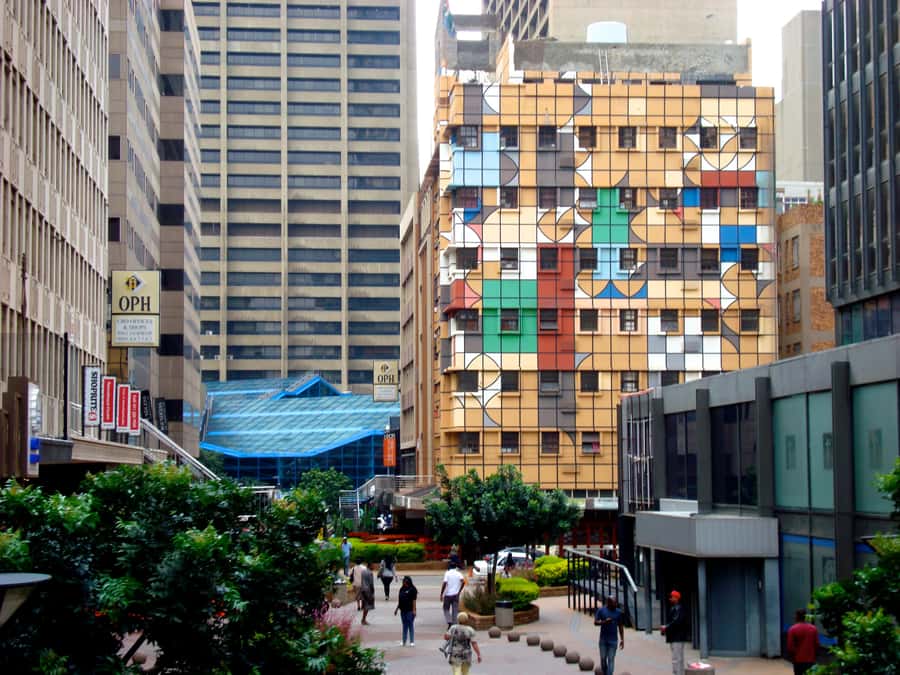
Johannesburg can be difficult to understand from a car window. Its districts are spread out, and several important sites are not easy to combine by public transport in one day. This tour solves that problem with a single route linking Soweto, central Johannesburg, and two major historical institutions.
You spend about eight hours on the road and at the sights. That is a long day, but the mix works. Driving time gives your guide room to explain how Johannesburg developed, while the stops provide the physical evidence: former prison cells, protest memorials, courtrooms, stadiums, churches, bridges, and neighborhoods.
The best part is the continuity. Soweto is not presented as a quick photo stop. The guide links the township to the student uprising of June 16, 1976, the anti-apartheid struggle, and the wider fight for equal rights. Later, the Apartheid Museum gives you a larger national picture, and Constitution Hill shows how law and imprisonment shaped the city.
Several guides have been singled out for making the day work well. Khutso is praised for his humor and clear explanations, Thapelo for his strong historical commentary, and Sello and Tinyiko for being friendly, punctual, and attentive. Names can change from one departure to another, but the guide is both driver and storyteller on many departures.
More Museum Tours in Johannesburg
- Soweto /Johannesburg and Apartheid Museum Guided Full Day Tour
★ 5.0 · 932 reviews - Johannesburg: Full-Day Tour with Soweto and Apartheid Museum
★ 4.8 · 478 reviews - Full-Day Soweto, Apartheid Museum and Lunch Tour
★ 5.0 · 410 reviews
Starting with Soweto and the World Cup stadium
Pickup is available from hotels in the areas of O R Tambo, Sandton, Rosebank, Johannesburg Downtown, and Melville. After a short briefing, the vehicle heads toward Soweto, with roughly 45 minutes of driving time.
One early landmark is the National Football Stadium, also called Soccer City. It hosted the opening and closing ceremonies of the 2010 World Cup. The stop helps place Johannesburg on the world stage, but it also contrasts sharply with the neighborhoods you see later.
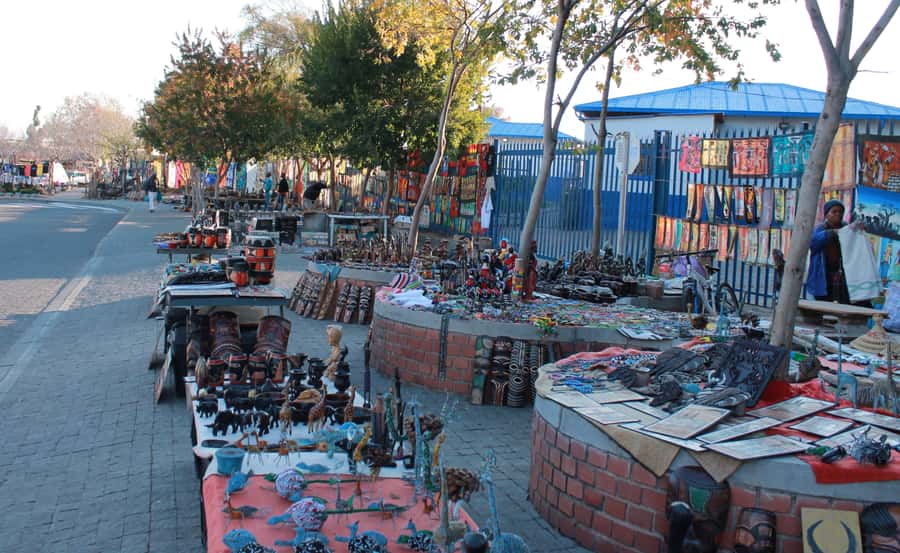
You then enter Diepkloof, where a short walk takes you past vendors selling everyday goods. This is a useful change from looking through a vehicle window. You get a closer sense of ordinary commerce and daily life, though the walk is brief, around 30 minutes.
The tour does not pretend that Soweto is one uniform place. You pass through different areas, including more established neighborhoods and informal housing. That contrast is important. Soweto has both celebrated landmarks and serious social challenges, and the route gives you a broad, if necessarily brief, view.
Orlando West, Vilakazi Street, and two famous homes
In Orlando West, the tour reaches Vilakazi Street. This is one of the day’s most important addresses because it is associated with both Nelson Mandela and Archbishop Desmond Tutu. You drive past their former homes and have time to understand why this short street carries such national weight.
Mandela House is visible during the visit, but entering the museum is optional. That choice matters because the schedule is already full. If you have a strong interest in Mandela’s personal life, you may want to use your available time there. If your priority is the broader political story, you may prefer to keep moving toward the Hector Pieterson Museum and Apartheid Museum.
Vilakazi Street also gives you a chance to pause for photographs and, depending on timing, lunch options later in the day. One guide arranged a stop at Sakhumzi restaurant on Vilakazi Street, though lunch is not included and the exact meal stop can vary. Bring cash or a card suitable for paying for your own food and drinks.
Hector Pieterson Museum and the 1976 uprising
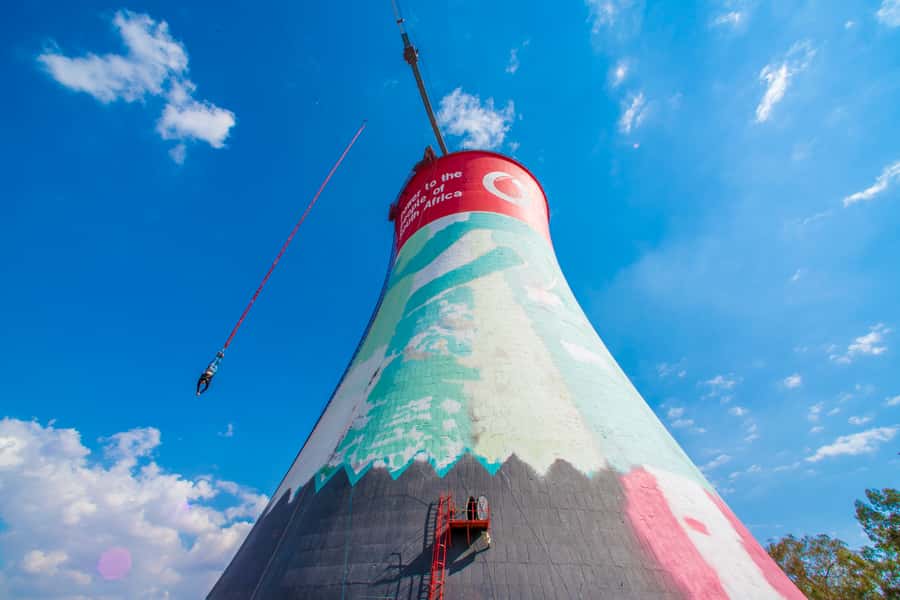
The Hector Pieterson Museum explains the Soweto uprising of June 16, 1976. Students protested against the forced use of Afrikaans in schools, and the violence that followed became a major turning point in the liberation struggle.
The museum is named for Hector Pieterson, a young student whose death became a symbol of the uprising. The famous photograph of his body being carried through the streets, with his sister running beside him, helped draw international attention to the brutality of the state.
This is not a casual museum stop. You should expect difficult photographs, personal stories, and an account of how young people became central to the fight against apartheid. The visit is often around 30 minutes in the schedule, though that can feel tight. One practical tip: if the tour is running late, ask your guide how much time remains before you enter, since the displays reward a slower visit.
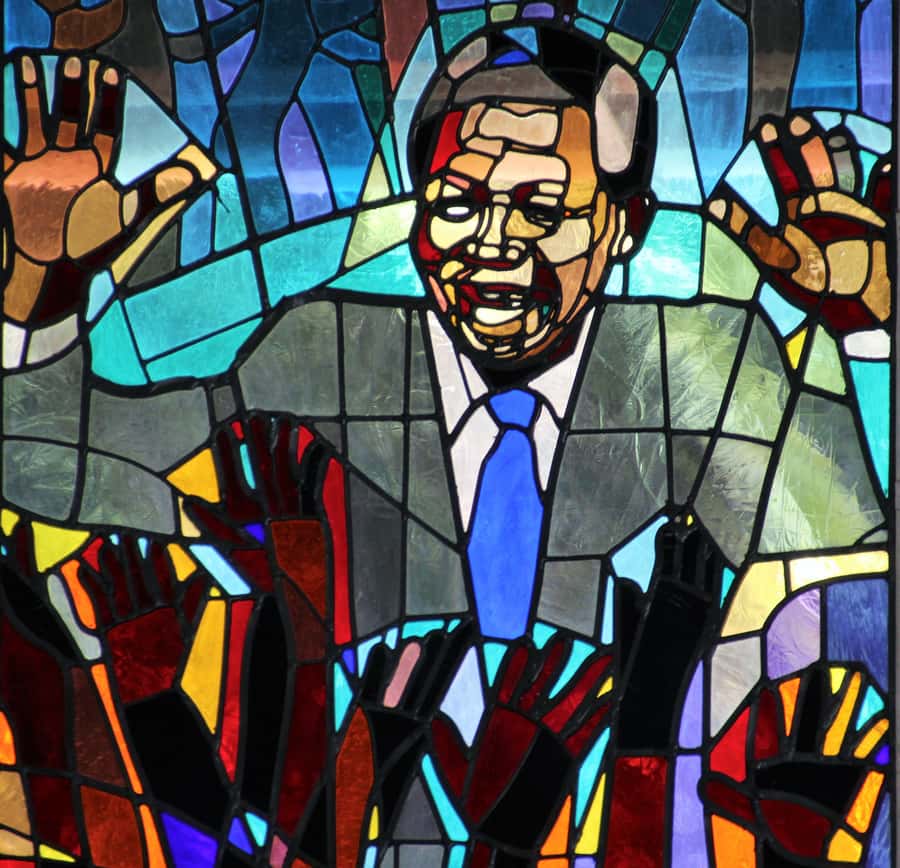
The museum and nearby sites give the day a human scale. Instead of learning only about laws and political leaders, you see how government policy affected schoolchildren, families, and neighborhoods.
More apartheid history tours:
- Soweto: Hop-On Hop-Off Bus, City Tour and Apartheid Museum
★ 4.5 · 250 reviews - Johannesburg: Soweto & Apartheid Museum Half-Day Tour
★ 4.9 · 99 reviews - From Johannesburg: Pretoria, Soweto & Apartheid Museum Tour
★ 4.8 · 48 reviews - Soweto & Johannesburg and Apartheid Museum
★ 4.7 · 41 reviews
Meeting Soweto beyond the famous addresses
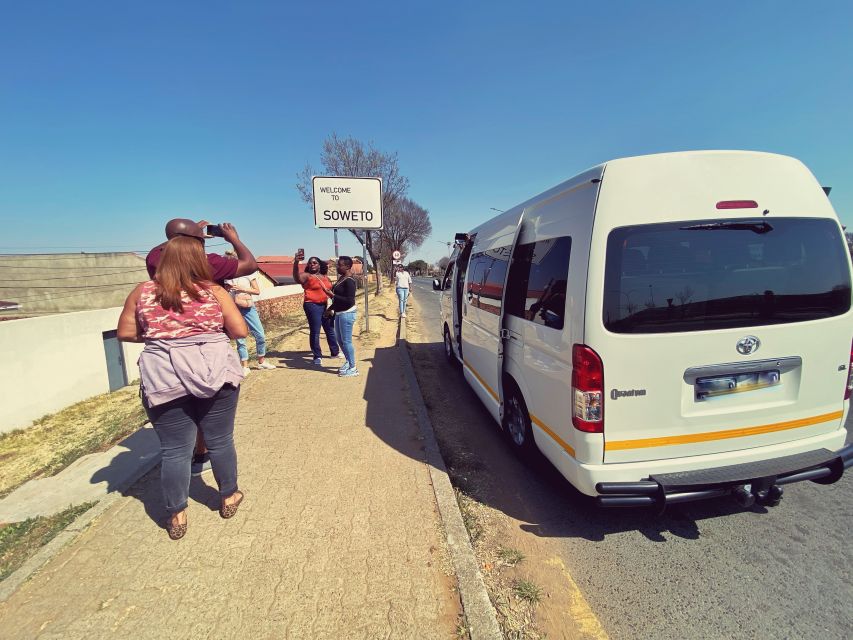
The route continues through a section of informal housing, where you may meet a local resident and hear about conditions directly. This part can be confronting, and it should be approached with respect. The purpose is not poverty sightseeing. It is to show that the political story did not end with the collapse of apartheid.
You also pass the Soweto campus of the University of Johannesburg and Chris Hani Baragwanath Hospital, described as the largest hospital in the world. These stops broaden the picture beyond the famous names. Soweto is a place where education, health care, housing, work, and community life all sit alongside the memory of protest.
The guide’s role is especially important here. A good explanation helps you understand what you are seeing without reducing the neighborhood to a string of grim images. Guides such as Tinyiko, Thapelo, and Khutso have been praised for mixing serious information with a warm, conversational manner.
You should also remember that the route is primarily a driving tour with short walks. If you want several hours on foot in Soweto, this is not the right format. If you want a guided overview that reaches places you might not comfortably connect on your own, it works well.
Lunch and the Apartheid Museum
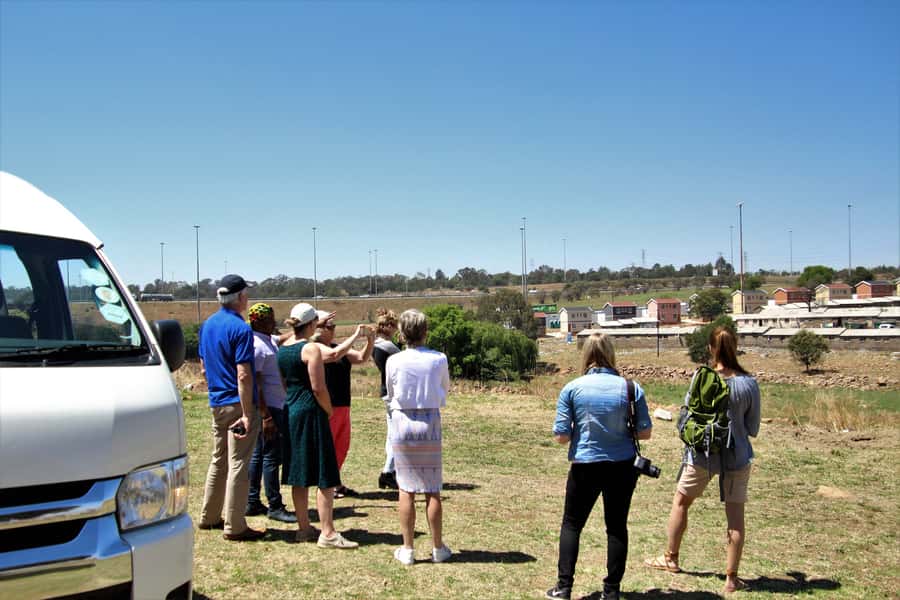
Lunch is on your own account, usually between the Soweto portion and the Apartheid Museum. The supplied details do not promise a specific restaurant, though Vilakazi Street’s Sakhumzi restaurant has been used on at least one departure. Ask the guide about the day’s timing so you can make a sensible choice rather than rushing.
The Apartheid Museum receives about two hours. That is enough to understand the main sequence of events and see the major exhibits, but not enough for a slow reading of every display. Several people have found the museum so absorbing that they wanted four hours.
The museum presents apartheid as a system, not merely a series of unpleasant incidents. You learn about racial classification, forced separation, political repression, resistance, and the long process of dismantling the system. The exhibitions can be emotionally heavy, but they provide essential context for everything you saw in Soweto.
Your guide may give you a short orientation before you enter, then leave you to explore independently. That arrangement has advantages: you can choose where to spend your time. The drawback is that you may need to manage the clock carefully. If a particular section matters to you, check the closing time with the guide before you begin.
I would treat the museum as the day’s anchor. The Soweto stops show the places where people lived and protested. The Apartheid Museum helps you connect those local stories to national events.
Constitution Hill: prison, court, and law
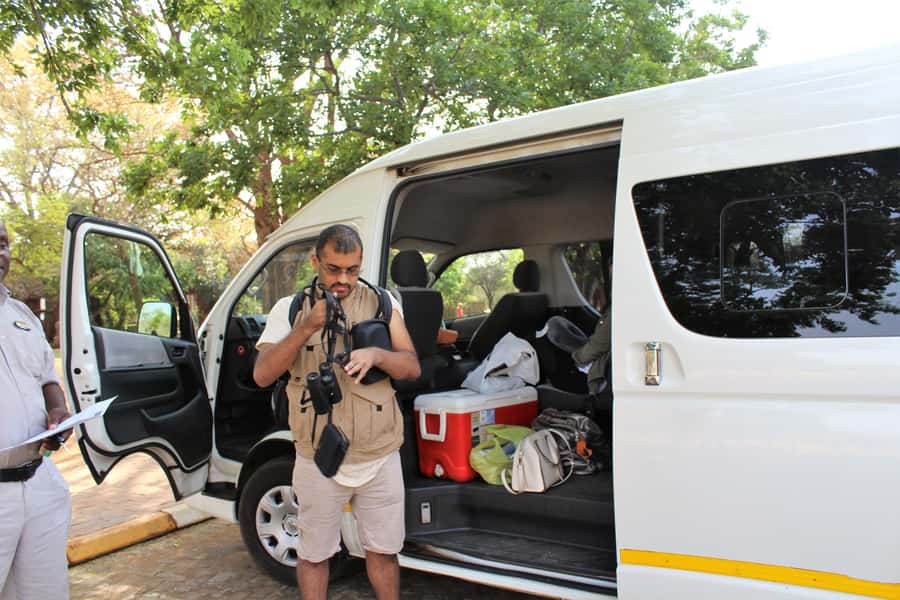
After the museum, the vehicle heads into central Johannesburg and toward Constitution Hill. The visit includes a guided tour of the complex and the court when it is not in session.
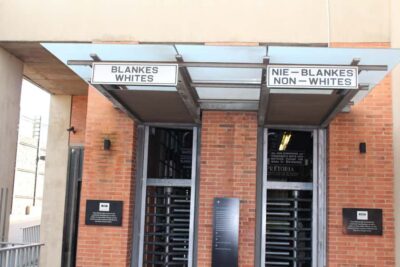
Constitution Hill was once a prison complex. Political activists, ordinary prisoners, and people caught in the machinery of apartheid were held there. Nelson Mandela and Mahatma Gandhi are among the well-known figures linked to the site, but the guided visit also deals with the everyday operation of imprisonment and segregation.
The prison buildings are sobering. You can expect discussion of harsh conditions and the unequal treatment of prisoners. The Constitutional Court adds another layer, showing how South Africa’s legal system changed after apartheid and how the country’s new constitutional ideals are represented.
This is one of the most worthwhile stops for people who want more than a surface tour of Johannesburg. The guided format helps you follow the legal and political details, which can be harder to grasp in a self-guided visit.
Allow about an hour. If you are especially interested in law, prisons, or political history, you may wish for longer, but the guide keeps the visit focused. The combination of prison and court makes Constitution Hill different from the Apartheid Museum, so the two stops do not feel entirely repetitive.
Johannesburg sights from the vehicle
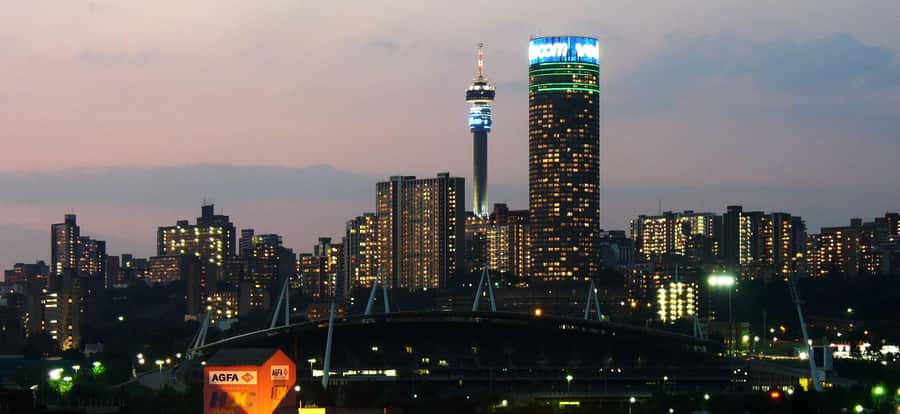
The city portion includes a view of the 269-meter Telkom Tower, one of Johannesburg’s familiar postcard landmarks. You also pass over or near the Nelson Mandela Bridge, described as the longest bridge in southern Africa, and stop at Mary Fitzgerald Square, where you can walk along the Jazz Walk of Fame.
These are short sightseeing moments rather than long guided visits. That is useful after two museums and a prison complex. You get a visual introduction to central Johannesburg without adding another major indoor attraction to an already full day.
The driving commentary is part of the value. Guides explain what you are passing and connect the city’s buildings to its past and present. One guide used back roads to save time during peak traffic, which shows why having a local driver matters on a full schedule.
The route does not turn Johannesburg into a postcard city. It gives you glimpses of a large, complicated place and leaves you with landmarks to revisit if you stay longer.
Transport, group size, and the real value of $142
At $142 per person, this is not the cheapest way to see Johannesburg. It is a strong value if you want the major admission fees, hotel transport, a guide, and a full day of coverage in one package.
The price includes pickup and drop-off, entrance fees, and onboard uncapped WiFi. Lunch and drinks are extra. Since the tour covers several districts, the transport alone saves time and removes the need to arrange separate taxis or ride services between Soweto, the Apartheid Museum, Constitution Hill, and central Johannesburg.
Group size can vary, but one departure had eight people. That is a useful size for asking questions without the feel of a large coach tour. Vehicles have been described as clean, comfortable, and spacious.
The value is strongest for a first visit, a short stay, or a Johannesburg layover. One person completed the tour during a layover, and another arranged a return to the hotel from Hector Pieterson Museum to catch an evening flight. Do not copy that timing without checking with the operator, but it shows that the day can sometimes be adjusted.
Free cancellation up to 24 hours before departure and reserve-now-pay-later booking add flexibility. Pickup is limited to the listed Johannesburg areas, so confirm that your accommodation falls within the service zone before paying.
Who should book this day tour
I would choose this tour if you want a serious introduction to Johannesburg and have only one day. It suits first-time visitors, solo travelers who want organized transport, and anyone who prefers historical context from a local English-speaking guide.
It is also a good choice for people who want to see Soweto but feel unsure about arranging the visit independently. The guide handles the driving and route, while you get short walks and opportunities to meet local people.
You may want a different plan if you dislike full schedules or prefer to spend half a day in one museum. The Apartheid Museum alone can fill several hours, and the Hector Pieterson Museum also rewards more time than the schedule may allow.
Wear comfortable shoes for the walks, bring money for lunch and drinks, and keep some mental space for heavy material. This is an active day, but the real work is listening and thinking.
Should you book it?
Book it if you want to understand Johannesburg through its central historical sites rather than simply collect city photographs. The combination of Soweto, the Apartheid Museum, and Constitution Hill is carefully chosen, and the strongest guides add humor without making light of painful subjects.
Skip it if your ideal day means lingering in one museum, eating a long lunch, or exploring one neighborhood slowly. For everyone else, $142 is fair for a guided eight-hour introduction with transport and admissions included. Ask for the day’s timing, confirm your pickup area, and treat the museum stops as the heart of the experience.
FAQ
How long does the Johannesburg and Soweto tour last?
The tour lasts eight hours, including driving, sightseeing, museum visits, and the guided visit to Constitution Hill.
What areas offer hotel pickup?
Pickup is available from hotels in O R Tambo, Sandton, Rosebank, Johannesburg Downtown, and Melville.
Is lunch included?
No. Lunch and drinks are not included, so you pay for your own meal during the day.
Which languages are available?
The tour is conducted in English with a live English-speaking guide.
Does the tour include the Apartheid Museum entrance fee?
Yes. Entrance fees are included in the tour price, including admission to the listed attractions.
Can I enter Mandela House?
A visit to Mandela House is optional. You pass by the former home during the Soweto portion, and the exact time available may affect your choice.
Is WiFi available during the drive?
Yes. Free onboard uncapped WiFi is included.
What donation is made from each booking?
An R50 donation is made for each individual booking to the Motsoaledi Day Care Centre. The money supports building upgrades and purchases from the center’s wish list.
More 1-Day Tours in Johannesburg
- From Athens: Small-Group Delphi, Museum & Arachova Day Trip
★ 4.8 · 2,476 reviews - Hurghada: Cairo Pyramids, Sphinx & Egyptian Museum Day Trip
★ 4.7 · 2,271 reviews - From Barcelona: Girona&Dalí Museum Day Trip with Small Group
★ 4.7 · 1,874 reviews - Premium Delphi Day Trip with an Expert Guide, Museum & Lunch
★ 4.5 · 1,100 reviews
Just added around Johannesburg
- Soweto & Johannesburg and Apartheid Museum★ 4.7 · 41 reviews
- Private Soweto,Mandela House,Apartheid Museum,Constitution★ 4.6 · 15 reviews
- Johannesburg: Soweto & Apartheid Museum Half-Day Tour★ 4.9 · 99 reviews
- Soweto and Apartheid Museum Tour★ 4.4 · 38 reviews
- Soweto: Hop-On Hop-Off Bus, City Tour and Apartheid Museum★ 4.5 · 250 reviews
- Private Rhino and Lion Park, Cradle Caves or Maropeng Museum★ 4.6 · 25 reviews
- Half Day Private Soweto and Apartheid Museum tour★ 4.6 · 14 reviews
- From Johannesburg: Pretoria, Soweto & Apartheid Museum Tour★ 4.8 · 48 reviews
Museum Tours in Johannesburg, compared.
Soweto /Johannesburg and Apartheid Museum Guided Full Day Tour
Read our review →
Full-Day Tour with Soweto and Apartheid Museum
Read our review →
Full-Day Soweto, Apartheid Museum and Lunch Tour
Read our review →
Soweto: Hop-On Hop-Off Bus, City Tour and Apartheid Museum
Read our review →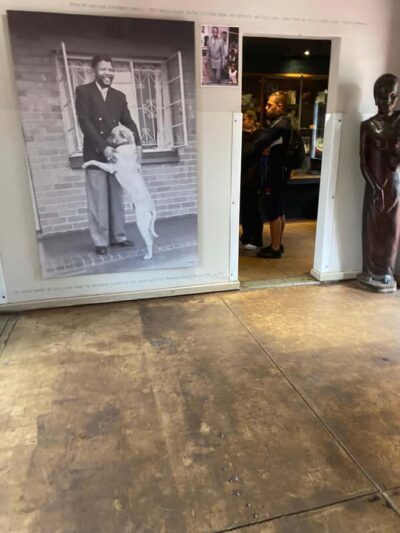
Browse the lists this tour appears in