
Review · WAR AND MEMORIAL MUSEUMS
Seoul: The War Museum, Jogyesa, and Tapgol Park Tour
The most striking part of this tour is the way it links Seoul’s modern story. At the War Memorial, you move from military displays and tanks to the painful legacy of the Korean War. Later, at Tapgol Park, you stand where the March 1 Independence Movement began, then see the same place featured in Squid Game. I like that contrast between national history and current pop culture.
I also like the comfortable air-conditioned minivan and the chance to ask an English-speaking guide about Korea as you go. Guides including Connie, Leo, Park, Sam, Melvin, and Dragon have been praised for clear explanations, personal stories, photo help, and practical Seoul advice. The main consideration is time: the afternoon tour covers several important sites, so museum visits may feel more like a well-guided introduction than a full study session.
Key points at a glance
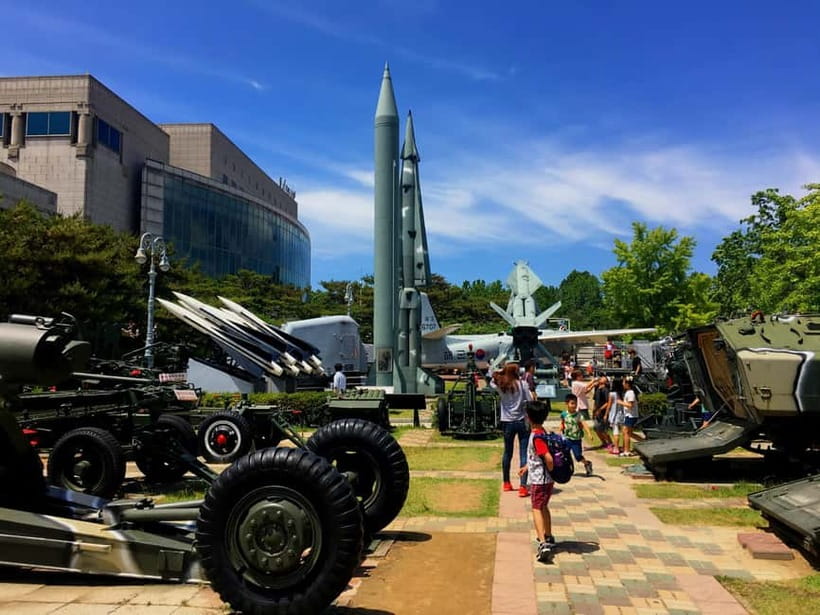
- The War Memorial of Korea: See tanks, aircraft, and displays focused on the Korean War and the hope for reunification.
- A Squid Game filming location: Visit Tapgol Park, where the recruiter’s bread-and-lottery scene appeared in Season 2.
- Four different sides of Seoul: Military history, modern national history, Korean Buddhism, and independence history all fit into one outing.
- Small-group flexibility is possible: Some departures may be intimate, while other dates can have a larger group.
- Useful guide support: Guides such as Leo and Park have helped with photographs, questions, local customs, and useful Korean phrases.
- Two ways to book: Choose the afternoon visit alone or add the longer route with Gyeongbokgung Palace, Bukchon, Bugak Skyway, and Gwangjang Market.
Why this tour gives you a useful first look at Seoul
Seoul can feel like several cities at once. Glass towers, royal gates, Buddhist temples, independence memorials, and military museums all sit within reach of one another. This tour works because it does not focus only on the postcard version of the capital.
Instead, you spend time with the events that shaped modern South Korea. The War Memorial addresses the Korean War and the division of the peninsula. The National Museum of Korean Contemporary History follows South Korea from the late nineteenth century to the present. Jogyesa offers a quieter look at Korean Buddhism, while Tapgol Park connects the city to the 1919 independence movement.
I find this useful early in a Seoul visit. The sites give you a framework for later sightseeing. Afterward, Gyeongbokgung Palace, Bukchon Hanok Village, the markets, and even the city’s modern neighborhoods make more sense.
The afternoon option is listed at four to nine hours depending on the selected schedule and starting time. The price is $42 per person. That includes entrance fees, an English-speaking guide, transport in an air-conditioned minivan, and a lottery activity connected to the Tapgol Park stop. Food and drinks are extra, and hotel pickup and drop-off are not included.
More war and memorial museums in the world:
- 9/11 Memorial Museum Admission Ticket
★ 4.5 · 6,376 reviews - Caen: Guided D-Day Sites Tour & Caen Memorial Museum Ticket
★ 4.8 · 498 reviews - Amsterdam: National Holocaust Museum Entry Ticket
★ 4.7 · 413 reviews
Starting at the War Memorial of Korea
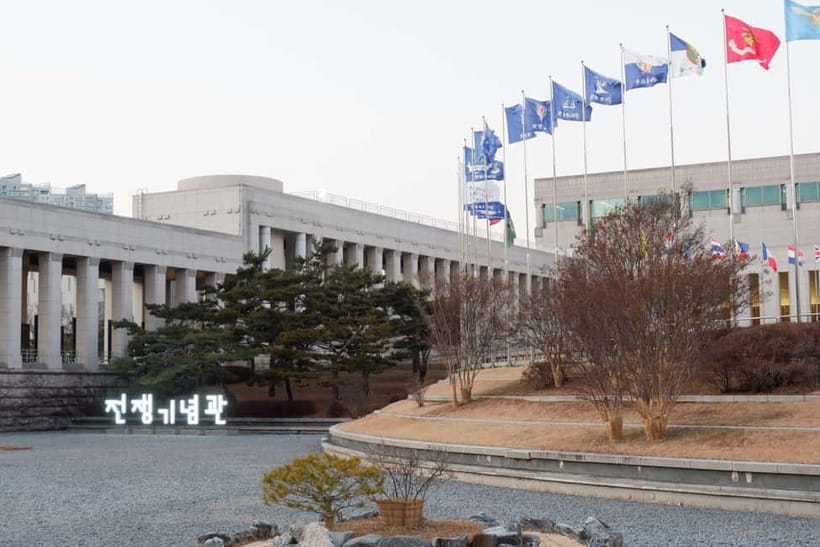
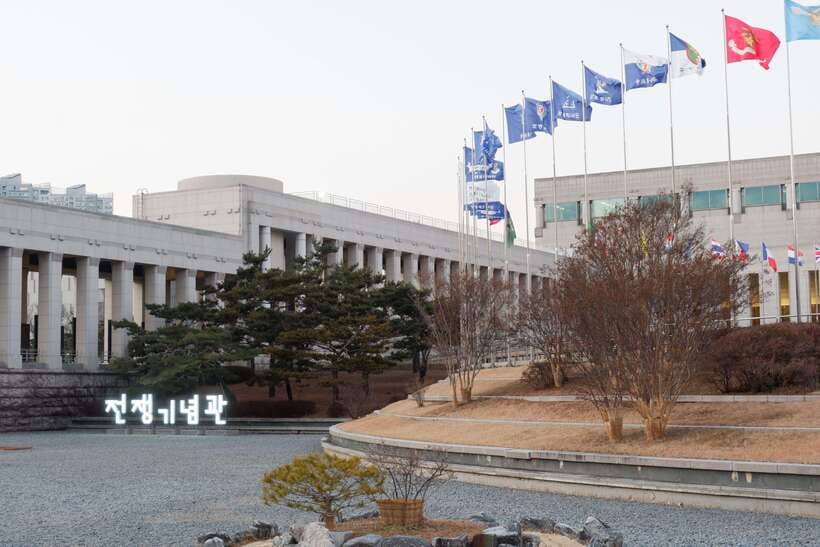
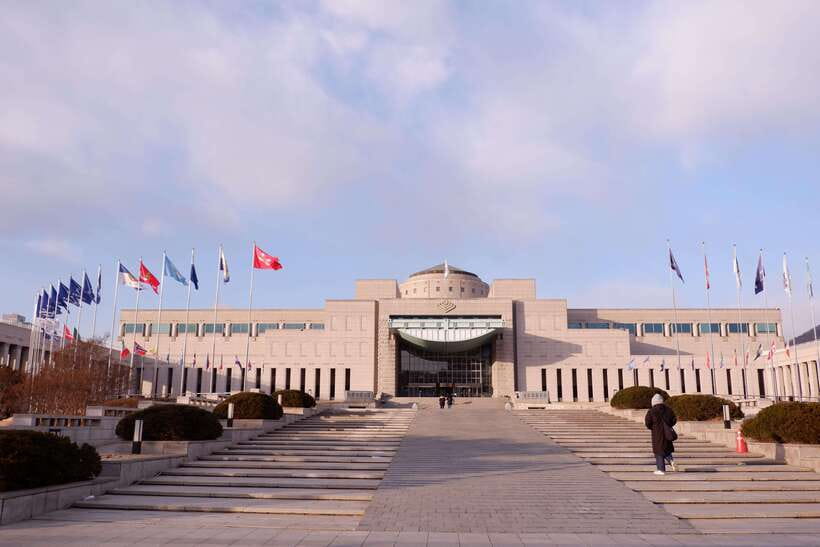
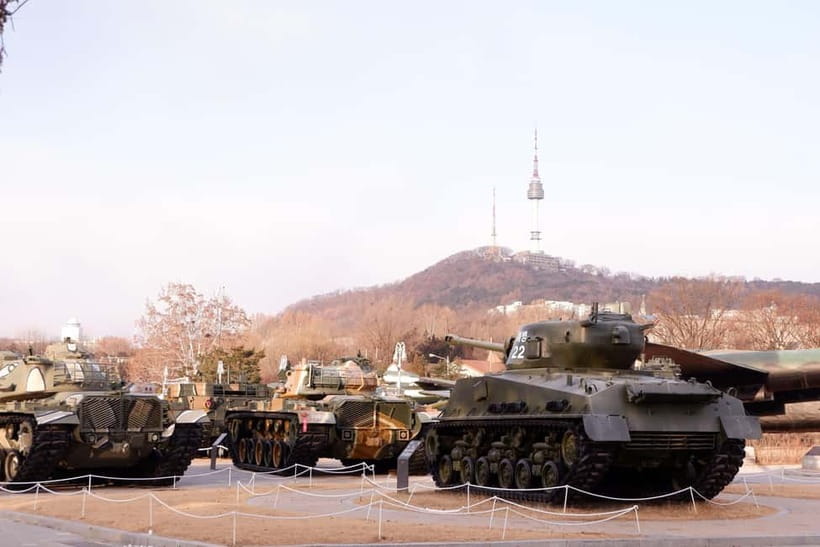
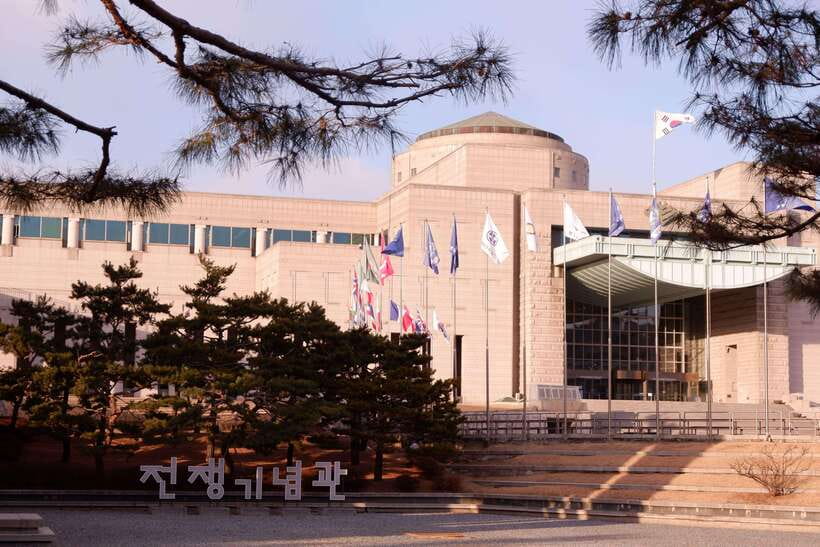
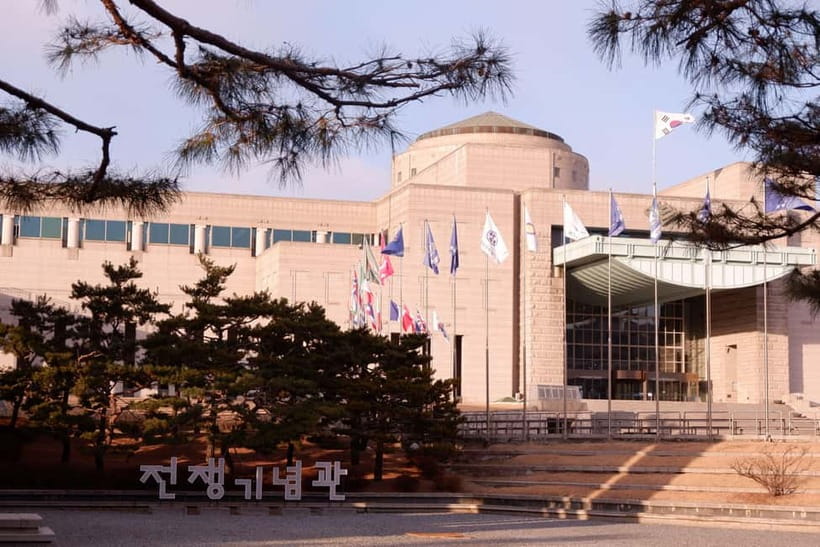
The War Memorial is the tour’s strongest stop if you want context for South Korea today. Established in 1994, the museum uses military objects and historical displays to explain the Korean War and the long division between North and South Korea.
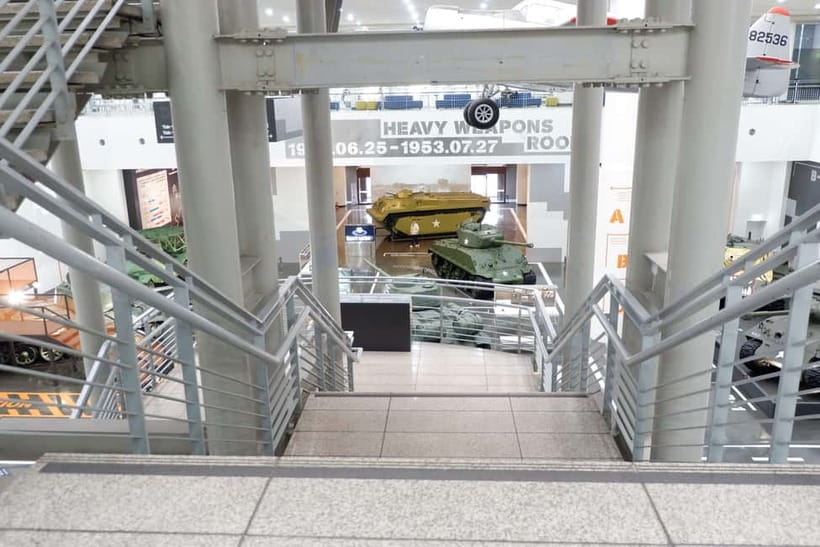
You can expect tanks and aircraft among the outdoor and indoor displays. The military hardware gives the visit a clear physical focus, but the larger purpose is reflective. The museum presents war not just as a series of battles, but as something Korea hopes to prevent in the future.
The itinerary gives special attention to the third-floor United Nations Memorial Cemetery section. This part helps place the Korean War in an international setting, showing that the conflict involved forces from beyond the Korean Peninsula. Your guide can make the displays easier to follow, particularly if you are unfamiliar with the sequence of events leading to the war.
I would allow yourself enough attention here to read and ask questions. The museum is not simply a quick photo stop. At the same time, the afternoon schedule means you may not have time to examine every display in detail.
This stop suits adults and older children who want more than shopping and palace gates. Some military museums can feel dry, but the aircraft, tanks, and personal scale of the Korean War story help keep the visit concrete.
Following South Korea’s modern story
The National Museum of Korean Contemporary History opened in 2012 and covers the period from the late nineteenth century to the present. Its four permanent exhibition halls give you a broad view of the country’s political and social development.
This is a helpful companion to the War Memorial. The War Memorial concentrates on conflict and national defense. The contemporary history museum widens the picture, showing how South Korea changed over time. I would pay attention to the guide’s explanation here, since a short visit cannot cover every period equally.
The value is in getting the outline. You learn why the twentieth century matters so much in Korea and how the country’s modern identity took shape. If you are planning to return on your own, note the sections that interest you and come back for a longer look.
The museum also provides a pause from the heavier military material. It is still serious, but the chronological approach helps you organize what you have already seen.
A quiet pause at Jogyesa Temple
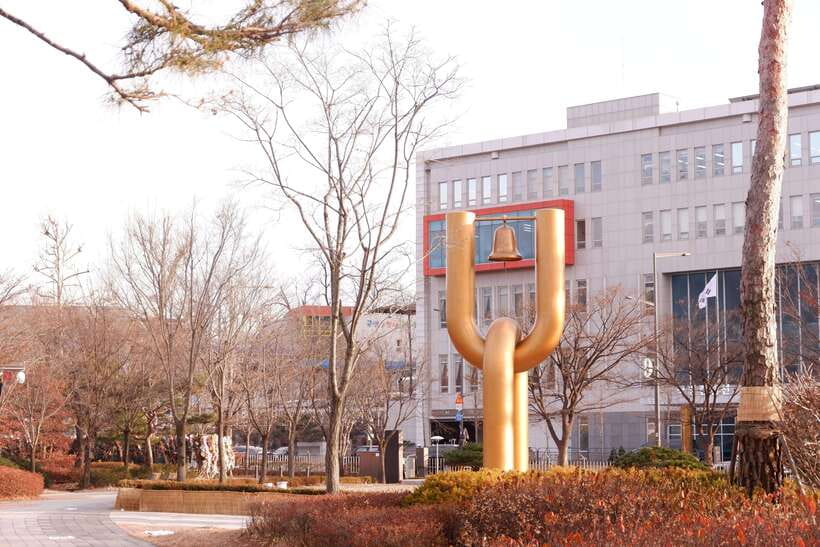
Jogyesa Temple is the chief temple of the Jogye Order, a major tradition in Korean Buddhism. Its purpose is not only religious. The temple promotes the idea of people living together with compassion and the spirit of the Bodhisattva.
You will notice a change in mood after the museums. Jogyesa is a place to slow down, observe, and listen to the guide’s explanation of Korean Buddhist practice. The temple has also lived through Korea’s turbulent modern period, so it connects spiritual life with the country’s wider story.
Do not expect a long meditation retreat. This is a sightseeing visit within a packed route. Still, even a short stop can add balance. The War Memorial explains national trauma through military objects. Jogyesa gives you a chance to consider faith, community, and daily life.
I would dress and behave respectfully here. The tour does not include hanbok rental, so you will not receive traditional clothing as part of the visit. Comfortable, modest clothing and quiet attention are enough.
A few more museum visits around the world worth comparing
- Vatican: Museums & Sistine Chapel Entrance Ticket
★ 4.5 · 144,003 reviews - Vatican Museums, Sistine Chapel & St. Peter’s Basilica Tour
★ 4.3 · 73,970 reviews - Paris: Louvre Museum Timed-Entrance Ticket
★ 4.6 · 71,977 reviews - Amsterdam: Van Gogh Museum Ticket
★ 4.7 · 52,054 reviews
Tapgol Park, independence, and Squid Game
Tapgol Park sits near Insadong in central Seoul. In 1919, it became the starting point of the March 1 Korean Independence Movement, which called for independence from Japanese rule.
That history gives the park weight far beyond its size. You are not only visiting a green public space in a busy central district. You are standing at a place linked to one of Korea’s most important independence movements.
The park also appears in Season 2, Episode 1 of Squid Game. The recruiter passes out bread and lottery tickets to people sleeping there, then stamps on the leftover bread. The tour includes a lottery activity, which gives you a playful pop-culture moment without replacing the more serious history of the site.
I like this combination because it shows how Seoul’s past and present overlap. You can discuss independence, public memory, television, and present-day city life in one short stop. If you know the show, the scene will be easy to recognize. If you do not, the location still works as a historical stop.
Tapgol Park is near Insadong, so the surrounding area can be useful for further independent exploring after the tour. The scheduled drop-off is at Myeongdong Cathedral, not necessarily at the park, so plan your evening around the tour’s stated finish.
What the full-day version adds
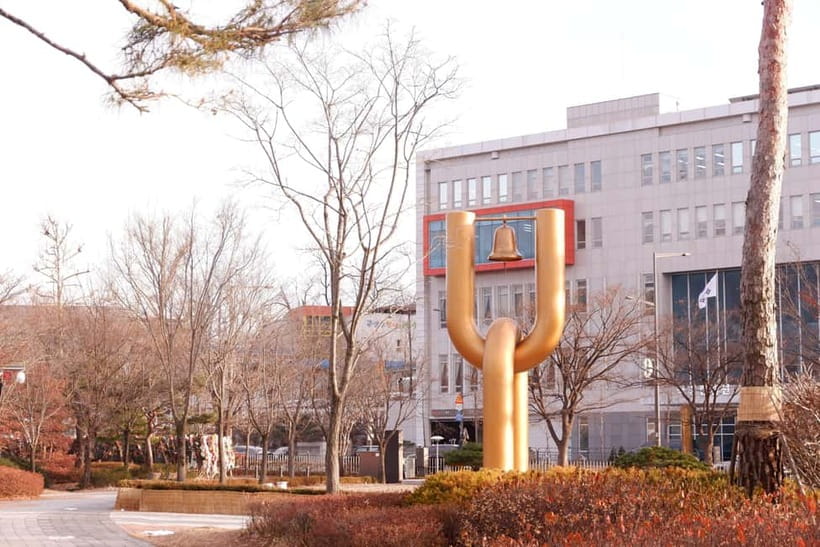
The full-day option begins at Myeongdong Station Exit 10, in front of Sejong Hotel. It adds several major sights before joining the afternoon route.
You visit Gyeongbokgung Palace, usually with the Royal Guard Changing Ceremony, then Bukchon Hanok Village. On Sundays, the itinerary substitutes Namsangol Hanok Village for Bukchon. These changes matter if you have a strong preference for traditional neighborhoods or palace architecture, so check the date when booking.
The route also includes Bugak Skyway, a Ginseng Museum, and Gwangjang Market. Lunch at Gwangjang Market is at your own expense. That is useful because you can choose what appeals to you, but you should budget separately and accept that the meal is not part of the $42 afternoon price.
One Monday arrangement has included Jongmyo Shrine instead of the palace. Since schedules can vary, confirm the exact stops for your date rather than assuming every full-day departure is identical.
The full-day route suits you if this is your first day in Seoul and you want broad coverage with minimal planning. It is less suitable if you prefer long, unhurried museum visits or want to spend half a day at one palace.
The Ginseng Museum deserves a practical note. It is included in the full-day schedule, but it can take a meaningful amount of time and may feel like a sales-oriented stop. One past visitor found the large center unusually empty and felt the visit resembled a sponsor presentation. If you are not interested in ginseng products, this may be the least appealing part of the full route.
Guides, transport, and the pace
The tour uses an air-conditioned minivan and a professional English-speaking guide. That matters in Seoul, where several stops are spread across central districts and public transport can add time and confusion, especially when you are still learning the city.
The guide is one of the main reasons to book rather than visit these places alone. Connie has been described as warm, attentive, and good at adding personal stories. Leo is especially useful if you like asking questions, taking photographs, and getting help with Seoul beyond the formal itinerary. Park has helped with local phrases, souvenir shopping, and traditional tea-house suggestions. Sam and Melvin have also been praised for clear explanations and friendly assistance, while Dragon has led tours with historical detail and practical care on cold days.
These names do not guarantee your guide for a particular departure. They do show the kind of service you can expect from the stronger departures: explanations that go beyond dates, answers to unexpected questions, and help with photographs.
Expect a moderate amount of walking. Wear comfortable shoes, especially if you choose the full-day route. The tour runs rain or shine, so bring suitable clothing and do not count on weather cancelling the outing.
The experience is not suitable for wheelchair users, and children must be accompanied by an adult. Unaccompanied minors are not permitted.
Is $42 a fair price?
For the afternoon route, $42 is reasonable if you value transport and interpretation. Entrance fees are included, and you avoid arranging several transfers between museums, the temple, and the central park. The English guide is also important because the historical meaning of these sites is not always obvious from the displays alone.
The value is strongest for a first visit, a short stay, or anyone who wants a guided orientation before exploring independently. You get four different subjects in one outing, not just four similar attractions.
The value is weaker if you already know Seoul well or prefer setting your own museum pace. You may spend less by using the subway and visiting some sites on your own, but you would give up the guide’s explanations and the convenience of the minivan.
Food and drinks are not included. The afternoon tour has no hotel pickup or drop-off, so you must reach the designated starting point at the Koreana Hotel’s office-building lobby. The route ends at Myeongdong Cathedral, according to the afternoon schedule. Check the exact meeting point because it varies by option.
Free cancellation is available up to 24 hours before departure for a full refund, and you can reserve now and pay later. Those terms are useful if your Seoul plans are still moving around.
Who should book this Seoul tour?
I would choose the afternoon tour if you want an efficient introduction to Korea’s recent history, Buddhism, and independence movement. It is especially good for first-time visitors who want an English-speaking guide and do not want to manage several central Seoul transfers.
Choose the full-day version if you want to add palace architecture, a traditional village, a market meal, and a city viewpoint. Just expect a long day with more walking and less time at each individual stop.
I would not choose it if your priority is shopping, food, or a slow palace visit. The Ginseng Museum may also feel unnecessary if you dislike commercial stops. Families with younger children should consider the amount of walking and the serious subject matter at the War Memorial.
Should you book it?
Book this tour if you want Seoul explained, not simply photographed. The strongest parts are the War Memorial, Tapgol Park, and the guide’s ability to connect Korea’s past with places you may already know from film and television.
The afternoon route is the better value for a focused half-day. The full-day route makes sense when you have limited time and want a broad first look at Seoul, but check the exact schedule, especially around Sundays and Mondays. Bring comfortable shoes, keep room for questions, and treat the museums as an introduction rather than a final word.
FAQ
Where does the afternoon tour start?
The afternoon tour starts in the lobby of the Koreana Hotel’s office building. The exact meeting point may vary depending on the option you book.
Where does the afternoon tour end?
The stated afternoon drop-off is at Myeongdong Cathedral. Meeting and ending arrangements can vary by option, so check your selected departure details.
What places are included in the afternoon route?
The afternoon route includes the War Memorial of Korea, the National Museum of Korean Contemporary History, Jogyesa Temple, and Tapgol Park.
What is included in the $42 price?
The price includes entrance fees, an English-speaking professional guide, transport by air-conditioned minivan, and the lottery activity. Food and drinks are not included.
Does the tour include hotel pickup?
No. Hotel pickup and drop-off are not included. You must reach the designated meeting point.
Is the tour suitable for children and wheelchair users?
Children must be accompanied by an adult, and unaccompanied minors are not permitted. The activity is not suitable for wheelchair users.
What should I bring?
Bring comfortable shoes because the tour involves a moderate amount of walking. The tour operates rain or shine, so weather-appropriate clothing is also sensible.
Just added around the world
- Girona, Figueres, Dalí Museum and Cadaqués Tour from Barcelona★ 4.5 · 36 reviews
- Football Club Barcelona Museum Immersive Tour Guided Visit★ 3.5 · 52 reviews
- Erotic Museum Admission Ticket with Audioguide★ 5.0 · 527 reviews
- Dali Museum and Costa Brava Small Group Day Trip from Barcelona★ 5.0 · 77 reviews
- Madrid by High-Speed Train with Prado Museum Private Tour★ 4.0 · 33 reviews
- Guitar Legends Hall: Entrance to the Immersive Rock Museum★ 5.0 · 25 reviews
- White Rabbit Museum: The Best Immersive Experience in Catalonia★ 5.0 · 538 reviews
- Private Dali Museum, Besalú & Girona Tour from Barcelona★ 5.0 · 15 reviews
War and Memorial Museums, compared.

Caen: Guided D-Day Sites Tour & Caen Memorial Museum Ticket
Read our review →
Caen: Memorial Museum Entry Ticket & Optional Audio App
Read our review →
Hiroshima; Hiroshima Peace Memorial Museum and Castle Tour
Read our review →Browse the lists this tour appears in