
Review · FRANCE
Paris: Musée de l’Orangerie Reserved Entrance Ticket
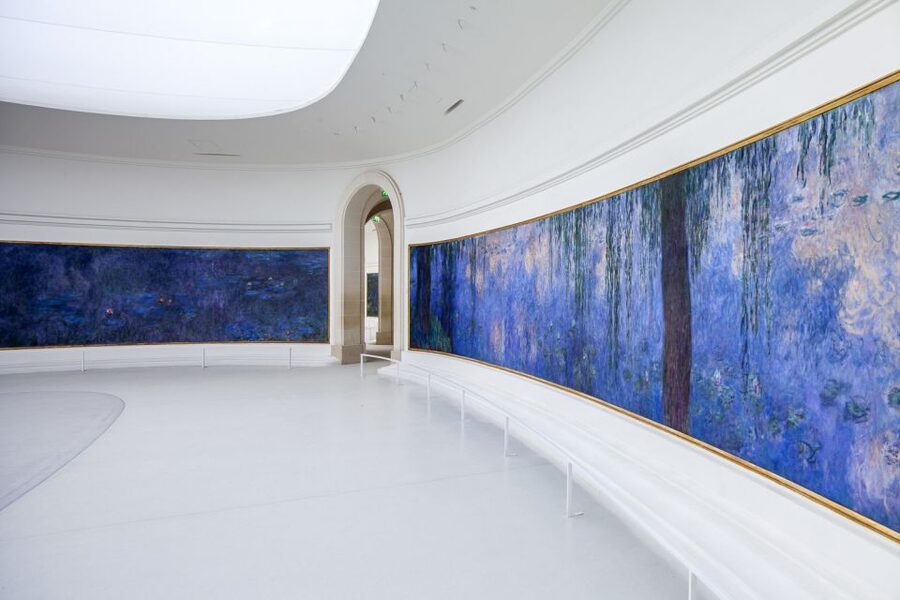
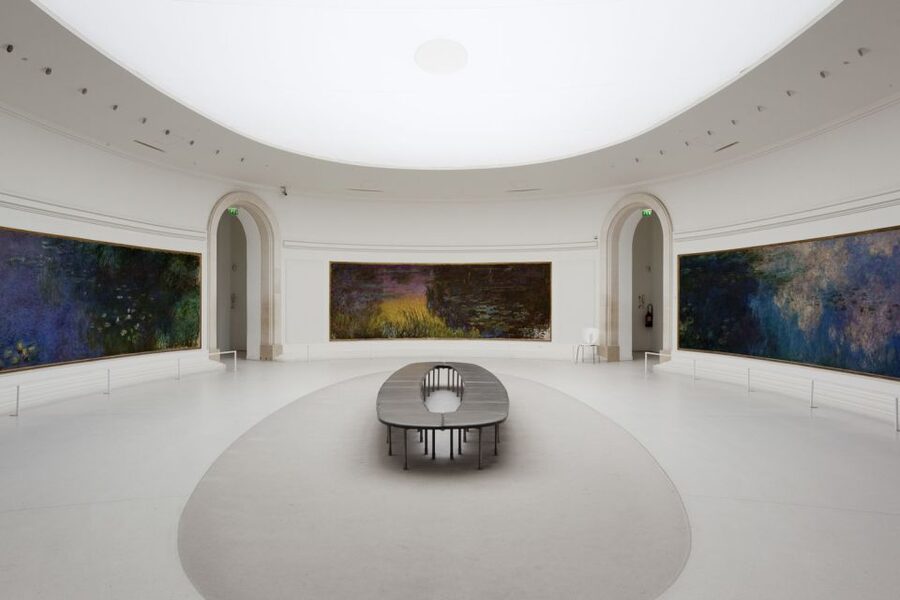
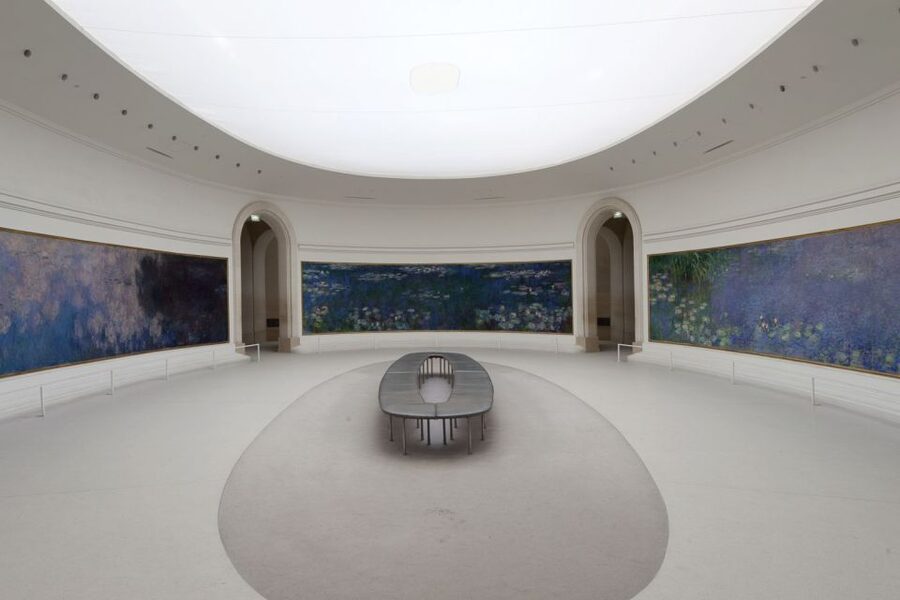
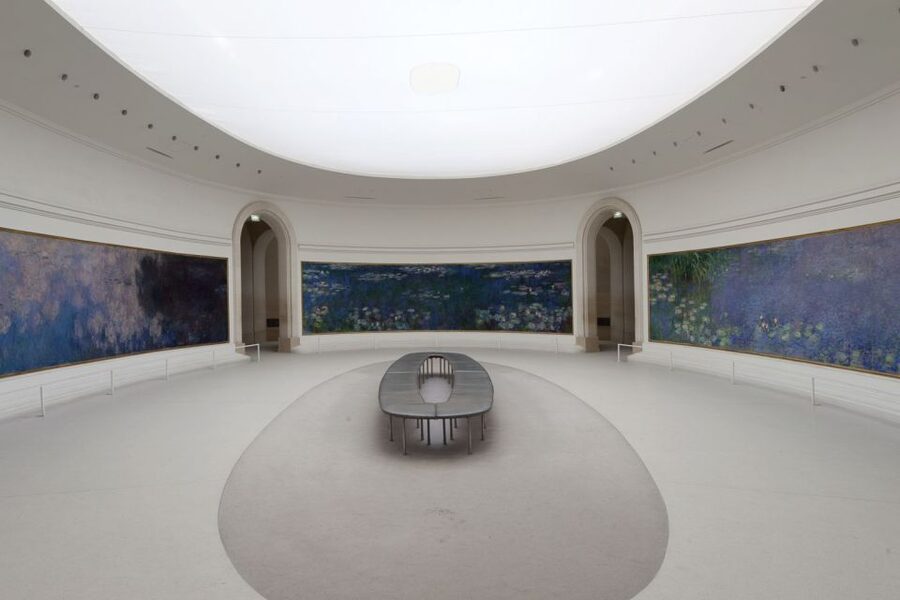
The main reason to visit the Musée de l’Orangerie is simple: Monet’s eight Water Lilies murals fill two oval rooms with enormous, quiet scenes of water, sky, and floating flowers. The paintings are much larger than many first-time visitors expect, and the curved rooms let you see them from several angles.
I like the reserved entrance for two practical reasons. It keeps you away from the ticket-office line, and it lets you visit independently rather than moving with a group. I also like the museum’s compact size, which makes it easy to pair with the Tuileries Gardens, Place de la Concorde, or the Musée d’Orsay.
The main drawback is crowding. The Water Lilies rooms can become noisy and packed, especially around midday in summer, and people stopping for photos may block your view. Go at opening time or late in the day if sitting quietly with the paintings matters to you.
Key points to know before you go
- Monet’s two oval rooms are the star attraction: The eight Water Lilies murals are displayed in a calm, purpose-built setting.
- The museum is compact but not thin on art: You will also see works by Cézanne, Matisse, Picasso, Renoir, Modigliani, Rousseau, Soutine, Utrillo, and others.
- A reserved ticket saves useful time: You show the barcode on your voucher at the reserved entrance instead of buying a ticket on site.
- Early entry makes a real difference: The museum can fill quickly, and the Water Lilies rooms are hardest to enjoy at busy times.
- The redesigned layout links two collections: The route connects Monet’s murals with the early 20th-century School of Paris.
- Your ticket covers temporary exhibitions: Check what is showing during your visit, since the extra exhibition can add a worthwhile second focus.
Why Monet’s Water Lilies deserve the visit
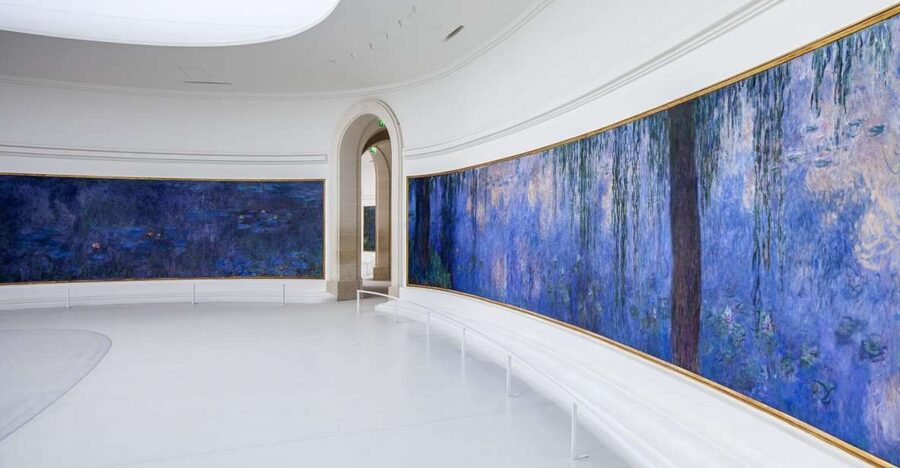
The Water Lilies murals are not a quick wall of small paintings. They are large-scale works designed to surround you, with broad areas of color and soft reflections that change as you move through the rooms.
The first oval room gives you an immediate sense of scale. Instead of standing a few inches from a framed canvas, you can step back and take in a whole sweep of Monet’s pond. The room’s shape helps the paintings feel continuous, even though they are divided into separate panels.
The second oval room is just as important. Give it time instead of treating it as a passage to the rest of the museum. One visit can take 45 minutes just with the Water Lilies if you sit, look closely, and allow your eyes to adjust to the subtle blues, greens, pinks, and pale light.
The museum asks for quiet in these rooms, though that atmosphere is not always maintained. Guides, conversations, and photography can interrupt the calm. I would not count on complete silence, but an early visit gives you the best chance of finding a seat and looking without people directly in front of you.
The paintings reward patience. From a distance, they read as broad fields of color. Up close, you can follow the loose brushwork and see how Monet suggested reflections without drawing every leaf or ripple. If you have visited Giverny, the garden that inspired the pond scenes, that memory can add useful context. It is not required, though. The murals work on their own.
A few more museum visits around France worth comparing
- Paris: Louvre Museum Timed-Entrance Ticket
★ 4.6 · 71,977 reviews - Paris: Orsay Museum Entry Ticket
★ 4.7 · 25,647 reviews - Paris: Louvre Museum Entry Ticket With Host and River Cruise
★ 4.6 · 9,926 reviews
A small Paris museum with a smart layout
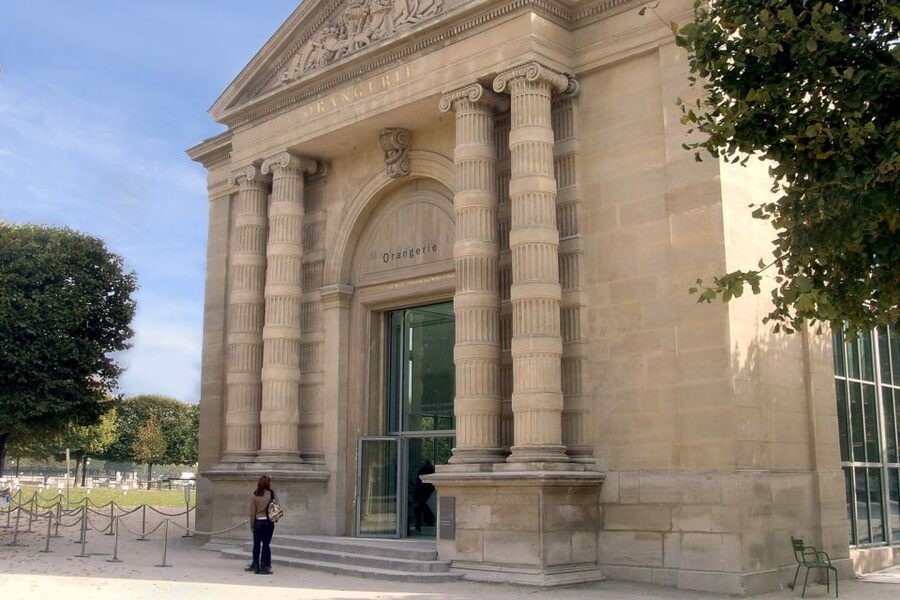
The Musée de l’Orangerie occupies the west corner of the Tuileries Gardens beside Place de la Concorde. Its location makes it easy to add to a day in central Paris, especially if you are already walking through the gardens or visiting the Louvre and Musée d’Orsay area.
The museum’s renewed layout is built around two connected ideas: Monet’s late Water Lilies and the School of Paris in the early 20th century. That arrangement gives the visit a clear shape rather than leaving you to wander through unrelated rooms.
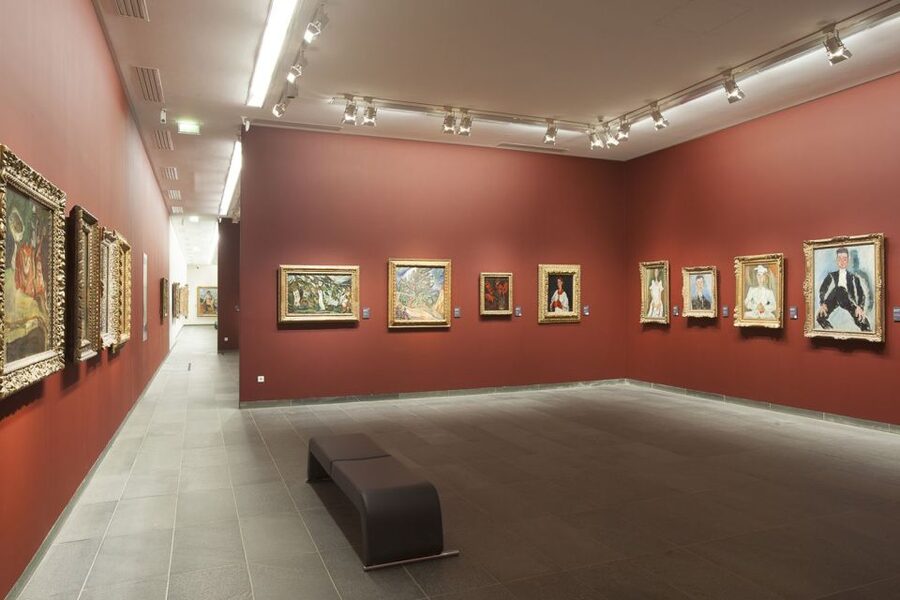
At the entrance to the collection, large works by Joan Mitchell appear alongside paintings by artists often described as modern primitives, including Picasso, Henri Rousseau, Derain, Modigliani, and Matisse. The arrangement gives you a fast sense of the artistic changes taking place around Monet’s time and after it.
The galleries then bring you closer to individual artists and paintings. You might move from the broad, atmospheric world of Monet to the sharper forms of Cézanne or the unusual figures of Rousseau. Works by Renoir, Sisley, Soutine, Utrillo, Matisse, Modigliani, and Picasso fill out the picture.
I like this scale. You can focus on a few important paintings without exhausting yourself. Several visitors find that about 1.5 hours is enough for the essential visit, while two to three hours makes sense if you want to read the signs, sit in the Monet rooms, and spend time with the temporary exhibition.
What you see beyond Monet
It would be a mistake to treat the Musée de l’Orangerie as only a Monet stop. The Water Lilies are the reason most people come, but the collection becomes more rewarding when you continue upstairs and through the monographic galleries.
Cézanne offers a different kind of attention, with firm shapes and careful structure. Matisse brings strong color and simplified forms. Modigliani’s portraits have their familiar elongated faces, while Picasso’s work shows how quickly the language of modern art was changing.
Henri Rousseau is especially useful in this setting. His paintings have a direct, almost dreamlike quality that contrasts with the broken brushwork associated with Impressionism. Seeing him near Picasso, Derain, or Matisse helps you notice that early modern art did not move in a single straight line.
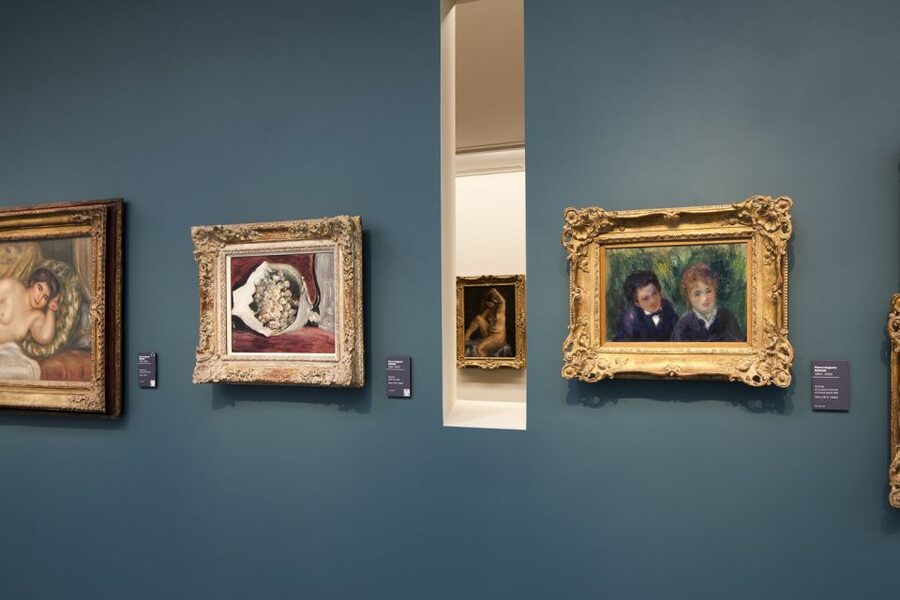
Renoir and Sisley connect the museum to the better-known Impressionist tradition. Soutine and Utrillo take you into a more unsettled and personal mood. You do not need an art-history background to enjoy the differences. Just notice how each painter handles color, people, streets, and space.
Temporary exhibitions add another layer, but their quality and subject change. The ticket includes them, so check the current program before your visit. A strong temporary show can add 30 minutes or more, while a smaller display may simply give you a pleasant extra stop.
How the reserved entrance works
You receive one voucher with one barcode per person. Head directly to the Musée de l’Orangerie entrance and scan the voucher at the reserved entrance.
The point is not a guided experience. You explore on your own, set your own pace, and leave when you are ready. That matters in a museum like this because the best visit may involve sitting quietly for several minutes, then moving on when the room becomes crowded.
The ticket is valid for one day, with available starting times shown during booking. The price is listed at $12 per person. For a major Paris museum with Monet’s original murals and access to both the permanent collection and temporary exhibitions, that is a fair price, especially when the regular entrance line is long.
The value depends on your timing. If you visit on the first Sunday of the month, admission is free for everyone, so paying for a ticket makes less sense. People under 18 and European Union residents under 26 can also enter free with valid identification, but they must still reserve a time slot and show proof of eligibility.
Because the booking is non-refundable, check your date and time carefully before paying. The museum is closed on Tuesdays.
Same city, a completely different collection:
- Louvre Museum Masterpieces Guided Tour with Access
★ 4.5 · 12,023 reviews - Les Invalides: Napoleon’s Tomb & Army Museum Entry
★ 4.6 · 9,185 reviews - Mona Lisa & Louvre Masterpieces Tour with Reserved Access
★ 4.6 · 6,812 reviews - Louvre Museum – Exclusive Guided Tour (Entry Included)
★ 5.0 · 6,296 reviews
The best time to visit
Early morning is the clearest choice if Monet is your priority. A 9:00 or 9:30 entry can give you a quieter start, and you may have a meaningful period in the oval rooms before the flow of people builds.
Late afternoon can also work. Several visitors find the end of the day calmer than midday, though you should leave enough time for the permanent collection and any temporary exhibition.
Avoid the middle of a summer day if you want space around the paintings. The museum is smaller than the Musée d’Orsay, and that is both its charm and its limitation. It is easy to cover, but a single busy room can feel crowded fast.
A reserved ticket does not turn the museum into a private viewing. It mainly gets you past the ticket-buying queue. You may still wait briefly at the entrance, and the galleries can be full once you are inside. Some accounts describe waiting less than five minutes, while others still found a short line. Either way, a scheduled ticket is much safer than arriving without one during a busy period.
Planning your visit around the Tuileries
The location is one of the museum’s practical strengths. You can visit the Water Lilies, then step into the Tuileries Gardens for a walk and a break. Place de la Concorde is next door, and the museum fits naturally into a central Paris day.
You do not need to build an entire day around the Orangerie. Plan roughly 1.5 hours for a focused visit, or two to three hours if you want a relaxed pace, detailed reading, and the temporary exhibition.
The museum has seating, which makes a difference for families, older visitors, and anyone who wants to look rather than rush from room to room. One young visitor reportedly enjoyed it so much that she did not want to leave, and that makes sense: the galleries are manageable, the art is famous, and the route is not overwhelming.
An audio guide is available on site for 5 euros. It is not included in the reserved ticket, but it can help you understand the murals and the surrounding collection. I would consider it if you want more than a quick visual visit, especially if you are new to Impressionism.
Accessibility and practical cautions
The activity is listed as wheelchair accessible. One account raised concerns about reaching the museum from outside with limited mobility, so if you have specific access needs, confirm the current route with the museum before going.
Bring your passport or identification card. This is particularly important if you are claiming free admission based on age or European Union residency.
For July 18 through 24, special zone access requires a QR code. The information provided warns that issuing the code may take at least eight working days, so do not leave that step until the last minute if your visit falls in those dates.
The museum is an art space, not a guided tour. There is no guide leading you from room to room, and no fixed group schedule once you enter. That freedom is a strength, but you will need to decide how much time to give each section.
Who will enjoy this most
I would choose this ticket for anyone who loves Monet, Impressionism, or modern European art. It is also a good choice for first-time museum visitors who might find the Louvre or Musée d’Orsay too large for one sitting.
Families can manage the compact route more easily than a huge museum, and the seating helps when children or adults need a pause. Teenagers who respond to famous names such as Monet, Picasso, and Matisse may find the collection approachable.
It is less suitable if you want a long, all-day museum visit. The Orangerie is intentionally small, and some people will finish the main collection in 90 minutes. That is not a flaw, but you should pair it with the Tuileries, Place de la Concorde, or another nearby sight.
Photography can also shape your experience. People often pose in front of the Water Lilies, and this may block part of a mural. If you want a clear view, arrive first thing, stand to the side, and return to the room later if the first pass is crowded.
Should you book the Musée de l’Orangerie ticket?
Yes, if you want a straightforward way to see Monet’s Water Lilies without risking a long ticket line. At $12, the ticket offers good value when you use the included permanent collection and temporary exhibition, and it fits neatly into a central Paris sightseeing day.
Book an early time if the oval rooms are your main reason for going. Choose another attraction if you want hours of galleries and a broad survey of art. For a focused, calm museum visit with some of Monet’s most powerful work, this is one of Paris’s easiest choices to recommend.
FAQ
Where is the Musée de l’Orangerie?
The museum is in the west corner of the Tuileries Gardens beside Place de la Concorde in Paris.
What does the reserved ticket include?
It includes reserved access to the Musée de l’Orangerie, the permanent collection, and temporary exhibitions.
Is the ticket guided?
No. This is an independent visit, so you explore the museum at your own pace without a guide or group tour.
How long is the ticket valid?
The ticket is valid for one day. Available starting times are shown when you check availability.
Is the museum open every day?
No. The Musée de l’Orangerie is closed on Tuesdays.
What should I bring?
Bring your passport or identity card. You will also need the voucher sent by email, which contains a barcode for each person.
Can people under 18 enter free?
Yes. People under 18 can enter free with valid identification, but they must reserve a time slot and show the supporting document.
Can European Union residents under 26 enter free?
Yes. EU residents under 26 may enter free with valid identification and must reserve a free time slot with proof of eligibility.
Is the museum free on any other day?
The museum is free for everyone on the first Sunday of each month.
Just added around France
- Ticket to Musée National du Sport★ 4.4 · 32 reviews
- Rodin Museum Masterpieces – Guided Tour up to 8 guests★ 4.9 · 13 reviews
- Louvre Museum: Skip-the-Line Guided Tour★ 4.6 · 98 reviews
- Invalides Museum – WWI & WWII – Guided Tour up to 8 guests★ 5.0 · 32 reviews
- Skip the Line Guided Tour of Louvre Museum Highlights★ 5.0 · 49 reviews
- Rouen : Museum Immersive Viking Experience★ 4.2 · 47 reviews
- Paris: Louvre Museum Highlights Small-Group Guided Tour★ 4.8 · 157 reviews
- From Paris: Private Trip to Giverny, Monet’s House & Museum★ 4.5 · 13 reviews
Museum Tours in France, compared.


Louvre Museum Masterpieces Guided Tour with Access
Read our review →
Louvre Museum Entry Ticket With Host and River Cruise
Read our review →
Les Invalides: Napoleon’s Tomb & Army Museum Entry
Read our review →
Mona Lisa & Louvre Masterpieces Tour with Reserved Access
Read our review →
Louvre Museum – Exclusive Guided Tour (Entry Included)
Read our review →
Louvre Museum Hosted Entry and Mona Lisa Audioguide
Read our review →Browse the lists this tour appears in