
Review · PARIS
Paris: Orangerie Museum Skip-the-Line Entry and Guided Tour
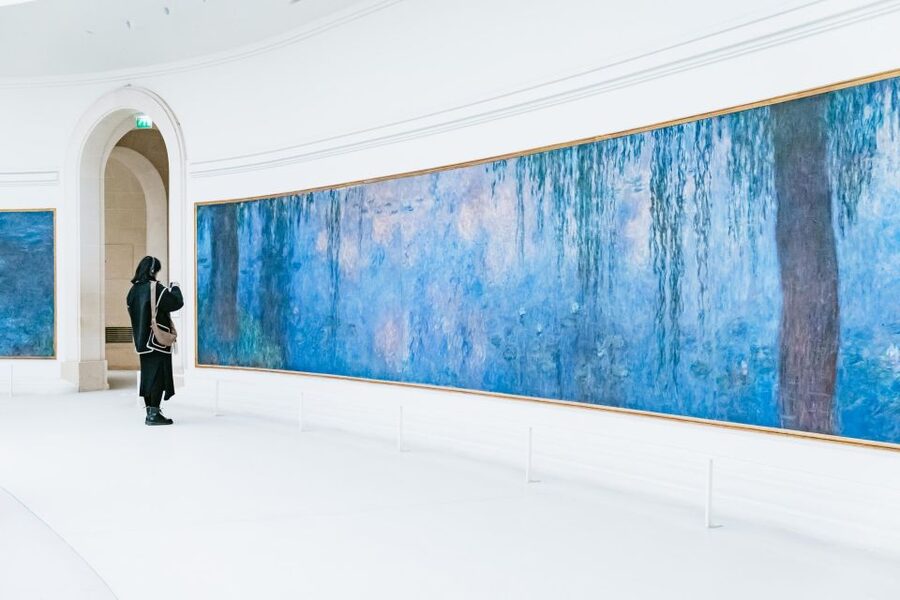
The most moving part of this tour comes early: you step into the Orangerie’s famous oval rooms and face Monet’s enormous Water Lilies panels from every side. The paintings are calm, spacious, and designed to slow you down, while your guide explains how they changed the way people thought about painting.
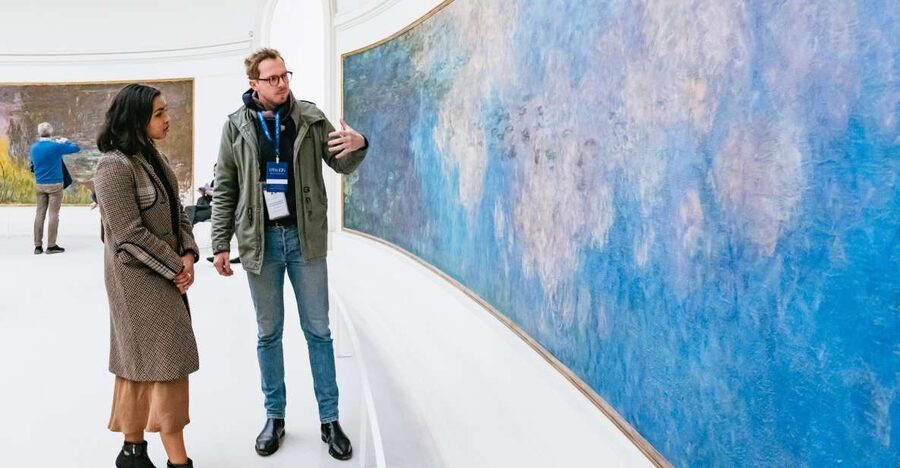
I like the walk through the Tuileries Gardens, which gives the museum visit a pleasant sense of arrival. I also like the small-group format, capped at eight people per guide, and the way guides such as Hugo, Malaika, Barbara, and Sunday connect paintings to the artists’ lives and times.
The main drawback is the price: $128 per person for two hours is a serious museum splurge. You are paying for the guide, reserved entry, and a focused route through the collection, not for a long museum day. The semi-private option also involves a moderate amount of walking and is not suited to people with mobility impairments.
Key points to know
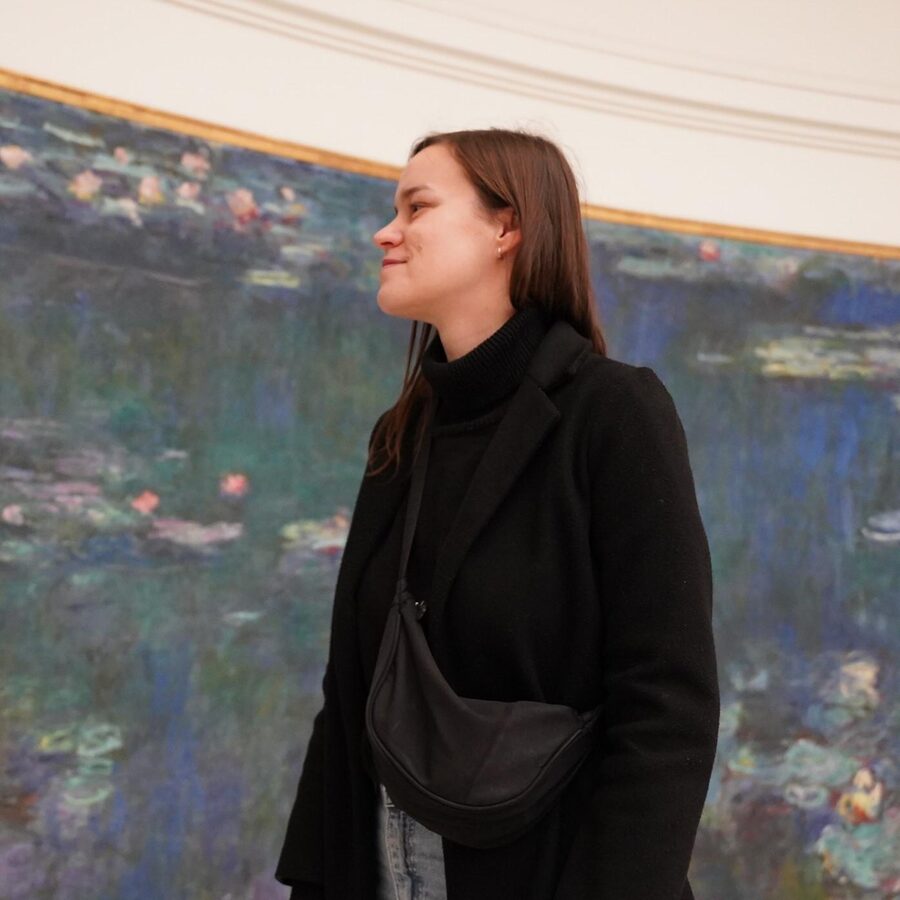
- Monet’s Water Lilies come first: The oval rooms are the emotional center of the visit, with the paintings arranged all around you.
- The route starts in the Tuileries: You walk through one of Paris’s most scenic gardens before reaching the former royal orangery.
- The art story keeps moving: Monet, Renoir, Cezanne, Matisse, Picasso, Modigliani, and Utrillo show how French art changed across the 19th and early 20th centuries.
- Groups stay small: A maximum of eight people per guide makes it easier to hear, ask questions, and keep up.
- The guide shapes the experience: Hugo, Malaika, Barbara, Sunday, Belen, Lily, and others have led tours praised for clear explanations and warm conversation.
- Plan for museum rules: Some rooms require quiet, some allow little or no talking, and temporary collections or room access can change.
Walking from the Tuileries to the Orangerie

Your meeting point can vary by the option you choose, so check the exact instructions before setting out. The route then takes you through the Tuileries Gardens toward the museum. This is more than a transfer from one sight to another. The garden gives you time to shift gears from Paris street life to a concentrated art visit.
The Orangerie occupies a former winter home for the royal family’s orange trees. That detail adds a useful bit of place and purpose: this was not built as a modern white-box gallery. You are entering a historic building whose original job was practical, then seeing it transformed into a home for some of France’s most important modern paintings.
The walk is manageable for most people, but do not treat it as a completely effortless stroll. The tour information calls for a moderate amount of walking, and the activity runs rain or shine. Wear clothing suited to the weather and comfortable shoes. Large bags and luggage are not allowed, so leave suitcases elsewhere before you arrive.
More Museum Tours in Paris
- Paris: Louvre Museum Timed-Entrance Ticket
★ 4.6 · 71,977 reviews - Paris: Orsay Museum Entry Ticket
★ 4.7 · 25,647 reviews - Louvre Museum Masterpieces Guided Tour with Access
★ 4.5 · 12,023 reviews
Monet’s oval rooms and the Water Lilies
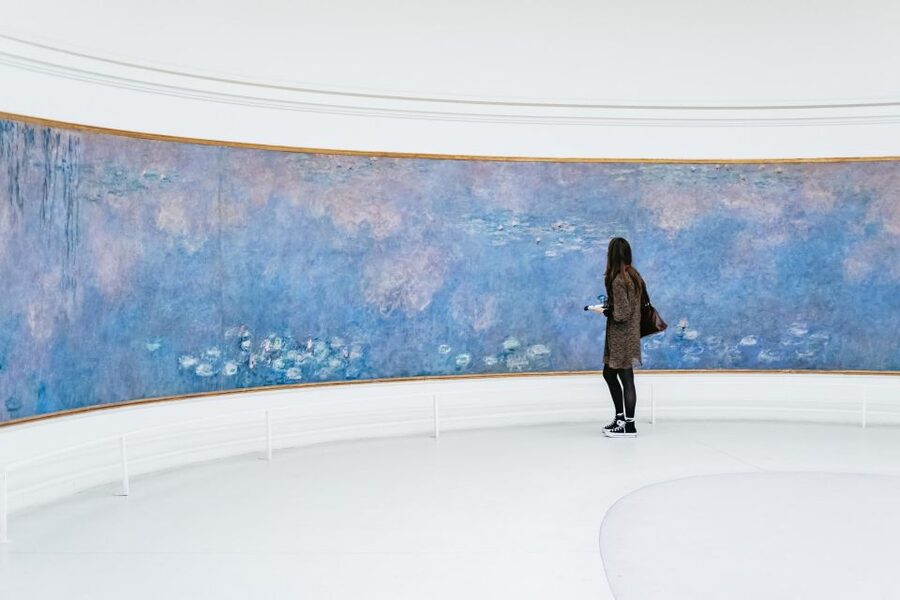
The Orangerie is famous for Monet’s Water Lilies, and this tour gives the paintings the attention they deserve. You enter the oval rooms and find the works arranged around the walls, creating a continuous experience rather than a quick look at a single framed picture.
The scale matters. Reproductions and small images on a phone cannot prepare you for the way these paintings fill your field of vision. Monet’s ponds, reflections, plants, and changing light are not presented as a tidy scene with one obvious focal point. Your eye moves across the surface, and the room encourages you to stay with the work.
A guide can help you notice how radical this arrangement was. The paintings are quiet, but the idea behind them was bold. Instead of offering a traditional story or a carefully centered subject, Monet asks you to look at atmosphere, color, water, and time.
One guide, Hugo, has used Claude Debussy’s Clair de lune while visitors look at the paintings. That is a memorable artistic pairing, though you should expect quiet rules in parts of the museum. Some rooms restrict talking, so your guide may explain the paintings before entering or pause until the group reaches a suitable place.
Give yourself room to look without trying to absorb every sentence. The guide’s role is most useful here when it provides context, then lets the paintings breathe.
Following Impressionism beyond Monet
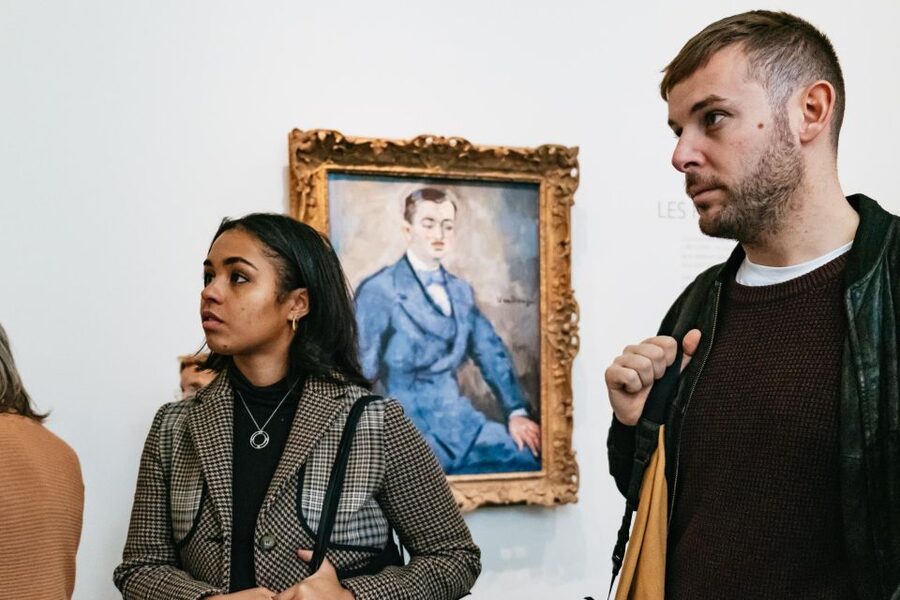
After the Water Lilies, the tour broadens into a story of artistic change. You see how French painters moved away from established academic habits and began testing new ways to show modern life, light, people, and objects.
Renoir helps show the softer and more delicate side of this period. His brushwork can feel easy and inviting, but a good explanation places that beauty within a larger argument about how artists were working. The point is not simply that Renoir painted pleasant scenes. It is that painters were changing what counted as a serious subject and how carefully a finished painting had to look.
Cezanne brings a different kind of pressure to the story. His paintings of fruit and flowers may appear simple at first, yet they reveal his careful interest in form, structure, and the relationship between objects. A guide can help you see why his still lifes mattered to later artists.
The collection works best when you view it as a sequence rather than a checklist. You are not just looking at famous names. You are watching one set of choices lead to another, from Impressionist attention to light toward more fractured, personal, and experimental ways of painting.
Cezanne, Matisse, and the changing role of color
Cezanne’s fruit and flowers offer a useful pause after Monet’s open, airy water scenes. The subjects are familiar, but the paintings ask you to think about how an artist builds a picture. Look for the way objects sit in relation to one another and how color helps give them weight.
Matisse takes the story in another direction. His portraits use color and design in a way that can feel far removed from the natural world. The tour describes his portraits as seductive, and that is a good clue to their appeal. They are not only likenesses. They use clothing, pattern, pose, and color to shape the mood around the person.
This is where an art historian can earn the extra cost. Without context, you might walk past Matisse, decide you like or dislike the colors, and move on. With a clear guide, you can consider why the style felt daring and how it changed the relationship between portrait, decoration, and emotion.
Barbara has been especially good at adjusting explanations for younger visitors. If you are bringing a child, her approach points to something important: the tour does not have to become a dry lecture. Paintings can connect to stories about personality, choices, and the lives of the people who made them.
More skip-the-line museum tickets in Paris:
- Louvre Museum: Skip-the-Line Small Group Guided Tour
★ 4.6 · 4,268 reviews - Paris: Skip-the-Line Louvre Museum & Mona Lisa Guided Tour
★ 4.6 · 1,442 reviews - Paris: Musée d’Orsay Skip-the-Line Tour with Expert Guide
★ 4.5 · 1,145 reviews - Louvre Museum Skip the Line Entry with Introduction to Mona Lisa
★ 3.0 · 576 reviews
Picasso, Modigliani, and Utrillo

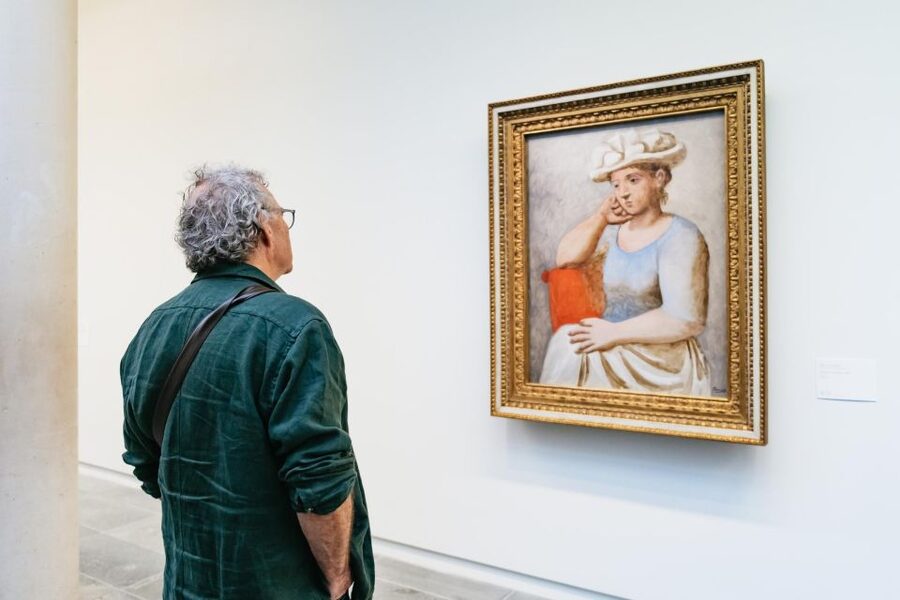
The tour continues into early 20th-century experiments, including Picasso’s changing interpretations of nude models. Picasso can be difficult to follow because his style shifts so much. Seeing several stages together gives you a better chance to understand those changes instead of treating every painting as an isolated puzzle.
The guide can trace how Picasso looked at the human figure in different ways, and how those changes relate to the broader movement away from straightforward representation. You do not need a background in art to follow the basic idea. The useful question is simple: what does the artist gain by changing the body, the viewpoint, or the proportions?
Modigliani adds a more elongated, instantly recognizable style. Utrillo brings another voice to the collection. Together with Renoir and the other artists, they make the museum feel like a record of arguments and experiments, not a single school with one fixed look.
Sunday, one of the guides who has led this tour, has connected the works to the larger shift in how the world thought about art. That kind of story is valuable because it keeps the visit from becoming a parade of names. You begin to understand why these paintings were surprising in their own time.
What a two-hour guided visit really gives you
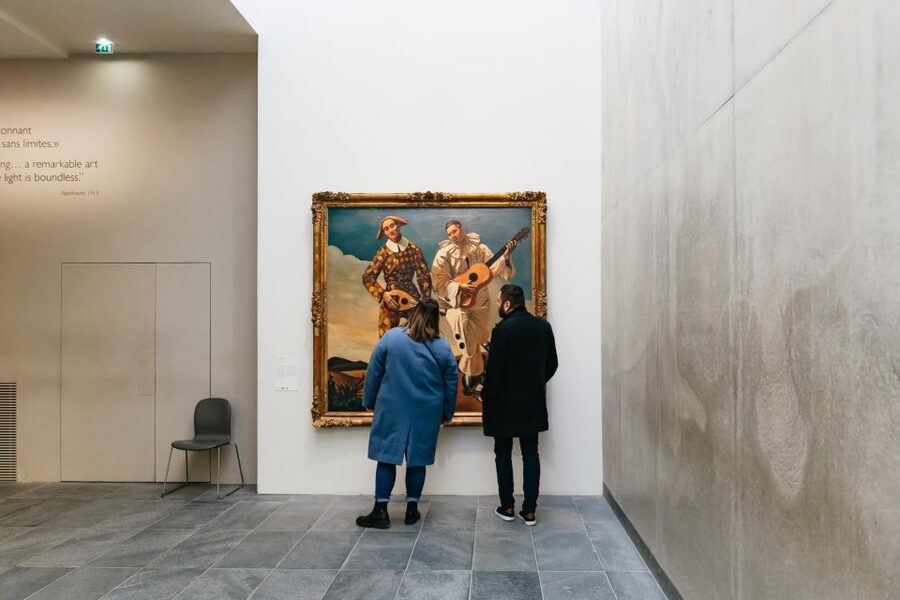
Two hours is enough for a focused introduction, not a complete study of the Orangerie. That distinction matters. If you want to inspect every label, sketch, or room at your own speed, the guided format may feel brisk.
If you are visiting Paris for a short time, the structure is useful. You get a clear route through the museum, the major artists are placed in order, and you avoid spending half your visit wondering what deserves your attention. The guide also provides a way into paintings that can seem familiar from books or posters but feel different in person.
Small groups make the format more personal. With no more than eight people per guide, you should have a better chance of hearing the explanation and asking a question. The experience is available as a private or small-group tour, so check which option you are selecting. The semi-private tour requires at least two participants to operate. If that minimum is not met, an alternate date or full refund is offered.
Guides have included Hugo, Malaika, Barbara, Sunday, Belen, and Lily. The strongest pattern among these guides is not a particular lecture script. It is the ability to explain the art, give historical context, and respond to questions without turning the visit into a school lesson.
Is $128 a fair price?
At $128, this is not a budget museum entry. The value depends on what you want from the visit.
For a basic look at Monet, the price is hard to justify. You could enter a museum on your own and spend less. The tour becomes more worthwhile if you want the works connected into a clear story, need help making sense of modern art, or have only a short window in Paris.
The skip-the-line entry also has practical value. The Orangerie can draw long lines, and bypassing the entrance queue protects your limited sightseeing time. Still, skip-the-line access is not a magic pass through every possible delay. Museum management can occasionally close rooms or delay opening without notice, and an appropriate alternative is provided if the opening is delayed by more than one hour.
Food, drinks, hotel pickup, and drop-off are not included. Temporary exhibits are also excluded, so do not assume the tour covers every show running at the museum. Read the selected option carefully, especially if you want a private tour or a particular language.
Languages, weather, and museum manners
Live guiding is offered in French, English, Russian, Italian, Spanish, and German. That range is helpful, but confirm your chosen language and start time when booking.
Bring a passport or identity card. Weather-appropriate clothing is sensible because the route includes the gardens, and the tour operates in rain as well as fair weather. Leave large bags and luggage behind, since they are not allowed.
Inside, follow the guide’s lead on conversation. Some rooms have rules requiring quiet or limiting speech. This is especially important in the Monet rooms, where silence helps preserve the mood and respects other people looking at the paintings.
Collections and room access can vary during the year. The museum can also close without advance warning. These are not reasons to avoid the tour, but they are good reasons to keep your Paris schedule slightly flexible.
Who should book this Orangerie tour?
I would choose it for a first visit to the Orangerie, especially if you want more than a quick look at Monet. It suits you if you enjoy art but do not want to read every label, or if modern painting often leaves you unsure where to begin.
Families can also benefit from the guide-led format. Barbara’s ability to draw a nine-year-old into the paintings and the artists’ lives suggests that the right guide can keep younger minds involved. Still, the quiet museum rooms and two-hour length may be a stretch for very young children.
This is less suitable if you have limited mobility. Moderate walking is involved, and the semi-private option is not designed for people with mobility impairments. Contact the activity provider before booking if you need specific mobility information.
I would also skip it if your main goal is solitude. A private option may help, but any guided visit brings a schedule and another person’s priorities. The reward is better context and a more efficient visit.
Should you book it?
Book this tour if Monet’s Water Lilies are high on your Paris list and you want an art historian to connect them with Cezanne, Matisse, Picasso, Renoir, Modigliani, and Utrillo. The strongest value comes from the guide’s explanations, the small group limit, and the time saved at the entrance.
Skip it if $128 feels too steep for two hours or if you prefer to wander without commentary. For everyone else, especially first-time museum visitors, the tour offers a focused way to understand why the Orangerie matters rather than simply taking a few photographs and leaving.
FAQ
How long does the Orangerie guided tour last?
The tour lasts two hours. Starting times depend on availability when you book.
What does the $128 price include?
The price includes skip-the-line entry, the museum entrance fee, an art historian guide, and the guided museum tour. Food, drinks, hotel pickup, hotel drop-off, and temporary exhibits are not included.
Can I see Monet’s Water Lilies on this tour?
Yes. The tour includes the oval rooms with Monet’s Water Lilies, which are on permanent display at the Orangerie.
Which artists are included?
The tour covers Monet, Renoir, Cezanne, Matisse, Picasso, Modigliani, and Utrillo, along with the development of French Impressionism and related movements.
What languages are available?
Live tours are available in French, English, Russian, Italian, Spanish, and German.
How large is the group?
The tour has a maximum of eight people per guide. Private and small-group options are available.
Where does the tour start and end?
The meeting point can vary depending on the option booked. The activity ends back at the meeting point.
Can I bring luggage or a large bag?
No. Luggage and large bags are not allowed. Bring a passport or identity card and clothing suited to the weather.
Is the tour suitable for someone with mobility impairments?
The tour involves a moderate amount of walking, and the semi-private option is not suitable for people with mobility impairments. Contact the activity provider about your specific needs before booking.
What happens if the museum closes or delays opening?
Occasional closures or delays can happen without advance warning. If opening is delayed by more than one hour, an appropriate alternative is provided. The tour runs in rain or shine, and cancellations made at least 24 hours in advance qualify for a full refund.
Just added around Paris
- Rodin Museum Masterpieces – Guided Tour up to 8 guests★ 4.9 · 13 reviews
- Invalides Museum – WWI & WWII – Guided Tour up to 8 guests★ 5.0 · 32 reviews
- Skip the Line Guided Tour of Louvre Museum Highlights★ 5.0 · 49 reviews
- Paris: Louvre Museum Highlights Small-Group Guided Tour★ 4.8 · 157 reviews
- From Paris: Private Trip to Giverny, Monet’s House & Museum★ 4.5 · 13 reviews
- Paris: Street Art Open-Air Museum Bike Tour★ 4.8 · 51 reviews
- Paris: Rodin Museum Ticket & Optional Digital AudioGuide App★ 4.7 · 56 reviews
- Paris: The Rodin Museum and Seine River Cruise★ 4.6 · 45 reviews
Museum Tours in Paris, compared.

Louvre Museum Masterpieces Guided Tour with Access
Read our review →
Louvre Museum Entry Ticket With Host and River Cruise
Read our review →
Les Invalides: Napoleon’s Tomb & Army Museum Entry
Read our review →
Mona Lisa & Louvre Masterpieces Tour with Reserved Access
Read our review →
Louvre Museum – Exclusive Guided Tour (Entry Included)
Read our review →
Louvre Museum Hosted Entry and Mona Lisa Audioguide
Read our review →Browse the lists this tour appears in