

Review · NORWAY
Narvik: Narvik War Museum
Narvik War Museum brings the 62-day Battle of Narvik into sharp focus, showing how naval fighting in the fjord and combat in the mountains changed this northern Norwegian town in 1940. The museum also connects those events to the occupation, peace in 1945, and questions that still matter.
I like the mix of high-quality models and original artifacts, and I like that the museum asks you to think rather than simply memorize dates. The main drawback is that this is a serious, text-based museum, so children or visitors with little interest in wartime history may need more time and patience to get the most from it.
Key points at a glance
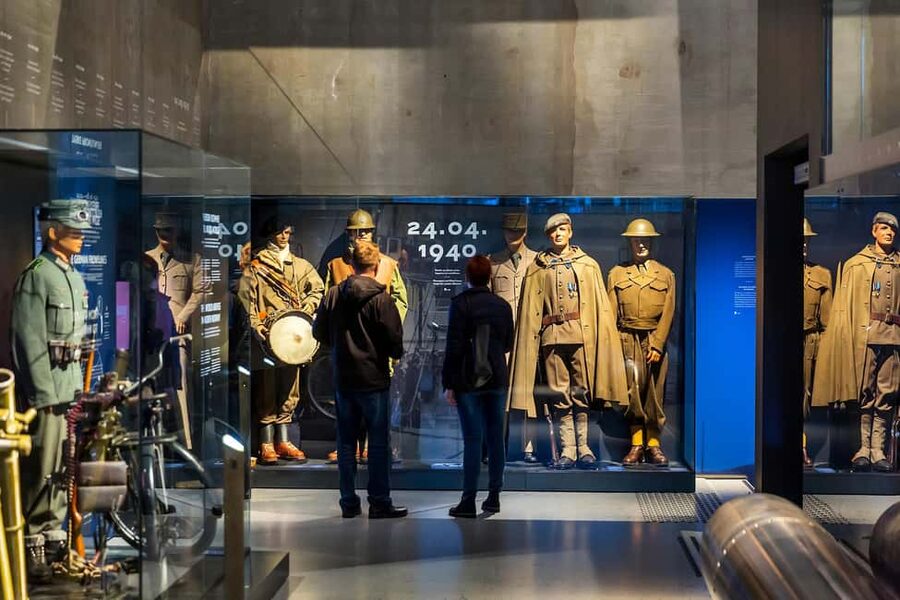
- The Battle of Narvik lasted 62 dramatic days, with naval battles and mountain warfare both covered.
- Artifacts, models, photographs, text, and digital displays give the story several different entry points.
- The museum links 1940 with the postwar years and the present, rather than treating WWII as an isolated event.
- Plan on 1.5 to 2 hours, enough time to read the displays without rushing.
- English information is available, and a QR code can translate the exhibition material into other languages.
- The $15 admission is good value if you want serious local history, not just a quick look at military objects.
Why Narvik became a major WWII target
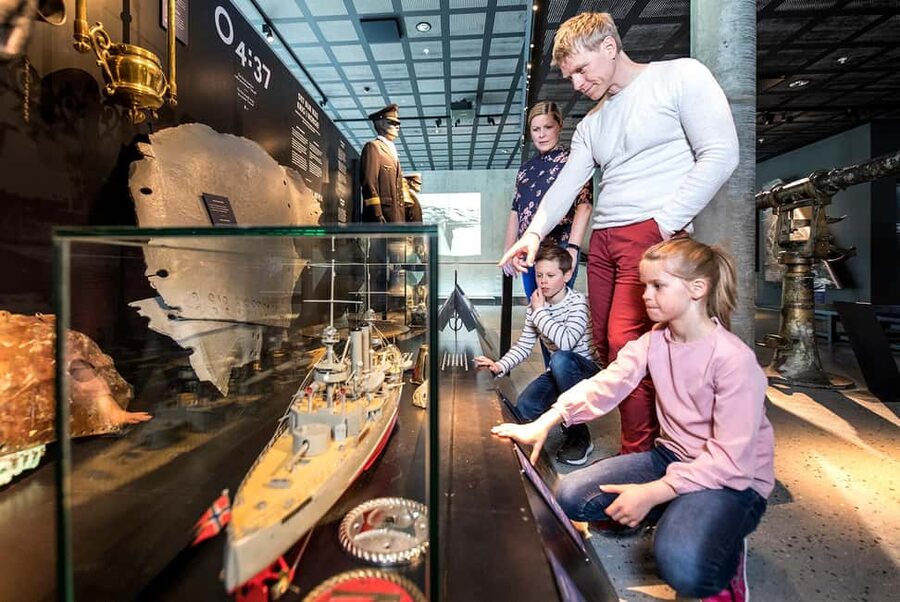
Narvik may look like a quiet northern port today, but its location made it important in the early months of WWII. The museum begins with the battle in April 1940, when Nazi Germany attacked Norway and fought to control the area.
The story is not limited to one type of combat. You learn about naval battles in the fjords and the mountain fighting that followed. That combination helps explain why Narvik was more than a brief port attack. The fighting stretched across 62 days and involved land, sea, occupation, and the harsh northern setting.
I find this local focus useful because it gives scale to a war that can otherwise feel too broad. Instead of trying to explain every front in Europe, the museum uses Narvik as a clear case study. You can follow what happened in one region while also seeing how the events fit into the wider WWII story.
The displays also make clear that war does not arrive in a vacuum. The museum draws lines from the peaceful years before the attack to the German occupation and then forward to the end of the war in 1945. That wider frame is one of the strongest reasons to visit.
More war and memorial museums in Norway:
- 9/11 Memorial Museum Admission Ticket
★ 4.5 · 6,376 reviews - Caen: Guided D-Day Sites Tour & Caen Memorial Museum Ticket
★ 4.8 · 498 reviews - Amsterdam: National Holocaust Museum Entry Ticket
★ 4.7 · 413 reviews
A 1.5-hour route through the museum
You should allow about 1.5 to 2 hours. An hour and a half is enough for a focused visit, especially if you read quickly. Two hours gives you time to study the photographs, examine the models, and pause at the parts that ask larger questions about people and war.
There is no complicated tour schedule to follow. Your ticket is valid during the museum’s opening hours, so you can move through the exhibition at your own pace. That works well if you want to spend extra time on the military details or move more quickly through the longer text panels.
Begin with the setting before the fighting. This gives the Battle of Narvik a human and geographic frame instead of dropping you straight into dates and troop movements. As you continue, the exhibition builds toward the 1940 attack and the 62 days of conflict.
The next part focuses on the fighting itself. Models and collected objects help make the naval and mountain campaigns easier to picture. The models are especially useful if you do not already know the shape of the battle, since written descriptions alone can make troop movements and naval action hard to follow.
Photographs and text fill in the details. You can expect a serious presentation rather than a theatrical attraction. The material asks you to pay attention to the people affected by the conflict, not only the military decisions made by governments and commanders.
The later displays move into Nazi Germany’s occupation and the years that followed. This is where the museum broadens its purpose. It asks you to consider how societies remember violence, how people divide the world into us and the others, and why the value of one human life should remain central when discussing war.
Why the models and artifacts matter
The collection is one of the museum’s most practical strengths. High-quality models can show the physical shape of an event quickly, while artifacts give the history a more direct, tangible presence.
I would not treat the objects as decoration between text panels. They help answer basic questions: What kind of equipment was used? What did the conflict look like in this region? How did naval action and mountain fighting relate to each other?
You might prefer a museum with a larger collection of weapons or a more dramatic presentation. Narvik War Museum takes a measured approach. Its strength is the way the objects support the story of the battle and occupation.
The photographs are just as important. They give human scale to the military timeline and help you see Narvik as a place where ordinary life was interrupted. That is a useful balance for anyone who knows WWII mainly through major battles and famous leaders.
The museum also uses digital surfaces and interactive material. These elements make the visit more accessible if you like to explore information at your own speed. They also help break up the reading, though you should still expect a fair amount of written content.
From the 1940 attack to peace in 1945
The exhibition does not stop when the fighting ends. It follows the story from the attack and occupation toward the peace that came in 1945, then asks what the past has to do with the present.
That choice gives the museum more purpose than a simple battle memorial. You are encouraged to think about how war begins, how people are labeled, and how peace is built. These questions can feel weightier than a typical museum visit, but they are central to what this institution is trying to do.
I appreciate that the museum does not present history as a clean contest between distant armies. The emphasis on human life keeps the story grounded. It also makes the museum suitable for visitors who want to understand the moral and social cost of war, not only the tactical story.
The tone is serious, and some displays may require reflection. This is not the place for a quick photo stop. If you have only 20 minutes in Narvik, you will probably leave without understanding what makes the museum worthwhile.
A few more museum visits around Norway worth comparing
- Kon-Tiki Museum Entrance Ticket
★ 4.5 · 1,096 reviews - Oslo: Paradox Museum Entry Ticket
★ 4.3 · 799 reviews - The Fram Museum Admission Ticket
★ 4.5 · 490 reviews - Oslo: Oslo Discovery Tour with 2 Museums Included
★ 4.7 · 376 reviews
Language support and accessibility
The exhibition includes information in English, which makes the museum practical for international visitors. A QR code at the entrance can be used to translate the material into other languages, a useful feature if English is not your first language.
The available information does not list every language individually, so I would check with the museum if you need a specific translation. The QR translation option should help, but your experience may depend on the language and your phone connection.
The museum is wheelchair accessible. If you need a wheelchair or would like to borrow one, contact the staff for access or loan arrangements. Since the information does not describe every doorway, restroom, or route in detail, anyone needing specific access measurements should ask before arriving.
The museum welcomes people of all ages. Still, the subject matter is serious and the displays rely on reading and reflection. Older children and teenagers with an interest in history may get a lot from it, while younger children may need an adult to explain the setting and guide their attention.
Is $15 a fair price?
Admission is listed at $15 per person. For a museum visit lasting 1.5 to 2 hours, that is a reasonable price, especially if you take time with the models, artifacts, photographs, and digital displays.
The value comes from the quality of the information and the museum’s local focus. You are not simply looking at military objects without context. The visit explains why Narvik mattered, how the 62-day battle unfolded in broad terms, and how the occupation affected the region.
The price may feel less appealing if you only want a quick introduction to WWII or if you usually skip text-heavy museums. The exhibition rewards attention, so its value depends on how much time you give it.
I would consider it a good use of $15 for anyone already planning to spend time in Narvik. It offers a focused experience rather than a broad national survey, and that focus makes the local story easier to remember.
Opening hours and planning your visit
For 2025 and 2026, the museum is open daily from 10am to 4pm. From June 9 through August 24, 2025, it stays open longer, from 10am to 6pm.
Check the hours for your date before setting out, particularly if you are visiting in summer or building the museum into a packed day. The ticket is valid during opening hours, and no fixed start time is given. You can check availability when booking.
Because the recommended visit is fairly short, the museum can fit neatly into a day in Narvik. Give yourself enough time to read without watching the clock. Arriving near closing would make it harder to get value from the later displays and reflection areas.
The museum can also work well on a day when weather limits outdoor plans. You get a structured account of the region without needing a long excursion. That said, the experience is mainly indoors and educational, so pair it with other local activities if you want a full day of sightseeing.
Who will enjoy this museum most
I would recommend Narvik War Museum to:
- Anyone interested in WWII beyond the best-known battles
- Visitors who want to understand Narvik’s role in the 1940 campaign
- People who prefer original objects, models, photographs, and clear written context
- Families with older children or teenagers who can engage with serious history
- Visitors looking for a thoughtful museum about war, occupation, peace, and human life
You may want to skip it if you have no interest in military history or find reflective exhibitions difficult to enjoy. The museum is not built around entertainment or spectacle. Its strongest moments come from connecting facts with moral questions.
It is also a good choice if you have already seen larger WWII museums elsewhere. Narvik gives you a regional story with a distinct naval and mountain setting, rather than repeating a general overview of the war.
Should you book the Narvik War Museum?
Book it if you want to understand why Narvik mattered in 1940 and how the battle affected the region beyond the battlefield. The 62-day campaign, strong models, quality artifacts, and English-friendly displays give you plenty to work with for $15.
Allow 1.5 to 2 hours, and do not rush the sections about occupation and peace. Those displays are what make the museum more than a collection of wartime objects.
Skip it only if you want a very quick attraction or a light, entertainment-first experience. For everyone else, I think this is one of the more worthwhile history stops in Narvik, especially when you take the time to consider the museum’s central point: understanding war is part of learning how to build peace.
FAQ
Where is Narvik War Museum located?
Narvik War Museum is in Nordland County, Norway.
How long should I spend at Narvik War Museum?
The recommended visit takes approximately 1.5 to 2 hours.
What does the museum cover?
The museum covers the 62-day Battle of Narvik in 1940, including the naval battles, mountain warfare, Nazi Germany’s attack and occupation, and the period leading to peace in 1945.
Is information available in English?
Yes. English information is available. A QR code at the entrance also allows you to translate the exhibition material into other languages.
How much does admission cost?
Admission is listed at $15 per person.
Is the museum wheelchair accessible?
Yes, the museum is wheelchair accessible. Contact the staff if you need access assistance or want to borrow a wheelchair.
When is Narvik War Museum open?
For 2025 and 2026, it is open every day from 10am to 4pm. From June 9 through August 24, 2025, it is open from 10am to 6pm.
Just added around Norway
- Ålesund-Aksla-Alnes-Giske-Sunnmøre museum 100 % Highlights 4.5 H★ 5.0 · 84 reviews
- Stavanger: Norwegian Petroleum Museum – Entrance Ticket★ 4.8 · 78 reviews
- Oslo: Munch Museum Admission Ticket★ 4.5 · 193 reviews
- Oslo: Kon-Tiki Museum Entry Ticket★ 4.6 · 18 reviews
- Maihaugen Museum/The Norwegian Olympic Museum, Lillehammer.★ 4.4 · 48 reviews
- Tromso: Full Steam Museum Entrance★ 4.1 · 43 reviews
- Kristiansand: Highlights Tour w/ Kristiansand Museum Ticket★ 4.4 · 17 reviews
- Bergen: Troll Museum Entry Ticket + audio guide★ 4.3 · 88 reviews
Museum Tours in Norway, compared.


Ålesund-Aksla-Alnes-Giske-Sunnmøre museum 100 % Highlights 4.5 H
Read our review →
Stavanger: Norwegian Petroleum Museum – Entrance Ticket
Read our review →Browse the lists this tour appears in