
Review · NORWAY
The Fram Museum Admission Ticket
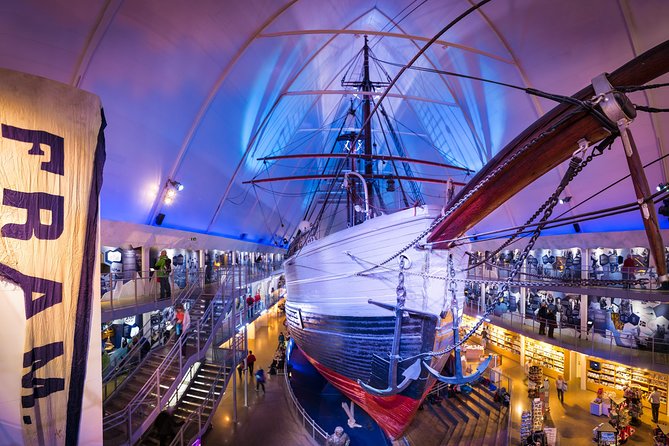
The star of Oslo’s Fram Museum is not behind glass. It is the original Fram, a full-sized polar ship you can walk through, from cramped sleeping quarters to the engine room. You can see how explorers lived, worked, and endured long months in the Arctic.
I especially like the chance to board both Fram and Gjøa, and the museum’s mix of maps, objects, films, and hands-on features. The storm effects, cold tunnel, and N25 Flight 4D cinema add movement to what could otherwise be a very text-heavy museum. The main caution is time: the museum can feel crowded, and some areas have been closed temporarily.
Key points to know before you go
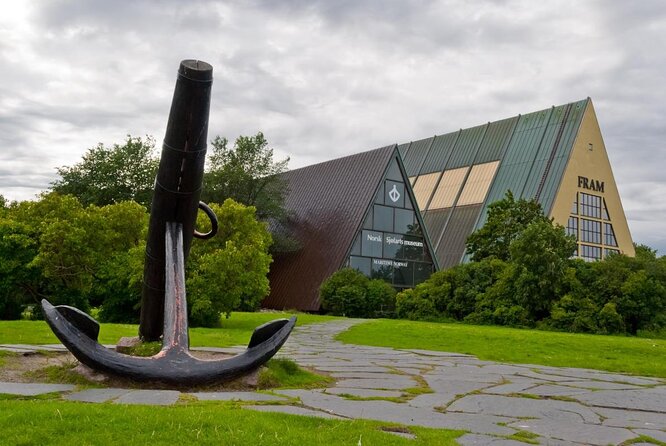
- Board two original polar ships: Walk through Fram and Gjøa, including crew spaces, lower levels, and the engine room.
- Follow three Fram expeditions: Displays explain the ship’s major voyages and the severe conditions faced by its crews.
- See Gjøa in its own building: This ship completed the first full Northwest Passage crossing.
- Allow one to three hours: A quick visit is possible, but careful reading and ship exploration can take two to three hours.
- Watch the polar films: A cinema shows a polar introduction every 15 minutes, with the N25 Flight 4D experience also included.
- Use prepaid entry for a simple arrival: The mobile ticket provides admission, with free cancellation up to 24 hours before the scheduled start.
Why the ships matter more than the display cases
Many maritime museums show models or preserved equipment. The Fram Museum lets you walk through the actual ships that carried Norwegian polar expeditions. That changes the scale of the story at once.
Fram is the main attraction. Its narrow passages, compact rooms, steep ladders, and working spaces make the expeditions feel physical rather than distant. You can look into sleeping areas, inspect crew objects, and reach the lower parts of the vessel. The engine room is a particular highlight if you enjoy machinery and practical details.
The ship also helps you understand the gap between heroic stories and daily life. Polar exploration was not just sledges, flags, and dramatic maps. It meant living in tight quarters, managing supplies, repairing equipment, and enduring cold, darkness, storms, and isolation.
The museum’s displays explain the three great Fram expeditions. Maps and route panels help you follow where the ship went and why each journey mattered. I suggest reading a little before boarding, then returning to the ship with the story in mind. The cramped rooms make more sense once you understand the voyage they supported.
A few more museum visits around Norway worth comparing
- Kon-Tiki Museum Entrance Ticket
★ 4.5 · 1,096 reviews - Oslo: Paradox Museum Entry Ticket
★ 4.3 · 799 reviews - Oslo: Munch Museum Admission Ticket
★ 4.5 · 193 reviews
Gjøa and the Northwest Passage
A tunnel connects the main Fram building with the Gjøa building. The centerpiece is Gjøa, the first ship to navigate the entire Northwest Passage.
Gjøa gives the museum a second ship with a different story. Fram is closely linked with major polar expeditions, while Gjøa represents a difficult maritime route through the Arctic. The new building also includes material on the Maud expedition, the N24 and N25 airplanes, and the airship Norge.
You will also find displays about John Franklin’s famous expedition, along with the work of Henry Larsen and Eivind Astrup. These sections widen the focus beyond one ship and one crew. They show how polar exploration developed through ships, aircraft, airships, route planning, and repeated attempts in harsh northern conditions.
This is one of the museum’s strongest features. You are not simply looking at Fram as an isolated object. You are seeing it within a larger story of exploration and changing technology.
A practical route through the museum
The museum is not arranged as one perfectly clear, start-to-finish story. I recommend beginning with the polar introduction film if it is running, then moving through the historical displays before boarding the ships.
Start with the maps and expedition panels. They give you the basic names, routes, and goals. After that, go aboard Fram while the details are fresh. Walk slowly through the rooms, then explore the lower areas and engine room.
Next, continue through the tunnel to Gjøa. Allow time for the exhibitions there rather than treating the second building as a quick add-on. The material on airplanes and the airship Norge is especially useful if you want to understand how polar exploration moved beyond ships.
Return to any section you skipped. The museum rewards a second look because the ship itself can distract you from the wall displays. It is easy to rush straight to Fram, take photographs, and miss the maps and objects that explain what you are seeing.
Films, storm effects, and the cold tunnel
The museum uses more than labels and static cases. A 116-seat cinema shows a polar introduction every 15 minutes. That makes it easy to fit the film into your visit without planning around a fixed screening time.
The storm and iceberg presentation on Fram is one of the most effective parts of the museum. It gives you a sense of rough weather while you are standing on the ship, and one display includes a rocking bench. You may find the effect playful, but it also helps explain why the vessel’s design and crew routines mattered.
There is also a cold walk-through tunnel and the N25 Flight 4D cinema. These features add variety for families and for anyone who needs a break from reading. They are not a replacement for the historical exhibits, but they make the museum easier to enjoy with children or with mixed interests.
One practical note: a temporary closure of the cinema area can remove a sizeable part of the visit. If a film or section is unavailable, ask at the entrance so you can adjust your timing and expectations.
Same city, a completely different collection:
- Oslo: Oslo Discovery Tour with 2 Museums Included
★ 4.7 · 376 reviews - Bergen: Troll Museum Entry Ticket + audio guide
★ 4.3 · 88 reviews - Ålesund-Aksla-Alnes-Giske-Sunnmøre museum 100 % Highlights 4.5 H
★ 5.0 · 84 reviews - Stavanger: Norwegian Petroleum Museum – Entrance Ticket
★ 4.8 · 78 reviews
What you will learn about life on board
The best reason to visit is not simply to say you saw an old ship. It is to understand the human routine inside it.
You can inspect the rooms and objects connected with the crew, then move through different levels of the vessel. The tight quarters show how little personal space the men had. The lower sections and engine room bring the working side of the voyage into view.
The displays also explain the preparation behind the expeditions. Routes, equipment, crew decisions, and changing conditions all mattered. The museum gives you enough context to see polar exploration as a long chain of planning and endurance, not a single dramatic moment.
I like that you can set your own pace. Read every panel and you may spend two to three hours. Move briskly, focus on the ships, and you can see the main points in about an hour. The stated visit range of one to three hours is realistic.
Price and value at about $19.38
At roughly $19.38 per person, this is a fair admission price for Oslo, especially because the ticket covers both museum buildings, the original ships, the polar cinema, and the N25 Flight 4D experience.
The value depends on how you visit. If you only have 45 minutes, you may feel you paid for more than you could absorb. If you allow two hours or more, the cost compares well with the amount of material on show.
The prepaid mobile ticket is useful if you already know your schedule. It offers direct entry without needing to arrange a separate guided tour, and the booking confirmation arrives at the time of purchase. The booking information lists English as the offered language, while the main Fram exhibition has explanatory text in ten languages.
Food and drinks are not included, so plan around the museum if you need a meal. The experience itself is admission only, not a hosted tour with a named guide. That suits independent visitors who prefer to read, watch, and explore at their own speed.
Timing, crowds, and access
Opening hours are listed as 10:00 a.m. to 5:00 p.m., Monday through Sunday, for the stated operating period. Arriving near opening time can help if you want clearer photographs and a quieter first look at the ship.
The museum can become busy, especially around Fram’s narrow passages and popular interactive sections. Some areas are dim, and one assessment noted that better lighting would help in places. Take care on the ladders and allow extra time if you want to read without being hurried.
The experience is near public transportation, though one visitor found the location somewhat remote and advised checking bus routes and times. Build the journey into your Oslo plans rather than assuming you can squeeze it in between tightly timed activities.
Most people can take part, and service animals are allowed with identification. The booking information gives a maximum of 14 participants, although this is an admission experience rather than a standard guided group tour.
Who will enjoy the Fram Museum most
You should put this museum high on your list if you like ships, engineering, exploration, or stories of people working in difficult conditions. It is also a strong choice for families because children can move through the ships, watch films, and encounter interactive features rather than only reading labels.
History-minded visitors will want at least two hours. The maps and expedition accounts deserve attention, and the ship is much more meaningful once you understand the routes and goals.
If you are not interested in maritime history, the original vessels may still win you over, but do not expect a short collection of art or a polished royal interior. Much of the appeal comes from tight quarters, practical equipment, and the hardships of polar work.
This is also a good museum for a mixed-age group. One person can focus on historical panels while another explores the ship, engines, films, or cold tunnel. The different layers of the visit make it easier to please people with different interests.
Tips for getting more from the visit
- Begin with the film if possible. It gives you a quick framework before you face the large number of displays.
- Read the route maps before boarding Fram. You will notice more once you know which expedition you are following.
- Do not skip the lower levels. The engine room and working areas help explain the practical demands of the voyages.
- Allow time for Gjøa. The connecting tunnel makes it easy to rush past, but its Northwest Passage story is central to the museum.
- Check that the cinema and other sections are operating when you arrive.
- Bring patience for narrow passages and crowded periods.
- If you want photographs, arrive close to opening time.
- Keep your ticket cancellation rule in mind. You can receive a full refund if you cancel at least 24 hours before the scheduled start. Cancellations or changes made later are not accepted for a refund.
Is this Oslo museum worth booking?
I would book the Fram Museum if you have at least 90 minutes and any interest in polar exploration, ships, engineering, or real human endurance. The ability to walk through Fram and Gjøa is the main reason to go. Models and photographs cannot give you the same sense of scale.
The museum is also good value at about $19.38, particularly if you stay for two or three hours and use the films and exhibitions in both buildings. Book ahead if you want a simple mobile entry and a clear cancellation option.
I would hesitate only if your Oslo schedule is extremely tight, you dislike enclosed historic ships, or you expect a guided tour with a personal historian. For everyone else, this is one of the city’s more memorable museum visits, especially when you take the time to look beyond the famous ship and understand the people and planning behind the expeditions.
FAQ
How long should I plan for the Fram Museum?
The expected visit takes about one to three hours. A shorter visit can cover the main ship and key displays, while two to three hours allows time for both buildings, films, maps, and careful reading.
What ships can I enter?
You can board the original Fram and Gjøa ships. The exhibits allow you to explore rooms, lower levels, and working areas, including the engine room on Fram.
What is special about Gjøa?
Gjøa was the first ship to navigate the entire Northwest Passage. Its building also covers expeditions connected with Maud, the N24 and N25 airplanes, the airship Norge, John Franklin, Henry Larsen, and Eivind Astrup.
Are films included with admission?
Yes. Admission includes the N25 Flight 4D cinema. A 116-seat cinema also shows a polar introduction every 15 minutes.
What are the opening hours?
The listed hours are 10:00 a.m. to 5:00 p.m., Monday through Sunday, during the stated operating period from September 1, 2021, through April 2, 2027.
Is food included?
No. Food and drinks are not included in the admission ticket.
Can I cancel the booking?
Yes. You can cancel for a full refund up to 24 hours before the experience start time. Cancellations or changes made less than 24 hours before the start time are not accepted for a refund.
Just added around Norway
- Ålesund-Aksla-Alnes-Giske-Sunnmøre museum 100 % Highlights 4.5 H★ 5.0 · 84 reviews
- Stavanger: Norwegian Petroleum Museum – Entrance Ticket★ 4.8 · 78 reviews
- Oslo: Munch Museum Admission Ticket★ 4.5 · 193 reviews
- Oslo: Kon-Tiki Museum Entry Ticket★ 4.6 · 18 reviews
- Narvik: Narvik War Museum★ 4.8 · 21 reviews
- Maihaugen Museum/The Norwegian Olympic Museum, Lillehammer.★ 4.4 · 48 reviews
- Tromso: Full Steam Museum Entrance★ 4.1 · 43 reviews
- Kristiansand: Highlights Tour w/ Kristiansand Museum Ticket★ 4.4 · 17 reviews
Museum Tours in Norway, compared.


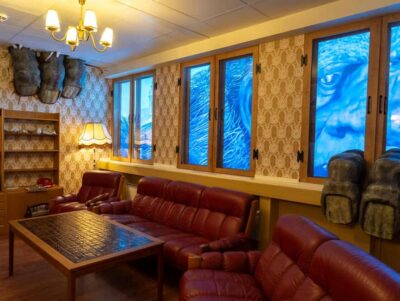

Ålesund-Aksla-Alnes-Giske-Sunnmøre museum 100 % Highlights 4.5 H
Read our review →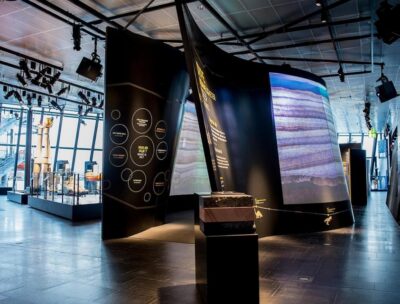
Stavanger: Norwegian Petroleum Museum – Entrance Ticket
Read our review →
Maihaugen Museum/The Norwegian Olympic Museum, Lillehammer.
Read our review →Browse the lists this tour appears in