
Review · ITALY
Naples: National Archaeological Museum Ticket & Audio App
The most astonishing part of this museum is how directly it connects to Pompeii and Herculaneum. Instead of seeing only ruined walls and empty rooms at the archaeological sites, you can examine the mosaics, frescoes, cooking pots, glassware, sculptures, and everyday objects removed for safekeeping.
I like the Farnese collection, especially the grand ancient sculptures and engraved gems, and I like the museum’s calm pace compared with Naples’ noisy streets. The price is reasonable for a full day, but the included audio app is not always dependable, and some visitors find the museum’s own explanations more useful.
Key points at a glance
- Pompeii and Herculaneum treasures: See frescoes, mosaics, household objects, and models that make the buried cities easier to understand.
- The Farnese collection: Admire major Greek and Roman sculptures, marbles, and finely worked gems gathered by the Bourbon family.
- Ancient Roman private life: Visit the Secret Cabinet, known for its frank collection of erotic Roman art.
- A large museum visit: Plan on about three hours for a focused visit, or four to five hours if you want to take your time.
- Digital ticket exchange required: Present your smartphone voucher at the museum ticket office to receive the official entrance ticket.
- Useful practical terms: The ticket allows one entry on one day, includes a digital audio app, and requires an ID or passport.
Why this museum changes your Pompeii visit
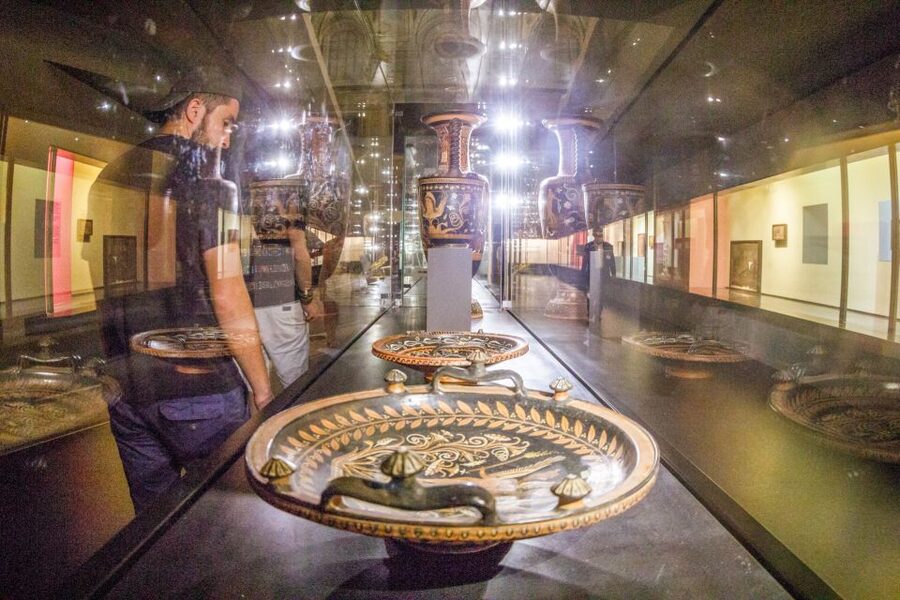
Naples’ National Archaeological Museum is not simply a pile of old statues. It is the place where many of the objects from the Bay of Naples sites have been gathered, labeled, and placed in a broader story.
At Pompeii, you see streets, houses, temples, and the marks left by the volcanic eruption. At the museum, you see what those houses contained. A painted wall becomes a real work of art rather than a patch of color on a crumbling room. A kitchen at Pompeii makes more sense after you have seen the cooking pots, jars, and glass vessels displayed here.
I particularly like visiting the museum before Pompeii because it gives you a visual vocabulary for the ruins. If your schedule puts Pompeii first, the museum still works beautifully afterward. It helps explain the objects you saw only in passing and gives you a closer look at the art that may have been removed from the original buildings.
The museum also reaches beyond Pompeii. Its collections cover Greek and Roman antiquities, Egyptian material, coins, large-scale sculpture, frescoes, mosaics, engraved gems, and objects linked to ancient daily life. You can spend a short morning here, but the building rewards a slower visit.
More archaeological museums in Italy:
- Milan: Cathedral, Archeological Area and Museum Ticket
★ 4.5 · 1,093 reviews - Naples: National Archaeological Museum of Naples Guided Tour
★ 4.8 · 498 reviews - Naples: National Archaeological Museum Tour & Digital Guide
★ 4.2 · 177 reviews
From Bourbon collecting to a major archaeology museum
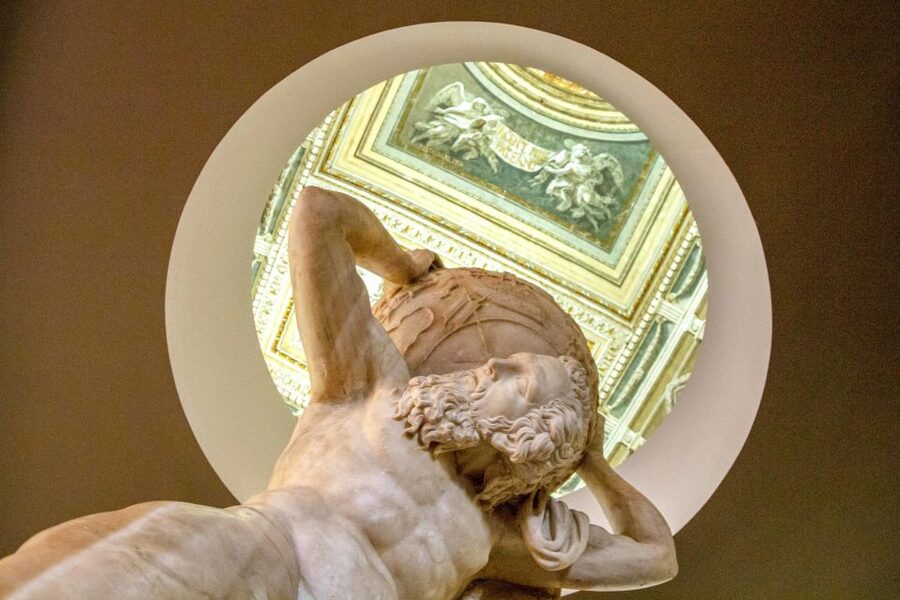
Charles III of Spain founded the museum in the mid-18th century. Its central collection came from the Farnese family, then passed into Bourbon ownership. That family connection explains why this is not only a museum of finds from local excavations.
The Farnese holdings include engraved gems and the Farnese Marbles, along with major Roman copies of Greek sculptures. The collection gives the museum a grand, formal side. You will move from intimate objects small enough to study closely to statues that take over entire rooms.
This mixture is one of the museum’s strengths. A visit here is not limited to one archaeological site or one period. You might look at an enormous mythological sculpture, then turn to a small household item found under volcanic ash. Together, the objects show both the public ideals and private routines of the ancient world.
The building itself is part of the experience. It is spacious enough to offer quieter corners, and the museum can feel like a welcome pause from Naples’ busy streets. Do not expect every room to be equally packed with objects or equally easy to follow. This is a very large collection, and you will enjoy it more if you accept that you cannot see everything in one pass.
The Pompeii and Herculaneum rooms
For many people, this is the main reason to buy the ticket. The museum holds an extraordinary group of objects from Pompeii, Herculaneum, and nearby sites.
Look for the domestic pieces. Cooking pots, glass vessels, and other household objects give ancient life a human scale. These are not only grand works made for emperors or wealthy patrons. They are tools and containers that help you picture meals, storage, trade, and ordinary activity.
The frescoes and mosaics are equally important. At the archaeological sites, you may see a decorated floor or wall in its original setting but have limited time to study it. Here, you can look at the details more carefully. The museum setting also helps you compare different styles and understand how decoration worked across Roman homes and public buildings.
A model of Pompeii and a video presentation are useful if you want a clearer sense of the city before or after seeing the ruins. The model helps turn a scattered group of streets into a place you can picture as a whole. The video presentation about the eruption adds an emotional dimension, showing how quickly the disaster overtook the residents.
You should allow at least three hours if Pompeii and Herculaneum are your priorities. A focused visitor can see the highlights in that time, especially with a plan. If you want to read labels, inspect the sculpture galleries, and pause at the frescoes and models, four hours is more realistic. Five hours is possible for an especially careful visit, but the amount of information can become tiring.
The Farnese sculptures and ancient Greek ideals
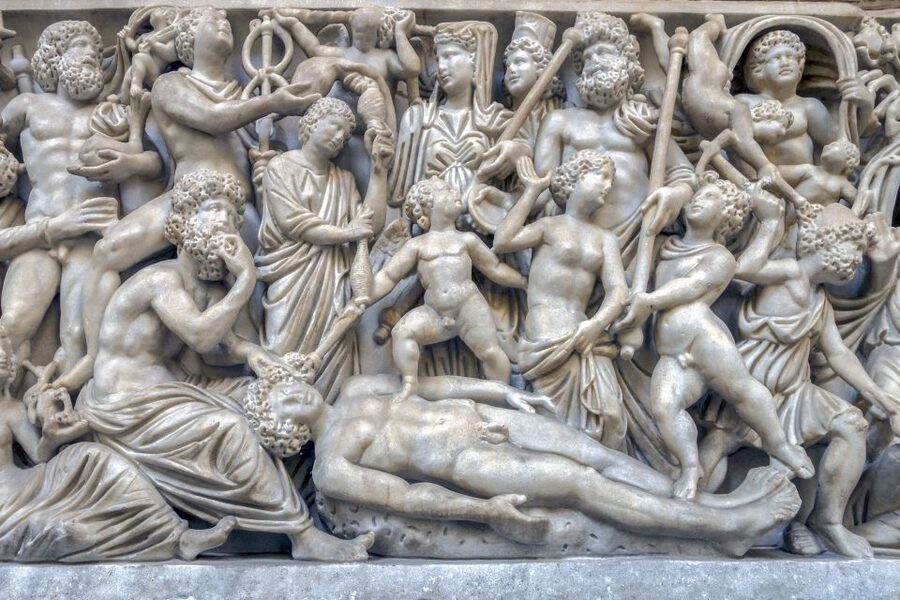
The Farnese collection changes the mood of the visit. After the intimate objects from Pompeii, the sculpture galleries feel grand and theatrical.
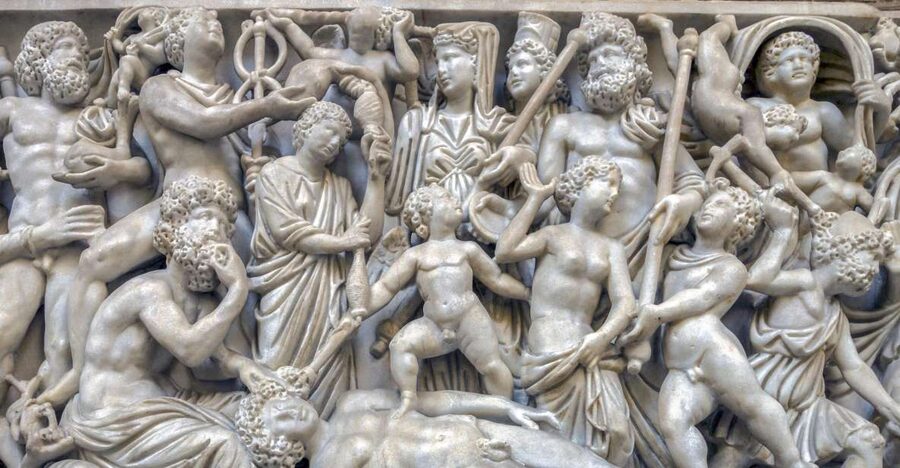
The Farnese Marbles and other large works show how Roman artists copied, adapted, and preserved Greek artistic ideas. You will see powerful bodies, dramatic movement, gods, heroes, and mythological scenes. Even if you do not know the names of every figure, the scale and physical energy make these rooms memorable.
Engraved gems offer the opposite experience. They are small, detailed, and easy to miss if you rush. Take a moment to look closely at the workmanship. These objects remind you that ancient art was not limited to monumental statues. Fine decoration could be held in the hand, worn as jewelry, or used as a personal mark.
The sculpture section is a good place to slow down after the busier archaeological displays. It also suits different interests within the same group. Someone who prefers architecture and city life can focus on Pompeii, while an art lover can spend more time with the Farnese works.
Do not judge the museum by the first room or by a quick circuit. The collection is too large for that. A simple plan helps: start with Pompeii and Herculaneum, continue to the major sculpture galleries, then choose the Egyptian section, Secret Cabinet, coins, or any temporary displays that interest you.
A few more museum visits around Italy worth comparing
- Florence: Uffizi Gallery Timed Entry Ticket & Audio Guide
★ 4.2 · 2,794 reviews - Rome: Borghese Gallery Ticket and Optional Audio Guide
★ 4.3 · 902 reviews - Florence: Accademia Gallery Reserved Entry & Audio Guide
★ 4.3 · 600 reviews - Borghese Gallery entry ticket and audioguide App
★ 4.7 · 570 reviews
The Secret Cabinet and ancient Roman private life

The Secret Cabinet is the museum’s famous collection of erotic Roman art. It offers a frank look at imagery and objects connected with the private side of ancient life.
This section is not a gimmick added to make the museum more entertaining. It helps you understand that Roman art covered a wider range of subjects than the idealized statues and formal public monuments usually associated with antiquity. The objects can be surprising, but they belong to the larger story of Roman homes, beliefs, humor, and sexuality.
Some people will find this section fascinating, while others may prefer to spend more time with the mosaics, sculpture, or Egyptian material. The museum gives you choices, so you do not need to treat every collection as an obligation. If you are visiting with children or a mixed-age group, decide in advance how you want to handle this part of the museum.
Egyptian artifacts, coins, and displays beyond Pompeii
The Egyptian collection gives the museum another point of view. It helps place Roman-era southern Italy within the wider ancient Mediterranean world. The section is especially useful if you want a break from the Pompeian material or have a strong interest in Egyptian objects.
The supplied information notes that the Egyptian section was closed until March 31, 2023. That date is now past, but museum rooms and displays can change, so check current conditions if this collection is central to your plans.
The history of coins is another worthwhile stop. Coins may seem less immediately dramatic than a huge statue, but they reveal how rulers presented themselves and how political messages circulated. This section works best as a short, focused visit rather than something you try to study after several tiring hours.
Because the museum contains so many different collections, you should not expect one perfectly simple route. Pick two or three priorities before entering. That way, you can enjoy the museum instead of racing through every corridor.
The audio app: useful extra or unnecessary add-on?
A digital audio app is included with the ticket. You access it through a supplied link using a username and password, and you need your smartphone to use it.
Here is the practical caution: the app may take time to download, and it does not always function like a full museum audio guide. Some visitors find that the explanations in the galleries are enough, while others prefer an organized audio commentary. If the app works smoothly for you, it can add context without requiring a guided tour. If it does not, you can still have a very good visit using the museum’s written information.
Download or open the audio material before you are standing at the entrance if possible. Bring a charged phone and headphones if you want to listen privately. Do not assume the audio app alone will lead you through every important room.
This ticket does not include a live guided tour. That matters if you want a person to answer questions, explain the collections in sequence, or adjust the visit to your interests. For independent visitors, the app provides flexibility. For those who prefer a clear narrative, a separate guided tour may suit you better.
How the ticket works at the entrance
You exchange the smartphone voucher at the Museo Archeologico di Napoli ticket office for the official entrance ticket. It is an extra step, which can feel odd when you already have a digital voucher, so allow time for the exchange.
Bring your passport or ID card. You will also pass through a security check before entering.
The ticket is valid for one day and one entry only. There is no reentry, so plan to finish the main visit before leaving. This is especially important if you expect to take a lunch break outside or want to split the museum across the day.
The experience is wheelchair accessible overall, but the Vittorio Emanuele apartments are not accessible to people with impaired mobility. If those rooms matter to you, check the current route and access arrangements before booking.
Is $29 good value?
At $29 per person, the ticket makes sense if you plan to spend three or more hours in the museum. You are paying for access to several major collections in one place, not just a small exhibition.
The value is strongest for anyone visiting Pompeii or Herculaneum. The museum adds objects and context that you cannot get from walking through the ruins alone. If you have only a short time in Naples and are not interested in ancient art, the price may feel less attractive because the museum is large and cannot be rushed comfortably.
The included audio app may not be the reason to buy. Think of it as a possible extra rather than the main value of the ticket. The real value comes from the collections themselves, especially the Pompeii and Herculaneum rooms, Farnese sculpture, mosaics, frescoes, and Secret Cabinet.
In quieter periods, you might find little or no line at the ticket counter. At other times, an advance reservation can save time, but you still need to exchange the voucher for the official ticket. The convenience is useful, though it is not a guarantee that every entrance process will be instant.
A practical plan for your visit

I would begin with the Pompeii and Herculaneum collections while your attention is fresh. Spend time with the frescoes, mosaics, household objects, model, and eruption presentation.
Next, move to the Farnese sculpture galleries. These rooms provide the museum’s grandest visual change and give you a chance to study the ancient artistic tradition behind many Roman works.
After that, choose according to your energy and interests:
- Visit the Secret Cabinet for a look at private Roman imagery.
- Continue to the Egyptian section if it is open and important to you.
- See the coin displays for a shorter look at political and economic life.
- Stop at the cafe if you need a break during a longer visit.
- Browse the bookstore before leaving if you want a guide or a visual record of the collections.
A three-hour visit can cover the main attractions. Four hours gives you breathing room. Five hours is best reserved for people who truly enjoy museum study and can handle a lot of visual information in one day.
Who should book this museum ticket?
I would recommend it strongly if you are visiting Pompeii or Herculaneum, especially if you want to understand the art and objects connected to those sites. It is also a good choice for anyone who enjoys Greek and Roman sculpture, frescoes, mosaics, or ancient domestic life.
Families and mixed-interest groups can make it work because the collection is varied. One person can focus on sculpture, another on Pompeian objects, and another on Egyptian artifacts or coins. The large size is helpful here, though it can also be tiring.
I would be more cautious if you dislike large museums or have less than two hours in Naples. You may see the highlights, but the experience will feel rushed. The audio app is also not a strong reason to book by itself.
Should you book it?
Book this ticket if Pompeii, Herculaneum, and ancient art are important parts of your Naples plans. The museum gives you the objects, decoration, and sculpture that make the archaeological sites easier to read, and $29 is fair for the amount of material you can see.
If possible, visit before Pompeii for helpful preparation, or afterward for a better understanding of what you saw. Plan at least three hours, bring identification, and treat the digital audio app as optional support rather than a guaranteed full guide.
FAQ
How long is the ticket valid?
The ticket is valid for one day. It allows a single entry and does not include reentry.
What does the ticket include?
It includes museum entry and access to a digital audio app. It does not include a live guided tour.
Do I need to exchange my digital voucher?
Yes. You must exchange your smartphone voucher at the Museo Archeologico di Napoli ticket office for the official entrance ticket.
Do I need identification?
Yes. Bring a passport or ID card.
Is there a security check?
Yes. You must pass through security before entering the museum.
Is the museum wheelchair accessible?
The activity is wheelchair accessible, but the Vittorio Emanuele apartments are not accessible to people with impaired mobility.
Is the Egyptian section open?
The supplied information says the Egyptian section was closed until March 31, 2023. Check the museum’s current status if this section is important to your visit.
Can I cancel the booking?
You can cancel up to 24 hours in advance for a full refund. You can also reserve now and pay later, keeping your plans flexible.
More Audio-Guided Visits in Italy
- Florence: Accademia Gallery David Entry & Audio Guide App
★ 4.2 · 406 reviews - Rome: Vatican Museums & Sistine Chapel Entry with Audio App
★ 4.3 · 240 reviews - Naples: National Archaeological Museum audio guide
★ 4.0 · 155 reviews - Florence: Accademia Gallery Entry Ticket with Audio Guide
★ 4.1 · 88 reviews
Just added around Italy
- Oil museum and oil mill in Tuscany: tour and tasting★ 5.0 · 16 reviews
- Enchanted Castle of Sciacca – Museum Tickets★ 3.5 · 63 reviews
- Torino: FIAT Historic Museum and Lingotto District Tour★ 4.9 · 14 reviews
- Torino: The Car Museum Skip-The-Line Tour★ 4.7 · 22 reviews
- Timed Entry Ticket to the Uffizi Gallery★ 4.5 · 498 reviews
- Florence: Accademia Gallery Entry Ticket with Audio Guide★ 4.1 · 88 reviews
- Vatican City: Sistine Chapel, Museums, Basilica Private Tour★ 4.8 · 158 reviews
- Rome: Capitoline Museums and Centrale Montemartini Tickets★ 4.4 · 328 reviews
Museum Tours in Italy, compared.

Vatican: Museums & Sistine Chapel Entrance Ticket
Read our review →
Vatican Museums, Sistine Chapel & St. Peter’s Basilica Tour
Read our review →
Vatican Museums, Sistine Chapel & St Peter’s Basilica Guided Tour
Read our review →
Skip-The-Line Uffizi Gallery Timed Entry Ticket
Read our review →
Vatican Museums, Sistine Chapel and Basilica Tour
Read our review →
Vatican Museums & Sistine Chapel Skip-the-Line Entry Ticket
Read our review →
Vatican Museums, Sistine Chapel & Basilica Tour
Read our review →
Browse the lists this tour appears in