

Review · PARIS
Murders and Mysteries of the Louvre Museum
The Louvre is more than a parade of famous paintings. Its medieval stones, royal rooms, ancient rituals, and scenes of betrayal give the museum a darker side. This Murders and Mysteries of the Louvre tour uses those stories to make the building and its art easier to understand.
I like the small group of no more than eight, which gives the guide room to adjust the visit and answer questions. I also like that your ticket lets you stay inside after the two-hour tour, so you can continue at your own pace. The main caution is communication: one participant found a guide’s English too soft and hard to follow in the noisy galleries.
Key points to know before booking
- The route mixes famous sights with overlooked works, including the Mona Lisa, Venus de Milo, Egyptian antiquities, crown jewels, and lesser-known paintings.
- The Louvre’s medieval fortress remains provide the setting for stories about the building’s earlier life before it became a museum.
- Ancient magic and forgotten rituals add an unusual angle to the Egyptian and ancient-world collections.
- A small group of up to eight makes this more personal than a large museum walk.
- The two-hour visit is focused, making it useful if your time in Paris is limited.
- You still need to pass security, since skip-the-line entry does not remove the security queue.
Why the Louvre’s darker stories change the visit

Many first-time visits to the Louvre become a race between famous rooms. You hurry toward the Mona Lisa, pause at the Venus de Milo, glance at a few grand French paintings, and then realize the building is much larger than expected.
This tour gives you a theme to follow. Instead of treating the museum as one enormous collection, your guide connects objects to stories of magic, violence, scandal, betrayal, and death. That approach can help the Louvre feel less like a warehouse of masterpieces and more like a place shaped by human ambition and fear.
The theme is not limited to murder scenes. You will also hear about the Louvre itself, beginning with its medieval role as a fortress. The site later became a royal residence, and its walls witnessed political struggles and court scandals before the museum took on its modern role.
That historical thread matters. The paintings and objects are not presented as isolated pieces. You get a sense of how royal power, religion, war, ritual, and personal drama shaped what ended up in these galleries.
More Museum Tours in Paris
- Paris: Louvre Museum Timed-Entrance Ticket
★ 4.6 · 71,977 reviews - Paris: Orsay Museum Entry Ticket
★ 4.7 · 25,647 reviews - Louvre Museum Masterpieces Guided Tour with Access
★ 4.5 · 12,023 reviews
Meeting beneath the Pyramid and getting inside
You meet at the Statue of Louis XIV in front of the Louvre Pyramid on Rue de Rivoli. The exact meeting instructions appear on your voucher, so read them before leaving for the museum. The guide meets you under the large glass pyramid, after the security check but before the ticketed entrance.
That wording is important. You receive skip-the-line access to enter the museum, but you do not skip the security queue. Arrive with enough time for that check, especially if the area is busy.
Bring a passport or ID card. Large bags and luggage are not allowed, and anything larger than 55 by 35 by 20 centimeters cannot enter the museum. A small day bag is the practical choice.
The activity is offered in English or French. Group size is limited to eight, which helps with movement through crowded galleries and gives you a better chance of hearing the guide. Still, the Louvre is a loud place. One reported problem was a soft voice and difficult-to-follow English, with two group members getting separated in the crowd. If hearing every word matters to you, stay close to the guide and ask for repetition when needed.
The medieval Louvre: fortress, palace, and crime scene
The tour begins with the Louvre’s oldest identity. Before the glass pyramid and endless galleries, this was a fortified structure protecting Paris. The medieval remains help you picture the site as a defensive stronghold rather than a palace full of art.
Seeing these foundations is one of the more useful parts of the tour because it gives the enormous museum a starting point. You begin with stone walls and military purpose, then follow the building through its transformation into a royal residence.
The Louvre’s later role at the center of French power brings the mystery theme to life. Royal residences are rarely calm places, and the tour draws attention to the betrayals, scandals, and murders connected with the building and the people who used it.
You should not expect a theatrical ghost tour. The emphasis is on stories attached to the Louvre’s history and its collections. The guide brings out the darker details that can be easy to miss when you are focused only on artistic beauty.
Ancient Egypt, magic, and forgotten rituals
The Egyptian collection adds another layer to the visit. Here the subject shifts from French royal intrigue to the ancient world, with attention to magic and rituals that may be unfamiliar to a modern museum visitor.
This part works well for anyone who prefers objects with a strong cultural story. Ancient pieces can appear mysterious when viewed without context. A guide can explain how ritual objects, symbols, and beliefs relate to the larger world that produced them.
The tour also uses ancient-world collections to discuss long-forgotten practices. That gives you a different way to look at the displays. Instead of seeing only age and craftsmanship, you are encouraged to think about fear, protection, death, and the unseen forces that shaped ancient life.
The guide does not cover every Egyptian room. Two hours is too short for that. The value comes from selecting examples and tying them to the overall theme. If Egypt is your main reason for visiting the Louvre, you will need to stay afterward and explore more on your own.
More Louvre tours and timed tickets:
- Paris: Louvre Museum Entry Ticket With Host and River Cruise
★ 4.6 · 9,926 reviews - Mona Lisa & Louvre Masterpieces Tour with Reserved Access
★ 4.6 · 6,812 reviews - Louvre Museum – Exclusive Guided Tour (Entry Included)
★ 5.0 · 6,296 reviews - Paris: Louvre Museum Hosted Entry and Mona Lisa Audioguide
★ 4.6 · 5,235 reviews
Venus de Milo with a more curious eye
The Venus de Milo is one of the museum’s essential stops, but fame can make a work feel almost too familiar. The tour gives you a reason to pause and consider the sculpture beyond its postcard status.
The mystery angle encourages questions about what is missing, how the figure was understood, and why certain works became cultural icons. The available details do not promise a long technical lecture devoted only to the statue, so expect it to be one stop within a larger route.
That is a strength if you want variety. In a short visit, you can see a major sculpture, ancient collections, royal objects, French painting, and the Mona Lisa without spending the entire two hours in one department.
Crown jewels and the dangerous side of royal power
The crown jewelry collection brings the royal story into physical form. These objects represent wealth, status, and the intense political world around the French court.
Jewelry can be easy to skim past in a large museum. A guide focused on scandal and power gives you a reason to look closely at what these objects meant. They were not simply attractive possessions. They were linked to monarchy, inheritance, prestige, and the dangerous tensions of court life.
This is also where the tour’s balance becomes clear. It is not only about bloodshed in paintings. It uses objects, architecture, and royal collections to show how power operated inside and around the Louvre.
French masterpieces and violent scenes
The French painting galleries provide the clearest link between art and dark events. Your guide points out works that depict violence, tragedy, or disturbing moments from history and mythology.
One caution is worth keeping in mind. The quality of this part may depend heavily on the guide’s storytelling and language skills. One participant felt the guide simply selected several gory paintings without building enough intrigue around them. Another praised a guide for explaining artistic techniques and the relationships between artists.
That contrast tells you what to expect. The tour can be excellent when the guide explains why a scene was painted, how the artist handled it, and how it fits into the period. It may feel thinner if the guide only points to violent images without much background.
The strongest version of the experience will connect subject matter with technique and context. You might learn not just what happened in a painting, but how the artist used gesture, composition, color, or expression to make the scene unsettling.
The Mona Lisa, seen after the crowds
The Mona Lisa is included, but this is not a private viewing. You will encounter one of the most crowded sights in the Louvre, and the short stop may be shaped by the number of people around it.
The useful part is the change in viewpoint. Rather than looking only at the famous smile, your guide invites you to think about why the expression seems enigmatic and how the painting became so widely known.
A guide can also keep the Mona Lisa from swallowing the entire visit. Many people spend so much time reaching the painting that they miss the rest of the museum. Here, it is one piece in a route that also includes medieval remains, Egyptian objects, royal jewelry, sculptures, and French masterpieces.
You may get a better visit by accepting that the Mona Lisa is a brief encounter. Take in the painting, listen to the guide, and resist judging the whole Louvre by the crowd around one small portrait.
What two hours can realistically cover
Two hours is enough for a guided introduction, not enough for the Louvre as a whole. The route focuses on major highlights while adding lesser-known works and overlooked corners.
That balance suits you if this is your first visit or if you have limited time in Paris. Several people found the tour useful because it reached many major exhibits without requiring them to plan a route through the museum themselves.
The pace may feel brisk. You are moving through a huge institution, and some stops will be short. The guide has to choose between giving a longer explanation and showing you another important room.
After the guided portion, your entrance ticket allows you to remain inside and continue alone. This is a meaningful benefit. You can revisit a favorite gallery, look for more Egyptian pieces, or follow your own interests without buying a second ticket.
Plan your energy accordingly. The guided visit may give you a map of the Louvre in your head, but you will still need time and patience to explore further.
Guide quality and the small-group experience
The guide is the key variable. The strongest feedback describes an expert who was friendly, engaging, flexible, and able to explain major works as well as lesser-known pieces. One guide also helped take photographs, which can be a welcome touch during a busy museum visit.
The small group helps. With up to eight people, the guide can tailor explanations and keep the route more personal. It also makes the experience feel less like being moved through the museum in a large pack.
The drawback is that a small group does not solve every problem. Crowded galleries can make it hard to stay together, and a quiet guide may be difficult to hear. English and French are available, but the level of comfort may vary by guide.
I would stay near the guide, especially in rooms with heavy foot traffic. If you cannot hear, say so early. That simple step may make the difference between an absorbing tour and a frustrating one.
Is $200 a fair price?
At $200 per person, this is a costly two-hour museum visit. The value depends on what you need from the Louvre.
You are paying for the museum entrance, a live guide, a small group, and a planned route through one of the world’s largest museums. If you have only a short window in Paris, the service can save time and prevent the usual problem of wandering without a plan.
The price is harder to justify if you enjoy researching a museum in advance and are happy to move slowly on your own. The Louvre admission is included, but the guided portion lasts only two hours, and tips are extra if you choose to give one.
I see this as a convenience purchase for first-time visitors, families who need structure, or anyone who wants stories rather than labels. It is less appealing for a repeat visitor who already knows which departments and paintings matter most to them.
Free cancellation up to 24 hours before the activity and the option to reserve now and pay later add useful flexibility. Those policies do not lower the price, but they reduce the risk of fitting the tour into a changing Paris schedule.
Who should book this Louvre mystery tour?
I would choose this experience if you want the Louvre’s famous works but need a clear route and a strong theme. It is especially useful for a first visit, a short stay, or anyone who finds enormous museums tiring without a guide.
It also suits curious adults who like the stories behind art. The mix of fortress remains, ancient rituals, royal scandal, crown jewels, violent paintings, and the Mona Lisa is more memorable than a standard checklist of masterpieces.
I would think twice if you need a very slow pace, have difficulty hearing in noisy rooms, or want a tour devoted to one collection. The mystery theme depends on the guide making thoughtful connections. It may feel less satisfying if the commentary stays at the level of pointing out dramatic paintings.
FAQ
Where does the Louvre mystery tour meet?
Meet your guide at the Statue of Louis XIV in front of the Louvre Pyramid, at the Louvre Museum on Rue de Rivoli in Paris. The precise meeting instructions will also appear on your voucher.
How long does the tour last?
The guided visit lasts two hours. Afterward, your ticket allows you to remain in the Louvre and explore the rest of the museum independently.
Is museum admission included?
Yes. Museum entrance fees are included in the ticket price.
Does skip-the-line access include security?
No. Skip-the-line access applies to entering the museum, but you must still wait in the security queue.
What languages are available?
The tour is offered in English and French.
How large is the group?
The group is limited to eight participants.
What should I bring?
Bring a passport or ID card.
Can I bring luggage or a large bag?
No. Luggage and large bags are not permitted. Items larger than 55 by 35 by 20 centimeters cannot enter the museum.
Can I cancel the booking?
Yes. You can cancel up to 24 hours in advance for a full refund. You can also reserve now and pay later.
Should you book it?
Book this tour if you want a fast, guided introduction to the Louvre with a darker angle than a standard highlights walk. The small group, included admission, and extra time inside make it a practical choice when your Paris schedule is tight.
Skip it if you prefer complete freedom, quiet self-guided viewing, or a specialist visit focused on one collection. At $200 per person, the guide needs to deliver clear, engaging explanations for the cost to feel worthwhile. When that happens, the Louvre becomes easier to navigate and far more intriguing than a quick look at its famous names.
Just added around Paris
- Rodin Museum Masterpieces – Guided Tour up to 8 guests★ 4.9 · 13 reviews
- Invalides Museum – WWI & WWII – Guided Tour up to 8 guests★ 5.0 · 32 reviews
- Skip the Line Guided Tour of Louvre Museum Highlights★ 5.0 · 49 reviews
- Paris: Louvre Museum Highlights Small-Group Guided Tour★ 4.8 · 157 reviews
- From Paris: Private Trip to Giverny, Monet’s House & Museum★ 4.5 · 13 reviews
- Paris: Street Art Open-Air Museum Bike Tour★ 4.8 · 51 reviews
- Paris: Rodin Museum Ticket & Optional Digital AudioGuide App★ 4.7 · 56 reviews
- Paris: The Rodin Museum and Seine River Cruise★ 4.6 · 45 reviews
Museum Tours in Paris, compared.



Louvre Museum Masterpieces Guided Tour with Access
Read our review →
Louvre Museum Entry Ticket With Host and River Cruise
Read our review →
Les Invalides: Napoleon’s Tomb & Army Museum Entry
Read our review →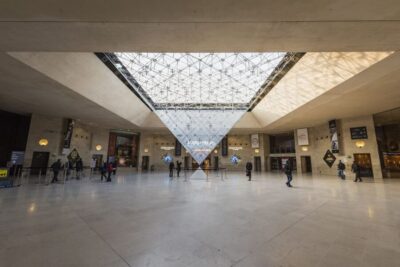
Mona Lisa & Louvre Masterpieces Tour with Reserved Access
Read our review →
Louvre Museum – Exclusive Guided Tour (Entry Included)
Read our review →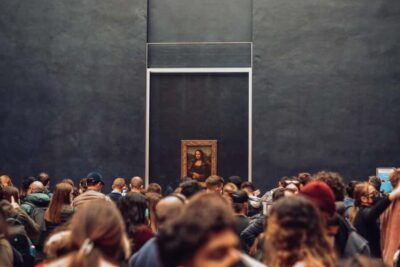
Louvre Museum Hosted Entry and Mona Lisa Audioguide
Read our review →Browse the lists this tour appears in