
Review · PARIS
Louvre Museum: Skip-the-Line Small Group Guided Tour
The best thing about this Louvre tour is its sense of direction. Instead of wandering through one enormous gallery after another, you follow a planned route to major works such as the Mona Lisa, Venus de Milo, and Psyche Revived by Cupid’s Kiss. Guides including Ivan, Frédéric, Laurent, and Merve have been praised for making the art understandable for adults, teens, and children.
I like the small-group format, with up to 10 people, and the separate entrance that helps you avoid the main ticket queue. I also like the mix of famous paintings, grand palace rooms, Egyptian antiquities, and the old Louvre foundations. The main caution is time: two to three hours is enough for an excellent first look, not enough for the whole museum.
Key points at a glance
- A focused Louvre route: See major works without spending your visit lost among thousands of rooms and corridors.
- Priority entry: Use a separate entrance, though security can still take up to 20 minutes in busy periods.
- Napoleon’s apartments: Admire lavish palace interiors and crown jewels, if this area is open on your tour.
- A guide who adds context: Guides such as Ivan, Frédéric, Laurent, and Merve are praised for clear explanations and friendly pacing.
- Small groups, with a seasonal warning: Groups are limited to 10, but larger parties may be split, and peak-season groups can occasionally be bigger.
- A strong first visit: This suits you best if you want the Louvre’s essential works rather than an unhurried study of one department.
Why a guide makes sense at the Louvre

The Louvre is not simply a large museum. It is a former royal palace with layers of architecture, collections spread across major wings, and enough famous objects to overwhelm a first-time visitor. The question is not what to see. It is how to choose.
A guided route gives you that choice. In roughly two hours, you can move from Ancient Egypt to Italian Renaissance painting, French Romanticism, classical sculpture, and royal decoration. You will not see every room, but you will leave with a clear picture of why the Louvre matters.
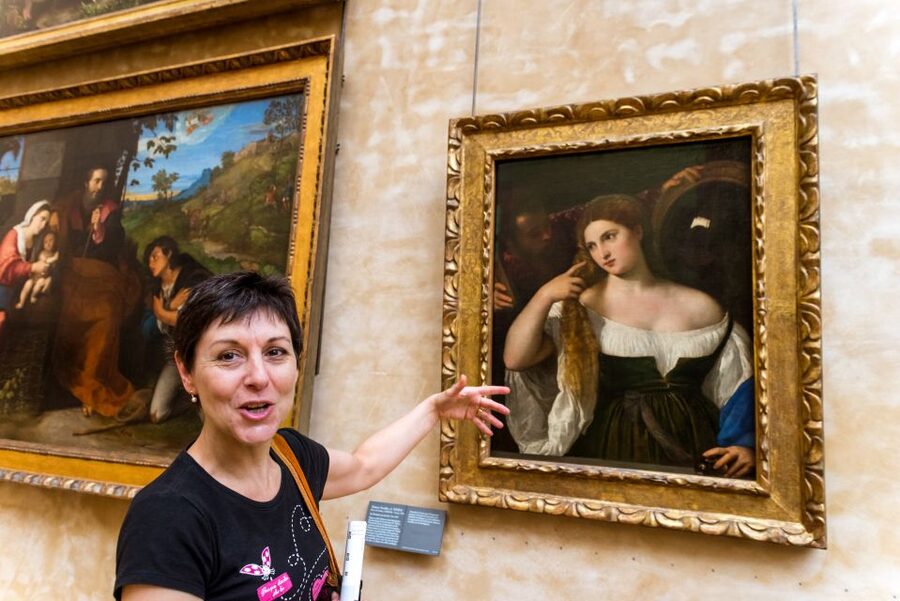
I like tours such as this for a first visit because the guide supplies the connecting thread. You are not just looking at a painting and trying to remember its name. You hear the story behind The Raft of the Medusa, the ideas that shaped the Venus de Milo, and the details that keep people staring at the Mona Lisa.
The strongest guides appear to adjust well to their groups. Ivan is repeatedly praised for explaining art in a way that worked for children and teenagers, while Frédéric is noted for linking European royal families and political history to the objects on display. Merve and Laurent are also praised for being attentive, clear, and easy to follow.
That personal explanation is the real reason to pay for this experience. If you already know the Louvre well, a self-guided visit gives you more freedom. If the museum feels intimidating, the guide saves you time and helps you notice more.
More Museum Tours in Paris
- Paris: Louvre Museum Timed-Entrance Ticket
★ 4.6 · 71,977 reviews - Paris: Orsay Museum Entry Ticket
★ 4.7 · 25,647 reviews - Louvre Museum Masterpieces Guided Tour with Access
★ 4.5 · 12,023 reviews
Priority entry, with one important qualification
The tour includes an entrance ticket and access through a separate entrance. This can be valuable in high season, when the regular queue can swallow a large part of your morning or afternoon.
Priority entry does not mean walking straight through every barrier. All visitors still pass security, and the wait can reach 20 minutes during the busiest periods. That is still different from waiting in the main ticket line, but you should not arrive expecting a completely queue-free experience.
One experience also showed how useful a guide can be during disruption. When the Louvre faced a strike, guide Ivan helped his group enter soon after an agreement was announced, while people without guided access continued waiting. That kind of situation cannot be promised, but it shows the practical value of having someone who understands the entry process.
Meet your guide at the exact location listed for your booking. The meeting point can vary, and several possible starting addresses are used. Give yourself extra time to find it, especially because the Louvre’s long exterior can make a nearby address look farther away than expected.
You do not need to arrange transportation as part of the tour. Getting to and from the Louvre is your responsibility, and large bags or luggage are not allowed. Anything over 55 by 35 by 20 centimeters cannot enter the museum.
The Pyramid and the start of the route
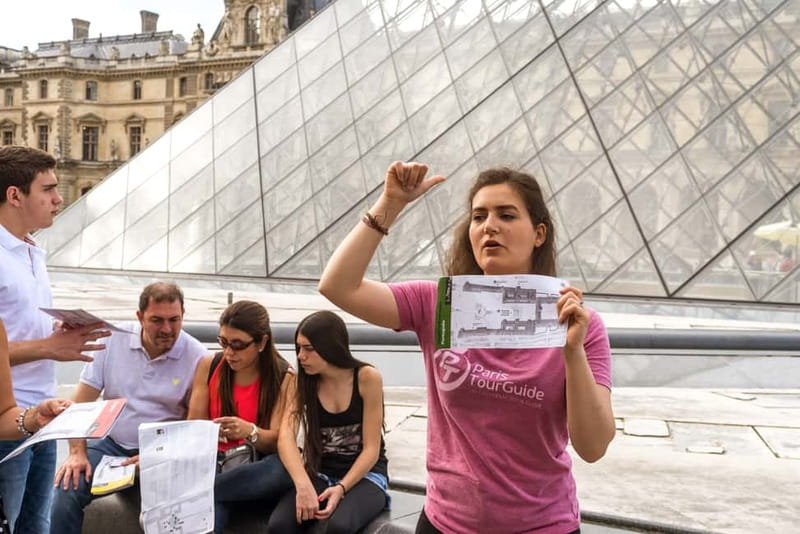
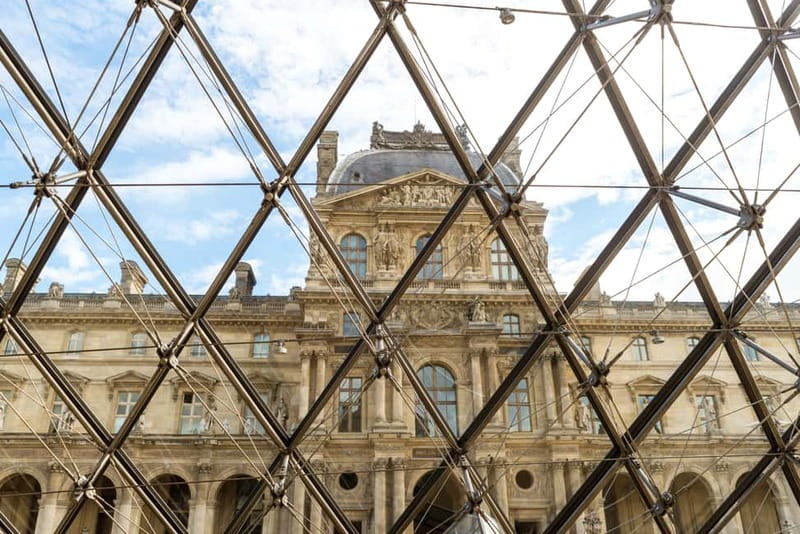
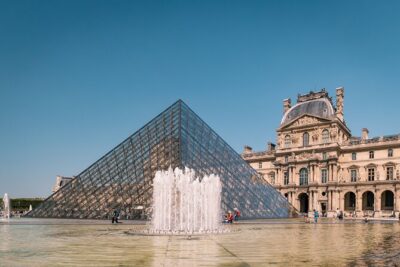
The Louvre Pyramid is often treated as the museum’s front door, but it is also one of Paris’s most recognizable modern landmarks. The glass structure sits in the Cour Napoléon above the underground entrance and gives you an immediate sense of the museum’s unusual mix of old palace and modern access point.
On this experience, the Pyramid is a pass-by point rather than a lengthy stop. Your guide may use it to get the group organized and explain the route before moving inside. Do not expect a dedicated Pyramid tour or a long photo session here.
That brief beginning is useful because the Louvre can feel confusing even before you reach the galleries. Once the group is together, the guide can lead you through the correct entrance and help with the first practical details, including museum access and the use of headsets.
The organization at the start may feel a little untidy if several groups are meeting at once. This is one reason to arrive early and keep your booking details ready. Once the tour is underway, the experience becomes much easier to follow.
Venus de Milo and the power of a single sculpture
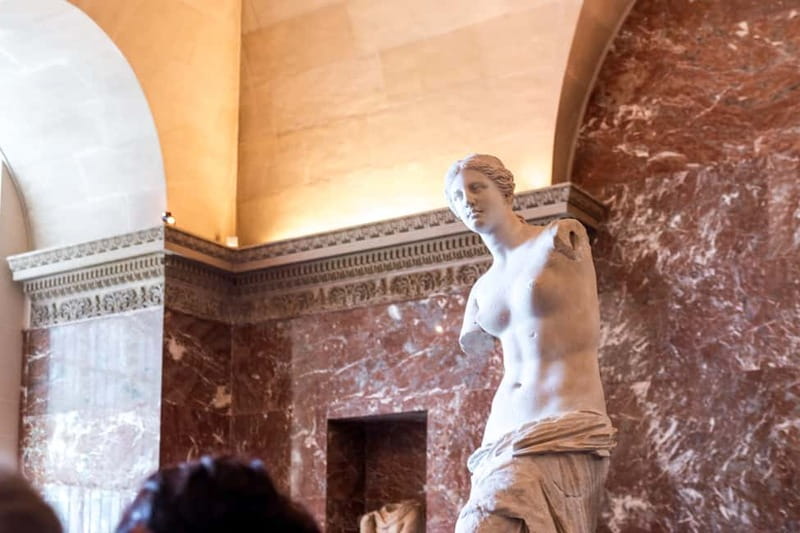
The Venus de Milo is one of the Louvre’s essential stops. This ancient Greek sculpture has no arms, yet its missing details have not weakened its fame. Instead, the incomplete figure invites you to think about how later artists and viewers filled in the gaps.
A guide can give you more than the standard label beside the statue. You can look at its stance, balance, surface, and the way the figure occupies the room. The sculpture is also a good example of how a museum object can become famous far beyond its original setting and period.
The stop is valuable for families and first-time museum visitors because it gives you a clear visual anchor. Even if you are not an art specialist, you can see why the statue has inspired generations of artists.
Expect other people around the major works. The Louvre is rarely quiet in the rooms everyone wants to see. A small group helps because your guide can gather you more easily, but you may still need to listen carefully and stay close.
More Louvre tours and timed tickets:
- Paris: Louvre Museum Entry Ticket With Host and River Cruise
★ 4.6 · 9,926 reviews - Mona Lisa & Louvre Masterpieces Tour with Reserved Access
★ 4.6 · 6,812 reviews - Louvre Museum – Exclusive Guided Tour (Entry Included)
★ 5.0 · 6,296 reviews - Paris: Louvre Museum Hosted Entry and Mona Lisa Audioguide
★ 4.6 · 5,235 reviews
The Mona Lisa, famous and crowded
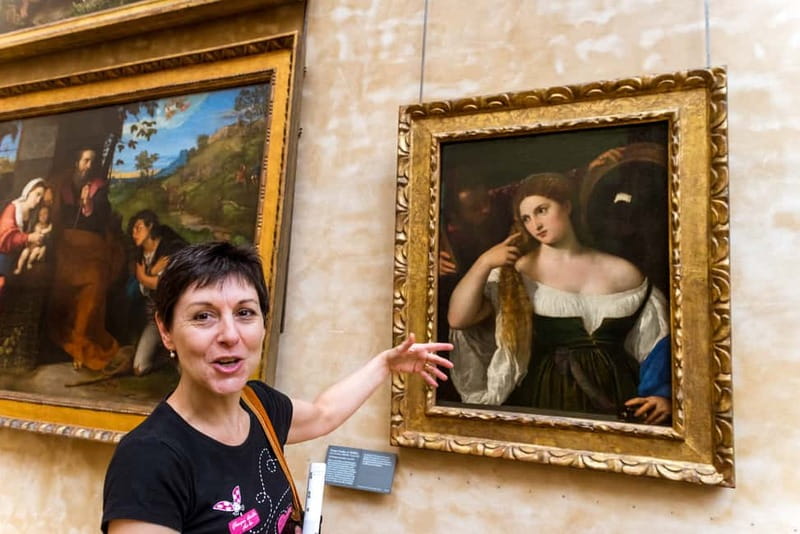
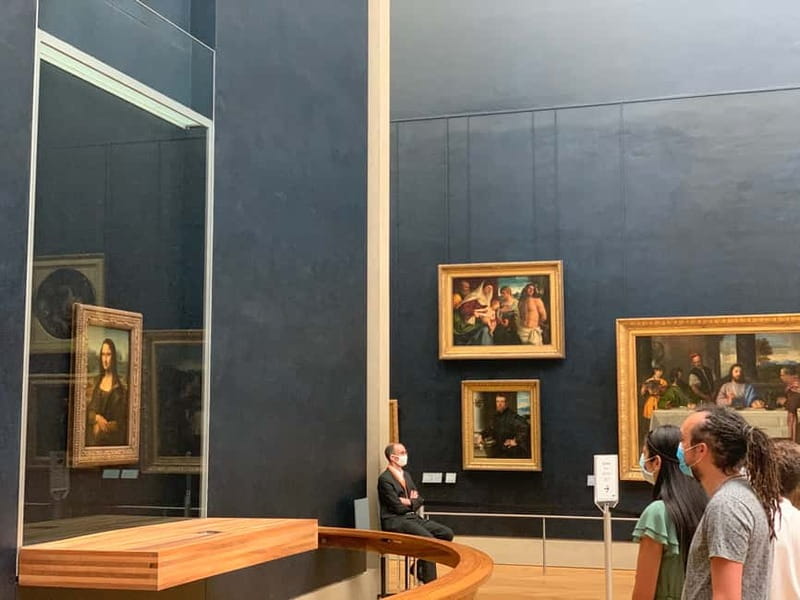
The Mona Lisa is the stop most people have in mind before entering the Louvre. The painting itself is smaller than many first-time visitors expect, and the room can be crowded, with people moving toward the viewing area for a quick look and photograph.
This is where the guide’s organization matters most. The tour includes priority access, and guides make sure the group reaches the painting as part of the planned route. One guide was especially praised for helping two older participants find a more comfortable way through the museum and making their time with the Mona Lisa memorable.
You should keep your expectations sensible. Priority access does not create a private viewing. You will share the room with other visitors, and your time in front of the painting may be brief. Still, a guide can explain the work, point out details, and help you understand why this portrait became such a cultural symbol.
The room can be noisy. Headsets are included, and they are reported to work well on some tours, but one participant found it difficult to hear when a headset was not available. Stay near your guide and speak up if the sound is unclear.
Italian Renaissance and the stories behind the art
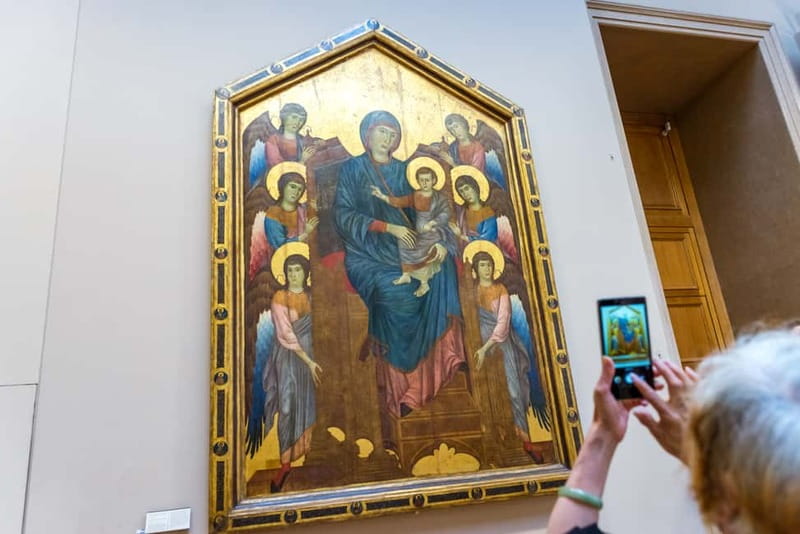
The Louvre’s Italian Renaissance rooms contain far more than one famous portrait. The appeal of a guided visit is the chance to connect the works rather than see them as isolated names on a list.
Leonardo da Vinci’s Mona Lisa is the headline piece, but the guide can place it within a broader story of Renaissance art, patronage, technique, and public fame. The tour is designed to show the highlights, so you may pass many other works without a full explanation.
That choice is sensible for a short visit. The Louvre’s collection would take months to see in full, and trying to cover every department in two hours would leave you with little more than tired feet. A guide instead gives you selected works with enough explanation to make them stick.
I especially like this format for people who do not usually visit museums. Several guides have been praised for keeping the pace lively and making the art approachable. You get a framework for understanding what you see, without needing an art-history background before you arrive.
The Raft of the Medusa and French drama
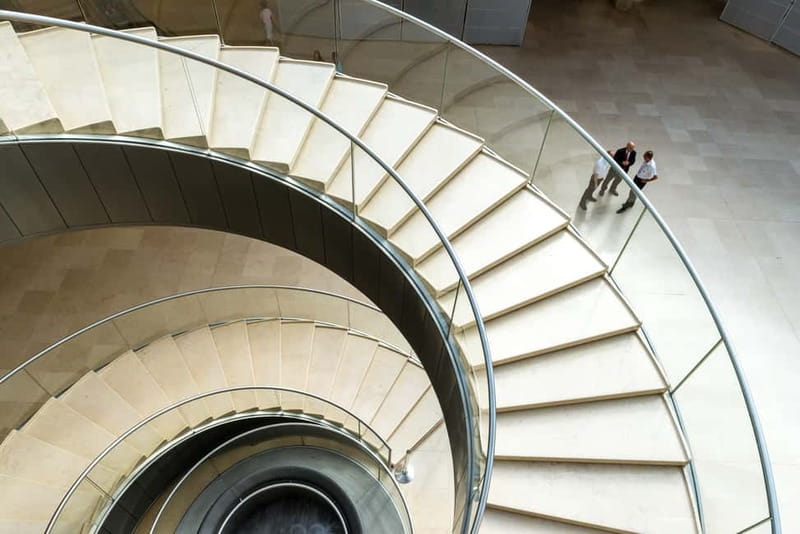
Théodore Géricault’s The Raft of the Medusa is one of the tour’s most powerful paintings. It depicts survivors of a disastrous shipwreck, but the guide can explain the political scandal and human tragedy behind the image.
This is an excellent example of why context matters. Without the story, you see a large, dramatic painting with desperate figures. With the story, you understand its anger, its public impact, and the choices Géricault made to direct your eye through the scene.
The painting also changes the rhythm of the visit. After the controlled elegance of Renaissance portraits and classical sculpture, this work feels urgent and raw. A good explanation helps you see how composition, scale, and emotion work together.
The tour will not stop for a full academic lecture. That is part of the trade-off. You get a memorable explanation and then continue to the next major section, keeping the route within the two to three hour limit.
Napoleon’s apartments and the Louvre as a palace
The Napoleon apartments offer a different kind of Louvre experience. Here, the focus shifts from individual masterpieces to the setting itself: grand rooms, elaborate decoration, and the display of royal and imperial wealth.
You can expect striking interiors, ornate furnishings, and a collection of crown jewels. These rooms help explain that the Louvre was not built only as a museum. It was also a palace, shaped by rulers who wanted their power reflected in architecture and decoration.
This section is a welcome change from crowded painting galleries. Instead of standing close to a single work, you can take in a whole room and see how color, furniture, mirrors, and ornament were arranged to impress.
There is one practical caution: the apartments are advertised as part of the route, but access can vary. At least one participant found that this stop was not included on the day of the tour. If Napoleon’s apartments are a top priority for you, ask your guide at the start whether that area is open and planned into your route.
Egyptian antiquities, sphinxes, and mummies

The Egyptian department adds a broad sweep of time to the experience. You can see a sphinx, mummies, and other objects from a civilization far removed from the French palace above and around them.
This part of the Louvre is especially useful for children because the objects are easy to recognize and naturally invite questions. A mummy can open a conversation about burial customs, religion, daily life, and the work of archaeologists. The sphinx offers a strong visual contrast to the European paintings and sculptures elsewhere on the route.
The guide cannot explain every case in the department during a short highlights tour. You will see selected objects rather than receive a full survey of Egypt. That is a reasonable limit, but you may want to return on your own if ancient cultures are your main interest.
The palace foundations below ground
The tour also reaches the basement foundations of the original Louvre castle. This is one of the less obvious stops, and it gives you a physical sense of the site’s earlier military role.
Rather than simply looking at finished palace rooms, you see traces of what came before. Walls and foundations make the museum’s long development easier to understand. The Louvre did not appear all at once as a grand art institution. It changed form over centuries.
This stop is short but worthwhile. It gives the tour a sense of place and helps connect the building to the city’s past. If you prefer paintings and sculptures only, you may find it less exciting. If you like architecture and layers of history, it is a fine addition.
How the small group affects the experience
The standard group is limited to 10 participants. That is a useful size for a museum where you need to stay together, hear explanations, and move through crowded rooms.
A group of four to six can feel almost personal. You have more room to ask questions, and the guide can adjust the pace. Several guides have also been praised for helping families, older participants, and children without losing the rest of the group.
Peak periods require a little caution. Groups can be larger at busy times, and parties of more than six may be separated into different groups. If you are booking with friends or relatives, read the meeting instructions closely and be prepared for the possibility that a larger party will not remain together.
The headsets are intended to solve the main problem of guided museum visits: trying to hear in a crowded room. They are included, but equipment and room noise can still affect how clearly you hear. Stand close to the guide and tell them if you are missing part of the explanation.
Is $129 a fair price?
At $129 per person, this is not a budget museum visit. You are paying for the entrance ticket, a licensed guide, priority access, a planned route, and the convenience of a small group.
The value depends on what you want. If you only need entry and prefer to wander, a self-guided visit may cost less and give you more time. If you want to see the major works in a limited window, the guide can prevent a costly mistake: spending an hour finding your way through the palace and missing the pieces you came to see.
The price makes the most sense for a first visit, a short Paris stay, or a family group that wants structure. It also helps if you are not comfortable interpreting art on your own. A good guide adds meaning that an audio label may not provide.
You should not buy this tour expecting a complete Louvre education. You are buying a strong introduction, not an exhaustive museum day. The two to three hour duration is a benefit for people with limited energy or several other Paris plans, but it is a limitation for serious art fans.
Practical tips for a smoother visit
Wear comfortable shoes. The route covers a large museum, and the combination of standing, walking, and crowded galleries can be tiring.
Do not bring luggage or an oversized bag. The museum will not accept items above 55 by 35 by 20 centimeters, so arrange storage before you arrive rather than hoping the entrance staff will make an exception.
Check the day carefully. The Louvre is closed on Tuesdays, and the available starting times vary. The tour may also be bilingual, so confirm the language arrangement when you book.
The available languages are English, French, German, Italian, Portuguese, and Spanish. If you need one language in particular, check that your selected departure offers it.
Build in time for security. Priority access helps with the ticket line, but a security wait of up to 20 minutes is possible during high season.
Finally, keep your schedule flexible after the tour if you want to explore more. The guided route gives you a useful map of the museum, and you may discover that one department deserves a return visit.
Who should book this Louvre tour?
I would recommend it most strongly to first-time Louvre visitors, families with older children or teenagers, and anyone who wants the major sights without giving the museum an entire day.
It is also a good fit if you value explanations over wandering. Guides such as Ivan, Frédéric, Laurent, Merve, and others have been praised for friendliness, clear information, patience, and an ability to adapt to different ages and interests.
You may prefer a self-guided ticket if you already know the Louvre, want to focus on one specialist department, or plan to spend several hours studying individual works. You should also think twice if Napoleon’s apartments are your one non-negotiable stop, since access may change.
For most first visits, the tour offers a sensible way into a famously overwhelming museum. Pay for the direction, the context, and the time saved. Just remember that the Louvre is too large for any short tour to finish the job.
FAQ
How long does the Louvre guided tour last?
The tour lasts approximately two to three hours. Starting times vary, so check availability when booking.
What does the tour include?
It includes a licensed guide, a Louvre Museum tour, the entrance ticket, and a headset.
Does the tour include priority entry?
Yes. The experience uses a separate entrance for priority access, but you may still wait at security. During high season, this wait can reach 20 minutes.
How large is the group?
The group is limited to 10 participants. During peak season, groups may be larger, and parties of more than six may be separated.
Which languages are available?
Tours are available in German, English, Portuguese, Spanish, Italian, and French. The tour can be bilingual.
Is the Louvre open every day?
The Louvre is closed on Tuesdays. Check the available tour dates and starting times before booking.
Can I bring luggage?
No. Luggage and large bags are not allowed, and items larger than 55 by 35 by 20 centimeters cannot enter the museum.
Are transportation costs included?
No. Transportation to and from the Louvre is not included. The meeting point can vary depending on the option you book.
More Skip-the-Line Tickets in Paris
- Paris: Skip-the-Line Louvre Museum & Mona Lisa Guided Tour
★ 4.6 · 1,442 reviews - Paris: Musée d’Orsay Skip-the-Line Tour with Expert Guide
★ 4.5 · 1,145 reviews - Louvre Museum Skip the Line Entry with Introduction to Mona Lisa
★ 3.0 · 576 reviews - Paris: Rodin Museum Skip-the-line Entry Ticket with Audio
★ 4.0 · 102 reviews
Just added around Paris
- Rodin Museum Masterpieces – Guided Tour up to 8 guests★ 4.9 · 13 reviews
- Invalides Museum – WWI & WWII – Guided Tour up to 8 guests★ 5.0 · 32 reviews
- Skip the Line Guided Tour of Louvre Museum Highlights★ 5.0 · 49 reviews
- Paris: Louvre Museum Highlights Small-Group Guided Tour★ 4.8 · 157 reviews
- From Paris: Private Trip to Giverny, Monet’s House & Museum★ 4.5 · 13 reviews
- Paris: Street Art Open-Air Museum Bike Tour★ 4.8 · 51 reviews
- Paris: Rodin Museum Ticket & Optional Digital AudioGuide App★ 4.7 · 56 reviews
- Paris: The Rodin Museum and Seine River Cruise★ 4.6 · 45 reviews
Museum Tours in Paris, compared.

Louvre Museum Masterpieces Guided Tour with Access
Read our review →
Louvre Museum Entry Ticket With Host and River Cruise
Read our review →
Les Invalides: Napoleon’s Tomb & Army Museum Entry
Read our review →
Mona Lisa & Louvre Masterpieces Tour with Reserved Access
Read our review →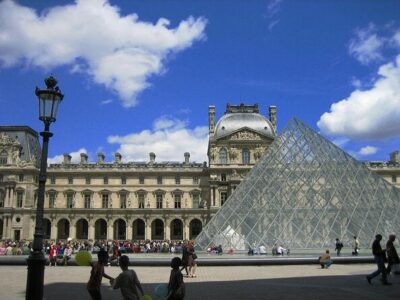
Louvre Museum – Exclusive Guided Tour (Entry Included)
Read our review →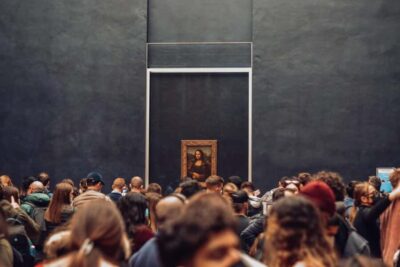
Louvre Museum Hosted Entry and Mona Lisa Audioguide
Read our review →Browse the lists this tour appears in