
Review · LONDON
London: Tour of the British Museum
The British Museum can swallow an entire day, so this two-hour highlights tour gives you a clear route through its biggest treasures. You’ll begin with the Enlightenment room and move through Egypt, Assyria, Greece, Easter Island, and the Aztec world without wasting time hunting for the famous pieces.
I like the low $14 price and the human touch of a live guide who can explain why an object matters, not simply point at it. I also like that guides such as Puri, Miguel, Eduardo, and Fernando have earned praise for clear explanations, humor, and real enthusiasm. The main drawback is the meeting point: the blue-green flag can be easy to miss, and the entrance queue may take longer than expected.
Key points at a glance
- Two hours through major civilizations: See selected highlights from Egypt, Assyria, Greece, Easter Island, and the Aztec world.
- The Enlightenment room comes first: Visit the museum’s oldest room and its collection of more than 60,000 books linked to King George III.
- A guide keeps the museum manageable: You get a planned route instead of trying to make sense of a huge collection on your own.
- Hoa Hakananai’a is a major stop: The more than two-meter-high Easter Island moai gives the tour a striking change of pace.
- English and Spanish are available: The guide leads the walking tour in one of these two languages.
- Arrive early for the entrance process: Meet after security at the main entrance stairs on Great Russell Street, opposite Starbucks.
Why a guided visit helps at the British Museum
The British Museum is free to enter, but free does not mean simple. Its galleries cover millions of years and dozens of cultures. If you walk in without a plan, you can spend a great deal of time finding rooms, reading labels, and still miss major pieces.
I see the value of this tour in its structure. For $14, you get two hours with a live guide and a route built around major objects. That is a small price for a first orientation, especially if London is giving you only one museum afternoon.
This is not a full museum survey. No two-hour visit could be. Instead, you get a guided introduction to selected civilizations and objects, then you can decide if you want to stay longer and explore on your own.
The strongest praise has gone to the guides themselves. Puri is repeatedly described as passionate, informed, and engaging. Miguel has been praised for mixing history with humor and for working well with families and teenagers. Other guides, including Eduardo, Fernando, Ferran, and Buri, have also been singled out for their personal attention and lively delivery.
That matters here. A museum label may tell you an object’s date and origin. A good guide helps connect the object to the people who made it, the beliefs behind it, and the political or religious setting around it.
More Museum Tours in London
- Tower of London and Crown Jewels Exhibition Ticket
★ 4.5 · 6,677 reviews - London: Chelsea Football Club Stadium and Museum Tour
★ 4.8 · 4,576 reviews - Chelsea FC Stadium Tours and Museum
★ 5.0 · 1,908 reviews
Meeting at Great Russell Street
The meeting point is at the stairs to the main entrance on Great Russell Street, in front of Starbucks, after you pass the security checkpoint. Look for a guide carrying a blue-green flag with the Paseando por Europa logo.
Give yourself extra time. The entrance line can wrap around the corner, though one visitor found it moved in about twenty minutes. Another arrived roughly an hour early to handle the queue and locate the guide. You probably do not need that much extra time every day, but arriving early is sensible when your tour has a fixed start.
The flag is not especially large, so do not assume it will be obvious. Read the meeting instructions carefully and keep your printed confirmation email or mobile voucher ready.
One practical wrinkle is that the museum itself offers free entry reservations. A visitor on this tour also secured a free reservation directly through the museum website because it was unclear whether the tour arrangement covered the entry time. Since museum procedures can change, check your booking details before you go and follow the current instructions.
The tour is listed as wheelchair accessible. Pets, smoking, oversize luggage, and large bags are not allowed. There is no food or drink included, so plan those separately.
Starting with Greece and the Enlightenment room
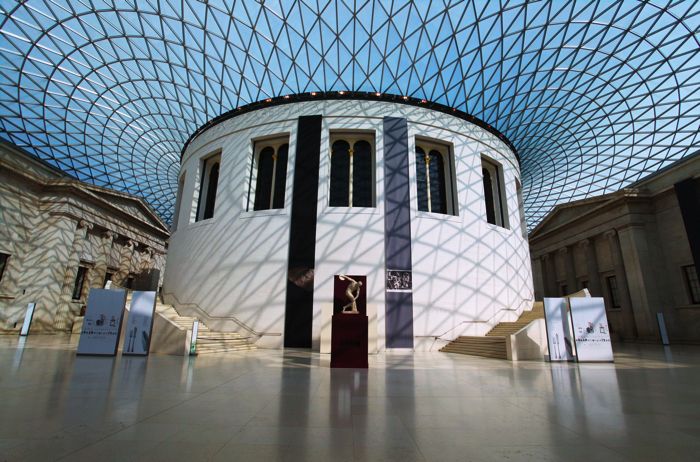
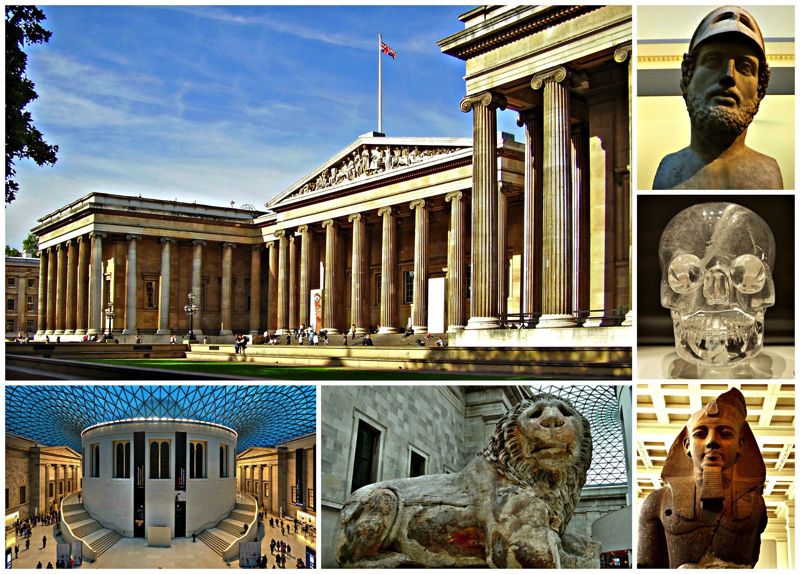
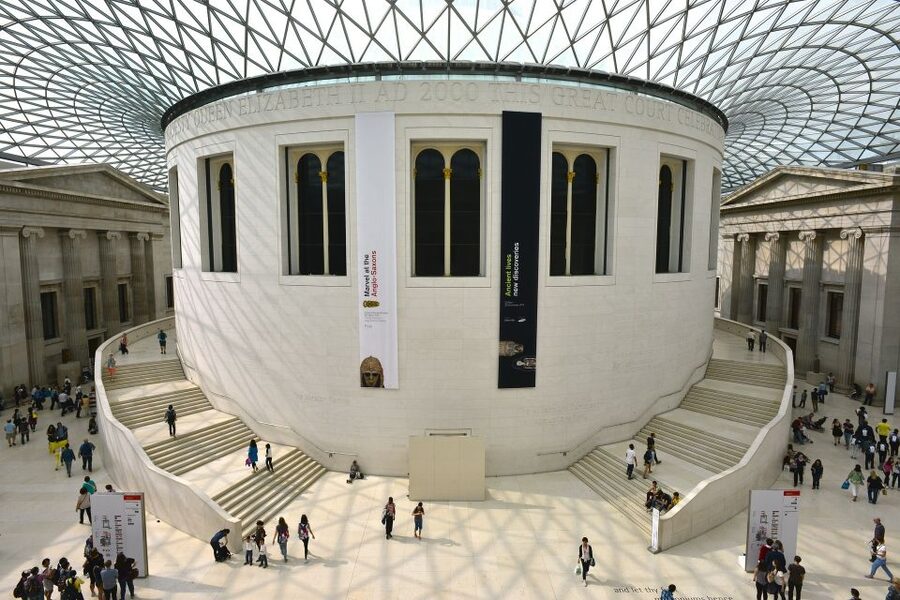
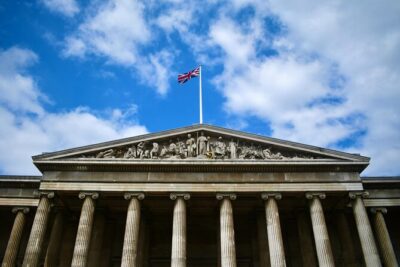
The visit begins outside, where the guide points out the museum’s classical Greek influence. This is a useful opening because the building itself prepares you for the collection inside. Its design draws on the visual language of Classical Greece, a fitting choice for an institution centered on art and cultures from around the world.
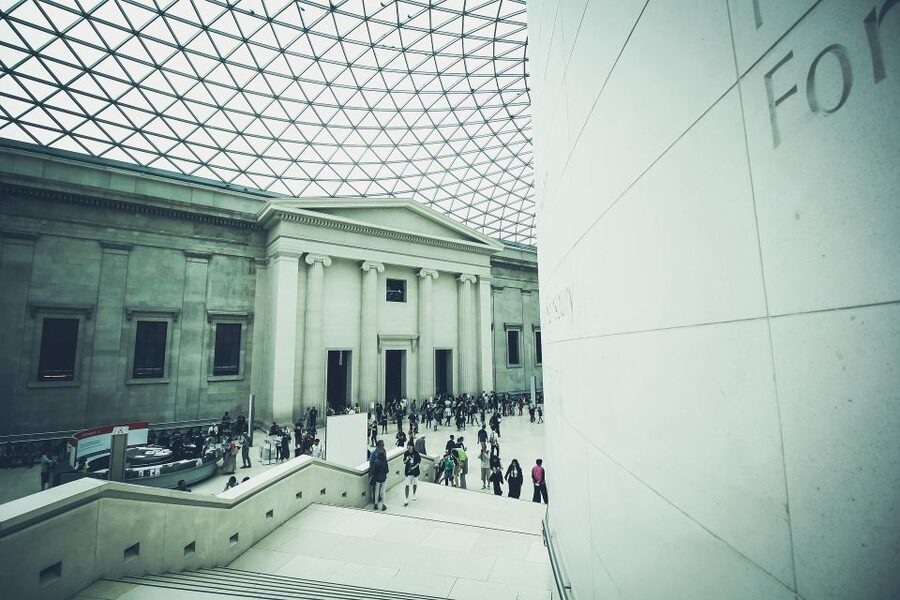
From there, you enter the Hall of Enlightenment, described as the oldest room in the museum. Its collection includes more than 60,000 books associated with King George III.
This first stop gives the tour a different feel from a standard greatest-hits route. You are not looking only at statues and gold. You also get a sense of how European scholars once gathered, classified, and studied information about the world.
I would pay attention here to the guide’s explanation of the museum’s collecting tradition. The room helps frame the British Museum as both a place of wonder and a place shaped by European ideas about learning, classification, and empire. Two hours is not enough for a full discussion of those issues, but this opening can give you a useful lens for the galleries that follow.
Egyptian funerary beliefs and objects
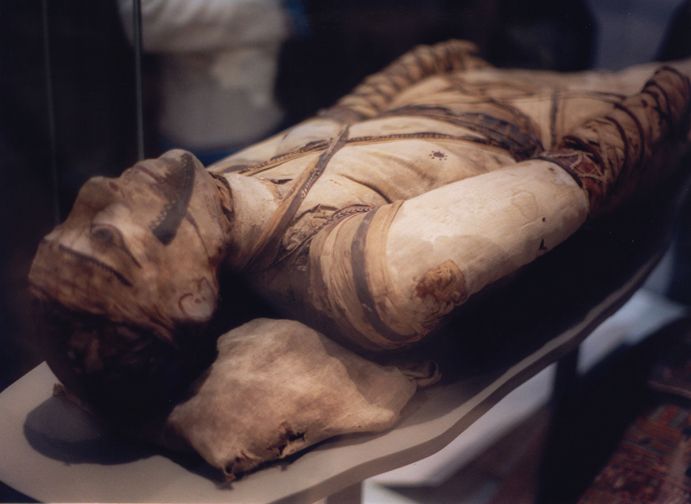
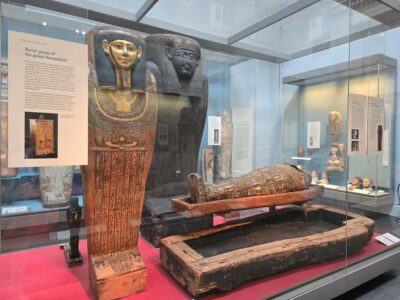
The Egyptian section is one of the tour’s main anchors. You will learn about funerary rites and the beliefs that shaped how ancient Egyptians treated the dead.
This part is valuable because Egyptian objects are easy to admire without understanding. The guide can connect the physical pieces to ideas about death, preservation, ritual, and the next life. That context turns a display of ancient objects into a story about how a civilization understood the human body and the soul.
Expect the pace to remain focused. The guide cannot cover every Egyptian gallery in detail, so this is a highlights visit rather than a specialist study. If Egypt is your main interest, you may want to stay after the tour and return to the section independently.
The guide’s role is especially helpful here for families and younger visitors. The tour’s short length and story-based format can make the material easier to follow than a long series of museum labels. Miguel, in particular, has been praised for connecting well with children and teenagers, though the guide assigned to your visit may be different.
More British Museum tours:
- London: British Museum Guided Tour
★ 4.3 · 1,182 reviews - British Museum London Guided Tour Semi-Private 8ppl Max
★ 5.0 · 984 reviews - London: British Museum Guided Tour with Entrance Tickets
★ 4.9 · 748 reviews - London: British Museum Audio Tour & Priority Entrance Ticket
★ 4.5 · 631 reviews
Assyria and the power of ancient empires
The route continues to the Assyrian civilization. This stop broadens the picture beyond the better-known Egyptian and Greek material.
The Assyrian galleries can be powerful because they show how ancient states used art to present authority, military strength, and royal identity. The exact objects discussed can depend on the guide and the flow of the group, but the tour promises an introduction to this civilization as part of the wider story of early empires.
I like this change of subject. It keeps the visit from becoming a predictable march from Egypt to Greece. You move between different ways of organizing society, expressing power, and recording belief.
This is also where a guide can save you time. In a large museum, you might walk through a gallery without realizing which pieces are central. A guide can point out the works that best explain the civilization rather than leaving you to choose from a crowded room.
The Parthenon sculptures and the museum’s biggest debate
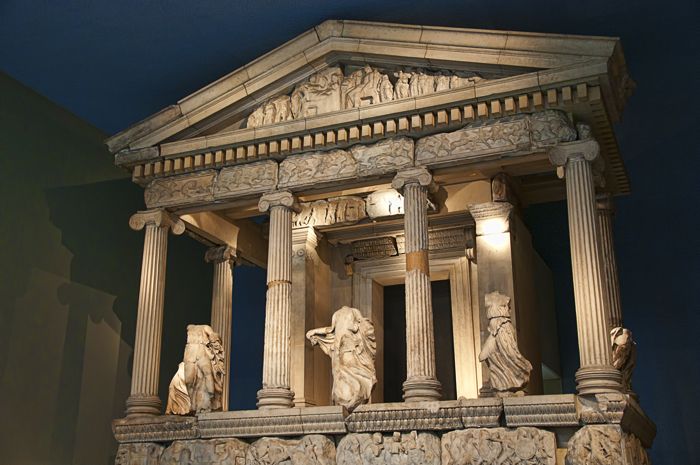
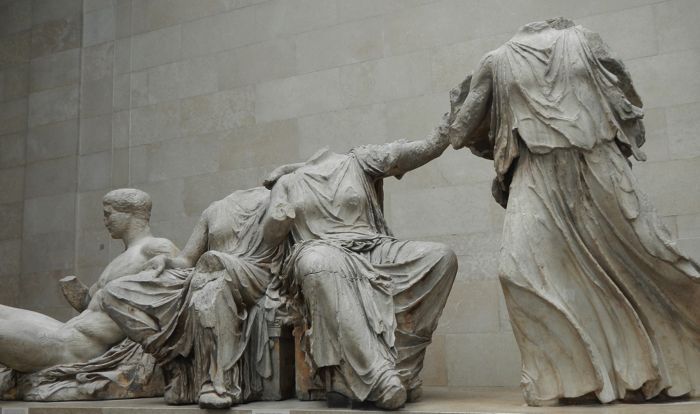
The Greek section includes an important part of the structure of the Parthenon of Athens. For many people, this is the moment they most expect from a British Museum visit.
The sculptures are impressive on their own, but their presence in London also raises questions about ownership, removal, and the continuing debate between Britain and Greece. The supplied tour description focuses on the historical importance of the pieces, so do not expect a full political seminar. Still, this is a natural place to ask your guide how the objects came to be in the museum and why the subject remains controversial.
A strong guide can add useful context without turning the whole visit into an argument. I would listen for a balanced explanation and remember that the sculptures are part of a living public debate, not just a famous museum display.
The Parthenon material also gives you a chance to compare original architectural fragments with the museum’s grand surroundings. You can see how ancient Greek design has influenced the building you are standing in, which links the first outdoor introduction to this later gallery.
Hoa Hakananai’a, the moai from Easter Island
One of the most memorable stops is Hoa Hakananai’a, a moai from Easter Island measuring more than two meters high. Its size and presence make it easy to remember, even after a fast museum visit.
The moai changes the rhythm of the tour. After Egypt, Assyria, and Greece, you encounter a monumental object from the Pacific with its own cultural setting and story. It reminds you that the British Museum’s collection reaches far beyond the ancient Mediterranean and Near East.
This is also a stop where I would listen carefully to the guide’s wording. A large stone figure can seem self-explanatory, but its meaning depends on the people who made it and the community it came from. The tour gives you an introduction, while a longer independent visit would allow more time with the surrounding material.
For many visitors, Hoa Hakananai’a is a highlight because it is visually direct. You do not need much preparation to appreciate its scale. The guide’s explanation adds the cultural frame that the object alone cannot provide.
Finishing with Aztec pieces
The tour ends with pieces connected to the Aztec world. This gives the final section a different geographic and cultural focus, and it rounds out the visit beyond Europe, North Africa, and the ancient Near East.
The Aztec material is a useful reminder that the museum’s story is global. You will not see every major civilization in two hours, but the route gives you a sample of societies from several regions and periods.
Ending here also leaves you with a broader sense of the museum’s range. You begin with the institution’s classical building and Enlightenment collections, then move through ancient civilizations and finish with material from the Americas and the Pacific.
As with the other stops, the guide can only provide a selected look. If the Aztec galleries catch your attention, note the location and return after the formal tour.
The pace, group experience, and guide quality
Two hours is a sensible length for a first visit. It is long enough to cover the main stops without asking you to absorb an entire museum in one sitting. It is also short enough to fit into a packed London day.
The pace has generally worked well for groups, with time for questions and some personal attention. One unusual booking had fewer people attend than expected, with only four of a planned group of eleven arriving. That may have allowed an especially personal visit, but group size can vary and should not be treated as guaranteed.
The guide quality is the biggest factor in how much you get from the tour. Recent guides praised by name include Puri, Miguel, and Buri, while earlier visits highlighted Eduardo, Fernando, and Ferran. Their strengths have included humor, enthusiasm, clear explanations, and the ability to make a large collection easier to follow.
The one consistent caution is not about the content but about finding the guide. The blue-green flag can be difficult to spot near a busy entrance. Arrive early, stand where the instructions direct you, and keep your phone available in case you need to check the meeting details.
Is $14 good value?
At $14 per person, I consider this a strong value if you are visiting the British Museum for the first time. The museum entry itself is free, so you are paying for the route, the explanations, and the time saved.
The value is highest for:
- First-time visitors who do not know the museum layout
- Families who want a clear, manageable route
- People with only a few hours in London
- Visitors who prefer explanations in English or Spanish
- Anyone who feels overwhelmed by enormous museums
The value is lower if you already know the collection well or want to spend an entire day studying one subject. In that case, a self-guided visit may give you more freedom to set your own pace.
The tour does not include food or drinks, and it is a walking visit inside the museum. Wear comfortable shoes and plan any café stop before or after the two-hour route.
Who should book this British Museum tour?
I would book it for a first visit, especially if the British Museum is one stop among many in London. You get a route through major highlights, a guide who can explain the human story behind the objects, and enough time afterward to return to anything that catches your eye.
Families and teenagers are a good match, particularly when the guide uses humor and stories to keep the pace moving. History fans may also enjoy it as a broad introduction, though specialists will want more time in individual galleries.
I would skip it if you prefer complete freedom, already know the museum well, or want a long, quiet look at a small group of objects. Otherwise, $14 is a modest fee for a useful first map of one of London’s hardest museums to navigate.
FAQ
How long is the British Museum tour?
The walking tour lasts two hours. Starting times vary, so you need to check availability when booking.
What languages are available?
The live guide is available in English or Spanish.
Where is the meeting point?
Meet at the stairs to the museum’s main entrance on Great Russell Street, in front of Starbucks, after passing the security checkpoint. Look for the blue-green Paseando por Europa flag.
Should I arrive early?
Yes. The entrance can have queues, and the flag may be difficult to see. Arriving early gives you time to pass security and find the guide.
Is the tour wheelchair accessible?
Yes, the activity is listed as wheelchair accessible.
What is not allowed on the tour?
Pets, smoking, oversize luggage, and large bags are not allowed. Food and drinks are not included.
Just added around London
- Westminster and National Gallery 3.5-Hour Tour in Italian★ 4.9 · 28 reviews
- British Museum & Camden Town – Private Tour in Italian★ 4.8 · 26 reviews
- London: British Museum Highlights Guided Small Group Tour★ 4.9 · 113 reviews
- London: Westminster Abbey & Jubilee Galleries Guided Tour★ 4.9 · 56 reviews
- London: Sherlock Holmes Museum & Westminster Walking Tour★ 4.4 · 13 reviews
- London: Royal Museums Greenwich Day Pass★ 4.5 · 309 reviews
- London: Tickets for Moco Modern & Contemporary Art Museum★ 4.7 · 391 reviews
- London: The Courtauld Gallery at Somerset House Entry Ticket★ 4.6 · 126 reviews
Museum Tours in London, compared.
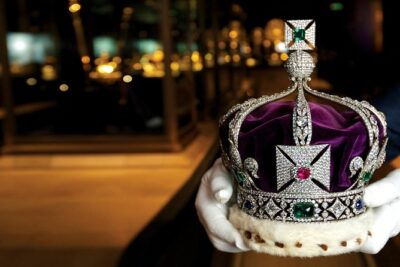
Tower of London and Crown Jewels Exhibition Ticket
Read our review →
Chelsea Football Club Stadium and Museum Tour
Read our review →

Official tickets: Moco Modern & Contemporary Art Museum
Read our review →
British Museum London Guided Tour Semi-Private 8ppl Max
Read our review →
British Museum Guided Tour with Entrance Tickets
Read our review →Browse the lists this tour appears in