
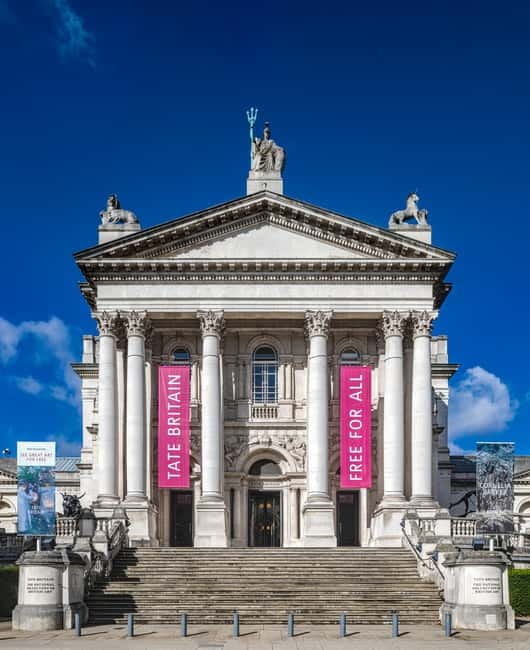
Review · LONDON
London: Tate Britain Turner and Constable Exhibition
Turner and Constable did not simply paint pretty English scenery. They used nature to show change, weather, emotion, travel, and ambition. This Tate Britain exhibition puts their work side by side, making their rivalry easy to follow and their very different methods impossible to miss. I especially like the contrast between Turner’s blazing, increasingly abstract paintings and Constable’s careful cloud studies, which record shifting light with remarkable feeling.
I also like the personal angle. Sketchbooks and other items help you see the artists as working men with habits, hopes, and stubborn goals, not just names in an art-history book. The main drawback is the short one-hour entry: it is enough for a focused visit, but not enough if you want to study every painting slowly or also explore all of Tate Britain.
Key points to know
- Two rivals born only a year apart: Turner was born in 1775 and Constable in 1776, yet their careers took very different paths.
- Fire versus water: Turner favored dramatic light, color, and movement, while Constable returned again and again to familiar places and changing skies.
- A useful side-by-side display: Seeing the painters together makes their choices clearer than viewing either artist alone.
- Turner’s radical later work: His forceful paintings shocked critics in their own time and later influenced Claude Monet.
- Constable’s expressive clouds: His studies turn ordinary English skies into close observations of mood and weather.
- Allow extra time at the Manton desk: Bring your booking confirmation and arrive about 15 minutes before your entry time to exchange it for an exhibition ticket.
Why Turner and Constable make such good rivals
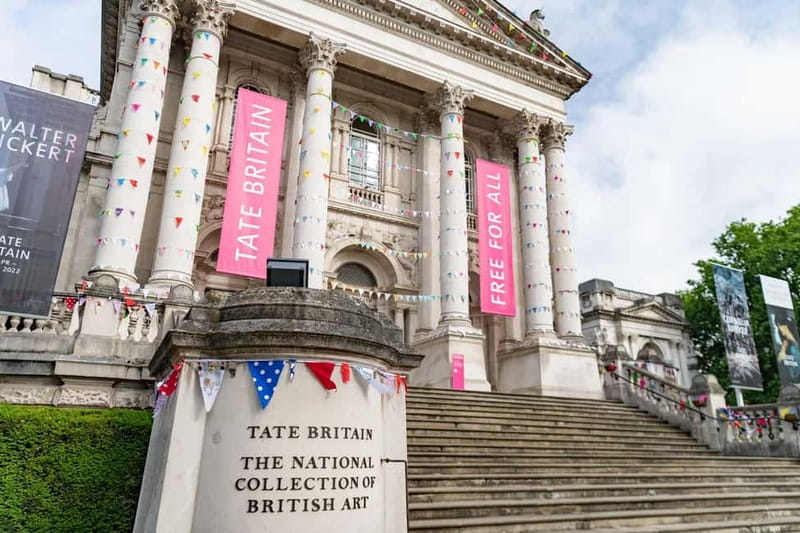
The best reason to visit this exhibition is the argument built into its subject. Turner and Constable were born within a year of one another, but they came from sharply different worlds.
Turner grew up in the gritty center of Georgian London and rose quickly in the art world despite humble beginnings. Constable was the son of a wealthy Suffolk merchant. He had financial advantages, but recognition as an artist came more slowly and required years of persistence.
Both men believed scenery could carry serious meaning. A river, a storm, a sunset, or a field was not just a pleasant subject. It could express memory, danger, progress, change, or the power of nature. That shared purpose makes the comparison worthwhile, even when the paintings look nothing alike.
The exhibition presents their careers as parallel stories. You can follow two ambitious artists testing the limits of British painting, each trying to win public attention through a different kind of boldness.
More Museum Tours in London
- Tower of London and Crown Jewels Exhibition Ticket
★ 4.5 · 6,677 reviews - London: Chelsea Football Club Stadium and Museum Tour
★ 4.8 · 4,576 reviews - Chelsea FC Stadium Tours and Museum
★ 5.0 · 1,908 reviews
Turner’s fire and Constable’s water
A useful way to approach the rooms is to think of the old critical comparison between fire and water. Turner brought heat, glare, vapor, and motion. Constable often brought moisture, air, soil, and the steady observation of a particular place.
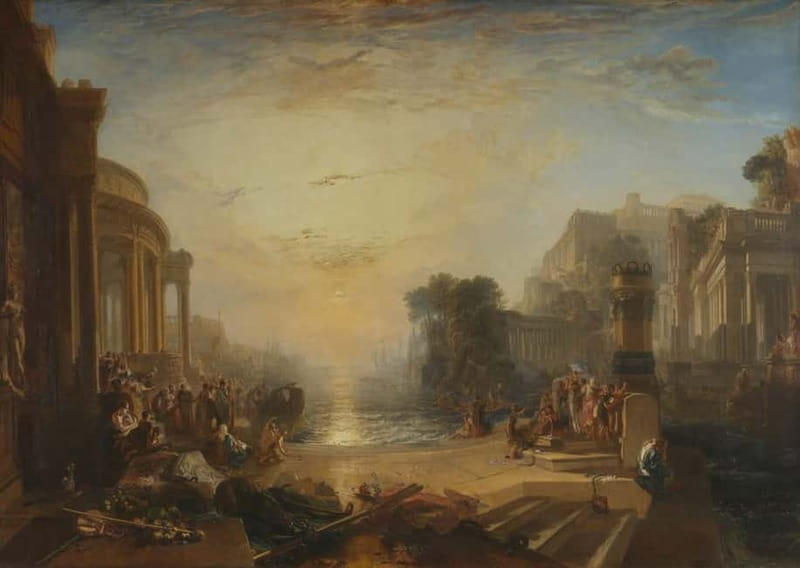
Turner painted blazing sunsets and sublime views shaped by his travels. His later pictures could become forceful and highly dynamic, with forms dissolving into light and color. To critics of his day, this could look shocking or unfinished. Today, those paintings help explain why Turner became such an important influence on later artists, including Claude Monet.
Constable usually worked from a smaller circle of familiar places. He returned to beloved parts of the English countryside and tried to make each view feel fresh and true. His goal was not simply to repeat a successful scene. He watched weather and light closely, then used paint to preserve that moment.
Seeing the works together prevents a common mistake. Turner is not just the dramatic one, and Constable is not merely the calm one. Both were experimental. Both wanted nature to feel alive. Their difference lies in how they reached that effect.
Entering the exhibition at Tate Britain
Your admission covers the Turner and Constable exhibition. Tate Britain itself has no general entrance fee, but special exhibitions such as this one require an additional payment. At about $32 per person, the value depends on how much time you give the display and how interested you are in British art.
Before entering, take your booking confirmation to the Manton ticket desk to exchange it for the exhibition ticket. I would allow at least 15 minutes before your timed entry. That small buffer matters in London, where a late arrival, a busy transport connection, or a slow walk through the museum can quickly eat into a one-hour booking.
The visit is wheelchair accessible. The format is also easy to fit into a larger Tate Britain outing because the exhibition lasts about one hour. You can make it a short art stop or pair it with the museum’s free collection galleries, if your schedule allows.
The booking is flexible in two useful ways. You can cancel up to 24 hours before the visit for a full refund, and you can reserve now and pay later. If you have an Art Fund membership, check the terms before booking. A booking issue prevented one Art Fund member from using that membership, so do not assume the standard online reservation will handle it.
Turner’s later paintings and the shock of modern color
Turner’s later paintings are likely to be the emotional high point for many visitors. They are powerful because they do not always give you a neat, clearly outlined view. Light can spread across the surface. Weather can seem to push through the picture. The subject may remain recognizable, but the paint carries as much force as the scene itself.
This was not an easy style for contemporary critics to accept. Turner was testing how far a painted view could move toward sensation. Instead of carefully describing every tree, building, or wave, he could suggest a world being altered by light and atmosphere.
That helps explain the Monet connection. Turner’s work showed how color and changing light could become the main event rather than a finishing touch. If you know Monet mainly as an Impressionist, this exhibition gives you a chance to see an earlier British source for that interest in shifting effects.
I would not rush these paintings. Step back and let your eyes adjust, then move closer to see how the paint has been handled. The one-hour limit makes this a matter of choice: spend time with a few key Turners instead of trying to inspect every surface.
A few more museum visits around London worth comparing
- London: British Museum Guided Tour
★ 4.3 · 1,182 reviews - Official tickets: Moco Modern & Contemporary Art Museum
★ 4.5 · 1,157 reviews - British Museum London Guided Tour Semi-Private 8ppl Max
★ 5.0 · 984 reviews - London: Jack the Ripper Museum Tickets
★ 4.2 · 894 reviews
Constable’s clouds and the drama of ordinary weather
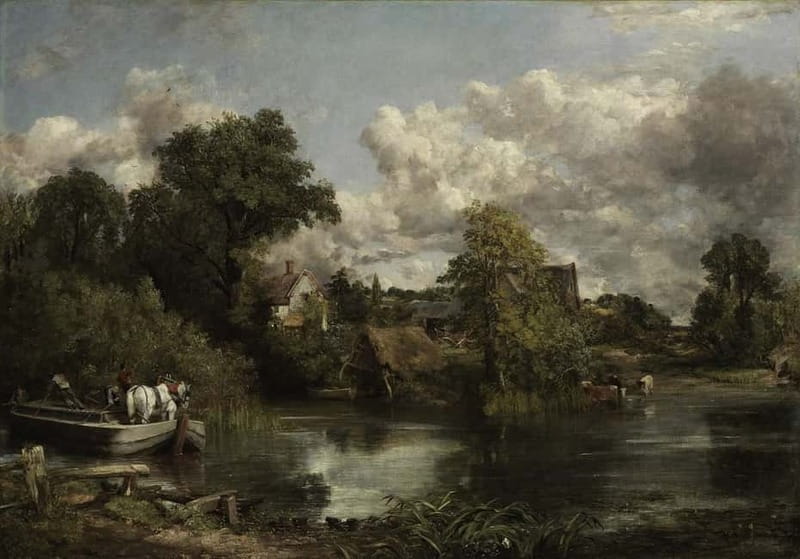
Constable’s cloud sketches offer a different kind of excitement. They focus on passing conditions in the sky, especially the changing light that can make a familiar place look new from one moment to the next.
These are not grand travel scenes. Their strength comes from close attention. A cloud can suggest a coming storm, a break in the weather, or a brief flash of brightness. Constable treated the sky as an active part of the picture, not an empty area above the main subject.
I like these studies because they make you slow down. Turner may pull your eyes across a canvas with a burst of color, while Constable asks you to notice small shifts. The result is quieter, but not passive. You start watching the air.
Constable’s repeated return to a handful of places is also important. He was not searching for novelty at every turn. He was testing how honestly and freshly he could paint what he already knew. That approach gives his work a personal quality and makes his skies feel observed rather than invented.
Sketchbooks and personal items bring the rivalry down to earth
The paintings explain the public careers, but the sketchbooks and personal items help with the private side. These objects offer clues about how Turner and Constable worked, what they noticed, and how their artistic lives developed.
I value this part of the display because famous painters can become too distant. A large finished painting tells you what they wanted the public to see. A sketchbook suggests the repeated practice behind it: quick observations, working ideas, and attempts to catch something before it disappeared.
The personal material also gives the exhibition a human scale. Turner’s rise from a modest background and Constable’s slower path to acclaim are easier to understand when you see them as competing individuals, not simply as representatives of two styles.
Do not treat these items as filler between major paintings. They help you read the finished works. Turner’s later freedom and Constable’s careful attention both came from years of looking, testing, and revising.
A one-hour route through the display
With only an hour, I would use a simple plan.
Start by reading enough of the introductory material to understand the two biographies. Turner’s London upbringing and rapid rise contrast with Constable’s Suffolk background and more difficult route to recognition. You do not need to memorize dates, but the difference makes the rivalry clearer.
Next, move through the main comparison of their paintings. Give yourself time to look from one artist to the other rather than finishing every Turner before reaching Constable. The exhibition is designed around their shared concerns and different answers, so the side-by-side experience is the point.
Then spend a focused stretch with Turner’s later works. Look for the way light and paint begin to carry the subject. If you are especially interested in modern art, this is where the Monet connection becomes most useful.
After that, slow down for Constable’s cloud studies. Look for weather, movement, and the changing quality of the sky. These works reward patience more than a quick glance.
Finish with the sketchbooks and personal material. They provide a natural closing note, shifting your attention from public rivalry to private work.
This route is not a strict guided tour. No guide is listed for the experience, so you move through the exhibition at your own pace. The display was curated by Amy Concannon, Manton Senior Curator of Historic British Art, with Nicole Cochrane, Assistant Curator of Historic British Art from 1790 to 1850.
How much time and money should you allow?
The stated duration is one hour, and that is realistic for the special exhibition itself. It is short enough for a busy day in London, but you will need to make decisions. A serious Turner fan could easily want longer with the later paintings, while someone less familiar with Constable may need time to appreciate why the cloud studies matter.
The $32 price is reasonable if you have a clear interest in either artist or in British art between the Georgian and Victorian periods. It is less convincing if you plan to glance through quickly and leave. Since Tate Britain has no general entrance fee, you are paying for the focused exhibition rather than for access to the entire museum.
The strongest value comes from the comparison. A single-artist show can give you more works by one painter, but this display gives you a working argument. You see how two artists addressed similar subjects, built different reputations, and challenged the expectations of their time.
The free-cancellation option up to 24 hours in advance and the reserve-now, pay-later choice also reduce some booking risk. Still, plan around the timed entry and the Manton desk rather than arriving at the last minute.
Who will enjoy this exhibition most?
You should consider booking if you already like Turner, Constable, Monet, British painting, or the study of changing light. Turner fans may find the later paintings especially rewarding, while Constable admirers will want time with the cloud studies and familiar English views.
It also suits you if you prefer exhibitions that explain relationships between artists. The display does not isolate each painter in a separate story. It lets you compare their ambitions, backgrounds, and methods as you go.
First-time art-museum visitors can manage it too. The central contrast is clear, and you do not need specialist training to notice the difference between Turner’s explosive color and Constable’s careful observation of weather.
You may want to skip it, or choose a longer museum visit, if you dislike timed exhibitions or prefer a broad survey of Tate Britain. One hour is enough for the special display, but it leaves little room for lingering over every work.
Should you book the Turner and Constable exhibition?
Book it if you want a focused hour with two major British painters and enjoy comparing artistic personalities as much as individual pictures. The exhibition’s best feature is the contrast: Turner turns light into drama, while Constable makes changing weather feel intimate and observed.
At $32, it is a sound choice for art lovers who will take time with the key paintings, cloud studies, and personal material. Arrive 15 minutes early with your confirmation, check Art Fund arrangements if relevant, and accept that the short visit calls for selectivity. If you do that, Tate Britain offers a clear, thoughtful look at a rivalry that changed British painting.
FAQ
How long does the Turner and Constable exhibition last?
The exhibition experience lasts one hour. Check availability when booking for the available starting times.
What does the ticket include?
The ticket includes entrance to the Turner and Constable exhibition at Tate Britain.
Does Tate Britain charge general admission?
Tate Britain has no entrance fee for its general collection, but some special exhibitions require an additional charge. This experience covers the Turner and Constable exhibition.
Where do I exchange my booking confirmation?
Bring your booking confirmation to the Manton ticket desk to exchange it for your exhibition ticket. Allow at least 15 minutes before your entry time.
Is the exhibition wheelchair accessible?
Yes, the activity is wheelchair accessible.
Can I cancel or pay later?
You can cancel up to 24 hours in advance for a full refund. You can also reserve your place and pay later.
Just added around London
- Westminster and National Gallery 3.5-Hour Tour in Italian★ 4.9 · 28 reviews
- British Museum & Camden Town – Private Tour in Italian★ 4.8 · 26 reviews
- London: British Museum Highlights Guided Small Group Tour★ 4.9 · 113 reviews
- London: Westminster Abbey & Jubilee Galleries Guided Tour★ 4.9 · 56 reviews
- London: Sherlock Holmes Museum & Westminster Walking Tour★ 4.4 · 13 reviews
- London: Royal Museums Greenwich Day Pass★ 4.5 · 309 reviews
- London: Tickets for Moco Modern & Contemporary Art Museum★ 4.7 · 391 reviews
- London: Twist Museum Ticket★ 4.4 · 66 reviews
Museum Tours in London, compared.
Tower of London and Crown Jewels Exhibition Ticket
Read our review →
Chelsea Football Club Stadium and Museum Tour
Read our review →

Official tickets: Moco Modern & Contemporary Art Museum
Read our review →
British Museum London Guided Tour Semi-Private 8ppl Max
Read our review →
British Museum Guided Tour with Entrance Tickets
Read our review →Browse the lists this tour appears in