
Review · LONDON
London: Private Tour of the National Gallery with tickets
The best thing about this National Gallery tour is its clear story. Instead of treating the museum as a string of famous paintings, your guide links medieval art, the Renaissance, Baroque drama, portraiture, and Impressionism into one long chain of changing ideas. You meet Anthony by the red telephone box outside the Sainsbury Wing, then enter with your private group of up to eight.
I like the private format, which gives you room to ask questions and adjust the discussion to your interests. I also like Anthony’s focus on how paintings were made, including technique, materials, symbols, and the politics behind commissions. The main consideration is time: 2.5 hours is enough for a strong introduction, not a full survey of the National Gallery.
Key points
- Anthony’s art-and-history approach: Connects artists, movements, patrons, rivalries, and major events.
- A focused route through the collection: Covers works from the 1300s through Impressionism without trying to show every room.
- Major works included: Look for Leonardo da Vinci’s The Virgin of the Rocks, Van Eyck, Raphael, Caravaggio, and Van Gogh.
- Private group of up to eight: A good setup for questions and a pace that suits your party.
- Separate entrance included: Your ticket and access through a separate entrance are part of the booking.
- Flexible booking terms: You can cancel up to 24 hours before the start for a full refund and reserve now with payment later.
Starting at the Sainsbury Wing
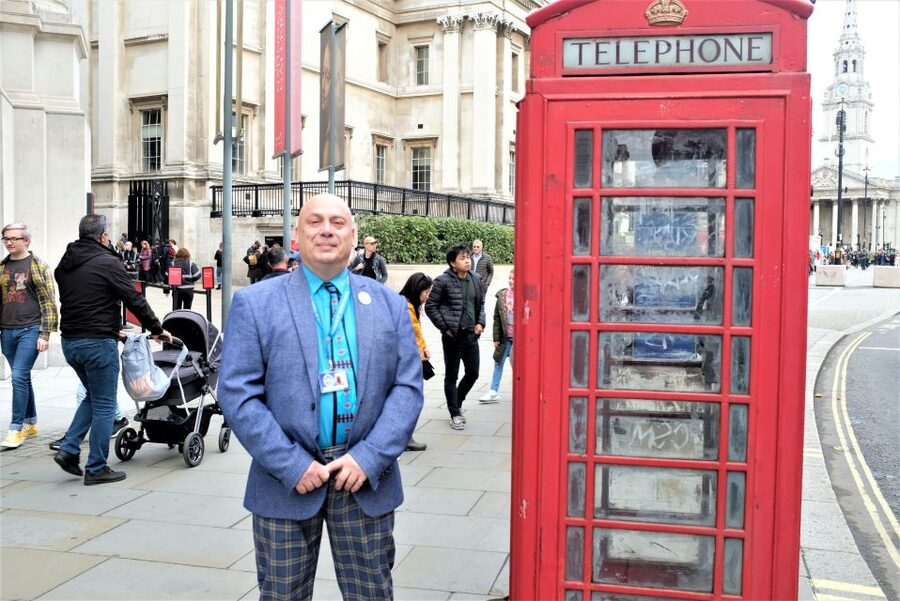
Your meeting point is the red telephone box at the entrance to the National Gallery’s Sainsbury Wing. That is a useful landmark in busy Trafalgar Square, but give yourself enough time to find the correct side of the building and locate the guide’s photograph and meeting details.
The tour includes an entrance ticket and access through a separate entrance. That does not mean the whole museum will be empty or that you will skip every possible wait, but it should make the arrival simpler than turning up without a plan.
Once inside, the value of the private format becomes clear. You are not tied to a large group’s questions, interests, or walking speed. With up to eight people, Anthony can explain a painting, pause for questions, or spend a little more time on a period that catches your attention.
The National Gallery is large, and its collection covers hundreds of years. A guide is especially useful here because it is easy to spend too much time wandering between rooms and still miss the bigger story. This tour gives you a framework before you return to explore alone.
More Museum Tours in London
- Tower of London and Crown Jewels Exhibition Ticket
★ 4.5 · 6,677 reviews - London: Chelsea Football Club Stadium and Museum Tour
★ 4.8 · 4,576 reviews - Chelsea FC Stadium Tours and Museum
★ 5.0 · 1,908 reviews
Art from the 1300s, explained as a changing story
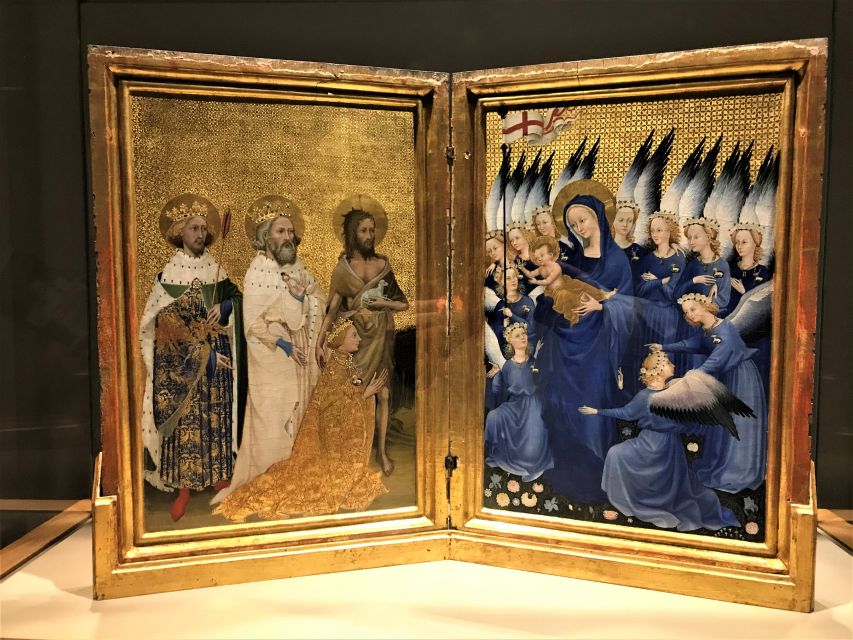
The tour begins with medieval religious art and early works from the 1300s. These paintings can seem formal at first glance, especially if you are more familiar with later European art. Anthony’s role is to show you what to look for: the purpose of religious images, the way figures were arranged, and how artists gradually changed their treatment of space, bodies, faces, and emotion.
That opening matters because later Renaissance paintings did not appear from nowhere. You see how artists moved from symbolic presentation toward more observed people and places. The development of portraiture becomes easier to follow when you have first seen the conventions that came before it.
You will also hear about the lives and working conditions of artists. The tour places paintings alongside stories of patrons, religious power, royal commissions, rivalries, and public reputation. Those details help explain why a work looks the way it does, rather than leaving you with a list of names and dates.
This is one of the strongest reasons to choose a private guide instead of simply using a museum map. You are not only told that a painting belongs to the Renaissance or Baroque period. You are shown how its style reflects the time in which it was made.
Leonardo da Vinci and Van Eyck
Leonardo da Vinci’s The Virgin of the Rocks is one of the major stops. It gives Anthony a chance to discuss Leonardo’s treatment of figures, landscape, light, and composition. The painting also works well as a bridge between religious subject matter and the growing interest in natural-looking bodies, faces, and space.
You should not expect a long private viewing with no one else around. The National Gallery is a public museum, and famous works can draw plenty of attention. The benefit here is having someone beside you who can point out details and explain why the painting matters while you look at it.
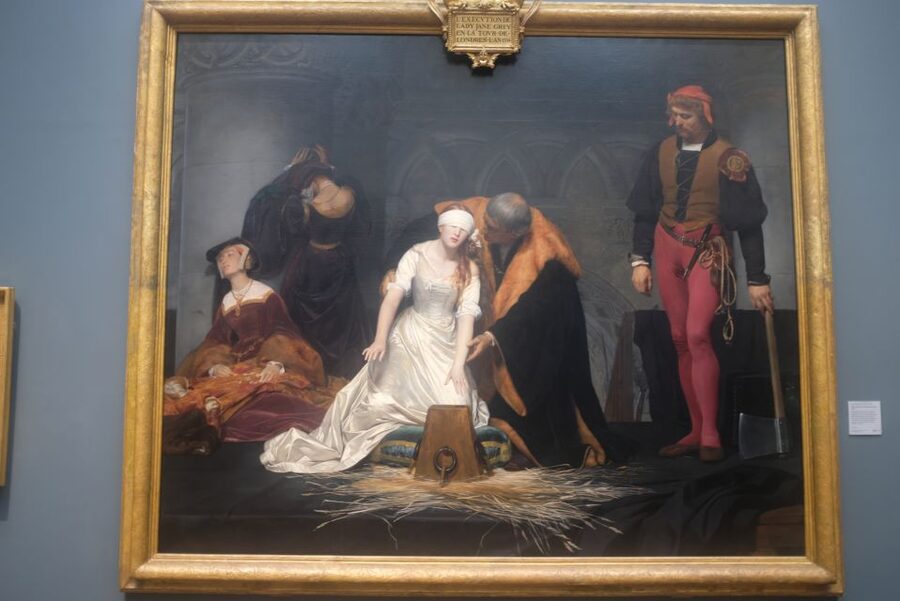
The tour also includes a memorial work by Van Eyck connected with a lost wife. That painting offers a different way into art of the period. Rather than looking only at technique, you consider how a work can carry personal meaning, social status, and remembrance.
Anthony’s explanations also cover the materials and methods used to create paintings. This was singled out as a major strength by several people who took the tour, and it is practical information for anyone who wants to move past broad labels such as beautiful or old. You learn to notice surface, paint handling, construction, and the choices that shape what you see.
Raphael, Michelangelo, and the Renaissance
Raphael provides a chance to examine the Renaissance at its most controlled and polished. The tour uses his work to show how artists handled balance, ideal beauty, gesture, and human interaction. You will see how the Renaissance developed its own visual language, then how later painters reacted to it.
Michelangelo enters the story as part of the same broad period, though his reputation and working style add another layer. The useful point is not simply to collect another famous name. It is to compare different artistic personalities and understand why their work can feel so different even when they belong to the same era.
The tour also explains works made for powerful patrons, including paintings intended for a king. That context changes how you look at them. A large or highly polished work was not only an artistic statement. It could also serve a political, religious, or dynastic purpose.
I like this part of the route because it turns the museum into a series of human decisions. You begin to ask who paid for a painting, who was meant to see it, what message it carried, and why the artist made certain choices.
A few more museum visits around London worth comparing
- London: National Gallery Guided Tour with Art Expert Guide
★ 4.7 · 440 reviews - National Gallery of London Museum Tour Semi-Private 8ppl Max
★ 5.0 · 178 reviews - British Museum & National Gallery of London Semi-Private 8ppl Max
★ 5.0 · 168 reviews - London: National Gallery + Guided Tour + Priority Entry
★ 3.7 · 162 reviews
Caravaggio and the force of Baroque painting
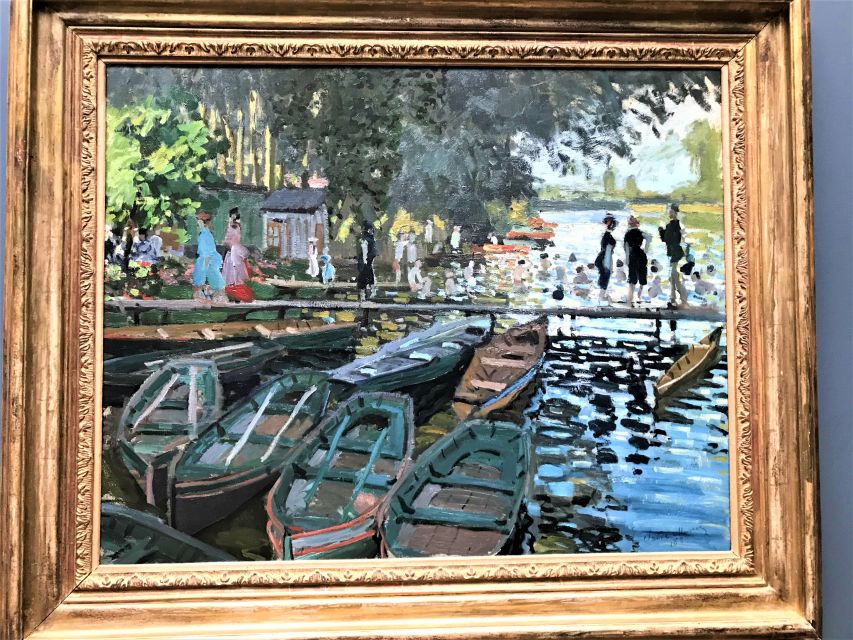
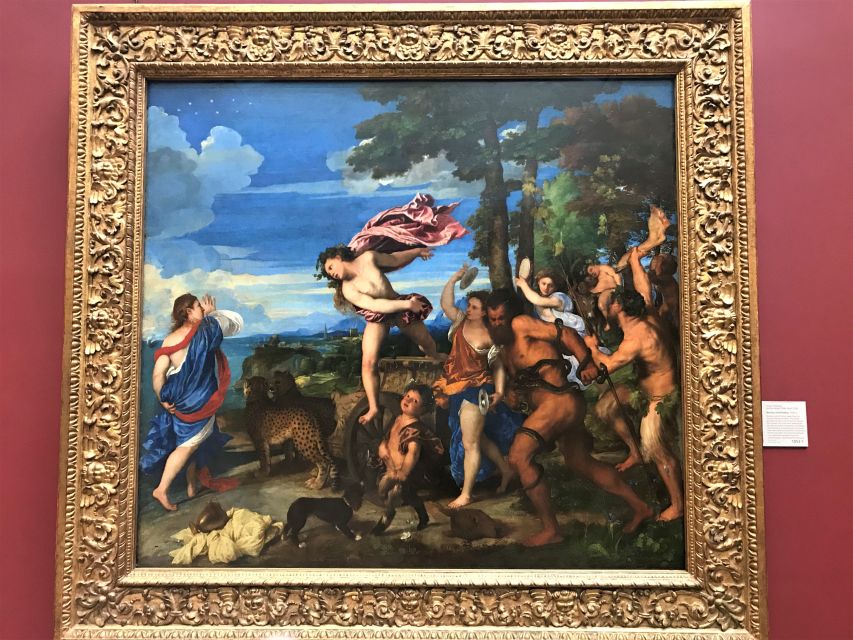
Caravaggio brings a sharp change in mood. His work is associated with strong light, ordinary-looking figures, physical immediacy, and intense drama. The tour presents him as an artist whose personal life and public reputation were as turbulent as his paintings.
The phrase mad, bad, and dangerous to know captures the colorful side of the story, but the more useful lesson is how his style changed the emotional force of religious and historical scenes. Figures feel closer. Actions seem to happen in front of you. Light directs your eye and builds tension.
This is also where the tour’s attention to technique pays off. Instead of only admiring the drama, you can consider how contrast, gesture, placement, and paint create it. Anthony connects the look of the work with the choices behind it.
The route then brings in artists such as Rubens and Van Dyck. Their work allows you to compare different approaches to movement, portraiture, status, and the display of wealth. You see how the Baroque period could be grand and theatrical, but also highly skilled at showing individual character.
Constable, Van Gogh, and the move toward modern art
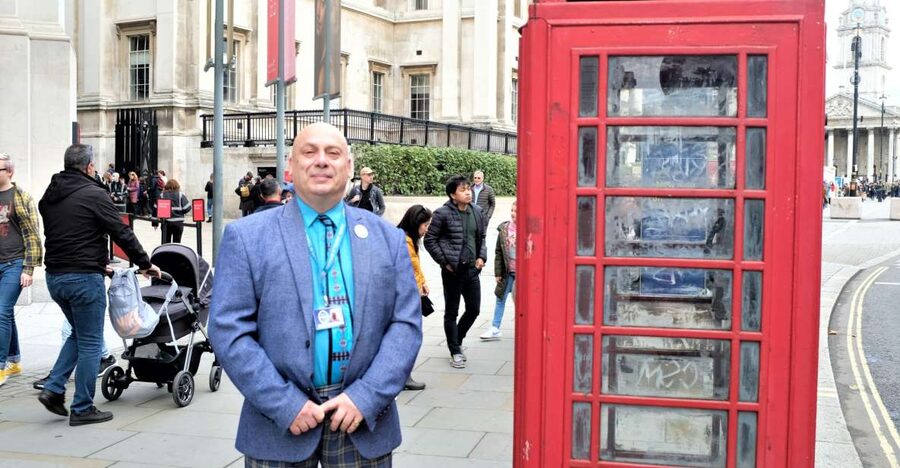
Later stops include Constable and the development of landscape painting. Here the subject is not merely scenery. You can consider how artists used weather, light, atmosphere, and place to create mood and meaning.
The progression toward Impressionism becomes one of the tour’s main payoffs. You see how painting changes as artists question older rules about finish, color, observation, and the effect of light. The National Gallery’s collection makes this shift especially useful to study because earlier works remain close at hand.
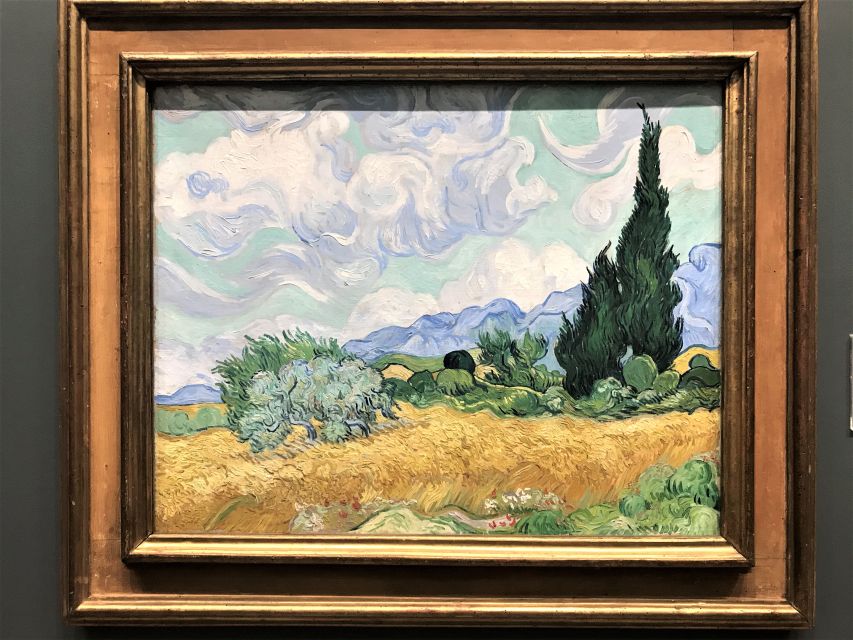
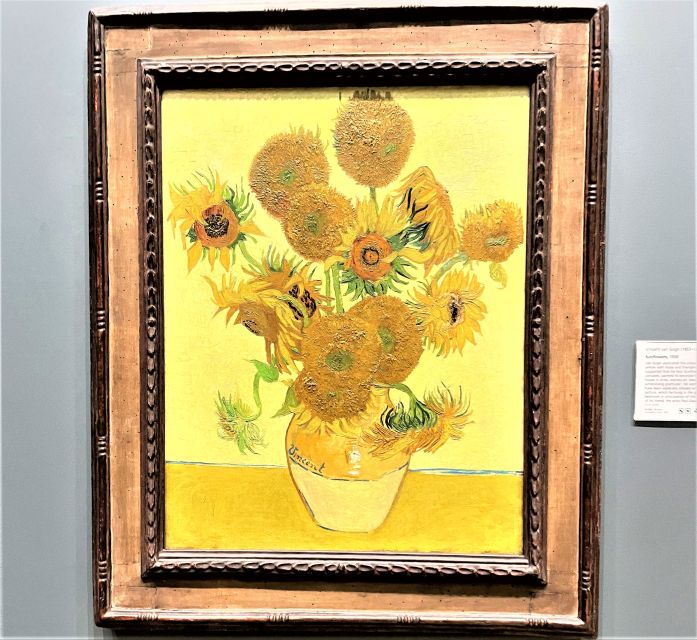
Van Gogh provides the most recognizable modern name on the route. His paintings invite discussion of brushwork, color, movement, and emotional intensity. Anthony’s approach, based on the experience described by past participants, is to connect the visible surface with the artist’s methods and the period’s changing ideas.
Do not expect an exhaustive study of every Impressionist artist. The tour is designed around highlights and connections. You will see how the movement fits into the larger story, then you can return to individual rooms if you want a slower look at the paintings that interest you most.
What the private guide adds
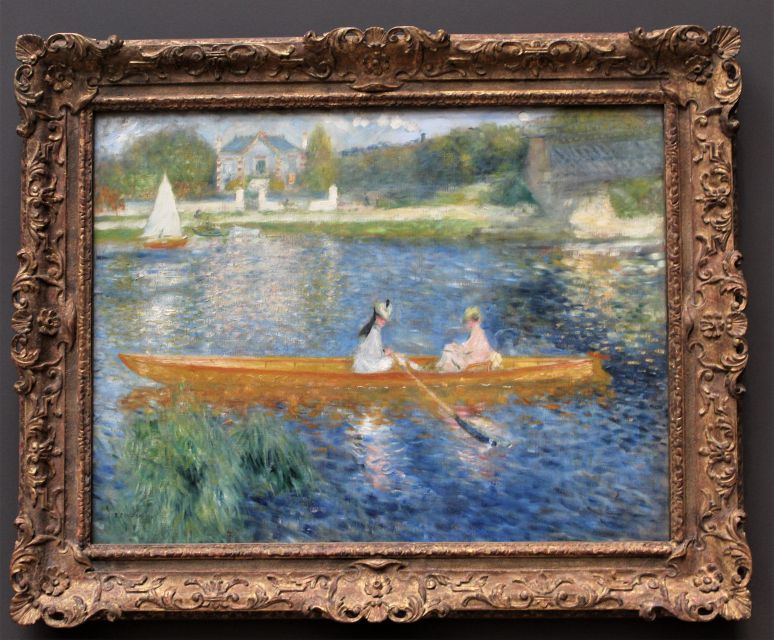
Anthony is the central part of this experience. The strongest praise focuses on his ability to combine art history with the broader events and beliefs that shaped each work. His explanations are described as clear, entertaining, and delivered with good humor, which matters during 2.5 hours in a museum.
The pace is another advantage. One person who took the tour alone said the group moved at a good speed without feeling rushed, with regular opportunities for questions and discussion. That is the right balance for a museum visit: enough structure to keep moving, but not so much that every stop becomes a lecture.
A private tour can also work well for mixed-interest groups. A teenager, an experienced museum visitor, and someone new to art can all get something from the same painting when the guide explains it at different levels. One past participant regretted not bringing family members from the beginning because a younger member enjoyed the final part of the visit.
You should still tell Anthony what you want at the start. The tour covers the major movements, but the private setup gives you a chance to say if you care most about portraiture, religious painting, technique, artists’ personal stories, or a particular period.
Price, timing, and practical value
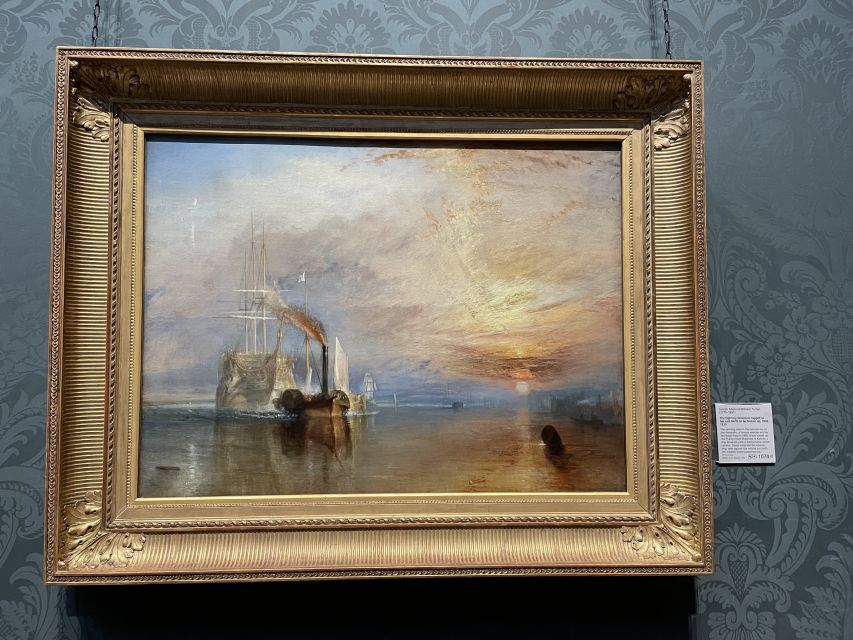
The price is $252 for a private group of up to eight, including the guide and entrance ticket. For one person or a couple, that is a substantial cost. For a full group, the value changes quickly: divided among eight people, the guide fee works out to $31.50 per person before considering the included admission.
The tour lasts 2.5 hours. That is long enough to build a meaningful timeline and see important highlights, but short enough to fit into a day that includes other London sights. I would schedule it early in your National Gallery visit if you plan to return later, since the guide can give you a better sense of which rooms deserve more of your own time.
Transportation, food, and drinks are not included. You arrange your own way to the National Gallery and handle refreshments separately. The meeting point is central, but the experience itself begins at the Sainsbury Wing rather than with a pickup from your hotel.
The tour runs rain or shine, which matters mainly because you need to arrive at the meeting point regardless of the weather. The activity is wheelchair accessible. It is conducted in English, and the format is private rather than a shared public group.
You can cancel up to 24 hours in advance for a full refund. You can also reserve now and pay later, a useful option if your London schedule is still changing.
Who should book this National Gallery tour?
I would choose this tour if you want a guided introduction that explains connections rather than simply pointing out famous paintings. It is especially suitable if you are visiting the National Gallery for the first time, feel unsure where to begin, or want help understanding how one artistic period led into another.
It also suits couples, families, and small groups who want to ask questions without competing with a large crowd. The private setting is valuable for people with different levels of art experience, since the conversation can shift between basic explanation and more technical detail.
You may want a different plan if you prefer to wander alone, read labels at your own speed, or spend an entire day on a single artist. The 2.5-hour route is selective, and no guided highlights tour can cover the full collection.
Should you book it?
Book this National Gallery tour if you want the museum’s major works placed into a clear timeline, with attention to technique, symbolism, patronage, and the personalities behind the paintings. Anthony’s particular strength is tying art to its wider setting while keeping the pace lively and open to questions.
For a solo visitor or couple, the price requires some thought. For a group of up to eight, the cost is far easier to justify, especially with tickets and a separate entrance included. If you want a focused first visit that leaves you better prepared to explore the gallery on your own, this is a strong choice.
FAQ
How long is the National Gallery tour?
The tour lasts 2.5 hours.
Where do I meet the guide?
Meet by the red telephone box at the entrance to the Sainsbury Wing of the National Gallery.
Who leads the tour?
The tour is provided by Anthonys Tours. The guide named in the experience information and detailed feedback is Anthony.
What is included in the price?
A private licensed guide and the National Gallery entrance ticket are included.
Is transportation included?
No. Transportation is not included, so you arrange your own way to the meeting point.
Is food or drink included?
No. Food and drinks are not included.
How many people can join the private group?
The price covers a private group of up to eight people.
Is the tour wheelchair accessible?
Yes, the activity is wheelchair accessible.
Can I cancel the booking?
Yes. You can cancel up to 24 hours in advance for a full refund. You can also reserve now and pay later.
Just added around London
- Westminster and National Gallery 3.5-Hour Tour in Italian★ 4.9 · 28 reviews
- British Museum & Camden Town – Private Tour in Italian★ 4.8 · 26 reviews
- London: British Museum Highlights Guided Small Group Tour★ 4.9 · 113 reviews
- London: Westminster Abbey & Jubilee Galleries Guided Tour★ 4.9 · 56 reviews
- London: Sherlock Holmes Museum & Westminster Walking Tour★ 4.4 · 13 reviews
- London: Royal Museums Greenwich Day Pass★ 4.5 · 309 reviews
- London: Tickets for Moco Modern & Contemporary Art Museum★ 4.7 · 391 reviews
- London: The Courtauld Gallery at Somerset House Entry Ticket★ 4.6 · 126 reviews
Museum Tours in London, compared.
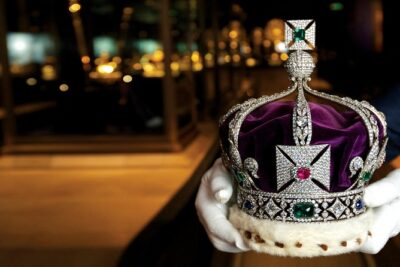
Tower of London and Crown Jewels Exhibition Ticket
Read our review →
Chelsea Football Club Stadium and Museum Tour
Read our review →

Official tickets: Moco Modern & Contemporary Art Museum
Read our review →
British Museum London Guided Tour Semi-Private 8ppl Max
Read our review →
British Museum Guided Tour with Entrance Tickets
Read our review →Browse the lists this tour appears in