
Review · LONDON
London: Museum of Brands Skip-the-Line Ticket
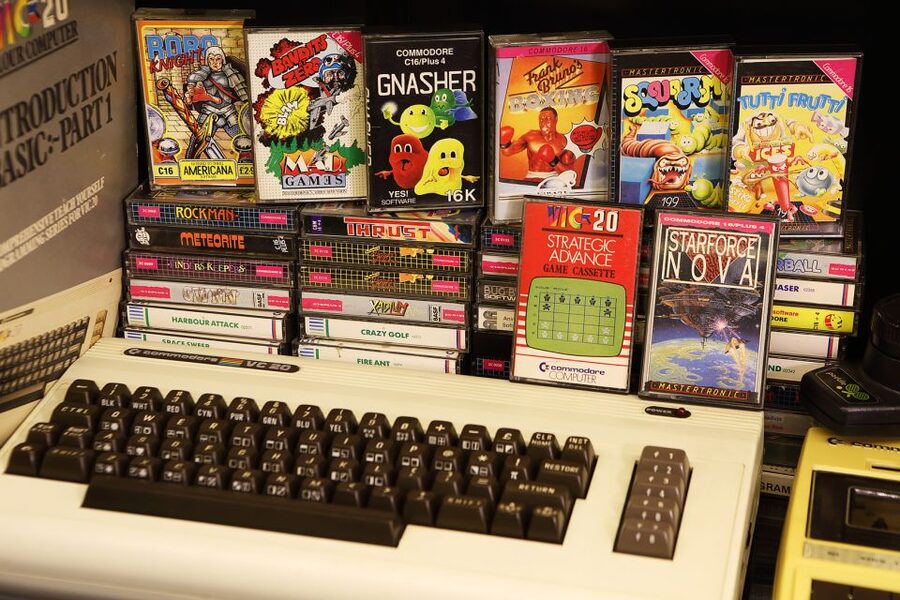
London’s Museum of Brands turns everyday packaging into a record of social change. Inside the chronological Time Tunnel, you’ll move from Victorian consumer goods through two world wars, royal coronations, the moon landing, new transport, radio, television, and the digital age. It is a clever way to see how ordinary life changed.
I like the 12,000-item collection, which gives the visit plenty of visual variety, and I like its setting five minutes from Portobello Road Market. The award-winning memorial garden is another welcome touch, especially if you want coffee and cake after the exhibits.
The main consideration is scale. At $18 per person, this is good value for anyone who enjoys design, advertising, or social history, but it may feel too niche if you expect a large national museum with major paintings or historic objects.
Key points at a glance
- 200 years in one Time Tunnel: Follow consumer culture from the Victorian era to today in chronological order.
- More than 12,000 objects: See familiar brands, packaging, toys, adverts, and lifestyle items in changing social settings.
- Transport changed daily life: Railway travel, motor cars, and airplanes help explain how shopping and leisure expanded.
- Entertainment takes center stage: Cinema, radio, television, and music receive special attention along the route.
- Temporary displays keep things fresh: Past themes have included 1950s toys, London’s punk scene, chocolate brands, and biscuit tins.
- A quiet finish in Notting Hill: End with the memorial garden, café treats at your own cost, and a themed gift shop.
Why this small museum tells a big story
The museum’s subject sounds light at first. Packaging and advertising can seem like the leftovers of shopping trips, tucked away in cupboards or thrown into the recycling. Here, those objects become clues. A tin, wrapper, bottle, or poster can show what people ate, how they spent free time, what technology had entered the home, and which ideas advertisers wanted to sell.
That approach makes the museum useful for more than brand fans. You get a look at social change through familiar objects rather than through grand political events alone. The major moments are still present, including royal coronations, two world wars, and the first human landing on the moon, but they appear alongside the products and entertainments of each period.
I find that combination especially effective because it connects public history with private memory. A brand or package may remind you of childhood, even if you have not thought about it for years. One of the strongest reactions recorded for this experience was simply that it reminded the visitor of childhood. That is exactly the museum’s appeal, though the collection also gives you plenty of context beyond personal nostalgia.
More Museum Tours in London
- Tower of London and Crown Jewels Exhibition Ticket
★ 4.5 · 6,677 reviews - London: Chelsea Football Club Stadium and Museum Tour
★ 4.8 · 4,576 reviews - Chelsea FC Stadium Tours and Museum
★ 5.0 · 1,908 reviews
Entering the Time Tunnel near Portobello Road
The museum sits on Lancaster Road in Notting Hill, about five minutes from the famous Portobello Road Market. That location makes it easy to pair the museum with a market visit, though you should leave enough time for both if you want to browse properly.
Your ticket is valid for one day from first activation. There is no fixed tour timetable described, so you can approach the museum as a self-guided visit rather than a scheduled walk with a named guide. The host or greeter speaks English, and the museum is wheelchair accessible.
The main route is called the Time Tunnel. It is arranged chronologically, which gives the visit a clear rhythm. Instead of placing objects together only by product type, the displays show how brands and consumer habits changed alongside wider events.
That order matters. It helps you connect packaging with the inventions and social shifts that made modern shopping possible. The route begins with Victorian-era consumer culture and continues through later periods, ending in the digital age.
Victorian goods and the start of modern consumer culture
The earliest part of the Time Tunnel sets up the museum’s central idea: consumer culture did not appear all at once. Victorian life brought new products, new forms of advertising, and new ways to package goods for a wider public.
You can expect to see familiar types of household branding placed in their historical setting. The value here is not only in recognizing an old label. It is in seeing how manufacturers used names, colors, shapes, and printed designs to make products noticeable and memorable.
This section may appeal most to anyone interested in graphic design, retail, or the everyday side of history. It also gives younger visitors a simple way into the subject. They can look at the objects first, then think about why the packaging was made that way.
The museum does not treat brands as isolated commercial items. The displays connect them with changes in transport, entertainment, and home life. That wider view keeps the early part of the visit from becoming a long row of old boxes.
Railways, cars, and airplanes change the way people shop
The arrival of the railway, the motor car, and the airplane receives particular attention in the Time Tunnel. These inventions changed how people moved, how goods reached them, and how far a brand could travel.
Railways helped connect towns and markets. Motor cars made personal travel easier. Airplanes later shortened long-distance journeys and became part of leisure and holiday culture. The museum uses consumer goods and advertising to show how those developments affected ordinary expectations.
This is one of the more useful sections if you want to understand why branding became so important. As products traveled farther and competed in more places, packaging had to identify them quickly. Advertising also had to sell not just an item, but a way of life linked to mobility and choice.
You will not find a vehicle collection here based on the information provided. Instead, transport appears as part of the social story. That distinction is worth keeping in mind when you plan your visit. This is a museum about the culture around transport and consumption, not a transport museum.
More skip-the-line museum tickets in London:
- London: Natural History Museum Private Tour & Skip the line
★ 5.0 · 42 reviews - Florence: Skip-The-Line Uffizi Gallery Timed Entry Ticket
★ 4.5 · 27,832 reviews - Vatican Museums & Sistine Chapel Skip-the-Line Entry Ticket
★ 4.4 · 13,838 reviews - Rome: Vatican Museums & Sistine Chapel Skip-The-Line Ticket
★ 4.2 · 11,708 reviews
Cinema, radio, television, and the changing home
Entertainment forms another major thread. The Time Tunnel follows the arrival of cinema, radio, and television, showing how each new medium altered leisure and advertising.
Cinema helped turn moving images into a mass form of entertainment. Radio brought programs and commercial messages into homes. Television added a powerful visual channel, allowing brands to combine sound, personality, storytelling, and product images.
After completing the Time Tunnel, you can watch television adverts from the past. This is a fitting extra because advertising is easier to understand when you see it in motion. Old adverts can reveal the tone, hopes, humor, and assumptions of their period, even when the products themselves seem ordinary.
I would allow time for this section rather than treating it as a quick final screen. The museum’s subject is advertising, so the adverts help complete the story told by the printed packaging and displays.
Music and leisure also appear within the broader route. The collection looks at areas that shaped how people spent free time, making the visit about more than food and household products.
The collection of more than 12,000 items
The museum holds more than 12,000 items, a figure that gives you a sense of the collection’s breadth. You will encounter objects connected with brands, packaging, advertising, entertainment, travel, leisure, and music.
The strength of a large collection is comparison. One item can seem curious on its own, but a run of objects from different decades lets you notice design changes. Colors, lettering, package shapes, and advertising styles shift as tastes and technology shift.
The possible drawback is that a collection this broad can feel visually busy. If you try to inspect everything closely, you could spend a long time on the route. I suggest choosing a few themes as you go, such as packaging design, childhood products, or the influence of television. That gives the visit a personal focus without requiring a formal guide.
People who enjoy spotting familiar names will have plenty to examine. At the same time, the museum does not rely only on recognition. Its wider timeline gives the brands a place in the story of society.
Temporary displays with changing themes
The temporary displays are an important reason to check what is showing before you go. Past themes have included 1950s toys, London’s punk scene, chocolate brands, and biscuit tins.
These subjects show how flexible the museum can be. A display about toys may bring childhood and postwar leisure into focus. A punk exhibition may look at music, fashion, and youth culture. Chocolate brands and biscuit tins can turn packaging, food habits, and gift giving into the main topic.
Because these displays change, your visit may differ from someone else’s. The permanent Time Tunnel provides the main structure, while the temporary material adds a more focused look at one part of consumer culture.
I like this format because it prevents the museum from being only a single nostalgia trip. The permanent collection gives you the long view, and the temporary display gives you a closer look at one subject.
The memorial garden and café break
The award-winning memorial garden offers a quiet end to the indoor displays. This matters because the museum’s route is visually dense, with objects and information covering a long period. A pause outdoors can help you sort through what you have seen.
Food and drinks are not included in the ticket. You can purchase cake with coffee or a glass of Prosecco at your own expense, depending on what you choose. The garden is therefore best treated as an optional finishing stop, not part of the admission value itself.
I would save the garden for the end rather than rushing through it at the start. It gives you a chance to slow down after the Time Tunnel and makes the museum feel less like a quick indoor stop.
The gift shop adds another small extension of the collection. You can browse souvenirs connected with the museum’s themes, as well as tasty treats. It is useful if you want a physical reminder of the visit, though personal purchases are not included.
Is $18 a fair price?
At $18 per person, the ticket is reasonably priced for a full day of access to the museum, temporary displays, and garden. The value is strongest if you enjoy advertising, packaging, social history, design, or nostalgia.
The one-day validity gives you flexibility. You do not need to race through the Time Tunnel in a short entry window, and you can fit the visit around time at Portobello Road. The ticket also includes temporary displays, which makes the price more attractive when a special exhibition interests you.
The calculation is different if you are mainly seeking famous artworks, large historic objects, or a traditional guided tour. The museum’s collection is specialized, and its appeal depends on how much you enjoy everyday objects and the stories attached to them.
A 4.7 rating from 53 reviews supports the idea that the museum delivers well for its intended audience. The most clearly praised qualities are the brand history and the personal memories it brings back. Those are the reasons to book, not the promise of a grand monument or an all-day guided activity.
Who should visit the Museum of Brands?
I would recommend this experience to:
- Adults who enjoy seeing products from their childhood in a wider context
- Families looking for an approachable museum near Portobello Road
- Design and advertising enthusiasts
- Anyone interested in how entertainment, travel, and shopping changed over 200 years
- Visitors who want a flexible indoor stop rather than a timed tour
- People who enjoy temporary exhibitions with focused themes
It may be less suitable if you have limited time in London and want only major landmarks. It is also not the best match if you dislike displays built around packaging, adverts, and consumer goods.
For families, the visual nature of the collection can work well. The objects provide plenty to spot, while the chronology gives adults a way to explain changes in technology and daily life. For solo visitors, the museum allows a slower pace and personal focus.
Practical details before you go
The museum is open Monday through Saturday from 10:00 AM to 6:00 PM. On Sundays and bank holidays, it opens from 11:00 AM to 5:00 PM.
It is closed on August 27, 28, and 29, December 24, 25, and 26, and January 1. Check these dates carefully when planning a holiday visit.
The experience is in English, and the museum is wheelchair accessible. Food, drinks, and personal expenses are separate from admission. Cancellation is free up to 24 hours before the visit, and the reserve now, pay later option lets you keep plans flexible.
There is no guide name to look for because the experience is presented as a museum visit with an English-speaking host or greeter, not a named guided tour. Plan your route around Lancaster Road and consider combining it with Portobello Road Market.
Should you book this museum visit?
Book it if you want a thoughtful, visually engaging look at everyday life through brands, packaging, adverts, and entertainment. The Time Tunnel gives the visit a clear shape, the 12,000-plus objects offer plenty to inspect, and the garden provides a pleasant pause near the end.
Skip it if you want grand art, famous historical interiors, or a tightly led tour. For the right audience, $18 is a fair price for a full-day ticket near Portobello Road, especially when the temporary displays match your interests. If childhood memories, old adverts, and changing design appeal to you, this is a smart and easy-to-fit London stop.
FAQ
Where is the Museum of Brands?
The museum is on Lancaster Road in Notting Hill, South East England. It is about five minutes from Portobello Road Market.
How much does admission cost?
The ticket costs $18 per person.
How long is the ticket valid?
The ticket is valid for one day from first activation.
What does the ticket include?
Admission includes the museum, temporary displays, and memorial garden.
Are food and drinks included?
No. Food and drinks are not included. You can buy cake, coffee, or Prosecco separately.
What are the opening hours?
The museum is open Monday through Saturday from 10:00 AM to 6:00 PM. On Sundays and bank holidays, it is open from 11:00 AM to 5:00 PM.
When is the museum closed?
It is closed on August 27, 28, and 29, December 24, 25, and 26, and January 1.
Is the museum wheelchair accessible?
Yes, the museum is wheelchair accessible.
Is the experience available in English?
Yes. The language provided is English, and the host or greeter speaks English.
Can I cancel the booking?
Yes. You can cancel up to 24 hours in advance for a full refund.
Just added around London
- Westminster and National Gallery 3.5-Hour Tour in Italian★ 4.9 · 28 reviews
- British Museum & Camden Town – Private Tour in Italian★ 4.8 · 26 reviews
- London: British Museum Highlights Guided Small Group Tour★ 4.9 · 113 reviews
- London: Westminster Abbey & Jubilee Galleries Guided Tour★ 4.9 · 56 reviews
- London: Sherlock Holmes Museum & Westminster Walking Tour★ 4.4 · 13 reviews
- London: Royal Museums Greenwich Day Pass★ 4.5 · 309 reviews
- London: Tickets for Moco Modern & Contemporary Art Museum★ 4.7 · 391 reviews
- London: The Courtauld Gallery at Somerset House Entry Ticket★ 4.6 · 126 reviews
Museum Tours in London, compared.
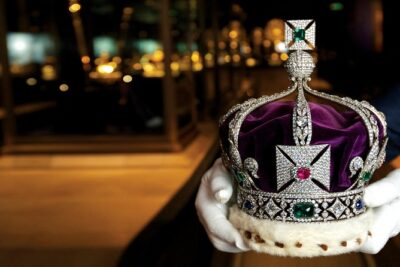
Tower of London and Crown Jewels Exhibition Ticket
Read our review →
Chelsea Football Club Stadium and Museum Tour
Read our review →
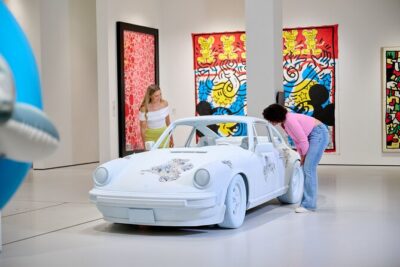
Official tickets: Moco Modern & Contemporary Art Museum
Read our review →
British Museum London Guided Tour Semi-Private 8ppl Max
Read our review →
British Museum Guided Tour with Entrance Tickets
Read our review →Browse the lists this tour appears in