
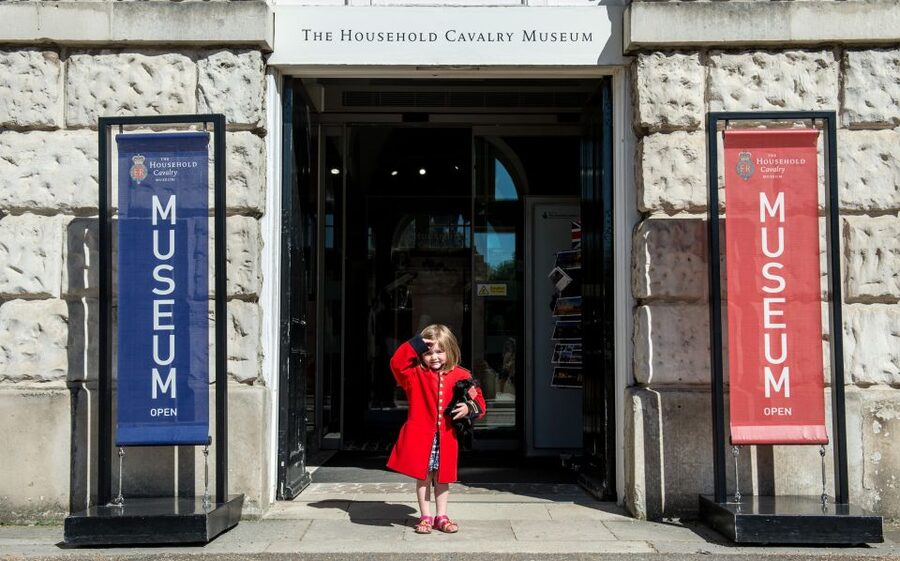
Review · LONDON
London: Household Cavalry Museum Entry Ticket
The most unusual part of this Whitehall visit is the chance to see a working military stable, not just glass cases filled with old uniforms. Through a large glazed partition, you can watch Household Cavalry horses and troopers in the original 18th-century stables.
I like the direct look at modern ceremonial soldiers and the strong personal stories about their demanding training. I also like the setting: this is a genuine headquarters building, dating from 1750, where the Household Cavalry has performed the Queen’s Life Guard for more than 350 years.
The main drawback is size. At around $14, this is good value if British military history interests you, but the museum is compact. Some people may finish in less than an hour, and there is no tour guide or audioguide, with the visit presented in English.
Key points to know before you go
- See working horses through the stable window: The large glazed partition gives you a practical view into the original 18th-century stables.
- Learn about two senior regiments: Exhibits explain the Life Guards and the Blues and Royals.
- Hear from serving troopers: Personal accounts help connect old traditions with the soldiers doing the work today.
- Explore a 1750 headquarters: The building itself remains part of the Household Division’s working base.
- Plan at least 60 minutes: The museum is compact, so it fits neatly beside other Whitehall sights.
- Expect a self-guided visit: Your ticket includes entry, but not a guide or audioguide.
Entering Horse Guards in Whitehall
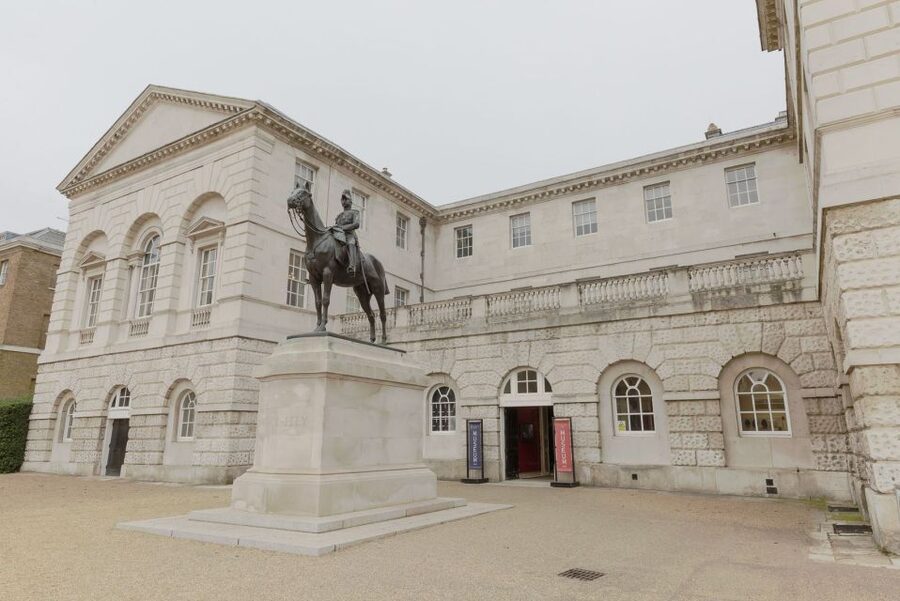
The Household Cavalry Museum sits inside Horse Guards, in central London’s Whitehall area. You meet directly at the museum, so there is no separate coach transfer, walking tour, or distant meeting point to complicate the visit.
That location makes the museum easy to pair with other central London sights. You can treat it as a focused stop rather than a full-day attraction. The ticket is valid for one day, and the visit has no fixed tour format. You check the available starting times when booking, then visit during the day covered by your reservation.
The setting matters. This is not a modern museum placed beside a historic attraction. The building dates from 1750 and still serves as the headquarters of the Household Division. The Household Cavalry has carried out the Queen’s Life Guard here for more than 350 years.
That gives the visit a useful sense of place. You are not only reading about military ceremony. You are looking at a building tied to an ongoing military role. The museum explains that role while giving you a view into the working areas behind it.
More Museum Tours in London
- Tower of London and Crown Jewels Exhibition Ticket
★ 4.5 · 6,677 reviews - London: Chelsea Football Club Stadium and Museum Tour
★ 4.8 · 4,576 reviews - Chelsea FC Stadium Tours and Museum
★ 5.0 · 1,908 reviews
The original stables and the horses behind glass
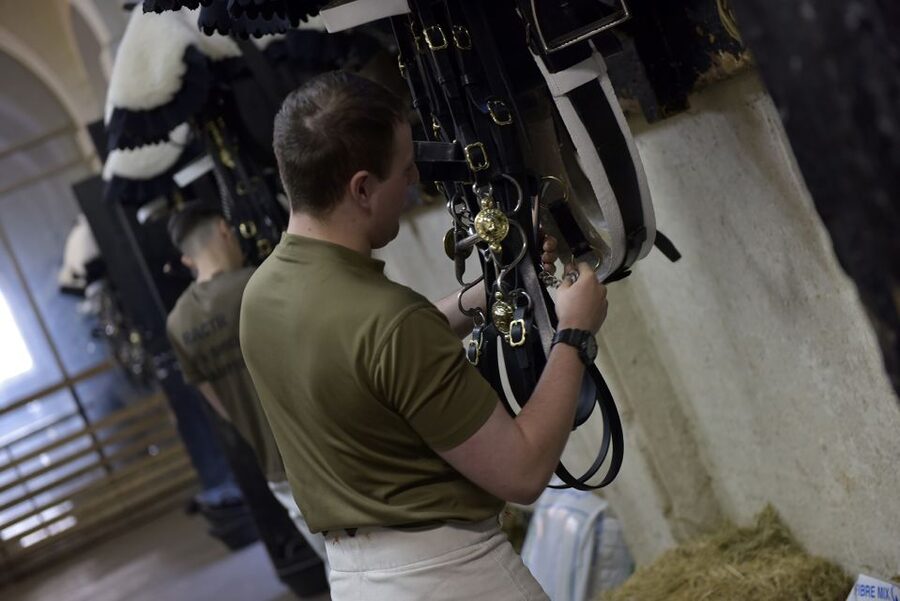
The stable area is the feature that makes this museum different from a standard military collection. A large glazed partition looks into the original 18th-century stables, where you may see working troopers and horses.
The glass keeps you separate from the horses while still giving you a close view of the stable environment. You might find this more memorable than a row of formal displays because it shows the practical side of the Household Cavalry. The horses are not only historic symbols. They are part of the unit’s current work.
It is worth setting your expectations correctly. This is not a horse-handling session, stable tour, or riding demonstration. You do not enter the stable area, and the ticket does not include a guided explanation from a mounted soldier.
Still, the view through the partition adds something that photographs cannot. You can see that ceremonial military work depends on care, training, discipline, and routine. For children, this may be the easiest part of the museum to understand. For adults, it offers a useful reminder that polished public ceremonies have a working side behind them.
The amount you see can depend on what is happening in the stable at the time of your visit. The attraction promises access to the working Household Cavalry, but it cannot turn that access into a scheduled performance. If horses and stable activity are your main reason for coming, allow some time to watch rather than rushing through the exhibits.
Personal stories behind the uniforms
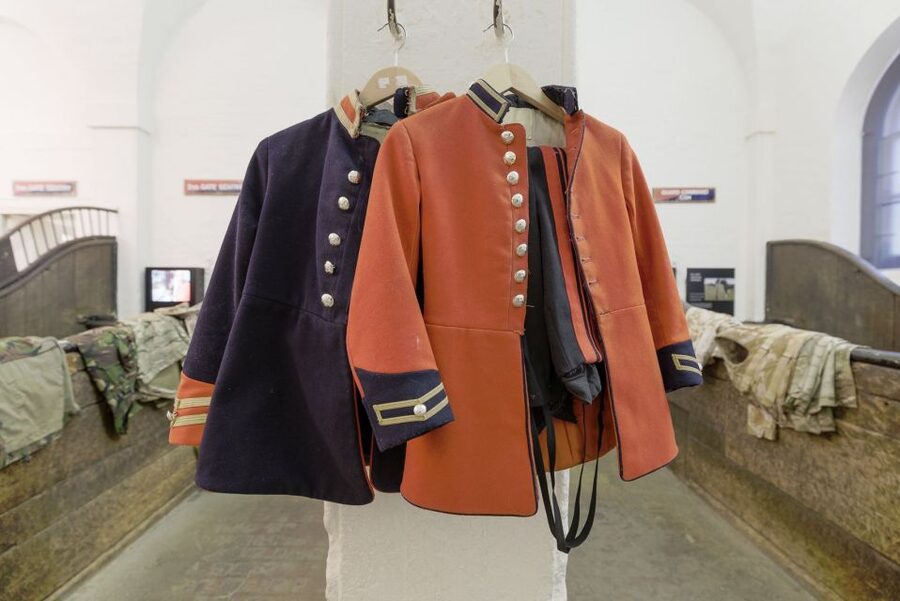
The museum uses personal accounts from troopers to explain the work. These stories focus on their rigorous training and the demands of serving in the Household Cavalry.
That human detail helps the collection avoid becoming a simple display of helmets, swords, and ceremonial clothing. Military objects can look impressive while telling you very little about daily work. First-hand accounts give them a clearer purpose.
You learn about the standards expected of troopers and the preparation behind public duties. The museum links training to the responsibilities of serving in one of the British Army’s senior regimental traditions.
There is no named guide attached to this ticket. Instead, the information comes from the displays and recorded or written personal material within the museum. The available information describes the visit as self-guided, and one useful point to remember is that there is no audioguide. The presentation is in English.
That suits visitors who prefer to move at their own pace. You can pause at the parts that interest you, spend longer near the stable window, or move quickly through an exhibit that feels less relevant. If you need spoken translation or a guide in another language, this ticket may not be the right choice.
Understanding the Life Guards and Blues and Royals
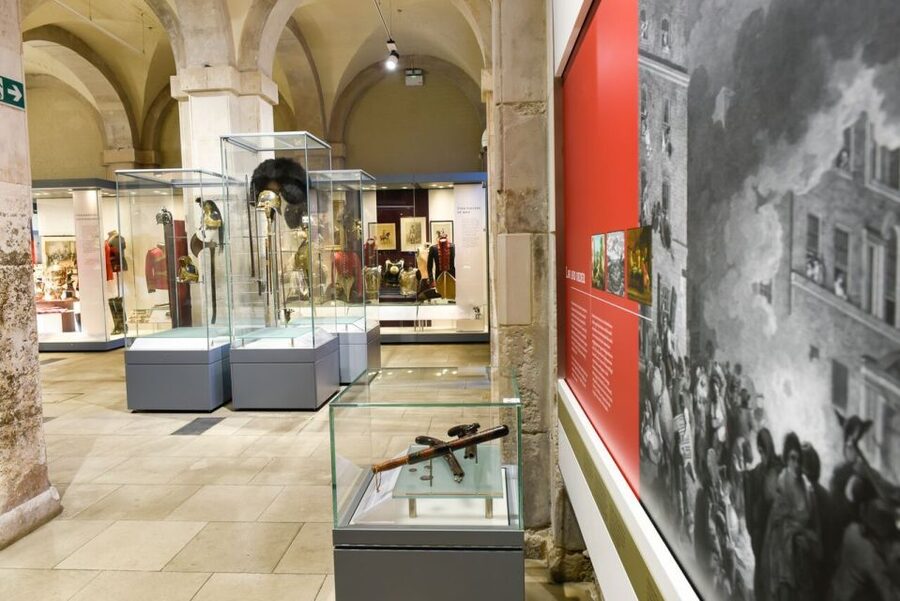
A central purpose of the museum is to explain the Household Cavalry’s two senior regiments: the Life Guards and the Blues and Royals. These names can blur together if you only know them from photographs of ceremonial guards, so the displays provide useful structure.
The museum places these regiments within the wider story of the British Army and the Household Division. You see how uniforms, duties, traditions, and public ceremony connect to military service.
This is a good stop for anyone who has watched the Changing of the Guard or seen mounted soldiers around London and wondered what happens beyond the polished appearance. The museum gives you the background needed to read those public scenes more clearly.
Do not expect a large military museum covering every British campaign or regiment. The focus stays on the Household Cavalry and this particular building. That narrow subject is a strength if you want a clear introduction, but a limitation if you are hoping for a broad survey of British military history.
A few more museum visits around London worth comparing
- Official tickets: Moco Modern & Contemporary Art Museum
★ 4.5 · 1,157 reviews - London: Jack the Ripper Museum Tickets
★ 4.2 · 894 reviews - London: British Museum Guided Tour with Entrance Tickets
★ 4.9 · 748 reviews - London: British Museum Audio Tour & Priority Entrance Ticket
★ 4.5 · 631 reviews
Rare objects and interactive displays
The collection includes rare objects, with some items placed on public display for the first time. The exact objects are not listed in the activity information, so I would not visit expecting a particular sword, uniform, or medal. The better reason to go is the mix of objects, stories, and interactive material.
Interactive displays make the museum more approachable than a purely formal collection. You can connect the artifacts to the people and duties they represent, rather than simply looking at old equipment behind glass.
That format works well for families. A child who might lose interest in labels about regimental history may pay closer attention when the museum explains training, horses, or the work of a trooper. The family-friendly appeal is not based on a large play area or a long program. It comes from the combination of uniforms, horses, machinery, and human stories.
Adults with a strong interest in military history may want more depth than the compact museum can provide. I would see it as a focused introduction or a worthwhile add-on to a Whitehall day, not as a replacement for a much larger military museum.
How long the visit takes
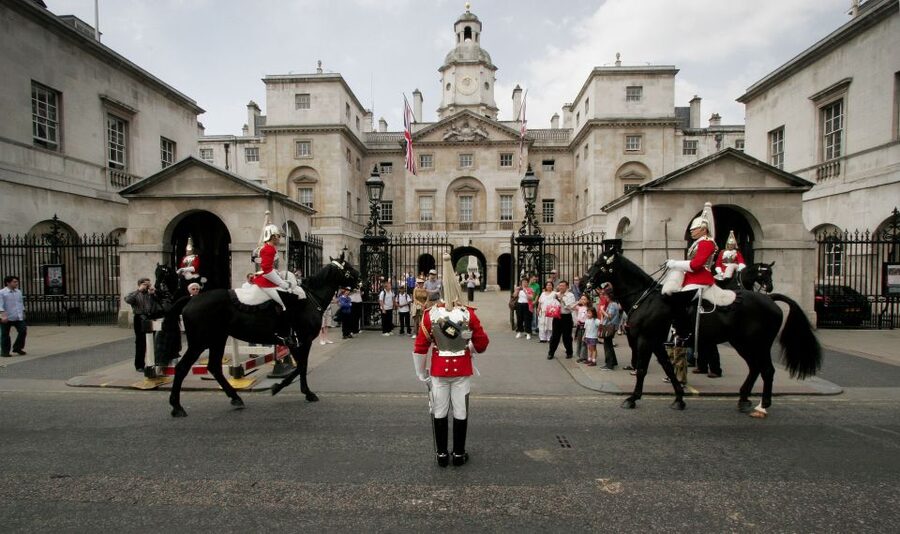
Plan for at least 60 minutes. That is the minimum time suggested for the visit, and it gives you enough room to see the main displays and spend a little time watching the stables.
You can probably move through the museum faster if you are short on time, but that would undercut the best part of the experience. The personal accounts and interactive displays need a little attention, while the stable window rewards patience.
The lack of a fixed guided schedule gives you flexibility. You are not tied to a one-hour talk or a group moving from room to room. On the other hand, the self-guided format means you must read and interpret the exhibits yourself.
One practical advantage is that the visit does not require a full day. At $14 per person, the price feels reasonable when you use it as a one-hour historical stop in central London. It is less convincing if you expect a large attraction with several hours of content.
The ticket is valid for one day, and cancellation is available up to 24 hours before the visit for a full refund. You can also reserve and pay later, which helps if your London plans are still shifting. These terms are useful, but the real value depends on your interest in the subject and your expectations about the museum’s size.
Is the compact size a problem?
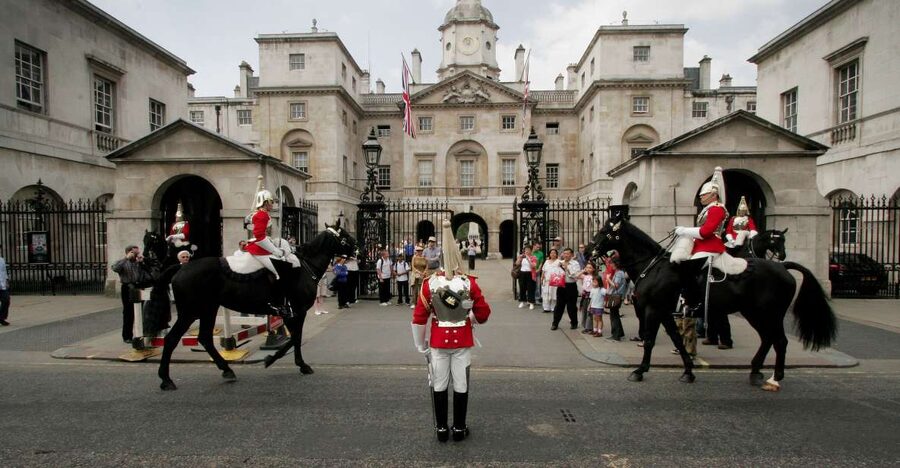
For some people, yes. The collection is not large, and the activity information asks you to allow at least an hour rather than several hours. If your ideal museum has many galleries, extensive labels, and a wide collection, this may feel too brief.
That concern is reflected in the mixed response to the experience. Some people find the museum too small or feel it offers less stable access than the phrase Household Cavalry might suggest. That is a fair warning. You should not book this expecting to walk through a vast cavalry complex or get close contact with every horse.
For me, the compact size is easier to accept because the museum has a clear purpose. It focuses on one building, one military division, two senior regiments, and the people who serve in them. There is little wasted travel time inside the attraction.
The visit also works well when London weather is poor or when you want a short indoor activity between larger sights. You can make your own decision about how much time to spend without committing to a half-day tour.
Who will get the most from this museum?
I would recommend it most strongly to several types of visitors:
- People interested in British military history: The museum provides a focused look at the Household Cavalry, the Life Guards, and the Blues and Royals.
- Horse lovers: The stable window gives you a chance to see working horses, though it is not a stable-handling experience.
- Families with older children: The horses and interactive displays offer a more immediate entry point than long military labels.
- Visitors exploring Whitehall: The location makes it a convenient short stop alongside other central London sights.
- Anyone curious about ceremonial guards: The displays explain the work and training behind a familiar public image.
I would be less likely to recommend it to someone who wants a large collection, a live demonstration, or a guided conversation with a trooper. You also need to be comfortable with an English-language, self-guided visit.
The museum is wheelchair accessible, which makes it practical for many visitors. Pets are not allowed, although assistance dogs are permitted.
Practical planning for your London day
Since you meet directly at the museum, check the exact location and available visit time before setting out. The activity is in South East England, in central London’s Whitehall area, so it works best as part of a day built around nearby sights rather than as a destination requiring separate transport.
Keep your schedule loose enough to allow the full hour. If you arrive with only 30 minutes before another booking, you may have to skip the personal accounts or spend too little time at the stable window.
There is no tour guide included. That keeps the $14 price down and lets you explore independently, but it also means you should not expect someone to explain every item aloud. The museum is presented in English, and no audioguide is included.
The experience is suitable for a one-day visit, with no need to return at a particular time. If your schedule changes, the option to cancel up to 24 hours ahead for a full refund gives you a useful safety net.
Should you book the Household Cavalry Museum?
Book it if you want a short, focused look at working British military tradition, especially if the sight of horses behind the original stable partition appeals to you. The building, personal accounts, and displays provide more substance than a quick photo stop, and $14 is fair for an hour in central London.
Skip it if you expect a large museum, a stable tour, a guide, or extensive hands-on contact with the horses. The attraction is compact, and the self-guided English presentation will not suit everyone.
My practical call is simple: add it to a Whitehall itinerary if you have an hour and an interest in military history, horses, or royal ceremony. Do not make it your only major museum visit in London. It works best as a well-priced, distinctive stop that shows you the working side behind the uniforms.
FAQ
Where is the Household Cavalry Museum?
The museum is inside Horse Guards in Whitehall, central London. You meet directly at the Household Cavalry Museum.
How long should I allow for the visit?
Allow at least 60 minutes. The museum is compact, but you will want time for the displays, personal accounts, interactive material, and the stable viewing area.
Can I see real Household Cavalry horses?
Yes. You can look through a large glazed partition into the original 18th-century stables, where working troopers and horses may be present.
Is a tour guide included?
No. The ticket includes entry to the Household Cavalry Museum but does not include a tour guide. The visit is self-guided.
Is there an audioguide?
No audioguide is included. The visit is presented in English.
Is the museum wheelchair accessible and are pets allowed?
The museum is wheelchair accessible. Pets are not allowed, but assistance dogs are permitted.
Just added around London
- Westminster and National Gallery 3.5-Hour Tour in Italian★ 4.9 · 28 reviews
- British Museum & Camden Town – Private Tour in Italian★ 4.8 · 26 reviews
- London: British Museum Highlights Guided Small Group Tour★ 4.9 · 113 reviews
- London: Westminster Abbey & Jubilee Galleries Guided Tour★ 4.9 · 56 reviews
- London: Sherlock Holmes Museum & Westminster Walking Tour★ 4.4 · 13 reviews
- London: Royal Museums Greenwich Day Pass★ 4.5 · 309 reviews
- London: Tickets for Moco Modern & Contemporary Art Museum★ 4.7 · 391 reviews
- London: The Courtauld Gallery at Somerset House Entry Ticket★ 4.6 · 126 reviews
Museum Tours in London, compared.
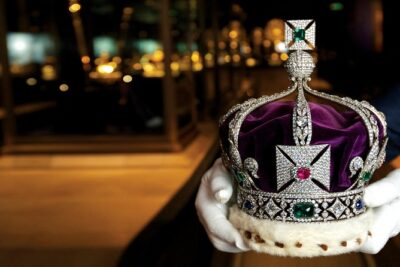
Tower of London and Crown Jewels Exhibition Ticket
Read our review →
Chelsea Football Club Stadium and Museum Tour
Read our review →


Official tickets: Moco Modern & Contemporary Art Museum
Read our review →
British Museum London Guided Tour Semi-Private 8ppl Max
Read our review →
British Museum Guided Tour with Entrance Tickets
Read our review →Browse the lists this tour appears in