
Review · PORTUGAL
Lisbon: Royal Treasure Museum Entry Ticket
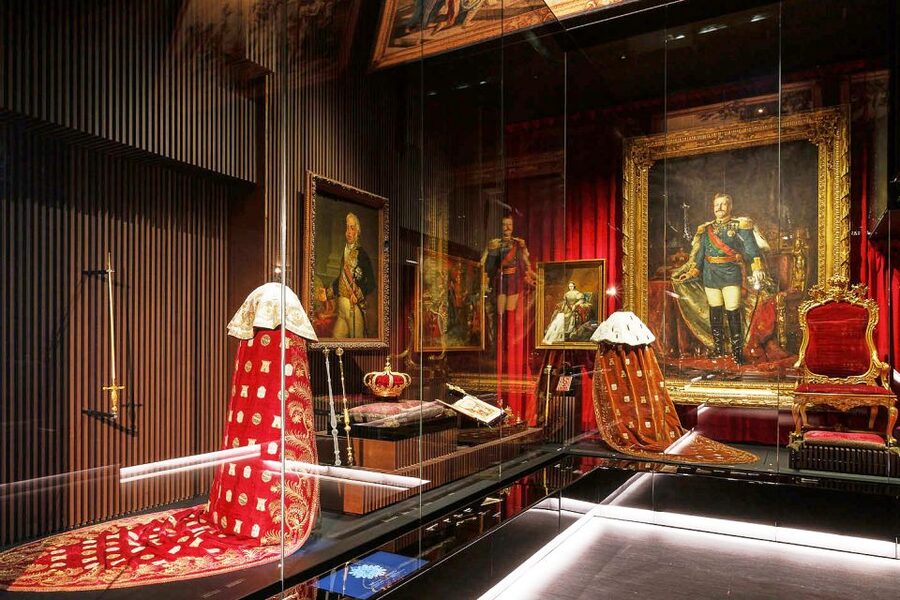
The real draw here is the chance to see Portugal’s crown jewels and royal silver inside the Ajuda National Palace. This is not a guided tour or a grand palace walk with a fixed script. It is a self-guided museum visit built around eight centuries of royal possessions, including Brazilian gold, diamond jewelry, diplomatic gifts, private collections, and ceremonial objects.
I like the clear layout across 11 themed sections and the chance to move at your own pace. I also like the practical one-day ticket, priced at $12 per person, which gives you time to fit the museum around the rest of your Lisbon plans. The main consideration is that large bags must go into lockers and you will pass through airport-style security before entering.
Key points to know before you go
- Three floors of royal objects: The permanent exhibition is arranged in 11 sections, so you can follow subjects such as jewels, medals, royal chapel items, and silverware in an orderly way.
- Brazilian gold and diamonds: One section focuses on precious materials connected with Brazil and the Portuguese Crown.
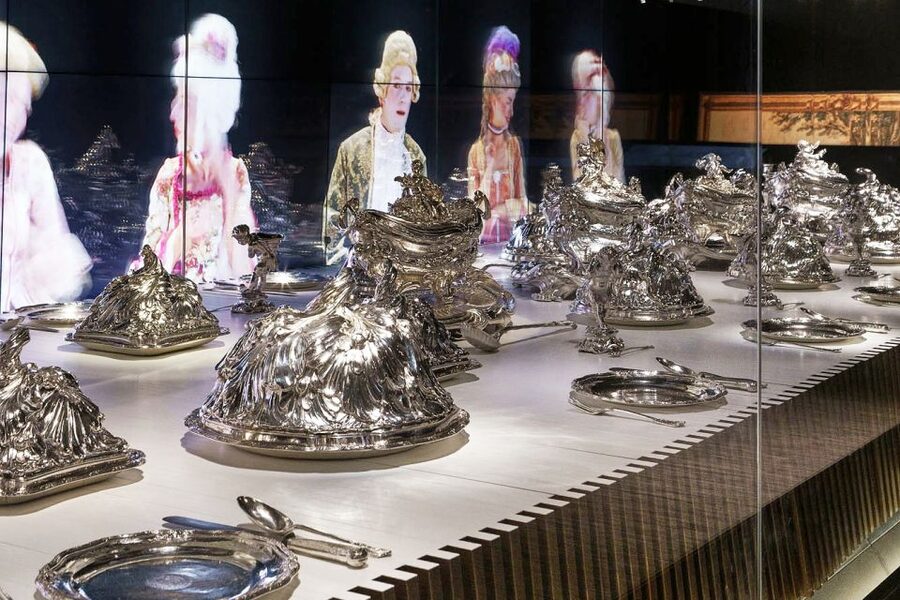
- Germain silver tableware: A large display presents the famous Germain silver collection, one of the museum’s most distinctive sights.
- Private and diplomatic treasures: The museum goes beyond crowns, showing personal possessions of royal family members and gifts received from foreign dignitaries.
- English and Portuguese support: Exhibition text and subtitles are available in both languages.
- Useful facilities on site: A cafeteria, lounge area, themed shop, and entrance lockers make this easier to fit into a longer day at Ajuda.
What the $12 ticket actually gives you
For $12, you get entry to the Royal Treasure Museum for one day. That is good value if you enjoy decorative arts, royal history, jewelry, or unusual objects with a clear connection to Portugal’s monarchy.
This ticket is for the museum only. It does not include a guide, transport, or any extra service. That keeps the price modest, but it also means you need to read the displays and set your own pace. I see that as a strength for visitors who prefer to stop at the objects that interest them rather than follow a group.
The collection has been built over eight centuries, so you are not looking at one narrow period or a single royal household. The objects come from the Crown and from private collections belonging to different members of the royal family. That range gives the visit more variety than a simple display of crowns and ceremonial robes.
A one-day ticket also helps if your schedule changes. You can check the available starting times when booking, then plan the museum around other stops in Lisbon. Last admission is one hour before closing, so do not leave this visit until the final part of the day.
A few more museum visits around Portugal worth comparing
- Lisbon: National Tile Museum Entry Ticket
★ 4.6 · 868 reviews - Lisbon: MAAT Gallery and MAAT Central Entry Tickets
★ 4.0 · 559 reviews - Lisbon: Banksy Museum Permanent Exhibition Entry Ticket
★ 4.7 · 506 reviews
Entering Ajuda National Palace
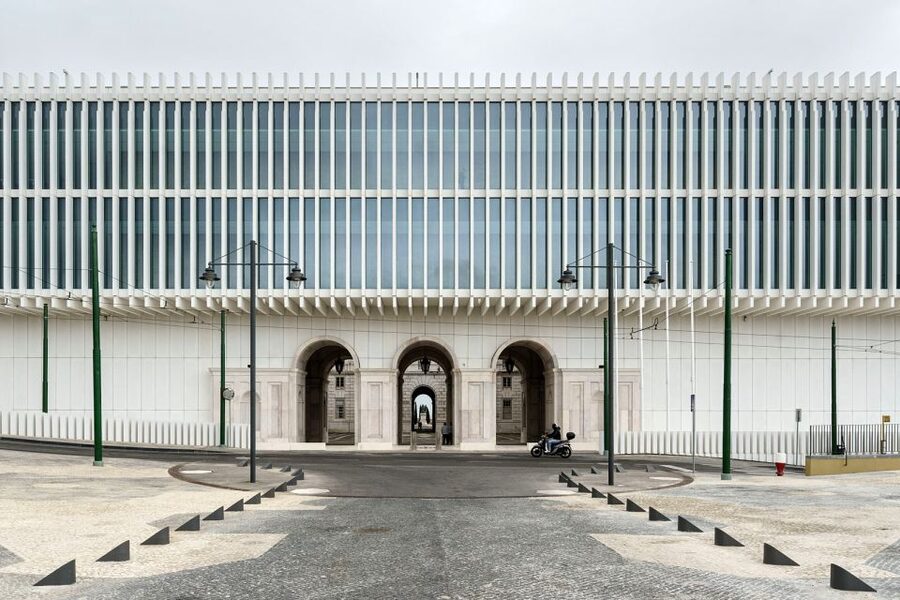
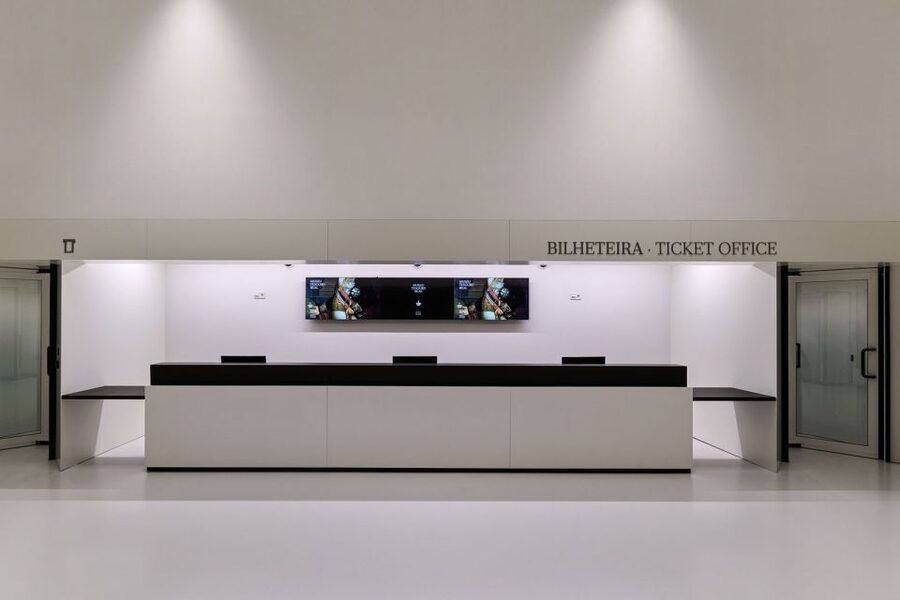
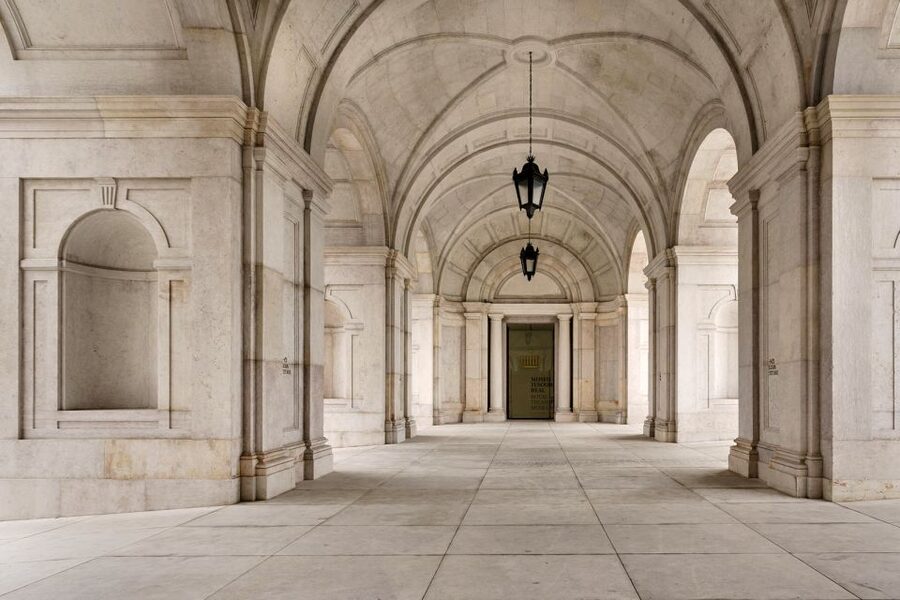
You redeem the ticket at the ticket desk in Ajuda National Palace. The museum is located within the palace, so the building itself forms part of the setting. You are not viewing these objects in a detached modern venue with no connection to the people who owned them.
Allow time for the entrance process. You must pass through several security systems, including an airport-style check. Larger bags need to go into lockers at the entrance on the shop side. Pack light if you can, since this makes the start of the visit quicker and avoids deciding what to store once you arrive.
The museum is wheelchair accessible, which makes it a practical choice for many visitors. The supplied information does not describe every route or facility inside, so anyone with specific access needs should confirm details before arrival. Still, the stated accessibility is useful and worth noting when you compare Lisbon museums.
Three floors and 11 sections to explore
The permanent exhibition is spread over three floors and divided into 11 sections. This organization gives you a simple way to understand a large collection. Rather than presenting one crowded room of glittering objects, the museum groups treasures by their purpose, origin, or owner.
You can read the text and subtitles in Portuguese or English. That matters here because many objects need explanation. A jewel may be beautiful on its own, but a short label can tell you whether it was a private possession, a ceremonial item, or a diplomatic gift.
The three-floor format also rewards a steady pace. I would not rush from room to room just to count the sections. Give yourself time with the displays that match your interests, especially the Brazilian gold, royal silver, private collections, and Germain tableware.
Here is what each subject adds to the visit.
Gold and Diamonds from Brazil
This section focuses on gold and diamonds from Brazil. The subject connects precious materials with Portugal’s Crown and gives the collection a wider setting than palace life alone.
You will see the material itself treated as a royal resource, not just as decoration. If you enjoy jewelry and precious metals, this is a natural place to slow down. The section also helps explain why so many royal objects have a visual power that can be hard to appreciate from a written description.
Same city, a completely different collection:
- Porto: Cálem Cellar Tour, Interactive Museum & Wine Tasting
★ 4.5 · 4,113 reviews - Lisbon: Luz Stadium Tour & SL Benfica Museum Entry
★ 4.7 · 4,102 reviews - FC Porto: Museum & Tour
★ 4.6 · 3,807 reviews - Porto: The Wine Experience, Best Wine Museum in the World
★ 4.7 · 621 reviews
Coins and Medals of the Crown
Coins and medals can seem less immediately exciting than diamonds, but this section gives you a look at how the monarchy represented itself through official objects. Medals often carry symbols, portraits, and ceremonies in a small format.
I like this kind of display because it rewards close attention. You are seeing the Crown not only through luxury goods, but also through objects used to mark authority and public occasions.
Jewels from the Palace Collection
The Palace Collection section brings together royal jewelry. Expect the focus to be on personal adornment and palace possessions rather than only on formal crowns.
This is one of the sections most likely to attract visitors who want the classic royal treasure experience. Gold and diamonds catch the eye, but the value of the display is also in the range of pieces gathered from the palace collection.
Orders of Knighthood and Orders of Merit
This section presents orders connected with knighthood and merit. Such objects were used to recognize service and status, so they help show how the monarchy rewarded loyalty and public achievement.
If you usually hurry past medals, this is a good place to pause. The items add social context to the jewelry and silverware elsewhere in the museum. Royal treasure was not only about personal wealth. Some of it helped organize public life and ceremony.
Royal Insignia and Ritual Objects of the Monarchy
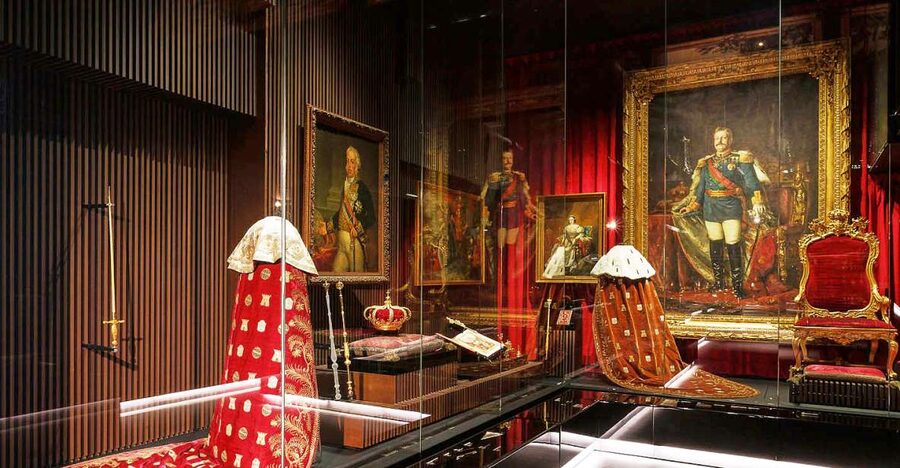
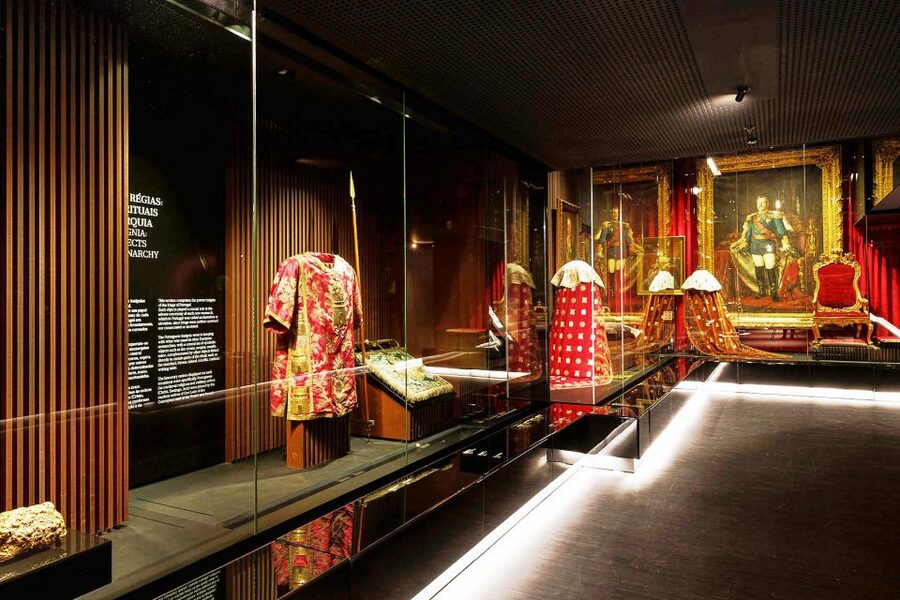
Royal insignia and ritual objects represent the formal side of monarchy. These pieces were tied to ceremony, authority, and the public image of the Crown.
The section gives the visit a useful change of pace. After looking at private jewels or valuable materials, you can consider how objects worked during official events. Their meaning comes from their role as much as from their craftsmanship.
The Crown’s Silver
The Crown’s silver collection shows how precious metal was used for royal purposes. Silverware is often easier to imagine in daily use than a crown or medal, but these pieces also reflect formal dining and palace ceremony.
Look closely at the workmanship. The point is not simply that the objects are made of silver. Their size, detail, and connection with royal use help explain why silverware occupied such an important place in a palace collection.
Private Collections
The private collections section offers a more personal view of the royal family. These items came from individual members rather than only from the Crown as an institution.
That distinction matters. Public ceremonial objects show how monarchy presented itself, while private possessions suggest personal taste and daily life. You may find this section more intimate than the formal displays, even though the collection remains focused on valuable objects.
Diplomatic Gifts
Diplomatic gifts show how royal exchange worked between courts and countries. A gift could carry political meaning as well as material value, and these objects give you a glimpse of those relationships.
This section is especially helpful if you want more than a display of expensive items. The objects mark contact between Portugal and other parts of the world. Their presence in the collection reflects diplomacy, ceremony, and the practice of presenting something memorable to a royal household.
Royal Chapel
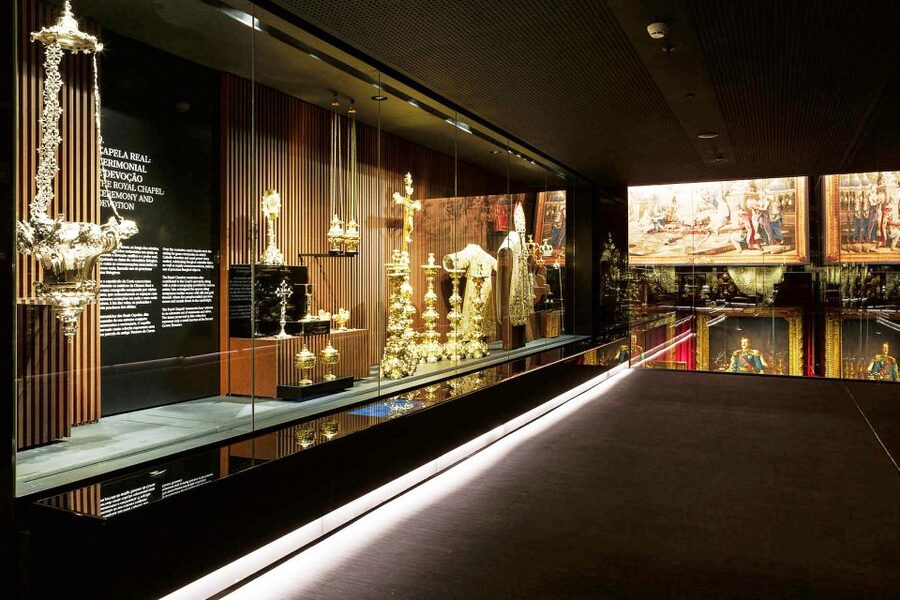
The Royal Chapel section brings religious objects into the exhibition. It adds another part of palace life, showing that the monarchy’s treasures were connected with worship as well as state events and private possessions.
This can be a quieter section, but it helps complete the picture. A royal residence needed objects for ceremony in several settings, and the chapel was one of them.
The Germain Silver Tableware
The Germain silver tableware is one of the major reasons to visit. The museum presents a large collection of this famous silver service, giving you a chance to see how grand tableware functioned as both practical equipment and a display of royal wealth.
I would save enough time for this section rather than treating it as a quick stop. Large silver services can be repetitive when viewed too quickly, but details become easier to appreciate when you compare pieces and notice how the collection works as a whole.
This is also a good section for visitors who are less interested in jewelry. The tableware offers scale and variety, while the jewels provide sparkle and concentrated detail. Together, they show two different sides of royal collecting.
The Treasure’s Travels
The Treasure’s Travels section follows the movement of these objects. That idea adds an important final note: royal treasure was not always fixed in one room or one palace.
Objects could be transferred, displayed, stored, exchanged, or carried as part of the monarchy’s activities. This section gives the exhibition a sense of movement and helps you think about how a collection survives across time.
Why the collection works better than a simple jewel display
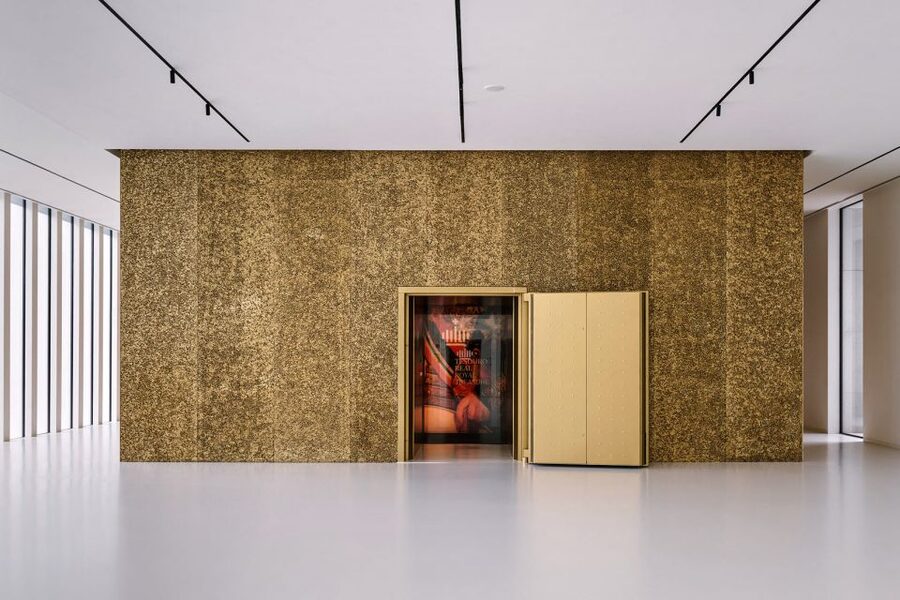
A museum filled only with gold and diamonds could become visually tiring. The Royal Treasure Museum avoids that problem by mixing personal jewelry with coins, medals, silverware, chapel objects, diplomatic gifts, and royal insignia.
I like the contrast between the private and official sides of the collection. One room may suggest personal taste, while another shows ceremony or political recognition. The collection becomes easier to understand because the objects have different jobs.
The eight-century span also gives you a broad view of Portuguese royal collecting. You are not expected to know every monarch or every event before you arrive. The themed sections provide a basic path through the material, and the English text lets you follow the important points without relying on Portuguese.
Still, this is best for people who enjoy looking closely. If you want an interactive attraction, a live performance, or a guide telling stories as you walk, this ticket may feel quiet. Its appeal comes from the objects and the freedom to set your own pace.
Cafeteria, lounge, and the themed shop
The museum includes a cafeteria and lounge area. These facilities are useful because a museum visit can take more energy than expected, especially when the exhibition is spread over three floors.
The themed shop is another practical touch. You can pick up a souvenir connected with royal treasure rather than settling for a generic Lisbon item. Since the shop is also on the side where lockers are available, pay attention to the entrance arrangement when you arrive.
I would treat the shop as an extra, not a reason to buy the ticket. The main value is the exhibition. Still, it is convenient to have a place for a small keepsake after viewing the collection.
Who will enjoy this museum most
I would recommend the Royal Treasure Museum to you if you enjoy:
- Royal residences and ceremonial objects
- Jewelry, gold, diamonds, and silverware
- Decorative arts and historic collections
- Museums where you can read at your own speed
- A compact Lisbon attraction with a clear ticket price
- Exhibitions supported by English text and subtitles
Families may also find plenty to look at, especially in the jewelry and silver sections, though the experience is primarily a quiet museum visit. Art and design fans should pay special attention to the Germain silver tableware and palace collection.
I would be more cautious if your main goal is to walk through the Ajuda National Palace itself or take a guided tour. The ticket described here is specifically for the Royal Treasure Museum, and no guide is included.
Practical advice for a smoother visit
Keep your larger bags to a minimum. They must be stored in lockers, and you will already need to pass through security. A small bag should make the entrance less awkward, although the available locker arrangement is useful if you need it.
Check the available starting times and remember that final admission is one hour before closing. A late arrival can leave you with too little time for three floors and 11 sections.
Plan to read some labels. English and Portuguese text and subtitles are available, but the collection rewards attention to context. If you only look for the biggest diamond or most ornate silver piece, you will miss the difference between private belongings, royal insignia, diplomatic gifts, and ritual objects.
The ticket is valid for one day, not for a fixed guided route. That gives you flexibility, but you still need to leave enough time for the full exhibition. The museum’s cafeteria and lounge can help you take a break without ending the visit early.
Should you book the Royal Treasure Museum?
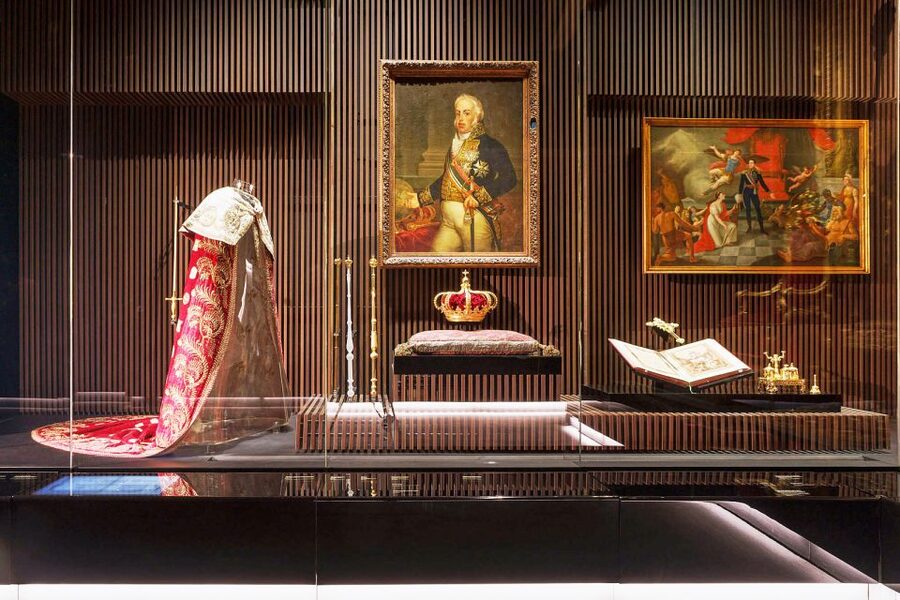
Book it if you want a focused look at Portugal’s royal possessions for about $12. The strongest reasons are the 11-section layout, the Brazilian gold and diamonds, the large Germain silver tableware collection, and the mix of private, ceremonial, and diplomatic objects.
Skip it if you want a guided experience or a broad tour of Lisbon’s main sights. This is a self-guided museum visit, and its rewards come from careful looking rather than a busy schedule of activities.
For the right visitor, it is an easy addition to a Lisbon day. You get a clear subject, English support, wheelchair accessibility, a cafeteria and lounge, and enough variety to keep the visit from becoming a parade of similar jewels. Just arrive with time, pass through security, store large bags, and remember that admission ends one hour before closing.
FAQ
Where is the Royal Treasure Museum located?
The museum is located inside Ajuda National Palace in Lisbon District, Portugal.
What does the $12 ticket include?
The ticket includes entry to Lisbon’s Royal Treasure Museum. It does not list a guide, transport, or other services as included.
How long is the ticket valid?
The ticket is valid for one day. You should check availability for the available starting times.
How many exhibition sections are there?
The permanent exhibition has 11 sections spread across three floors.
Is information available in English?
Yes. Text and subtitles are available in Portuguese and English.
Can I bring a large bag into the museum?
Larger bags must be placed in lockers available at the entrance on the shop side. You also need to pass through several security systems, including an airport-style security check.
Just added around Portugal
- Museum Heist Escape Game★ 5.0 · 28 reviews
- Tavira Total Tuk Tuk Tour: Tavira Tour & Tuna Museum Visit★ 4.9 · 21 reviews
- Lisbon: Benfica Museum Tour with Souvenir Scarf★ 4.8 · 27 reviews
- Madeira: Signature Wine Tasting, Skywalk & Nature Expedition★ 4.7 · 49 reviews
- Porto: Cork Museum: Immersive and Perfect for Families★ 4.2 · 54 reviews
- Porto: Taylor’s Port Cellar Tour & WOW Museum Pack★ 4.7 · 24 reviews
- Porto: National Museum Soares dos Reis E-Ticket & City Tour★ 4.0 · 18 reviews
- Portimao: 3D Fun Art Museum Entry Ticket★ 4.7 · 106 reviews
Museum Tours in Portugal, compared.

Cálem Cellar Tour, Interactive Museum & Wine Tasting
Read our review →


The Wine Experience, Best Wine Museum in the World
Read our review →

Banksy Museum Permanent Exhibition Entry Ticket
Read our review →
Belem, Jeronimos Monastery, and Coach Museum Tour
Read our review →Browse the lists this tour appears in