
Review · LISBON
Lisbon: MAAT Gallery and MAAT Central Entry Tickets
MAAT turns a visit to Lisbon’s Belém waterfront into two very different museum trips: one inside a former power station, the other in a bold contemporary building. You can watch how coal was once changed into electricity, then move on to art, architecture, and large-scale installations.
I like the historic Electricity Factory, which gives the museum a clear purpose beyond simply displaying art. I also like the Tagus-side garden, a pleasant open-air link between the buildings and a good place to pause. The main drawback is that MAAT’s exhibition program changes, and parts of the Gallery may occasionally be closed for installation work.
Key points to know before you go
- Two buildings, one ticket: Visit MAAT Gallery and the former thermal power station, MAAT Central, during the same one-day visit.
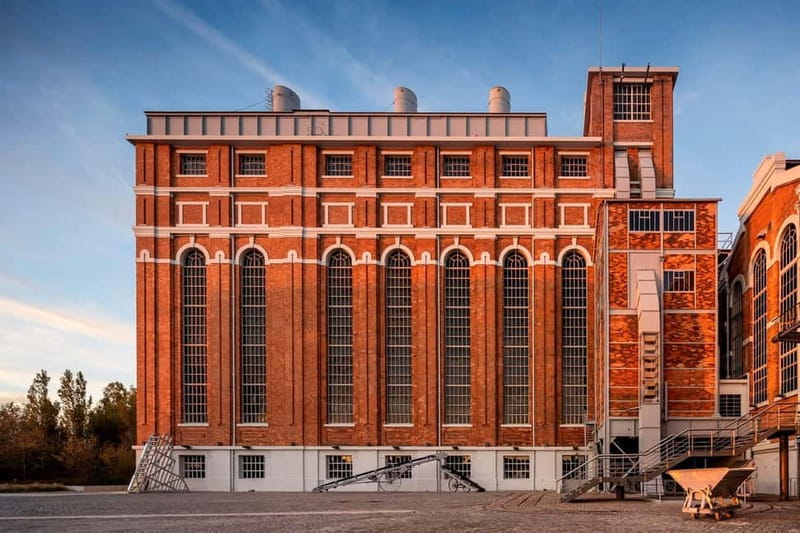
- Coal becomes electricity: The Central building explains the machinery and process behind Lisbon’s old power supply.
- Contemporary art changes often: Large installations, photography, architecture, and hands-on displays can vary from one visit to the next.
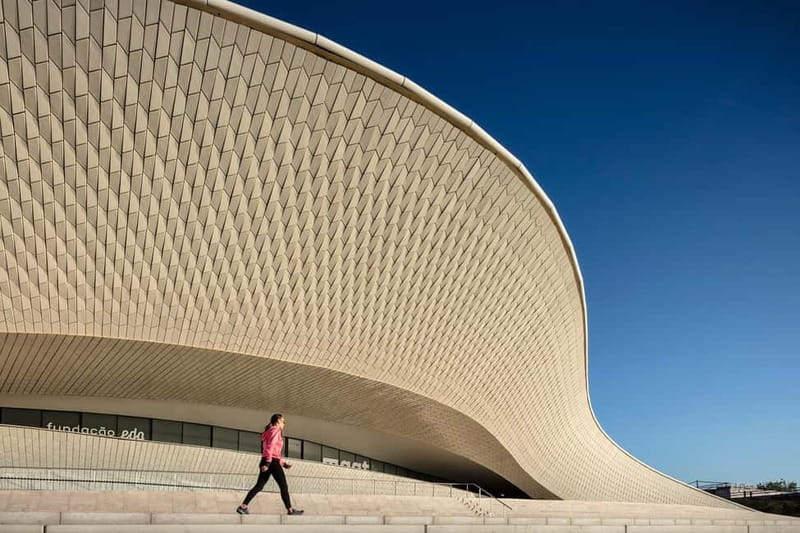
- The building is part of the experience: MAAT Gallery’s unusual curves and surfaces provide striking views from inside and outside.
- Good waterfront stop: MAAT Garden connects the museum to the Tagus River and gives you space to enjoy the setting without another ticket.
- Allow time to get oriented: The museum can feel confusing at first, so pick up directions and ask staff where each exhibition begins.
Two MAAT buildings, two very different moods
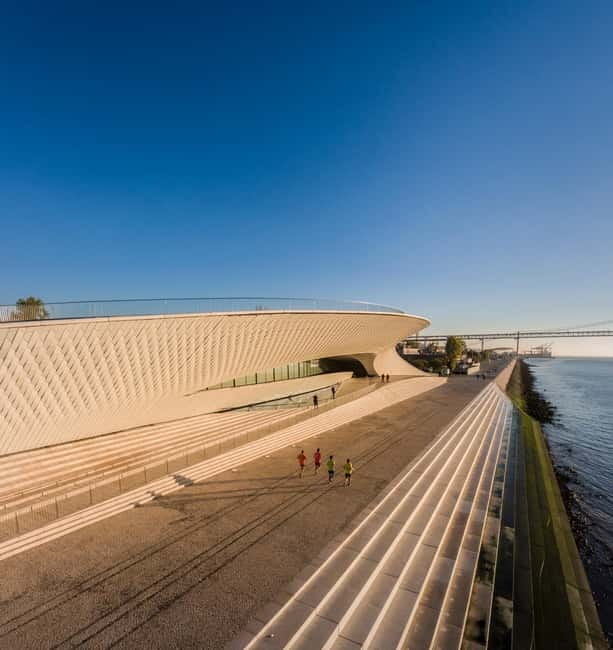
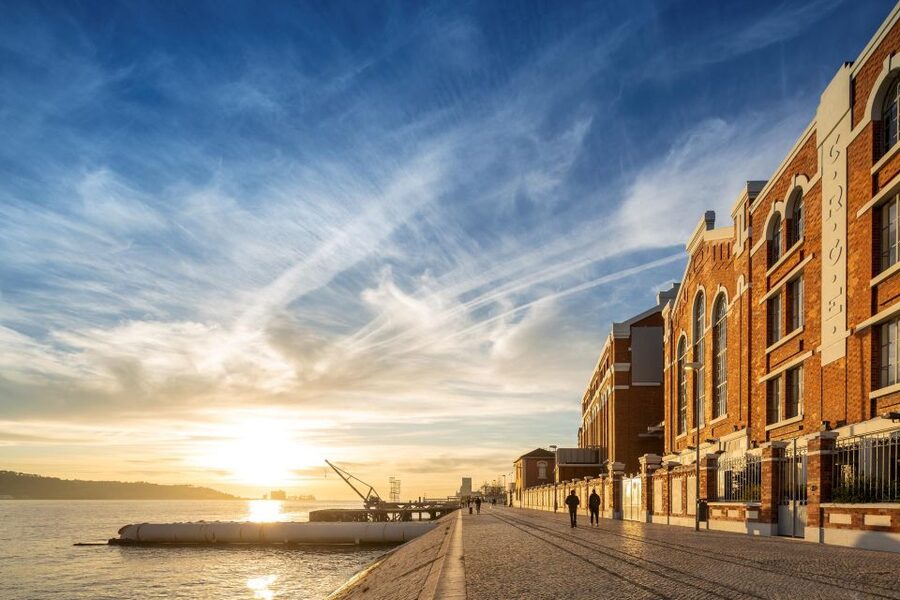
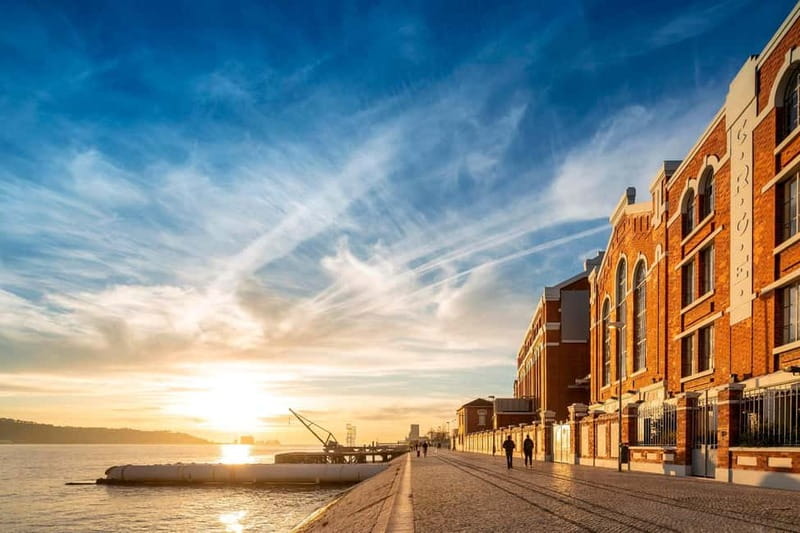
MAAT is located in Belém, one of Lisbon’s historic waterfront areas. The ticket covers the museum’s newer Gallery and MAAT Central, a thermal power station built in 1908. A garden beside the Tagus links the two.
That pairing is the reason I would choose MAAT over a standard contemporary art museum. You are not only looking at finished works. You are also seeing the physical systems that once helped power the city.
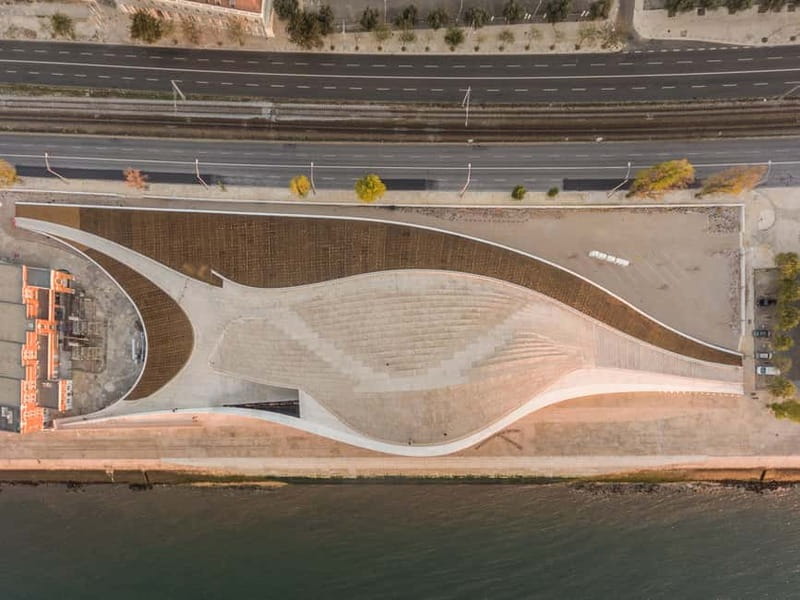
The Gallery is the more immediately dramatic building. Its exterior has an unusual, flowing form, and the structure itself attracts attention before you enter. Inside, exhibition rooms provide space for work by Portuguese and international artists, architects, and thinkers.
MAAT Central has a more industrial feel. Its old equipment, rooms, and explanations make electricity the subject. The contrast is useful: the Gallery asks what art and design might become, while the Central shows how a major piece of infrastructure worked.
You should not expect a single fixed exhibition route. MAAT runs temporary displays and activities alongside permanent material, so the exact experience depends on what is showing when you visit.
More Museum Tours in Lisbon
- Lisbon: Luz Stadium Tour & SL Benfica Museum Entry
★ 4.7 · 4,102 reviews - Lisbon: National Tile Museum Entry Ticket
★ 4.6 · 868 reviews - Lisbon: Banksy Museum Permanent Exhibition Entry Ticket
★ 4.7 · 506 reviews
Starting at MAAT Central and the Electricity Factory
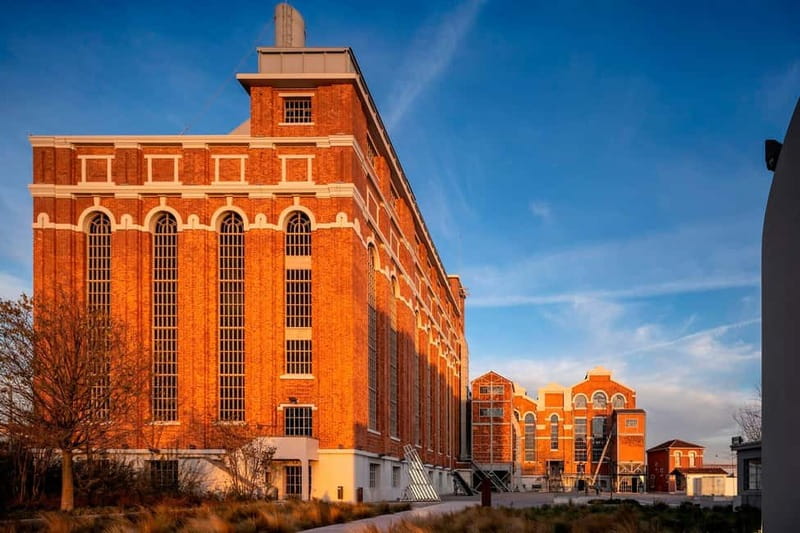
At MAAT Central, the focus is the former thermal power station. The building dates from 1908, and the permanent Electricity Factory exhibition explains how coal was used to produce electricity.
This is the part of the visit that gives the museum its strongest sense of place. Instead of reading a brief panel about industrial history, you can see the setting where the work happened. The scale of the station helps you understand that electricity once depended on large, noisy, highly physical systems.
The experience is educational without being limited to technical specialists. You can follow the basic process of coal being used to generate power, then consider how that power served the wider community. The subject also points toward present-day concerns about energy and sustainability.
Do not rush through this building simply because the Gallery looks more modern. MAAT Central provides the context that makes the whole museum more interesting. The machinery and industrial spaces give you a real connection to Lisbon’s working past.
A gift shop is available at MAAT Central. Facilities include toilets and baby-changing provision, while visitors with reduced mobility can use accessible routes and lifts.
Moving between the buildings through MAAT Garden
The garden along the Tagus connects MAAT Central with the Gallery. It is more than a path between entrances. The open space lets you look back at the museum’s architecture, watch the river, and take a break between exhibitions.
I would use this outdoor section as a reset. Contemporary art can ask a lot from your attention, and the garden gives you room to step away from the galleries. Outdoor sculptures are also part of MAAT’s program, so the art does not stop at the doors.
The riverside setting is one of the ticket’s best extras. You get an attractive public space without paying for a separate garden visit, and the building looks different from various points along the waterfront.
The garden is not a substitute for a full park visit, and the experience depends on the current outdoor displays. Still, it makes the museum feel less sealed off from Belém and the Tagus.
Inside MAAT Gallery: art, architecture, and changing displays
MAAT Gallery presents temporary exhibitions by national and international artists, architects, and thinkers. The content can vary sharply, which is part of the appeal and also part of the risk.
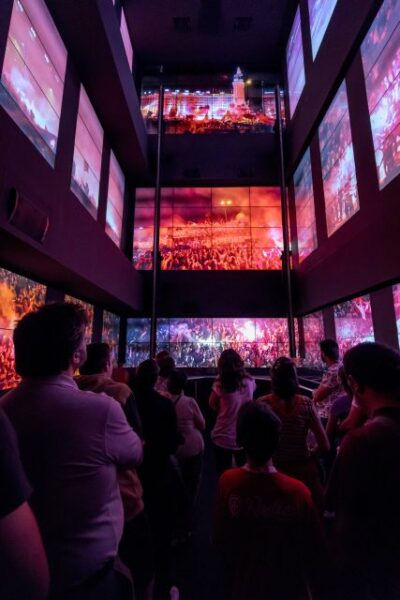
At different times, the museum has presented photography, large installations, light-based work, and playful displays built around sound or movement. Past exhibitions highlighted in the program included work by William Klein and Joana Vasconcelos. Another display involving drums was described as especially engaging, while other installations used fluorescent light tubes, light fans, humming glass, and a large central piece.
These examples show why you should check the current program if a particular artist matters to you. A museum with this much temporary space can feel remarkable on one visit and less satisfying on another.
The Gallery works best when you give the pieces time. Some works are easy to understand at a glance. Others ask you to walk around them, listen closely, or notice how your movement changes the experience. One installation involving humming glass, for example, encouraged visitors to see how their presence affected the sound.
That kind of work can be rewarding if you like art that is physical and open to interpretation. If you prefer a clear story, dates, and labels for every object, some rooms may feel thin. Large spaces can also make you wish for more pieces, especially when one major work occupies most of a room.
The architecture adds another layer. MAAT Gallery is not a neutral white box. Its curved exterior and unusual interior surfaces become part of the visit, especially when you move between floors or look out toward the river.
A few more museum visits around Portugal worth comparing
- Lisbon: 3D Fun Art Museum Admission Ticket
★ 4.6 · 401 reviews - Porto: 3D Fun Art Museum Porto Entry Ticket
★ 4.6 · 302 reviews - Lisbon: Royal Treasure Museum Entry Ticket
★ 4.3 · 123 reviews - Lisbon: National Tile Museum E-Ticket & Audio Guide
★ 4.3 · 121 reviews
Why the architecture deserves your attention
It is easy to treat the Gallery as a container for exhibitions and hurry straight to the art. I would not. The building is one of MAAT’s main attractions.
Its shape creates different viewpoints from the riverside, garden, and upper areas. The relationship between the new Gallery and the older power station is especially effective. One building is industrial and practical. The other is expressive and contemporary.
This contrast also makes MAAT a good choice if your interests reach beyond art. You can spend time studying the structure, then move into electricity history, then return to the waterfront for views and outdoor work.
Some visitors find the layout hard to follow. The museum does not always make the route obvious, and it is possible to miss a room or lose track of which building you are in. Ask staff for a map or directions when you arrive. That small step can save you from repeatedly retracing your path.
How much time should you allow?
The ticket is valid for one day, so you do not need to force the whole visit into a short slot. A quick visit could cover the main exhibitions and the power station, but I would allow a full afternoon if you like contemporary art.
Your time might break down like this:
- Start at the ticket office and collect the physical ticket.
- Visit MAAT Central and the Electricity Factory.
- Walk through MAAT Garden and spend time along the Tagus.
- See the current Gallery exhibitions.
- Return outdoors for architecture, sculptures, and a pause.
The exact length depends on the temporary displays and your interest in the electricity exhibits. Four exhibitions have been available in a single afternoon during past programs, but that is not a promise for every date.
The museum has a cafeteria, an ATM, and a gift shop at the Gallery. You can use these facilities to make the visit more comfortable, but food and drinks are not included with admission and are not allowed inside the exhibition areas.
The $17 price and what you receive
At $17 per person, the ticket is fairly priced if you plan to visit both buildings. You are paying for access to the Gallery, MAAT Central, the permanent electricity display, temporary exhibitions, outdoor areas, and any sculptures included in the museum’s program.
The value is weaker if you only want a quick look at the architecture. In that case, the riverside exterior and garden may provide much of what interests you without requiring a long museum visit.
The strongest value comes from combining several interests. Art lovers get changing exhibitions. Architecture fans get the Gallery itself. History-minded visitors get a former power station and its machinery. Families and curious adults can find a practical science story in the Electricity Factory.
Free guided tours are available on site, though the supplied information does not give fixed times or guide names. Ask at the museum when you arrive if a tour is running that day. A guide could be particularly useful if you want more help understanding the power station or finding your way through the Gallery.
Practical details that can make the visit easier
You exchange your voucher at the ticket office for a physical ticket. You are entitled to move ahead of the ticket office line, which is useful if the entrance is busy.
Transportation is not included, so you need to arrange your own way to Belém. The experience is valid for one day, with starting times depending on availability. Free cancellation is offered up to three days in advance for a full refund.
Large bags and luggage are not allowed. Lockers are available for a one euro coin, so bring one if you need to store a small item. Smoking, food, and drinks are also prohibited inside.
Bicycle parking is available. Pets are not permitted, although assistance dogs are allowed. Children must stay with an adult, and unaccompanied minors are not allowed.
MAAT is wheelchair accessible, with ramps and lifts reaching the upper floors. Two wheelchairs are available from the ticket offices on request. Toilets for visitors with special needs and baby-changing facilities are available in both buildings.
Photography is allowed within the stated rules, but flash photography is prohibited. Do not touch exhibits or cross safety barriers. Professional photography requires prior authorization.
Who will enjoy MAAT most?
I would recommend MAAT to anyone who likes contemporary art but also wants a museum with a strong physical setting. The combination of a former power station, a new architectural landmark, and the Tagus waterfront gives the visit more variety than a standard gallery stop.
It is also a good choice for architecture fans. You can appreciate the building even if a particular exhibition does not suit your taste.
Families may find the Electricity Factory more approachable than an abstract art display, especially if children are interested in machines, energy, or how cities work. Adults should keep children close and follow staff instructions around the exhibits.
You may want to skip it if you only enjoy traditional painting or need a tightly directed tour with a fixed route. The Gallery’s changing work can be abstract, spacious, or short on explanation. It rewards curiosity, but it does not always tell you exactly what to think.
If you are interested in contemporary art, give yourself time to look from different angles. Some works reveal more through movement, sound, or scale than through a quick glance.
Should you book the MAAT ticket?
Book it if you want a flexible museum visit that joins contemporary art with Lisbon’s industrial past. The former power station is the ticket’s most distinctive feature, while the Gallery and riverfront provide the visual appeal.
The main thing to check before booking is the current exhibition schedule. Your experience will depend heavily on what is installed, and occasional work in the Gallery can limit access to some areas.
At $17, I think the ticket makes sense for a half-day or afternoon visit, especially if you plan to use the garden and see both buildings. Go with an open mind, ask for directions at the start, and do not judge MAAT by the first room alone. Its best quality is the conversation between old machinery, new art, unusual architecture, and the river outside.
FAQ
Where is MAAT located?
MAAT is in Belém, in Lisbon District, Portugal, on the waterfront along the Tagus River.
What does the ticket include?
The ticket includes entry to MAAT Gallery and MAAT Central. It also covers access to the museum’s permanent and temporary exhibitions and outdoor spaces included in the program.
What is MAAT Central?
MAAT Central is a thermal power station built in 1908. Its Electricity Factory exhibition explains the process of transforming coal into electricity.
What can I see at MAAT Gallery?
MAAT Gallery presents temporary exhibitions involving contemporary artists, architects, and thinkers from Portugal and other countries. The specific exhibitions change over time.
Is MAAT Gallery connected to MAAT Central?
Yes. MAAT Garden connects the contemporary Gallery with the former power station along the Tagus River.
Are guided tours available?
Free guided tours are available on site. The supplied information does not specify fixed tour times, so ask at the museum when you arrive.
Is MAAT wheelchair accessible?
Yes. The museum has lift and ramp access to the upper floors. Two wheelchairs are available on request at the ticket offices.
Can I bring luggage or large bags?
No. Luggage and large bags are not allowed. Lockers are available for a one euro coin.
Are food and drinks allowed inside?
No. Food and drinks are not allowed inside the museum. A cafeteria is available at MAAT Gallery.
Can I cancel the ticket?
Yes. You can cancel up to three days in advance for a full refund.
Just added around Portugal
- Museum Heist Escape Game★ 5.0 · 28 reviews
- Tavira Total Tuk Tuk Tour: Tavira Tour & Tuna Museum Visit★ 4.9 · 21 reviews
- Lisbon: Benfica Museum Tour with Souvenir Scarf★ 4.8 · 27 reviews
- Madeira: Signature Wine Tasting, Skywalk & Nature Expedition★ 4.7 · 49 reviews
- Porto: Taylor’s Port Cellar Tour & WOW Museum Pack★ 4.7 · 24 reviews
- Porto: Cork Museum: Immersive and Perfect for Families★ 4.2 · 54 reviews
- Porto: National Museum Soares dos Reis E-Ticket & City Tour★ 4.0 · 18 reviews
- Portimao: 3D Fun Art Museum Entry Ticket★ 4.7 · 106 reviews
Museum Tours in Lisbon, compared.


Banksy Museum Permanent Exhibition Entry Ticket
Read our review →
Belem, Jeronimos Monastery, and Coach Museum Tour
Read our review →


Paint your tile and create your unique piece in an art gallery in Lisbon
Read our review →Browse the lists this tour appears in