
Review · LISBON
Lisbon: National Tile Museum E-Ticket & Audio Guide
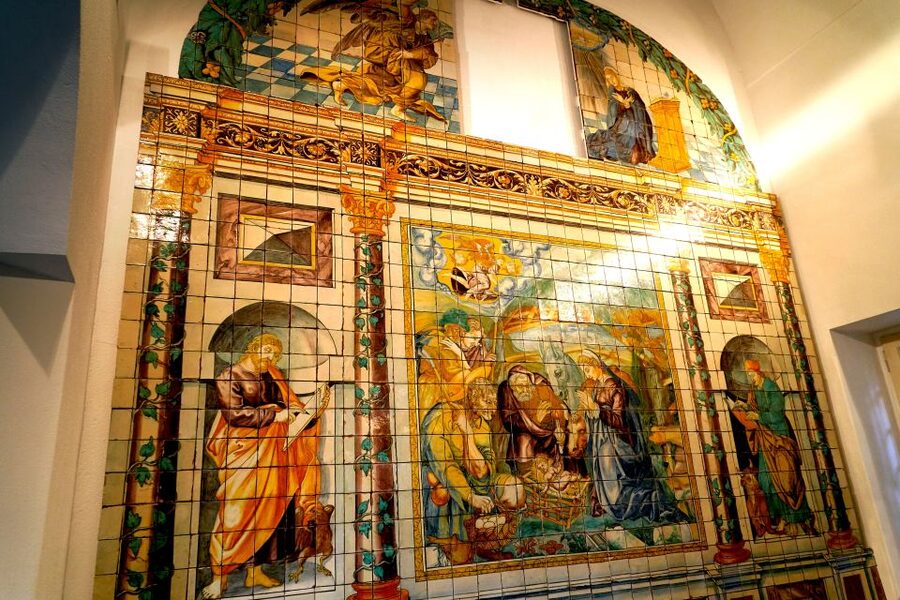
Lisbon’s National Tile Museum tells the story of Portugal through painted walls, geometric patterns, and brilliant blue-and-white panels. The Mickey Mouse panel, the Mudéjar designs, and the small Dona Leonor Chapel give you plenty to see, while the phone audio guide adds context about the country’s tile industry and medieval past.
I like the easy e-ticket and the freedom to move at your own pace. I also like that the audio content works offline, so you do not need a mobile signal once it is downloaded. The main drawback is that the audio is not always arranged in the same order as the museum, and you may need to advance manually to match the room you are visiting.
Key points at a glance
- See the unusual Mickey Mouse tile panel: This is one of the museum’s most memorable and unexpected pieces.
- Follow Portugal’s tile story: The audio guide connects medieval tilework with the country’s later tile industry.
- Explore the Dona Leonor Chapel: This 16th-century space adds architecture and atmosphere to the collection.
- Use your own pace and replay sections: Audio tracks can be played again, skipped, or paused as you move through the museum.
- Expect a 1 to 2-hour visit: You can move quickly, but the material rewards a slower visit.
- Plan for phone preparation: You need a compatible Android or iOS device, about 100 to 150 MB of storage, and your own headphones.
Why the National Tile Museum is worth your time
Lisbon is filled with tiled façades, church interiors, station walls, and street signs. The National Tile Museum gives you a useful way to understand what you are seeing around the city. Instead of treating tiles as decoration alone, it shows how patterns, techniques, religious scenes, and industrial production changed across centuries.
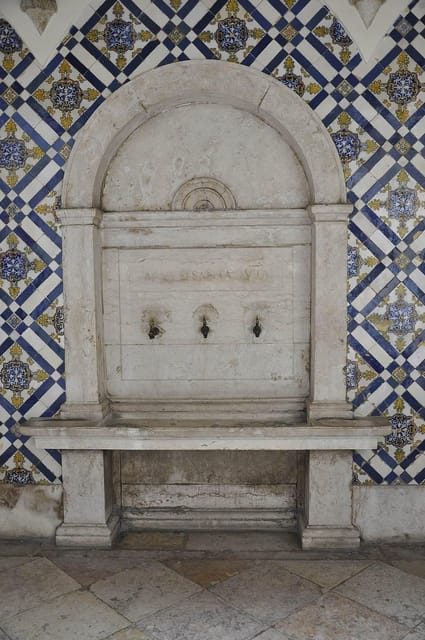
The museum itself provides much of the setting. You are not simply walking through a modern gallery with loose objects in glass cases. You see tiles arranged in panels and architectural spaces, including the Dona Leonor Chapel, where the surroundings help explain how tilework was used in religious life.
The audio guide is designed for an independent visit. It offers short stories, historical facts, and less familiar details that help connect the displays. I like this format for a museum where you may want to stop often for photographs or return to a panel after hearing something interesting.
You should not expect a live guide or a tightly managed group tour. The experience is built around your phone, your headphones, and your own walking speed. That makes it flexible, but it also means you are responsible for operating the app and finding the right audio section.
More Museum Tours in Lisbon
- Lisbon: Luz Stadium Tour & SL Benfica Museum Entry
★ 4.7 · 4,102 reviews - Lisbon: National Tile Museum Entry Ticket
★ 4.6 · 868 reviews - Lisbon: MAAT Gallery and MAAT Central Entry Tickets
★ 4.0 · 559 reviews
Entering with the e-ticket and phone guide
The ticket arrives by email with instructions for downloading the app and audio content. Check your spam folder if the message does not appear soon after booking. Download everything before you arrive, since the offline content includes the text, narration, and maps.
You need an Android phone running version 5.0 or later, or an iPhone that meets the stated compatibility requirements. The guide does not work with Windows Phones, iPhone 5 or 5C models, older iPod Touch devices, iPad 4 or older models, or the first-generation iPad Mini. Set aside around 100 to 150 MB of storage.
Bring headphones and make sure your phone has enough battery for the visit. A smartphone and headphones are not supplied. These details sound minor, but a phone-based museum visit becomes awkward if you are holding the device to your ear or trying to share one speaker with someone beside you.
The ticket includes skip-the-line service for the adult admission option, though the information warns that long lines can still occur at the entrance. Free and reduced-price tickets must be obtained at the museum and do not include skip-the-line privileges. Children up to age 12 enter free.
The museum’s tile story, from medieval patterns to modern production
The audio guide’s central value is its explanation of how tiles became part of Portuguese culture. You learn about the tile industry from Portugal’s medieval period through the modern day, with brief stories tied to particular rooms and objects.
The museum presents tilework as more than a collection of pretty surfaces. Patterns and scenes can show outside artistic influences, religious ideas, technical changes, and the growth of production. The Mudéjar-patterned tiles are a good example. Their repeating geometry gives you a chance to study design closely while considering the cultural connections behind the style.
I recommend listening to the introductory material, then looking carefully before moving on. Tile panels can seem repetitive if you rush past them. Once you notice the differences in color, line, border, and layout, the walls become easier to read.
The narration is in English. It is not a live explanation, so you can replay a section as many times as you wish. That works well if you prefer to stop and examine a panel rather than listen while walking.
Mickey Mouse panel and other memorable displays
The Mickey Mouse tile panel is one of the museum’s most distinctive talking points. It breaks up the older religious and geometric material with a surprising modern reference. Its presence also reminds you that tile art did not end with Portugal’s earlier decorative traditions.
You will also see a diamond-patterned panel and the Mudéjar designs. These displays are especially useful for anyone interested in patterns, interior design, architecture, or photography. The repeated shapes reward close attention, and the audio guide helps explain why the patterns matter rather than leaving you with only a visual impression.
A 16th-century tile receives attention in the audio experience, giving you a direct link to the museum’s earlier material. The narration also covers the Dona Leonor Chapel, where the setting itself becomes part of what you are viewing.
The museum offers enough variety for a short visit, but you can easily stay longer if you read labels, study the tile surfaces, or listen to every audio section. The stated visit length is 1 to 2 hours. That is a realistic first estimate, though you may want more time if tilework interests you.
A few more museum visits around Portugal worth comparing
- Lisbon: National Coach Museum Entry Ticket and Audio Guide
★ 4.5 · 49 reviews - Istanbul: Topkapi Palace & Harem Museum Ticket & Audio Guide
★ 4.1 · 3,977 reviews - Paris: Orsay Museum Entry Ticket and Digital Audio Guide App
★ 4.4 · 3,170 reviews - Florence: Uffizi Gallery Timed Entry Ticket & Audio Guide
★ 4.2 · 2,794 reviews
Using the audio guide without losing your place
The audio guide is informative, but its layout requires attention. The tracks do not always follow the exact order in which you walk through the museum. If you simply press play from the beginning and keep moving, the narration may describe a section you have already passed or one that is still ahead.
The practical fix is simple: use the room or image markers in the app and advance to the section that matches where you are. The guide includes maps and visual references, so take a moment at the start to learn how to move between sections.
I would begin with a short test. Put on your headphones, play one track, check the volume, and see how the app identifies the room or display. This saves time later. You can also skip sections if your schedule is tight, then return to them if you find a quiet place to listen.
The audio guide is not essential for enjoying the museum. Wall labels provide useful information, and a free download may be available at the museum according to the supplied experience feedback. Still, the paid audio guide adds a more connected story and gives you historical context in a convenient format. Its value depends on how much you want explanation rather than simply a beautiful collection.
The Dona Leonor Chapel and the museum setting
The chapel is one of the most important stops because it combines tilework with architecture. Instead of seeing individual tiles as isolated objects, you can consider how decorative surfaces shaped a complete room.
The setting also helps vary the visit. After examining panels and patterns, the chapel provides a change in scale and mood. The audio guide points you toward its place in the museum’s story, while the building allows you to see how tilework functioned as part of a larger interior.
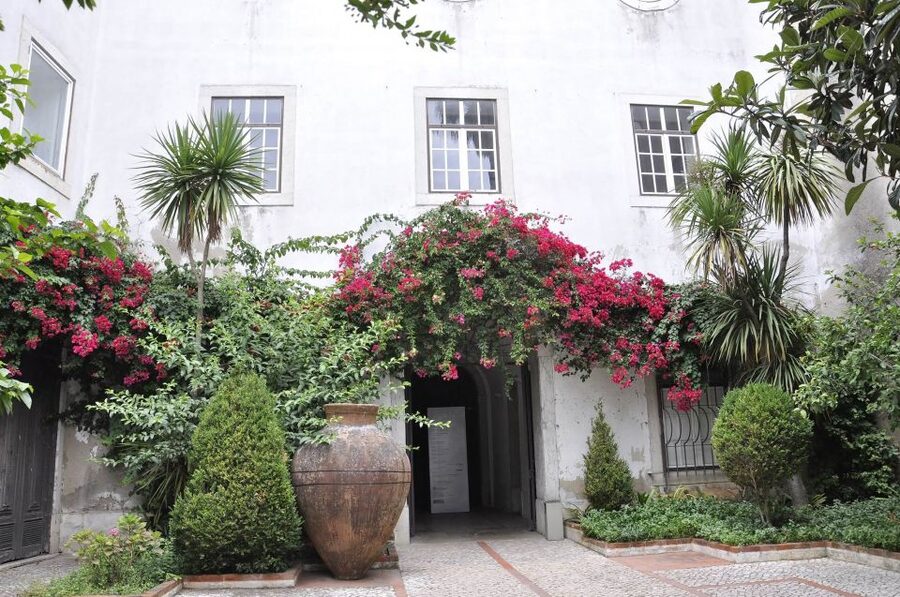
The museum also includes a courtyard area near the cafeteria, with tables and chairs where you can sit with food and drink. That makes the visit easier to manage if you need a break, especially if you are traveling with children or combining the museum with other stops in Lisbon.
One practical note: the exact meeting point may vary according to the option you book, and the activity ends back at the meeting point. Since this is an independent museum visit rather than a walking tour, confirm the instructions in your booking email before setting out.
How much time should you allow?
For a quick look at the main panels, 1 hour may be enough. If you listen to most of the audio, pause for the chapel, and study the tile designs, plan closer to 2 hours.
The experience is not built around a fixed start time in the museum. You check availability for entry times, then explore at your own pace once inside. That flexibility suits a Lisbon itinerary where meals, transport, and other sights can shift during the day.
I would avoid squeezing this into a rushed gap between two timed attractions. The audio guide works best when you have enough time to stop, listen, and look. If you have only a few minutes, you can still see the main displays, but you will not get the full benefit of the historical explanation.
The museum is wheelchair accessible. The entry area may still involve waiting, and the course of the visit can be changed by site rules. Follow staff instructions if a room or route is temporarily adjusted.
Is the $16 price good value?
At $16 per adult, the ticket is reasonably priced if you want both admission and a structured English explanation. You are paying for convenience, the adult entry ticket, skip-the-line service, and the downloadable audio material rather than for a live guide.
The value is strongest for independent visitors who would otherwise spend time researching the museum before arriving. The audio guide gives you a ready-made path through the collection and lets you replay information without joining a group.
The value is weaker if you already know Portuguese tile history, prefer reading wall labels, or do not want to manage an app. Some people may find the free information available at the museum adequate. In that case, the ticket still provides admission, but the audio portion may not justify the extra cost for your interests.
Remember that the booking is per device, not per participant. If two people plan to use separate phones, book for both devices. If you are sharing one phone and one pair of headphones, the device rule is the important detail, though sharing audio is less comfortable.
Free admission for children up to age 12 also changes the calculation for families. Children may not need their own paid ticket, while adults should check the available ticket options carefully because free and reduced admissions do not receive skip-the-line privileges.
Who will enjoy this museum visit?
I recommend this experience if you like architecture, decorative art, church interiors, design, or the everyday details that shape a city. It is also a good choice if you have seen tiles across Lisbon and want to understand where those patterns and techniques came from.
The format suits you if you prefer to explore alone, pause often, and choose which stories matter most. You can skip audio sections, repeat them, or spend extra time with one panel.
It may be less suitable if you want a human guide who can answer questions. It is also not ideal if you dislike downloading apps or if your phone is old or short on storage. The audio order can feel confusing at first, so anyone expecting a perfectly guided route should prepare to navigate between sections manually.
Families can make the visit work, especially with the courtyard seating and free admission for younger children. Keep in mind that the subject is visual and historical, so the best family visit may be a shorter tour focused on the most unusual displays, including the Mickey Mouse panel.
Booking and cancellation details
You can cancel up to 24 hours before the activity for a full refund. The booking information says the activity is wheelchair accessible and limited to a small group of up to 10 participants, though the museum visit itself is self-guided.
Follow the museum’s rules if the route changes. Long entrance queues are possible even with the ticket, so skip-the-line should be viewed as a convenience rather than a guarantee of immediate entry.
Should you book the National Tile Museum ticket?
Book it if you want a calm, self-guided museum visit with clear historical background and the convenience of an adult e-ticket. The Mickey Mouse panel, diamond patterns, Mudéjar tiles, and Dona Leonor Chapel give the visit enough variety, while the audio guide explains how tilework became part of Portugal’s visual identity.
Think twice if you dislike phone-based tours or prefer a guide who walks beside you. Download the app early, bring headphones, and expect to select audio sections yourself rather than follow a perfect room-by-room sequence.
For $16, I consider this a good fit for independent visitors who want more than a quick look at colorful walls. It is not a must-buy for everyone, but it offers useful context, flexible pacing, and a memorable way to read Lisbon’s tiles beyond the city streets.
FAQ
Where is the National Tile Museum experience located?
The experience takes place at the National Tile Museum in Lisbon District, Portugal.
How long does the visit take?
The stated duration is 1 to 2 hours. You can shorten the visit by skipping audio sections or spend longer studying the displays.
Is the audio guide included?
Yes. An English smartphone audio guide is included with the adult entry ticket.
Do I need my own smartphone?
Yes. You need an Android or iOS smartphone to use the audio guide. The phone is not provided.
Do I need headphones?
Yes. Headphones are not included, so bring your own if you want to listen privately.
Does the audio guide work offline?
Yes. Offline content includes text, audio narration, and maps. You need to download it before or during the preparation for your visit.
How much storage does the app need?
You should have around 100 to 150 MB of available storage on your phone.
Is the museum wheelchair accessible?
Yes. The museum is wheelchair accessible.
Are children admitted free?
Children up to 12 years old enter free. Free and reduced admission tickets must be obtained on-site and do not include skip-the-line privileges.
Can I cancel the booking?
Yes. You can cancel up to 24 hours in advance for a full refund.
More Audio-Guided Visits in Portugal
- Athens: Acropolis Museum Ticket with optional Audio Guide
★ 4.4 · 2,652 reviews - Bruges: Choco-Story Museum with Audio Guide and Tastings
★ 4.2 · 1,825 reviews - Athens: National Archaeological Museum Ticket & Audio Guide
★ 4.3 · 1,330 reviews - Madrid: Prado Museum Ticket with In-App Audio Guide
★ 3.6 · 1,154 reviews
Just added around Portugal
- Museum Heist Escape Game★ 5.0 · 28 reviews
- Tavira Total Tuk Tuk Tour: Tavira Tour & Tuna Museum Visit★ 4.9 · 21 reviews
- Lisbon: Benfica Museum Tour with Souvenir Scarf★ 4.8 · 27 reviews
- Madeira: Signature Wine Tasting, Skywalk & Nature Expedition★ 4.7 · 49 reviews
- Porto: Cork Museum: Immersive and Perfect for Families★ 4.2 · 54 reviews
- Porto: Taylor’s Port Cellar Tour & WOW Museum Pack★ 4.7 · 24 reviews
- Porto Region Museum: a Thousand Years Of History★ 4.2 · 22 reviews
- Porto: National Museum Soares dos Reis E-Ticket & City Tour★ 4.0 · 18 reviews
Museum Tours in Lisbon, compared.


Banksy Museum Permanent Exhibition Entry Ticket
Read our review →
Belem, Jeronimos Monastery, and Coach Museum Tour
Read our review →

Paint your tile and create your unique piece in an art gallery in Lisbon
Read our review →Browse the lists this tour appears in