
Review · PARIS
Louvre Museum: Mona Lisa Without the Crowds Last Entry Tour
The best part of this Louvre tour comes at the end: you reach the Mona Lisa near closing time, when the room is often calmer and you have a better chance of getting close to the painting. I like the small group of no more than 15 and the way an art historian gives meaning to works that can otherwise blur together in a giant museum.
I also like the focused three-hour route. You see major Greek and Roman sculpture, Michelangelo, Raphael, Caravaggio, Delacroix, Géricault, da Vinci, and the Crown Jewels without trying to conquer every gallery. The tradeoff is that this is still a brisk walking tour, and the Louvre may change the route if rooms close or crowds become difficult.
Key points to know
- Mona Lisa near closing time: The final stop is the painting itself, with a quieter setting than the middle of the day.
- A useful first visit: The route covers famous works and gives you a clear sense of how the museum fits together.
- Art historians lead the way: Guides such as Hugo, Violette, Claire, Antoine, and Adam have been praised for strong storytelling, humor, and clear explanations.
- Skip-the-line entry included: You avoid the regular ticket line, though security checks still take time.
- Small-group format: Groups can be limited to 15 people, with headsets supplied.
- Important meeting point: Meet at the winged statue to the left of the Arc de Triomphe du Carrousel, not at the Arc de Triomphe on the Champs-Élysées.
Why the last Louvre entry matters
The Louvre is not simply a large museum. It is a former royal palace with rooms, courtyards, staircases, and collections spread across a huge complex. If you walk in without a plan, it is easy to spend too much time finding your way and too little time looking at art.
This tour uses the final entry period to give your visit a clear shape. You begin with the museum’s major sights, then finish in the Mona Lisa room. That order matters. Instead of rushing straight to Leonardo’s famous portrait and then wandering without direction, you build up to it.
The late timing should not be mistaken for an empty Louvre. The museum can still be busy, and the Mona Lisa remains popular. But the closing period often brings a more manageable pace. You may have space to stand back, look carefully, and take a photograph without the same wall of people found at peak hours.
The tour receives a listed price of $97 per person. That is not a cheap museum ticket, but the price includes admission, skip-the-line access, a guide, and headsets. The value depends on how you like to visit museums. If you enjoy reading labels and setting your own route, you may prefer an ordinary ticket and more time alone. If the Louvre feels overwhelming, the guide can save you hours of navigation and help you understand why the works matter.
More Museum Tours in Paris
- Paris: Louvre Museum Timed-Entrance Ticket
★ 4.6 · 71,977 reviews - Paris: Orsay Museum Entry Ticket
★ 4.7 · 25,647 reviews - Louvre Museum Masterpieces Guided Tour with Access
★ 4.5 · 12,023 reviews
Finding the guide at the Carrousel
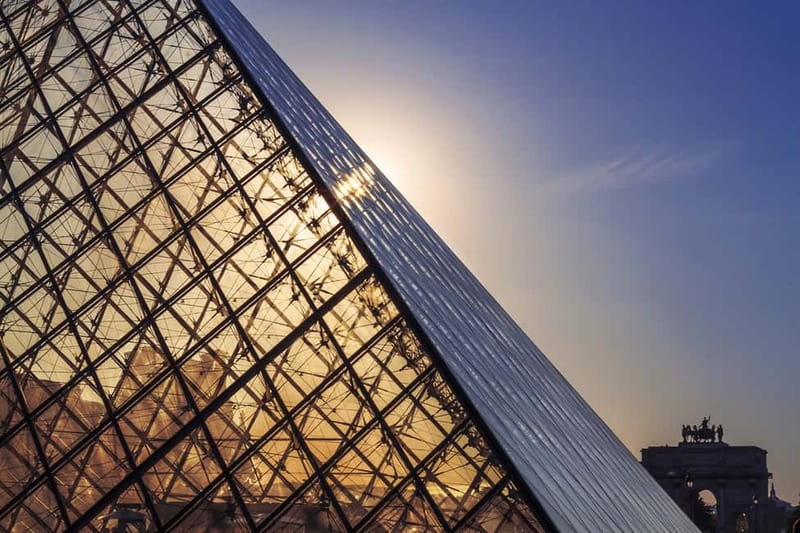
Your meeting point is the Arc de Triomphe du Carrousel, in front of the Louvre and opposite the pyramid entrance to the Tuileries Gardens. This is not the Arc de Triomphe de l’Étoile at the top of the Champs-Élysées.
When you face the Carrousel arch, look for the winged statue on the left. Your guide holds a green Walks sign. Arrive 15 minutes before the start time, since the group needs to gather before entering.
This location is easy to misunderstand, especially if you search for Arc de Triomphe in a map app. Check the full name before setting out. One person specifically found the meeting area hard to locate because it is away from the main museum entrance, so give yourself extra time.
The tour ends back at the Louvre meeting point. There is no hotel pickup or drop-off, so you must make your own way to and from the museum.
The first 2.5 hours: a sensible path through the Louvre
The main Louvre visit lasts about two and a half hours. Your guide does not try to show you every gallery. Instead, you move through a selection of rooms and landmarks that explain the museum’s art and its former royal setting.
You begin at the palace foundations and moat. This is a useful opening because it gives you a physical sense of what came before the grand museum. Rather than treating the Louvre as a collection of disconnected rooms, the guide shows how the building developed.
From there, the route turns to Classical Greek sculpture. The Venus de Milo is one of the museum’s best-known works, but its fame can make it easy to glance at the statue and move on. A good guide slows the moment down, pointing out the pose, missing arms, and the way the work has been viewed over time.
The Winged Victory of Samothrace is another major stop. Set high on a staircase, the statue has a theatrical presence even before you study its details. Your guide can help you notice the movement of the wings, the folds of the clothing, and the sense of arrival built into the display.
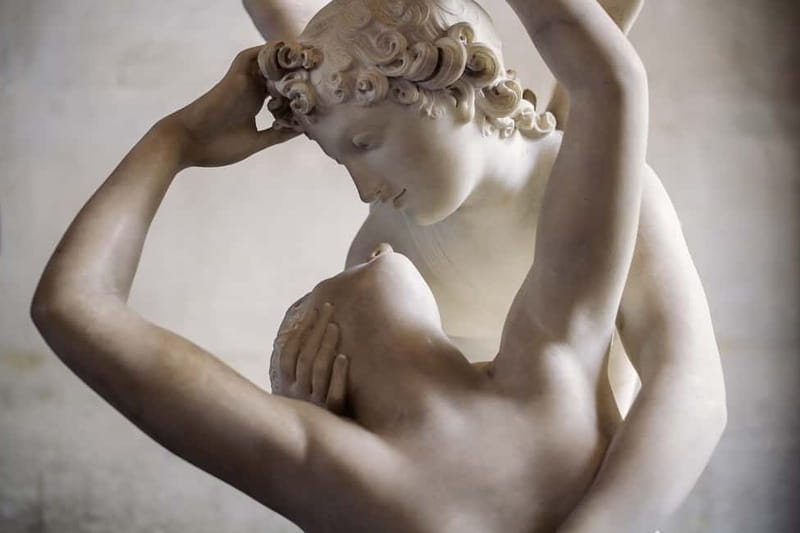
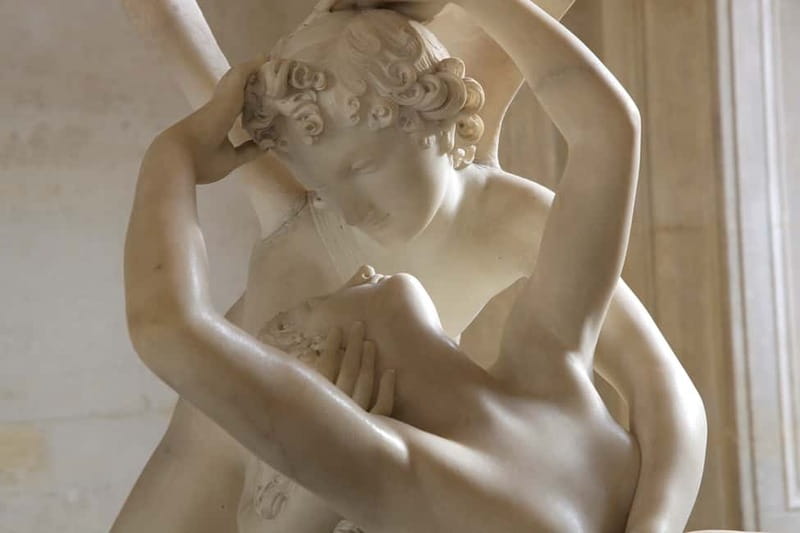
You also see Cupid and Psyche and Michelangelo’s Slaves. These works give the route a useful range. One is tender and mythological, while the other reveals Michelangelo’s interest in figures that appear to struggle free from stone.
The tour then turns to French painting and political history. Delacroix’s Liberty Leading the People is not just a large, dramatic canvas. It connects art with revolution, national identity, and the way political events are turned into symbols. This is the sort of context that makes a guided visit worthwhile. You are not left to admire the colors without understanding the scene.
Other stops include Caravaggio, Raphael, and Leonardo da Vinci. The guide may compare different approaches to light, composition, religious subjects, and human emotion. The value is not only in identifying famous names. It is in seeing how the paintings relate to one another.
Géricault’s The Raft of Medusa adds a darker note. Its Romantic drama and emotional force can be striking in person, especially when you know the event that shaped the painting. A guide can explain how the work reflects its time and why its composition feels so urgent.
The route also enters a room displaying Crown Jewels. This offers a change from paintings and sculpture. The objects are decorative, political, and tied to the power of the French monarchy. You get a reminder that the Louvre was once a place of court life, not only a home for masterpieces.
The Mona Lisa at the end
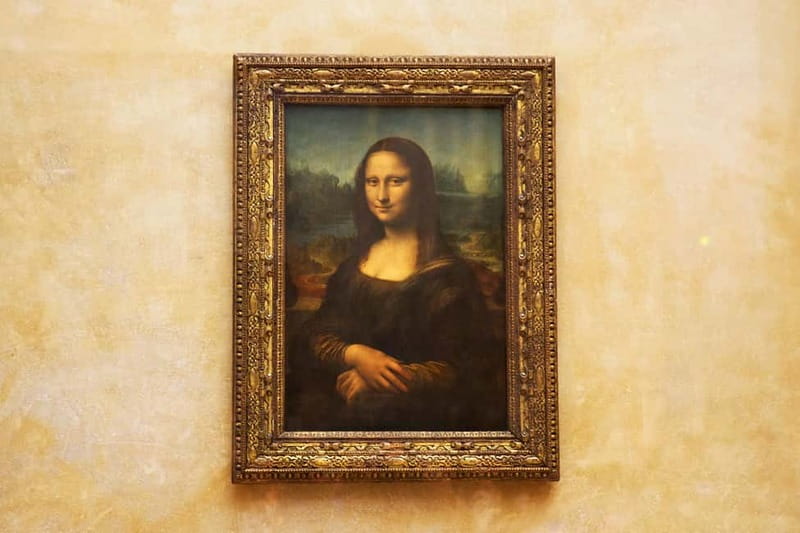
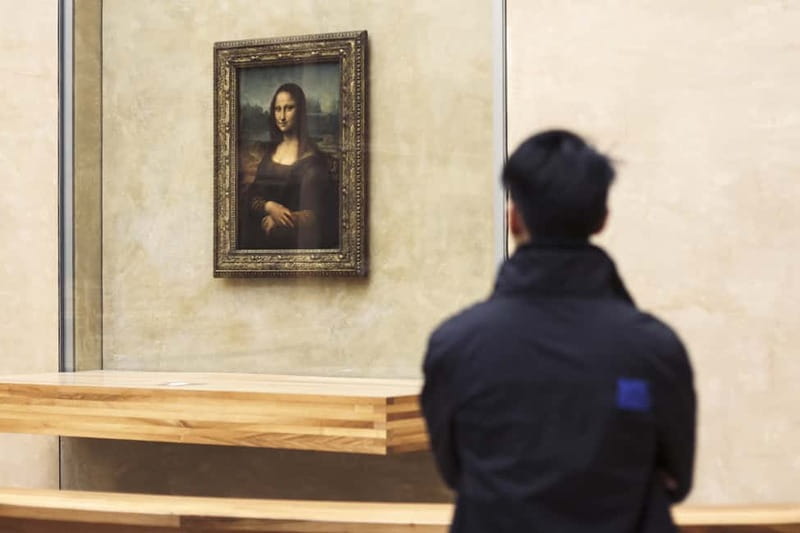
The final 30 minutes focus on La Joconde, or the Mona Lisa. The painting is smaller than many first-time visitors expect, and the room can feel crowded at ordinary hours. The point of this tour is to make the encounter less hurried.
You should still keep your expectations realistic. No tour can guarantee an empty room or unlimited time in front of the painting. The museum controls the space, and other people will be present. Still, arriving close to closing gives you a better chance of getting near the barrier and taking in the details without the daytime crush.
The guide sets the stage by explaining the painting’s place in Leonardo’s work and the questions that have kept people studying her expression. Once the guided portion is done, you have time to look for yourself.
This is where the tour’s timing earns its keep. After two hours of major sculptures and paintings, you arrive with some context. The Mona Lisa is no longer just a famous face on a wall. You can think about Leonardo’s use of expression, the landscape behind the figure, and the tension between the portrait’s small scale and enormous reputation.
The tour ends after leaving the museum. If you want to browse the gift shop, do not count on it being open after the tour. One group found the shop closed when the visit finished around 5 p.m., so shop earlier if souvenirs matter to you.
More Louvre tours and timed tickets:
- Paris: Louvre Museum Entry Ticket With Host and River Cruise
★ 4.6 · 9,926 reviews - Mona Lisa & Louvre Masterpieces Tour with Reserved Access
★ 4.6 · 6,812 reviews - Louvre Museum – Exclusive Guided Tour (Entry Included)
★ 5.0 · 6,296 reviews - Paris: Louvre Museum Hosted Entry and Mona Lisa Audioguide
★ 4.6 · 5,235 reviews
The guides make or break the experience
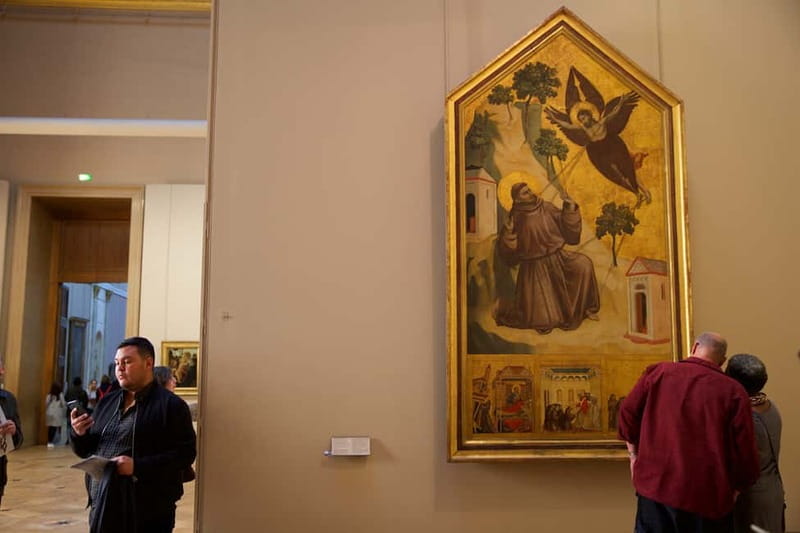
The guide is the main reason to choose this tour instead of visiting with an audio guide. The strongest guide reports describe lively storytelling, clear explanations, and an ability to connect art with social and political events.
Hugo is praised for mixing art knowledge with warmth, humor, and even music clips. Laurence is described as especially strong at linking an artwork to the period that produced it and to later artistic influence. Violette is noted for energy, wit, and a gift for making information memorable.
Other named guides include Lee, Antoine, Claire, Adam, Abby, Bel, Daniel, Manuel, and Karen. Their styles will differ, since your guide is assigned rather than selected by you. That said, the repeated strengths are useful clues: expect a guide who keeps the group moving, explains the major works, and answers questions as the route unfolds.
The best guides also help with practical movement. The Louvre can involve crowded rooms, confusing turns, stairs, and several security checks. Daniel was praised for keeping the pace comfortable and helping the group handle weather and seven security checkpoints. Abby received special praise for making the tour work for a family ranging in age from 14 to 81.
Headsets are included. That matters in large rooms, where a guide speaking at normal volume may be hard to hear. You can keep looking at the artwork instead of standing shoulder to shoulder around the guide.
Group size, walking pace, and access
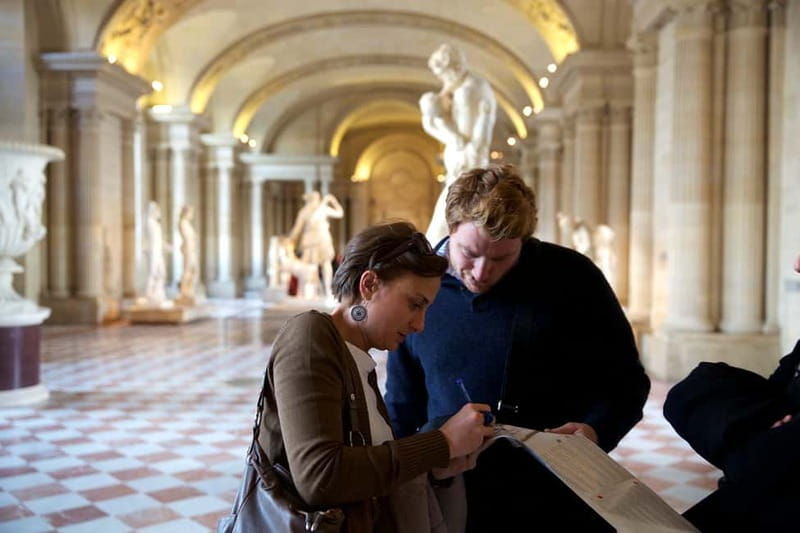
The small-group option is limited to 15 people. That is intimate enough for questions without the high price of a private tour. It also makes it easier for the guide to gather everyone before moving to the next room.
You need to walk at a moderate pace for three hours. Comfortable shoes are essential. The tour is not suitable for wheelchair users, people with mobility impairments, or strollers. Baby strollers, luggage, and large bags are not allowed.
Bring a passport or ID card. Full first and last names for everyone in your booking, including children, must be supplied when you reserve. Missing names can lead to a canceled booking.
The tour is in English. If your group includes teenagers, the guide’s storytelling style may matter as much as the art content. The strongest reports describe guides who used humor, modern connections, and fun facts to keep younger people involved.
Who should book this Louvre tour
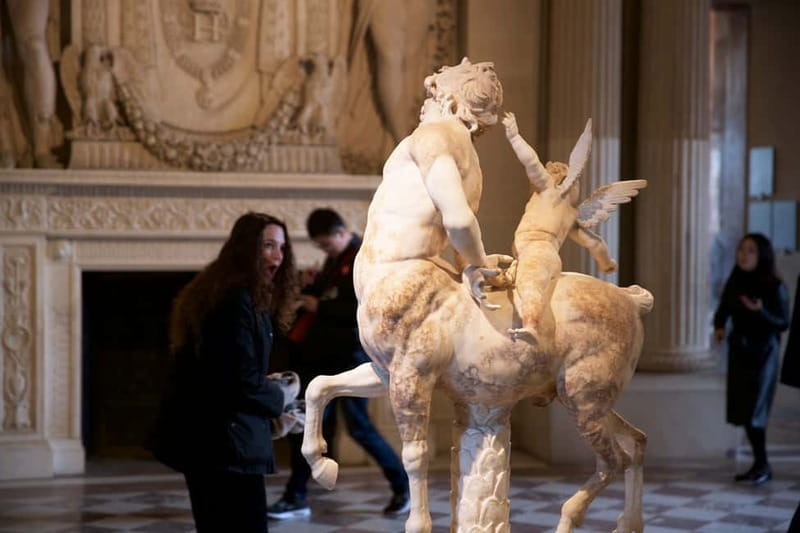
I would choose this for a first Louvre visit, especially if you have limited time in Paris and want the major sights without planning a complicated route. It also suits you if you like art but do not want to spend hours reading labels or trying to understand the palace layout on your own.
The late entry is a strong fit for anyone who dislikes peak crowds. It is not a promise of solitude, but it can give the Mona Lisa encounter a calmer feel. The small group is useful for couples, families, and solo visitors who want company without joining a large crowd.
You may want a different option if your priority is the Egyptian collection, Islamic art, decorative arts, or a long independent visit. This route focuses on famous highlights and ends near closing, so you will not have much time afterward to explore other sections.
It is also not ideal if you tire easily while walking or need step-free access. The Louvre is demanding even on a well-planned visit, and this tour keeps moving through a large building.
Booking, cancellation, and timing tips
The duration is three hours, but starting times vary, so check the available date and time before booking. The tour offers free cancellation up to 24 hours in advance and a reserve-now, pay-later option, which is useful when your Paris schedule is still shifting.
Plan your route to the meeting point carefully. Arriving at the wrong Arc de Triomphe can ruin the start of the evening. Wear comfortable shoes, carry only what is allowed, and arrive early enough to find the green sign without rushing.
The Louvre may close individual areas. If that happens, the guide can change the route. This is normal for a working museum, but it means no guided visit can promise every listed artwork on every date.
Should you book it?
Book this tour if you want a well-paced introduction to the Louvre, prefer expert guidance, and care most about seeing the famous works before a quieter Mona Lisa visit. The $97 price makes the most sense when you value skip-the-line entry, a small group, headsets, and three hours of interpretation.
Skip it if you want to set your own route, spend the entire day in one department, or need wheelchair or stroller access. For most first-time visitors who find the Louvre intimidating, the combination of a focused route and late Mona Lisa stop is a practical way to see the museum without feeling completely swallowed by it.
FAQ
How long does the tour last?
The tour lasts three hours. About two and a half hours are spent on the guided Louvre route, followed by about 30 minutes focused on the Mona Lisa.
Where does the tour meet?
It meets at the Arc de Triomphe du Carrousel in front of the Louvre, opposite the pyramid entrance to the Tuileries Gardens. Face the arch and meet at the winged statue on the left.
Is this the same Arc de Triomphe as the one on the Champs-Élysées?
No. The meeting point is the Arc de Triomphe du Carrousel by the Louvre, not the Arc de Triomphe de l’Étoile on the Champs-Élysées.
How early should I arrive?
Arrive 15 minutes before the scheduled start time. The guide will be holding a green Walks sign.
Is skip-the-line entry included?
Yes. Skip-the-line entry to the Louvre Museum is included, along with the local guide and headsets.
Is the tour in English?
Yes. The live tour guide and the tour commentary are in English.
What artworks and areas are included?
The route may include the palace foundations and moat, Venus de Milo, Winged Victory of Samothrace, Cupid and Psyche, Michelangelo’s Slaves, Liberty Leading the People, works by Caravaggio, Raphael, and da Vinci, The Raft of Medusa, Crown Jewels, and the Mona Lisa.
Can the route change?
Yes. Areas of the Louvre may close, so the guide may need to modify the route on the day of the tour.
Is the tour suitable for wheelchairs, strollers, or people with mobility impairments?
No. The tour is not suitable for wheelchair users, people with mobility impairments, or strollers.
What should I bring and what is not allowed?
Bring a passport or ID card and wear comfortable shoes. Baby strollers, luggage, and large or oversized bags are not allowed.
Just added around Paris
- Rodin Museum Masterpieces – Guided Tour up to 8 guests★ 4.9 · 13 reviews
- Invalides Museum – WWI & WWII – Guided Tour up to 8 guests★ 5.0 · 32 reviews
- Skip the Line Guided Tour of Louvre Museum Highlights★ 5.0 · 49 reviews
- Paris: Louvre Museum Highlights Small-Group Guided Tour★ 4.8 · 157 reviews
- From Paris: Private Trip to Giverny, Monet’s House & Museum★ 4.5 · 13 reviews
- Paris: Street Art Open-Air Museum Bike Tour★ 4.8 · 51 reviews
- Paris: Rodin Museum Ticket & Optional Digital AudioGuide App★ 4.7 · 56 reviews
- Paris: The Rodin Museum and Seine River Cruise★ 4.6 · 45 reviews
Museum Tours in Paris, compared.

Louvre Museum Masterpieces Guided Tour with Access
Read our review →
Louvre Museum Entry Ticket With Host and River Cruise
Read our review →
Les Invalides: Napoleon’s Tomb & Army Museum Entry
Read our review →
Mona Lisa & Louvre Masterpieces Tour with Reserved Access
Read our review →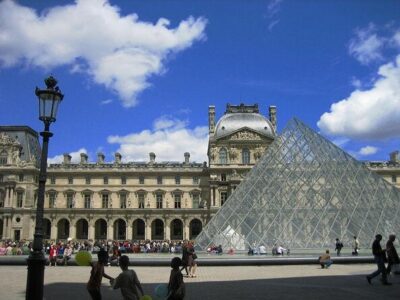
Louvre Museum – Exclusive Guided Tour (Entry Included)
Read our review →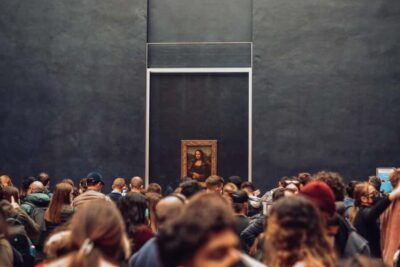
Louvre Museum Hosted Entry and Mona Lisa Audioguide
Read our review →Browse the lists this tour appears in