
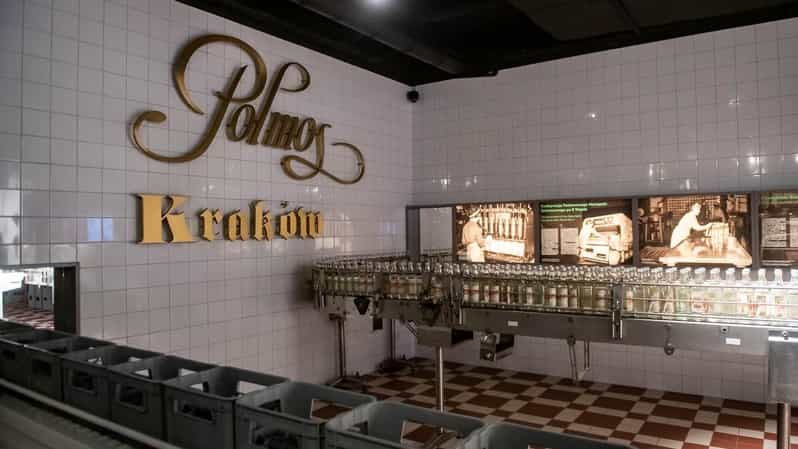
Review · KRAKOW
Krakow: Vodka Factory Museum Entry Ticket and Tasting
The most interesting part of this Krakow experience is its setting: a museum inside the historic Fabryczna City complex, where vodka is presented as industry, trade, agriculture, technology, and social custom. Seven themed halls use sets, films, old equipment, and sound to tell the story, ending with a tasting.
I like the broad scope and the freedom to move at your own speed. I also like that the vodka tasting gives the visit a clear finish rather than leaving you with a row of displays and no payoff. The main drawback is language: much of the written material is in Polish and English, and the audioguide can be hard to follow in a group if several devices are speaking at once.
Key points to know before you go
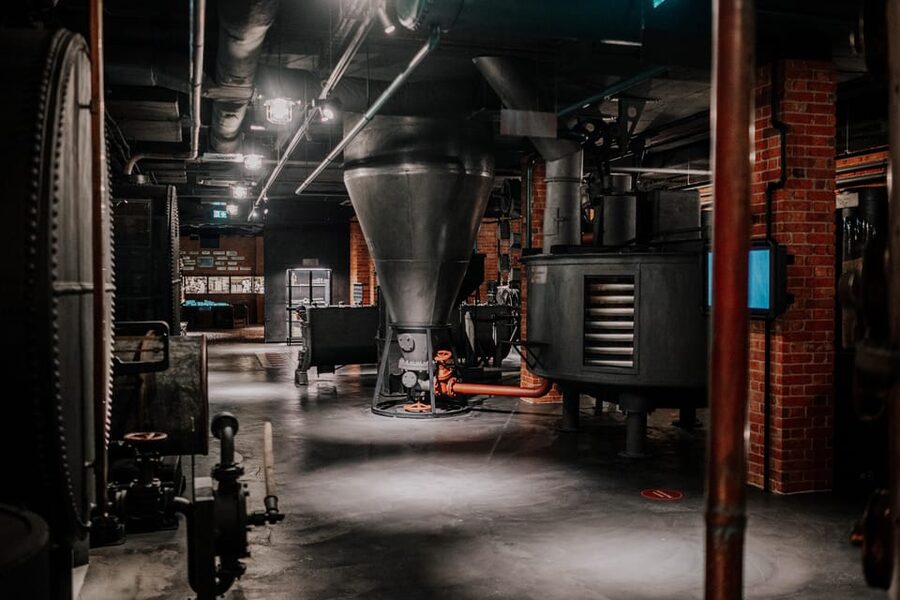
- Seven themed halls: Follow vodka production from medieval distilling and noble feasts to industrial factories, railway loading, and the Polish People’s Republic period.
- A museum built for visual learning: Nearly 1,500 square meters include multimedia displays, reconstructed spaces, historical equipment, and a small cinema.
- Tasting included: The visit ends with a vodka tasting, one of the most popular parts of the experience.
- Self-guided format: You receive an audioguide in English, German, French, Italian, or Ukrainian, but there is no live guide.
- Useful language warning: Exhibition text is in Polish and English. The audio content helps, but it may not translate every written panel.
- Easy to fit into a Krakow day: The museum is at 13 Fabryczna Street, entry is wheelchair accessible, and your ticket is valid for one day with unlimited time inside.
Entering the Fabryczna City vodka museum
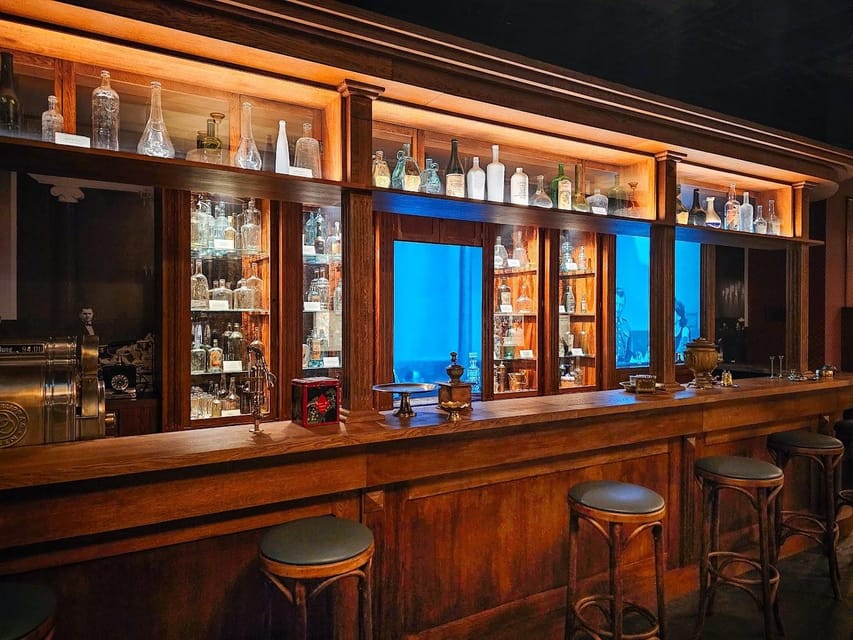
The Vodka Factory Museum is at 13 Fabryczna Street, inside the Fabryczna City complex. This is not a small tasting room with a few bottles on shelves. The museum occupies nearly 1,500 square meters, with much of that space given to an interactive exhibition.
You begin with an entry ticket and an audioguide rather than a live tour. An English-speaking host or greeter is available, but the actual visit is self-guided. That setup gives you control over the pace. You can spend extra time on a display that catches your eye, or move quickly through a section that feels less important to you.
The museum uses reconstructed settings as much as traditional cases. That matters because vodka production can become a dry subject when it is reduced to dates and machinery. Here, the story is told through rooms, sounds, films, objects, and staged scenes that show how production connected with daily life and business.
The ticket is listed at $22 per person. For that price, you are paying for the museum entry, unlimited time inside, the audio content, and the tasting. It is fair value if you want a structured indoor activity with a cultural angle. It is less convincing if you only want a quick drink, since the main point is the exhibition and not simply the final sample.
More Museum Tours in Krakow
- Schindler’s Factory in Krakow: Guided Tour & Skip the Line Ticket
★ 4.5 · 1,714 reviews - Auschwitz-Birkenau Museum and Memorial Guided Tour from Krakow
★ 4.5 · 1,510 reviews - Krakow: Rynek Underground Museum Guided Tour
★ 4.6 · 1,122 reviews
Seven halls, seven ways to see vodka
The exhibition is organized into seven thematic halls. I like this format because it breaks a large subject into manageable chapters. You are not asked to absorb one long lecture about distilling. Instead, each area offers a different setting and a different question about vodka.
The first sections look at early production. You can see a medieval distillation apparatus and learn how alcohol was made before modern factory systems. The focus is not only on the drink itself, but also on the methods, recipes, and tools that shaped production over time.
Ancient recipes and older technology are part of the story. That gives you a useful link between craft and industry. The museum shows that vodka production did not appear fully formed. It changed as equipment improved, ingredients were handled differently, and distillers found ways to make the process more consistent.
A later scene presents a feast in a noble court. This is a welcome change of pace from machinery. It places spirits in a social setting and suggests how drinking habits were tied to status, hospitality, celebration, and power.
You should not expect a formal meal or a historical performance. It is a reconstructed display, supported by multimedia material. Still, it helps explain why vodka belongs to cultural history as much as to manufacturing history.
From small distilleries to industrial production
One of the strongest parts of the route is the shift from older methods to the distillery revolution. Here, the museum turns toward industrial facilities and the changes that made vodka production larger and more organized.
You can see how production moved into systems involving agriculture, machinery, bottling, storage, and transport. This section should appeal to anyone interested in industrial history, not just spirits. It shows that a bottle on a shop shelf depends on a long chain of work behind it.
The museum also includes an agricultural distillery. That display helps connect the final product to the raw materials and rural economy that supported it. Spirits are not treated as an isolated luxury. They are shown as part of farming, employment, technology, and commercial life.
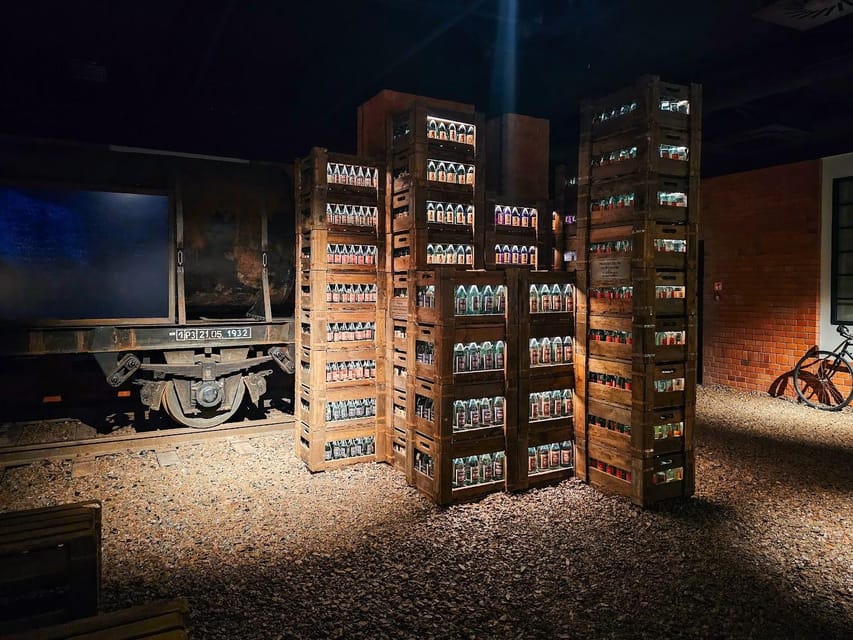
The railway siding and the square in front of Vodka Distillery No. 11 add another useful layer. Finished products had to be moved, loaded, and sold. By including those spaces, the museum explains how distilleries worked as active workplaces and transport centers.
This is where the visit gains practical value. You are not only learning how vodka was distilled. You are seeing how production affected the wider economy, from agriculture to rail transport.
Interwar style and the social life of spirits
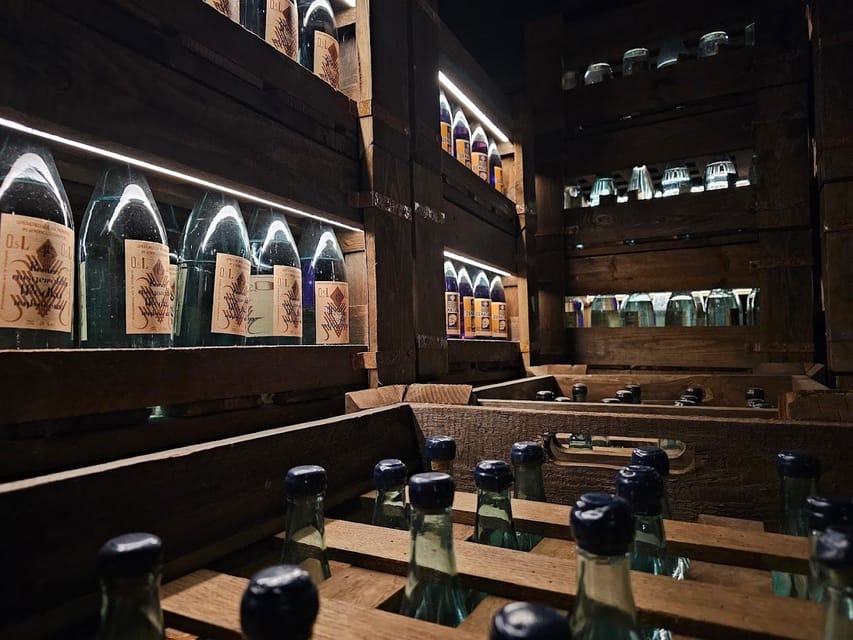
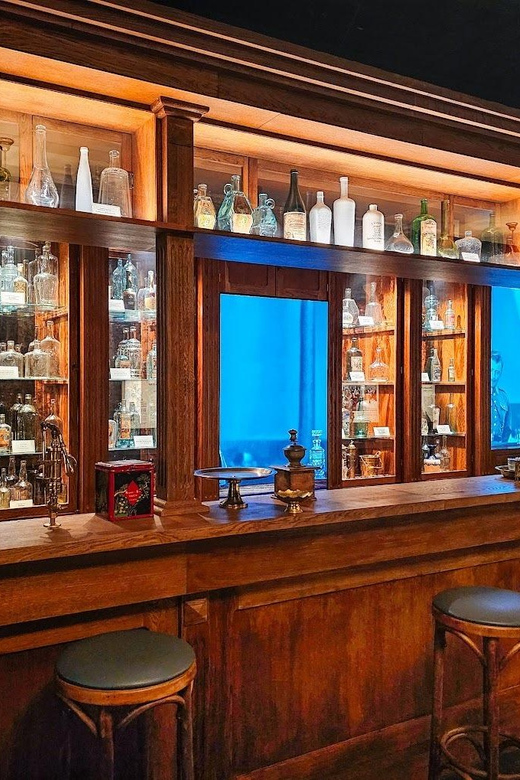
The interwar-period bar is one of the more memorable settings in the museum. It gives you a picture of vodka as part of urban social life during the years between the World Wars.
Again, this is a reconstructed environment rather than a functioning historical bar. The point is to place the drink in a recognizable setting, with the room itself doing part of the storytelling.
I find these scenes more useful than a plain written panel because they show how people encountered spirits. A bar can say something about design, manners, leisure, and commerce all at once. It also gives the exhibition some visual variety after the technical sections.
The museum’s larger message is that vodka has had different meanings at different times. It could be a product of rural industry, an item for trade, a part of formal hospitality, or a familiar drink in everyday social life. The exhibition does not treat those roles as identical, which gives the visit a wider frame.
A few more museum visits around Krakow worth comparing
- Dubai: Old Town, Creek, Museums, Souks, & Street Food Tour
★ 4.8 · 10,816 reviews - Choco-Story Brussels: Chocolate Museum Entrance with Tasting
★ 4.3 · 4,883 reviews - Porto: Cálem Cellar Tour, Interactive Museum & Wine Tasting
★ 4.5 · 4,113 reviews - Dublin Irish Whiskey Museum and Gallery Guided Tour with Tasting
★ 5.0 · 3,078 reviews
Bottling, loading, and the Polish People’s Republic
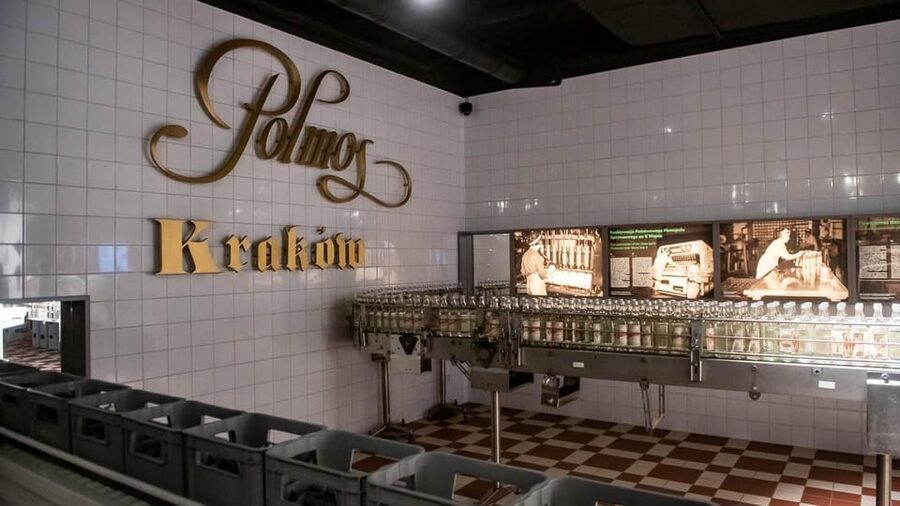
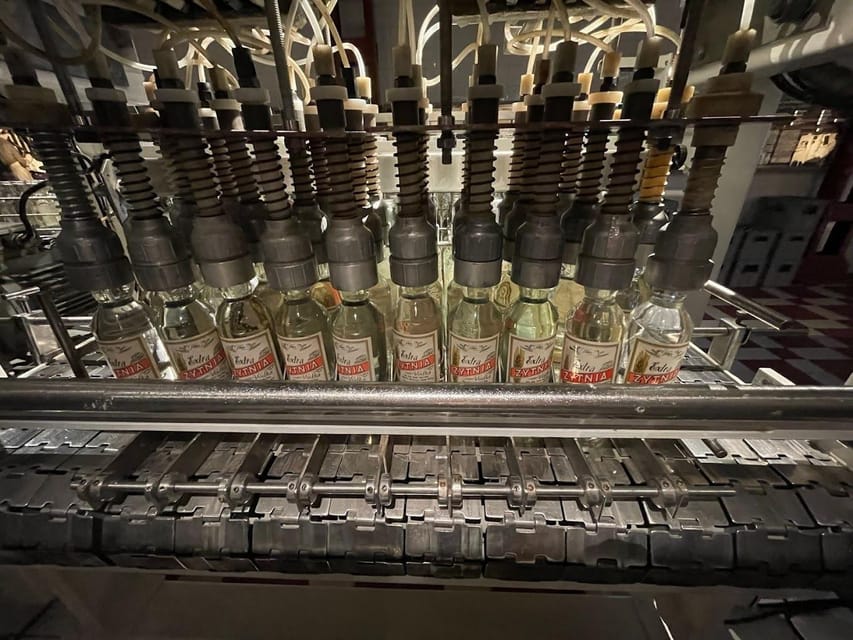
The route continues into bottling and loading facilities for finished products. This is a practical section, and it may be especially interesting if you like to see how goods were prepared for distribution.
Bottling is easy to overlook when you think about vodka. Yet it is where production becomes a consumer product. Bottles, labels, loading, and storage all affect how a distillery reaches the public. This part of the museum makes that process visible.
You will also find a wall of memories devoted to vodkas from the Polish People’s Republic. It provides a look at branding and drinking culture during that period. The display is likely to mean more to people familiar with Poland’s recent past, but it can still help you understand how products become linked with memory and identity.
The subject is not presented as a simple celebration. Vodka has social and economic importance, but it also carries complicated associations. The exhibition’s value comes partly from showing those different sides rather than reducing the drink to a national symbol or a novelty.
The President’s office and the museum cinema
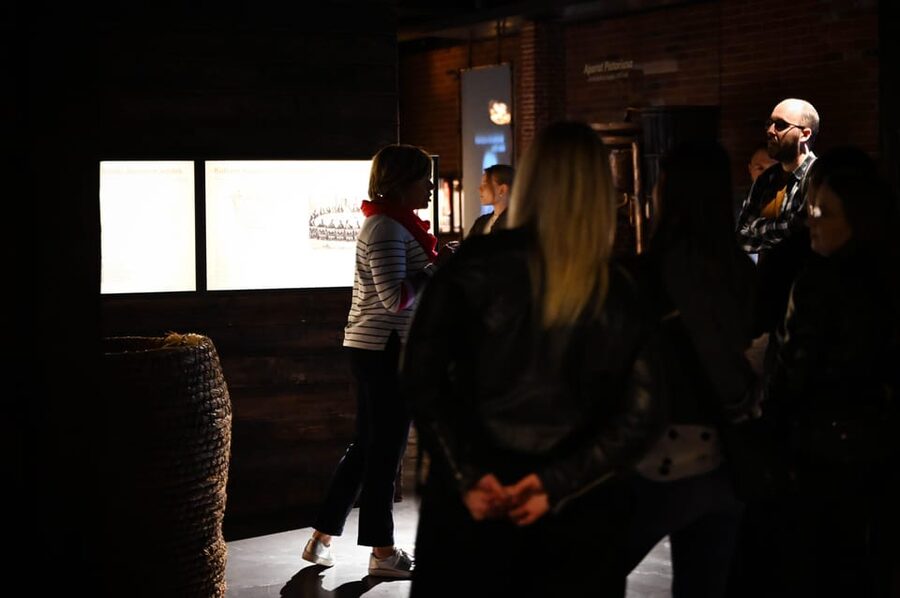
The President’s office adds another staged room to the route. Its place in the museum suggests that vodka production was connected with management, authority, and decision-making, not only with workers and machinery.
You can also settle into a cozy cinema hall for filmed material. This is useful if you prefer to learn through pictures and narration rather than reading every panel. It also gives your feet a break during a visit that can last as long as you like.
The museum does not impose a tight time limit. Your ticket is valid for one day, and the stated format allows unlimited time inside. You could make the visit fairly quick, but I would not rush through the films and reconstructed scenes. The exhibition has enough material to reward a slower pace, particularly if you are interested in the economic and cultural background.
The audioguide and language limits
Audioguides are available in English, German, French, Italian, and Ukrainian. That is helpful, especially since the museum does not provide a live guide service.
Still, you should set your expectations correctly. The permanent written text is in Polish and English. One French visitor found the visit easy to follow overall, but noted that the written material was limited to those two languages. The audioguide can help with the films and spoken explanations, but it does not necessarily replace every written panel in your own language.
The equipment also deserves a practical warning. An English-language device did not work consistently for one visitor, and another found it difficult to hear the spoken content without headphones. When several people use devices at the same time, the voices may not be synchronized, which can become irritating in a group of more than two.
If you are visiting with friends, stay close to the part of the room where the audio is playing and avoid having everyone start different sections at once. If the device fails, ask the host or greeter for help rather than trying to guess your way through the exhibition.
The tasting at the end
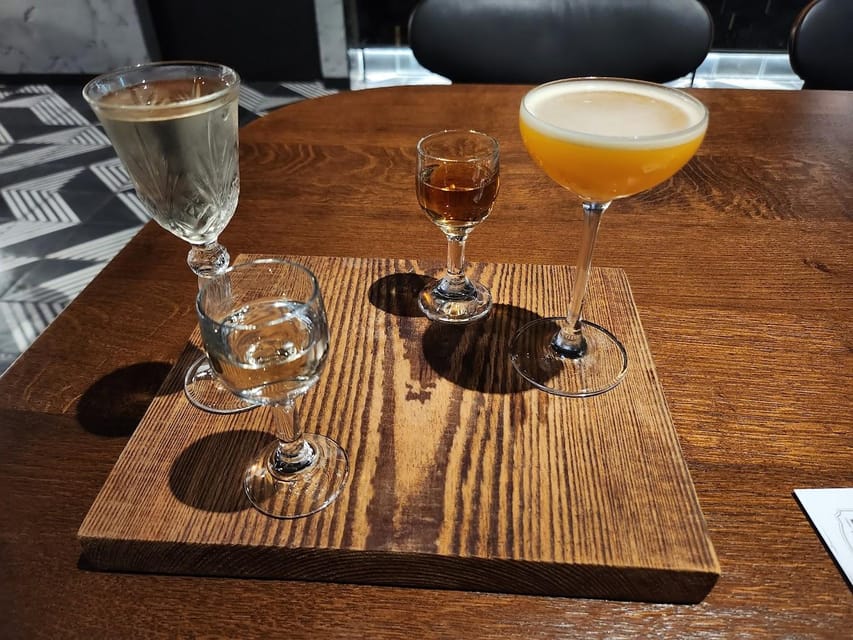
The vodka tasting is included in the ticket and comes at the end of the museum visit. It gives the exhibition a clear conclusion and lets you connect the production story with the finished drink.
The tasting has been praised as a strong part of the experience, and I can see why. After learning about ingredients, old recipes, machinery, bottling, and distribution, you finally have a chance to taste the subject of the museum.
Keep your expectations sensible. This is a museum tasting, not a full cocktail class or a long spirits seminar. The supplied details do not specify the number of samples, brands, or tasting format, so you should not book it expecting a detailed professional evaluation.
It is best viewed as a pleasant closing stop. If you do not drink alcohol, the tasting may reduce the value of the ticket for you, since it is one of the main included features. The exhibition itself remains the larger part of the visit.
How long to allow and who will enjoy it
The booking information lists the activity as valid for one day rather than giving a fixed visit length. That flexibility is useful. You can fit it into a morning or afternoon without worrying about being pushed out after a short slot.
For a relaxed visit, I would allow enough time to listen to the main audio sections, watch the films, look through the reconstructed rooms, and finish with the tasting. The exact time depends on how carefully you read and listen. The museum offers enough material for a proper cultural stop, not just a quick photo opportunity.
This experience suits:
- Adults who want to understand vodka as a Polish product and cultural subject.
- Visitors interested in industrial history, agriculture, transport, and manufacturing.
- People looking for an indoor activity in Krakow.
- Small groups who can share the audio space quietly and patiently.
- Anyone who enjoys museums built around reconstructions and multimedia.
It may not suit you if you want a live guide, a detailed spirits course, or a tour conducted entirely in a language other than Polish or English. It may also feel slow if you have little interest in production or social history and only want a tasting.
Booking details that matter
Entry is at 13 Fabryczna Street in the Fabryczna City complex. The site is wheelchair accessible, which makes the museum easier to consider than many older industrial spaces.
The experience includes skip-the-ticket-line entry, though high visitor numbers can still create a wait of about 15 to 30 minutes. Contact the museum ahead of time to confirm availability for your preferred time, especially if your schedule is tight.
You can cancel up to 24 hours in advance for a full refund, and the reserve-now, pay-later option keeps your plans flexible. These terms are useful, but the bigger practical point is to confirm the time before heading across town.
Should you book the Vodka Factory Museum?
I would book this for a balanced indoor museum visit that ends with a tasting. The strongest reasons are the variety of the seven halls, the unusual reconstructed settings, and the way the exhibition links vodka with farming, industry, transport, politics, and social life.
At $22, the price makes sense if you plan to spend time with the displays. You receive entry, the audioguide, unlimited time, and the tasting, so the cost is not based on a five-minute sample.
I would skip it if you need a live guide or want every explanation in French, German, Italian, or another language. The audio options are useful, but the written material remains in Polish and English, and the devices may be awkward in a larger group.
For most visitors who want something different from Krakow’s churches, castles, and central streets, this is a thoughtful choice. Just go for the museum first and the vodka second. That is where the $22 earns its keep.
FAQ
Where is the Vodka Factory Museum?
The museum is at 13 Fabryczna Street, inside the Fabryczna City complex in Krakow, Lesser Poland.
What is included in the ticket?
The ticket includes museum entry, unlimited time inside for one day, an audioguide, and a vodka tasting.
Is there a live guide?
No. A live guide service is not included. An English-speaking host or greeter is available, and the audioguide can be used in English, German, French, Italian, or Ukrainian.
Are the exhibition displays available in English?
The written exhibition text is in Polish and English. Audioguide options are available in several additional languages, but the audio may not translate every written panel.
Can visitors with wheelchairs enter?
Yes. The museum is wheelchair accessible.
Can I cancel the booking?
Yes. You can cancel up to 24 hours in advance for a full refund.
Just added around Krakow
- Schindler’s Factory Skip-the-line Museum Ticket★ 4.9 · 15 reviews
- Schindler’s Factory Museum Guided Tour – Krakow★ 4.5 · 15 reviews
- Krakow: Schindler’s Factory Museum Guided Tour★ 4.1 · 86 reviews
- Schindler’s Factory Museum in Krakow – Guided Tour★ 4.3 · 33 reviews
- Krakow: Rynek Underground Museum Skip-the-line Guided Tour★ 4.7 · 138 reviews
- Krakow: Rynek Underground Museum Guided Tour & Stories★ 4.8 · 26 reviews
- Krakow: Skip-the-Line Rynek Underground Museum Guided Tour★ 4.7 · 26 reviews
- Krakow’s Rynek Underground Museum Tour with Ticket and Guide★ 4.4 · 25 reviews
Museum Tours in Krakow, compared.
Schindler’s Factory in Krakow: Guided Tour & Skip the Line Ticket
Read our review →
Auschwitz-Birkenau Museum and Memorial Guided Tour from Krakow
Read our review →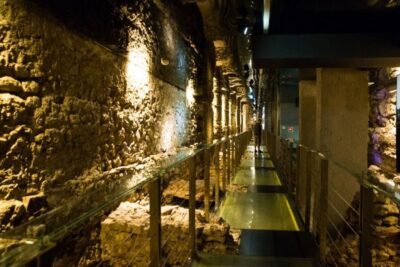

Krakow Schindler’s Factory Museum Guided Tour in English
Read our review →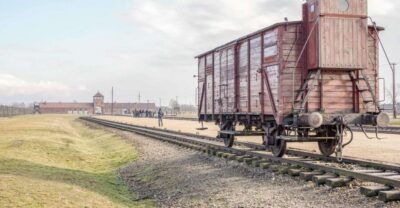
Auschwitz Birkenau Museum Guided Tour with Pickup
Read our review →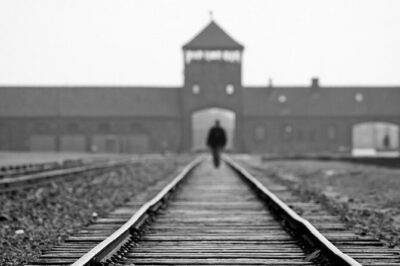
Auschwitz Birkenau Guided Tour Small Group with Hotel Pick up
Read our review →Browse the lists this tour appears in