
Review · CROATIA
From Zagreb:Discover North Croatia, Museums, Castle and City
Northern Croatia packs an astonishing range of history into one long day: prehistoric remains at Krapina, a lakeside medieval castle, a Baroque city and Roman thermal baths. This private tour gives you a useful way to connect them without wrestling with regional transport.
I like the private vehicle and flexible pace, along with the chance to see places that are difficult to combine on your own. I also like the human touch from guides such as Alen and Marko, who bring particular warmth to Varaždin and can point you toward a traditional local lunch.
The drawback is simple: this is a full 12-hour outing with plenty of walking. The schedule is well filled, and the Roman site is a shorter final stop, so this suits curious, active visitors more than anyone hoping for a slow day.
Key points at a glance
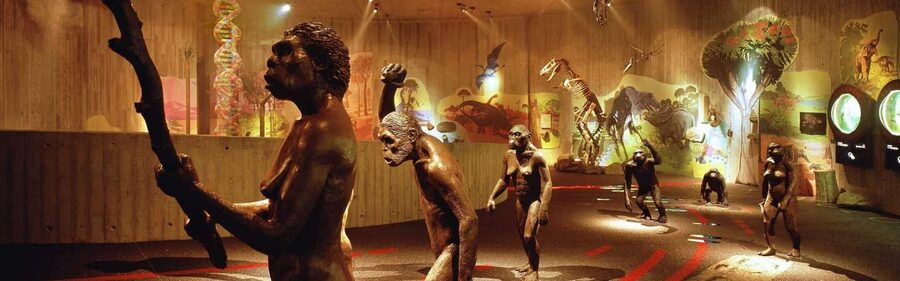
- Krapina Neanderthal Museum: Start with prehistoric Europe and an unusually engaging museum experience.
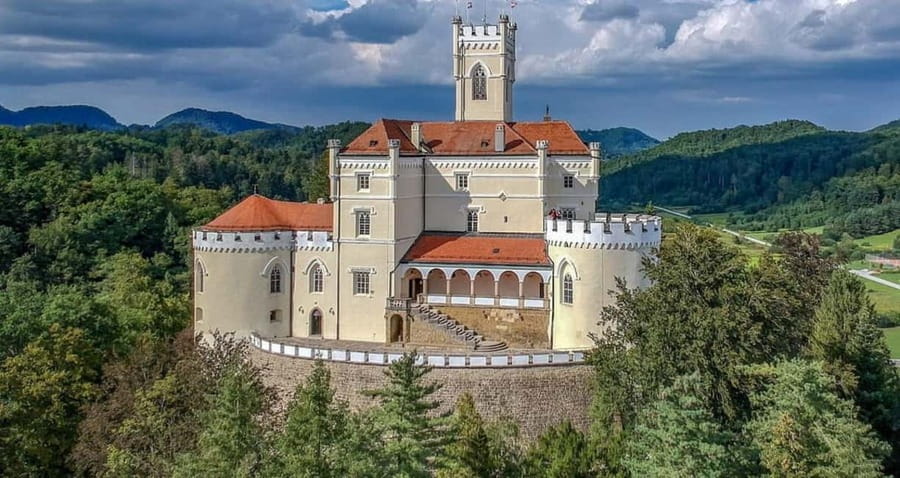
- Trakošćan Castle: Tour Croatia’s most visited castle and see how northern nobility lived.
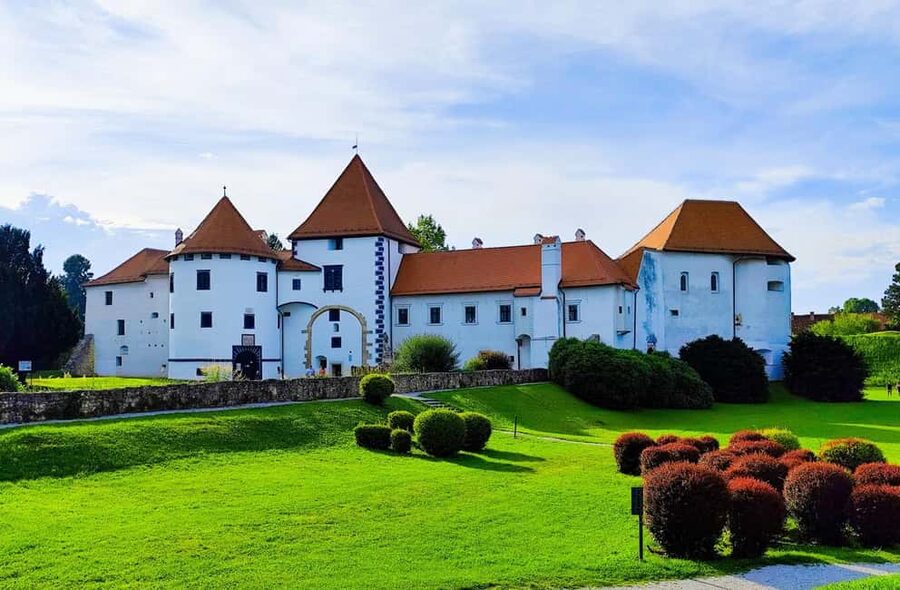
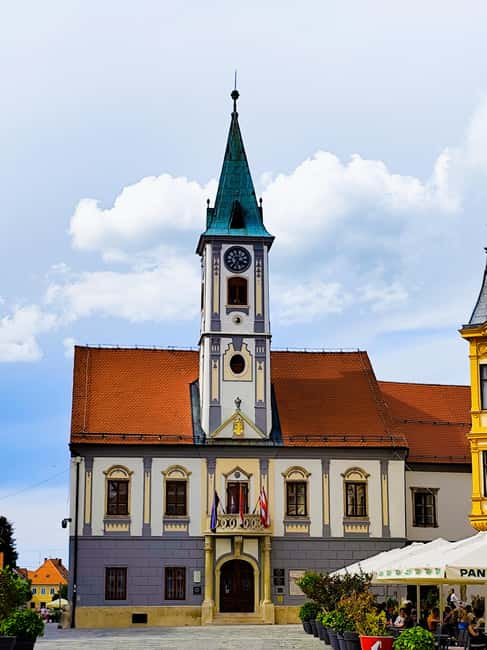
- Varaždin’s old town: Walk medieval streets lined with Baroque palaces and villas.
- Aquae Iasae: Explore more than 2,400 years of thermal-bath history at Varaždinske Toplice.
- Private touring: Ride in a comfortable air-conditioned car or van with pickup and return to Zagreb or Varaždin.
- Local flavor: Lunch can be arranged at a traditional restaurant, sometimes in a secluded woodland setting.
Why this northern Croatia day trip works
Croatia is often reduced to its Adriatic coast and famous old towns. This excursion takes you in the opposite direction, toward the country’s inland pastures, hill towns and former seats of noble power.
The appeal is the range. In one day, you move from Neanderthals to Roman spa culture, then from medieval fortification to Baroque civic life. The subjects are different enough to keep the day moving, while the private format lets your guide connect them rather than leaving you to decode each place alone.
You can begin in Zagreb or Varaždin County. Pickup and drop-off are included, and the ride is by private air-conditioned car or van. The exact meeting point is arranged directly with the driver the evening before, so keep your phone available and confirm the location clearly.
The tour is offered in English or Croatian. Guides include Alen and Marko, both of whom have been praised for their personal connection with northern Croatia. Alen is from Varaždin, which gives the city portion a local voice. Marko is also described as especially attentive and enthusiastic, with a talent for adding small stories and less obvious details.
At $129 per person, the price needs to be judged against what is included. You are paying for a private return transfer, a licensed local guide, guided visits at three stops, the Neanderthal Museum ticket and the Trakošćan Castle ticket. Food and drinks are extra, but the arrangement removes the cost and hassle of hiring a car for a long regional loop.
For two people, it is not a bargain in the budget-bus sense. For a private day with transport from Zagreb, it is a fair deal, particularly if you value guidance and do not want to plan four separate stops. The value improves with a small private group, since you share the vehicle and guide only with your own party.
A few more museum visits around Croatia worth comparing
- New York City: American Museum of Natural History Ticket
★ 4.5 · 15,447 reviews - Amsterdam: Van Gogh Museum Ticket and City Canal Cruise
★ 4.6 · 3,899 reviews - Cairo: Female-Guided Pyramids, Sphinx & Museum City Tour
★ 4.8 · 1,614 reviews
Krapina Neanderthal Museum: a strong opening stop
The first major stop is the Krapina Neanderthal Museum, reached after roughly an hour in the vehicle. You have about 90 minutes here, which is enough time for a proper look without letting the museum consume the whole day.
This is not simply a room of glass cases and old bones. The museum presents prehistoric human life in the area and places the discoveries within the wider story of early Europe. The subject can sound dry on paper, but the museum is repeatedly singled out as one of the most interesting parts of the day.
I like starting here because it gives you a sense of time before the tour shifts to castles and city streets. You are not only looking at an old building or a pretty town. You are beginning with evidence of people who lived in this part of Europe long before Croatia had borders, castles or towns.
The museum ticket is included. Your guide can help set the archaeological material in context, though the exact balance between independent museum time and guiding may vary. Give yourself enough time to read and look carefully, since this is a compact stop with a distinct subject rather than a quick photo break.
Trakošćan Castle and its two-hour visit
After around 30 minutes on the road, you reach Trakošćan Castle. The visit lasts about two hours and includes a guided tour, followed by time to see the permanent museum exhibition.
Trakošćan is the visual centerpiece of the trip. Its medieval form, setting beside a lake and strong connection with Croatian noble families make it easy to understand why it is among the country’s most visited castles. The appeal is not only the exterior. Inside, the exhibition shows how the northern Croatian nobility lived, giving the rooms a practical human scale.
You will hear about the castle’s development and history from the guide, then see furnishings and interiors connected with aristocratic life. That combination matters. A castle can be photogenic but empty of meaning; here, the rooms help explain the people who occupied the building and the social world around it.
Allow time for stairs and walking. Comfortable shoes are specifically recommended for this tour, and that advice applies especially here and in Varaždin. The castle stop is long enough to feel substantial, but not so long that you lose the rhythm of the day.
Trakošćan is also where the schedule may feel most shaped by opening hours and the group’s pace. Your guide controls the day, but you should not expect unlimited wandering. If you enjoy detailed museum reading, you may need to move steadily.
Lunch in Varaždin County
A break of about an hour is set aside for brunch or lunch in Varaždin County. Food is not included, so budget separately for the meal and drinks.
This part of the day can be more than a practical refueling stop. Alen and Marko have taken groups to traditional restaurants, including secluded places in the woods and restored mountain homes. One restaurant mentioned by name is Pethrasti, while Old Oaks is another local-style setting described as picturesque and suited to traditional food.
Those locations are not guaranteed, so treat them as examples rather than promises. Still, they show the advantage of having a local guide. Instead of stopping at the first convenient roadside place, you may be introduced to a restaurant that reflects the region more closely.
The lunch break is also useful because the afternoon includes a guided city walk. You will want time to eat, drink and rest before setting off through Varaždin. If you have dietary needs, raise them with the guide in advance, since the tour price does not cover meals.
Same city, a completely different collection:
- Blue Lagoon & Underwater Museum from Split with Lunch & Drinks
★ 4.5 · 1,122 reviews - Zagreb: Skip-the-Ticket-Line Museum of Broken Relationships
★ 4.5 · 847 reviews - Zagreb: Nikola Tesla Technical Museum Ticket
★ 4.5 · 520 reviews - SPLIT-PRIVATE Walking Tour of Diocletian’s Palace & Old Town
★ 5.0 · 467 reviews
Varaždin: Baroque streets and civic power
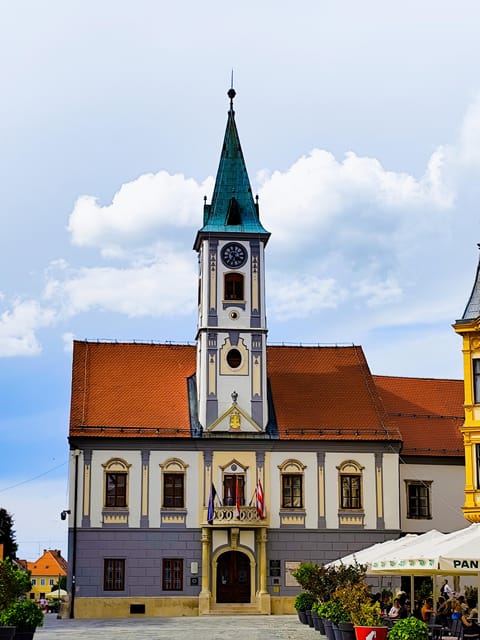
The city portion lasts about two hours and is one of the tour’s strongest sections. Varaždin has more than 900 years of recorded history, and its old town gives you a compact setting in which to see several periods at once.
Your guide explains the city’s past, including the tension between the nobility and the citizens of the Free Royal City. That political story makes the buildings more meaningful. The palaces and villas are not just decorative facades. They reflect wealth, status and the struggle over who had the right to govern urban life.
The old town is particularly suited to walking. Medieval streets are lined with Baroque buildings, and the city has a more intimate feel than Croatia’s larger historic centers. You can look up at elegant facades, then turn toward the Old Town fortress and see how defense and civic life once worked together.
I especially like having a local guide here. Alen’s connection to Varaždin gives this part a personal quality, while Marko has also been praised for his enthusiasm for the city. A guide who knows local stories can point out details that are easy to pass when you are moving alone from one monument to another.
There is also time for coffee. One stop has been described as a cafe restaurant associated with the Croatian football team manager, though this should be regarded as a guide’s possible choice rather than a fixed feature. The coffee break comes late in the day, after a great deal of walking, and is a welcome pause before the final historical stop.
Wear comfortable shoes. The city walk is not extreme, but the day includes several hours on foot, and rainy weather can make old streets more tiring. One group needed to buy umbrellas during wet conditions, so a small rain layer is sensible.
Aquae Iasae at Varaždinske Toplice
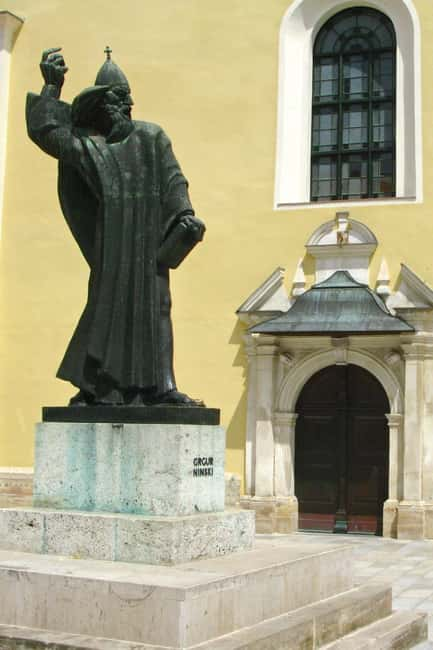
The final sightseeing stop is Varaždinske Toplice, about 25 minutes from Varaždin. Here you spend roughly 45 minutes at Aquae Iasae, an archaeological site connected with Roman thermal baths.
The site is more than 2,400 years old, and the guided visit explains how thermal bathing and spa culture worked during the Roman period. You also learn about customary rights held by the local population, an unusual detail that links the archaeological remains to the community around them.
This is a shorter visit than the castle or city walk, but it adds an important layer to the day. Roman bath sites show that northern Croatia was not an isolated backwater. Thermal water drew people here long ago, and the area’s use as a spa has continued in different forms.
Expect an archaeological visit rather than a full bathing experience. The included element is sightseeing and guiding at the site. Food, drinks and any other personal spending are separate.
Because Aquae Iasae comes near the end, fatigue may affect how much you take in. I find the placement logical, since the site is compact and the guide can explain it clearly in less than an hour. Still, if Roman archaeology is your main interest, you may wish the stop were longer.
After the thermal baths, there is a 30-minute break for coffee or tea before the drive back. The return journey takes about an hour, with drop-off in Zagreb or Varaždin.
How the private format changes the day
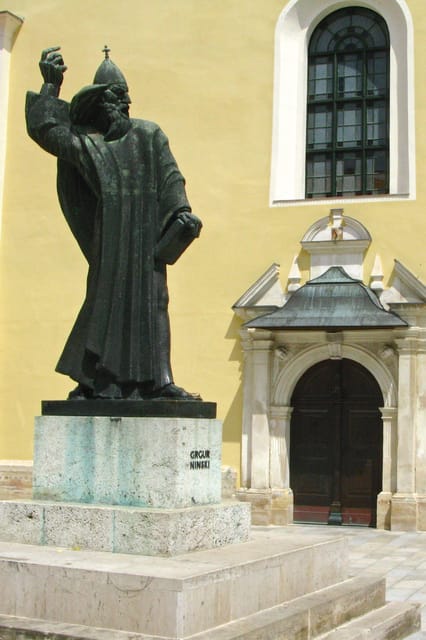
A private group makes this tour more adaptable than a standard coach outing. You are not waiting for a large crowd at every stop, and the guide can adjust the pace within the limits of the 12-hour schedule.
That flexibility has practical value. A rainy day, a slower museum visit or a need for a longer lunch can be discussed directly with the guide. The schedule still has four main attractions, so flexibility does not mean you can linger indefinitely, but it can make the day feel less mechanical.
The vehicle is air-conditioned, which matters during a long series of road transfers. The listed driving sections add up to several hours, but the longest single ride is about an hour. You get regular changes of scene rather than one exhausting transfer to a distant destination.
A perfect transport score is reported for the service, and the strongest practical pattern is reliable communication: the driver contacts you the evening before and pickup is intended to be on time. Confirm the arranged meeting point, especially if you are staying outside central Zagreb or in Varaždin County.
Who should book this tour?
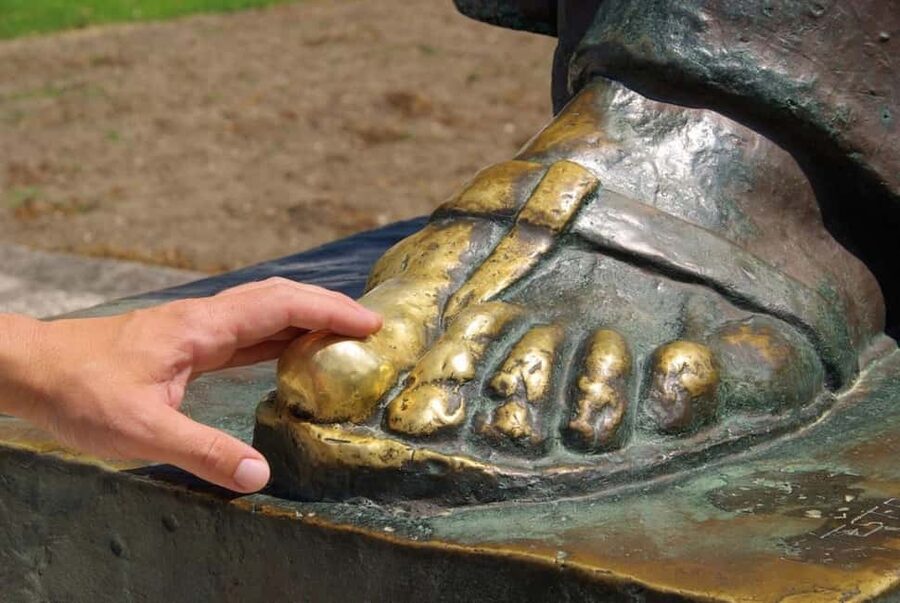
I would choose this tour if you are staying in Zagreb and want a serious look at inland Croatia without renting a car. It is also a good fit if you enjoy history presented across several periods, from prehistoric archaeology to Roman engineering and Baroque urban culture.
Families with older children may find the changing subjects helpful. The Neanderthal museum gives younger visitors a clear starting point, while the castle adds visual drama. The long duration and walking mean very young children may find the day tiring.
History fans will get the most from the guiding, particularly at Trakošćan, Varaždin and Aquae Iasae. You do not need specialist knowledge, though. The appeal is in seeing how different eras fit together.
This is not a good choice for wheelchair users, as the activity is specifically listed as unsuitable. It is also a poor match if you want free time, shopping or a relaxed restaurant day. The schedule is full and the main reward is the variety of places.
Cancellation is free up to 24 hours before departure, and you can reserve while paying later. Those terms help if your Zagreb plans are still shifting, but the real booking decision is about energy: can you comfortably handle a full day with walking, vehicle transfers and four substantial historical stops?
Should you book it?
Book this tour if you want northern Croatia’s main inland sights in one organized day and value a private guide over independent transport. The strongest reasons are the excellent range of stops, included admission to the museum and castle, and the local perspective brought by guides such as Alen and Marko.
Skip it if you prefer to stay in one town, spend hours inside museums or move at a very slow pace. The day is long, and lunch and drinks cost extra.
For most active visitors based in Zagreb, $129 is reasonable for a private car or van, return transfer, licensed guiding and a route that would be awkward to assemble alone. Bring comfortable shoes, keep some flexibility for the lunch stop, and expect to return tired but with a much fuller picture of northern Croatia.
FAQ
Where can the tour begin and end?
Pickup and drop-off are available in Zagreb or Varaždin County. The precise pickup location is arranged directly with the driver the evening before.
How long does the tour last?
The tour lasts 12 hours, including driving, visits, meal time and the return transfer.
What languages are available?
The live guide service is available in English and Croatian.
Is this a private tour?
Yes. The activity is organized for a private group rather than a shared large group.
Is transportation included?
Yes. A private two-way transfer in a comfortable air-conditioned car or van is included.
Are admission tickets included?
The ticket to the Krapina Neanderthal Museum and the ticket to Trakošćan Castle are included. Sightseeing at the Aquae Iasae archaeological site is also included.
Is lunch included?
No. Food and drinks are not included. There is approximately one hour for brunch or lunch in Varaždin County, plus a later break for coffee or tea.
Is the tour suitable for wheelchair users?
No. The activity is listed as unsuitable for wheelchair users. Comfortable shoes are recommended because the day includes substantial walking.
Just added around Croatia
- Toast to the Morning After: Zagreb Museum of Hangovers Visit★ 4.0 · 39 reviews
- Split: Blue Lagoon Underwater Museum Tour w/Lunch & Drinks★ 4.7 · 338 reviews
- Split: Olive museum Klis with Olive Oil Tasting★ 4.9 · 51 reviews
- Split: Museum of Illusions Entrance Ticket★ 4.2 · 254 reviews
- Split: Underwater Museum, Trogir & Blue Lagoon Half-Day Tour★ 4.2 · 31 reviews
- Split: Blue Line Sightseeing to Trogir, Klis & Olive Museum★ 4.3 · 197 reviews
- Split: Game of Thrones Museum Entrance Ticket★ 3.8 · 385 reviews
- Dubrovnik: Red History Museum Regular Ticket★ 4.6 · 134 reviews
Museum Tours in Croatia, compared.
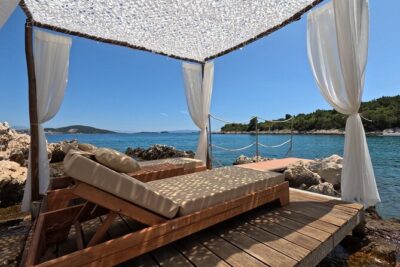
Blue Lagoon & Underwater Museum from Split with Lunch & Drinks
Read our review →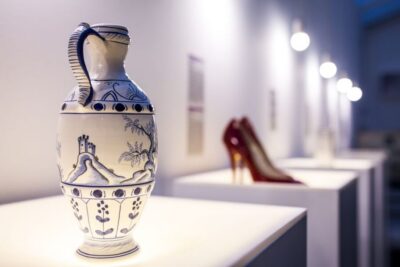
Skip-the-Ticket-Line Museum of Broken Relationships
Read our review →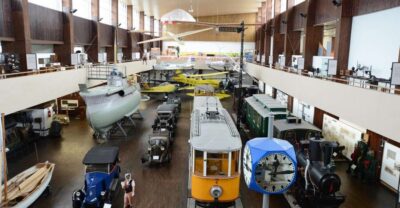
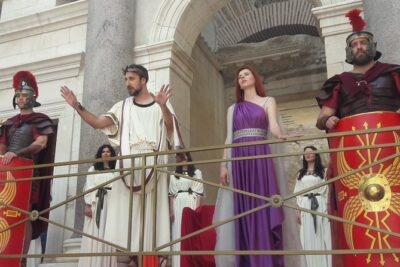
Blue Lagoon Underwater Museum Tour w/Lunch & Drinks
Read our review →
Klis Fortress GOT and Olive Museum Entry Tickets
Read our review →
Browse the lists this tour appears in