
Review · MADRID
Ticket Entrance to the Madrid Nougat Museum
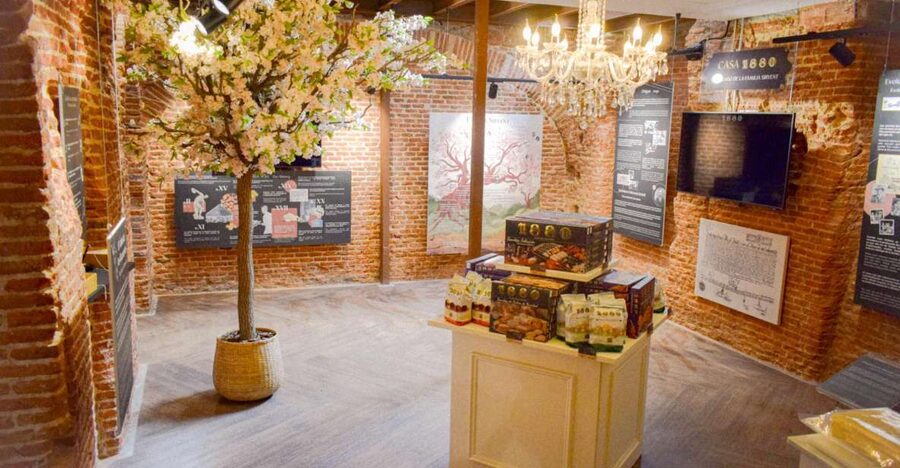
Madrid’s Nougat Museum turns a familiar Christmas sweet into a small lesson in farming, trade, technology, and family business. For $5, you enter at the Casa 1880 boutique, look at the almond’s journey from blossom to nougat, and finish with a tasting of several Spanish sweets.
I like the clear focus on Jijona, the Alicante town tied to Spain’s nougat tradition. I also like the tasting, which includes Jijona nougat, egg yolk nougat, chocolate nougat, marzipan, and polvorones rather than just one sample.
The main caution is uneven readiness. One visitor waited almost an hour because the presentation was not ready, while another found the museum carefully arranged and the guide enthusiastic. If your Madrid schedule is tight, allow extra time and confirm that the museum is operating when you arrive.
Key points to know before you go
- Madrid’s first nougat museum: This compact attraction focuses on a sweet closely linked with Spanish Christmas.
- Jijona takes center stage: You learn how the town’s technology and economy grew around nougat production.
- The almond begins the story: Panels explain flowering, harvesting, and the route from almond to finished turrón.
- A tasting is included: Expect Jijona, egg yolk, and chocolate nougat, plus marzipan and polvorones.
- Spanish is the operating language: The host or greeter and museum information are listed in Spanish.
- A low-cost, short stop: The ticket costs $5 per person and is valid for one day, but the exact visit length is not stated.
Why a nougat museum belongs on a Madrid itinerary
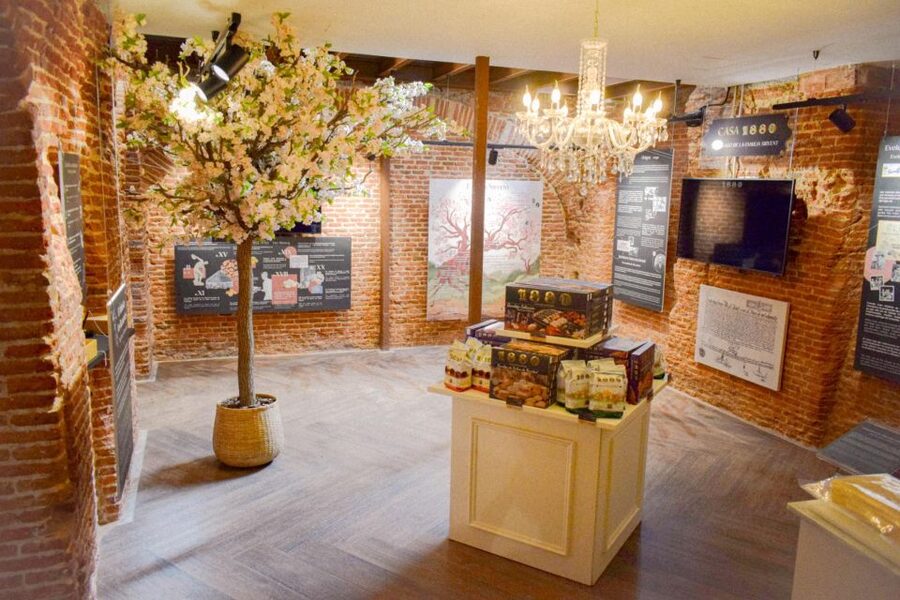
Madrid has no shortage of grand museums, royal rooms, and famous paintings. This attraction offers something smaller and more specific: a look at a food that many people associate with Spanish Christmas but may know little about beyond its sweet taste.
Nougat, or turrón, is not presented only as a confection. The museum connects it with almond growing, local production, clothing, seasonal customs, and the development of a company. That wider view gives the visit more substance than a simple shop tasting.
I find the food angle especially useful for understanding Spanish culture. Nougat is eaten at important dates, particularly during the Christmas season, so its story includes both commerce and custom. You are not simply learning how a bar of candy is made. You are seeing why this product became important to a town and to a national holiday table.
The museum describes itself as the first Nougat Museum in Madrid. Its focus is the traditional Jijonenco sweet, linked to the Jijona Designation of Origin. That designation matters because it identifies a specific production tradition rather than treating all nougat as the same product.
More Museum Tours in Madrid
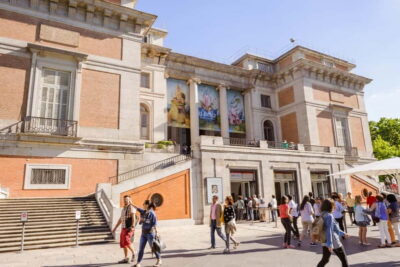
- Madrid: Prado Museum Entry Ticket
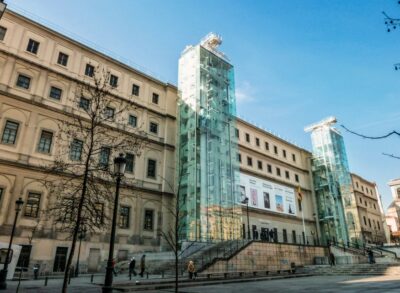
★ 4.6 · 20,699 reviews - Madrid: Reina Sofía Museum Entrance Ticket
★ 4.5 · 8,788 reviews - Madrid: Small Group of Prado Museum Tour & Optional Tapas
★ 4.6 · 2,437 reviews
Starting at the Casa 1880 boutique
Your meeting point is the Casa 1880 shop boutique. This is also where the product side of the experience becomes clear. The museum is connected to a company whose own story is part of the material on display, so you should expect a blend of museum information and commercial setting.
That is not automatically a weakness. Food museums often work best when you can see and taste the finished product after learning about it. Here, the shop gives the visit a practical ending, and you can connect the displays with the sweets offered in the tasting.
It does mean you should set your expectations correctly. This is not a large national museum with extensive galleries, an audio system, or a long formal tour. It is a focused food attraction attached to a boutique, and the $5 price reflects that modest scale.
At the selected time, you can access the museum and take a free tour of its different sections. The available information does not give a fixed tour length or group size, so plan it as a flexible stop rather than the central event of an entire day.
The almond comes first
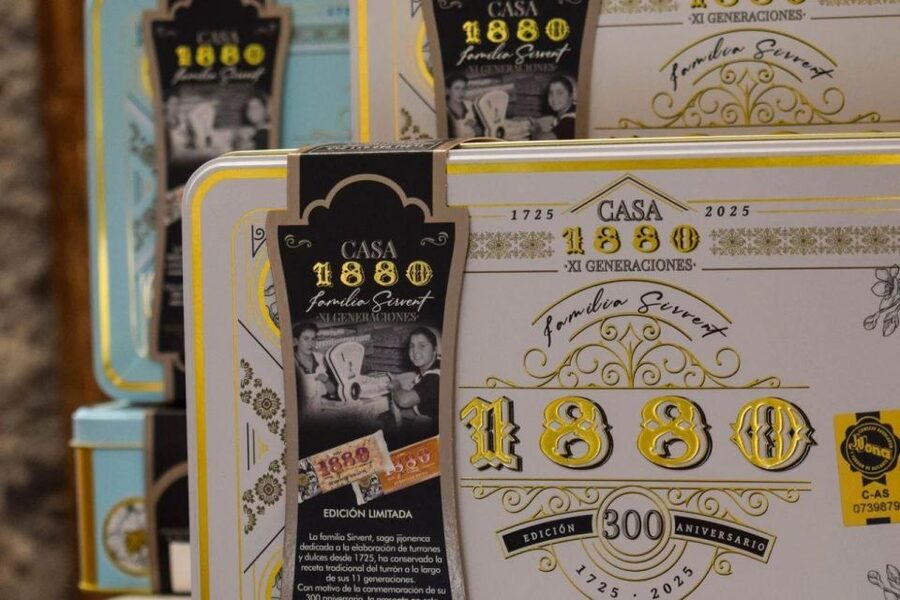
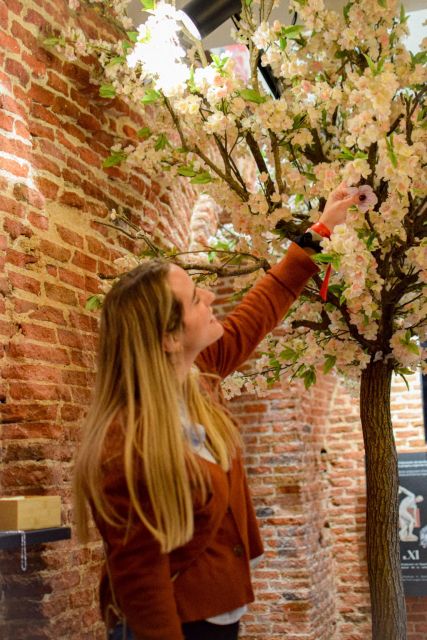
The almond is the natural starting point, and I like that choice. Before you see nougat as a finished block, the museum asks you to consider the ingredient that gives much of the sweet its texture and character.
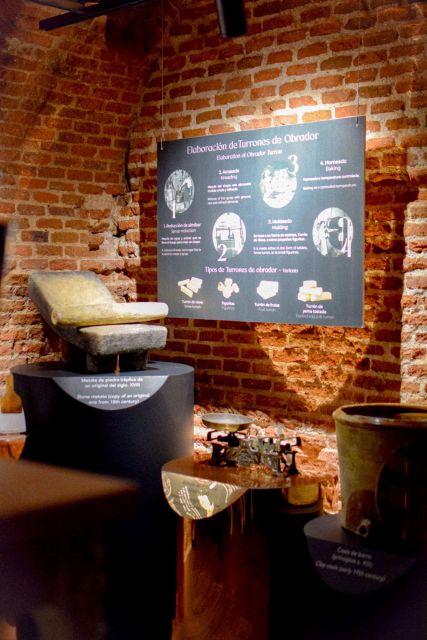
Information panels explain the almond tree’s flowering and show the route this dried fruit takes before it becomes nougat. That agricultural step helps you understand that the product begins well before a kitchen or factory.
The almond section should be useful even if you already know the basic recipe. It places nougat within a farming cycle and gives the rest of the museum a logical order. First comes the crop, then the processing, then the finished food and its place in daily life.
The panels are in Spanish, and the listed host or greeter language is also Spanish. If you do not read Spanish, you may get less from the written explanations unless you have translation help. The tasting still works across language barriers, but the historical sections depend more heavily on the text and presentation.
From dried fruit to finished turrón
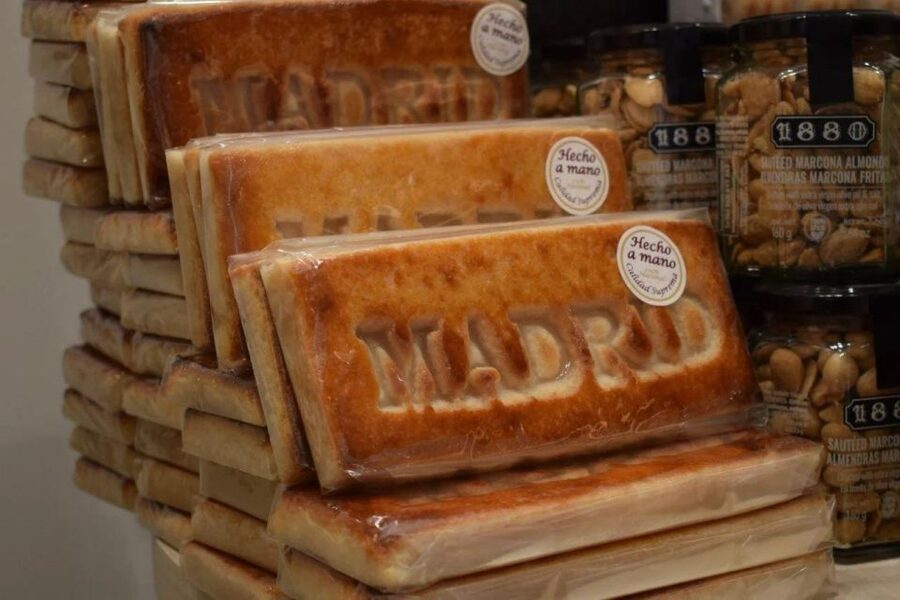
After the almond, the museum follows the production story. You learn how the ingredient changes as it becomes nougat, with the focus placed on the traditional Jijona method and the products protected by the Jijona Designation of Origin.
The museum also looks at the technological history of Jijona. That is an important detail because it shifts the subject away from a simple recipe. Nougat production required methods, equipment, and know-how, and those developments helped shape the town’s economy.
You also encounter the idea that a company’s history forms part of the product it sells. In plain terms, Casa 1880 presents its own development as part of the story of the sweet. Some visitors will appreciate this business history because it shows how production and marketing evolve together. Others may find the commercial connection makes the museum feel less independent.
I would treat that balance honestly. You are getting an introduction to nougat through the eyes of a company involved in selling it. That does not cancel the cultural information, but it is worth remembering when you assess the museum’s perspective.
A few more museum visits around Madrid worth comparing
- Madrid: Prado Museum Guided Tour with Skip-the-Line Ticket
★ 4.5 · 2,018 reviews - Prado Museum Small Group Tour with Skip the Line Ticket
★ 5.0 · 1,738 reviews - Madrid: Sweet Space Museum Entry Ticket
★ 3.9 · 1,227 reviews - Madrid: Prado Museum Ticket with In-App Audio Guide
★ 3.6 · 1,154 reviews
Clothing, Christmas, and Jijona’s identity
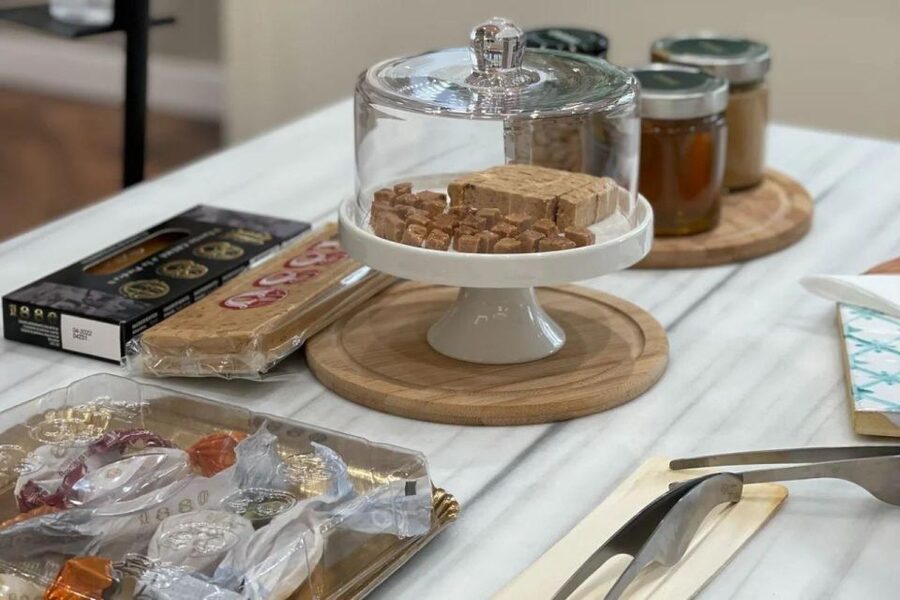
One of the more unusual sections covers the clothing of the turroneros, or nougat sellers and makers. The museum traces the evolution of this typical clothing from the 18th century onward.
This detail adds a human touch to a subject that could otherwise become a series of ingredient panels. Clothing shows how the trade was represented and remembered over time. It also gives the visit a stronger link to local identity.
The museum explains why nougat is consumed on important dates. Christmas is the obvious association, but the larger point is that food can mark a season, a family gathering, or a celebration. You will come away with a better sense of why turrón appears so regularly on Spanish holiday tables.
This is the kind of information that makes a small museum worthwhile. You may already know the taste of nougat, but the visit explains the customs around it. For someone interested in food traditions, the cultural context may be more valuable than the display itself.
The tasting: five products, one sweet conclusion
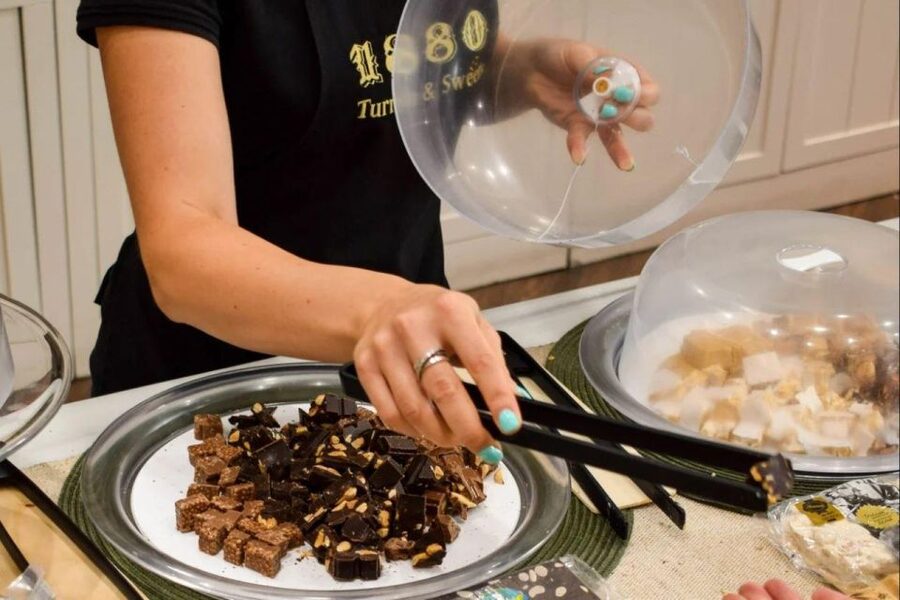
The included tasting is the most direct part of the experience. You are offered examples of products sold at the 1880 Turrón Museum, including Jijona nougat, egg yolk nougat, chocolate nougat, marzipan, and polvorones.
The range gives you a chance to compare different textures and flavors. Jijona nougat is the classic reference point, while egg yolk and chocolate versions show how the category has expanded. Marzipan and polvorones broaden the tasting beyond nougat alone.
I like this format because you do not have to guess what the displays are describing. You can taste the finished products immediately. For a $5 ticket, the samples are a meaningful part of the value, especially if you enjoy Spanish sweets or want an edible introduction to seasonal foods.
The tasting is also where expectations need care. One person reported that the samples were the same small products offered in the shop upon entry and felt the paid museum visit was not worth the cost. That does not mean the tasting is absent, but it suggests you should not expect a large tasting menu or a private confectionery workshop.
Think of the tasting as a few samples, not a full dessert course. If you are mainly seeking food to eat, buying a product in the shop may suit you better. If you want the background story as well, the museum gives those samples more meaning.
How much time should you allow?
The ticket is valid for one day, but no exact visit duration is provided. That usually makes this easiest to fit around other Madrid plans, particularly if you are already near the Casa 1880 boutique.
I would avoid scheduling it immediately before a timed attraction. The museum may be quick, but the operating delay reported by one visitor is important. The presentation was not ready on arrival, and the wait lasted almost an hour. That visitor eventually left because another tour was scheduled.
This is the main practical concern with the experience. Another booking described the museum as lovingly arranged and the guide as engaged and enthusiastic, so the quality can be good when the visit is running properly. Still, a short attraction loses much of its value if you spend a large part of your day waiting outside or in an unfinished presentation.
For a relaxed food-themed afternoon, the risk is easier to manage. For a packed itinerary, confirm the starting time and leave a buffer.
Language and the role of the guide
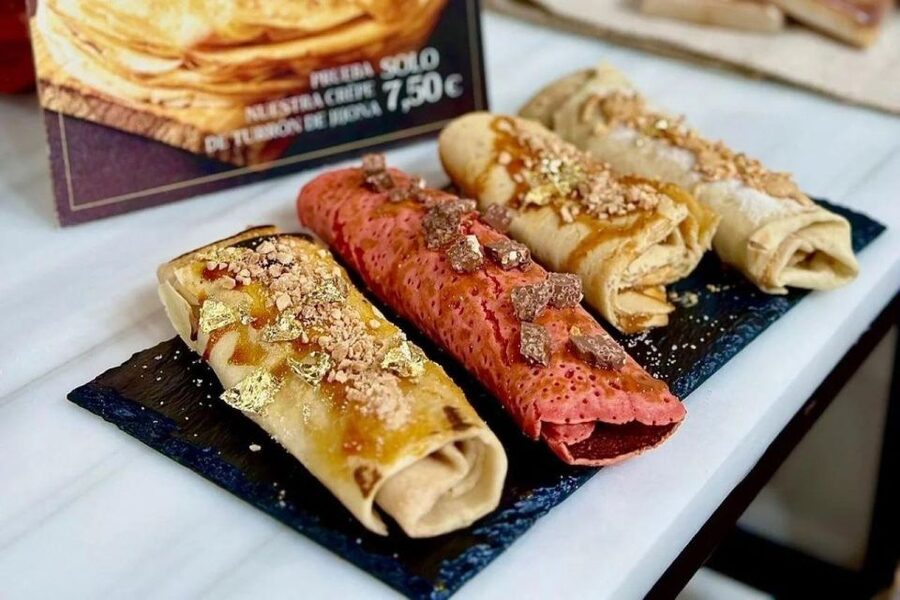
The official language is Spanish. The host or greeter is also listed as Spanish-speaking, and the museum panels are described as part of the route.
That makes this best suited to readers who understand Spanish or are comfortable using translation tools. You can still appreciate the displays and tasting without fluent Spanish, but you may miss the reasons behind the traditions, production methods, and clothing changes.
The guide can make a real difference. One visitor praised the guide’s enthusiasm and commitment, which suggests the presentation can feel personal rather than purely mechanical. No guide name is provided, so you should not expect to request a particular person.
If you speak Spanish, ask questions about Jijona’s designation, the clothing, and how the company’s story connects to the products. Those subjects are likely to give you more than simply reading the names of the sweets.
Is $5 good value?
At $5 per person, the price is low by Madrid attraction standards. You receive museum entry and a tasting, with no separate charge for the tour of the sections.
The value depends on what you want. If you are curious about food production, local business history, and Spanish Christmas customs, $5 is a reasonable price for a focused stop. The tasting helps justify the cost, especially when it includes several types of nougat and related sweets.
If you only want to try nougat, the calculation changes. The samples may overlap with what is offered in the shop, and one visitor felt the paid visit did not add enough beyond the tasting. In that case, the museum may not feel worthwhile.
I would book it for the story, not simply for the sugar. The almond-to-nougat process, Jijona’s economic role, and the history of turronero clothing give the visit its real value. The food at the end is a pleasant reward, not the whole reason to go.
Who will enjoy this most?
I would recommend the museum to food-minded visitors, families looking for a short indoor activity, and anyone interested in the cultural role of Spanish Christmas sweets. It also suits people who enjoy seeing how a regional product becomes a company and a local trade.
Spanish speakers will get the most from the panels and presentation. If you are visiting Madrid with children, the almond-to-sweet sequence and tasting may offer an easy way to make food history concrete, though the supplied information does not specify child activities.
I would be more cautious if you have only one free hour and a fixed reservation afterward. The reported delay is too serious to ignore. I would also skip it if your main goal is a large museum experience, a full factory demonstration, or an extensive tasting.
Should you book the Madrid Nougat Museum?
Book it if you want a small, inexpensive look at Jijona’s nougat tradition, especially if you enjoy Spanish food customs and can follow Spanish. The $5 ticket includes entry and samples of several sweets, and the museum covers more than recipes.
Approach it as a compact company museum rather than a major Madrid sight. Confirm that the presentation is ready, avoid placing it directly before another timed activity, and keep your expectations modest about the tasting.
For me, the decision comes down to interest. If the almond, the Jijona designation, 18th-century turronero clothing, and Spanish Christmas traditions sound appealing, this is a worthwhile specialty stop. If you only want a quick sample, buy the sweet and spend the admission money elsewhere.
FAQ
Where is the Madrid Nougat Museum?
The meeting point is the Casa 1880 shop boutique in the Community of Madrid, Spain.
How much does admission cost?
The ticket costs $5 per person.
What does the ticket include?
It includes entrance to the 1880 Nougat Museum and a tasting of nougat and related sweets.
What products are included in the tasting?
The tasting includes Jijona nougat, egg yolk nougat, chocolate nougat, marzipan, and polvorones.
How long is the museum visit?
The ticket is valid for one day, but a specific visit duration is not provided.
Is a tour included?
A free tour of the different museum sections is available after entry.
What language is the museum experience in?
The listed language is Spanish, including the host or greeter service.
Can I cancel my booking?
You can cancel up to 24 hours in advance for a full refund.
Can I reserve now and pay later?
Yes. The booking option allows you to reserve your place and pay later.
Just added around Madrid
- Madrid: Afternoon Prado Museum Tour with Skip-the-Line Entry★ 4.4 · 491 reviews
- Small Group Prado Museum Guided Tour with Skip the Line★ 4.2 · 106 reviews
- Madrid: Reina Sofía Museum Guided Tour, Small Group★ 4.9 · 67 reviews
- Reina Sofía Museum – Guided tour IN ITALIAN with family discount.★ 4.8 · 19 reviews
- Prado Museum Tour with ticket, small group & expert guide★ 5.0 · 13 reviews
- Madrid: Prado Museum Skip-the-Line Guided Tour★ 4.3 · 254 reviews
- Prado Museum for kids & families: Private fun tour★ 5.0 · 32 reviews
- Madrid: Prado Museum guided tour optional Reina Sofía Museum★ 4.8 · 38 reviews
Museum Tours in Madrid, compared.

Prado Museum Guided Tour with Skip-the-Line Ticket
Read our review →
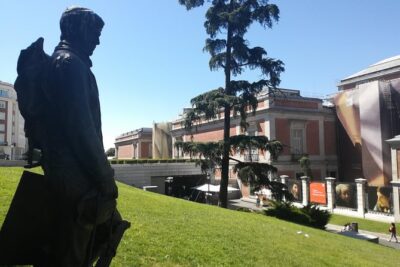
Prado Museum Small Group Tour with Skip the Line Ticket
Read our review →
Royal Palace & Prado Museum Skip the Line Guided Tour
Read our review →
Browse the lists this tour appears in