
Review · THE NETHERLANDS
The Hague: Prison Gate Museum
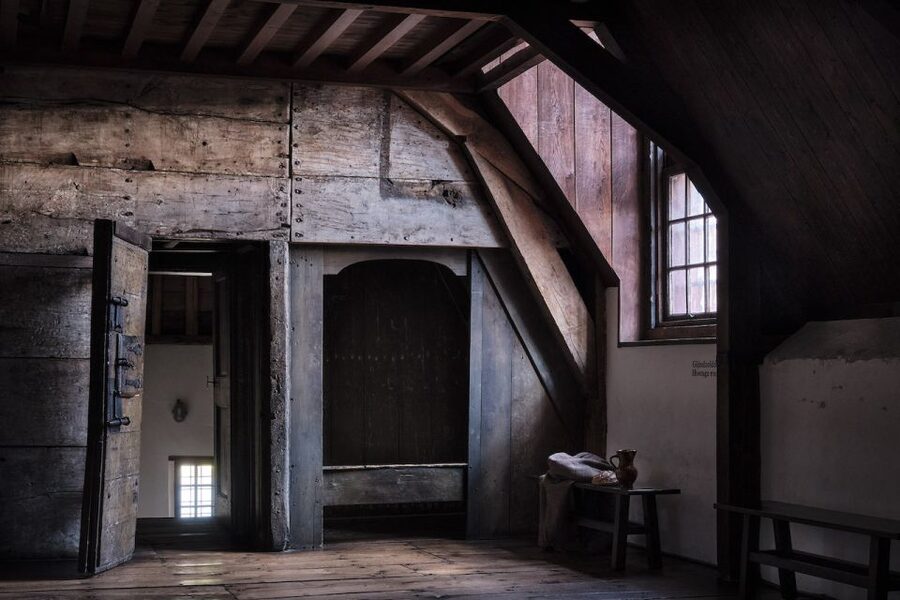
The most gripping part of The Hague’s Prison Gate Museum is that this is not a prison reconstructed for display. The building began as a 13th-century gateway to the Binnenhof, then became a prison and courthouse where suspected criminals waited for judgment. Its stone rooms still give the place a serious, enclosed feel.
I like the way the museum connects small details, such as cells and punishment tools, to major Dutch events. I also like the focus on daily justice: where prisoners waited, how wealth affected treatment, and where verdicts were delivered. The main drawback is simple: the visit is unguided, so you will need to read and explore at your own pace rather than ask a guide to explain each room.
Key points to know before you go
- A medieval gateway became a working prison: The building first guarded the entrance to the Binnenhof before serving the court of Holland.
- The De Witt brothers were imprisoned here: Their story links the building to one of the most disturbing moments in Dutch history.
- Old cells give the visit its force: You see the spaces where prisoners were held, not just displays about them.
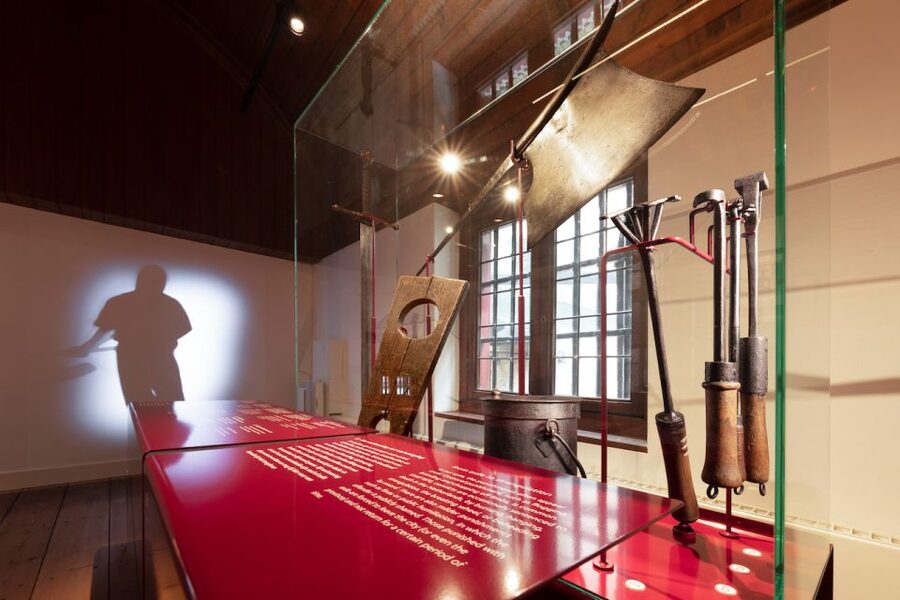
- The museum covers both law and punishment: Expect information about trials, verdicts, imprisonment, and torture instruments.
- Your ticket costs $18: That is a fair price if you value historic buildings and focused museum visits.
- This is a self-guided visit: Entry, Wi-Fi, and a wardrobe are included, but food, drinks, and a guided tour are not.
Entering The Hague’s former prison gateway
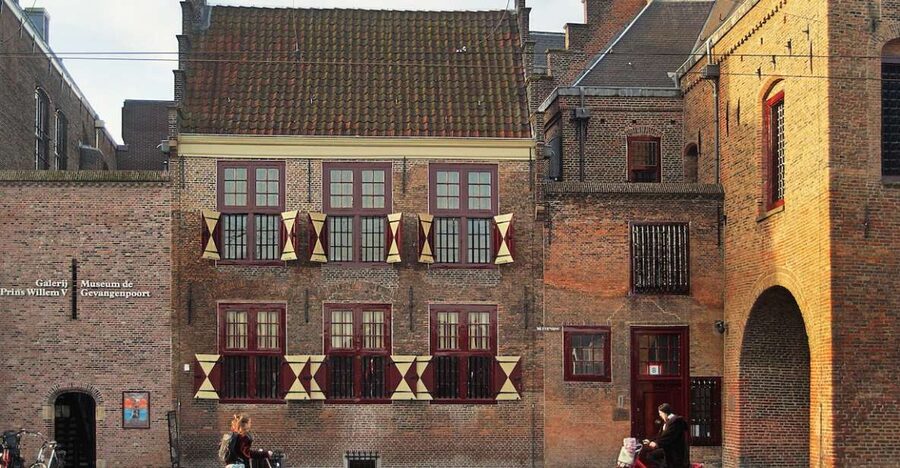
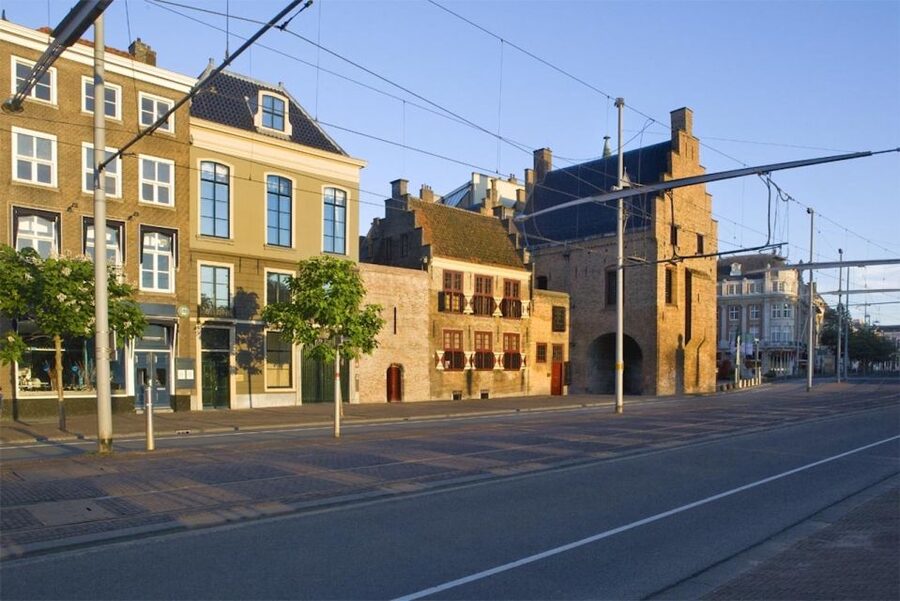
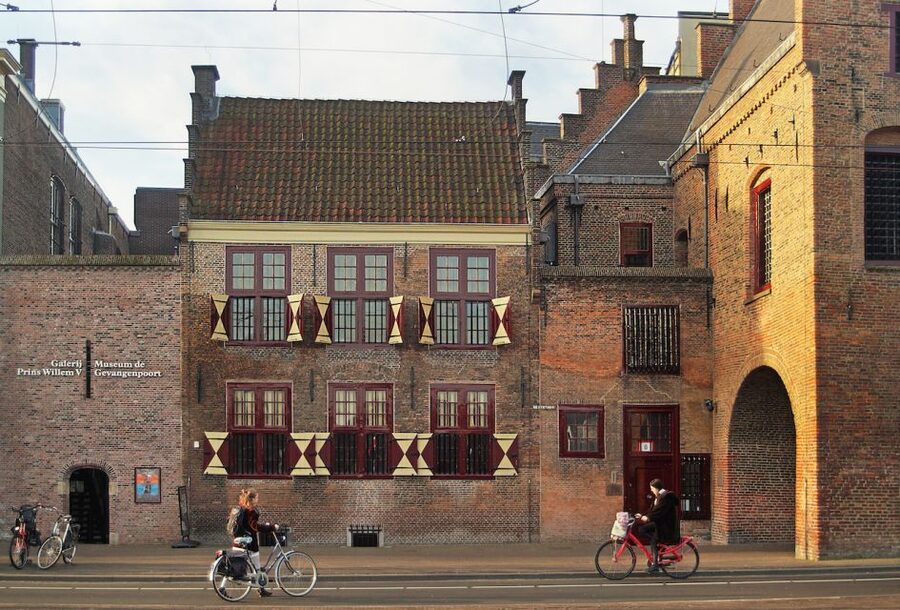
Rijksmuseum de Gevangenpoort sits beside the Hofvijver in central The Hague. Its setting matters. This was once an imposing entrance to the Binnenhof, the political heart of the Netherlands, and later the building became part of the legal machinery of the Hof van Holland.
That change from gateway to prison is the key to understanding the museum. You are not entering a site built only to frighten or punish. You are entering a building that served movement, government, law, and confinement over many centuries.
The medieval structure gives the visit a strong sense of place from the start. The subject is crime and punishment, but the building also helps explain how power worked in earlier Dutch society. People were brought here because a court needed to question, judge, or hold them.
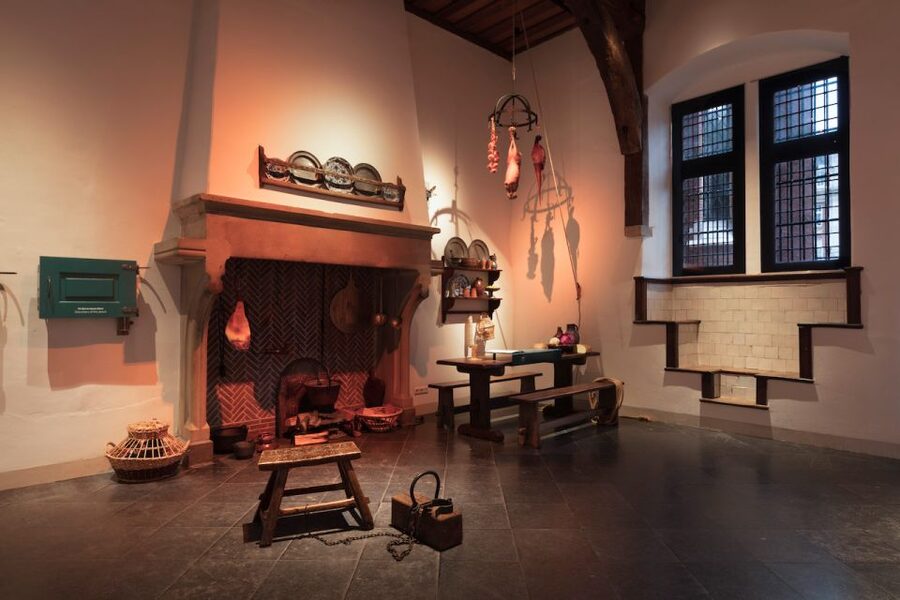
I find this more useful than a museum that simply displays old tools behind glass. The architecture itself shows how official justice operated. The thick, old rooms and confined spaces help you picture the difference between being free outside and waiting inside for a verdict.
A few more museum visits around the Netherlands worth comparing
- Amsterdam: Van Gogh Museum Ticket
★ 4.7 · 52,054 reviews - Moco Museum Amsterdam Entrance Tickets with Banksy & More
★ 4.4 · 10,088 reviews - Amsterdam: The Upside Down Museum Entrance Ticket
★ 4.4 · 9,506 reviews
What the prison and courthouse reveal
The museum’s central questions are practical ones. Where did suspected criminals wait? Which cells were used? Where was a verdict announced? What happened after a judgment?
You can follow the process from imprisonment to trial and punishment. That gives the visit a clear shape, even without a guide. It is not only a collection of grim objects. It is an explanation of how a legal system handled people accused of crimes and people who failed to pay debts.
The building also shows that prison was not an equal experience for everyone. The museum addresses the difference between poor and wealthy prisoners, an important detail that keeps the story from becoming too simple. Your social position could affect how you were held and treated.
That point is worth taking seriously. Old prisons are often presented as places where everyone suffered in the same way. Here, the subject is more precise. Justice had rules, but those rules operated within a society divided by money and status.
The visit is likely to work best if you take time with the explanations instead of rushing from room to room. The museum is compact in subject, but the questions it raises are large: who had power, who received protection, and how much did punishment depend on social standing?
Seeing the centuries-old cells
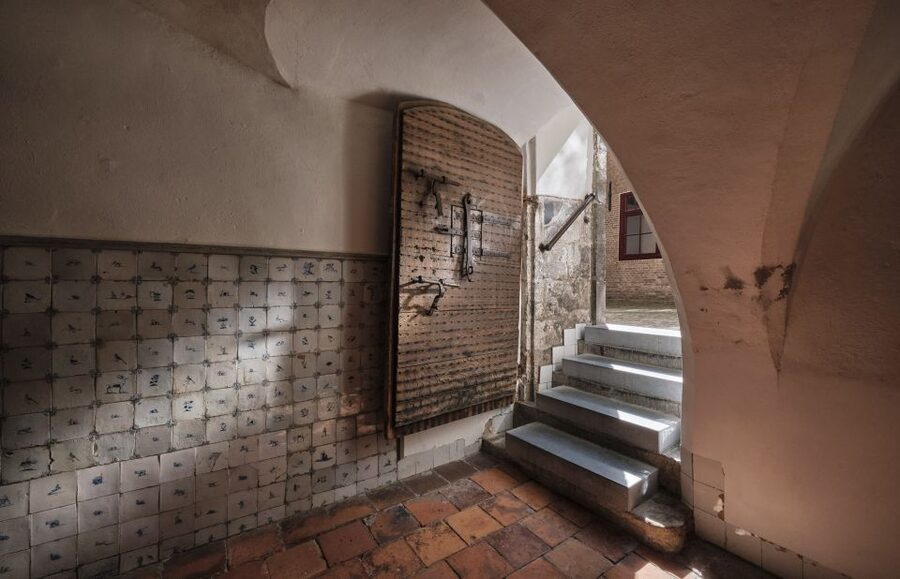
The cells are the heart of the experience. They make the museum feel immediate because they show where people were held before and after their court appearance.
You will not just hear that prisoners were confined. You will see the old rooms connected with that confinement. Their value comes from their plainness. A cell does not need many objects to make its purpose clear: a person was taken away from daily life and placed somewhere controlled by the court.
I would pay close attention to the way the rooms are arranged and to the information explaining their use. The important question is not only how old a cell is, but what kind of prisoner it held and at what point in the legal process.
The museum asks you to picture the uncertainty of waiting. A suspected criminal might not yet have received a verdict, but freedom was already gone. A defaulter could also be imprisoned, showing that the old system dealt with unpaid obligations as well as acts we would now call crimes.
This part may be intense for younger children, especially when combined with the punishment displays. For adults and older children interested in law, social history, or historic buildings, the cells provide the clearest link between the past and the people who experienced it.
The De Witt brothers and Dutch political history
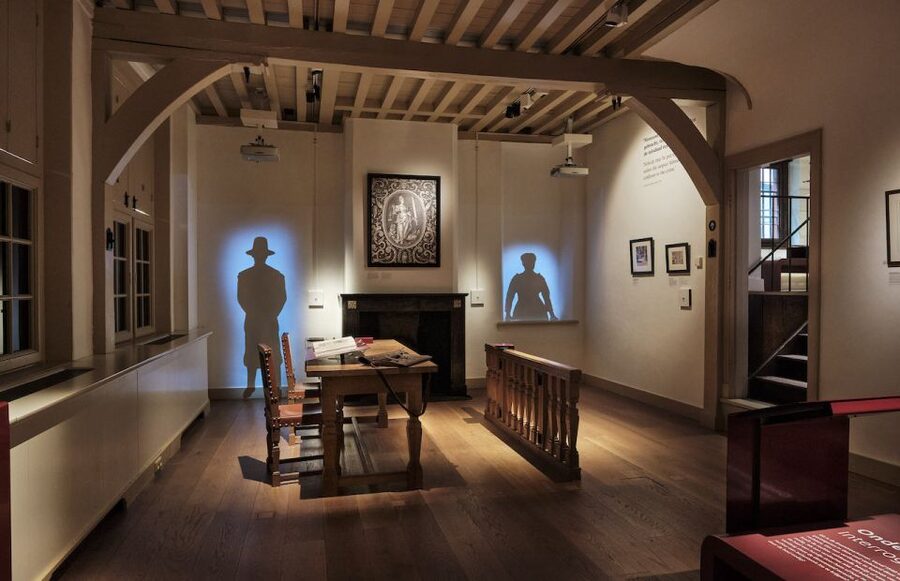
The Prison Gate is tied to the murder of Johan and Cornelis de Witt, two major Dutch political figures. Their imprisonment here gives the building a connection to national politics, not just local crime.
The De Witt brothers were important figures in Dutch history, and their story is one of the museum’s most striking historical links. Their fate shows how a prison and courthouse could become involved in events far beyond ordinary criminal cases.
The museum does not treat the building as a sealed-off institution. It places the prison within the wider story of the Netherlands. That makes the visit especially useful if you are already exploring The Hague’s government buildings and the Binnenhof area.
You do not need a long background in Dutch history to understand why this episode matters. The basic point is enough: people with national political importance were held here, and events connected with them became part of the country’s history.
I like this connection because it adds scale. You begin with cells, court procedures, and instruments of punishment, then see how the same place touched the fate of leading public figures. The museum becomes both a prison museum and a site linked to political conflict.
Same city, a completely different collection:
- Amsterdam: Red Light Secrets Museum Entry Ticket
★ 4.2 · 5,722 reviews - Amsterdam’s Weirdest Museum: Ripley’s Believe It or Not!
★ 4.5 · 4,920 reviews - Amsterdam: Van Gogh Museum Ticket and City Canal Cruise
★ 4.6 · 3,899 reviews - Amsterdam: Rembrandt House Museum Entrance Ticket
★ 4.7 · 3,385 reviews
The torture and punishment collection
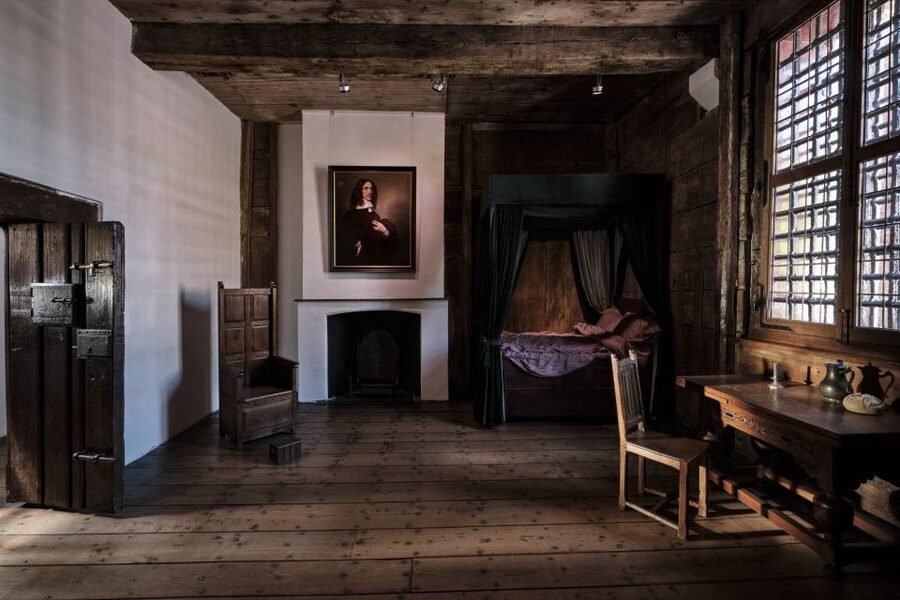
The museum also presents a national collection of torture and punishment instruments. This is the most difficult section for some people, but it is central to the museum’s purpose.
The objects show how punishment was made physical and public. They help explain the methods used by earlier courts and authorities, though you should expect a somber subject rather than a light historical display.
The collection is valuable because it puts actual tools alongside the rooms where prisoners were held and judged. You can connect the legal process to its possible consequences. A verdict was not just a spoken decision. In earlier periods, it could lead to harsh and painful treatment.
I prefer this approach to a display that shows instruments without context. The objects make more sense when you have already considered the cells, courtroom role, and difference between social groups. Together, those elements show how law, power, and punishment worked as one system.
Still, this is not a stop for everyone. If you dislike displays of torture, you may find this part too graphic or upsetting. The museum’s subject is serious throughout, and the punishment collection makes that especially clear.
What the self-guided format is like
Although the building has a story that could benefit from a guide, this ticket is for a self-guided visit. No guided tour is included, and no guide’s name is provided for this experience.
That format gives you control. You can spend more time on the De Witt story, pause in the cells, or move quickly past the punishment instruments. It also makes the visit easier to fit into a day of sightseeing in The Hague.
The tradeoff is that you must create your own pace and focus. A guide could help explain unfamiliar Dutch names, legal customs, and the relationship between the prison and the Binnenhof. Without one, you will depend on the museum’s displays and your own attention.
The self-guided setup is best for independent visitors who enjoy reading and forming their own impressions. If you want a lively spoken narrative or a chance to ask questions, check carefully before booking because the activity described here does not include that service.
A German-language visitor found the museum’s story clear and visually presented, which suggests the museum makes a real effort to explain the prison’s past through more than bare dates and labels. Still, the available information does not list the languages offered, so do not assume a particular language until you confirm it.
Is $18 a fair price?
At $18 per person, the Prison Gate Museum is reasonably priced for a historic building visit with a focused subject. Your ticket includes entry, Wi-Fi, and use of the wardrobe. Food and drinks are not included, though that is not a major issue for a museum visit of this type.
The value comes from the combination of three things: access to a medieval monument, the old prison rooms, and the collection of punishment instruments. You are paying for a site where the building and the subject support each other.
The price may feel less attractive if you only want a quick look at a famous exterior. The real benefit comes from going inside and taking time to understand the rooms, legal process, and historical episodes connected with the site.
It is also a good choice if you are already in central The Hague and want a compact indoor stop with strong historical content. Since the ticket is valid for one day, you have flexibility around the available starting times, but the published information does not give a fixed visit length.
Who will enjoy this museum most?
I would recommend the Prison Gate to you if you like historic buildings with a clear human story. It suits people interested in Dutch politics, medieval law, court systems, prisons, and the uncomfortable history of punishment.
It is also a useful choice for families with older children who can handle serious material. The cells give younger visitors something concrete to see, while the De Witt story and punishment collection offer more depth for adults.
You may want to choose another attraction if you prefer art, grand interiors, or a light sightseeing stop. This is not a cheerful museum, and its subject matter can be grim. The building is impressive, but the visit asks you to think about confinement, unequal treatment, and physical punishment.
I would set aside enough time to read the displays rather than treating it as a five-minute photo stop. The museum rewards attention, especially when you connect the building’s original role as a gateway with its later use as a prison and courthouse.
Practical details for planning your visit
The experience is in The Hague, in South Holland, beside the Hofvijver. That location makes it easy to combine with a day focused on the Binnenhof and the city’s political center.
Your admission is valid for one day, and you should check availability for the starting times before booking. You can cancel up to 24 hours in advance for a full refund, and a reserve-now, pay-later option is available if you want to keep your plans flexible.
The ticket includes a wardrobe, which is useful in a historic building where carrying bulky coats or bags could make the visit less comfortable. Wi-Fi is also included.
There is no food or drink included, and there is no guided tour with this activity. Those details are easy to overlook, so decide in advance if you want a completely independent museum visit or need a spoken tour.
Should you book the Prison Gate Museum?
Book it if you want a focused, atmospheric look at Dutch law and punishment inside a genuine medieval building. The cells, the De Witt connection, and the national collection of torture and punishment instruments give the visit more substance than a simple historic-house tour.
At $18, it is a fair buy for people who enjoy serious history and can spare time to read. I would be less quick to recommend it to anyone seeking entertainment, art, or a guided experience.
My advice is to treat the museum as part of a wider visit to central The Hague. See the former gateway, think about its role beside the Binnenhof, and then follow the story from imprisonment to trial and punishment. That approach gives you the clearest sense of why this old prison still matters.
FAQ
Where is the Prison Gate Museum located?
The museum is in The Hague, in South Holland, beside the Hofvijver.
What is the museum called?
It is Rijksmuseum de Gevangenpoort, also known as the Prison Gate Museum.
How much does admission cost?
The listed price is $18 per person.
How long is the ticket valid?
The ticket is valid for one day.
Is a guided tour included?
No. The activity is self-guided, and a guided tour is not included.
What can I see inside the museum?
You can see centuries-old prison cells, learn about imprisonment and court procedures, and view a national collection of torture and punishment instruments.
Which Dutch figures were imprisoned at the site?
Johan and Cornelis de Witt were imprisoned there.
Are Wi-Fi and a wardrobe included?
Yes. Wi-Fi and use of a wardrobe are included with admission.
Can I cancel my booking?
Yes. You can cancel up to 24 hours in advance for a full refund.
Just added around the Netherlands
- Van Gogh Museum Tour excluding Entrance Tickets★ 5.0 · 16 reviews
- Van Gogh Museum Entry Ticket and Guided Tour★ 4.5 · 48 reviews
- Van Gogh Museum with Audio Guide★ 3.5 · 80 reviews
- Amsterdam: Explore the Van Gogh Museum & His Masterpieces★ 3.5 · 64 reviews
- Van Gogh Museum Skip the Queue with Audio Guide★ 4.0 · 261 reviews
- Amsterdam Van Gogh Museum with Audio or Guided Tour★ 4.0 · 266 reviews
- Van Gogh Museum, Rijks Museum & Walking Tour – Private Day Tour★ 5.0 · 17 reviews
- Van Gogh Museum Ticket with Audio Guide and Unlimited Access Time★ 5.0 · 25 reviews
Museum Tours in the Netherlands, compared.

Moco Museum Amsterdam Entrance Tickets with Banksy & More
Read our review →


Amsterdam’s Weirdest Museum: Ripley’s Believe It or Not!
Read our review →


Browse the lists this tour appears in