
Review · GREECE
Santorini: Tomato Museum Admission Ticket with Audio Guide
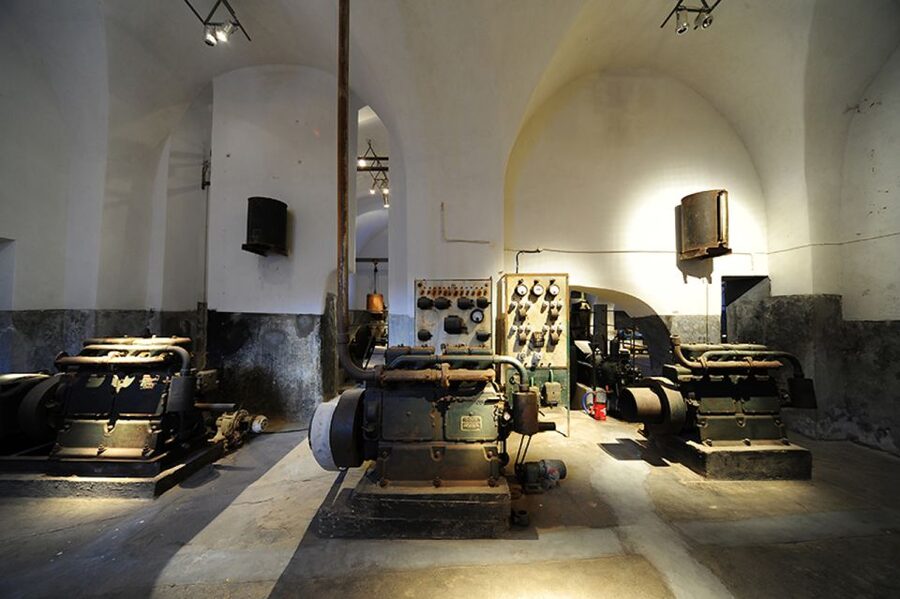
Santorini’s tomato story is far more interesting than it first sounds. At the old D. Nomikos factory in Vlychada, you can see how the island’s tiny, sweet cherry tomatoes were cultivated and processed when tomato production was a serious local industry. I like the three-area layout and the freedom to move at your own pace with an audio guide. I also like the tasting, which gives the visit a clear flavor, not just a collection of old machines.
The main drawback is that this is a self-guided museum visit, not a live tour with a host explaining every exhibit. The public bus from Fira runs every two hours, so transport takes some planning, and you should bring headphones for the audio guide.
Key points to know before you go
- The old factory is the main attraction: See the former D. Nomikos production site and its tomato-processing machinery.
- The tomato is unusually small and sweet: Taste Santorini’s cherry-sized local variety and learn why it became important on the island.
- Three areas keep the visit easy to follow: Move through cultivation, processing, and production at your own pace.
- Audio guides come in five languages: Choose English, French, German, Italian, or Greek.
- Former workers add a human voice: Audiovisual material shares firsthand memories of factory life.
- The visit costs $14 per person: That is fair if you want local food history, though it is less useful if you only want a quick snack or a conventional museum.
Why Santorini has a tomato museum
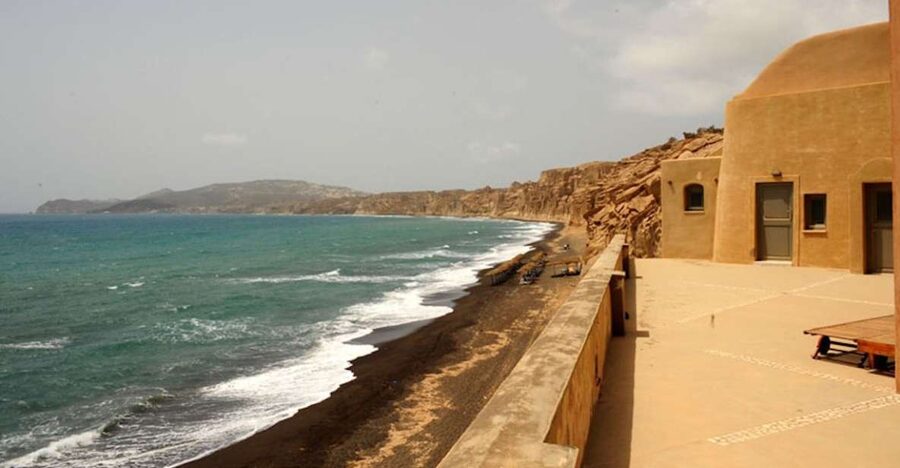
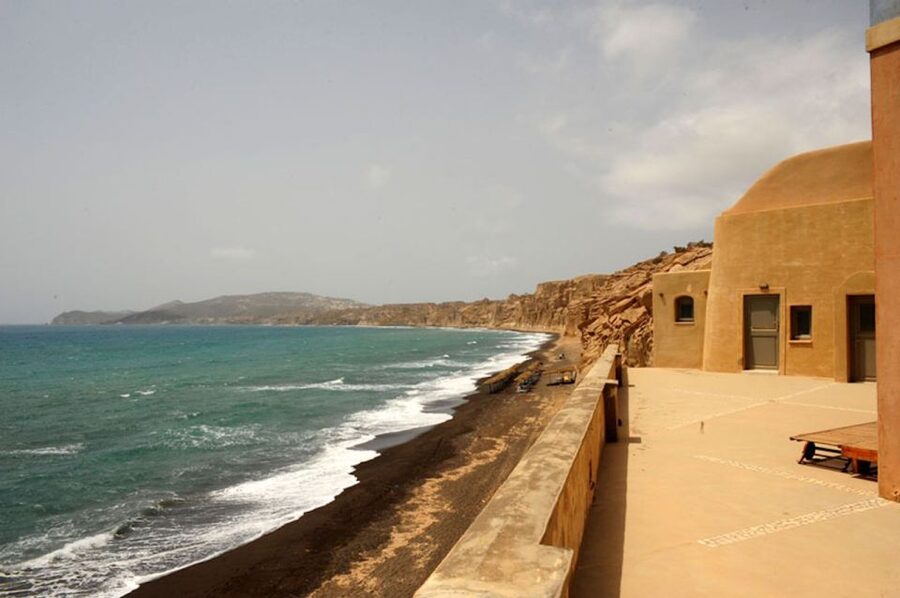
Santorini is usually sold through white buildings, sunsets, and sea views. Yet the island’s food traditions tell a more grounded story. The local cherry tomato has been cultivated here since the end of the 19th century, and the tomato factory in Vlychada shows how farming shaped everyday work and industry.
The tomato itself is not the large, watery type you might expect. It is cherry-sized and known for a distinctive sweet flavor. The museum connects that product with the dry island setting and with the methods used by local producers in the 1890s.
You are not simply looking at a food display. You are following a product from cultivation through processing and production. That makes the visit useful for understanding how a local ingredient became part of Santorini’s identity.
I would not treat this as a replacement for a major archaeological site or a long museum day. It is a focused visit built around one product. That focus is its strength, especially if you enjoy food, working history, or small museums with a clear story.
A few more museum visits around Greece worth comparing
- Athens: Acropolis Museum Ticket with optional Audio Guide
★ 4.4 · 2,652 reviews - Athens: National Archaeological Museum Ticket & Audio Guide
★ 4.3 · 1,330 reviews - Athens: Acropolis Museum Ticket with Audio Guide
★ 4.1 · 835 reviews
Entering the D. Nomikos factory in Vlychada
The experience takes place at the Tomato Industrial Museum, D. Nomikos, in Vlychada. This was a historical tomato factory, and the setting matters. The old industrial site gives the subject a physical home instead of presenting the tomato story through modern display cases alone.
Once inside, you can explore the complex without being tied to a group schedule. The museum is divided into three large areas, which gives the visit a simple structure. You can follow the story through the different stages of tomato production and pause where you want.
The lack of a live guide has two sides. You will not have someone answering questions as you walk, but you also will not be pushed along with a group. If you prefer to read, listen, and stop at your own pace, the format works well.
The listed host languages are English and Greek, while the audio guide itself is available in English, French, German, Italian, and Greek. Check that you select the language you need before beginning.
Cultivation, processing, and production
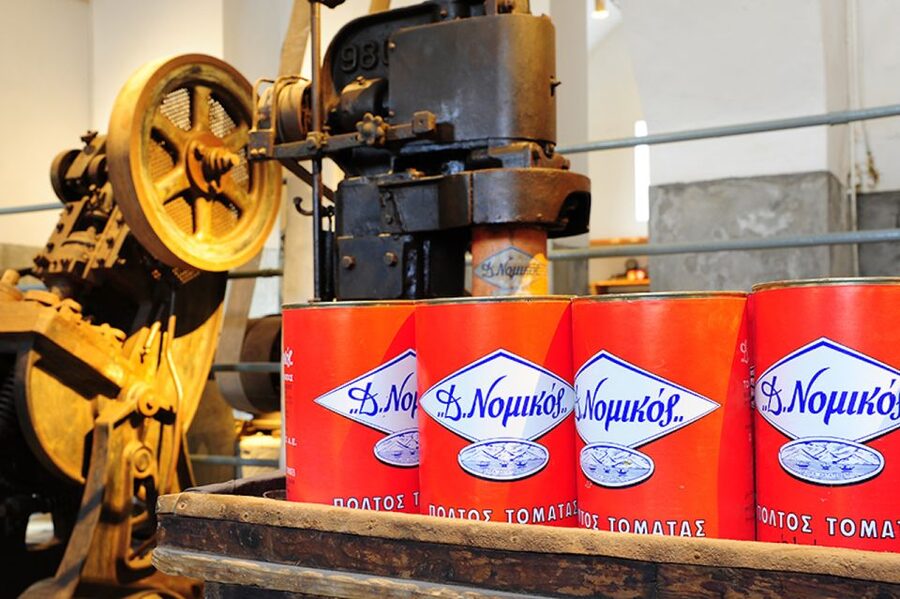
The museum’s central story follows the tomato through three stages: cultivation, processing, and production. This order helps you see the product as part of a working system rather than as a souvenir or tasting item.
The cultivation section explains the tomato’s place on Santorini since the late 19th century. You learn about traditional methods used by island producers and how the crop was handled before modern food production changed the process.
The processing and production areas bring the story into the factory itself. Here, the old machinery is important. It shows the scale and physical nature of the work, giving you a better sense of how much labor was involved in turning a small tomato into a finished product.
You will also find audiovisual material featuring former factory workers. These firsthand accounts add something that machinery alone cannot provide. The voices connect the equipment with the people who used it and with an industrial period that has passed.
This is likely to interest you most if you enjoy seeing how everyday goods were made. The museum does not rely only on grand events or famous people. Its subject is work, food, and local production.
The audio guide and the freedom to set your own pace
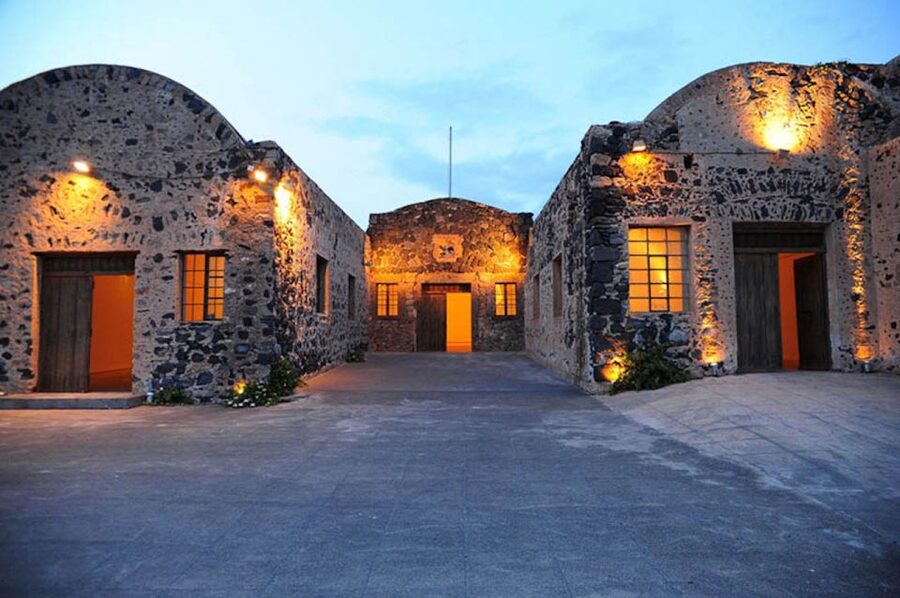
Your admission includes an audio guide device. It is available in five languages: English, French, German, Italian, and Greek. You should bring headphones, as they are specifically listed among the things to bring.
The audio format lets you control the rhythm. You can spend extra time with machinery, move quickly through sections that interest you less, or pause to look closely at the audiovisual material. That is a good fit for independent sightseeing.
Families may appreciate this flexibility. The museum is described as suitable for a relatively quick, playful visit, and the short, focused format can work well for children who might lose interest in a larger museum. Still, the exact visit length is not stated, so do not build a tightly timed schedule around an assumed duration.
The audio guide also means you should not expect a personal conversation with a guide. The only live assistance identified is a host or greeter in English and Greek. If you want detailed answers about farming techniques or the factory’s operation, prepare your questions in advance, since the main interpretation comes through the device.
More audio-guided museum visits in Greece:
- Crete: Knossos Palace and Museum E-Tickets with Audio Guides
★ 4.0 · 828 reviews - Delphi: Archaeological Site & Museum Ticket with Audio Tours
★ 4.3 · 721 reviews - Athens: National Archaeological Museum Ticket w/ Opt. Audio
★ 4.4 · 713 reviews - Athens: Acropolis & Acropolis Museum Ticket with Audio Guide
★ 4.1 · 556 reviews
The tomato tasting gives the visit a clear finish
The tasting is one of the most useful parts of the experience. You hear that Santorini’s tomato is small and sweet, but tasting it gives that description meaning.
This is not presented as a full meal, and food and drinks beyond the included experience are not part of the admission. Think of the tasting as a sample that completes the museum story. After hearing about cultivation and production, you get to connect the information with the flavor itself.
I like this kind of ending because it avoids making the visit purely technical. You leave with a better sense of why this particular tomato mattered. It also helps you decide which tomato products you may want to buy in the shop.
The tasting may be especially useful if you are comparing Santorini food experiences. You get local flavor and food history in one stop, without committing to a long meal or cooking class.
The museum shop and tomato products
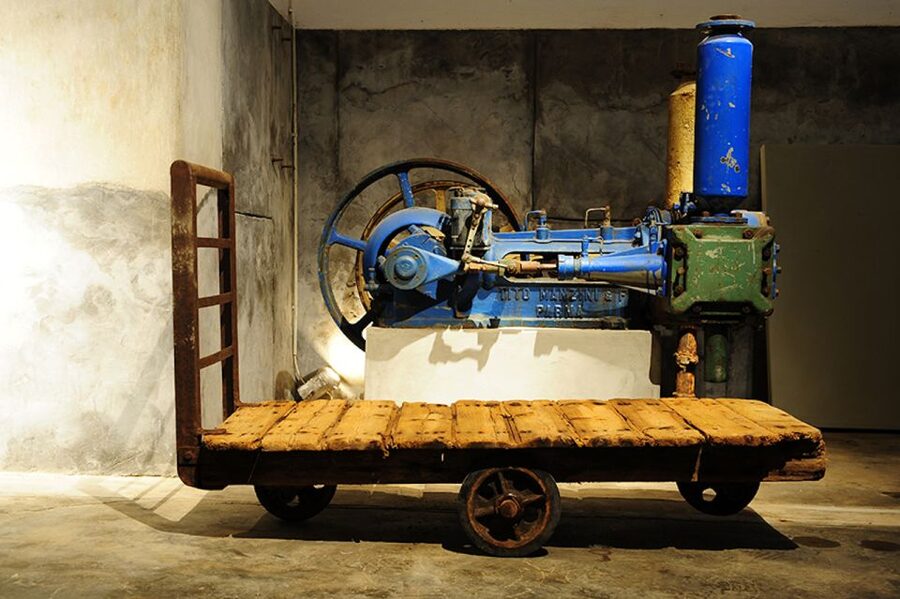
Access to the product boutique is included. You can buy different products made with the local tomato, giving you a chance to take the subject of the museum beyond the factory walls.
The shop is not an extra obligation. You can browse without buying, but it adds value if you like edible souvenirs or want to try tomato products after learning how they were made. Since the specific products are not listed, you should regard the selection as changing or varied rather than plan around one particular item.
This is also where the $14 price can make more sense. You are paying for admission, the audio guide, the tasting, access to the factory complex, and the chance to browse a shop centered on the same local ingredient. If you only want to purchase tomato products, you may not need the museum visit. If you want context as well, the combined experience is stronger.
Getting to Vlychada from Fira
The museum is reachable by taxi or public bus from Fira. The public bus connection runs every two hours, which is useful but not especially frequent.
That schedule is the main transport issue. You should check the departure times before leaving Fira and allow enough time for the return journey. A missed bus could leave you waiting longer than expected, so this is not the best stop to squeeze between several fixed appointments.
A taxi gives you more control over timing, while the bus keeps transport simpler if the schedule suits you. Hotel transfer is not included, so you arrange your own way to the museum.
The location in Vlychada also makes this visit a natural choice if you are already planning to spend time in that part of the island. If you are staying near Fira and have no other reason to go south, include transport time in your decision.
Is $14 good value?
At $14 per person, this is a reasonable small-museum price. The value depends on what you want from your Santorini sightseeing.
You receive entry to the whole complex, an audio guide, access to the boutique, and a tasting. The museum also offers something different from the island’s better-known sights. You are learning about a local product and an old industrial workplace, not simply looking at another scenic viewpoint.
The price is strongest for food lovers, families, and visitors who enjoy compact cultural stops. It is less compelling if you dislike audio guides, have little interest in production methods, or are already short on time.
The free cancellation policy allows you to cancel up to 24 hours in advance for a full refund. You can also reserve now and pay later, which helps if your island plans depend on weather or changing transport arrangements.
Who will enjoy this museum most?
I would recommend it to you if you like local food with a story behind it. The tomato tasting, factory equipment, and old production methods give you more than a standard shop visit.
It also suits families. The focused subject and self-guided format make it easier to keep children moving, and the tasting adds a hands-on moment. The supplied experience description specifically presents the museum as quick and suitable for children.
History fans may enjoy the industrial angle. This is not a royal palace or ancient ruin. It is a record of working life, local production, and the people who handled the crop.
You may want to skip it if you need a live guide, have no spare time for the trip to Vlychada, or are looking for a long food tour with several dishes. The museum gives you one product and one factory story, presented at a modest scale.
Practical details for a smoother visit
The ticket is valid for one day, with availability and starting times shown when you check the booking calendar. The experience is wheelchair accessible, which makes the site easier to consider for visitors with mobility needs.
Bring headphones for the audio guide. Food and drinks are not included beyond the stated tasting, and hotel transfers are not included.
English and Greek support is available from the host or greeter. The audio guide adds French, German, and Italian, so international visitors have several listening options.
The experience has a 4.9 rating from 22 bookings, and the strongest practical impression is clear: the museum is easy to follow, welcoming, and not too long for a family outing. One French booking described it as playful, quick, and well suited to children, with a pleasant tasting. That matches the way I would use it: as a focused cultural stop, not an all-day attraction.
Should you book the Tomato Industrial Museum?
Book it if you want to understand a quieter side of Santorini. The old factory, traditional production methods, worker recordings, tasting, and tomato shop form a tidy package for $14.
I would especially choose it if you are staying near or visiting Vlychada, traveling with children, or looking for a food-related activity that does not require a full meal. Plan the bus carefully, bring headphones, and allow the visit to unfold at its own pace.
Skip it if your schedule is packed or if a self-guided museum does not appeal to you. But if you have room for one small, local story beyond the usual island sights, this tomato museum earns its place.
FAQ
Where is the Tomato Industrial Museum located?
The museum is at the Tomato Industrial Museum, D. Nomikos, in Vlychada, Santorini.
How can I reach the museum from Fira?
You can reach the museum by taxi or public bus from Fira. The public bus connection runs every two hours.
What does the admission ticket include?
The ticket includes admission to the museum complex, an audio guide device, and access to the product boutique.
Is a live guide included?
No. A live guide is not included. An English or Greek host or greeter may be available, while the main tour information comes through the audio guide.
Which languages are available on the audio guide?
The audio guide is available in English, French, German, Italian, and Greek.
Do I need to bring headphones?
Yes. Headphones are listed as something to bring for the audio guide.
Is food included with the ticket?
Food and drinks are not generally included. The experience includes a tasting of the local Santorini cherry tomato.
Is the museum wheelchair accessible?
Yes. The museum is listed as wheelchair accessible.
Can I cancel the booking?
Yes. You can cancel up to 24 hours in advance for a full refund. You can also reserve now and pay later.
Just added around Greece
- Ancient Athens tour: Acropolis, Parthenon and Acropolis Museum★ 5.0 · 256 reviews
- The Acropolis, Athens Walking City Tour and Acropolis Museum★ 5.0 · 442 reviews
- Athens: Acropolis Museum Ticket with Self-Guided Audio tour App★ 3.5 · 40 reviews
- Family Acropolis & Acropolis Museum Tour inspiredby Percy Jackson★ 4.5 · 40 reviews
- Acropolis of Athens, Parthenon and Acropolis Museum private tour with dinner★ 5.0 · 77 reviews
- Shore Excursion: Acropolis, Athens City tour and The New Acropolis Museum★ 4.5 · 30 reviews
- Athens National Archaeological Museum E-Ticket with Audio Guide★ 3.0 · 57 reviews
- Private Tour: Half day Athens Sightseeing and Acropolis Museum★ 4.5 · 28 reviews
Museum Tours in Greece, compared.

Acropolis, Parthenon & Acropolis Museum Guided Tour
Read our review →
The Acropolis, Parthenon & Acropolis Museum Guided Tour
Read our review →Acropolis, Parthenon & Acropolis Museum Guided Tour
Read our review →
Acropolis monuments & Parthenon Walking Tour with Optional Acropolis Museum
Read our review →
Athens All Included: Acropolis and Museum Guided Tour with Ticket
Read our review →
Combo: Acropolis & Acropolis Museum with Optional Tours
Read our review →
Acropolis Museum Ticket with optional Audio Guide
Read our review →
Small-Group Delphi, Museum & Arachova Day Trip
Read our review →Browse the lists this tour appears in