
Review · ATHENS
Private Tour: the Acropolis & Acropolis Museum
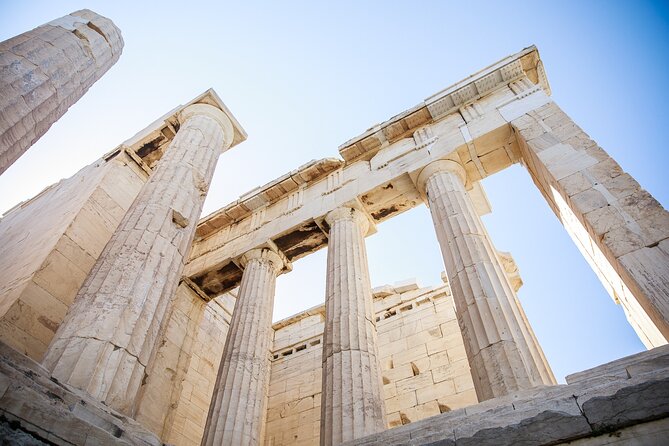
The best part of this experience is the link between the stones on the Acropolis and the objects inside the museum. You see the Parthenon, Erechtheion, and Propylaea first, then use the museum to picture how the Acropolis may have looked in ancient Athens.
I like the private format, since your guide can spend more time on the questions that interest you and adjust the pace for your group. I also like the pairing of the hill with the museum, especially for families, since guides such as Georgina have used stories and humor to keep children involved.
The main consideration is cost. At $231.89 per person, plus roughly €35 for archaeological-site admission, this is a premium way to see Athens. You also need moderate physical fitness, and hotel pickup is not included.
Key points to know before booking
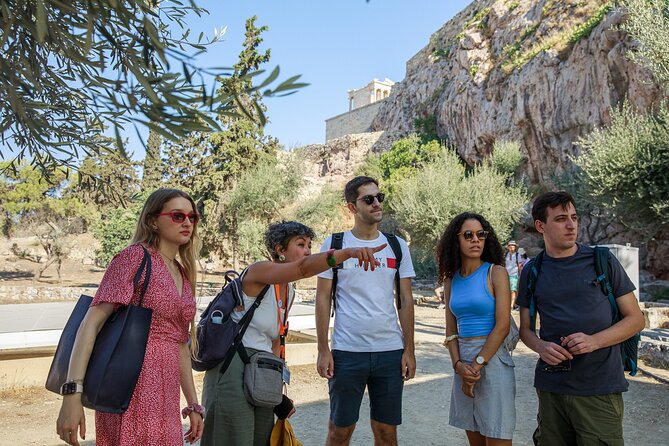
- The Acropolis and museum work best together: The outdoor monuments show you the real setting, while the museum gives context and a possible view of the Parthenon’s original appearance.
- You get a private guide: Only your group takes part, which gives you more room for questions and family-friendly pacing.
- Named guides include Olesya, Georgina, and Efi: Olesya has been praised for making ancient subjects come alive, Georgina for warm family guidance, and Efi for knowledge, humor, and patience with lively groups.
- Tickets cost extra: The archaeological site and museum admissions are not included, with the site ticket listed at about €35 per person.
- The tour begins and ends near the Acropolis: Meet at Dionysiou Areopagitou 3 and finish at the Acropolis Museum on the same pedestrian avenue.
- You receive useful extras: An Athens guide magazine and city map help you plan the rest of your stay.
Why pair the Acropolis with the museum?
Athens can give you too many disconnected ancient stones in one morning. A column here, a temple there, then a museum label full of dates. This tour has a smarter shape: first see the monuments in their setting, then visit the museum and make sense of what you saw.
I like that order. The Acropolis is not just a collection of famous photographs. It is a hilltop complex with temples, gateways, theaters, sanctuaries, and later layers of use. A private guide can explain how those pieces fit together while you are looking at them, rather than asking you to reconstruct the site later from a guidebook.
The museum adds another layer. Its modern galleries hold sculpture and architectural pieces connected to the Acropolis, and the tour specifically highlights how the Parthenon might have appeared in ancient times. That is valuable because the building you see today is famous partly for what is missing: color, decoration, roof elements, and many sculptures are no longer in their original place.
You are not simply spending three and a half hours walking. You are moving between the physical remains and the museum evidence. I find that much more useful than visiting either one alone.
More Museum Tours in Athens
- Athens: Acropolis, Parthenon & Acropolis Museum Guided Tour
★ 4.8 · 9,316 reviews - The Acropolis, Parthenon & Acropolis Museum Guided Tour
★ 4.7 · 8,493 reviews - Athens: Mythology of Delphi, Museum and Arachova Guided Tour
★ 4.7 · 5,102 reviews
Starting at Dionysiou Areopagitou
The meeting point is Dionysiou Areopagitou 3, near the Acropolis and close to public transportation. This is a convenient starting area because the tour does not spend your paid time collecting people from several hotels.
You should plan to arrive ready to walk uphill and over uneven ancient ground. The tour requires a moderate level of physical fitness, and that matters more here than it might on a museum-only visit. Comfortable shoes are a sensible choice, and you should expect sun exposure during the outdoor portion, though the supplied details do not specify shade or weather arrangements.
Your guide is licensed locally and leads only your group. That private setup is especially useful if one person wants architectural detail while another needs a simpler explanation. It also lets a family pause for questions without holding up a large group.
The advertised duration is approximately three hours and 30 minutes. The time listed for individual stops adds up differently, so treat the schedule as a broad half-day plan rather than a minute-by-minute promise. Your guide may adjust the time spent at each site.
The Acropolis: Athens from the hilltop
The main Acropolis visit is scheduled for about 90 minutes and includes the monuments on the hill. This is the emotional center of the experience, but it is also where the walking is most demanding.
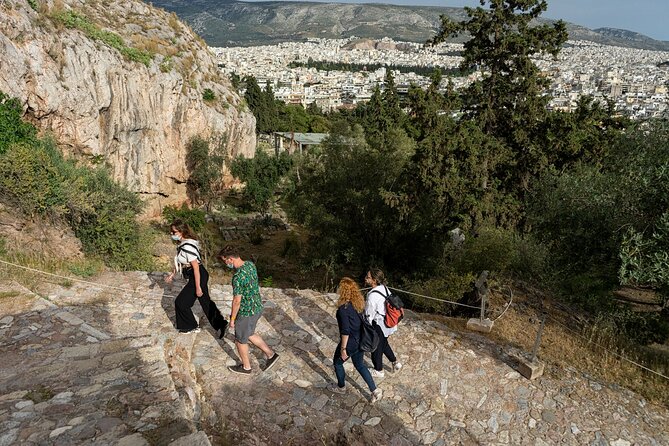
The setting gives you more than close views of temples. From the rock, you can look across Athens and understand why this high point mattered. Your guide can connect the location, buildings, and civic identity of ancient Athens in a way that a distant photograph cannot.
The Acropolis is also a working archaeological site, not a preserved stage set. You will see ancient remains alongside repairs and reconstruction work. That can be confusing if you are expecting every stone to be untouched, so this is a good place to ask your guide what is original, what has been restored, and why.
The private format helps here. The group can stop at a carved detail, compare two structures, or ask about the construction without waiting for a large party to catch up. If you are traveling with children, the ability to change the explanation and pace can make a real difference.
Admission is not included. The archaeological-site ticket is listed at approximately €35 per person, though the exact amount can vary with ticket arrangements and current pricing. Set that cost aside when comparing the tour with a cheaper group option.
Theater of Dionysus and the Sanctuary of Asclepius
The tour allows about 20 minutes for the Theater of Dionysus and the Sanctuary of Asclepius. This is a useful reminder that the Acropolis area was not only about the Parthenon.
The Theater of Dionysus is tied to the performance tradition associated with ancient Athens. Its position below the Acropolis helps you see how worship, public events, and the hilltop sanctuary belonged to one larger setting.
The Sanctuary of Asclepius brings a different subject into view, connected with healing. I appreciate this stop because it broadens your understanding of ancient life beyond temples and military power. Ask your guide how the theater and sanctuary relate to the wider Acropolis complex.
You may not spend a long time at either place. Twenty minutes passes quickly, especially if your guide is explaining both sites. Still, these stops give the tour more variety than a simple march from the entrance to the Parthenon.
More Acropolis Museum visits:
- Athens: Acropolis, Parthenon & Acropolis Museum Guided Tour
★ 4.8 · 3,579 reviews - Acropolis monuments & Parthenon Walking Tour with Optional Acropolis Museum
★ 5.0 · 2,678 reviews - Athens All Included: Acropolis and Museum Guided Tour with Ticket
★ 4.5 · 2,673 reviews - Athens: Acropolis Museum Ticket with optional Audio Guide
★ 4.4 · 2,652 reviews
Herod Atticus Odeon from above
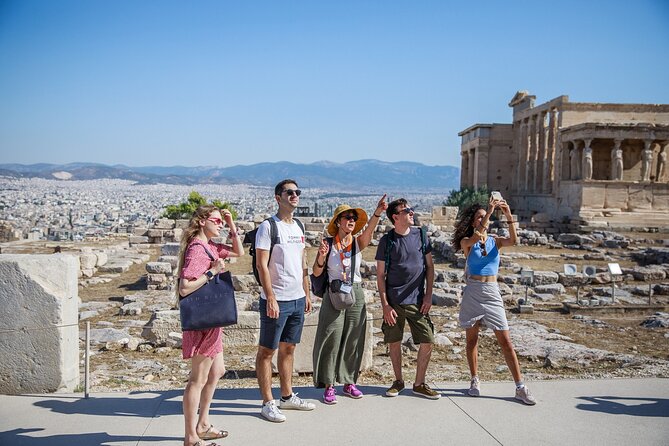
The planned stop at the Herod Atticus Odeon lasts about five minutes and offers a view from above. That is short, but the location makes it worthwhile.
The odeon is an ancient performance building with a distinctive setting beneath the Acropolis. From above, you get a strong sense of its scale and placement. It is also a good photo stop, particularly if your group wants a record of the theater against the hill.
Do not expect a full exploration at this point. The schedule treats it as a quick viewing stop, not a long visit inside the building. I would enjoy it as a visual pause between the larger monuments.
Passing through the Propylaea
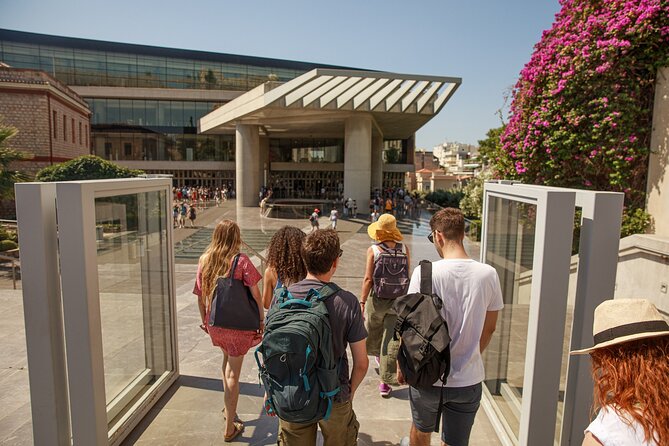
The Propylaea served as the monumental gateway to the Acropolis. The tour gives it about ten minutes, enough to appreciate its role before the Parthenon and Erechtheion take over your attention.
This entrance deserves more than a passing glance. Its scale helped shape the approach to the sacred hill, and walking through it gives you a physical sense of arrival. The guide can point out the design and explain why entering the Acropolis was meant to feel significant.
The stop is brief, so listen closely and look up as you pass through. The gateway is part of the approach, but it is also one of the most impressive pieces of architecture on the route.
The Parthenon up close
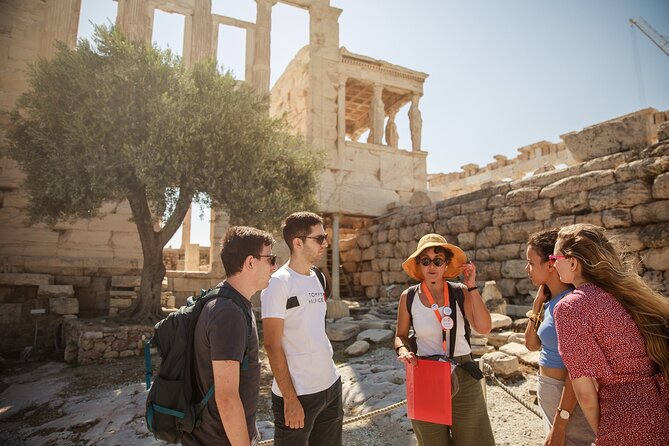
About 20 minutes is set aside for the Parthenon, the temple dedicated to Athena, patron goddess of Athens. This is the building most people picture before arriving, and the close view does not disappoint, even with scaffolding or restoration work that may be present at different times.
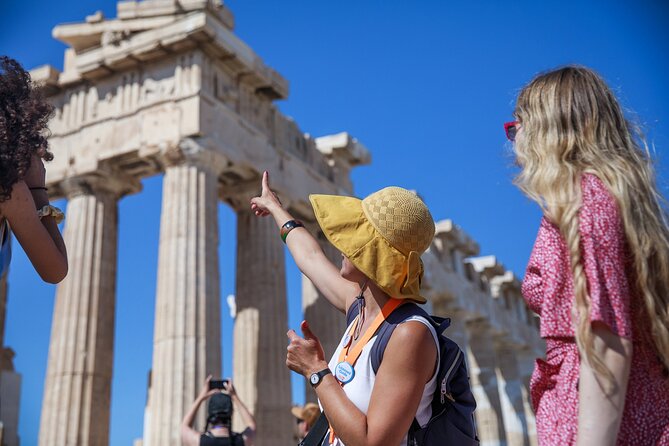
Your guide can help you look beyond the familiar outline. Notice the columns, the scale, and the way the building sits on the summit. Ask about the temple’s decoration and its original appearance, since the museum visit later in the tour will add useful context.
The Parthenon is also the busiest photo target on the hill. A private guide cannot control crowds or site conditions, but can help you understand what you are seeing instead of leaving you to take a quick picture and move on.
The 20-minute estimate is enough for an explanation and photos, but not for a slow study of every architectural feature. If the Parthenon is your main reason for booking, tell your guide at the start so the balance of time suits your group.
Temple of Athena Nike and the Erechtheion
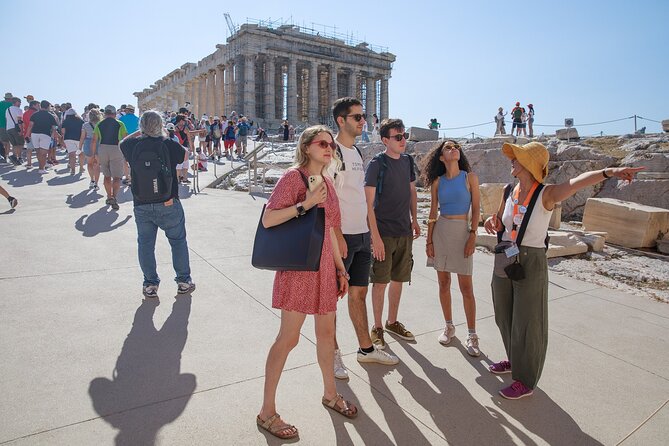
The Temple of Athena Nike receives about ten minutes. Its name connects Athena with Nike, the goddess associated with victory, and its position near the approach gives it a strong relationship to the entrance route.
The stop is short, but the temple’s compact scale contrasts nicely with the Parthenon. I find that contrast helpful: ancient Athens did not rely on one giant building alone. Several structures worked together to create the meaning of the hill.
The tour then allows about 20 minutes for the Erechtheion. Made of Pentelic marble, this elegant temple is famous for the Caryatids, the sculpted female figures used as architectural supports.
The Caryatids are among the most memorable sights on the Acropolis. Your guide can explain their role and point out the fine details that are easy to miss when you are focused on the overall shape. The Erechtheion also has an irregular design that feels very different from the Parthenon, making this a valuable comparison.
The route also includes the Agrippa Monument. It is not assigned a separate time block, so you will likely see it as part of the movement around the hill. That is another reason to stay close to your guide and listen during transitions.
The Acropolis Museum: making sense of the stones
The final stop is the Acropolis Museum, where you explore at your own pace for about 75 minutes. The museum is modern and impressive, but the important point for this tour is how it supports what you just saw outdoors.
The museum can help you picture sculpture and architectural decoration in a fuller setting. The tour specifically focuses on how the Parthenon may have looked, giving you a chance to replace the pale marble image with a more complete idea of the ancient monument.
I like ending here rather than beginning inside. After seeing the real buildings, you have questions ready. Why are some sculptures in the museum? What details belonged to the temples? How do surviving fragments help experts understand the original design?
The phrase at your own pace matters. The guide leads you through the museum experience, but this is not described as a rigid stop with every gallery timed to the minute. Keep an eye on the total schedule, since the museum is large enough to absorb much longer than 75 minutes.
The museum is also the end point, at Dionysiou Areopagitou 15. That makes the day easy to continue on your own, though no hotel drop-off is included.
What the private guide adds
A private guide is the main reason to pay more for this experience. You are not just buying access. You are paying for a licensed local guide who can connect the monuments, answer questions, and adjust explanations for your group.
The named guides associated with this experience include Olesya, Georgina, and Efi. Olesya is described as generous with information and able to make the subject feel alive. Georgina is noted for a warm approach with children, while Efi is remembered for humor, strong subject knowledge, and patience with a rowdy family group.
Those details matter because the Acropolis is not automatically easy to understand. A good explanation can turn the Caryatids from a famous photo into part of a larger architectural story. For children, a guide who uses stories and humor may be the difference between paying attention and simply waiting for the museum.
You should not assume you will receive a specific guide unless the provider confirms it. Still, the guide names give you a useful sense of the personal approach attached to this experience.
Price, group size, and overall value
The listed price is $231.89 per person, and admission fees are extra. With the archaeological-site ticket listed at about €35 per person, the final cost is meaningfully higher than the headline price.
I would judge the value based on your group size and interests. For a couple or small family that wants a private conversation and a well-shaped visit, the price may be reasonable. For a larger group, the private format can feel better value if group discounts apply, though you should confirm the exact discount before booking.
The experience includes the local licensed guide, private touring, an Athens magazine, and a city map. The magazine and map are small extras, but useful if this is your first day in Athens and you want to plan beyond the Acropolis.
Food, drinks, hotel pickup, and drop-off are not included. Since the meeting and end points are both near the Acropolis, you need to arrange your own way there and away. The area is near public transportation, which helps, but the supplied details do not identify a specific transit route.
The cancellation terms are straightforward: cancel at least 24 hours before the start time for a full refund. Changes or cancellations inside that 24-hour window are not accepted for a refund.
Who should book this experience?
I would choose this tour if you want the Acropolis explained rather than simply visited. It suits families, first-time visitors, and anyone who values questions, flexible pacing, and a guide focused only on your party.
It is also a good fit if you want the museum included in the same cultural outing. The outdoor site and indoor collection answer different questions, and the connection between them is the strongest feature of the plan.
I would think twice if you are watching every euro, dislike uphill walking, or prefer to explore museums slowly on your own. The cost is high, tickets are extra, and the three-and-a-half-hour format gives you an introduction rather than unlimited time.
Should you book the Acropolis and museum tour?
Book it if you want a private English-language guide, a family-friendly pace, and a clear connection between the Acropolis monuments and the museum’s collection. The praise directed at Olesya, Georgina, and Efi points to a warm, story-led style that can make the ancient sites easier to follow.
Skip it if independent sightseeing suits you and you are comfortable handling tickets, site details, and the museum without help. For everyone else, the combination of Propylaea, Parthenon, Athena Nike, Erechtheion, the Caryatids, and the museum in one focused visit is a strong way to begin an Athens stay.
FAQ
How long does the private Acropolis and museum tour last?
The advertised duration is approximately three hours and 30 minutes.
What language is the tour offered in?
The tour is offered in English.
Is this a private tour?
Yes. Only your group participates in the activity.
Are entrance fees included?
No. Admission tickets are not included. The archaeological-site ticket is listed at approximately €35 per person.
Where does the tour begin?
The meeting point is Dionysiou Areopagitou 3, Athina 117 42, Greece.
Where does the tour end?
The tour ends at the Acropolis Museum, Dionysiou Areopagitou 15, Athens.
Is hotel pickup included?
No. Hotel pickup and drop-off are not included.
Does the tour include food or drinks?
No. Food and drinks are not included.
Can I cancel for a full refund?
Yes, if you cancel at least 24 hours before the experience start time. Cancellations or changes made less than 24 hours before the start time are not refunded or accepted.
Just added around Athens
- Ancient Athens tour: Acropolis, Parthenon and Acropolis Museum★ 5.0 · 256 reviews
- The Acropolis, Athens Walking City Tour and Acropolis Museum★ 5.0 · 442 reviews
- Athens: Acropolis Museum Ticket with Self-Guided Audio tour App★ 3.5 · 40 reviews
- Family Acropolis & Acropolis Museum Tour inspiredby Percy Jackson★ 4.5 · 40 reviews
- Acropolis of Athens, Parthenon and Acropolis Museum private tour with dinner★ 5.0 · 77 reviews
- Athens National Archaeological Museum E-Ticket with Audio Guide★ 3.0 · 57 reviews
- Private Tour: Half day Athens Sightseeing and Acropolis Museum★ 4.5 · 28 reviews
- Shore Excursion: Acropolis, Athens City tour and The New Acropolis Museum★ 4.5 · 30 reviews
Museum Tours in Athens, compared.
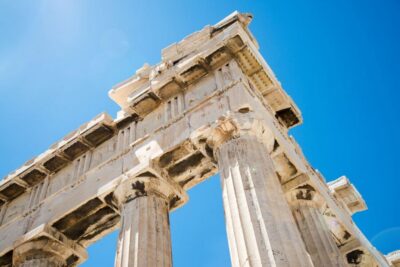
Acropolis, Parthenon & Acropolis Museum Guided Tour
Read our review →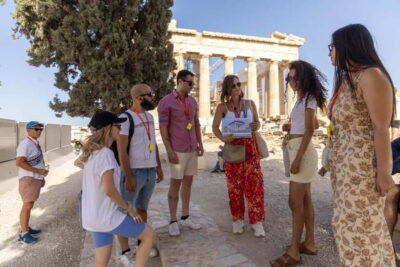
The Acropolis, Parthenon & Acropolis Museum Guided Tour
Read our review →Acropolis, Parthenon & Acropolis Museum Guided Tour
Read our review →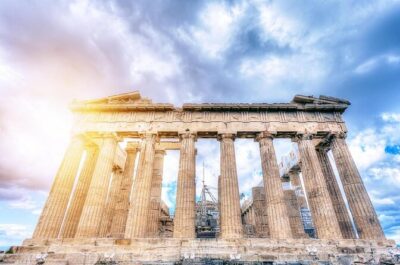
Acropolis monuments & Parthenon Walking Tour with Optional Acropolis Museum
Read our review →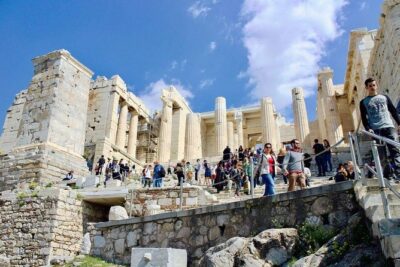
Athens All Included: Acropolis and Museum Guided Tour with Ticket
Read our review →
Acropolis Museum Ticket with optional Audio Guide
Read our review →
Small-Group Delphi, Museum & Arachova Day Trip
Read our review →
Delphi Oracle & Museum Tour with a Licensed Guide
Read our review →Browse the lists this tour appears in