Review · ITALY
Parma: Parmigiano Reggiano Museum Ticket
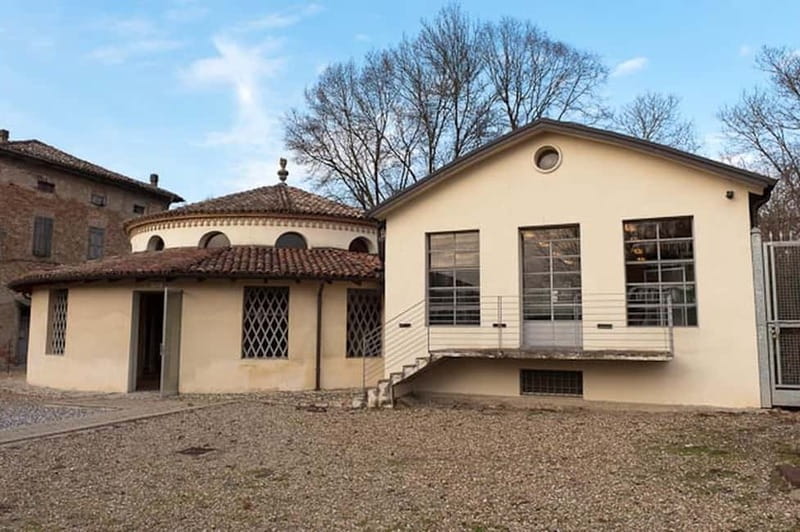
The best part of this Parmigiano Reggiano Museum visit is the setting. You do not simply look at cheese behind glass. You walk through the Castellazzi complex, with original 17th-century stables, vaulted roofs, an old hay barn, and a circular cheese plant. It gives the famous product a real place and a working past.
I like two things here. First, the museum connects the cheese to Parma’s culture instead of treating it as a supermarket item. Second, the optional cheese tasting gives you a good reason to stay for the finish. The main drawback is its modest scale: at $8, it is excellent value, but it is not a full-day attraction by itself.
Key points to know
- 17th-century setting: See original stables, vaulted ceilings, and an ancient hay barn in the Castellazzi complex.
- Cheese-making focus: Follow the tools and equipment used in both older and more recent production.
- Optional tasting: Add Parmigiano Reggiano and drinks to your ticket, since they are not included in basic admission.
- Good value: At $8 per person, the museum works well as a short Parma stop.
- Family-friendly format: The collection, historic rooms, and tasting offer several ways for adults and children to stay interested.
- Easy planning: Admission is valid for one day, cancellation is free up to 24 hours ahead, and the museum is wheelchair accessible.
Why Parmigiano Reggiano Makes a Good Parma Stop
Parma is known for food, and Parmigiano Reggiano is one of the clearest ways to understand that reputation. This museum shows how a celebrated cheese grew from a local craft into a product recognized far beyond Emilia-Romagna.
I find that food museums work best when they explain more than ingredients. Here, you can see the rooms, tools, and working spaces that shaped the cheese-making process. The result is practical and concrete. You learn through buildings and equipment, not just labels.
The visit also gives you a better sense of why Parmigiano Reggiano carries such weight in the region. Its importance is tied to daily work, rural life, aging, tools, and careful production. You will not get every detail of the wider Italian food system in one visit, but you will leave with a clearer picture of this one essential product.
A few more museum visits around Italy worth comparing
- Vatican: Museums & Sistine Chapel Entrance Ticket
★ 4.5 · 144,003 reviews - Florence: Skip-The-Line Uffizi Gallery Timed Entry Ticket
★ 4.5 · 27,832 reviews - Vatican Museums & Sistine Chapel Skip-the-Line Entry Ticket
★ 4.4 · 13,838 reviews
Entering the Castellazzi Complex
The Castellazzi complex is the main attraction before the displays even begin. Its architecture gives the museum a strong sense of place, and the arch is a natural photo stop.
The original stables date from the 17th century and retain their vaulted roofs. That matters because you can see the spaces in which earlier agricultural work took place, rather than viewing a modern reconstruction. The ancient hay barn adds another useful piece of the picture. It shows the wider farm setting connected to cheese production.
Take a moment to look upward and around before rushing toward the objects. The old masonry, roof shapes, and proportions help explain how practical farm buildings once supported the work of making cheese. You are seeing the building as part of the story.
The setting also gives the museum a quieter, more local feel than a large city institution. You may find the experience especially appealing if you prefer small collections with a strong regional connection. On the other hand, anyone expecting a large, high-tech exhibition should adjust those expectations.
From Stables to the Circular Cheese Plant
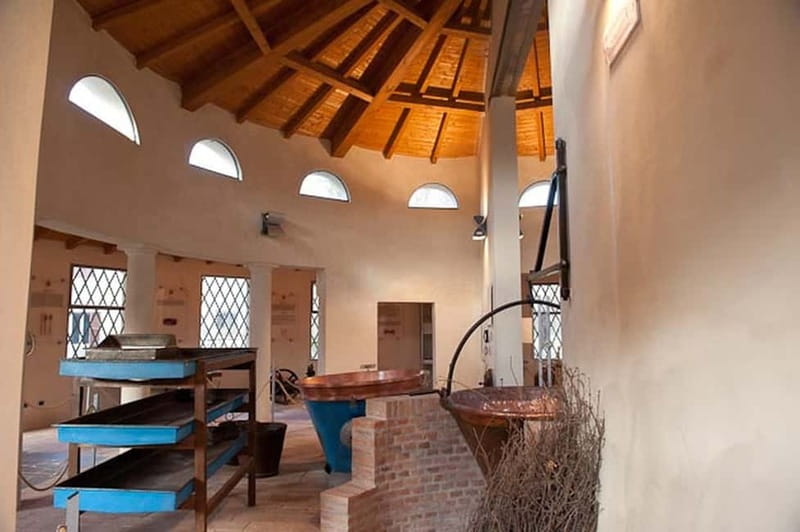
Inside the main house, the original stables remain part of the museum. The vaulted rooms are not simply decorative. They help you picture the working environment in earlier periods and show how the complex changed over time.
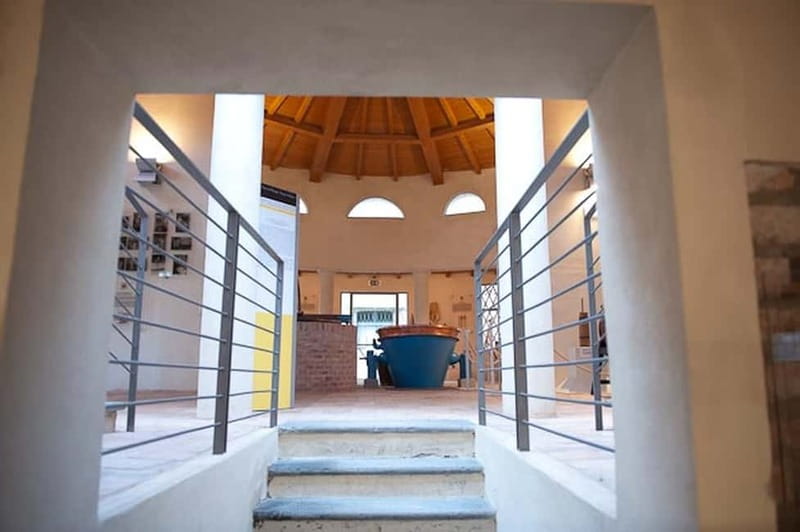
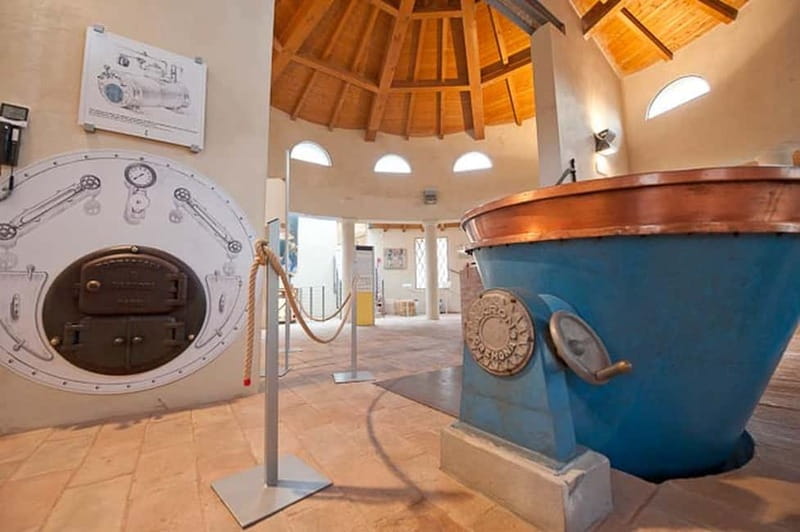
The circular cheese plant is another important stop. It makes the cheese-making process easier to understand because the museum presents production as a series of spaces and tasks. You can connect the equipment with the rooms where milk was handled, processed, salted, and prepared.
More recent additions include the basement milk room and salting room. These areas give the visit a useful sense of development. You see both older structures and later working spaces, rather than one frozen moment from the past.
I like this mix because it keeps the museum from becoming only an architecture visit. You get the buildings, but also the practical side of making Parmigiano Reggiano. The collection asks you to think about how tools, rooms, and routines fit together.
The museum is still compact. You should not expect a long guided route with a packed schedule of separate stops. Instead, think of it as a focused visit that rewards close attention to objects and rooms.
The Tools That Made the Cheese
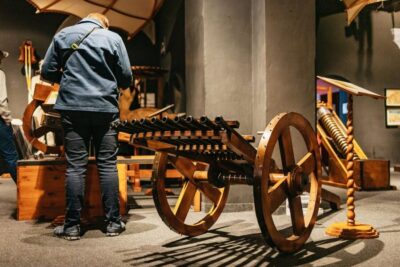
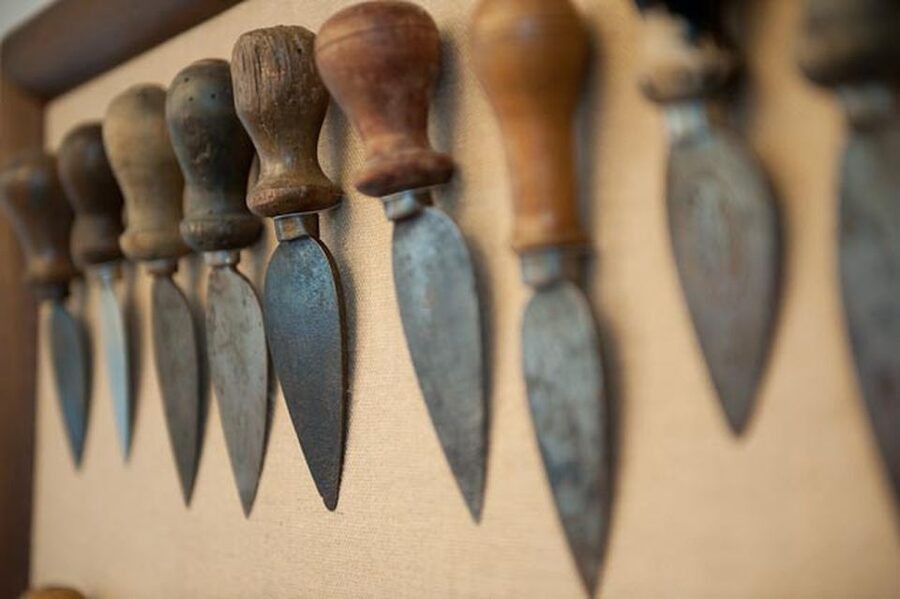
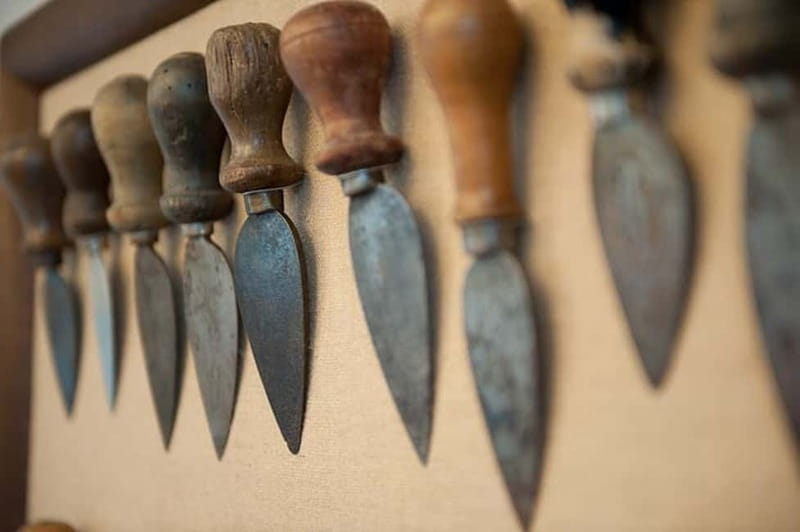
The collection includes different types of tools and equipment used in cheese making, both historically and in more modern times. This is where the museum becomes most useful for visitors who want to understand the craft itself.
Look for the contrast between older hand tools and later equipment. The point is not simply that one object is old and another is new. The displays show how production methods changed while the central identity of the cheese remained tied to careful work.
You can also use the equipment to follow the basic logic of production. Milk must be handled, worked, separated, salted, and prepared for the long process that gives Parmigiano Reggiano its character. The museum does not need a giant presentation to make those stages feel more real. The objects do much of the explaining.
This section is likely to interest adults who enjoy industrial or agricultural history. Children may respond better if you turn the visit into a search for unusual tools and ask them to guess each object’s purpose. Since the supplied information does not specify a children’s program, you should not count on hands-on activities or organized family entertainment.
The collection also helps explain why cheese-making is more than a recipe. It depends on buildings, tools, time, and repeated routines. That broader context is one of the museum’s strongest qualities.
Same city, a completely different collection:
- Vatican Museums, Sistine Chapel & St. Peter’s Basilica Tour
★ 4.3 · 73,970 reviews - Vatican Museums, Sistine Chapel & St Peter’s Basilica Guided Tour
★ 4.5 · 39,149 reviews - Rome: Vatican Museums, Sistine Chapel and Basilica Tour
★ 4.3 · 16,039 reviews - Rome: Vatican Museums, Sistine Chapel & Basilica Tour
★ 4.7 · 13,217 reviews
The Tasting Is the Part to Consider Carefully
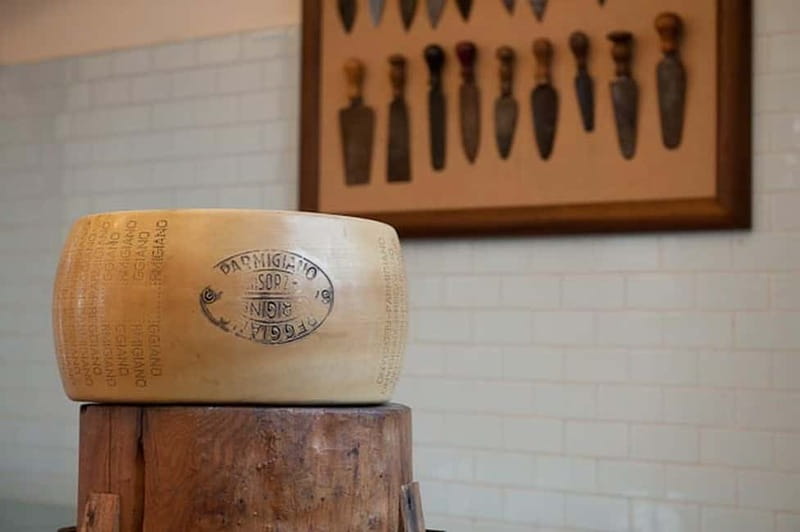
The basic $8 ticket does not include tasting or drinks. You can choose an entry option with the Parmigiano Reggiano tasting, so check the available choices before booking.
I would strongly consider adding it if you enjoy regional food. Tasting the cheese after seeing its production spaces gives the visit a clear finish. It also lets you connect the museum’s historical material with the product itself.
The tasting received some of the warmest praise in the available feedback. Visitors singled out the cheese as delicious, and one family bought a block to take home. That detail is useful: the tasting is not just a decorative extra for a photo. It can help you decide if you want to bring some Parmigiano Reggiano home.
Still, the add-on is optional. If you are already planning several food tastings in Parma, the basic museum entry may be enough. If this is your main cheese-focused stop, paying for the tasting makes more sense.
Because drinks are not included in the entry ticket, check exactly which option you are selecting. The museum allows you to choose with or without the tasting, so there is no need to pay for it if you do not want that part.
How Much Time Should You Allow?
The ticket is valid for one day, with starting times shown when you check availability. The information provided does not give a fixed visit length, so plan around your wider Parma schedule rather than treating this as a timed, full-day outing.
The museum works well as a short cultural stop. You can examine the historic buildings, look closely at the equipment, and add the tasting without giving up an entire day. That makes it useful for a food-focused itinerary with other stops nearby, though the exact visit time depends on your pace.
I would avoid squeezing it into an appointment with no flexibility. The experience includes several distinct spaces, and you will enjoy it more if you have time to pause for the architecture and displays. The one-day validity also gives you some breathing room if your plans change.
Starting times depend on availability. Check before you book, especially if you have a tight schedule or are coordinating the museum with lunch, transport, or another Parma activity.
Price, Access, and Practical Value
At $8 per person, the entry ticket is inexpensive by museum standards. You are paying for access to a historic complex, a focused collection of cheese-making tools, and the chance to understand a product closely tied to Parma.
The value is strongest if you appreciate food culture, old working buildings, or small regional museums. You get more than a quick display of cheese. You see the rooms and equipment connected to its production, including areas that reflect both earlier and more recent work.
The value is less clear if you expect a large collection, many interactive exhibits, or a long formal tour. The rating of 3.7 from 34 reviews suggests a mixed overall response, even though the most enthusiastic comments praise the friendly service, beautiful setting, informative collection, and tasting. I would read that as a sign to keep expectations realistic rather than as a reason to skip it.
The museum is wheelchair accessible, which makes it a practical choice for more visitors. The information does not specify every route detail or the accessibility of each historic feature, so contact the provider if you need precise room-by-room information.
The experience is offered by Musei del Cibo della provincia di Parma, the food museum network for the province. That regional focus suits the subject. This is not a generic cheese attraction placed anywhere in Italy. It is tied to the food traditions of Emilia-Romagna.
You can cancel up to 24 hours before the experience for a full refund. A reserve-now, pay-later option is also available, which helps if you are still arranging your Parma plans.
Who Will Enjoy This Museum Most?
I would recommend the museum to several types of visitors:
- Food-minded visitors: You can connect a familiar ingredient with its local setting and production tools.
- Families: The historic rooms, unusual equipment, and optional tasting offer variety, even without a stated children’s program.
- Architecture fans: The stables, vaulted roofs, hay barn, and Castellazzi arch give the visit visual appeal.
- Short-stay visitors: The $8 ticket and one-day validity make this easy to add to a Parma itinerary.
- Shoppers for Italian food: The tasting can help you decide if you want to take a piece of Parmigiano Reggiano home.
I would be more cautious if you want an extensive, highly interactive museum or a long guided experience. The available information does not promise a named guide, a set tour duration, or a large number of activities beyond the collection and optional tasting.
The strongest choice for many people is the ticket with tasting. It gives the visit a beginning, middle, and end: historic buildings first, production tools next, and the finished cheese last.
My Take on the Parmigiano Reggiano Museum
This is a small, focused experience with a clear purpose. It shows you the buildings, rooms, tools, and working traditions behind one of Parma’s best-known foods.
I especially like the original stables and hay barn because they give the museum a genuine connection to agricultural life. The cheese-making equipment adds substance, while the tasting makes the subject easier to remember. Friendly service and a charming setting also contribute to the visit’s appeal.
The trade-off is scale. You should not book this expecting a full-day attraction or an elaborate guided production tour. At $8, though, the museum does not need to be large to be worthwhile. It simply needs to give you a better understanding of Parmigiano Reggiano, and it does that in a direct, grounded way.
Should You Book It?
Book this museum if you want a reasonably priced Parma stop that links food with architecture and local working life. Add the tasting if cheese is a major reason for your visit, or if you want to take home a block after sampling it.
Skip it if your schedule is packed with larger museums and you have little interest in food production or historic farm buildings. For everyone else, the low entry price, wheelchair access, optional tasting, and distinctive 17th-century setting make it an easy addition to an Emilia-Romagna itinerary.
FAQ
Where is the Parmigiano Reggiano Museum located?
The museum is in Parma, in the Emilia-Romagna region of Italy. It is located within the Castellazzi complex.
How much does museum entry cost?
The entry ticket costs $8 per person. The basic entry ticket does not include tasting or drinks.
Is Parmigiano Reggiano tasting included?
No. You can choose a ticket with or without a Parmigiano Reggiano tasting. Tasting and drinks are not included in the standard entry.
How long is the ticket valid?
The ticket is valid for one day. Starting times depend on availability when you check.
What can I see at the museum?
You can see original 17th-century stables with vaulted roofs, an ancient hay barn, a circular cheese plant, a basement milk room, a salting room, and cheese-making tools and equipment from different periods.
Is the museum wheelchair accessible?
Yes. The activity is listed as wheelchair accessible.
Can I cancel the booking?
Yes. You can cancel up to 24 hours in advance for a full refund.
Can I reserve now and pay later?
Yes. A reserve-now, pay-later option is available, allowing you to book without paying immediately.
Is the tasting required?
No. The tasting is optional. You can select a museum ticket without it.
Who operates the museum experience?
The experience is operated by Musei del Cibo della provincia di Parma.
Just added around Italy
- Oil museum and oil mill in Tuscany: tour and tasting★ 5.0 · 16 reviews
- Enchanted Castle of Sciacca – Museum Tickets★ 3.5 · 63 reviews
- Torino: FIAT Historic Museum and Lingotto District Tour★ 4.9 · 14 reviews
- Torino: The Car Museum Skip-The-Line Tour★ 4.7 · 22 reviews
- Timed Entry Ticket to the Uffizi Gallery★ 4.5 · 498 reviews
- Florence: Accademia Gallery Entry Ticket with Audio Guide★ 4.1 · 88 reviews
- Vatican City: Sistine Chapel, Museums, Basilica Private Tour★ 4.8 · 158 reviews
- Rome: Capitoline Museums and Centrale Montemartini Tickets★ 4.4 · 328 reviews
Museum Tours in Italy, compared.
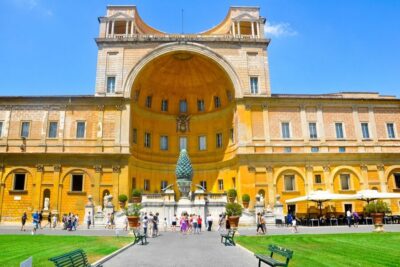
Vatican: Museums & Sistine Chapel Entrance Ticket
Read our review →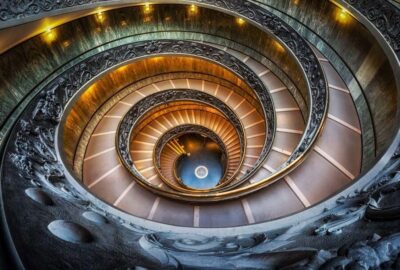
Vatican Museums, Sistine Chapel & St. Peter’s Basilica Tour
Read our review →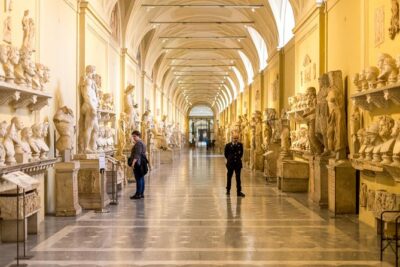
Vatican Museums, Sistine Chapel & St Peter’s Basilica Guided Tour
Read our review →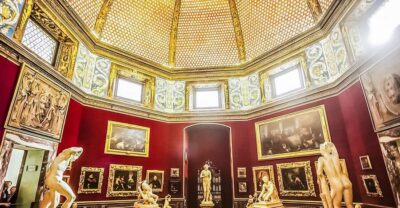
Skip-The-Line Uffizi Gallery Timed Entry Ticket
Read our review →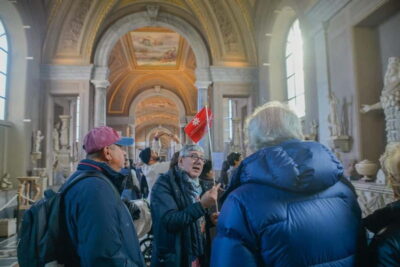
Vatican Museums, Sistine Chapel and Basilica Tour
Read our review →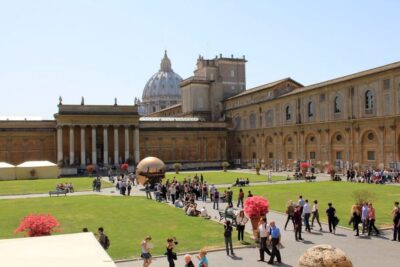
Vatican Museums & Sistine Chapel Skip-the-Line Entry Ticket
Read our review →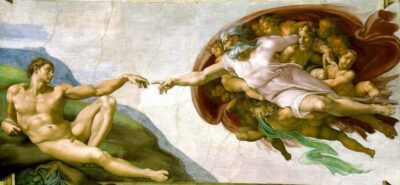
Vatican Museums, Sistine Chapel & Basilica Tour
Read our review →